Most Complete Comoros Travel Guide 2026-2027 – Everything You Need to Know Before Visiting
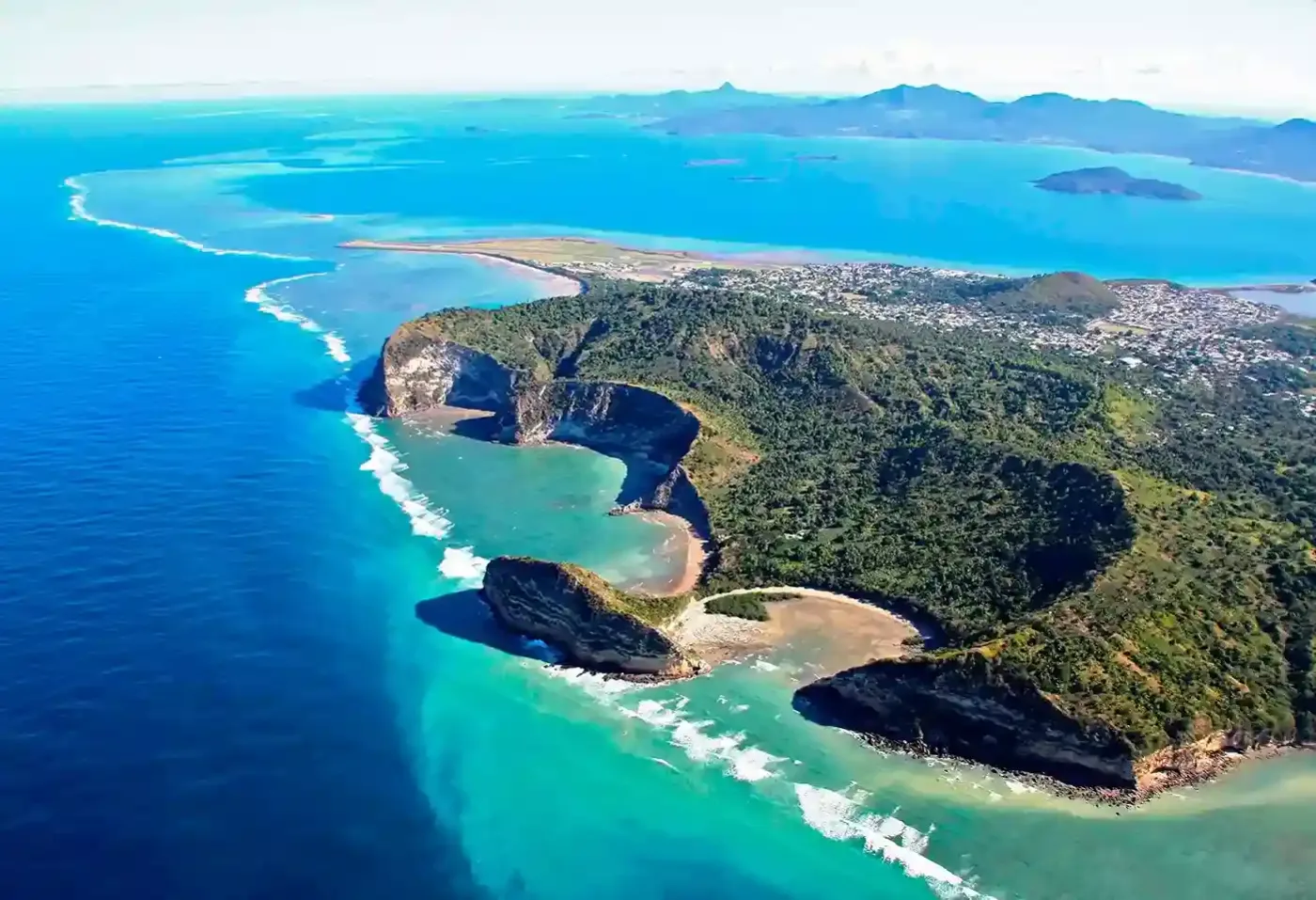
This Comoros travel guide provides everything you need to plan your journey to one of Africa’s least-visited island nations. The Union of the Comoros offers an extraordinary blend of dramatic volcanic landscapes, turquoise lagoons, endemic wildlife, and rich Swahili-Arab culture that create one of the continent's most unique and untouched travel experiences. Many travelers who want to travel to Comoros are surprised by the country's incredible marine biodiversity, active volcanoes, and pristine beaches with almost no crowds. The nation consists of three main volcanic islands – Grande Comore, Mohéli, and Anjouan – plus numerous smaller islets, offering visitors everything from world-class diving to hiking active volcanoes and experiencing authentic island life.
Start Reading the Full Guide ↓Quick Facts About Comoros
- Capital: Moroni (Grande Comore).
- Currency: Comorian Franc (KMF).
- Time Zone: East Africa Time (EAT, UTC+3).
- International Calling Code: +269.
- Driving Side: Right.
- Major Airport: Prince Said Ibrahim International Airport (HAH) – Grande Comore.
Comoros Overview & Key Facts
Brief History of Comoros
Comoros' history spans centuries of Swahili trading ports, Arab influence, and European colonial interest. Settled by Bantu, Malagasy, and Arab traders from the 8th century, the islands became important stops on Indian Ocean trade routes for spices and slaves. Islam arrived in the 10th century and remains dominant. The French colonized the islands in the 19th century, and Comoros gained independence in 1975 – though Mayotte voted to remain French. This rich historical tapestry creates a fascinating backdrop blending African, Arab, and French influences.
Independence & National Identity
- Independence date: July 6, 1975.
- Former colonial power: France.
- National symbols & identity.
Comoros gained independence after a referendum, though the country has experienced over 20 coups or attempted coups since 1975. The national flag features four stripes representing the main islands and a crescent with four stars symbolizing Islam. National identity centers on Sunni Islam, Comorian language, and Swahili-Arab culture, with strong traditions of music, dance, and grand marriage ceremonies.
Government System & Current Leadership
- Type of government: Federal Presidential Republic
- Current president: Azali Assoumani (re-elected 2024)
- Notes on political stability
Comoros operates as a federal presidential republic with rotating presidency among the three main islands. President Azali Assoumani has served multiple terms. The country has stabilized significantly in recent years, with peaceful elections and growing tourism interest.
Population, Ethnic Groups & Languages
- Population: ~900,000 (2025 estimate).
- Major ethnic groups: Comorian (mixed African-Arab-Malagasy).
- Official language(s): Comorian (Shikomor), Arabic, French.
- Additional languages commonly spoken.
French is widely used in administration and tourism. Arabic is used in religious contexts. English is growing in tourist areas but still limited. Each island has its own dialect of Comorian.
Main Religions & Cultural Identity
Islam dominates Comoros' religious landscape, with approximately 98% of the population adhering to Sunni Islam – one of the highest percentages globally. Islamic values strongly influence daily life, social customs, and cultural practices. Visitors should respect religious observances, particularly during Ramadan, and dress modestly when visiting villages or religious sites.
Geography & Natural Landscape
Comoros features dramatic volcanic islands rising steeply from the Indian Ocean. Grande Comore hosts active Karthala volcano, Mohéli is lush and mountainous with marine parks, while Anjouan features dramatic peaks and waterfalls. The islands are surrounded by coral reefs and boast some of the world’s richest marine biodiversity, including coelacanths and seasonal humpback whales.
Economy & Tourism Highlights
Comoros' economy relies on agriculture (vanilla, cloves, ylang-ylang), fishing, and growing tourism. The islands are the world’s largest producer of ylang-ylang essence used in perfumery. Tourism is developing rapidly with focus on eco-tourism, diving, whale watching, and cultural experiences.
What Comoros Is Known For
- Active Karthala volcano (one of the world’s most active)
- World-class diving and coelacanth habitat
- Seasonal humpback whale watching
- Perfume islands (ylang-ylang, vanilla, cloves)
Visa & Entry Requirements in Comoros
Most international visitors receive a free 45-day visa on arrival – one of Africa’s easiest entry processes. The visa application process is straightforward at the airport or port of entry.
Do You Need a Visa?
No – most nationalities receive a free 45-day tourist visa on arrival at Prince Said Ibrahim Airport or other entry points. Only a handful of countries require pre-arranged visas.
Visa Application Options in Comoros
- Visa on arrival (free, 45 days) – most common
- e-Visa available online (optional, same conditions)
The visa on arrival is processed quickly at immigration. Have your passport (valid 6+ months), return/onward ticket, and accommodation details ready.
Passport Validity & Entry Documents
Passport must be valid for at least six months from entry date with at least two blank pages. Return or onward ticket often requested. Yellow fever certificate required if arriving from endemic countries.
Customs Rules & Prohibited Items
Standard restrictions apply. Alcohol import limited to 2 liters per person. Declare large amounts of currency. No pork products. Respect Islamic customs regarding prohibited items.
Safety & Security Information in Comoros
Comoros is one of Africa’s safest and most peaceful destinations with very low crime rates and welcoming locals. The main islands are calm and stable.
Is Comoros Safe for Tourists?
Yes – Comoros is very safe for tourists. Petty crime is minimal, violent crime against visitors almost unheard of. The biggest risks are natural (volcanic activity, cyclones) rather than criminal.
Recommended Safety Tips when in Comoros
Use registered taxis or hotel transfers after dark. Don’t leave valuables unattended on beaches. Follow local advice regarding volcanic activity on Grande Comore. Drink bottled water outside major hotels.
Safe Areas vs. Areas to Avoid in Comoros
All tourist areas on Grande Comore, Mohéli, and Anjouan are safe. No specific areas to avoid for tourists. Political demonstrations are rare and peaceful.
Emergency Numbers & Tourist Police in Comoros
- Police: 17
- Fire: 18
- Medical Emergency: 269 773 1073 (Moroni hospital)
Hotel staff can assist with translation and coordination in emergencies.
Health Requirements & Vaccinations in Comoros
No mandatory vaccinations for direct arrivals, but recommended vaccines and malaria prophylaxis advised.
Mandatory Vaccinations in Comoros
Yellow fever certificate required only if arriving from endemic countries within 6 days.
Recommended Vaccinations in Comoros
Hepatitis A, Typhoid, routine vaccines. Malaria prophylaxis recommended (low risk on higher elevations).
Malaria & Other Risks
Low malaria risk on higher ground (Moroni, volcano areas). Mosquito-borne diseases present at lower elevations. Use repellent and nets.
Travel Insurance Recommendations in Comoros
Essential – medical facilities are basic. Ensure coverage includes evacuation to Réunion or South Africa if needed.
Best Time to Visit in Comoros
May–October (dry season) offers the best weather and whale watching. November–April is wetter but cheaper and lush.
Weather by Season
Dry season (May–Oct): 24–28°C, low humidity, calm seas. Wet season (Nov–Apr): 27–32°C, high humidity, occasional cyclones.
When to Visit Comoros for Best Experiences
- Whale watching: July–October
- Diving: Year-round (best May–Nov)
- Hiking Karthala: May–November
High Season vs. Low Season Travel
High season: July–October (whale season). Low season: December–April (cheaper, greener, fewer visitors).
Weather & Climate Overview in Comoros
Tropical maritime climate with two distinct seasons and significant variation by altitude.
Temperature Ranges
Coastal areas: 24–32°C year-round. Higher elevations (volcano areas): 15–25°C.
Rainy & Dry Seasons in Comoros
Dry season: May–October. Rainy season: November–April (peak Jan–Mar).
What to Wear Based on the Weather
Light cotton clothing, modest cuts for villages. Swimwear for beaches/resorts only. Light rain jacket Nov–Apr. Good walking shoes for volcano hikes.
Main Currency, Costs & Budgeting in Comoros
Euros widely accepted alongside Comorian Franc. Good value destination once on the islands.
Local Currency Information
Comorian Franc (KMF). Euros accepted everywhere in tourist areas. Fixed exchange rate: €1 = 492 KMF.
Average Travel Costs in Comoros
Budget: $80–130/day. Mid-range: $150–250/day. Luxury: $300+/day.
Using ATMs, Cards & Mobile Money in Comoros
ATMs only in Moroni (few and unreliable). Credit cards rarely accepted outside top hotels. Bring euros cash.
Tipping Guidelines in Comoros
Not expected but appreciated. Small tips (1000–5000 KMF) for guides, drivers, hotel staff.
Transportation & Getting Around in Comoros
Limited but improving infrastructure. Flights and boats between islands.
Airport Transfers
Taxis from Prince Said Ibrahim Airport to Moroni (30 min). Negotiate fare or pre-book hotel transfer.
Local Transport Options in Comoros
Taxis-brousse (shared taxis), private taxis, motorbike taxis. Car rental available on Grande Comore.
Comoros Domestic Flights
AB Aviation and small carriers connect islands daily (weather dependent).
Car Rentals & Road Conditions in Comoros
Available on Grande Comore. Roads narrow and winding. 4WD recommended outside Moroni.
Accommodation Options available in Comoros
Growing range from boutique eco-lodges to simple guesthouses.
Types of Accommodations in Comoros
Eco-lodges, boutique hotels, guesthouses, bungalows. Few large resorts.
Budget vs. Mid-Range vs. Luxury
Budget: $40–80. Mid-range: $100–200. Luxury: $250–500+ (very limited).
Best Areas to Stay in Comoros
Moroni and north coast (Grande Comore), Miringoni/Chomoni (Mohéli), Mutsamudu area (Anjouan).
Essential Packing Guide when Visiting Comoros
Pack light, modest clothing and reef-safe sunscreen.
Clothing Essentials
Light, modest cotton clothes. Swimwear (for resorts/beaches only). Light rain jacket Nov–Apr.
Footwear & Gear
Reef shoes, good walking sandals, hiking shoes for volcano treks.
Electronics & Cameras
Type C/E plugs, 220V. Power banks essential.
Toiletries & Personal Items
Reef-safe sunscreen, strong insect repellent, basic medications.
Language & Communication in Comoros
French widely spoken in tourism. Basic English in some resorts.
Main Languages Spoken in Comoros
Comorian (Shikomor), French, Arabic.
Useful Phrases for Tourists
Bonjour, Merci, Je ne comprends pas (French). Basic Shikomor greetings appreciated.
SIM Cards & Mobile Data used in Comoros
Telma and Comores Telecom. Good coverage on main islands.
Internet Availability & Wi-Fi in Comoros
Wi-Fi in most hotels (slow). Mobile data more reliable.
Culture & Etiquette in Comoros
Conservative Muslim society with strong community values.
Comorian Dress Code Expectations
Modest dress outside resorts. Cover shoulders and knees in villages.
Social Etiquette & Respectful Behavior of Comoros
Greet with “Je vous salue” or local salam. Remove shoes entering homes.
Photography Rules in Comoros
Ask permission before photographing people, especially women.
Important Cultural Dos & Don’ts in Comoros
Respect prayer times. Don’t point feet at people. Accept offered tea/coffee.
Food, Water & Dining in Comoros
Fresh seafood, coconut rice, spices. Limited restaurant scene outside Moroni.
Comorian Local Dishes to Try
Lobster, grilled fish, pili-pili sauces, langouste à la vanille, mkatra siniya (coconut bread).
Dietary Options in Comoros
All food halal. Limited vegetarian options outside hotels.
Drinking Water Safety
Bottled water recommended outside top hotels.
Restaurant Etiquette
Tipping not expected but appreciated.
Top Attractions & Things to Do in Comoros
Volcano hikes, world-class diving, whale watching, pristine beaches.
Major Tourist Attractions in Comoros
- Karthala Volcano trek
- Mohéli Marine Park
- Livingstone bats (endemic)
- Chomoni Beach
Best Tours & Experiences in Comoros
Whale watching (Jul–Oct), diving with coelacanths, Karthala volcano trek, island-hopping.
Family-Friendly Activities to do in Comoros
Beach days, turtle watching, gentle boat trips.
Unique Cultural or Historical Sites to visit in Comoros
Grand Mariage ceremonies (when happening), medieval citadels, perfume distilleries.
Comorian Electrical System Information
Type C and E plugs, 220V, 50Hz.
Plug Types & Voltage used in Comoros
Type C/E, 220V. Most devices fine with universal adapter.
Charging Tips
Power banks essential. Outages common.
Local Laws & Regulations of Comoros
Conservative Muslim country. Respect local customs.
Rules Travelers Need to Know when In Comoros
No alcohol sales outside hotels. Modest dress in villages. No public affection.
Alcohol, Smoking & Substance Laws of Comoros
Alcohol only in licensed hotels/resorts. Drugs strictly prohibited.
Restricted or Protected Areas in Comoros
Marine parks have protection rules. No collecting coral/shells.
Final Travel Tips for Visitors in Comoros
Bring euros cash, book accommodations in advance, be flexible with transport.
Common Mistakes to Avoid
Assuming ATMs work everywhere. Visiting during Ramadan without preparation.
Tips to Save Money when Visiting Comoros
Travel in low season. Eat local food. Use shared taxis.
Safety & Comfort Tips
Bring euros cash. Use reef-safe sunscreen. Stay hydrated.
Frequently Asked Questions – Comoros Travel Guide 2026-2027
Our Tanzania Tours Products
While Comoros offers incredible volcanic islands, whale watching and untouched beaches, many travelers combine the Perfume Islands with the ultimate wildlife experience in East Africa. Capable Africa Tours specializes in secure, guided safaris that maximize safety and wonder. Our expert local guides, armed rangers in parks, and vetted accommodations ensure peace of mind. From family-friendly lodges to luxury camps, we handle logistics so you focus on the magic. Tanzania ranks high for tourist safety with dedicated wildlife protection units and stable northern circuits.
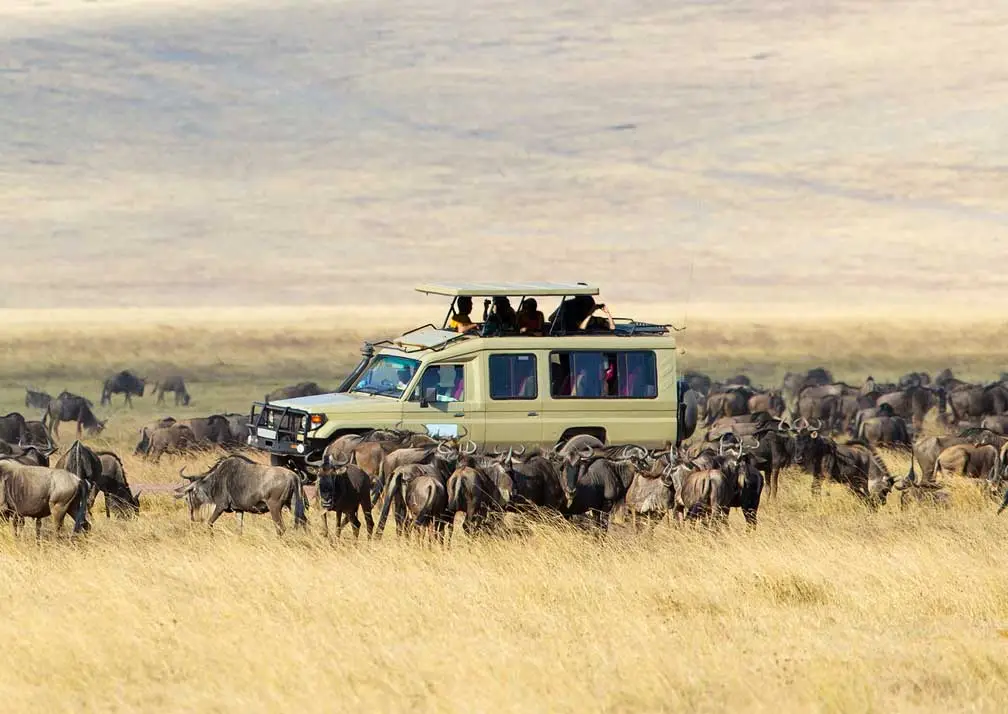
Great Migration Safaris
Experience one of nature's greatest spectacles with our Great Migration safari packages, timed for river crossings or calving.
View Package →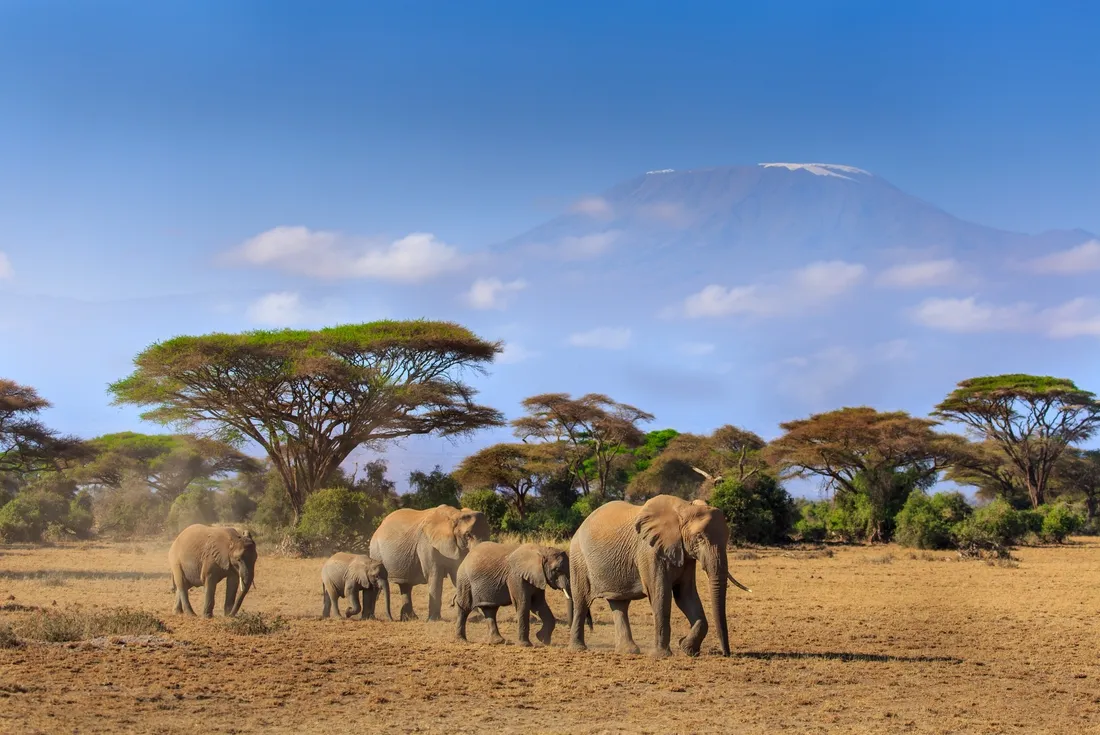
Serengeti & Kilimanjaro Trek
Combined safari and trekking tours offer wildlife adventures and Kilimanjaro climbs.
View Package →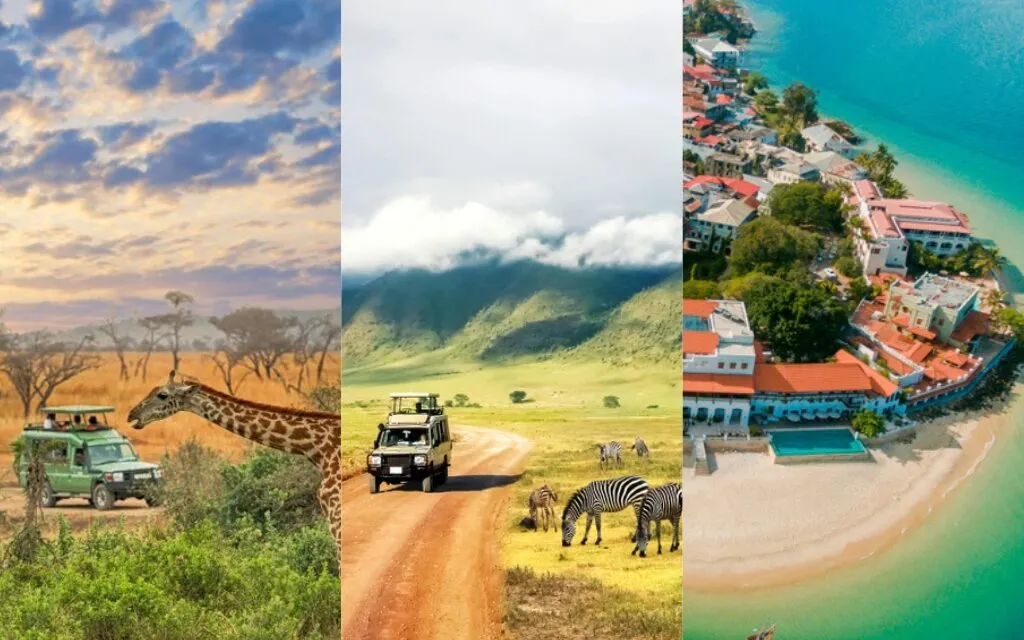
Serengeti & Zanzibar Tours
Luxury Tanzania safari & beach packages with the Great Migration and pristine beaches.
View Package →Related: Best Time to Visit Tanzania 2026 – Perfect safari extension after your Comoros adventure.