Most Complete Republic of the Congo Travel Guide 2026-2027 – Everything You Need to Know Before Visiting
This Republic of the Congo travel guide provides everything you need to plan your journey to one of Central Africa’s most pristine wilderness destinations. Often called “Congo-Brazzaville” to distinguish it from its larger neighbor DRC, the Republic of the Congo protects some of the continent’s last great rainforests and offers extraordinary gorilla tracking, forest elephant encounters, and Congo River experiences that remain remarkably off most travelers’ radars.
Start Reading the Full Guide ↓Quick Facts About Republic of the Congo
- Capital: Brazzaville.
- Currency: Central African CFA franc (XAF).
- Time Zone: West Africa Time (WAT, UTC+1).
- International Calling Code: +242.
- Driving Side: Right.
- Major Airports: Maya-Maya Airport (Brazzaville), Agostinho-Neto Airport (Pointe-Noire).
Republic of the Congo Overview & Key Facts
Brief History of Republic of the Congo
The area was home to Bantu kingdoms before becoming part of French Equatorial Africa in the late 19th century. Brazzaville served as the capital of Free France during WWII. Independence came in 1960, followed by periods of Marxist-Leninist rule and civil conflict in the 1990s. The country has enjoyed relative stability since the early 2000s, with significant oil wealth funding infrastructure and conservation efforts.
Independence & National Identity
- Independence date: August 15, 1960.
- Former colonial power: France.
- National symbols & identity.
The flag’s green, yellow, and red colors represent forests, sunshine/equality, and courage respectively. National identity blends Bantu heritage with French cultural influence while celebrating the country’s role as guardian of the Congo Basin rainforest.
Government System & Current Leadership
- Type of government: Presidential Republic
- Current president: Denis Sassou-Nguesso (in power since 1997, with earlier term 1979–1992)
- Notes on political stability
The country has experienced long-term leadership continuity. Travelers should avoid political gatherings and monitor local media.
Population, Ethnic Groups & Languages
- Population: 6.3 million (2025 estimate).
- Major ethnic groups: Kongo (48%), Sangha (20%), M’Bochi (12%), Teke (17%).
- Official language(s): French.
- Additional languages commonly spoken.
Lingala and Kituba serve as national lingua francas. French is the language of government, education, and tourism.
Main Religions & Cultural Identity
Christianity (mostly Catholic) ~50%, animist beliefs ~48%, Muslim ~2%. Traditional beliefs remain strong, especially in rural areas.
Geography & Natural Landscape
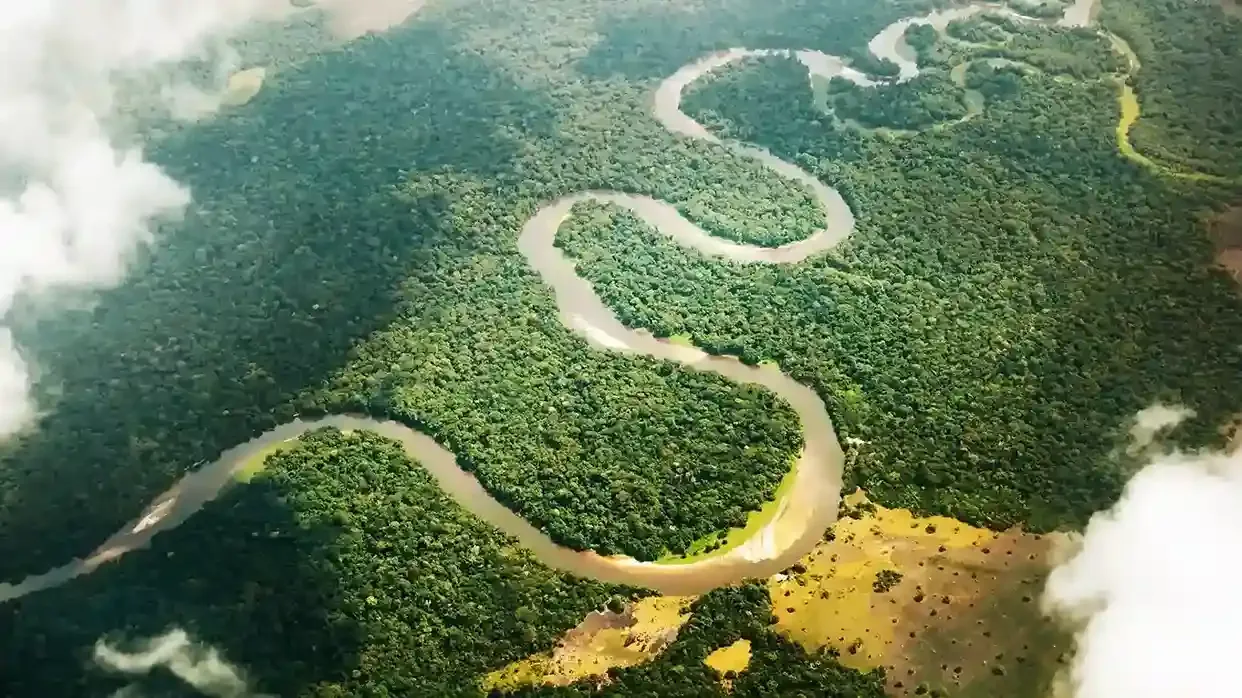
Two-thirds of the country is covered by dense equatorial rainforest – the second-largest in the world after the Amazon. The Congo River forms part of the border, with vast floodplains, savannas in the north, and coastal plains in the southwest.
Economy & Tourism Highlights
Oil dominates the economy, but the government actively promotes eco-tourism in Odzala-Kokoua and Conkouati-Douli national parks. High-end rainforest lodges and gorilla tracking are the main draw.
What Republic of the Congo Is Known For
- Western lowland gorilla tracking in Odzala-Kokoua
- One of the wildest remaining rainforest wildernesses
- Congo River and traditional pirogue journeys
Visa & Entry Requirements in Republic of the Congo
Most visitors require a visa. An e-Visa system exists but processing can be slow; many travelers still apply through embassies.
Do You Need a Visa?
Yes for almost all nationalities. Citizens of a few Central African states have exemptions.
Visa Application Options in Republic of the Congo
- Embassy/consulate application (most reliable)
- e-Visa portal (functioning but slow)
- Visa on arrival occasionally granted with pre-approval letter
Passport Validity & Entry Documents
Passport must have 6 months validity and Yellow Fever certificate is mandatory.
Customs Rules & Prohibited Items
Strict limits on importing CFA francs; declare large amounts. Drones require permits.
Safety & Security Information in Republic of the Congo
Brazzaville and Pointe-Noire are generally calm. Rural areas and national parks are safe when visiting with licensed operators.
Is Republic of the Congo Safe for Tourists?
Yes when using reputable operators and staying in recommended areas. Crime exists in cities but violent crime against tourists is rare.
Recommended Safety Tips when in Republic of the Congo
Travel with registered guides in parks, avoid nighttime travel outside cities, and use hotel safes.
Safe Areas vs. Areas to Avoid in Republic of the Congo
Safe: Brazzaville, Pointe-Noire, Odzala-Kokoua, northern parks with operators. Avoid Pool Region and remote border areas without authorization.
Emergency Numbers & Tourist Police in Republic of the Congo
- Police: 117
- Fire: 118
- Medical Emergency: 119
Health Requirements & Vaccinations in Republic of the Congo
Yellow Fever vaccination certificate is mandatory. Malaria prophylaxis strongly recommended.
Mandatory Vaccinations in Republic of the Congo
Yellow Fever certificate required for all visitors over 9 months old.
Recommended Vaccinations in Republic of the Congo
Hepatitis A & B, Typhoid, Rabies (especially for park visits), Meningitis, routine boosters.
Malaria & Other Risks
Malaria risk year-round; use prophylaxis and insect repellent. Bilharzia risk in freshwater.
Travel Insurance Recommendations in Republic of the Congo
Medical evacuation coverage essential – nearest advanced hospitals are in South Africa or Europe.
Best Time to Visit in Republic of the Congo
Dry season (June–September) is easiest for travel and wildlife viewing. Green season (November–April) offers lush scenery and lower rates.
Weather by Season
Equatorial climate with high humidity. Two dry seasons (June–Sept & Dec–Feb) and two wet seasons.
When to Visit Republic of the Congo for Best Experiences
- Gorilla tracking best June–September
- Birding excellent in green season
- River travel possible year-round
Weather & Climate Overview in Republic of the Congo
Temperatures 24–32°C year-round with high humidity. Rainforest climate.
Temperature Ranges
Little variation – average 26–28°C throughout the year.
Rainy & Dry Seasons in Republic of the Congo
Main dry season June–September; short dry Dec–Feb.
What to Wear Based on the Weather
Lightweight long-sleeve shirts/pants, sturdy waterproof boots, rain jacket, hat, high-DEET repellent.
Main Currency, Costs & Budgeting in Republic of the Congo
Central African CFA franc (XAF). One of Africa’s more expensive destinations due to logistics and high-end eco-lodges.
Average Travel Costs in Republic of the Congo
City travel $100–180/day; rainforest lodges $600–1,200+/day including activities.
Using ATMs, Cards & Mobile Money in Republic of the Congo
ATMs in Brazzaville & Pointe-Noire; cards rarely accepted outside high-end hotels. Bring euros/USD cash.
Transportation & Getting Around in Republic of the Congo
Limited road network outside cities. Charter flights and boats common for park access.
Airport Transfers
Taxis and hotel transfers from Maya-Maya (Brazzaville) and Pointe-Noire airports.
Local Transport Options in Republic of the Congo
Taxis and shared taxis in cities; 4WD with driver essential outside urban areas.
Domestic Flights
Charter flights (often included in park packages) to Odzala, Ouesso, etc.
Accommodation Options available in Republic of the Congo
Basic hotels in cities; luxury eco-lodges in national parks (Odzala Discovery Camps, Lango Camp).
Essential Packing Guide when Visiting Republic of the Congo
Focus on lightweight, quick-dry clothing, strong insect repellent, binoculars, waterproof bags, headlamp.
Language & Communication in Republic of the Congo
French official; Lingala and Kituba widely spoken. Guides speak English in high-end camps.
Culture & Etiquette in Republic of the Congo
Modest dress in cities; greetings important; ask permission before photographing people.
Food, Water & Dining in Republic of the Congo
French-influenced cuisine in cities; bush meat and cassava staples. Bottled water essential.
Top Attractions & Things to Do in Republic of the Congo
Major Tourist Attractions in Republic of the Congo
- Odzala-Kokoua National Park (gorilla tracking)
- Nouabalé-Ndoki National Park
- Conkouati-Douli (forest elephants, turtles)
- Congo River journeys
Frequently Asked Questions – Republic of the Congo Travel Guide 2026-2027
Our Tanzania Tours Products
While Republic of the Congo offers incredible rainforest gorilla tracking and Congo River journeys, many travelers combine Central Africa with the ultimate wildlife experience in East Africa. Capable Africa Tours specializes in secure, guided safaris that maximize safety and wonder...
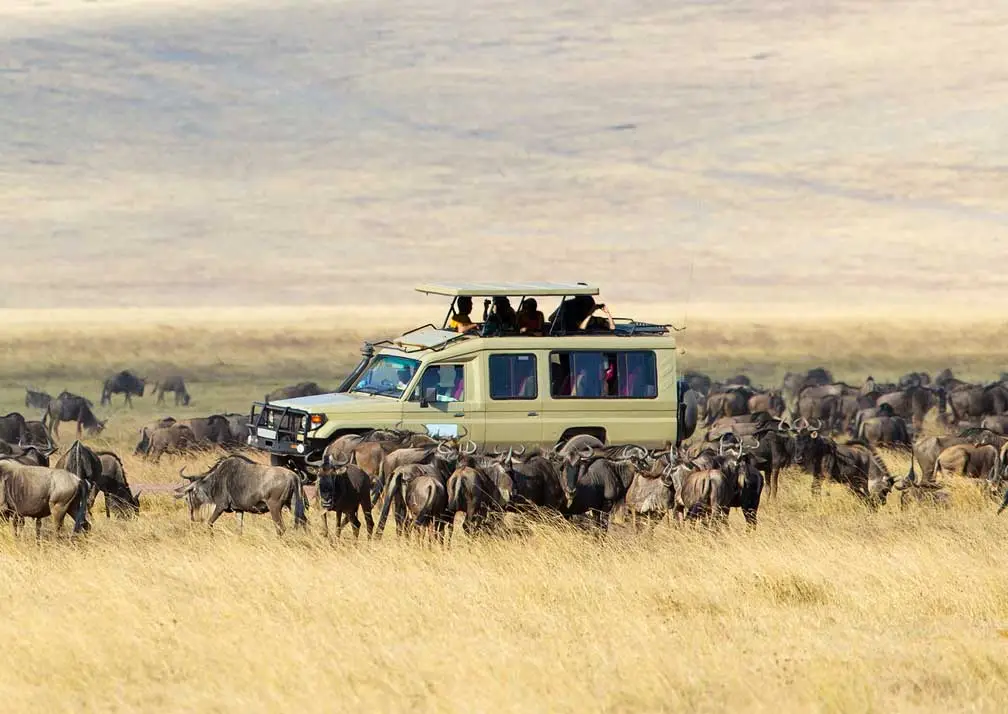
Great Migration Safaris
Experience one of nature's greatest spectacles with our Great Migration safari packages...
View Package →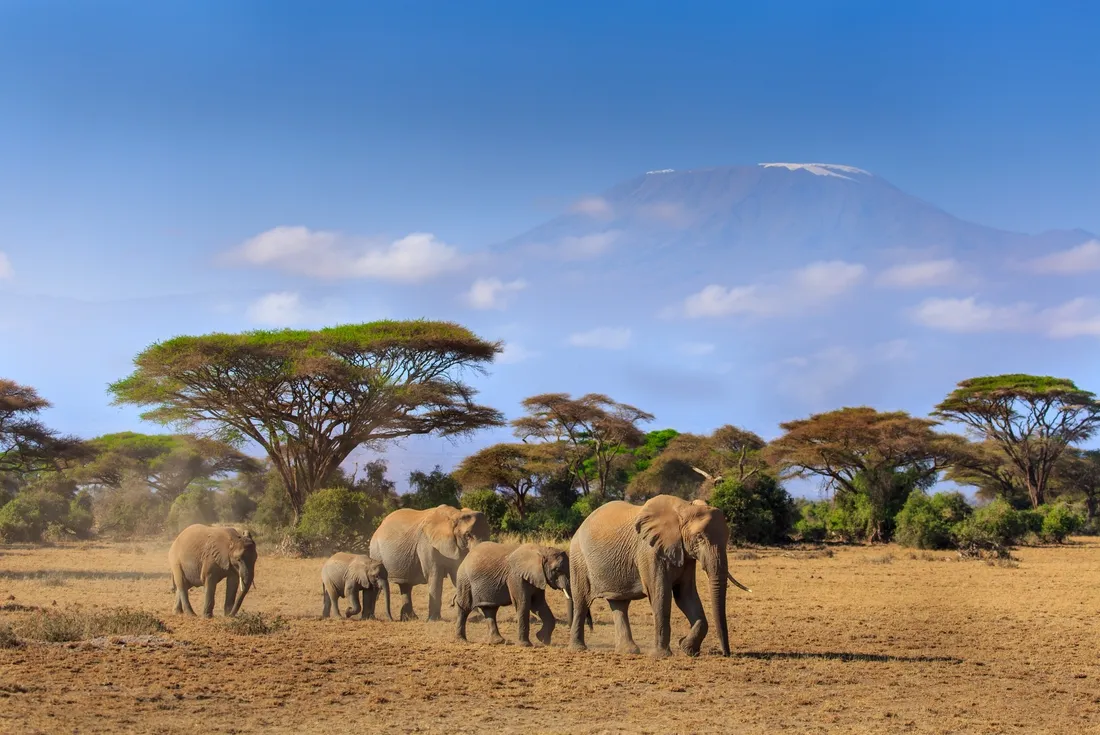
Serengeti & Kilimanjaro Trek
Combined safari and trekking tours offer wildlife adventures and Kilimanjaro climbs.
View Package →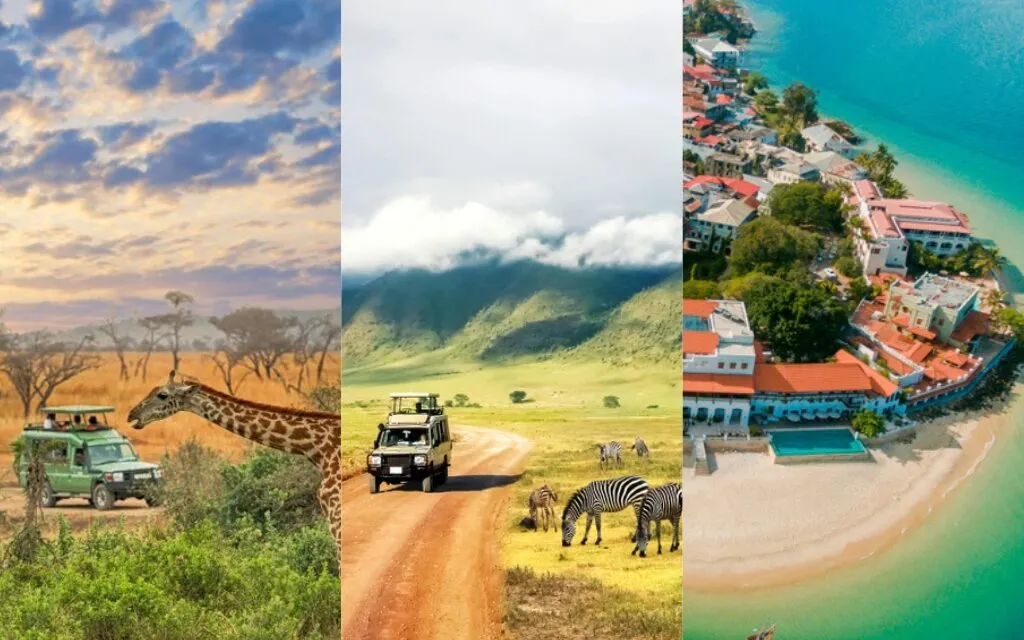
Serengeti & Zanzibar Tours
Luxury Tanzania safari & beach packages with the Great Migration and pristine beaches.
View Package →Related: Best Time to Visit Tanzania 2026 – Perfect safari extension after your Congo rainforest adventure.