
Most Complete Costa Rica Travel Guide 2026-2027 – Everything You Need to Know Before Visiting
This Costa Rica travel guide provides everything you need to plan your journey to Central America's green jewel. Costa Rica offers an extraordinary blend of active volcanoes, pristine rainforests, cloud forests, and both Pacific and Caribbean beaches that create one of the planet's most biodiverse travel experiences. Many travelers who want to travel to Costa Rica are surprised by the country's incredible wildlife diversity and commitment to sustainability – over 25% of the land is protected and 99% of electricity comes from renewable sources. The nation covers just 51,100 square kilometers yet hosts 5% of the world's biodiversity, offering visitors everything from zip-lining through cloud forests to relaxing on black-sand beaches and spotting sea turtles.
Start Reading the Full Guide ↓Quick Facts About Costa Rica
- Capital: San José.
- Currency: Costa Rican Colón (CRC) – USD widely accepted.
- Time Zone: Central Standard Time (CST, UTC-6) – no daylight saving.
- International Calling Code: +506.
- Driving Side: Right.
- Major Airports: Juan Santamaría (SJO), Daniel Oduber Quirós (LIR).

Costa Rica Overview & Key Facts
Brief History of Costa Rica
Costa Rica's history spans from indigenous civilizations through Spanish colonization to becoming Latin America's most stable democracy. Pre-Columbian societies thrived until Spanish arrival in 1502, with the country gaining independence in 1821. Unlike its neighbors, Costa Rica abolished its army in 1948 and invested in education and conservation, creating the peaceful, eco-conscious nation visitors experience today. This rich historical tapestry creates a fascinating backdrop for modern travelers exploring indigenous territories and colonial architecture.
Independence & National Identity
- Independence date: September 15, 1821.
- Former colonial power: Spain.
- National symbols & identity.
Costa Rica gained independence peacefully as part of the Federal Republic of Central America. The country's national identity centers on “Pura Vida” (pure life) philosophy, environmental stewardship, and democratic stability. The flag features blue and white stripes with a red band and coat of arms, symbolizing the sky, peace, and generosity.
Government System & Current Leadership
- Type of government: Presidential Democracy
- Current president: Rodrigo Chaves (2022–2026 term)
- Notes on political stability
Costa Rica operates as a stable presidential democracy with free elections every four years. The country consistently ranks as one of Latin America's most democratic and least corrupt nations, making it a safe and reliable travel destination.
Population, Ethnic Groups & Languages
- Population: 5.3 million (2025 projection).
- Major ethnic groups: Mestizo (mixed), White/European, Afro-Caribbean, Indigenous.
- Official language(s): Spanish.
- Additional languages commonly spoken.
English is widely spoken in tourist areas. Indigenous languages (Bribri, Maléku) are preserved in reserves. Caribbean coast communities speak Creole English. The population is young, friendly and famously welcoming to visitors.
Main Religions & Cultural Identity
Roman Catholicism remains the predominant religion (≈70%), though evangelical Christianity is growing. The country is secular with strong religious freedom. Cultural identity revolves around “Pura Vida” lifestyle – relaxed, nature-loving, family-oriented, and environmentally conscious.
Geography & Natural Landscape
Costa Rica features incredible geographical diversity: active volcanoes, cloud forests, rainforests, dry forests, mangroves, and both Pacific and Caribbean coastlines. The country sits on the Central American isthmus with mountain ranges running north-south, creating dramatic microclimates and biodiversity hotspots.
Economy & Tourism Highlights
Tourism is the largest industry, followed by high-tech exports and agriculture (coffee, bananas, pineapples). Costa Rica pioneered eco-tourism and continues leading in sustainability – aiming for carbon neutrality and protecting over 25% of territory as national parks and reserves.
What Costa Rica Is Known For
- World leader in eco-tourism and conservation
- Incredible biodiversity – 5% of world’s species in 0.03% of land
- “Pura Vida” lifestyle and exceptional happiness index
Visa & Entry Requirements in Costa Rica
Most international visitors enjoy visa-free entry to Costa Rica for up to 180 days. The country maintains one of the most visitor-friendly entry policies in Latin America, with simple requirements and efficient immigration processing at both international airports.
Do You Need a Visa?
Citizens of the US, Canada, UK, EU, Australia, New Zealand, Japan, South Korea and most Latin American countries receive 180-day tourist stamps on arrival. A small number of nationalities require consular visas – check the official government website.
Visa Application Options in Costa Rica
- Visa-free entry for 180 days (most nationalities)
- Consular visa required for restricted nationalities
- Visa extensions possible at immigration offices
Entry is straightforward at airports with clear signage and English-speaking officers. Overstaying incurs fines but is common and easily resolved.
Passport Validity & Entry Documents
Passport must be valid for at least 6 months beyond entry date with at least two blank pages. You must show proof of onward travel (return flight) and sufficient funds (minimum $100 per month of stay). Tourist card fee ($29) is now included in most airline tickets.
Customs Rules & Prohibited Items
Standard restrictions apply: no drugs, weapons, or large amounts of cash without declaration. Up to 500g tobacco, 5 liters alcohol, and personal items are duty-free. Fresh fruits/vegetables, meat and dairy require declaration and may be confiscated.
Safety & Security Information in Costa Rica
Costa Rica maintains one of the best safety records in Latin America. The country abolished its army in 1948 and invests heavily in education and health instead. Tourist areas are well-policed with dedicated tourist police units.
Is Costa Rica Safe for Tourists?
Yes – consistently ranked as the safest country in Central America. Most visits are trouble-free. Main concerns are petty theft and occasional scams. Violent crime against tourists is rare.
Recommended Safety Tips when in Costa Rica
Use registered red taxis or Uber/inDrive, don’t leave valuables visible in cars, use hotel safes, avoid isolated beaches after dark, and drink bottled water outside major hotels. Standard travel precautions apply.
Safe Areas vs. Areas to Avoid in Costa Rica
Tourist areas (Arenal, Monteverde, Manuel Antonio, Tamarindo, Puerto Viejo) are very safe. Downtown San José and some Limón city areas have higher petty crime – normal urban precautions apply. Border regions with Nicaragua/Panama have occasional issues but rarely affect tourists.
Emergency Numbers & Tourist Police in Costa Rica
- Emergency: 911.
- Tourist Police: Visible in major tourist areas.
- Fire Department: 118.
- Medical Emergency: 128 (Red Cross).
English-speaking operators available on 911. Tourist police wear distinctive white shirts and speak English.
Health Requirements & Vaccinations in Costa Rica
No mandatory vaccinations required for most travelers. Healthcare quality is excellent in private hospitals (comparable to US/Europe) and very affordable. Pharmacies are well-stocked and pharmacists can prescribe basic medications.
Mandatory Vaccinations in Costa Rica
Yellow fever certificate required only if arriving from endemic countries (parts of South America/Africa). No COVID requirements in 2026.
Recommended Vaccinations in Costa Rica
Hepatitis A & Typhoid recommended. Routine vaccines up to date. Mosquito protection advised in lowland areas (dengue risk, though rare in tourist zones).
Malaria & Other Risks
Malaria risk is very low and confined to specific rural areas. Dengue exists but outbreaks are rare. Main concerns: dehydration, sun exposure, rip currents, and occasional food poisoning from street food.
Travel Insurance Recommendations in Costa Rica
Highly recommended – covers medical evacuation, adventure activities (zip-lining, surfing, rafting), and trip cancellation. Many policies specifically cover Costa Rica’s adventure sports.
Best Time to Visit in Costa Rica
The best time depends on budget and preferred experience. Dry season (December–April) offers guaranteed sunshine but higher prices. Green season (May–November) brings lush scenery, fewer crowds and 40-60% lower rates.
Weather by Season
Dry season: virtually no rain on Pacific coast, sunny days 28-33°C. Green season: morning sun, afternoon showers (often 1-2 hours), lush vegetation, rivers full for rafting.
When to Visit Costa Rica for Best Experiences
- Wildlife viewing best in green season (fewer crowds, active animals)
- Surfing best May–November (Pacific), December–March (Caribbean)
- Turtle nesting: July–October (Caribbean), September–March (Pacific)
- Whale watching: July–October & December–April
Christmas/New Year and Easter are peak periods with highest prices and crowds.
High Season vs. Low Season Travel
High season (Dec–Apr) brings perfect weather and highest prices. Shoulder seasons (May, Nov) offer excellent weather with fewer crowds. Low season (Jun–Oct) delivers best value and lush scenery.
Weather & Climate Overview in Costa Rica
Costa Rica has over 12 microclimates despite its small size. Pacific coast enjoys distinct dry/wet seasons. Caribbean coast receives rain year-round but less dramatically. Mountain areas are cooler year-round.
Temperature Ranges
Coastal areas: 24-33°C year-round. San José/central valley: 17-27°C. Mountain/cloud forest areas: 10-22°C. Water temperature: 27-29°C year-round.
Rainy & Dry Seasons in Costa Rica
Pacific dry season: mid-November to April. Caribbean “dry” season: February–March & September–October. Veranillo (“little summer”): short dry period July–August on Pacific coast.
What to Wear Based on the Weather
Quick-dry clothing, lightweight rain jacket, good walking shoes, swimsuit, flip-flops, sun protection. Layers for cooler mountain evenings. Insect repellent essential.
Main Currency, Costs & Budgeting in Costa Rica
US dollars are accepted almost everywhere in tourist areas. Colones used in local markets and public buses. ATMs widely available and cards accepted in most establishments.
Local Currency Information
Costa Rican Colón (CRC). Notes: 1,000 / 2,000 / 5,000 / 10,000 / 20,000 / 50,000. Coins less common. USD accepted in tourist zones (change often given in colones).
Average Travel Costs in Costa Rica
Budget travelers: $70–120/day. Mid-range: $150–250/day. Luxury eco-lodges: $350–600+/day. Meals: $8–25, domestic flights: $70–150 one-way, activities: $50–150 each.
Using ATMs, Cards & Mobile Money in Costa Rica
ATMs plentiful (best at state banks – BAC, BCR). Visa/Mastercard widely accepted. Contactless common. Some sodas (local restaurants) cash-only.
Tipping Guidelines in Costa Rica
Restaurants add 10% service + 13% tax (tipping extra optional but appreciated). Tour guides: $10–20/person/day. Drivers: $5–10/day. Housekeeping: $2–5/day.
Transportation & Getting Around in Costa Rica
Public buses are cheap and extensive. Shared/private shuttles popular among tourists. Domestic flights save time. Self-driving common (4WD recommended in rainy season).
Airport Transfers
Official orange airport taxis (SJO), Uber/inDrive available. Private transfers and shared shuttles (Interbus, Gray Line) popular and reliable.
Local Transport Options in Costa Rica
Public buses (cheap, extensive), tourist shuttles (door-to-door), Uber/inDrive (major towns), taxis (red with yellow triangle). Domestic flights: Sansa and Aerobell.
Costa Rica Domestic Flights
Sansa and Aerobell connect San José and Liberia with popular destinations (30–45 min flights). Great time-saver to Puerto Jiménez, Tamarindo, Quepos.
Car Rentals & Road Conditions in Costa Rica
Major companies at airports. 4WD highly recommended. Roads range from excellent highways to rough gravel. GPS/Google Maps work well. Tolls payable in cash/colones.
Accommodation Options available in Costa Rica
From backpacker hostels to world-class eco-lodges. Booking.com, Airbnb, and direct booking all common. Eco-lodges and boutique hotels dominate mid/high-end market.
Types of Accommodations in Costa Rica
Hostels, budget cabinas, boutique hotels, eco-lodges, all-inclusive resorts, Airbnb apartments, luxury treehouses and glamping.
Budget vs. Mid-Range vs. Luxury
Budget: $15–50/night (hostels, cabinas). Mid-range: $80–200/night (boutique hotels). Luxury: $250–1000+/night (eco-lodges, private villas).
Best Areas to Stay in Costa Rica
Arenal/La Fortuna, Monteverde, Manuel Antonio/Quepos, Tamarindo/Nosara (Pacific), Puerto Viejo/Cahuita (Caribbean), San José (arrival/departure).
Essential Packing Guide when Visiting Costa Rica
Pack light, quick-dry clothing and good rain protection. Binoculars and reef-safe sunscreen are must-haves.
Clothing Essentials
Quick-dry shorts/pants, lightweight rain jacket, swimsuit, long-sleeve for sun protection, comfortable walking shoes, flip-flops.
Footwear & Gear
Water shoes, good walking/hiking shoes, binoculars, dry bag, headlamp, reusable water bottle, universal adapter (US plugs).
Electronics & Cameras
US plugs (110V). Power banks essential. Waterproof phone case and camera protection recommended.
Toiletries & Personal Items
Reef-safe sunscreen (mandatory in many marine areas), strong insect repellent (DEET or picaridin), basic medications, hand sanitizer.
Language & Communication in Costa Rica
Spanish is official but English widely spoken in tourist areas. Locals appreciate attempts at Spanish and respond warmly.
Main Languages Spoken in Costa Rica
Spanish (official). English widely spoken in tourism sector. Creole English on Caribbean coast.
Useful Phrases for Tourists
“Pura Vida” (hello/goodbye/thank you), “Cuanto cuesta?” (how much?), “Gracias” (thank you), “Por favor” (please).
SIM Cards & Mobile Data used in Costa Rica
Kölbi (state provider) best coverage. SIM cards at airports and stores. eSIM options widely available.
Internet Availability & Wi-Fi in Costa Rica
Excellent Wi-Fi in hotels, restaurants, cafes. 4G/5G coverage in most tourist areas.
Culture & Etiquette in Costa Rica
Costa Ricans (“Ticos”) are famously friendly and laid-back. “Pura Vida” is both greeting and philosophy.
Costa Rican Dress Code Expectations
Casual everywhere. Beachwear stays at the beach. Modest dress appreciated when visiting small towns or churches.
Social Etiquette & Respectful Behavior of Costa Rica
Greet with “Pura Vida” or handshake. Personal space less important than in North America/Europe. Ticos are punctual for business but relaxed socially (“Tico time”).
Photography Rules in Costa Rica
Always ask permission before photographing people, especially indigenous communities. No restrictions in national parks.
Important Cultural Dos & Don’ts in Costa Rica
Do use “Pura Vida,” respect nature, remove shoes when entering homes. Don’t litter, rush locals, or discuss politics unless invited.
Food, Water & Dining in Costa Rica
Costa Rican cuisine is fresh, simple and delicious. “Casado” (rice, beans, protein, plantain) is the national dish.
Costa Rican Local Dishes to Try
Casado, gallo pinto (breakfast), ceviche, olla de carne, chifrijo, patacones, fresh tropical fruit, excellent coffee.
Dietary Options in Costa Rica
Vegetarian/vegan options widely available in tourist areas. Gluten-free possible but limited outside major centers.
Drinking Water Safety
Tap water safe in most areas (except some remote Caribbean locations). Bottled water widely available.
Restaurant Etiquette
10% service + 13% tax automatically added. Additional tipping appreciated but not expected.
Top Attractions & Things to Do in Costa Rica
From active volcanoes to wildlife-rich rainforests and stunning beaches, Costa Rica offers endless adventure and relaxation options.
Major Tourist Attractions in Costa Rica
- Arenal Volcano & hot springs
- Monteverde Cloud Forest Reserve
- Manuel Antonio National Park
- Tortuguero canals & turtle nesting
Corcovado National Park (“most biologically intense place on Earth”), Rio Celeste, hanging bridges, and world-class surfing complete the list.
Best Tours & Experiences in Costa Rica
Zip-lining, white-water rafting, wildlife night walks, coffee tours, chocolate tours, catamaran snorkeling, surf lessons, volcano hikes.
Family-Friendly Activities to do in Costa Rica
Beaches, wildlife rescues, chocolate tours, gentle rafting, hanging bridges, butterfly gardens, hot springs.
Unique Cultural or Historical Sites to visit in Costa Rica
Indigenous Bribri communities, coffee plantation tours, oxcart painting workshops, pre-Columbian stone spheres.
Costa Rican Electrical System Information
Costa Rica uses US standard electrical system – no adapters needed for North American visitors.
Plug Types & Voltage used in Costa Rica
Type A & B plugs (US standard), 120V, 60Hz. European visitors need adapters.
Charging Tips
Power reliable throughout country. Surge protectors recommended during rainy season thunderstorms.
Local Laws & Regulations of Costa Rica
Costa Rica has progressive environmental and social laws. Respect for nature is legally enforced.
Rules Travelers Need to Know when In Costa Rica
No plastic bags, reef-safe sunscreen mandatory in marine areas, strict anti-harassment laws protect wildlife, drone regulations in national parks.
Alcohol, Smoking & Substance Laws of Costa Rica
Drinking age 18. Cannabis illegal (though decriminalized small amounts). Smoking prohibited in enclosed public spaces.
Restricted or Protected Areas in Costa Rica.
National parks have entrance limits and closing times. Indigenous territories require permission/guides. Marine protected areas have fishing/swimming restrictions.
Final Travel Tips for Visitors in Costa Rica
Book popular activities in advance, bring USD cash, use registered transportation, respect nature, and embrace “Pura Vida”!
Common Mistakes to Avoid
Trying to see everything in one trip, underestimating driving times, not bringing rain gear, paying only in dollars (better rates with colones), ignoring rip current warnings.
Tips to Save Money when Visiting Costa Rica
Travel in green season, eat at sodas, use public buses, stay in cabinas/Airbnb, book activities directly.
Safety & Comfort Tips
Use hotel safes, drink bottled water outside major areas, learn basic Spanish phrases, buy local SIM/eSIM, download offline maps.
Frequently Asked Questions – Costa Rica Travel Guide 2026-2027
Our Tanzania Tours Products
While Costa Rica offers incredible volcanoes, rainforests and “Pura Vida” beaches, many travelers combine Central America with the ultimate African wildlife experience. Capable Africa Tours specializes in secure, guided safaris that maximize safety and wonder. Our expert local guides, armed rangers in parks, and vetted accommodations ensure peace of mind. From family-friendly lodges to luxury camps, we handle logistics so you focus on the magic. Tanzania ranks high for tourist safety with dedicated wildlife protection units and stable northern circuits.
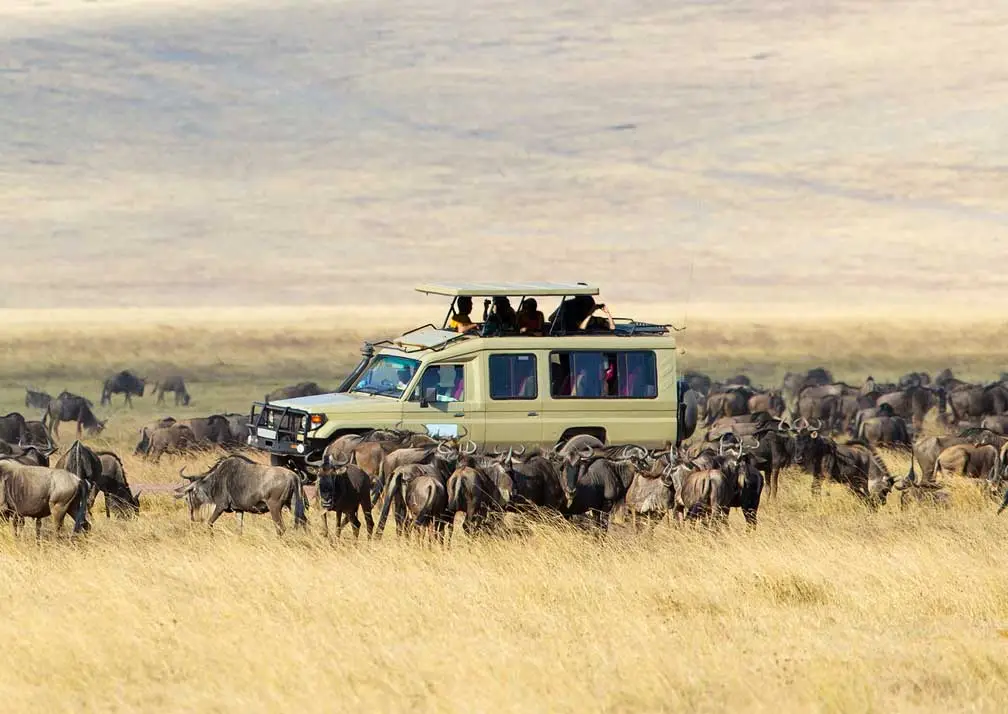
Great Migration Safaris
Experience one of nature's greatest spectacles with our Great Migration safari packages, timed for river crossings or calving.
View Package →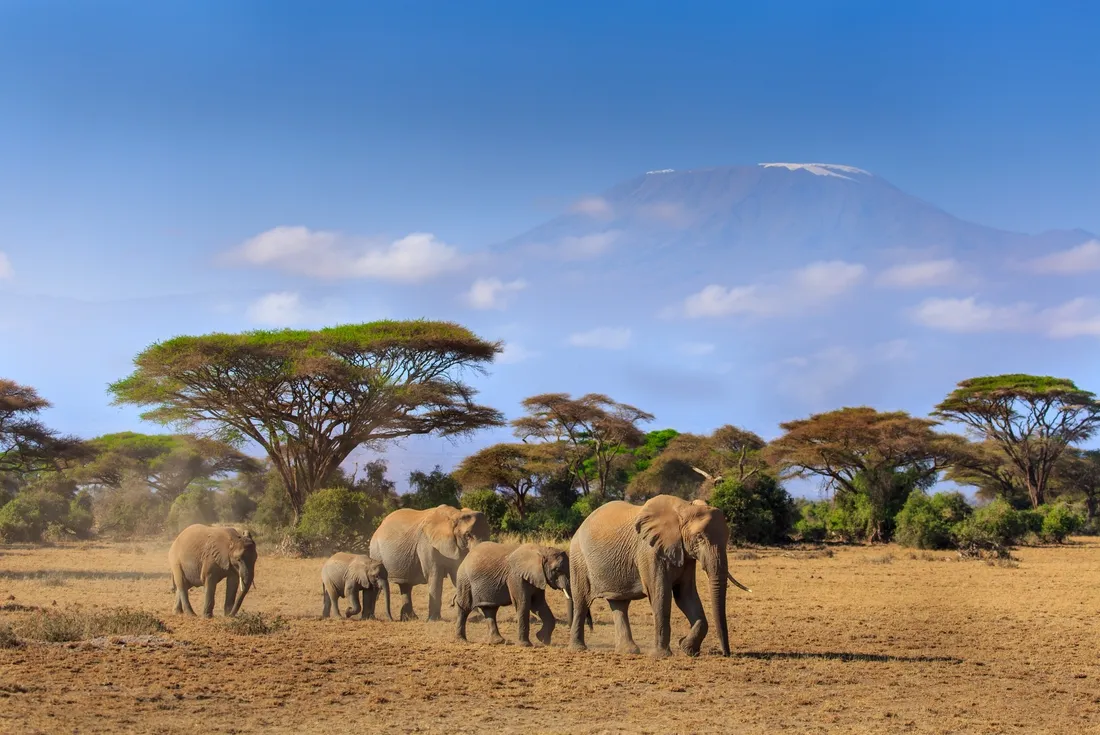
Serengeti & Kilimanjaro Trek
Combined safari and trekking tours offer wildlife adventures and Kilimanjaro climbs.
View Package →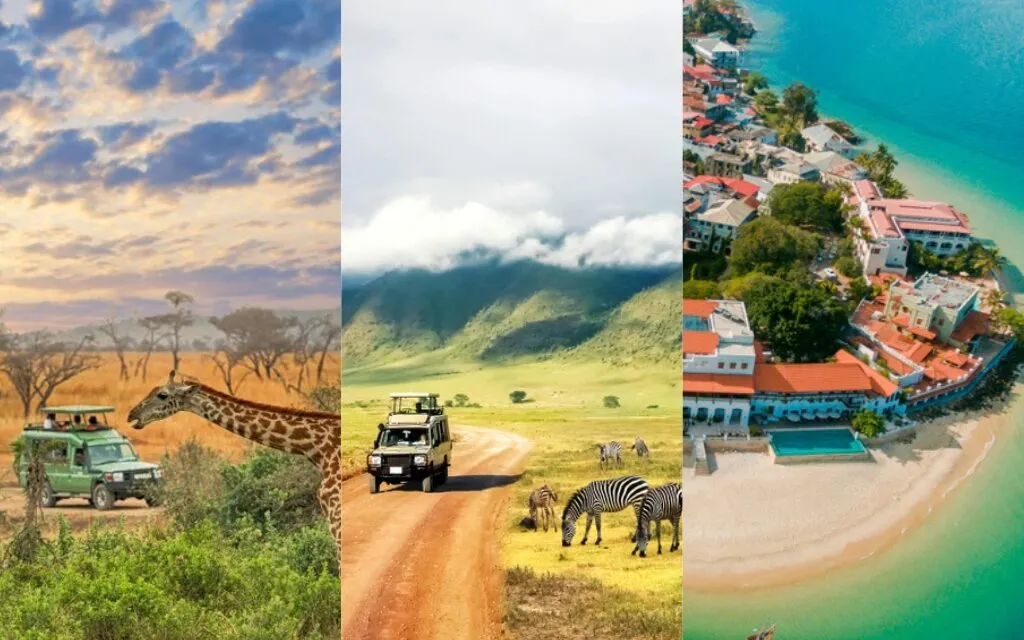
Serengeti & Zanzibar Tours
Luxury Tanzania safari & beach packages with the Great Migration and pristine beaches.
View Package →Related: Best Time to Visit Tanzania 2026 – Perfect safari extension after your Costa Rica adventure.