
Most Complete Croatia Travel Guide 2026-2027 – Everything You Need to Know Before Visiting
This Croatia travel guide provides everything you need to plan your journey to one of Europe’s most beautiful coastal countries. Croatia offers an extraordinary blend of turquoise Adriatic waters, medieval walled cities, Roman palaces, and over a thousand islands that create one of the continent's most diverse travel experiences. Many travelers who want to travel to Croatia are surprised by the country's incredible diversity and rich cultural heritage spanning Illyrian, Roman, Venetian, and Austro-Hungarian influences. The nation covers 56,594 square kilometers with 1,778 km of mainland coast plus 4,058 km of island coastline, offering visitors everything from Game of Thrones filming locations to pristine national parks and vibrant modern cities.
Start Reading the Full Guide ↓Quick Facts About Croatia
- Capital: Zagreb.
- Currency: Euro (€).
- Time Zone: Central European Time (CET, UTC+1).
- International Calling Code: +385.
- Driving Side: Right.
- Major Airports: Zagreb (ZAG), Split (SPU), Dubrovnik (DBV), Zadar (ZAD).
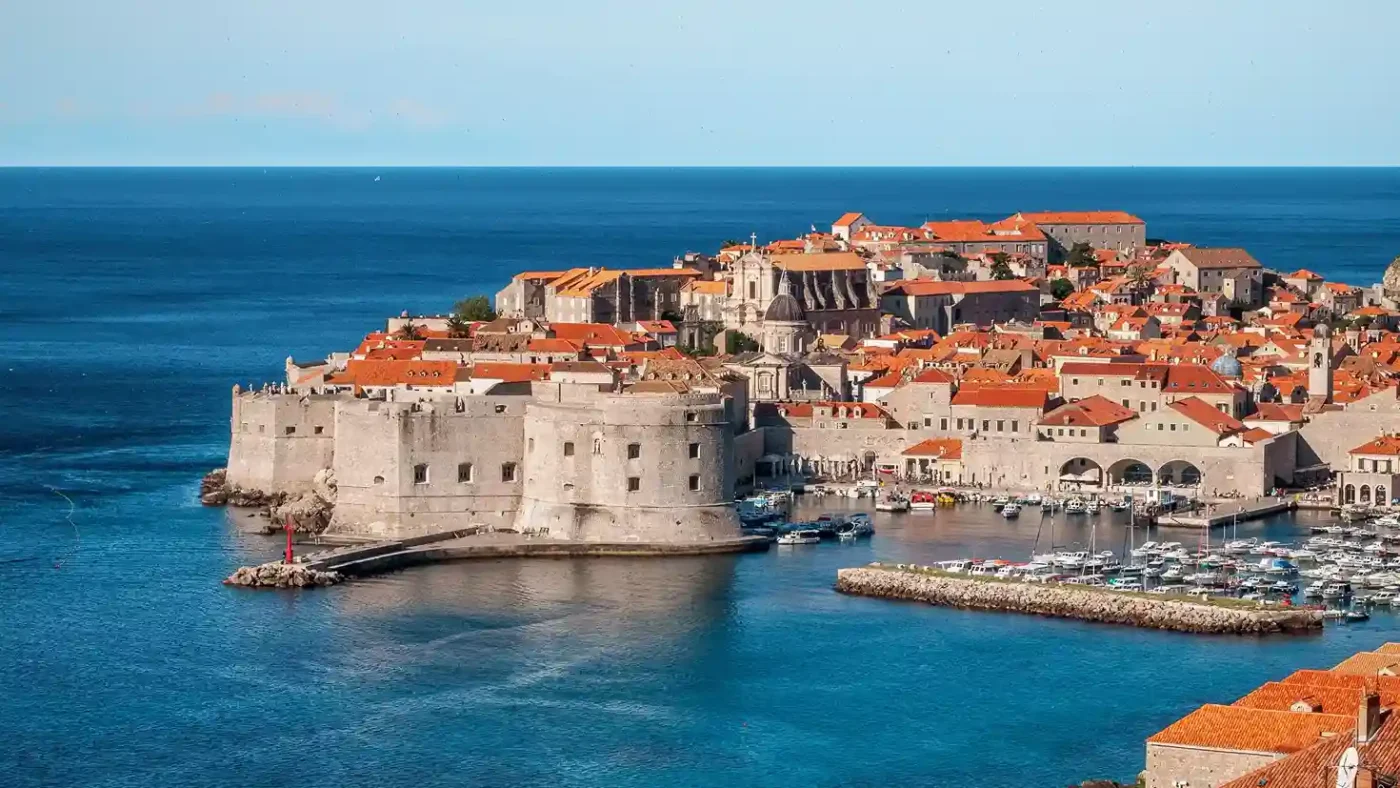
Croatia Overview & Key Facts
Brief History of Croatia
Croatia's history spans millennia, from Illyrian tribes through Roman provinces to medieval kingdoms. The Croats arrived in the 7th century, establishing powerful kingdoms that later united with Hungary and then Venice. Dalmatia was ruled by Venice for centuries, leaving magnificent Renaissance architecture, while inland areas fell under Habsburg rule. This rich historical tapestry creates a fascinating backdrop for modern travelers exploring the country's medieval towns and cultural sites.
Independence & National Identity
- Independence date: June 25, 1991.
- Former part of: Yugoslavia.
- National symbols & identity.
Croatia declared independence from Yugoslavia in 1991, leading to the Homeland War (1991–1995). Today, national identity centers on pride in independence, Catholic heritage, and Adriatic culture. The red-white-blue tricolor with checkerboard coat of arms is everywhere, symbolizing centuries of statehood.
Government System & Current Leadership
- Type of government: Parliamentary Republic
- Current president: Zoran Milanović
- Notes on political stability
Croatia is a stable EU and NATO member since 2013 and 2009 respectively. Eurozone member since 2023. Politics are lively but peaceful; tourism unaffected by political discussions.
Population, Ethnic Groups & Languages
- Population: 3.85 million (2025 projection).
- Major ethnic groups: Croats (91.6%), Serbs (3.2%).
- Official language(s): Croatian.
- Additional languages commonly spoken.
English is widely spoken in tourism (especially younger generations). Italian common on Istrian peninsula, German in continental Croatia. Older generations often speak some combination of these plus Russian or French.
Main Religions & Cultural Identity
Roman Catholicism dominates (86%), with Orthodox (4%) and Muslim (1.5%) minorities. Catholic traditions influence holidays and family life, but society is generally relaxed and secular in practice. Churches expect modest dress (covered shoulders/knees).
Geography & Natural Landscape
Croatia features three main zones: lowland Pannonian plain, mountainous Dinaric Alps, and long Adriatic coastline with over 1,200 islands (only 48 inhabited). Mediterranean climate on coast, continental inland. Eight national parks including Plitvice Lakes and Krka protect stunning waterfalls and biodiversity.
Economy & Tourism Highlights
Tourism is the main economic driver (20% of GDP), followed by shipbuilding, food processing and pharmaceuticals. Croatia welcomed 21+ million tourists pre-pandemic and has fully recovered. Infrastructure is excellent with modern highways, ferries and airports.
What Croatia Is Known For
- UNESCO sites: Dubrovnik Old Town, Split Diocletian’s Palace, Plitvice Lakes, Šibenik Cathedral, Euphrasian Basilica, Stari Grad Plain
- Stunning Adriatic coastline and islands (Hvar, Brač, Korčula, Vis)
- Game of Thrones filming locations (Dubrovnik = King’s Landing)
Visa & Entry Requirements in Croatia
Most international visitors enjoy visa-free entry to Croatia for tourism up to 90 days within any 180-day period. Croatia applies Schengen rules since January 2023 (land/sea) and March 2023 (air).
Do You Need a Visa?
Citizens of EU/EEA, USA, Canada, UK, Australia, New Zealand, Japan, South Korea and most Latin American countries do NOT need a visa. Passport must be valid 3 months beyond intended departure from Schengen area.
Visa Application Options in Croatia
- Visa-free for 90/180 days (most nationalities)
- Schengen visa required for some nationalities
- ETIAS required from mid-2026 (online authorization €7)
ETIAS (European Travel Information and Authorization System) will be mandatory for visa-exempt travelers from mid-2026 – simple online registration valid 3 years.
Passport Validity & Entry Documents
Passport valid 3 months beyond planned departure from Schengen area + proof of accommodation, return/onward ticket and sufficient funds (€70/day if no prepaid accommodation).
Customs Rules & Prohibited Items
Standard EU rules. €10,000+ cash must be declared. No restrictions on personal medication with prescription. Alcohol/tobacco limits apply when entering from non-EU countries.
Safety & Security Information in Croatia
Croatia is consistently ranked among Europe’s safest destinations with very low violent crime rates.
Is Croatia Safe for Tourists?
Yes – Level 1 (normal precautions) by US, Canada, UK, Australia. Pickpocketing in crowded tourist areas (Dubrovnik, Split, Zagreb) is the main concern. Violent crime extremely rare.
Recommended Safety Tips when in Croatia
Use hotel safe for valuables, beware pickpockets on public transport and crowded old towns, swim only at marked beaches (sea urchins and currents), follow forest fire warnings in summer, drink responsibly – police strictly enforce public behavior.
Safe Areas vs. Areas to Avoid in Croatia
Entire country is safe for tourists. Minor leftover landmines only in very remote inland areas (well-marked and being cleared). Avoid swimming near jellyfish blooms in summer.
Emergency Numbers & Tourist Police in Croatia
- Police: 192
- Fire Department: 193
- Medical Emergency: 194
- General Emergency (EU): 112
Tourist police operate in major destinations and speak English.
Health Requirements & Vaccinations in Croatia
No mandatory vaccinations. European Health Insurance Card (EHIC/GHIC) valid for EU/UK citizens.
Mandatory Vaccinations in Croatia
None required.
Recommended Vaccinations in Croatia
Routine vaccines up to date. Tick-borne encephalitis if hiking in continental forests April–October.
Malaria & Other Risks
No malaria. Sea urchins, jellyfish and strong sun are main summer hazards. Tap water safe everywhere.
Travel Insurance Recommendations in Croatia
Highly recommended. Covers medical treatment, water sports, ferry cancellations and theft. Many activities (canyoning, zipline) require proof of insurance.
Best Time to Visit in Croatia
May–June and September–October are ideal: 22–28°C, fewer crowds, lower prices. July–August peak season with 30°C+ and packed islands.
Weather by Season
Spring (April–June): 15–25°C, blooming landscapes. Summer (July–Aug): 28–35°C, perfect sea temperatures. Autumn (Sept–Oct): 20–28°C, warm sea, harvest festivals. Winter (Dec–Feb): mild coast (8–12°C), snow inland.
When to Visit Croatia for Best Experiences
- Island-hopping & swimming: June–September
- Truffle hunting (Istria): October–November
- Carnival (Rijeka): February
- Avoid Dubrovnik cruise crowds: before 11am or after 4pm
Shoulder seasons offer best combination of weather, price and crowd levels.
High Season vs. Low Season Travel
High season (July–August): everything open, vibrant atmosphere, highest prices (+50–100%). Low season (Nov–March): many coastal hotels/restaurants closed, but Zagreb and inland lively with Christmas markets.
Weather & Climate Overview in Croatia
Mediterranean climate on coast (hot, dry summers; mild, wet winters). Continental climate inland.
Temperature Ranges
Coastal summer 25–35°C, sea 24–27°C. Winter coast 5–15°C. Inland summer similar, winter 0–10°C with snow.
Rainy & Dry Seasons in Croatia
Driest months: July–August. Wettest: November–December (coast), February–March (inland).
What to Wear Based on the Weather
Summer: light clothing, swimsuit, sun hat, good sunscreen. Spring/autumn: layers, light jacket, comfortable walking shoes for cobblestones. Winter: warm coat inland, lighter jacket coast.
Main Currency, Costs & Budgeting in Croatia
Croatia uses Euro (€) since 1 January 2023. Cards accepted almost everywhere except small villages and some ferries.
Local Currency Information
Euro only. ATMs widespread. Contactless payments common.
Average Travel Costs in Croatia
Budget €70–120/day (hostels, supermarkets, buses). Mid-range €130–250 (3–4* hotels, restaurants). Luxury islands €300–1000+/day.
Using ATMs, Cards & Mobile Money in Croatia
Cards accepted almost everywhere. ATMs plentiful. Apple/Google Pay widely used.
Tipping Guidelines in Croatia
10% in restaurants if service not included (often rounded up). €1–2 per bag for porters. Taxi drivers: round up.
Transportation & Getting Around in Croatia
Excellent infrastructure: modern highways, extensive ferry network, budget flights.
Airport Transfers
Official airport buses, Uber/Bolt in major cities, pre-booked private transfers popular.
Local Transport Options in Croatia
Excellent buses between cities (cheaper than trains). Uber/Bolt in Zagreb, Split, Dubrovnik. Trams in Zagreb. Extensive ferry/catamaran network to islands.
Croatia Domestic Flights
Croatia Airlines and low-cost carriers connect Zagreb–Split–Dubrovnik–Pula–Zadar. Fast but often more expensive than bus/ferry.
Car Rentals & Road Conditions in Croatia
Easy to rent, excellent highways (tolls). Parking difficult in old towns. International driving permit recommended for non-EU licenses.
Accommodation Options available in Croatia
Huge variety from hostels to 5* resorts and private apartments (most popular).
Types of Accommodations in Croatia
Apartments & private rooms (sobe) dominate islands. Hotels, hostels, campsites, luxury villas, lighthouses, glamping.
Budget vs. Mid-Range vs. Luxury
Budget €30–80/night (hostels, private rooms). Mid-range €100–250 (3–4* hotels, nice apartments). Luxury €300–2000+/night (5* hotels, private villas with pool).
Best Areas to Stay in Croatia
Dubrovnik: Pile/Lapad. Split: Old Town or Bačvice. Hvar Town, Korčula Town, Rovinj, Zagreb city center.
Essential Packing Guide when Visiting Croatia
Pack light, focus on swimwear and sun protection for summer.
Clothing Essentials
Swimwear, cover-up, sun hat, sunglasses, light layers for evenings, modest outfit for churches, comfortable walking shoes.
Footwear & Gear
Water shoes (pebble beaches, sea urchins), good walking shoes for old towns, flip-flops.
Electronics & Cameras
EU plug (type C/F), 230V. Waterproof phone case very useful.
Toiletries & Personal Items
High SPF sunscreen (expensive locally), after-sun, mosquito repellent for evenings.
Language & Communication in Croatia
English widely spoken in tourism. Learning basic Croatian phrases appreciated.
Main Languages Spoken in Croatia
Croatian official. English dominant in tourism, Italian in Istria, German inland.
Useful Phrases for Tourists
“Hvala” (thank you), “Molim” (please/you’re welcome), “Dobar dan” (good day), “Koliko košta?” (how much?).
SIM Cards & Mobile Data used in Croatia
Cheap tourist SIMs at kiosks/airports. EU roaming for Europeans.
Internet Availability & Wi-Fi in Croatia
Free Wi-Fi almost everywhere – cafes, restaurants, beaches, buses.
Culture & Etiquette in Croatia
Casual, friendly, family-oriented culture.
Croatian Dress Code Expectations
Very relaxed on beaches. Cover shoulders/knees in churches. No shoes in homes.
Social Etiquette & Respectful Behavior of Croatia
Greet with handshake, kiss on both cheeks among friends. Coffee culture – long chats normal.
Photography Rules in Croatia
Generally allowed. Ask permission for people close-ups. No flash in churches.
Important Cultural Dos & Don’ts in Croatia
Do accept coffee invitations. Don’t mention war politics unless invited. Do try local rakija (fruit brandy) when offered.
Food, Water & Dining in Croatia
Excellent Mediterranean cuisine with Italian and Balkan influences.
Croatian Local Dishes to Try
Black risotto, peka (slow-cooked meat/seafood under bell), pasticada, fresh seafood, truffles (Istria), strukli (Zagreb), pršut & paški sir, fritule.
Dietary Options in Croatia
Plenty of seafood, vegetarian options increasing. Vegan still limited outside big cities.
Drinking Water Safety
Tap water safe and excellent quality everywhere.
Restaurant Etiquette
Service often not included – 10% tip usual. Dinner starts late (8–10pm common).
Top Attractions & Things to Do in Croatia
Dubrovnik Old Town, Plitvice Lakes, Split Diocletian’s Palace, Hvar, Korčula, Rovinj, Zagreb Upper Town, Krka National Park, islands.
Major Tourist Attractions in Croatia
- Dubrovnik City Walls & Old Town (UNESCO)
- Plitvice Lakes National Park (UNESCO)
- Diocletian’s Palace, Split (UNESCO)
- Euphrasian Basilica, Poreč (UNESCO)
Best Tours & Experiences in Croatia
Game of Thrones tours, island-hopping sailing, wine tasting (Pelješac, Istria), truffle hunting, zipline over Cetina canyon, sea kayaking.
Family-Friendly Activities to do in Croatia
Aquariums (Pula, Dubrovnik), water parks, Zlatni Rat beach (Brač), dinosaur footprints on islands, cable car in Dubrovnik.
Unique Cultural or Historical Sites to visit in Croatia
Arena in Pula (best-preserved Roman amphitheater), Rector’s Palace Dubrovnik, St. Mark’s Church Zagreb, Trogir old town (UNESCO).
Croatian Electrical System Information
Standard European: 230V, 50Hz, plugs C & F.
Plug Types & Voltage used in Croatia
Type C (two round pins) and Type F (Schuko). Most devices with EU plugs work directly.
Charging Tips
Power reliable everywhere. Many cafes offer charging points.
Local Laws & Regulations of Croatia
Standard EU laws with some local specifics.
Rules Travelers Need to Know when In Croatia
No public drinking outside designated areas in some cities. No nudity outside official naturist beaches. Drone rules strict near airports and Dubrovnik.
Alcohol, Smoking & Substance Laws of Croatia
Alcohol legal 18+. Smoking banned indoors. Cannabis decriminalized for personal use (fines if caught).
Restricted or Protected Areas in Croatia.
National parks require tickets and have rules (no swimming in Plitvice lakes, no drones without permit).
Final Travel Tips for Visitors in Croatia
Book accommodation early for July–August. Buy national park tickets online to skip queues. Download offline maps. Learn a few Croatian words – greatly appreciated.
Common Mistakes to Avoid
Visiting only Dubrovnik, not booking ferries/accommodation in advance in summer, trying to see too many islands in short time, underestimating sun strength.
Tips to Save Money when Visiting Croatia
Travel May/June or September, stay in apartments with kitchen, eat at konobas (family restaurants), use buses instead of flights, visit free beaches.
Safety & Comfort Tips
Wear water shoes, stay hydrated, use reef-safe sunscreen, book popular attractions early, download Bolt/Uber for cities.
Frequently Asked Questions – Croatia Travel Guide 2026-2027
Our Tanzania Tours Products
While Croatia offers stunning Adriatic islands, medieval cities and crystal waters, many travelers combine Europe with the ultimate African wildlife experience. Capable Africa Tours specializes in secure, guided safaris that maximize safety and wonder. Our expert local guides, armed rangers in parks, and vetted accommodations ensure peace of mind. From family-friendly lodges to luxury camps, we handle logistics so you focus on the magic. Tanzania ranks high for tourist safety with dedicated wildlife protection units and stable northern circuits.
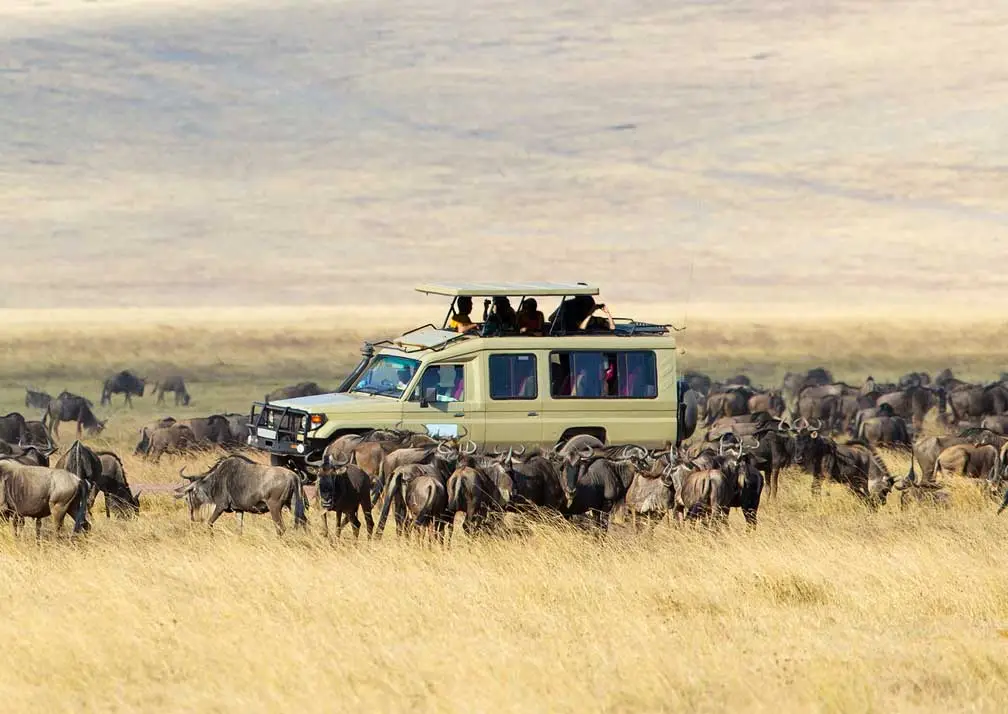
Great Migration Safaris
Experience one of nature's greatest spectacles with our Great Migration safari packages, timed for river crossings or calving.
View Package →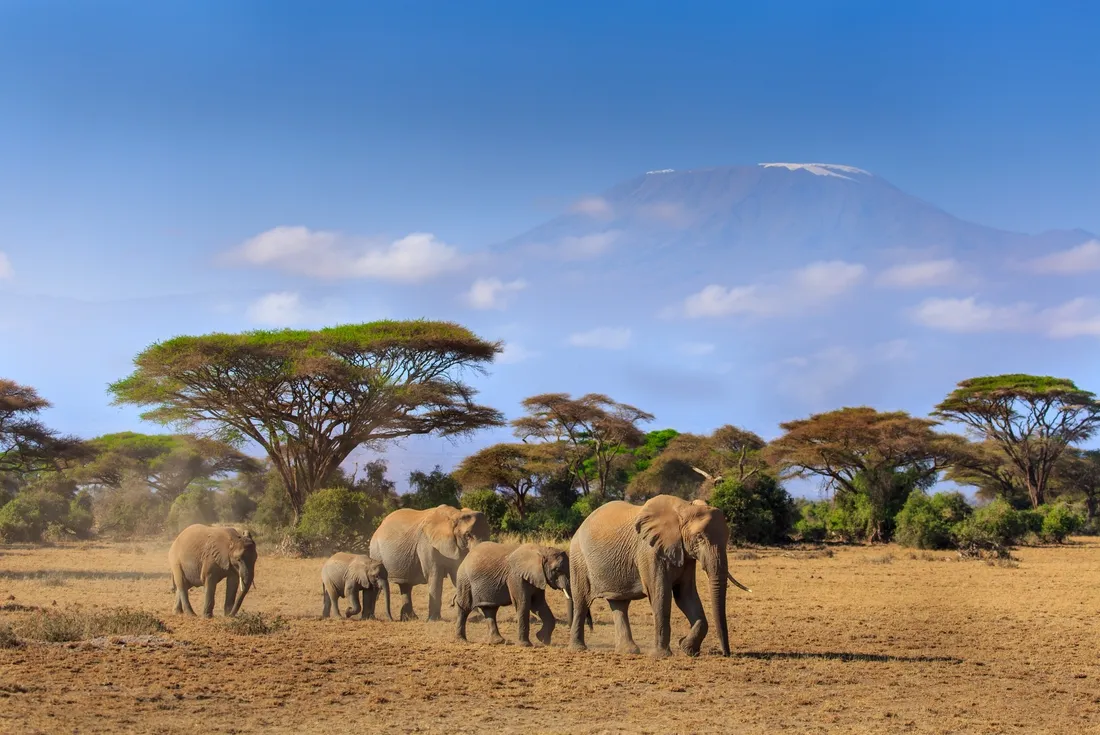
Serengeti & Kilimanjaro Trek
Combined safari and trekking tours offer wildlife adventures and Kilimanjaro climbs.
View Package →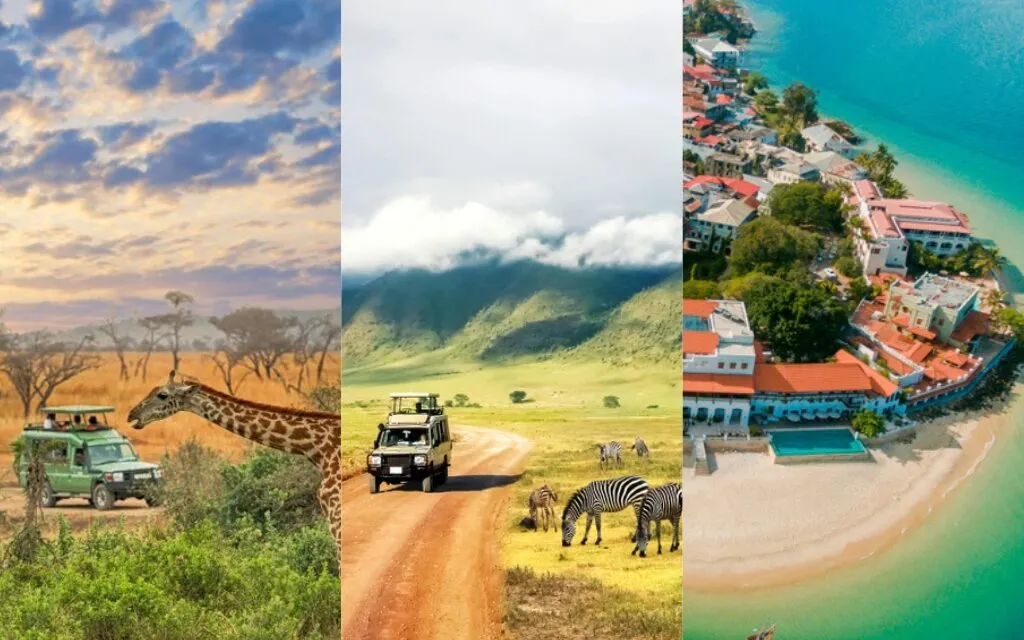
Serengeti & Zanzibar Tours
Luxury Tanzania safari & beach packages with the Great Migration and pristine beaches.
View Package →Related: Best Time to Visit Tanzania 2026 – Perfect safari extension after your Croatia adventure.