
Most Complete Cuba Travel Guide 2026-2027 – Everything You Need to Know Before Visiting
This Cuba travel guide provides everything you need to plan your journey to the Caribbean's largest island. Cuba offers an extraordinary blend of 1950s vintage cars, revolutionary history, pristine beaches, and vibrant culture that create one of the continent's most unique travel experiences. Many travelers who want to travel to Cuba are surprised by the country's incredible diversity and rich cultural heritage spanning Spanish colonial architecture, Afro-Cuban traditions, and revolutionary legacy. The nation covers over 109,884 square kilometers, offering visitors everything from UNESCO-listed old towns to tobacco valleys and turquoise Caribbean waters.
Start Reading the Full Guide ↓Quick Facts About Cuba
- Capital: Havana.
- Currency: Cuban Peso (CUP) + Euro/USD cash.
- Time Zone: Cuba Standard Time (CST, UTC-5).
- International Calling Code: +53.
- Driving Side: Right.
- Major Airports: José Martí International (Havana), Juan Gualberto Gómez (Varadero).
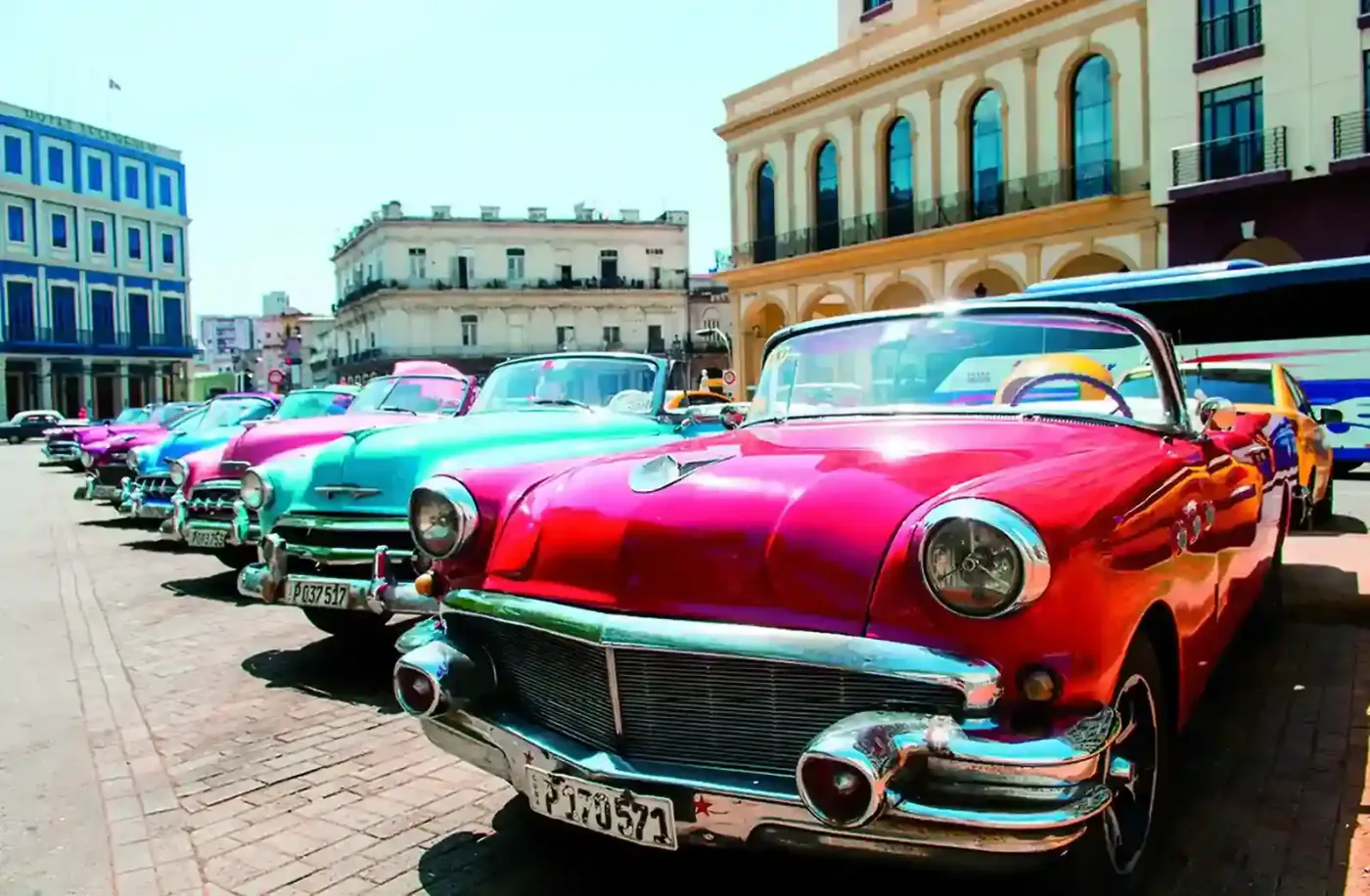
Cuba Overview & Key Facts
Brief History of Cuba
Cuba's history spans from indigenous Taíno communities through Spanish colonization to independence and the 1959 Revolution. Christopher Columbus claimed the island for Spain in 1492, followed by centuries of colonial rule that shaped its architecture and culture. The Cuban Revolution led by Fidel Castro overthrew dictator Fulgencio Batista, establishing a socialist state that continues to influence daily life and international relations.
Independence & National Identity
- Independence date: May 20, 1902 (from Spain 1898, US protectorate until 1902).
- Revolution: January 1, 1959.
- National symbols & identity.
Cuba's national identity centers on revolutionary pride, Afro-Cuban culture, music, and resilience. The flag features blue stripes for colonial divisions, white for purity, red triangle for equality, and a lone star representing independence.
Government System & Current Leadership
- Type of government: Socialist Republic
- Current president: Miguel Díaz-Canel
- Notes on political stability
Cuba operates as a one-party socialist republic. President Miguel Díaz-Canel succeeded Raúl Castro in 2018, marking the first non-Castro leadership since 1959. The country maintains stable governance despite economic challenges and U.S. embargo effects.
Population, Ethnic Groups & Languages
- Population: 11.2 million (2025 projection).
- Major ethnic groups: White (64%), Mixed (26%), Black (9%).
- Official language(s): Spanish.
- Additional languages commonly spoken.
Spanish is universally spoken. English proficiency is high in tourist areas, with many locals studying or working in tourism. Russian and French are understood by older generations due to historical ties.
Main Religions & Cultural Identity
Cuba is officially secular, with religious freedom restored in the 1990s. Approximately 60% identify as Catholic, while Santería (Afro-Cuban religion) is widely practiced, often syncretically with Catholicism. Religious festivals and ceremonies form an integral part of cultural life.
Geography & Natural Landscape
Cuba features diverse landscapes including mountains, rolling hills, fertile valleys, and over 300 natural beaches. The island enjoys a tropical climate moderated by trade winds, with a dry season from November to April and rainy season from May to October.
Economy & Tourism Highlights
Tourism has become Cuba's second-largest industry after medical services. The government continues economic reforms allowing private businesses (cuentapropistas) and foreign investment while maintaining socialist principles. Tourism infrastructure improves annually with new hotels and restored historic properties.
What Cuba Is Known For
- UNESCO World Heritage sites: Old Havana, Trinidad, Viñales Valley
- Classic American cars from the 1950s
- World-class cigars and rum
- Revolutionary history and Che Guevara imagery
- Salsa music and dance culture
Visa & Entry Requirements in Cuba
Most international visitors require a tourist card (visa) to enter Cuba, with requirements varying by nationality. US citizens face specific restrictions but can travel legally under 12 authorized categories.
Do You Need a Visa?
All visitors need a tourist card valid for 30–90 days depending on nationality. US citizens require a pink tourist card and must travel under one of 12 OFAC categories (people-to-people, family visits, etc.).
Visa Application Options in Cuba
- Tourist card through airline or travel agency
- Embassy/consulate application
- Online providers for most nationalities
Tourist cards are typically included with flight purchases or available at gateway airports. Processing is straightforward and rarely denied for tourism purposes.
Passport Validity & Entry Documents
Passport must be valid for six months beyond intended stay. Required documents include tourist card, return ticket, proof of accommodation, and travel medical insurance (often included with flight).
Customs Rules & Prohibited Items
Personal electronics and medications are generally allowed. Professional equipment may require declaration. Import of fresh foods, pornography, and anti-government materials is prohibited. Currency declaration required for amounts over $5,000 USD.
Safety & Security Information in Cuba
Cuba maintains one of the lowest crime rates in the Americas with strong police presence and community policing. Violent crime against tourists is extremely rare.
Is Cuba Safe for Tourists?
Yes – Cuba is considered very safe for tourists. Petty theft and scams occur in tourist areas but violent crime is exceptionally rare. Police presence is high and locals often assist tourists.
Recommended Safety Tips when in Cuba
Use official taxis, avoid dark/unpopulated areas at night, keep valuables secured, and use hotel safes. Don't exchange money on the street. Women travelers report feeling safer than in most Latin American countries.
Safe Areas vs. Areas to Avoid in Cuba
All major tourist destinations are safe. Central Havana at night requires normal precautions. Avoid isolated beaches after dark. Rural areas are exceptionally safe.
Emergency Numbers & Tourist Police in Cuba
- Police: 106
- Medical Emergency: 104
- Fire: 105
- Tourist assistance: Asistur offices in major cities
Tourist police wear distinctive uniforms and speak multiple languages in major destinations.
Health Requirements & Vaccinations in Cuba
Cuba has excellent medical facilities for tourists with international clinics in major cities. Travel insurance with medical coverage is mandatory.
Mandatory Vaccinations in Cuba
None for most travelers. Yellow fever certificate required if arriving from endemic countries.
Recommended Vaccinations in Cuba
Hepatitis A, Typhoid, routine vaccines. Consider Hepatitis B and Rabies for extended stays.
Malaria & Other Risks
No malaria risk. Dengue and Zika occur rarely. Use insect repellent and long clothing at dawn/dusk.
Travel Insurance Recommendations in Cuba
Mandatory – proof required at immigration. Must cover minimum €30,000 medical expenses. Many airlines include basic coverage with ticket purchase.
Best Time to Visit in Cuba
Dry season (November–April) offers perfect weather with temperatures 22–28°C and minimal rainfall. Hurricane season runs June–November.
Weather by Season
Dry season features sunny days and cool evenings. Wet season brings afternoon showers and higher humidity. Hurricane risk peaks August–October.
When to Visit Cuba for Best Experiences
- Carnival in Santiago de Cuba: July
- Havana International Jazz Festival: January
- Tobacco harvest in Viñales: December–February
- Best beach weather: March–April
December–April is peak season with highest prices and crowds.
High Season vs. Low Season Travel
High season (Dec–Apr, July–Aug) has perfect weather but higher prices. Shoulder seasons (May, Nov) offer good weather and fewer crowds. Low season (Jun, Sep–Oct) has lowest prices but hurricane risk.
Weather & Climate Overview in Cuba
Cuba enjoys tropical climate with two distinct seasons and regional variations between coast and interior.
Temperature Ranges
Coastal areas: 22–30°C year-round. Interior mountains cooler with nights dropping to 15°C in winter.
Rainy & Dry Seasons in Cuba
Dry season: November–April (minimal rain). Wet season: May–October (afternoon showers common).
What to Wear Based on the Weather
Light cotton clothing, sun protection, light jacket for evenings December–February. Swimwear, sandals, and light rain jacket for wet season.
Main Currency, Costs & Budgeting in Cuba
Cuba uses dual currency system with increasing acceptance of foreign cards in 2026. Cash (EUR/USD/MXN) remains essential outside major hotels.
Local Currency Information
Cuban Peso (CUP) for locals. Tourists primarily use Euro, USD, or MXP cash. Cards increasingly accepted in Havana and Varadero.
Average Travel Costs in Cuba
Budget: $60–100/day (casas particulares, street food, buses). Mid-range: $120–200/day (private taxis, restaurants). Luxury: $250–450/day (resorts, private guides).
Using ATMs, Cards & Mobile Money in Cuba
ATMs available in cities (Visa/Mastercard). US-issued cards rarely work. Bring sufficient cash in EUR (best rates).
Tipping Guidelines in Cuba
10–15% in restaurants, 1–5 CUC equivalent for casa staff, musicians, and guides. Tipping appreciated due to low state salaries.
Transportation & Getting Around in Cuba
Transportation options include classic car taxis, shared taxis, buses, and domestic flights. Infrastructure continues improving.
Airport Transfers
Official yellow taxis from airports. Private transfers available through casas particulares.
Local Transport Options in Cuba
Classic car taxis, shared collectivos, Viazul tourist buses, local buses (guaguas). Bike taxis in smaller cities.
Cuba Domestic Flights
Limited domestic flights operated by Cubana de Aviación. Reliable but schedules change frequently.
Car Rentals & Road Conditions in Cuba
Available but expensive with frequent vehicle shortages. Roads generally good outside cities. Fuel shortages possible.
Accommodation Options available in Cuba
Cuba offers diverse accommodations from state hotels to private casas particulares (homestays) and luxury resorts.
Types of Accommodations in Cuba
Casas particulares (private homestays), state hotels, all-inclusive resorts, boutique hotels in historic buildings.
Budget vs. Mid-Range vs. Luxury
Budget: $25–50/night (casas). Mid-range: $80–150/night (boutique hotels). Luxury: $200–600/night (5-star resorts).
Best Areas to Stay in Cuba
Vedado or Centro Habana (Havana), Viñales town center, Trinidad historic center, beach resorts in Varadero/Cayo Coco.
Essential Packing Guide when Visiting Cuba
Pack for tropical climate with limited availability of many items locally.
Clothing Essentials
Light cotton clothing, swimwear, sun protection, light jacket for air-conditioned spaces and evenings.
Footwear & Gear
Comfortable walking shoes, sandals, reef-safe sunscreen, insect repellent, universal adapter (Type A/B).
Electronics & Cameras
Power bank essential. 110V/220V dual voltage common. Wi-Fi rare outside hotels/casas.
Toiletries & Personal Items
Bring all medications, preferred toiletries, feminine products. Many items unavailable or expensive locally.
Language & Communication in Cuba
Spanish dominates with increasing English in tourist areas.
Main Languages Spoken in Cuba
Spanish universally. English common in tourism sector. Some French/Russian among older generations.
Useful Phrases for Tourists
“Hola” (hello), “Gracias” (thank you), “Cuánto cuesta?” (how much?), “Una cerveza por favor” (one beer please).
SIM Cards & Mobile Data used in Cuba
ETECSA SIM cards available at airports/offices. Temporary tourist SIMs with data packages.
Internet Availability & Wi-Fi in Cuba
Wi-Fi in hotels, parks, and ETECSA offices. Purchase scratch cards for access. Improving but still limited.
Culture & Etiquette in Cuba
Cuban culture emphasizes hospitality, music, and social interaction.
Cuban Dress Code Expectations
Casual dress accepted everywhere. Beachwear only at beaches/resorts. Modest dress for churches.
Social Etiquette & Respectful Behavior of Cuba
Greet with handshake/kiss on cheek. Accept offers of coffee/rum. Queuing is respected. Photography generally welcomed but ask permission for portraits.
Photography Rules in Cuba
Generally permitted. Ask permission before photographing people close-up. No restrictions on classic cars or street scenes.
Important Cultural Dos & Don’ts in Cuba
Do engage with locals, accept hospitality, tip generously. Don’t discuss politics unless invited, take photos of police/military without permission.
Food, Water & Dining in Cuba
Cuban cuisine features rice, beans, pork, and seafood with growing private restaurant scene.
Cuban Local Dishes to Try
Ropa vieja, lechón asado, moros y cristianos, tostones, Cuban sandwich, fresh lobster (where available).
Dietary Options in Cuba
Improving options for vegetarians in private restaurants. Vegan options limited. Gluten-free possible with planning.
Drinking Water Safety
Bottled water recommended. Ice generally safe in tourist establishments.
Restaurant Etiquette
Tipping 10–15% appreciated. Private paladares often superior to state restaurants.
Top Attractions & Things to Do in Cuba
Cuba offers remarkable diversity from colonial cities to natural wonders and revolutionary sites.
Major Tourist Attractions in Cuba
- Old Havana (UNESCO)
- Viñales Valley (UNESCO)
- Trinidad & Valley de los Ingenios (UNESCO)
- Varadero Beach
Old Havana features beautifully restored colonial architecture and vibrant street life. Viñales offers dramatic limestone landscapes and tobacco farms. Trinidad preserves Spanish colonial splendor with cobblestone streets.
Best Tours & Experiences in Cuba
Classic car tours of Havana, tobacco farm visits in Viñales, salsa dancing classes, revolutionary history tours, beach relaxation in Varadero/Cayos.
Family-Friendly Activities to do in Cuba
Beaches, classic car rides, cave exploration, dolphin encounters, interactive museums.
Unique Cultural or Historical Sites to visit in Cuba
Che Guevara Mausoleum (Santa Clara), Bay of Pigs Museum, Hemingway’s Finca Vigía, Revolution Square.
Cuban Electrical System Information
Cuba uses both 110V and 220V systems with increasing standardization.
Plug Types & Voltage used in Cuba
Types A, B, C, and sometimes European plugs. 110V most common, some 220V in newer hotels.
Charging Tips
Bring universal adapter and voltage converter. Power outages occasional outside tourist areas.
Local Laws & Regulations of Cuba
Cuba maintains strict laws with strong enforcement.
Rules Travelers Need to Know when In Cuba
US citizens must follow OFAC regulations. Photography of military/police restricted. Drug laws extremely strict.
Alcohol, Smoking & Substance Laws of Cuba
Alcohol widely available. Smoking common. All drugs strictly illegal with severe penalties.
Restricted or Protected Areas in Cuba.
Military zones off-limits. Some beaches require resort access. National parks have entrance fees and guides.
Final Travel Tips for Visitors in Cuba
Successful travel to Cuba requires preparation, flexibility, and openness to local experiences.
Common Mistakes to Avoid
Don’t bring only USD (poor exchange rates), assume Wi-Fi everywhere, rely solely on credit cards, or expect American brands/products.
Tips to Save Money when Visiting Cuba
Stay in casas particulares, eat at paladares, use shared taxis, travel by Viazul bus, visit during shoulder seasons.
Safety & Comfort Tips
Bring all needed medications, carry small bills, learn basic Spanish phrases, download offline maps, embrace local pace of life.
Frequently Asked Questions – Cuba Travel Guide 2026-2027
Our Tanzania Tours Products
While Cuba offers incredible classic cars, revolutionary history and Caribbean beaches, many travelers combine the Caribbean with the ultimate wildlife experience in East Africa. Capable Africa Tours specializes in secure, guided safaris that maximize safety and wonder. Our expert local guides, armed rangers in parks, and vetted accommodations ensure peace of mind. From family-friendly lodges to luxury camps, we handle logistics so you focus on the magic. Tanzania ranks high for tourist safety with dedicated wildlife protection units and stable northern circuits.
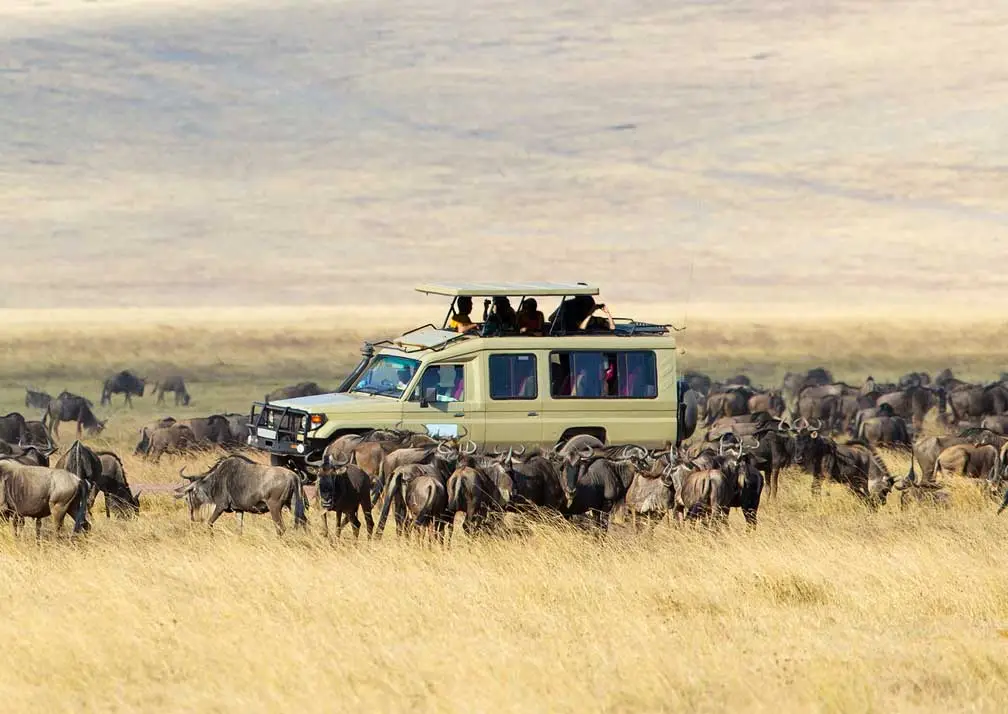
Great Migration Safaris
Experience one of nature's greatest spectacles with our Great Migration safari packages, timed for river crossings or calving.
View Package →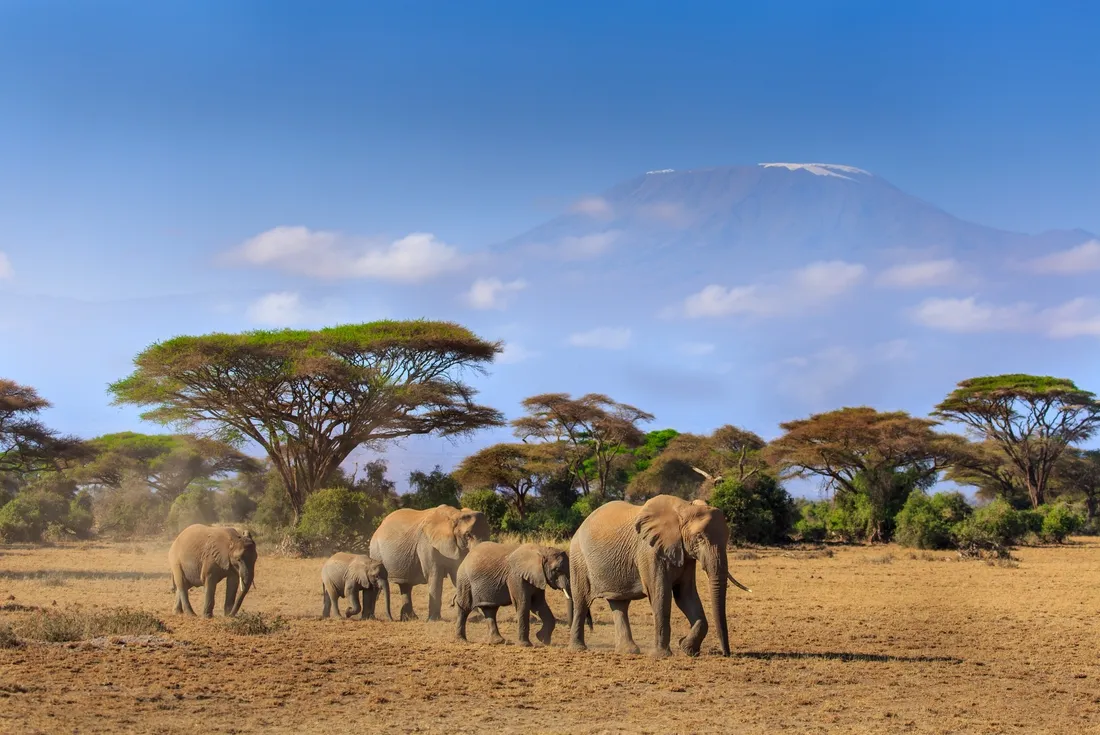
Serengeti & Kilimanjaro Trek
Combined safari and trekking tours offer wildlife adventures and Kilimanjaro climbs.
View Package →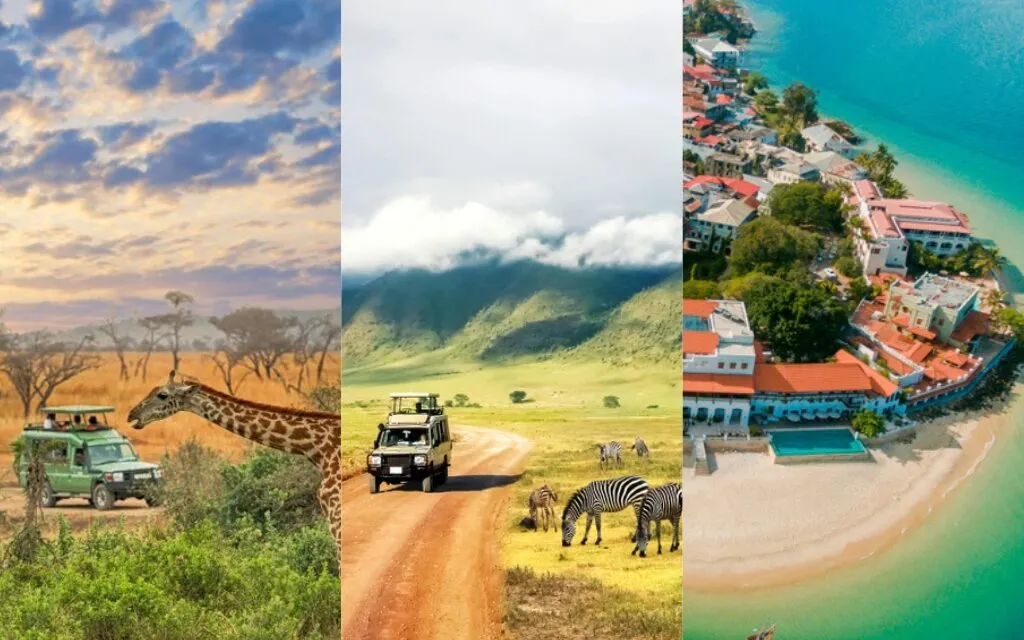
Serengeti & Zanzibar Tours
Luxury Tanzania safari & beach packages with the Great Migration and pristine beaches.
View Package →Related: Best Time to Visit Tanzania 2026 – Perfect safari extension after your Cuba adventure.