
Most Complete Cyprus Travel Guide 2026-2027 – Everything You Need to Know Before Visiting
This Cyprus travel guide provides everything you need to plan your journey to the sun-drenched Mediterranean island. Cyprus offers an extraordinary blend of ancient archaeological sites, turquoise beaches, mountain villages, and vibrant modern resorts that create one of Europe’s most diverse travel experiences. Many travelers who want to travel to Cyprus are surprised by the island's incredible history spanning 10,000 years, delicious cuisine, and welcoming hospitality. The third-largest Mediterranean island covers 9,251 square kilometers, offering visitors everything from UNESCO-listed ancient ruins to pristine beaches and the dramatic Troodos Mountains.
Start Reading the Full Guide ↓Quick Facts About Cyprus
- Capital: Nicosia (divided city).
- Currency: Euro (€) – Republic of Cyprus; Turkish Lira – north.
- Time Zone: Eastern European Time (EET, UTC+2; +3 in summer).
- International Calling Code: +357.
- Driving Side: Left.
- Major Airports: Larnaca (LCA), Paphos (PFO).
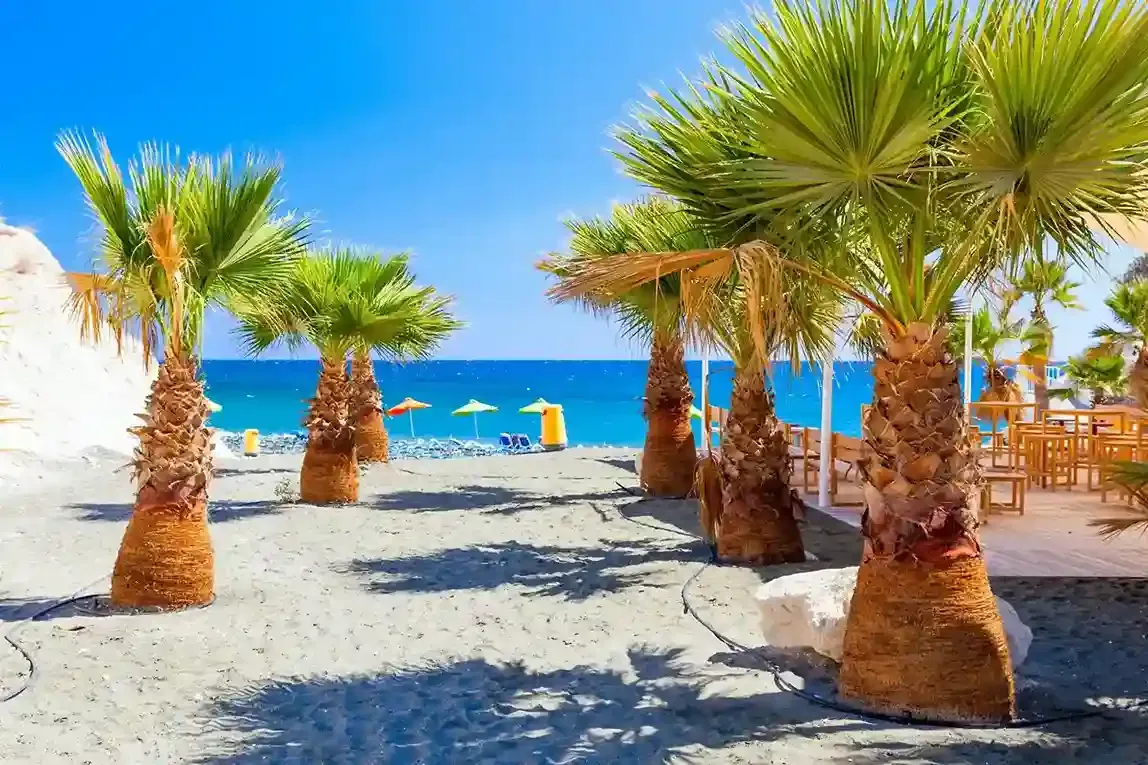
Cyprus Overview & Key Facts
Brief History of Cyprus
Cyprus's history spans over 10,000 years, from Neolithic settlements through Mycenaean Greek colonization to Roman, Byzantine, Ottoman and British rule. The island is known as the birthplace of Aphrodite and features some of the Mediterranean's best-preserved ancient sites. This rich historical tapestry creates a fascinating backdrop for modern travelers exploring the island's archaeological treasures and cultural sites.
Independence & National Identity
- Independence date: August 16, 1960.
- Former colonial power: United Kingdom.
- National symbols & identity.
Cyprus gained independence from Britain in 1960, though ethnic tensions between Greek and Turkish Cypriots led to division in 1974. The Republic of Cyprus (south) is internationally recognized and EU member since 2004. The northern third is administered by Turkish Cypriots. The flag features a copper-colored island outline on white with olive branches symbolizing peace.
Government System & Current Leadership
- Type of government: Presidential Republic (south).
- Current president: Nikos Christodoulides (since 2023).
- Notes on political stability.
The Republic of Cyprus is a stable EU democracy. The division remains unresolved but does not affect tourist travel – legal crossing points operate daily. The UN maintains a buffer zone in Nicosia.
Population, Ethnic Groups & Languages
- Population: 1.26 million (2025 projection).
- Major ethnic groups: Greek Cypriots (78%), Turkish Cypriots (18%).
- Official language(s): Greek and Turkish.
- Additional languages commonly spoken.
English is widely spoken throughout the island, especially in tourist areas, shops, restaurants and hotels. Signs are usually bilingual Greek/English in the south.
Main Religions & Cultural Identity
Greek Orthodox Christianity dominates in the south (95%), while the north is predominantly Sunni Muslim. Religious sites are open to visitors with modest dress required. The island celebrates both Christian and Muslim holidays peacefully.
Geography & Natural Landscape
Cyprus features golden beaches, the pine-covered Troodos Mountains (highest peak Mount Olympus 1,952 m), fertile plains and dramatic coastline. The island enjoys over 340 sunny days per year with classic Mediterranean climate.
Economy & Tourism Highlights
Tourism is a major industry alongside shipping, financial services and real estate. Cyprus attracts over 4 million visitors annually with its beaches, ancient sites and year-round sunshine.
What Cyprus Is Known For
- Birthplace of Aphrodite & ancient archaeological sites
- Stunning Mediterranean beaches & crystal-clear waters
- Halloumi cheese, Commandaria wine, lace-making villages
Visa & Entry Requirements in Cyprus
Most international visitors enjoy visa-free entry to the Republic of Cyprus for up to 90 days. The island is part of the EU but not yet in the Schengen Area (expected 2026–2027). Entry rules apply to the Republic of Cyprus only – crossing to the north is legal and straightforward.
Do You Need a Visa?
EU/EEA/Swiss citizens: no visa. USA, Canada, UK, Australia, New Zealand, South Africa and most others: 90 days visa-free. Some nationalities require visas – check official sources.
Visa Application Options in Cyprus
- Visa-free entry for most tourists
- Online e-Visa for certain nationalities
- Embassy application when required
Visa-free visitors simply present passport (valid 3+ months beyond stay) and may be asked for return ticket and proof of accommodation/funds.
Passport Validity & Entry Documents
Passport must be valid for 3 months beyond intended departure. Return/onward ticket and proof of accommodation often requested. No entry/exit fees.
Customs Rules & Prohibited Items
Standard EU customs rules apply. Duty-free allowance: 200 cigarettes, 1L spirits, €430 goods value. No restrictions on currency amounts.
Safety & Security Information in Cyprus
Cyprus is one of Europe’s safest destinations with very low crime rates. The only political issue is the 1974 division – legal crossing points are safe and well-managed.
Is Cyprus Safe for Tourists?
Yes – extremely safe. Violent crime is rare. Most visits are trouble-free. The UK, US and Canada rate Cyprus Level 1 (normal precautions).
Recommended Safety Tips when in Cyprus
Standard precautions: guard valuables on beaches, drink responsibly, use licensed taxis. Road safety – drive defensively. No specific terrorism risk.
Safe Areas vs. Areas to Avoid in Cyprus
All tourist areas are safe. The UN buffer zone and abandoned Varosha district are restricted. Crossing points (7 total) are safe and open daily.
Emergency Numbers & Tourist Police in Cyprus
- Police/Fire/Ambulance: 112 or 199.
- Tourist Police: Available in all major resorts.
English-speaking operators available 24/7.
Health Requirements & Vaccinations in Cyprus
No mandatory vaccinations required. EU-standard healthcare with modern hospitals and English-speaking doctors.
Mandatory Vaccinations in Cyprus
None required.
Recommended Vaccinations in Cyprus
Routine vaccines. Hepatitis A & Typhoid suggested for longer stays or rural travel.
Malaria & Other Risks
No malaria risk. Tap water safe. Standard sun protection essential.
Travel Insurance Recommendations in Cyprus
Recommended. EU citizens should bring EHIC/GHIC for state healthcare. Private insurance covers repatriation and private treatment.
Best Time to Visit in Cyprus
Cyprus enjoys 340 sunny days per year. Shoulder seasons offer perfect weather and fewer crowds.
Weather by Season
Spring (Apr–Jun): 22–30°C, wildflowers, ideal hiking. Summer (Jul–Aug): 35–40°C, perfect beach weather. Autumn (Sep–Oct): 25–32°C, warm sea, fewer crowds. Winter (Dec–Mar): 15–20°C, skiing in Troodos possible.
When to Visit Cyprus for Best Experiences
- Beach holidays: June–September
- Sightseeing & hiking: April–June & September–October
- Winter sun & skiing: December–March
High Season vs. Low Season Travel
High season: July–August (hot, crowded, expensive). Shoulder seasons best value and weather.
Weather & Climate Overview in Cyprus
Classic Mediterranean climate with hot, dry summers and mild, wet winters.
Temperature Ranges
Coastal: 15–20°C winter, 30–40°C summer. Troodos Mountains: 5–15°C cooler year-round, snow in winter.
Rainy & Dry Seasons in Cyprus
Rainy season: November–March (mostly light). Dry season: April–October.
What to Wear Based on the Weather
Summer clothing, swimsuits, sunscreen, hat. Light jacket for spring/autumn evenings. Modest attire for churches.
Main Currency, Costs & Budgeting in Cyprus
Euro (€) in the Republic of Cyprus. Good value Mediterranean destination.
Local Currency Information
Euro notes and coins. Cards widely accepted. ATMs everywhere.
Average Travel Costs in Cyprus
Budget €70–110/day, mid-range €130–220/day, luxury €300+/day.
Using ATMs, Cards & Mobile Money in Cyprus
Contactless cards and Apple/Google Pay widely accepted. ATMs plentiful.
Tipping Guidelines in Cyprus
10% in restaurants if service not included. Round up taxi fares. €1–2 per bag for hotel staff.
Transportation & Getting Around in Cyprus
Left-hand driving. Excellent roads. Car rental highly recommended for freedom.
Airport Transfers
Taxis, shared shuttles, private transfers. Public buses from Larnaca/Paphos airports.
Local Transport Options in Cyprus
Intercity buses, local buses in cities, taxis. Car rental best option.
Cyprus Domestic Flights
No domestic flights needed – island is small.
Car Rentals & Road Conditions in Cyprus
Excellent roads. Drive on left. International driving permit recommended.
Accommodation Options available in Cyprus
Full range from budget apartments to 5-star resorts.
Types of Accommodations in Cyprus
Hotels, villas, apartments, boutique guesthouses, mountain lodges.
Budget vs. Mid-Range vs. Luxury
Budget €40–80, mid-range €90–180, luxury €200+ per night.
Best Areas to Stay in Cyprus
Limassol (central), Paphos (west coast), Ayia Napa/Protaras (east), Larnaca, Nicosia, Troodos villages.
Essential Packing Guide when Visiting Cyprus
Summer clothing, swimwear, sunscreen, comfortable walking shoes, modest attire for churches.
Clothing Essentials
Light breathable fabrics, swimsuits, cover-ups, hat, sunglasses.
Footwear & Gear
Sandals, walking shoes, water shoes for rocky beaches.
Electronics & Cameras
Type G plugs (UK three-pin). 240V/50Hz.
Toiletries & Personal Items
High-SPF sunscreen, after-sun, insect repellent for evenings.
Language & Communication in Cyprus
English widely spoken. Greek in south, Turkish in north.
Main Languages Spoken in Cyprus
Greek (south), Turkish (north), English everywhere.
Useful Phrases for Tourists
“Yia sas” (hello), “Efharisto” (thank you), “Parakalo” (please/you’re welcome).
SIM Cards & Mobile Data used in Cyprus
CYTA, Epic, PrimeTel. EU roaming rules apply for EU citizens.
Internet Availability & Wi-Fi in Cyprus
Free Wi-Fi in most cafes, restaurants, hotels. Excellent 4G/5G coverage.
Culture & Etiquette in Cyprus
Relaxed Mediterranean culture with strong hospitality traditions.
Cyprian Dress Code Expectations
Casual beachwear fine at resorts. Modest dress (cover shoulders/knees) for churches and monasteries.
Social Etiquette & Respectful Behavior of Cyprus
Greet with handshake or kiss on both cheeks. Accept offers of coffee/tea.
Photography Rules in Cyprus
No restrictions except military areas (rarely encountered).
Important Cultural Dos & Don’ts in Cyprus
Do accept hospitality. Don’t discuss the division politically unless invited.
Food, Water & Dining in Cyprus
Delicious Mediterranean cuisine with Greek and Middle Eastern influences.
Cyprian Local Dishes to Try
Halloumi, souvlaki, meze, sheftalia, kleftiko, Commandaria wine.
Dietary Options in Cyprus
Excellent vegetarian options. Vegan possible in cities.
Drinking Water Safety
Tap water safe throughout the island.
Restaurant Etiquette
Service often included. Round up or add 5–10% for good service.
Top Attractions & Things to Do in Cyprus
Ancient ruins, stunning beaches, mountain villages and vibrant cities.
Major Tourist Attractions in Cyprus
- Paphos Archaeological Park (UNESCO)
- Tomb of the Kings
- Troodos painted churches (UNESCO)
- Nicosia old town & Ledra crossing
Birthplace of Aphrodite (Petra tou Romiou), Kourion ancient theatre, Cyprus Museum, Lefkara lace village.
Best Tours & Experiences in Cyprus
Wine tours (Commandaria region), jeep safaris in Akamas, boat trips, hiking in Troodos.
Family-Friendly Activities to do in Cyprus
Water parks, beaches, donkey sanctuaries, camel park, archaeological sites with kids programs.
Unique Cultural or Historical Sites to visit in Cyprus
10 Byzantine painted churches (UNESCO), Choirokoitia Neolithic settlement (UNESCO), ancient Salamis, Bellapais Abbey (north).
Cyprian Electrical System Information
UK-style three-pin plugs (Type G), 240V, 50Hz.
Plug Types & Voltage used in Cyprus
Type G (British) plugs. Bring adapter if needed.
Charging Tips
Universal adapters widely available in supermarkets.
Local Laws & Regulations of Cyprus
Standard EU laws. Relaxed Mediterranean culture.
Rules Travelers Need to Know when In Cyprus
No jaywalking fines. Beach nudity only at designated areas. No smoking in enclosed public spaces.
Alcohol, Smoking & Substance Laws of Cyprus
Legal drinking age 17. Cannabis illegal (decriminalized small amounts in south).
Restricted or Protected Areas in Cyprus.
British Sovereign Base Areas require permission. UN buffer zone restricted except at crossings.
Final Travel Tips for Visitors in Cyprus
Rent a car for maximum freedom. Try meze dining. Visit both sides of the island. Book accommodation early in summer.
Common Mistakes to Avoid
Don’t stay only in resorts – explore villages and mountains. Don’t visit only in peak summer if heat-sensitive.
Tips to Save Money when Visiting Cyprus
Travel in shoulder seasons. Eat where locals eat. Use public buses between cities.
Safety & Comfort Tips
Drink plenty of water. Use sunscreen. Drive defensively on mountain roads.
Frequently Asked Questions – Cyprus Travel Guide 2026-2027
Our Tanzania Tours Products
While Cyprus offers stunning Mediterranean beaches, ancient ruins and mountain villages, many travelers combine Europe with the ultimate wildlife experience in East Africa. Capable Africa Tours specializes in secure, guided safaris that maximize safety and wonder. Our expert local guides, armed rangers in parks, and vetted accommodations ensure peace of mind. From family-friendly lodges to luxury camps, we handle logistics so you focus on the magic. Tanzania ranks high for tourist safety with dedicated wildlife protection units and stable northern circuits.
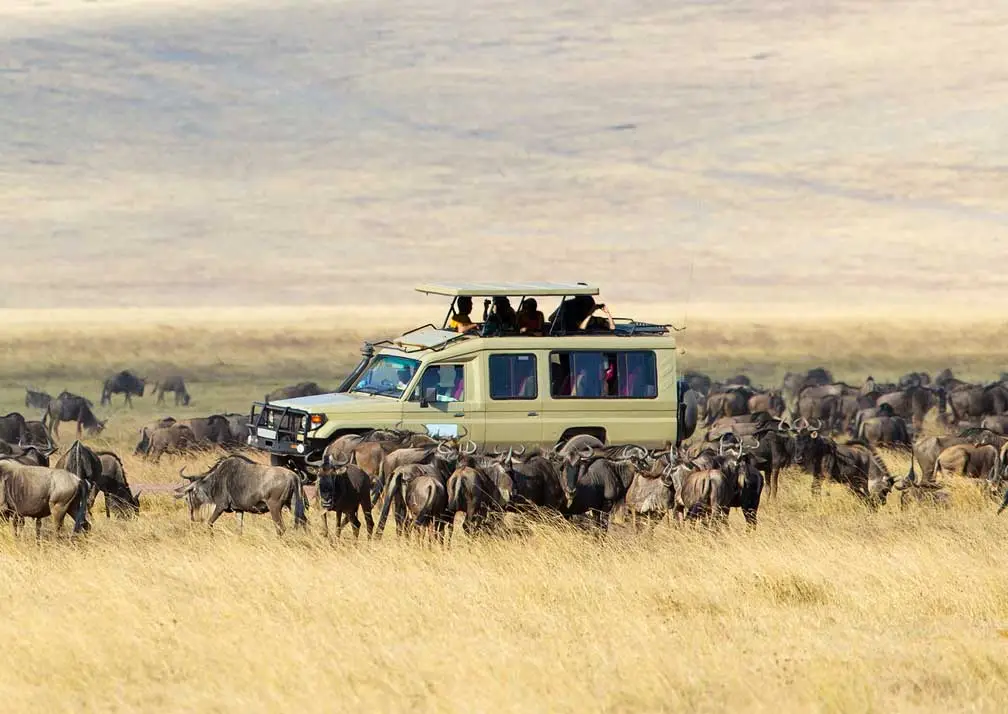
Great Migration Safaris
Experience one of nature's greatest spectacles with our Great Migration safari packages, timed for river crossings or calving.
View Package →
Serengeti & Kilimanjaro Trek
Combined safari and trekking tours offer wildlife adventures and Kilimanjaro climbs.
View Package →
Serengeti & Zanzibar Tours
Luxury Tanzania safari & beach packages with the Great Migration and pristine beaches.
View Package →Related: Best Time to Visit Tanzania 2026 – Perfect safari extension after your Cyprus holiday.