
Most Complete Czechia Travel Guide 2026-2027 – Everything You Need to Know Before Visiting
This Czechia travel guide provides everything you need to plan your journey to the heart of Europe. Czechia (officially the Czech Republic) offers an extraordinary blend of fairy-tale castles, UNESCO medieval towns, world-class spas, and one of Europe’s most beautiful capitals. Many travelers who want to travel to Czechia are surprised by the country's incredible diversity and rich cultural heritage spanning Bohemian kingdoms, Habsburg grandeur, and vibrant modern life. The nation covers just 78,865 square kilometers yet boasts 12 UNESCO World Heritage sites, over 2,000 castles and chateaux, and some of the continent's best-preserved historic centers.
Start Reading the Full Guide ↓Quick Facts About Czechia
- Capital: Prague.
- Currency: Czech Koruna (CZK).
- Time Zone: Central European Time (CET, UTC+1).
- International Calling Code: +420.
- Driving Side: Right.
- Major Airports: Václav Havel Airport Prague (PRG), Brno-Tuřany (BRQ), Ostrava (OSR).
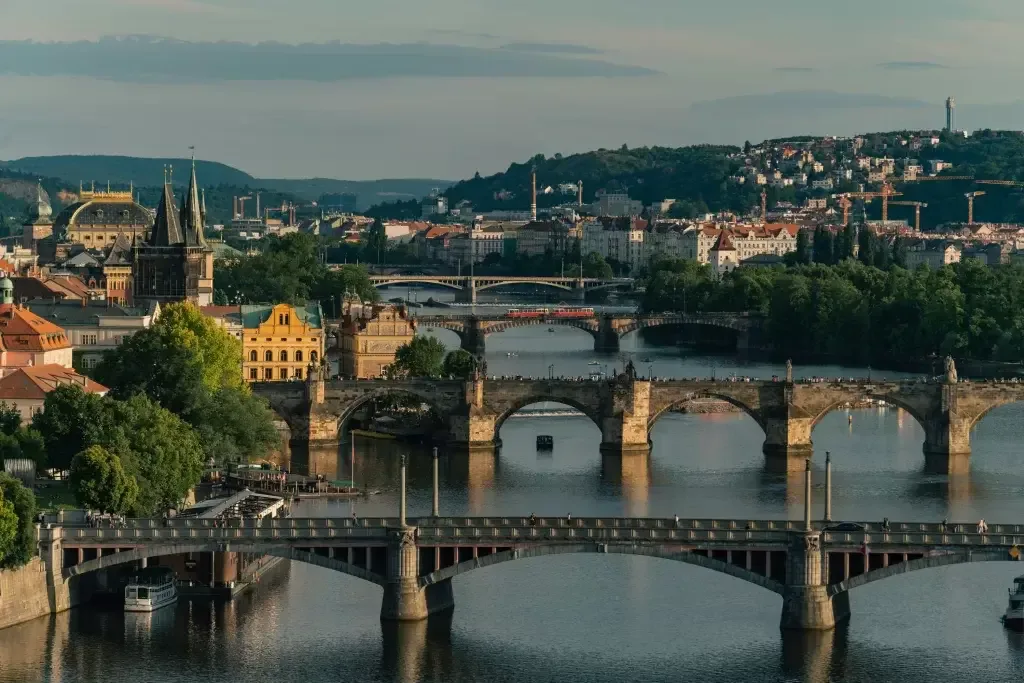
Czechia Overview & Key Facts
Brief History of Czechia
Czechia's history spans millennia, from Great Moravian Empire through the Bohemian Kingdom to the Habsburg monarchy. The Czech lands were a major European power in the 14th century under Charles IV, who made Prague one of Europe’s grandest capitals. The country endured thirty years of communist rule after WWII before the peaceful Velvet Revolution in 1989 restored democracy. This rich historical tapestry creates a fascinating backdrop for modern travelers exploring the country's architectural treasures and cultural sites.
Independence & National Identity
- Current independence date: January 1, 1993 (Velvet Divorce from Slovakia).
- Former state: Czechoslovakia (1918–1992).
- National symbols & identity.
Czechia gained its current form after the peaceful dissolution of Czechoslovakia. National identity centers on rich cultural heritage, love of beer (Czechs consume the most per capita worldwide), and pride in historical figures like Charles IV and Tomáš Garrigue Masaryk. The flag features white, red, and blue with the Bohemian lion.
Government System & Current Leadership
- Type of government: Parliamentary Republic
- Current president: Petr Pavel (since 2023)
- Notes on political stability
Czechia operates as a stable parliamentary democracy and EU/NATO member with high political stability and transparent institutions.
Population, Ethnic Groups & Languages
- Population: 10.9 million (2025 projection).
- Major ethnic groups: Czech 64%, Moravian 13%, Slovak 3%, others.
- Official language(s): Czech.
- Additional languages commonly spoken.
English is widely spoken among younger generations and in tourism. German is common in western regions, Russian among older generations. Slovak is mutually intelligible with Czech.
Main Religions & Cultural Identity
Czechia is one of the most secular countries globally, with over 70% declaring no religion. Roman Catholicism remains the largest denomination (10%), followed by Protestant groups. Cultural identity focuses more on historical and artistic heritage than religious practice.
Geography & Natural Landscape
Czechia is landlocked with rolling hills, dense forests, and dramatic rock formations. Bohemia features river valleys and the Bohemian Paradise sandstone rocks, while Moravia is known for fertile plains and the Moravian Karst caves.
Economy & Tourism Highlights
Czechia has one of Central Europe’s strongest economies with major industries in automotive, machinery, and beer production. Tourism is a key sector with over 10 million annual visitors, drawn to Prague’s architecture, spa towns, and UNESCO sites.
What Czechia Is Known For
- Prague – one of Europe’s most beautiful capitals
- Over 2,000 castles and chateaux
- 12 UNESCO World Heritage sites
- World’s highest per-capita beer consumption
- Bohemian glass and spa triangle (Karlovy Vary, Mariánské Lázně, Františkovy Lázně)
Visa & Entry Requirements in Czechia
Czechia is part of the Schengen Area. Most international visitors from visa-exempt countries can stay up to 90 days within any 180-day period without a visa.
Do You Need a Visa?
EU/EEA/Swiss: free movement. US, Canada, Australia, UK, NZ, Japan, South Korea: visa-free 90/180 days. Most African, Asian, and some Latin American nationalities require Schengen visa.
Visa Application Options in Czechia
- Schengen short-stay visa (tourist) through Czech embassy or VFS Global
- EES (Entry/Exit System) fully implemented 2026 – biometric registration on first entry
Passport Validity & Entry Documents
Passport valid 3 months beyond intended stay. Proof of accommodation, return ticket, and sufficient funds (€45/day minimum) may be requested.
Customs Rules & Prohibited Items
Standard EU customs rules. €10,000+ cash must be declared. No restrictions on alcohol/tobacco within EU limits for personal use.
Safety & Security Information in Czechia
Czechia is consistently ranked among Europe’s safest destinations with very low violent crime rates.
Is Czechia Safe for Tourists?
Extremely safe. Most governments rate it Level 1 (normal precautions). Main issue is pickpocketing in Prague’s tourist areas.
Recommended Safety Tips when in Czechia
Use hotel safes, avoid “too good to be true” taxi offers, beware of pickpockets on tram 22 and Charles Bridge, don’t exchange money on the street.
Safe Areas vs. Areas to Avoid in Czechia
Entire country is safe. Prague’s main train station area at night is the only place requiring normal big-city caution.
Emergency Numbers & Tourist Police in Czechia
- General emergency: 112
- Police: 158
- Ambulance: 155
- Tourist police units in Prague (English-speaking)
Health Requirements & Vaccinations in Czechia
No mandatory vaccinations. Excellent medical facilities with English-speaking doctors in major cities.
Mandatory Vaccinations in Czechia
None.
Recommended Vaccinations in Czechia
Routine vaccines. Tick-borne encephalitis if hiking in forests May–September.
Malaria & Other Risks
No malaria. Tap water safe everywhere.
Travel Insurance Recommendations in Czechia
Highly recommended – covers medical treatment and theft (especially pickpocketing).
Best Time to Visit in Czechia
May–June and September–October offer perfect weather and fewer crowds. Christmas markets in December are magical but busy.
Weather by Season
Spring and autumn: 15–22°C. Summer: 25–30°C. Winter: 0 to -5°C with occasional snow.
When to Visit Czechia for Best Experiences
- Christmas markets: December
- Beer festivals: May & September
- Castle season: April–October
- Spa relaxation: year-round
High Season vs. Low Season Travel
High season: June–August + December. Shoulder seasons best value.
Weather & Climate Overview in Czechia
Continental climate with four distinct seasons. Prague slightly warmer than mountainous areas.
Temperature Ranges
Winter: -5 to +5°C. Summer: 20–30°C.
Rainy & Dry Seasons in Czechia
Rain possible year-round. July–August warmest and sunniest.
What to Wear Based on the Weather
Comfortable walking shoes essential (cobblestones everywhere). Layers year-round. Warm coat and scarf for winter.
Main Currency, Costs & Budgeting in Czechia
Czechia uses Czech Koruna (CZK). Excellent value compared to Western Europe.
Local Currency Information
CZK only. Euro accepted in some Prague tourist shops at poor rates.
Average Travel Costs in Czechia
Budget €60–90/day, mid-range €100–180, luxury €250+. Beer cheaper than water in many places.
Using ATMs, Cards & Mobile Money in Czechia
Cards accepted almost everywhere except small villages. Contactless common.
Tipping Guidelines in Czechia
Round up or 10% in restaurants. Not obligatory but appreciated.
Transportation & Getting Around in Czechia
Excellent public transport. Trains and buses efficient and affordable.
Airport Transfers
Prague Airport: Airport Express bus, public bus 119 + metro, or official taxis/Uber.
Local Transport Options in Czechia
Prague has excellent metro, trams, buses. Student Agency/RegioJet buses best for intercity.
Czechia Domestic Flights
Not needed – country small.
Car Rentals & Road Conditions in Czechia
Good highways. Vignette required. Parking difficult in cities.
Accommodation Options available in Czechia
Wide range from hostels to luxury hotels. Prague most expensive.
Types of Accommodations in Czechia
Hotels, pensions, apartments, hostels, castle hotels, spa resorts.
Budget vs. Mid-Range vs. Luxury
Budget €25–50, mid €60–120, luxury €150+.
Best Areas to Stay in Czechia
Prague 1 & 2 for first-timers, Vinohrady or Letná for local feel.
Essential Packing Guide when Visiting Czechia
Comfortable walking shoes, universal adapter (type E), power bank, reusable water bottle.
Clothing Essentials
Layers, comfortable shoes, modest attire for churches.
Footwear & Gear
Good walking shoes essential (cobblestones). Umbrella/rain jacket.
Electronics & Cameras
Type E plugs, 230V. No adapter needed for most modern devices.
Toiletries & Personal Items
Everything available locally.
Language & Communication in Czechia
Czech is Slavic language but English widely spoken in tourist areas.
Main Languages Spoken in Czechia
Czech official. English common in Prague.
Useful Phrases for Tourists
Dobrý den (hello), Děkuji (thank you), Pivo prosím (beer please), Kolik to stojí? (how much?).
SIM Cards & Mobile Data used in Czechia
O2, T-Mobile, Vodafone. eSIM options available.
Internet Availability & Wi-Fi in Czechia
Free Wi-Fi almost everywhere – cafes, trams, public spaces.
Culture & Etiquette in Czechia
Relaxed but polite society. Direct communication style.
Czech Dress Code Expectations
Casual European style. No strict requirements.
Social Etiquette & Respectful Behavior of Czechia
Say dobrý den when entering shops. Remove shoes in homes.
Photography Rules in Czechia
Generally allowed. Ask permission for people.
Important Cultural Dos & Don’ts in Czechia
Do try local beer. Don’t call the country “Czechoslovakia”. Don’t confuse Czechia with Chechnya.
Food, Water & Dining in Czechia
Hearty cuisine with excellent beer. Prague has diverse international options.
Czech Local Dishes to Try
Svickova, goulash, knedlíky, trdelník, vepřo knedlo zelo, smažený sýr.
Dietary Options in Czechia
Vegetarian options increasing. Vegan still limited outside Prague.
Drinking Water Safety
Tap water safe and excellent quality.
Restaurant Etiquette
Service not always included – round up or 10%.
Top Attractions & Things to Do in Czechia
Prague Castle, Charles Bridge, Český Krumlov, Kutná Hora Bone Church, Karlovy Vary, Bohemian Switzerland.
Major Tourist Attractions in Czechia
- Prague Castle & Old Town (UNESCO)
- Český Krumlov (UNESCO)
- Kutná Hora (UNESCO)
- Karlovy Vary spa town
Best Tours & Experiences in Czechia
Prague walking tours, day trips to castles, beer spa experiences, hiking in national parks.
Family-Friendly Activities to do in Czechia
Prague Zoo (top-ranked), DinoPark, aquaparks, cable car to Petřín Hill.
Unique Cultural or Historical Sites to visit in Czechia
Sedlec Ossuary, Lednice-Valtice Cultural Landscape, Telč main square.
Czech Electrical System Information
Type E plugs, 230V/50Hz. Same as most of continental Europe.
Plug Types & Voltage used in Czechia
Type C and E (Schuko). Most modern chargers work without adapter.
Charging Tips
Outlets plentiful. Power banks useful for long castle days.
Local Laws & Regulations of Czechia
Liberal laws. Cannabis decriminalized for personal use (up to 10g).
Rules Travelers Need to Know when In Czechia
No open container alcohol on streets in Prague center. Trams have priority.
Alcohol, Smoking & Substance Laws of Czechia
Drinking age 18. Smoking banned indoors. Cannabis tolerated in small amounts.
Restricted or Protected Areas in Czechia.
Standard EU rules. Some castles close parts for maintenance.
Final Travel Tips for Visitors in Czechia
Buy a transport pass, learn a few Czech words, try local beer, walk everywhere possible.
Common Mistakes to Avoid
Exchanging money at airport, taking unmarked taxis, staying only in Prague.
Tips to Save Money when Visiting Czechia
Eat where locals eat, use public transport, visit castles on free days.
Safety & Comfort Tips
Watch your belongings on public transport, stay hydrated when drinking beer, wear comfortable shoes.
Frequently Asked Questions – Czechia Travel Guide 2026-2027
Our Tanzania Tours Products
While Czechia offers fairy-tale castles, spa towns and medieval charm, many travelers combine Central Europe with the ultimate wildlife experience in East Africa. Capable Africa Tours specializes in secure, guided safaris that maximize safety and wonder. Our expert local guides, armed rangers in parks, and vetted accommodations ensure peace of mind. From family-friendly lodges to luxury camps, we handle logistics so you focus on the magic. Tanzania ranks high for tourist safety with dedicated wildlife protection units and stable northern circuits.
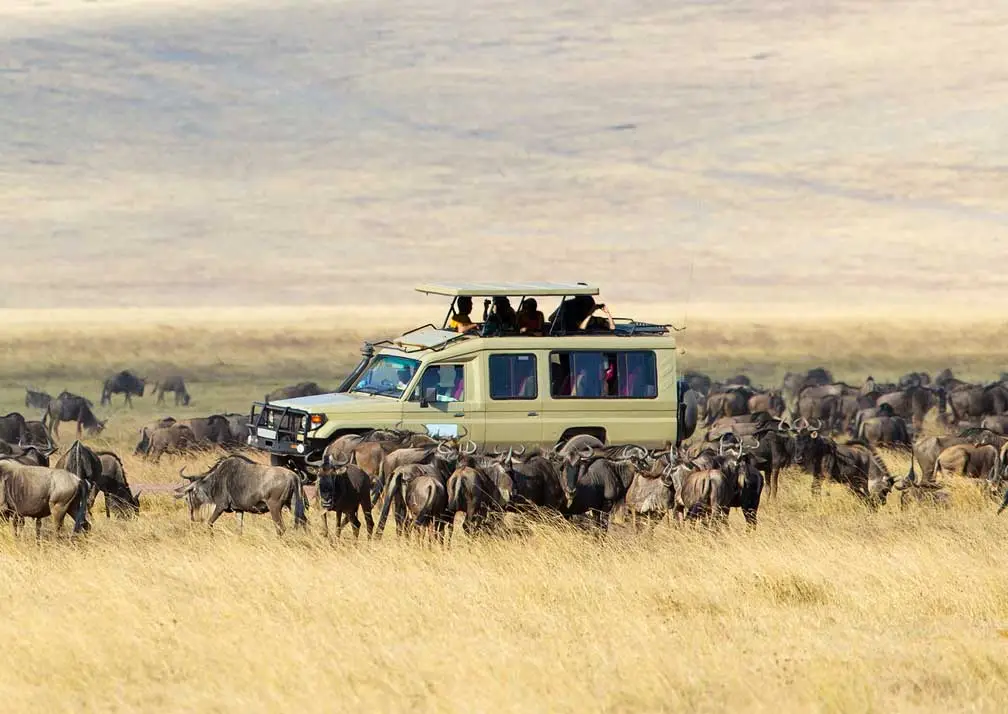
Great Migration Safaris
Experience one of nature's greatest spectacles with our Great Migration safari packages, timed for river crossings or calving.
View Package →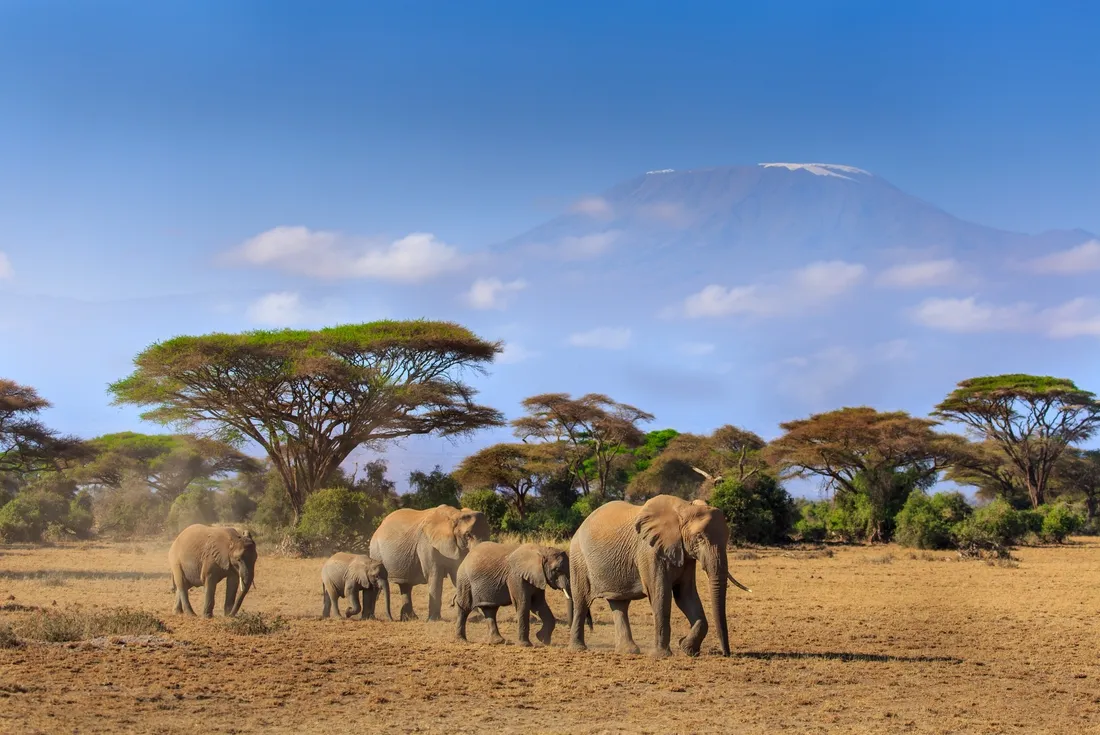
Serengeti & Kilimanjaro Trek
Combined safari and trekking tours offer wildlife adventures and Kilimanjaro climbs.
View Package →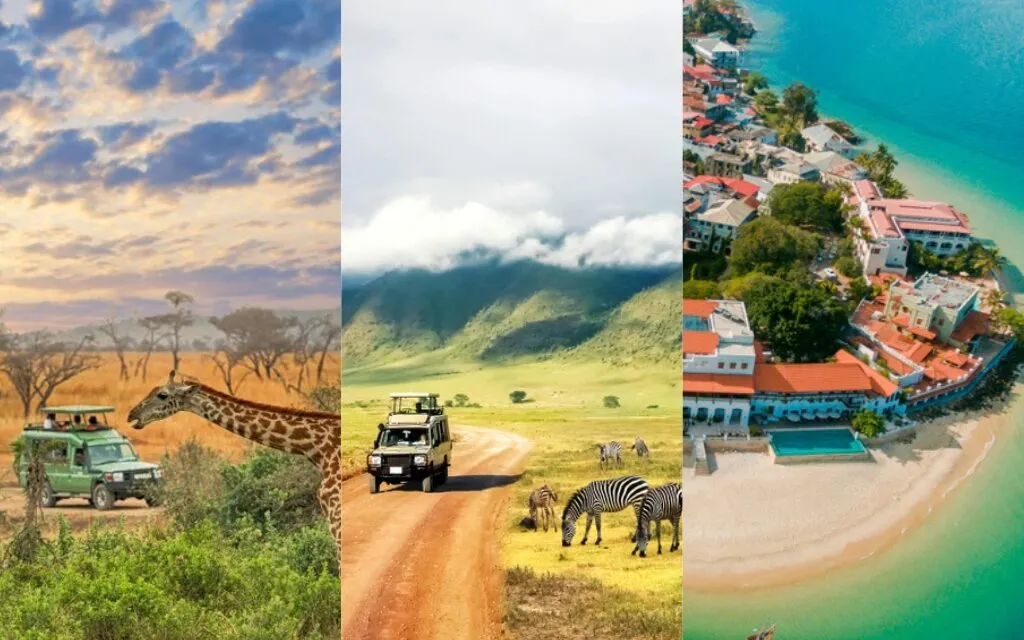
Serengeti & Zanzibar Tours
Luxury Tanzania safari & beach packages with the Great Migration and pristine beaches.
View Package →Related: Best Time to Visit Tanzania 2026 – Perfect safari extension after your Czechia adventure.