Most Complete Denmark Travel Guide 2026-2027 – Everything You Need to Know Before Visiting
This Denmark travel guide provides everything you need to plan your journey to one of the happiest countries on Earth. Denmark offers an extraordinary blend of cutting-edge design, Viking heritage, fairytale castles, and world-leading cycling culture that create one of Europe’s most progressive travel experiences. Many travelers who want to visit Denmark are surprised by the country's incredible quality of life, pristine nature, and rich cultural heritage spanning ancient Viking traditions, royal history, and modern Scandinavian design. The nation covers 43,094 square kilometers, plus the autonomous Faroe Islands and Greenland, offering visitors everything from vibrant Copenhagen to dramatic Atlantic cliffs and Arctic adventures.
Start Reading the Full Guide ↓Quick Facts About Denmark
- Capital: Copenhagen.
- Currency: Danish Krone (DKK).
- Time Zone: Central European Time (CET, UTC+1).
- International Calling Code: +45.
- Driving Side: Right.
- Major Airports: Copenhagen Airport (CPH), Billund (BLL), Aarhus (AAR).
Denmark Overview & Key Facts
Brief History of Denmark
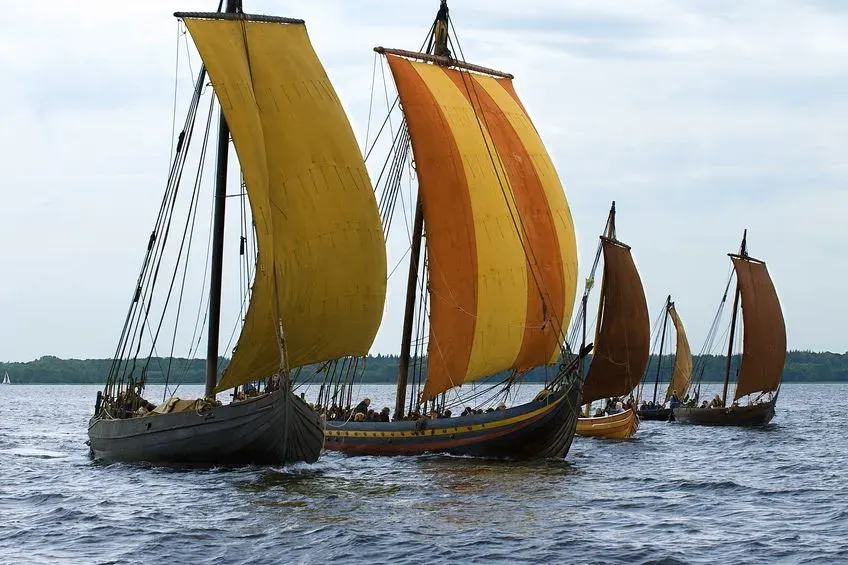
Denmark's history spans over a millennium, from powerful Viking kingdoms through the Kalmar Union to modern constitutional monarchy. The Vikings established trading and raiding networks across Europe from the 8th century, followed by Christianization and medieval expansion. Denmark ruled Norway, parts of Sweden, and even England at different periods. This rich historical tapestry creates a fascinating backdrop for modern travelers exploring the country's Viking museums, medieval castles, and Renaissance architecture.
Independence & National Identity
- Constitutional monarchy since 1849.
- Current monarch: King Frederik X (ascended January 2024).
- National symbols & identity.
Denmark is one of the oldest monarchies in the world with an unbroken line since the 10th century. The national flag (Dannebrog) is the oldest continuously used national flag, dating to 1219. Danish identity centers on hygge (coziness), equality, trust, and progressive values while celebrating Viking heritage and maritime history.
Government System & Current Leadership
- Type of government: Constitutional monarchy with parliamentary democracy
- Current prime minister: Mette Frederiksen (Social Democrats)
- Notes on political stability
Denmark operates as a parliamentary democracy with the monarch as head of state and the prime minister leading government. The country consistently ranks among the most politically stable, least corrupt, and happiest nations globally, with high trust in institutions and strong social welfare systems.
Population, Ethnic Groups & Languages
- Population: 5.95 million (2025 projection).
- Major ethnic groups: Danish 86%, other European 8%, others 6%.
- Official language(s): Danish.
- Additional languages commonly spoken.
English proficiency is exceptionally high (around 86-90%), with most Danes speaking near-native English. German is common in southern Jutland, while Faroese and Greenlandic are official in those territories. Immigrant communities speak Arabic, Turkish, Polish, and other languages in larger cities.
Main Religions & Cultural Identity
Secular Lutheran heritage dominates, with 74% belonging to the Church of Denmark, though active religious practice is low. Society is highly secular and progressive, with strong emphasis on equality, sustainability, and social trust. Visitors should respect the relaxed, egalitarian culture where hierarchy is minimal and punctuality is valued.
Geography & Natural Landscape
Denmark consists of the Jutland peninsula and 443 named islands, with Zealand hosting Copenhagen. The landscape is flat with highest point only 171m above sea level. The country features extensive coastline, beaches, forests, and the dramatic Faroe Islands and Greenland territories offering Arctic experiences.
Economy & Tourism Highlights
Denmark has a highly developed mixed economy with world-leading companies in shipping (Maersk), pharmaceuticals (Novo Nordisk), renewable energy, and design. Tourism focuses on culture, design, food, cycling, and family attractions like Legoland and Tivoli Gardens.
What Denmark Is Known For
- Happiest country in the world (World Happiness Report)
- Viking heritage and UNESCO sites
- Hygge lifestyle and Scandinavian design
- Cycling culture and green energy leadership
Visa & Entry Requirements in Denmark
Denmark is part of the Schengen Area with relaxed entry rules for many nationalities. From 2026, ETIAS (European Travel Information and Authorisation System) pre-authorisation will be required for visa-exempt visitors.
Do You Need a Visa?
EU/EEA/Swiss: no visa needed. US, Canada, UK (post-Brexit), Australia, New Zealand, Japan, South Korea and 60+ countries enjoy visa-free entry for up to 90 days in any 180-day period. ETIAS required from 2026 (€7 online, valid 3 years).
Visa Application Options in Denmark
- Visa-free entry with ETIAS (2026 onwards)
- Schengen visa through Danish embassies for longer stays
- Work/holiday visas for specific nationalities
Most visitors simply need a passport valid for 3 months beyond intended departure and proof of onward travel/accommodation if requested.
Passport Validity & Entry Documents
Passport must be valid for 3 months beyond intended departure from Schengen area. Return ticket and proof of sufficient funds/accommodation may be requested. Biometric checks at external Schengen borders.
Customs Rules & Prohibited Items
Standard EU customs rules apply. Duty-free allowance from non-EU countries: €430 worth of goods, 200 cigarettes, 1L spirits. Strict rules on meat/dairy products from outside EU.
Safety & Security Information in Denmark
Denmark is consistently ranked among the safest countries globally with low crime rates and excellent emergency services.
Is Denmark Safe for Tourists?
Extremely safe – Level 1 (normal precautions) by most governments. Low violent crime, excellent healthcare, and very tourist-friendly environment.
Recommended Safety Tips when in Denmark
Standard big-city precautions in Copenhagen (watch bags in crowded areas). Cycling safety – follow bike lane rules. Excellent public transport safety. Emergency number 112 works perfectly.
Safe Areas vs. Areas to Avoid in Denmark
Almost the entire country is safe. Minor caution in certain late-night areas of Copenhagen (Vesterbro/Christiania after dark) but still very safe compared to most cities.
Emergency Numbers & Tourist Police in Denmark
- Emergency (police/ambulance/fire): 112
- Non-emergency police: 114
- Tourist assistance available in English
Health Requirements & Vaccinations in Denmark
No special health risks or vaccination requirements. Excellent universal healthcare system.
Mandatory Vaccinations in Denmark
None required.
Recommended Vaccinations in Denmark
Routine vaccines only. Tick-borne encephalitis vaccine considered for forest areas in summer.
Malaria & Other Risks
No malaria risk. Standard European health concerns only.
Travel Insurance Recommendations in Denmark
EU/EEA citizens: bring EHIC/GHIC card. Others: comprehensive travel insurance recommended despite excellent (but expensive for non-residents) healthcare.
Best Time to Visit in Denmark
May–September offers the best weather and longest daylight hours.
Weather by Season
Summer (Jun–Aug): 15–25°C, up to 18 hours daylight. Winter (Dec–Feb): 0–5°C, short days. Spring/autumn mild but rainy.
When to Visit Denmark for Best Experiences
- Midnight sun in Faroe Islands (summer)
- Christmas markets (December)
- Cycling season (May–Sep)
- Tivoli Gardens open (Apr–Sep)
High Season vs. Low Season Travel
High season: June–August. Shoulder: May & September. Low season: November–March (cheaper, fewer crowds, magical Christmas atmosphere).
Weather & Climate Overview in Denmark
Temperate maritime climate with mild summers and cool winters.
Temperature Ranges
Summer: 15–25°C. Winter: 0–5°C. Faroe Islands cooler and windier year-round.
Rainy & Dry Seasons in Denmark
Rain possible year-round (around 170 rainy days annually). Driest months: April–June.
What to Wear Based on the Weather
Layering essential. Waterproof jacket, comfortable walking shoes, warm layers for winter. Danes dress casually but stylishly.
Main Currency, Costs & Budgeting in Denmark
Denmark uses Danish Krone (DKK). One of Europe’s more expensive destinations.
Local Currency Information
Danish Krone (DKK). Cards accepted virtually everywhere; cash rarely needed.
Average Travel Costs in Denmark
Budget: $120–180/day, mid-range $200–350/day, luxury $450+/day. Copenhagen most expensive, smaller towns cheaper.
Using ATMs, Cards & Mobile Money in Denmark
Cards (especially contactless) accepted almost everywhere. Mobile payments (MobilePay) dominant among locals.
Tipping Guidelines in Denmark
Tipping not expected (service included). Rounding up or 10% for exceptional service appreciated but not required.
Transportation & Getting Around in Denmark
Excellent public transport system. Cycling is the Danish way.
Airport Transfers
Copenhagen Airport: metro (11 min to city center), trains, taxis, buses.
Local Transport Options in Denmark
Excellent trains (DSB), metro in Copenhagen, extensive bus network. Copenhagen Cards include transport + attractions.
Denmark Domestic Flights
Limited domestic flights (mainly to Bornholm or Faroe Islands). Trains preferred.
Car Rentals & Road Conditions in Denmark
Excellent roads. Tolls on some bridges (Øresund, Storebælt). Parking expensive in cities.
Accommodation Options available in Denmark
From hostels to design hotels and unique stays.
Types of Accommodations in Denmark
Hotels, hostels, Airbnb, boutique design hotels, cabins, camping, unique stays (lighthouse, treehouse, etc.).
Budget vs. Mid-Range vs. Luxury
Budget: $60–120/night, mid-range $150–300, luxury $350+.
Best Areas to Stay in Denmark
Copenhagen: Indre By, Vesterbro, Nørrebro. Aarhus: Latin Quarter. Odense: city center.
Essential Packing Guide when Visiting Denmark
Layering and rain protection essential.
Clothing Essentials
Waterproof jacket, layers, comfortable walking shoes, scarf/hat for wind.
Footwear & Gear
Comfortable walking/cycling shoes. Universal adapter (types C, E, F, K).
Electronics & Cameras
230V/50Hz, European plugs. Power banks useful for long summer days.
Toiletries & Personal Items
All available locally. Bring prescription medications.
Language & Communication in Denmark
English fluency among highest in world.
Main Languages Spoken in Denmark
Danish official, near-universal English proficiency.
Useful Phrases for Tourists
“Tak” (thank you), “Hej” (hi), “Undskyld” (excuse me) appreciated but English works everywhere.
SIM Cards & Mobile Data used in Denmark
Excellent 4G/5G coverage. Local SIMs cheap and easy.
Internet Availability & Wi-Fi in Denmark
Free Wi-Fi almost everywhere. Fastest broadband in Europe.
Culture & Etiquette in Denmark
Relaxed, egalitarian culture with emphasis on trust and hygge.
Danish Dress Code Expectations
Casual but stylish. Quality over quantity. Minimalist Scandinavian style.
Social Etiquette & Respectful Behavior of Denmark
Punctuality valued. Remove shoes in homes. Equality and direct communication.
Photography Rules in Denmark
Generally allowed. Ask permission for close-ups of people.
Important Cultural Dos & Don’ts in Denmark
Do: be on time, respect personal space, recycle. Don’t: brag about wealth/status, assume hierarchy.
Food, Water & Dining in Denmark
World-leading New Nordic cuisine scene.
Danish Local Dishes to Try
Smørrebrød, flæskesteg, æbleskiver, fresh seafood, world-class pastries.
Dietary Options in Denmark
Excellent vegetarian/vegan options. High awareness of allergies.
Drinking Water Safety
Tap water excellent quality.
Restaurant Etiquette
Service included. Reservations often needed. Sharing tables common.
Top Attractions & Things to Do in Denmark
From vibrant cities to dramatic nature.
Major Tourist Attractions in Denmark
- Nyhavn & Tivoli Gardens (Copenhagen)
- Viking Ship Museum (Roskilde)
- Legoland Billund
- Faroe Islands dramatic landscapes
Best Tours & Experiences in Denmark
Cycling tours, food tours, canal cruises, hygge experiences.
Family-Friendly Activities to do in Denmark
Legoland, Tivoli, Copenhagen Zoo, beaches, Viking experiences.
Unique Cultural or Historical Sites to visit in Denmark
Kronborg Castle (Hamlet’s castle), Ribe (oldest town), Cold War museums.
Danish Electrical System Information
230V/50Hz, types C, E, F, K plugs.
Plug Types & Voltage used in Denmark
Types C, E, F, K. Most modern chargers work fine.
Charging Tips
Plenty of outlets. USB charging common in public places.
Local Laws & Regulations of Denmark
Liberal, progressive laws with common-sense restrictions.
Rules Travelers Need to Know when In Denmark
Cannabis illegal despite Christiania reputation. No smoking in indoor public places. Cycling rules strictly enforced.
Alcohol, Smoking & Substance Laws of Denmark
Alcohol legal from 16 (beer/wine), 18 (spirits). Smoking banned indoors. Cannabis illegal (tolerated in Christiania but still illegal).
Restricted or Protected Areas in Denmark.
Christiania has special rules. Military areas off-limits. Nature protected areas have restrictions.
Final Travel Tips for Visitors in Denmark
Embrace hygge, cycle when possible, and enjoy the high quality of life.
Common Mistakes to Avoid
Underestimating costs, not booking restaurants in advance, expecting Mediterranean weather.
Tips to Save Money when Visiting Denmark
Visit in shoulder season, eat lunch specials, use Copenhagen Card, stay outside city centers.
Safety & Comfort Tips
Cycle safely, dress for weather changes, embrace the relaxed pace.
Frequently Asked Questions – Denmark Travel Guide 2026-2027
Our Tanzania Tours Products
While Denmark offers incredible design, hygge culture and Viking heritage, many travelers combine Scandinavia with the ultimate wildlife experience in East Africa. Capable Africa Tours specializes in secure, guided safaris that maximize safety and wonder. Our expert local guides, armed rangers in parks, and vetted accommodations ensure peace of mind. From family-friendly lodges to luxury camps, we handle logistics so you focus on the magic. Tanzania ranks high for tourist safety with dedicated wildlife protection units and stable northern circuits.
Great Migration Safaris
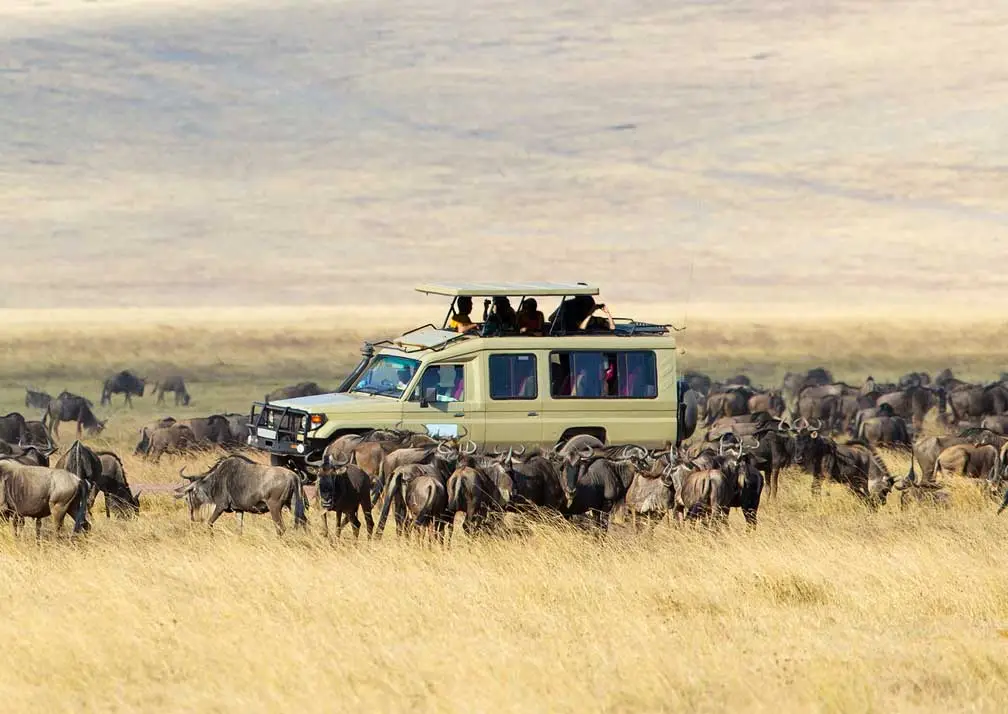
Experience one of nature's greatest spectacles with our Great Migration safari packages, timed for river crossings or calving.
View Package →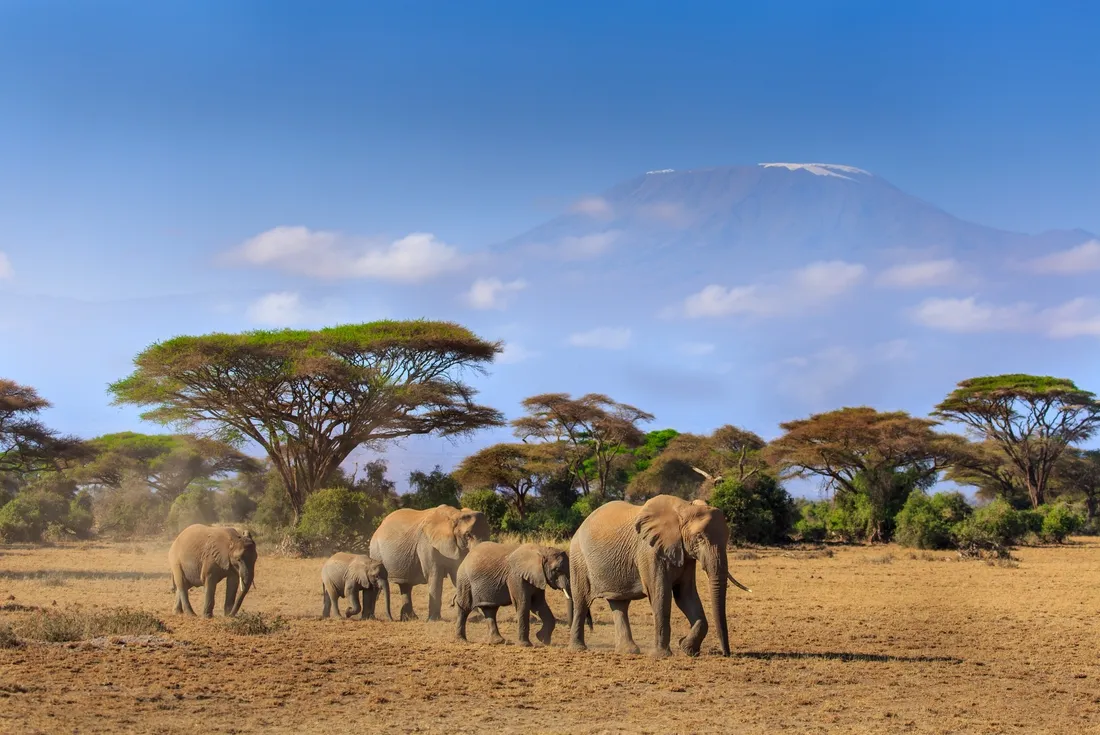
Serengeti & Kilimanjaro Trek
Combined safari and trekking tours offer wildlife adventures and Kilimanjaro climbs.
View Package →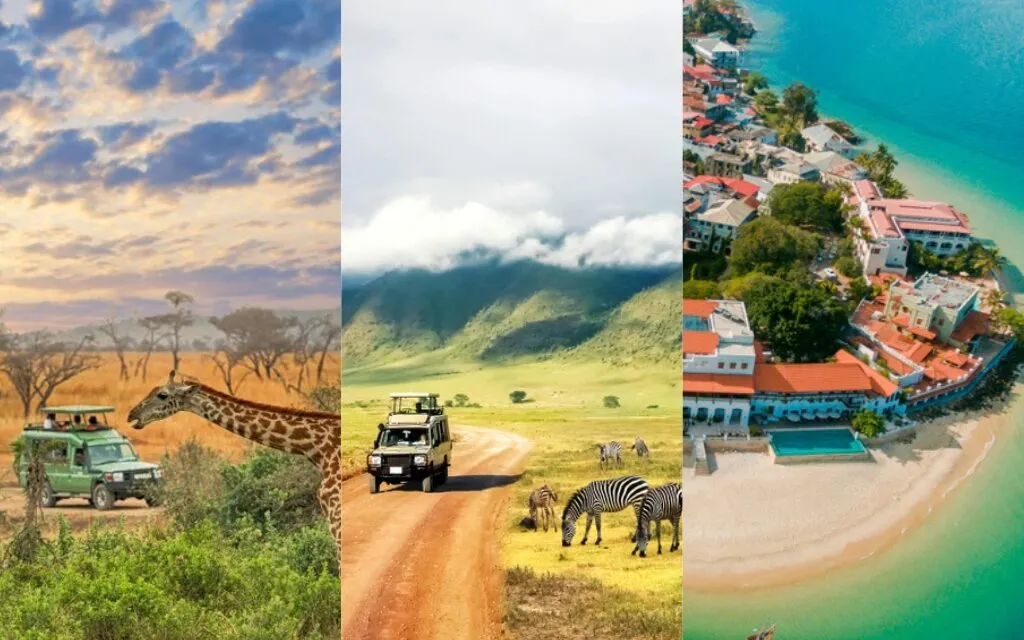
Serengeti & Zanzibar Tours
Luxury Tanzania safari & beach packages with the Great Migration and pristine beaches.
View Package →Related: Best Time to Visit Tanzania 2026 – Perfect safari extension after your Denmark adventure.