
Most Complete Djibouti Travel Guide 2026-2027 – Everything You Need to Know Before Visiting
This Djibouti travel guide provides everything you need to plan your journey to one of Africa's most unique and extreme destinations. Djibouti offers an extraordinary blend of surreal volcanic landscapes, salt lakes below sea level, whale-shark snorkeling and remote Afar nomadic culture that create one of the continent's most unusual travel experiences. Many travelers who want to travel to Djibouti are surprised by the country's incredible geological wonders and rich cultural heritage spanning ancient trade routes and strategic Red Sea location. The nation covers just 23,200 square kilometers, making it one of Africa's smallest countries, yet offering visitors everything from otherworldly salt flats to pristine coral reefs and dramatic desert plateaus.
Start Reading the Full Guide ↓Quick Facts About Djibouti
- Capital: Djibouti City.
- Currency: Djiboutian Franc (DJF).
- Time Zone: East Africa Time (EAT, UTC+3).
- International Calling Code: +253.
- Driving Side: Right.
- Major Airports: Djibouti-Ambouli International Airport (JIB).
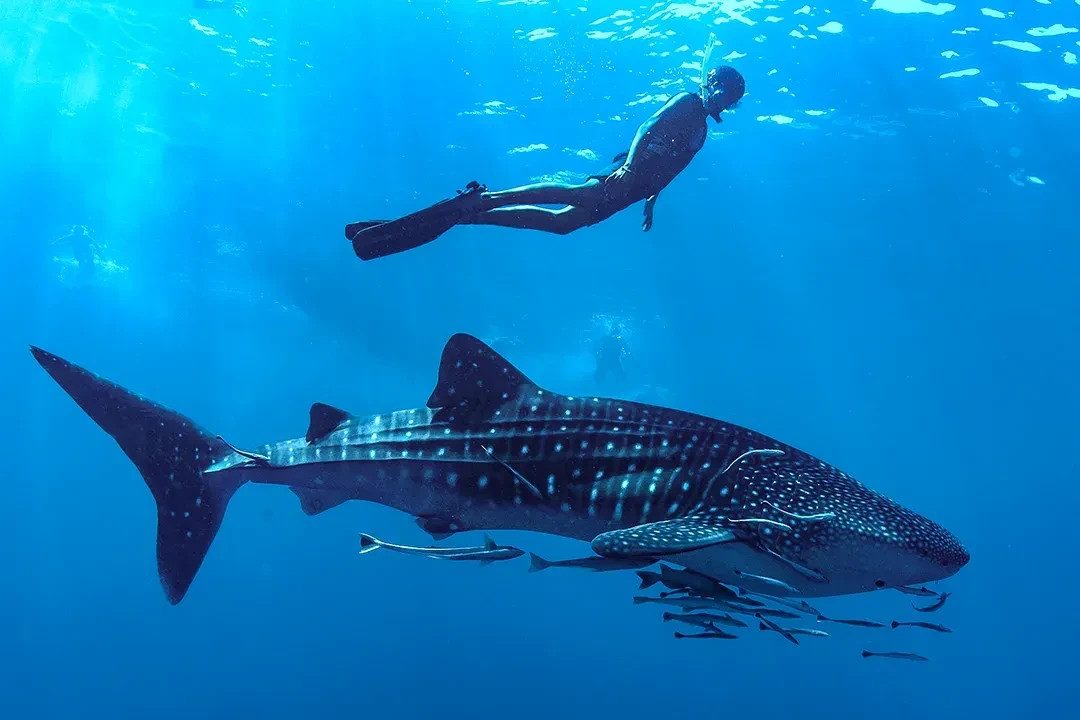
Djibouti Overview & Key Facts
Brief History of Djibouti
Djibouti's history spans millennia, from ancient Afar and Somali sultanates through French colonial rule to strategic independence. The region served as a crucial trading hub connecting Africa with Arabia and India for centuries. French colonization began in the late 19th century, establishing French Somaliland and later French Territory of the Afars and Issas. This rich historical tapestry creates a fascinating backdrop for modern travelers exploring the country's cultural sites and strategic port heritage.
Independence & National Identity
- Independence date: June 27, 1977.
- Former colonial power: France.
- National symbols & identity.
Djibouti gained independence from France in 1977 after a referendum. The country's national identity centers on Afar and Somali ethnic groups while maintaining strong French cultural and linguistic influence. The national flag features light blue and green stripes with a white triangle containing a red star, representing the two main ethnic groups and the bloodshed for independence.
Government System & Current Leadership
- Type of government: Presidential Republic
- Current president: Ismaïl Omar Guelleh
- Notes on political stability
Djibouti operates as a presidential republic with a dominant-party system. President Ismaïl Omar Guelleh has served since 1999. The country maintains political stability through strategic international partnerships and military base agreements with multiple global powers.
Population, Ethnic Groups & Languages
- Population: 1.1 million (2025 estimate).
- Major ethnic groups: Somali (60%), Afar (35%).
- Official language(s): French and Arabic.
- Additional languages commonly spoken.
Somali and Afar languages dominate daily communication, while French remains the language of administration and education. English is increasingly spoken in tourism and business sectors due to international military presence and growing tourism industry.
Main Religions & Cultural Identity
Islam dominates Djibouti's religious landscape, with approximately 94% of the population adhering to Sunni Islam. Small Christian communities exist primarily among expatriates. Islamic values strongly influence daily life, social customs, and cultural practices. Visitors should respect religious observances, particularly during Ramadan, and dress modestly when visiting mosques or conservative areas.
Geography & Natural Landscape
Djibouti features dramatic volcanic landscapes, salt lakes, and rift valley terrain where three tectonic plates meet. The country includes Lake Assal (lowest point in Africa at -155m), active geological sites, and coastal coral reefs. The landscape transitions from coastal plains to rugged mountains and vast gravel deserts.
Economy & Tourism Highlights
Djibouti's economy relies heavily on its strategic port and foreign military bases. The government actively develops tourism focusing on unique geological attractions, whale-shark encounters, and adventure experiences. Tourism infrastructure continues to improve with new hotels and tour operators catering to adventure travelers.
What Djibouti Is Known For
- Lake Assal – lowest point in Africa and one of the saltiest bodies of water
- Whale-shark snorkeling (November–February)
- Surreal volcanic landscapes and geological wonders
Visa & Entry Requirements in Djibouti
Most international visitors can obtain an e-Visa online or visa on arrival, making Djibouti one of Africa's easiest countries for tourist entry. The process is straightforward and efficient compared to many regional neighbors.
Do You Need a Visa?
Citizens of most countries can get e-Visa or visa on arrival. A few nationalities have visa-free access. The e-Visa system launched in 2018 has dramatically simplified entry procedures.
Visa Application Options in Djibouti
- e-Visa online (recommended)
- Visa on arrival at airport
- Embassy application (rarely needed)
The official e-Visa portal (www.evisa.gouv.dj) processes applications quickly, usually within 48 hours. Visa on arrival is reliable and efficient at Djibouti-Ambouli International Airport.
Passport Validity & Entry Documents
Passport must be valid for six months beyond intended stay with at least two blank pages. Yellow fever certificate required if arriving from endemic countries. Return/onward ticket may be requested.
Customs Rules & Prohibited Items
Standard restrictions apply: narcotics, weapons, pornography. Khat (mild stimulant) is legal and widely consumed locally but prohibited in many transit countries. Declare large amounts of currency.
Safety & Security Information in Djibouti
Djibouti maintains good security due to multiple foreign military bases and government focus on stability. Tourist areas and Djibouti City are generally safe with low violent crime rates against visitors.
Is Djibouti Safe for Tourists?
Yes – Djibouti is considered one of the safer countries in the Horn of Africa. The presence of French, American, Chinese, Japanese and other military forces contributes to overall security. Petty crime exists but violent incidents against tourists are rare.
Recommended Safety Tips when in Djibouti
Use registered taxis or tour operators, avoid isolated areas after dark, and don't display large amounts of cash. Drink bottled water and use sun protection. Hire local guides for remote areas. Women travelers report minimal harassment when dressed modestly.
Safe Areas vs. Areas to Avoid in Djibouti
Djibouti City, Tadjoura, Obock and Lake Assal route are safe. Border areas with Somalia and Eritrea should be avoided unless with official tours. Remote interior requires experienced guides.
Emergency Numbers & Tourist Police in Djibouti
- Police: 17
- Fire: 18
- Medical Emergency: 19 (or +253 21 351351 for SOS Médecins)
French military hospital provides high-quality care for emergencies.
Health Requirements & Vaccinations in Djibouti
Standard travel vaccinations recommended. Yellow fever certificate required only if arriving from endemic countries. Healthcare facilities are limited outside the capital.
Mandatory Vaccinations in Djibouti
Yellow fever certificate required if arriving from countries with risk of transmission.
Recommended Vaccinations in Djibouti
Hepatitis A, Typhoid, routine vaccinations. Consider Hepatitis B, Rabies (for extended stays), Meningitis (dry season risk).
Malaria & Other Risks
Malaria risk exists year-round. Use mosquito repellent and consider prophylaxis. Heat exhaustion and dehydration are major risks – drink plenty of water.
Travel Insurance Recommendations in Djibouti
Comprehensive insurance with medical evacuation coverage essential. French military hospital (Boufffard) offers excellent care but payment required upfront.
Best Time to Visit in Djibouti
Cool season (October–April) offers the most comfortable temperatures for exploration. Whale-shark season (November–February) is the peak tourism period.
Weather by Season
Cool season: 25–30°C (77–86°F). Hot season (May–September): 35–45°C (95–113°F) with high humidity. Rainfall minimal year-round.
When to Visit Djibouti for Best Experiences
- Whale sharks: November–February
- Comfortable exploration: December–March
- Lowest prices: June–September
December–February combines comfortable temperatures with whale-shark encounters.
High Season vs. Low Season Travel
High season: November–March (whale sharks + cool weather). Low season: June–September (extreme heat, lowest prices).
Weather & Climate Overview in Djibouti
Djibouti has one of the hottest climates on Earth with extreme temperatures and minimal rainfall. Coastal areas experience high humidity while interior regions are dry and arid.
Temperature Ranges
Coastal areas: 25–45°C year-round. Interior plateau slightly cooler at night. Lake Assal area can exceed 50°C in summer.
Rainy & Dry Seasons in Djibouti
Minimal rainfall (150–200mm annually). Short rains October–November and March–April. Most of year completely dry.
What to Wear Based on the Weather
Light, breathable clothing essential. Long sleeves/pants for sun protection and cultural respect. Hat, sunglasses, high-SPF sunscreen mandatory. Swimsuit + rash guard for water activities.
Main Currency, Costs & Budgeting in Djibouti
Djibouti is one of Africa's most expensive countries due to import reliance and strategic location. Budget carefully and expect higher costs than regional neighbors.
Local Currency Information
Djiboutian Franc (DJF) fixed at 177.71 = 1 USD. US dollars widely accepted. Euro and credit cards limited outside major hotels.
Average Travel Costs in Djibouti
Budget: $100–150/day, mid-range $180–300/day, whale-shark/diving packages $350–600/day. Accommodation and tours are the biggest expenses.
Using ATMs, Cards & Mobile Money in Djibouti
ATMs available in Djibouti City (accept Visa/Mastercard). Cash (USD) preferred everywhere. Mobile money limited.
Tipping Guidelines in Djibouti
Tipping not traditional but appreciated for good service. $5–10/day for guides and drivers standard on tours.
Transportation & Getting Around in Djibouti
Limited public transport outside the capital. Most travel done via private 4x4 with driver/guide or organized tours.
Airport Transfers
Taxis from airport to city center (~15 min) cost fixed rate. Most hotels arrange transfers.
Local Transport Options in Djibouti
Shared taxis and minibuses in Djibouti City. Private 4x4 hire necessary for interior travel.
Djibouti Domestic Flights
Limited scheduled flights. Charter flights available for remote areas.
Car Rentals & Road Conditions in Djibouti
4x4 rental possible but drivers/guides strongly recommended for interior travel due to harsh conditions and navigation challenges.
Accommodation Options available in Djibouti
Limited but improving options. Djibouti City has international-standard hotels while interior offers basic guesthouses and camps.
Types of Accommodations in Djibouti
International hotels in capital, basic guesthouses, eco-camps, and nomadic-style camping in interior.
Budget vs. Mid-Range vs. Luxury
Budget: $50–100/night (basic), Mid-range: $120–250/night, Luxury: $250–500+/night (Sheraton, Kempinski).
Best Areas to Stay in Djibouti
Djibouti City for convenience, Tadjoura or Obock for quieter coastal stays, camp-based tours for interior exploration.
Essential Packing Guide when Visiting Djibouti
Pack for extreme heat, sun protection, and water activities. Lightweight, quick-dry clothing essential.
Clothing Essentials
Light long-sleeve shirts/pants, hat, sunglasses, swimsuit + rash guard, light jacket for evenings.
Footwear & Gear
Water shoes, sturdy sandals, closed shoes for volcanic terrain. Snorkel mask if particular about fit.
Electronics & Cameras
Power bank, universal adapter (French plugs), waterproof camera protection.
Toiletries & Personal Items
High-SPF sunscreen, lip balm, electrolyte packets, personal medication, wet wipes.
Language & Communication in Djibouti
French widely spoken in business/tourism. English increasingly common. Basic phrases appreciated.
Main Languages Spoken in Djibouti
French and Arabic official, Somali and Afar dominant in daily life. English common in tourism sector.
Useful Phrases for Tourists
Bonjour, Merci, As-salamu alaykum, Shukran.
SIM Cards & Mobile Data used in Djibouti
Djibouti Telecom SIMs available at airport. Good coverage in populated areas.
Internet Availability & Wi-Fi in Djibouti
Wi-Fi in most hotels and cafes in Djibouti City. Limited elsewhere.
Culture & Etiquette in Djibouti
Conservative Islamic culture with relaxed coastal attitudes. Respect local customs while enjoying welcoming hospitality.
Djiboutian Dress Code Expectations
Modest dress in cities (cover shoulders/knees). Beachwear acceptable at resorts and during water activities.
Social Etiquette & Respectful Behavior of Djibouti
Greetings important. Accept offers of tea/coffee. Use right hand for eating and giving/receiving items.
Photography Rules in Djibouti
Ask permission before photographing people, especially women. Military installations strictly off-limits.
Important Cultural Dos & Don’ts in Djibouti
Do accept hospitality, remove shoes when entering homes. Don't refuse offers of food/drink abruptly.
Food, Water & Dining in Djibouti
Blend of Somali, Afar, Yemeni and French influences. Fresh seafood excellent on coast.
Djiboutian Local Dishes to Try
Skoudehkaris (rice/meat dish), lahoh (spongy bread), fresh fish grilled with spices, Yemeni-style bread.
Dietary Options in Djibouti
Halal standard. Limited vegetarian options but fresh fish and vegetables available.
Drinking Water Safety
Bottled water recommended. Ice generally safe in reputable establishments.
Restaurant Etiquette
Eating with right hand traditional. Tipping not expected but appreciated.
Top Attractions & Things to Do in Djibouti
Unique geological wonders, whale-shark snorkeling, and remote nomadic experiences dominate Djibouti's tourism offerings.
Major Tourist Attractions in Djibouti
- Lake Assal & Ardoukoba volcano
- Day Forest National Park
- Whale-shark snorkeling (Nov–Feb)
- Lake Abbe chimneys and flamingos
Lake Assal is Africa's lowest point and one of the saltiest bodies of water on Earth. Whale-shark encounters offer world-class snorkeling with the largest fish in the ocean. Lake Abbe's dramatic limestone chimneys featured in Planet of the Apes.
Best Tours & Experiences in Djibouti
Whale-shark snorkeling tours, multi-day expeditions to Lake Abbe, Day Forest trekking, nomadic Afar cultural experiences.
Family-Friendly Activities to do in Djibouti
Snorkeling (older children), Djibouti City exploration, beach time in Tadjoura/Obock.
Unique Cultural or Historical Sites to visit in Djibouti
Afar nomadic camps, traditional fishing villages, French colonial architecture in Djibouti City.
Djiboutian Electrical System Information
European standard system.
Plug Types & Voltage used in Djibouti
Type C and E plugs, 220V, 50Hz.
Charging Tips
Bring universal adapter and power bank. Electricity reliable in Djibouti City, intermittent elsewhere.
Local Laws & Regulations of Djibouti
Standard Islamic country regulations with some unique aspects due to military presence.
Rules Travelers Need to Know when In Djibouti
No photography of military installations or personnel. Drone use restricted. Public behavior should respect Islamic customs.
Alcohol, Smoking & Substance Laws of Djibouti
Alcohol available in hotels and some restaurants for non-Muslims. Khat legal and widely consumed. All other drugs strictly prohibited.
Restricted or Protected Areas in Djibouti.
Military zones strictly off-limits. Some border areas require permits.
Final Travel Tips for Visitors in Djibouti
Book whale-shark tours and interior expeditions well in advance. Stay hydrated and protected from sun. Use experienced local operators for remote travel.
Common Mistakes to Avoid
Underestimating heat and sun exposure, trying to travel independently in interior, not booking whale-shark tours early.
Tips to Save Money when Visiting Djibouti
Travel in hot season (lower prices), eat local food, share 4x4 costs in groups.
Safety & Comfort Tips
Drink bottled water, use high-SPF sunscreen, hire reputable guides, carry sufficient cash in USD.
Frequently Asked Questions – Djibouti Travel Guide 2026-2027
Our Tanzania Tours Products
While Djibouti offers surreal landscapes and whale sharks, many travelers combine the Horn of Africa with the ultimate wildlife experience in East Africa. Capable Africa Tours specializes in secure, guided safaris that maximize safety and wonder. Our expert local guides, armed rangers in parks, and vetted accommodations ensure peace of mind. From family-friendly lodges to luxury camps, we handle logistics so you focus on the magic. Tanzania ranks high for tourist safety with dedicated wildlife protection units and stable northern circuits.
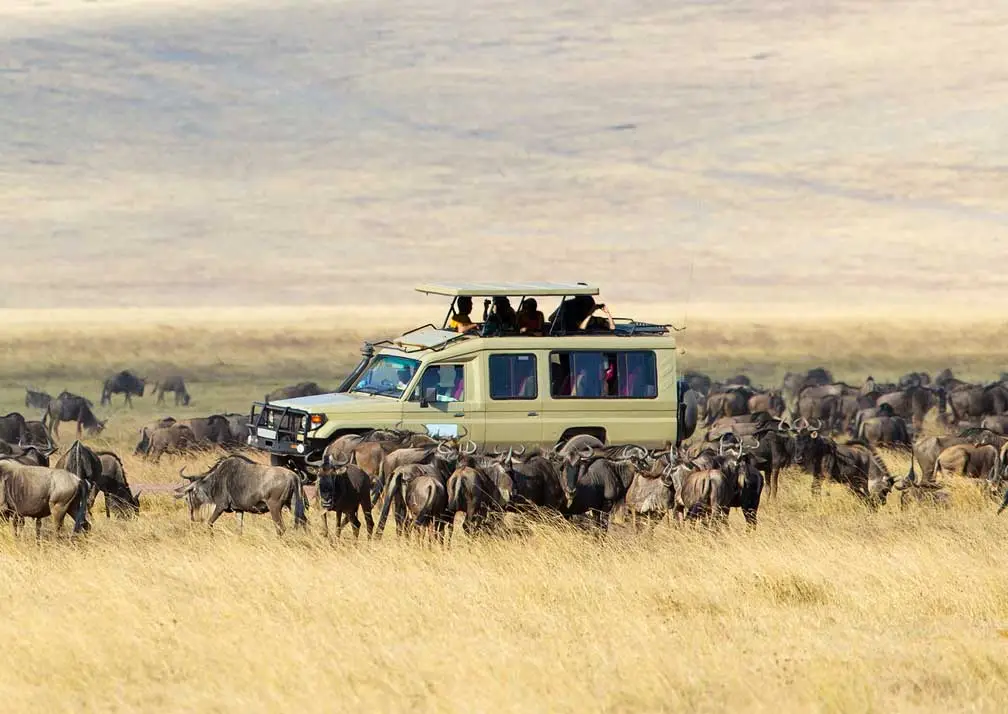
Great Migration Safaris
Experience one of nature's greatest spectacles with our Great Migration safari packages, timed for river crossings or calving.
View Package →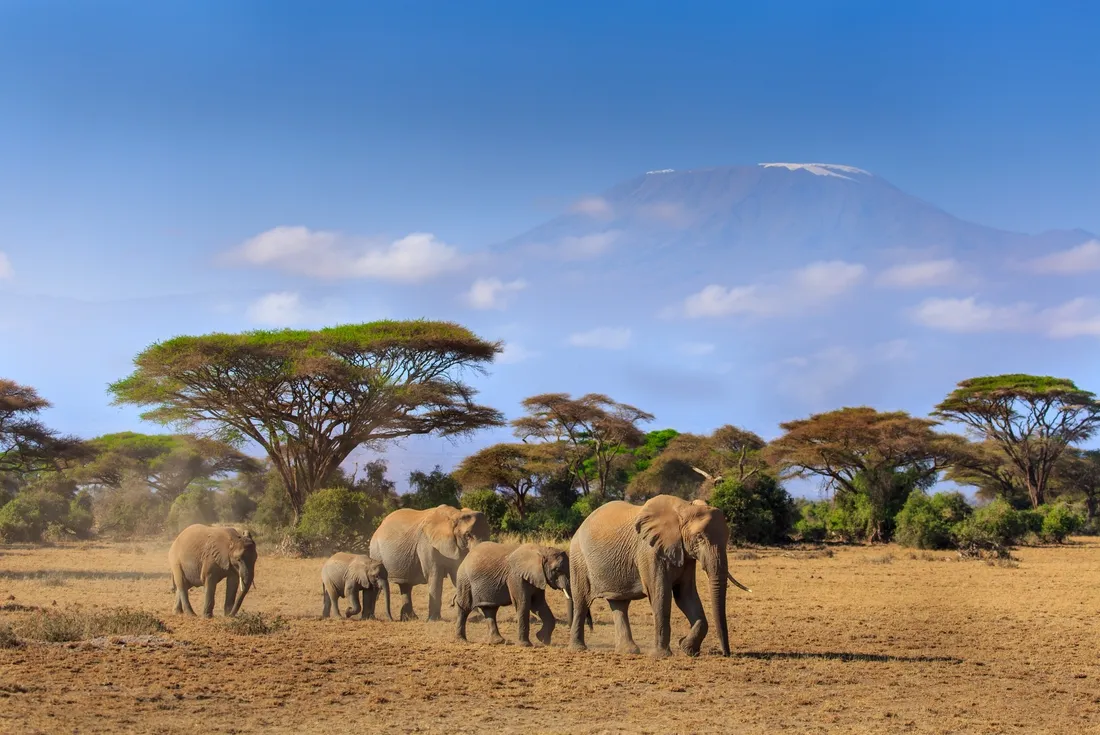
Serengeti & Kilimanjaro Trek
Combined safari and trekking tours offer wildlife adventures and Kilimanjaro climbs.
View Package →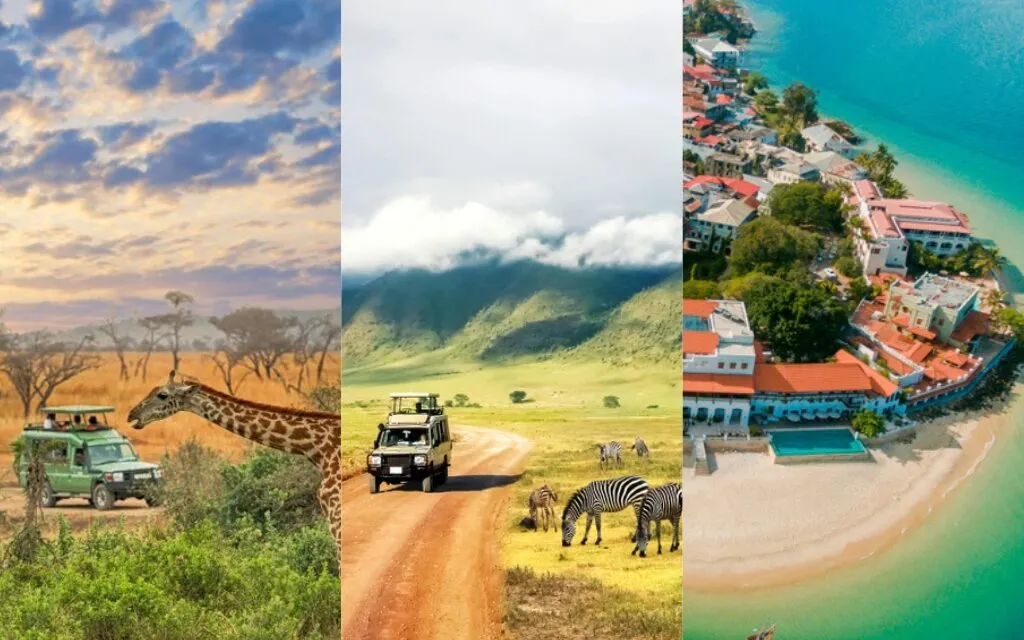
Serengeti & Zanzibar Tours
Luxury Tanzania safari & beach packages with the Great Migration and pristine beaches.
View Package →Related: Best Time to Visit Tanzania 2026 – Perfect safari extension after your Djibouti adventure.