Most Complete Dominica Travel Guide 2026-2027 – Everything You Need to Know Before Visiting
This Dominica travel guide provides everything you need to plan your journey to the Caribbean’s untouched Nature Island. Dominica offers an extraordinary blend of volcanic landscapes, 365 rivers, the world’s second-largest boiling lake, and some of the best diving and whale-watching in the region. Many travelers who want to visit Dominica are surprised by the island’s rugged beauty and rich Kalinago indigenous heritage. Covering just 750 square kilometers, Dominica remains one of the least touristy Caribbean destinations, offering visitors pristine rainforests, black-sand beaches, and authentic Creole culture.
Start Reading the Full Guide ↓Quick Facts About Dominica
- Capital: Roseau.
- Currency: Eastern Caribbean Dollar (XCD).
- Time Zone: Atlantic Standard Time (AST, UTC-4).
- International Calling Code: +1 767.
- Driving Side: Left.
- Major Airports: Douglas–Charles Airport (DOM).
Dominica Overview & Key Facts
Brief History of Dominica
Dominica's history begins with the indigenous Kalinago people who resisted European colonization longer than any other Caribbean nation. Christopher Columbus sighted the island on Sunday 3 November 1493 (hence the name Dominica). The island changed hands between France and Britain multiple times before becoming independent in 1978. This rich historical tapestry creates a fascinating backdrop for modern travelers exploring Kalinago Territory and colonial-era sites.
Independence & National Identity
- Independence date: November 3, 1978.
- Former colonial power: United Kingdom.
- National symbols & identity.
Dominica gained independence from Britain as a republic within the Commonwealth. The Sisserou parrot, featured on the flag, is the national bird and found only on Dominica. The island proudly calls itself “The Nature Island of the Caribbean” and has the largest indigenous Kalinago population in the region.
Government System & Current Leadership
- Type of government: Parliamentary Republic
- Current president: Sylvanie Burton (first indigenous female head of state in the Americas)
- Notes on political stability
Dominica is one of the most politically stable countries in the Caribbean with peaceful democratic transitions. The current government continues strong focus on eco-tourism and resilience after Hurricane Maria (2017).
Population, Ethnic Groups & Languages
- Population: 73,000 (2025 estimate).
- Major ethnic groups: African descent (87%), Kalinago (3%), mixed (9%).
- Official language(s): English.
- Additional languages commonly spoken.
Kwéyòl (Creole French) is widely spoken, especially in rural areas. The Kalinago Territory preserves the indigenous language and traditions.
Main Religions & Cultural Identity
Christianity (primarily Roman Catholic) is practiced by over 90% of the population. Traditional Kalinago beliefs and Creole culture strongly influence music, food, and festivals. Carnival, Creole Day, and Independence celebrations are major cultural events.
Geography & Natural Landscape
Dominica is a volcanic island with dramatic mountain peaks (highest: Morne Diablotins 1,447 m), 365 rivers, nine active volcanoes, and the second-largest boiling lake in the world. The island has no large sandy beaches but offers black-sand coves, rainforests, and the Caribbean’s best diving sites.
Economy & Tourism Highlights
Dominica’s economy focuses on eco-tourism, agriculture (especially bananas), and citizenship-by-investment. Tourism has rebounded strongly post-Hurricane Maria with new luxury eco-resorts and improved infrastructure.
What Dominica Is Known For
- Waitukubuli National Trail (185 km, Caribbean’s longest hiking trail)
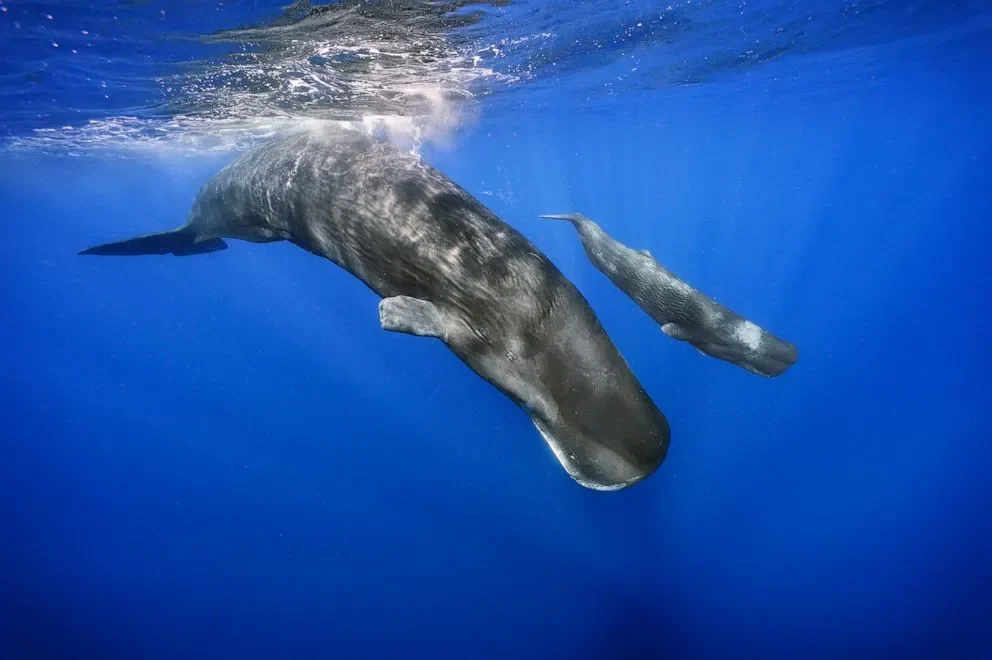
- Best sperm whale watching in the world (resident pods year-round)
- Champagne Reef – unique volcanic bubble diving
Visa & Entry Requirements in Dominica
Most international visitors enjoy visa-free entry to Dominica for tourism stays up to six months. The island has one of the most relaxed entry policies in the Caribbean.
Do You Need a Visa?
No – citizens of USA, Canada, UK, EU, Commonwealth, CARICOM, and most Latin American countries can enter visa-free with a valid passport and proof of onward travel.
Visa Application Options in Dominica
- Visa on arrival for certain nationalities
- Online pre-registration recommended for smoother entry
Passport Validity & Entry Documents
Passport valid for at least 6 months beyond intended stay, return/onward ticket, proof of accommodation, and sufficient funds.
Customs Rules & Prohibited Items
Standard Caribbean restrictions apply. Duty-free allowance: 200 cigarettes, 1 liter spirits, reasonable personal goods. Fresh fruits/vegetables restricted.
Safety & Security Information in Dominica
Dominica consistently ranks among the safest Caribbean islands with very low violent crime rates.
Is Dominica Safe for Tourists?
Yes – one of the safest Caribbean destinations. Petty theft is the main concern in Roseau and Portsmouth. No recent terrorist incidents.
Recommended Safety Tips when in Dominica
Use licensed taxis, avoid isolated areas after dark, secure valuables, and follow guide recommendations on hikes and water activities.
Safe Areas vs. Areas to Avoid in Dominica
All tourist areas are safe. Exercise normal caution in downtown Roseau at night.
Emergency Numbers & Tourist Police in Dominica
- Police/Fire/Ambulance: 999
- Coast Guard: +1 767-445-4444
Health Requirements & Vaccinations in Dominica
No mandatory vaccinations required. Healthcare facilities are basic; serious cases are transferred to Martinique or Guadeloupe.
Mandatory Vaccinations in Dominica
None required.
Recommended Vaccinations in Dominica
Hepatitis A, Typhoid, routine vaccines. Dengue and Zika are present – use insect repellent.
Malaria & Other Risks
No malaria. Dengue and chikungunya outbreaks occur. Leptospirosis risk after heavy rain.
Travel Insurance Recommendations in Dominica
Highly recommended – must cover medical evacuation, diving, and hiking activities.
Best Time to Visit in Dominica
Dry season (December–May) is most popular; whale watching peaks February–April.
Weather by Season
Dry season: 25–30°C (77–86°F), low humidity. Wet season: frequent showers, lush vegetation, lower prices.
When to Visit Dominica for Best Experiences
- Whale watching: February–April
- Hiking: December–April
- Diving: Year-round (best visibility Jan–May)
- Carnival: February/March
High Season vs. Low Season Travel
High season: December–April (higher prices). Low season: June–November (best deals, hurricane risk).
Weather & Climate Overview in Dominica
Tropical rainforest climate with consistent temperatures year-round and high rainfall (especially on the windward coast).
Temperature Ranges
Coastal: 25–31°C (77–88°F) year-round. Mountains significantly cooler.
Rainy & Dry Seasons in Dominica
Dry season: December–May. Wet season: June–November (peak hurricane season August–October).
What to Wear Based on the Weather
Quick-dry clothing, swimwear, sturdy water shoes, light rain jacket, hat, sunscreen, insect repellent.
Main Currency, Costs & Budgeting in Dominica
Dominica is one of the most affordable Caribbean islands.
Local Currency Information
Eastern Caribbean Dollar (XCD). USD widely accepted (fixed rate 2.67 XCD = 1 USD).
Average Travel Costs in Dominica
Budget: $80–130/day; mid-range: $150–250/day; luxury eco-lodges: $300–600/day.
Using ATMs, Cards & Mobile Money in Dominica
ATMs widely available. Credit cards accepted at hotels/restaurants. Cash needed for taxis and small vendors.
Tipping Guidelines in Dominica
10–15% in restaurants (if not included). Taxi drivers and guides appreciate tips.
Transportation & Getting Around in Dominica
Roads are narrow and winding. Public transport is cheap but slow.
Airport Transfers
Douglas–Charles Airport (DOM) – 1 hour from Roseau. Private transfers recommended.
Local Transport Options in Dominica
Minibuses (cheap, frequent), private taxis, rental cars (left-side driving).
Dominica Domestic Flights
None – inter-island ferries to Martinique/Guadeloupe available.
Car Rentals & Road Conditions in Dominica
Rental cars available. Roads challenging with steep hills and sharp bends. 4×4 recommended for interior.
Accommodation Options available in Dominica
From budget guesthouses to luxury eco-resorts.
Types of Accommodations in Dominica
Eco-lodges, boutique hotels, guesthouses, Airbnb, jungle bays, and rainforest retreats.
Budget vs. Mid-Range vs. Luxury
Budget $50–100, mid-range $120–250, luxury $300–800 per night.
Best Areas to Stay in Dominica
Roseau, Portsmouth, Calibishie, Soufrière, Scott’s Head, and jungle interior lodges.
Essential Packing Guide when Visiting Dominica
Pack for adventure and rain.
Clothing Essentials
Quick-dry hiking clothes, swimsuit, light rain jacket, long pants/sleeves for mosquitoes.
Footwear & Gear
Sturdy water shoes, hiking boots, reef-safe sunscreen, dry bag, headlamp.
Electronics & Cameras
Waterproof phone case, GoPro, power bank, universal adapter (UK/US plugs).
Toiletries & Personal Items
Insect repellent (high DEET), prescription meds, first-aid kit, reef-safe sunscreen.
Language & Communication in Dominica
English is official; Kwéyòl widely spoken.
Main Languages Spoken in Dominica
English (official), Dominican Creole French (Kwéyòl).
Useful Phrases for Tourists
“Good morning”, “Bondwe”, “Merci”, “Sa ka fet?” (What’s up?).
SIM Cards & Mobile Data used in Dominica
Digicel and Flow – good coverage except deep interior.
Internet Availability & Wi-Fi in Dominica
Wi-Fi in most hotels/restaurants. Mobile data reliable.
Culture & Etiquette in Dominica
Relaxed, friendly, nature-loving culture.
Dominican Dress Code Expectations
Casual, but modest when visiting churches or Kalinago Territory.
Social Etiquette & Respectful Behavior of Dominica
Greet with “good morning/afternoon”, accept offered rum punch graciously.
Photography Rules in Dominica
Ask permission before photographing people, especially Kalinago.
Important Cultural Dos & Don’ts in Dominica
Do support local businesses. Don’t litter (huge fines). Respect “no swimming” signs at sacred sites.
Food, Water & Dining in Dominica
Fresh, local, mountain chicken (when in season), creole cuisine.
Dominican Local Dishes to Try
Mountain chicken (crapaud), callaloo soup, fresh lobster, dasheen, provision.
Dietary Options in Dominica
Many vegetarian/vegan options using fresh produce. Ital (Rasta) food available.
Drinking Water Safety
Tap water is safe – comes from mountain springs.
Restaurant Etiquette
Service usually included. Small tip appreciated.
Top Attractions & Things to Do in Dominica
Nature and adventure dominate.
Major Tourist Attractions in Dominica
- Boiling Lake & Valley of Desolation
- Trafalgar Falls
- Champagne Reef
- Waitukubuli National Trail
Best Tours & Experiences in Dominica
Sperm whale watching, canyoning, diving, hiking to Boiling Lake, Kalinago cultural tours.
Family-Friendly Activities to do in Dominica
Screw’s Spa, river tubing, Indian River boat tour, beach days at Mero or Batibou.
Unique Cultural or Historical Sites to visit in Dominica
Kalinago Barana Autê, Fort Shirley (Cabrits), Roseau’s colonial buildings.
Dominican Electrical System Information
220–240V, 50Hz. UK-style three-pin plugs (Type G) and US two-pin common.
Plug Types & Voltage used in Dominica
Types G (UK) and A/B (US). Bring universal adapter.
Charging Tips
Power outages occasional after storms. Power banks recommended.
Local Laws & Regulations of Dominica
Cannabis decriminalized (up to 28g). Same-sex activity legal since 2024.
Rules Travelers Need to Know when In Dominica
No drones without permit. No removal of coral or marine life. No littering ($5000 fine).
Alcohol, Smoking & Substance Laws of Dominica
Drinking age 18. Cannabis decriminalized but not fully legal.
Restricted or Protected Areas in Dominica.
Morne Trois Pitons National Park (UNESCO) has entry fees and guide requirements for some trails.
Final Travel Tips for Visitors in Dominica
Embrace adventure, respect nature, support local.
Common Mistakes to Avoid
Underestimating hike difficulty, not bringing cash, expecting white-sand beaches.
Tips to Save Money when Visiting Dominica
Stay in guesthouses, eat local, use minibuses, visit in low season.
Safety & Comfort Tips
Hire certified guides for hikes, check weather before boat trips, stay hydrated.
Frequently Asked Questions – Dominica Travel Guide 2026-2027
Our Tanzania Tours Products
While Dominica offers incredible rainforests, whale watching and Caribbean nature adventures, many travelers combine the Caribbean with the ultimate wildlife experience in East Africa. Capable Africa Tours specializes in secure, guided safaris that maximize safety and wonder. Our expert local guides, armed rangers in parks, and vetted accommodations ensure peace of mind. From family-friendly lodges to luxury camps, we handle logistics so you focus on the magic. Tanzania ranks high for tourist safety with dedicated wildlife protection units and stable northern circuits.
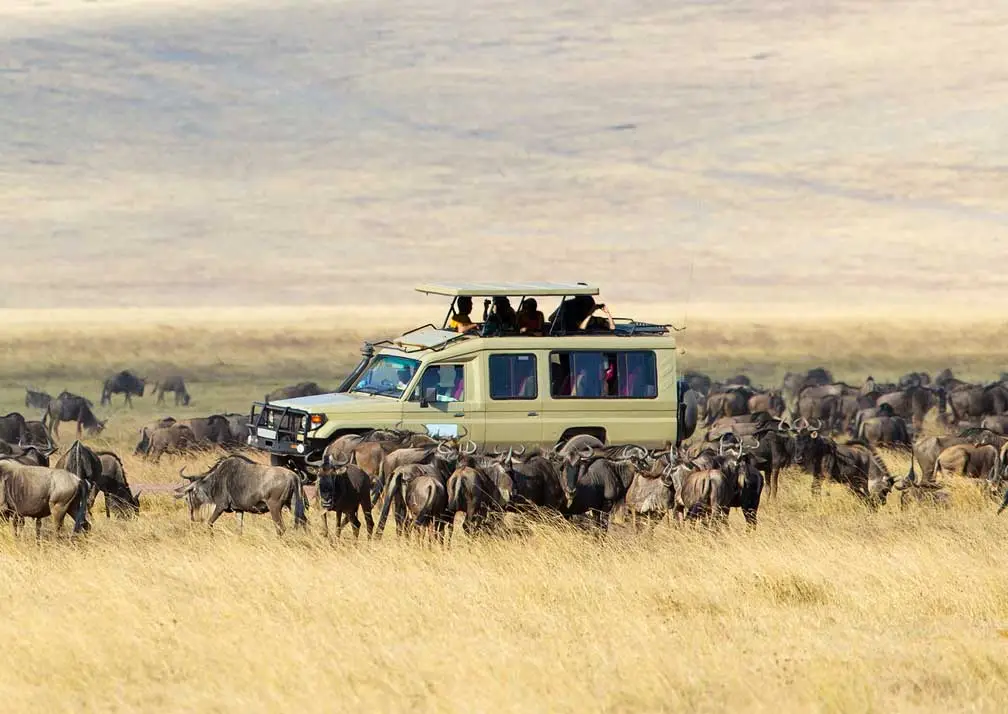
Great Migration Safaris
Experience one of nature's greatest spectacles with our Great Migration safari packages, timed for river crossings or calving.
View Package →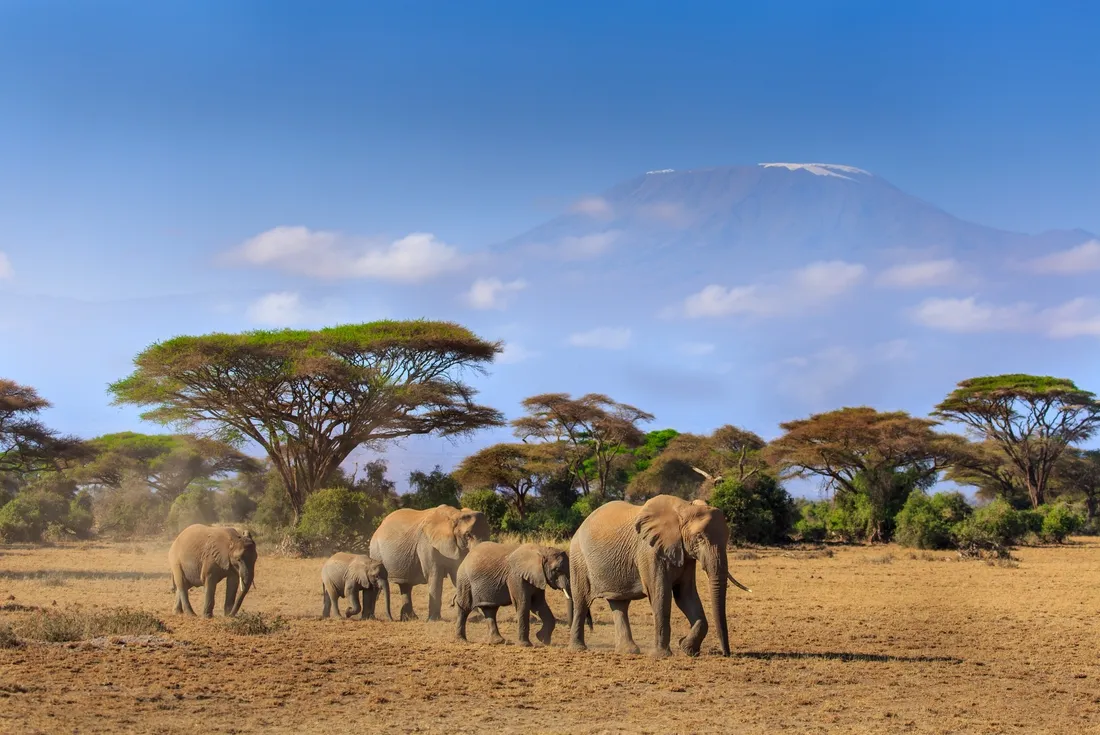
Serengeti & Kilimanjaro Trek
Combined safari and trekking tours offer wildlife adventures and Kilimanjaro climbs.
View Package →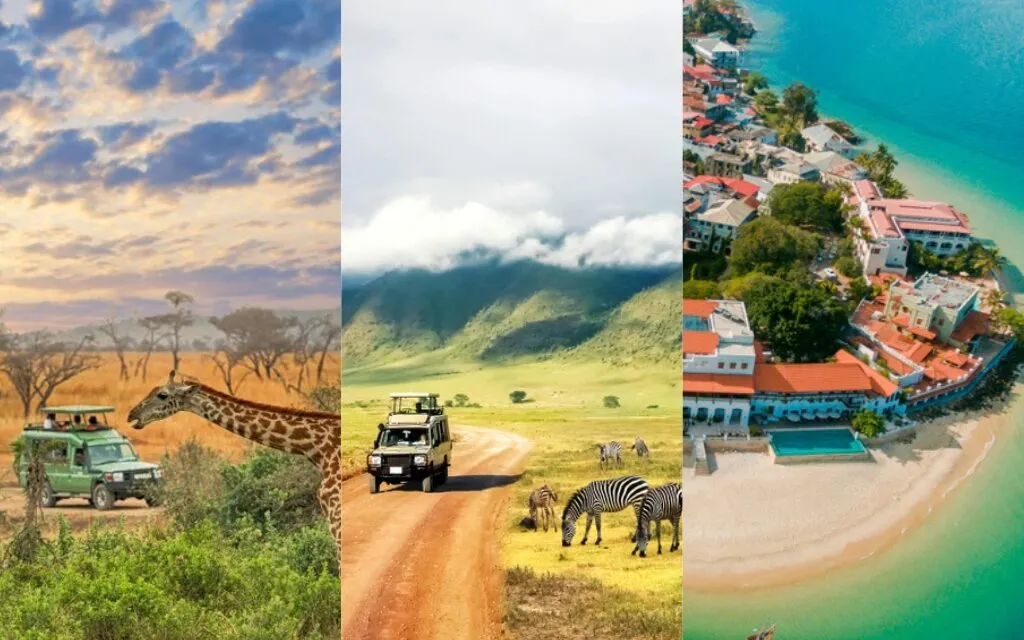
Serengeti & Zanzibar Tours
Luxury Tanzania safari & beach packages with the Great Migration and pristine beaches.
View Package →Related: Best Time to Visit Tanzania 2026 – Perfect safari extension after your Dominica adventure.