
Most Complete Dominican Republic Travel Guide 2026-2027 – Everything You Need to Know Before Visiting
This Dominican Republic travel guide provides everything you need to plan your journey to the Caribbean’s most visited destination. The Dominican Republic offers an extraordinary blend of turquoise beaches, lush mountains, colonial history and vibrant merengue culture that create one of the region’s most diverse travel experiences. Many travelers who want to travel to Dominican Republic are surprised by the country's incredible diversity and rich cultural heritage spanning Taíno indigenous roots, Spanish colonial legacy, and African influences. The nation shares the island of Hispaniola with Haiti and covers over 48,000 square kilometers, offering visitors everything from all-inclusive resorts to untouched whale-watching bays and the Americas’ oldest colonial city.
Start Reading the Full Guide ↓Quick Facts About Dominican Republic
- Capital: Santo Domingo.
- Currency: Dominican Peso (DOP).
- Time Zone: Atlantic Standard Time (AST, UTC-4).
- International Calling Code: +1-809, +1-829, +1-849.
- Driving Side: Right.
- Major Airports: Punta Cana (PUJ), Santo Domingo (SDQ), Puerto Plata (POP), La Romana (LRM).
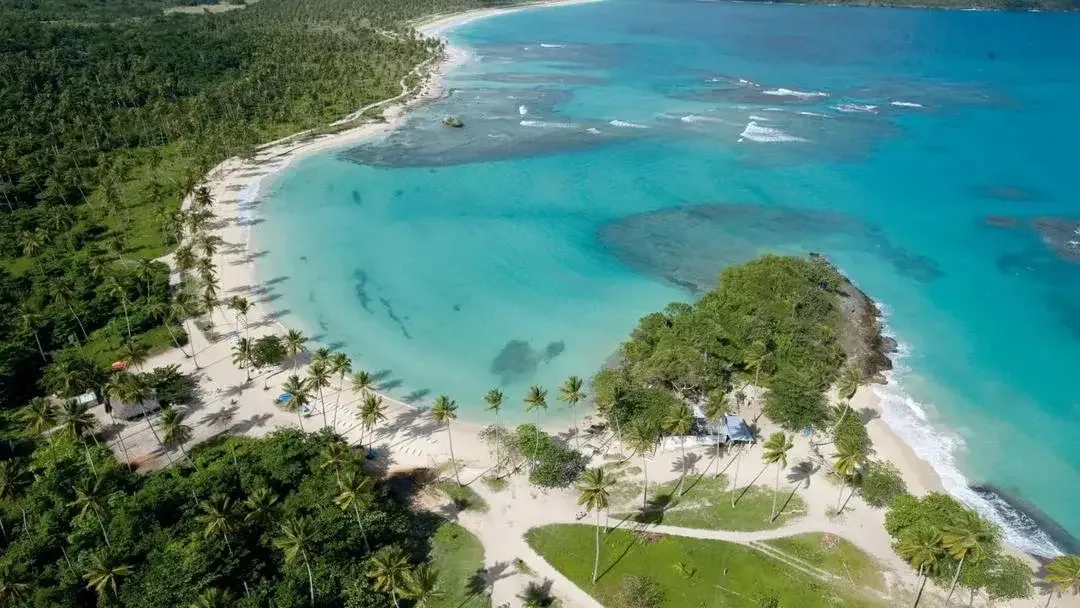
Dominican Republic Overview & Key Facts
Brief History of Dominican Republic
Dominican Republic's history begins with the Taíno indigenous people before Christopher Columbus landed in 1492, making it the site of the first permanent European settlement in the Americas. Santo Domingo became the first colonial capital, with the first cathedral, university and fortress in the New World. The country experienced Spanish rule, French occupation, Haitian control, and periods of independence before achieving stable sovereignty in 1865. This rich historical tapestry creates a fascinating backdrop for modern travelers exploring the country's colonial treasures and cultural sites.
Independence & National Identity
- Independence date: February 27, 1844 (from Haiti); restored 1865 (from Spain).
- Former colonial power: Spain.
- National symbols & identity.
The Dominican Republic gained independence from Haiti in 1844 and restored sovereignty from Spain in 1865. Today, national identity centers on Hispanic heritage, Catholic faith, merengue music, baseball passion, and warm hospitality. The flag features a white cross with blue and red quarters and the national coat of arms with the motto “Dios, Patria, Libertad” (God, Fatherland, Liberty).
Government System & Current Leadership
- Type of government: Presidential Republic
- Current president: Luis Abinader (re-elected 2024)
- Notes on political stability
The Dominican Republic operates as a democratic presidential republic with stable institutions and regular elections. President Luis Abinader has served since 2020 and was re-elected in 2024. The country enjoys strong political stability and consistent economic growth, making it one of the Caribbean’s most reliable destinations.
Population, Ethnic Groups & Languages
- Population: 11.3 million (2025 projection).
- Major ethnic groups: Mixed (73%), White (16%), Black (11%).
- Official language(s): Spanish.
- Additional languages commonly spoken.
Spanish is the official language, with a distinctive Dominican accent and vocabulary. English is widely spoken in tourist areas, especially Punta Cana, Puerto Plata and Sosúa. Haitian Creole is common in border regions and among Haitian immigrant communities.
Main Religions & Cultural Identity
Roman Catholicism is practiced by about 65% of Dominicans, with evangelical Protestantism growing rapidly. African-influenced syncretic beliefs persist in some rural areas. Religious festivals and Catholic holidays strongly influence daily life and cultural events. Visitors should respect church etiquette and modest dress when visiting religious sites.
Geography & Natural Landscape
The Dominican Republic features diverse geography: Caribbean beaches, the highest peak in the Caribbean (Pico Duarte 3,087m), fertile valleys, and mangrove coastlines. The Cordillera Central mountain range dominates the interior, while coastal plains host most tourism development. Four major regions: Cibao Valley, southeast coast (Punta Cana), southwest (Barahona), and Samaná peninsula.
Economy & Tourism Highlights
Tourism is the primary economic driver, with over 10 million visitors annually (pre-pandemic levels restored). All-inclusive resorts, golf courses, and eco-tourism generate significant revenue. The country ranks as the Caribbean’s most visited destination, supported by modern airports and extensive hotel infrastructure.
What Dominican Republic Is Known For
- UNESCO World Heritage: Colonial City of Santo Domingo
- World-class all-inclusive resorts and turquoise beaches
- Merengue and bachata music & dance
- Amber mines and Larimar (only found here)
- Whale-watching in Samaná Bay (Jan–Mar)
Visa & Entry Requirements in Dominican Republic
Most visitors enter with a simple tourist card purchased on arrival. No pre-arranged visa is required for stays up to 30 days for citizens of the USA, Canada, EU, UK, Australia, and most Latin American countries.
Do You Need a Visa?
No visa required for most nationalities. A US$10 tourist card is purchased on arrival (often included in airfare). Overstay fees apply after 30 days.
Visa Application Options in Dominican Republic
- Tourist card on arrival (most common)
- Visa required only for a few nationalities (Russia, China, India, etc.)
- Extensions available online or at immigration offices
Visa-exempt countries simply buy the tourist card. Extensions up to 120 days are straightforward via the DGM website or in-person.
Passport Validity & Entry Documents
Passport must be valid for the duration of stay (6 months recommended). Return/onward ticket may be requested. No vaccination certificates required unless coming from endemic zones.
Customs Rules & Prohibited Items
Standard Caribbean customs: no drugs, weapons, or fresh produce. Duty-free allowance: 1L alcohol, 200 cigarettes, gifts up to US$500. Declare large amounts of cash.
Safety & Security Information in Dominican Republic
Tourist areas enjoy strong police presence (CESTUR tourist police). Petty crime exists but violent crime against tourists is rare in resort zones.
Is Dominican Republic Safe for Tourists?
Yes – Punta Cana, Puerto Plata, La Romana, and Samaná are among the safest Caribbean destinations due to dedicated tourist police and private resort security.
Recommended Safety Tips when in Dominican Republic
Use resort-approved taxis or Uber (available in Santo Domingo & Santiago). Don’t flash valuables. Drink bottled water outside all-inclusives. Use hotel safes.
Safe Areas vs. Areas to Avoid in Dominican Republic
Safe: Punta Cana/Bávaro, Puerto Plata/Sosúa/Cabarete, La Romana/Bayahibe, Samaná/Las Terrenas. Exercise caution in parts of Santo Domingo after dark.
Emergency Numbers & Tourist Police in Dominican Republic
- Tourist Police (CESTUR): 1-809-222-2026
- Emergency: 911
- Ambulance: 1-809-532-0000
911 system works nationwide and has English operators in tourist areas.
Health Requirements & Vaccinations in Dominican Republic
No mandatory vaccinations. Zika, dengue and chikungunya are present – use strong insect repellent.
Mandatory Vaccinations in Dominican Republic
None for direct arrivals. Yellow fever certificate required if coming from endemic countries.
Recommended Vaccinations in Dominican Republic
Hepatitis A, Typhoid, routine vaccines. Consider Hepatitis B and Rabies for extended stays.
Malaria & Other Risks
Low malaria risk (only in border provinces). Dengue is the main concern – use DEET repellent day and night.
Travel Insurance Recommendations in Dominican Republic
Highly recommended – covers medical evacuation, trip cancellation, and adventure activities (ATV, zip-lining, etc.).
Best Time to Visit in Dominican Republic
December–April offers perfect weather (25–30°C). Whale-watching season: mid-January to March.
Weather by Season
Dry season (Dec–Apr): sunny, 27–30°C. Rainy season (May–Nov): afternoon showers, risk of hurricanes Aug–Oct.
When to Visit Dominican Republic for Best Experiences
- Whale-watching: mid-January to March
- Merengue Festival (Santo Domingo): late July
- Kite/windsurfing Cabarete: June–September
- Lowest prices: May, June, September, November
High Season vs. Low Season Travel
High season: mid-December to April (highest prices). Shoulder/low season: May–November (great deals, fewer crowds).
Weather & Climate Overview in Dominican Republic
Tropical climate with two seasons: dry (winter) and wet (summer). Coastal areas 26–31°C year-round.
Temperature Ranges
Coastal: 25–31°C year-round. Mountains (Constanza, Jarabacoa): 10–22°C with occasional frost.
Rainy & Dry Seasons in Dominican Republic
Dry: December–April. Wet: May–November (short afternoon showers common).
What to Wear Based on the Weather
Light summer clothing, swimsuits, flip-flops. Light jacket for evenings and mountain visits. Modest attire for Santo Domingo churches.
Main Currency, Costs & Budgeting in Dominican Republic
Dominican Peso (DOP). US dollars widely accepted in tourist areas.
Local Currency Information
Peso (DOP). US$ widely accepted in resorts. Exchange at banks or casas de cambio for best rates.
Average Travel Costs in Dominican Republic
All-inclusive resorts: $150–500 per person/day. Independent travel: $80–200/day.
Using ATMs, Cards & Mobile Money in Dominican Republic
ATMs plentiful. Visa/Mastercard widely accepted in tourist areas. Apple Pay/Google Pay growing in resorts.
Tipping Guidelines in Dominican Republic
10–15% in restaurants (often included as “propina”). Resort staff: US$1–5 per service. Taxi drivers: round up.
Transportation & Getting Around in Dominican Republic
Excellent airport infrastructure. Private transfers, taxis, guaguas (local buses), and Uber (in cities).
Airport Transfers
Private transfers included with most resort bookings. Taxis and Uber available at all airports.
Local Transport Options in Dominican Republic
Guaguas (minivans), motoconchos (motorcycle taxis), Uber (Santo Domingo/Santiago), Caribe Tours/Expreso Bávaro buses.
Dominican Republic Domestic Flights
Air Century, Sky High and charter flights connect Punta Cana, Santo Domingo, Puerto Plata, Samaná.
Car Rentals & Road Conditions in Dominican Republic
Major companies at airports. International license recommended. Driving is chaotic – better to hire driver or use transfers.
Accommodation Options available in Dominican Republic
World leader in all-inclusive resorts. Also boutique hotels, villas, and hostels.
Types of Accommodations in Dominican Republic
All-inclusive mega-resorts, luxury boutique hotels, eco-lodges, apartments, hostels.
Budget vs. Mid-Range vs. Luxury
Hostels: $20–50. Mid-range: $80–250. Luxury all-inclusive: $300–1000+ per night.
Best Areas to Stay in Dominican Republic
Punta Cana/Bávaro (beaches), Puerto Plata (north coast), Santo Domingo (culture), Samaná (nature), La Romana (golf).
Essential Packing Guide when Visiting Dominican Republic
Pack light – laundry services widely available.
Clothing Essentials
Swimsuits, cover-ups, light summer clothes, one nice outfit for nightlife.
Footwear & Gear
Flip-flops, water shoes, comfortable sandals. Reef-safe sunscreen essential.
Electronics & Cameras
US plugs (Type A/B), 110V. Waterproof phone case recommended.
Toiletries & Personal Items
Insect repellent with DEET, after-bite cream, basic medications.
Language & Communication in Dominican Republic
Spanish dominant, English widely spoken in tourism.
Main Languages Spoken in Dominican Republic
Spanish (official). English fluent in resorts and Punta Cana area.
Useful Phrases for Tourists
“Hola”, “Gracias”, “Cuánto cuesta?”, “Una cerveza fría, por favor”.
SIM Cards & Mobile Data used in Dominican Republic
Claro and Altice dominate. SIM cards available at airports and stores.
Internet Availability & Wi-Fi in Dominican Republic
Excellent Wi-Fi in resorts and cities. Many restaurants offer free Wi-Fi.
Culture & Etiquette in Dominican Republic
Friendly, warm, music-loving culture.
Dominican Dress Code Expectations
Beachwear at resorts. Cover up in towns and churches.
Social Etiquette & Respectful Behavior of Dominican Republic
Greet with “Buenos días/tardes”. Dominicans are touch-friendly and loud is normal.
Photography Rules in Dominican Republic
Ask permission before photographing people. No restrictions in tourist areas.
Important Cultural Dos & Don’ts in Dominican Republic
Do dance merengue/bachata. Don’t discuss Haiti politics unless invited.
Food, Water & Dining in Dominican Republic
Delicious Creole-Caribbean cuisine.
Dominican Local Dishes to Try
La Bandera (rice, beans, meat), sancocho, mangú, tostones, fresh seafood.
Dietary Options in Dominican Republic
Gluten-free and vegetarian options widely available in resorts.
Drinking Water Safety
Drink bottled water outside all-inclusives.
Restaurant Etiquette
10% tip often included (“propina legal”). Additional 5–10% for good service.
Top Attractions & Things to Do in Dominican Republic
Beaches, colonial history, adventure, and nature.
Major Tourist Attractions in Dominican Republic
- Zona Colonial Santo Domingo (UNESCO)
- Punta Cana beaches & resorts
- Samaná whale-watching
- Saona Island & Catalina Island
- 27 Charcos de Damajagua
Best Tours & Experiences in Dominican Republic
Saona Island catamaran, whale-watching Samaná, ATV adventures, zip-lining, cigar factory tours.
Family-Friendly Activities to do in Dominican Republic
Ocean World, Monkeyland, water parks, chocolate tours.
Unique Cultural or Historical Sites to visit in Dominican Republic
Alcázar de Colón, Amber Museum, Basilica of La Altagracia (Higüey).
Dominican Electrical System Information
110V, 60Hz – same as USA/Canada. Type A/B plugs.
Plug Types & Voltage used in Dominican Republic
Type A/B (American plugs), 110–120V, 60Hz.
Charging Tips
No adapter needed for North American devices. European devices need adapter + possibly voltage converter.
Local Laws & Regulations of Dominican Republic
Tourist-friendly laws.
Rules Travelers Need to Know when In Dominican Republic
Drugs strictly prohibited. No public nudity outside designated beaches. Respect 30-day tourist card limit.
Alcohol, Smoking & Substance Laws of Dominican Republic
Drinking age 18. No open containers in vehicles. Marijuana illegal despite decriminalization rumors.
Restricted or Protected Areas in Dominican Republic
Some national parks require guides. Drone permits required in certain zones.
Final Travel Tips for Visitors in Dominican Republic
Book airport transfers in advance, use reef-safe sunscreen, learn a few Spanish phrases, and enjoy the “Dominican time” relaxed pace.
Common Mistakes to Avoid
Not booking airport transfers, drinking tap water, renting car without experience, staying only inside resort.
Tips to Save Money when Visiting Dominican Republic
Travel May/June or September/November, book all-inclusive, use guaguas instead of taxis, eat local comedores.
Safety & Comfort Tips
Use resort safe, don’t walk alone on deserted beaches at night, keep copies of documents.
Frequently Asked Questions – Dominican Republic Travel Guide 2026-2027
Our Tanzania Tours Products
While Dominican Republic offers incredible Caribbean beaches and colonial charm, many travelers combine the Caribbean with the ultimate wildlife experience in East Africa. Capable Africa Tours specializes in secure, guided safaris that maximize safety and wonder. Our expert local guides, armed rangers in parks, and vetted accommodations ensure peace of mind. From family-friendly lodges to luxury camps, we handle logistics so you focus on the magic. Tanzania ranks high for tourist safety with dedicated wildlife protection units and stable northern circuits.
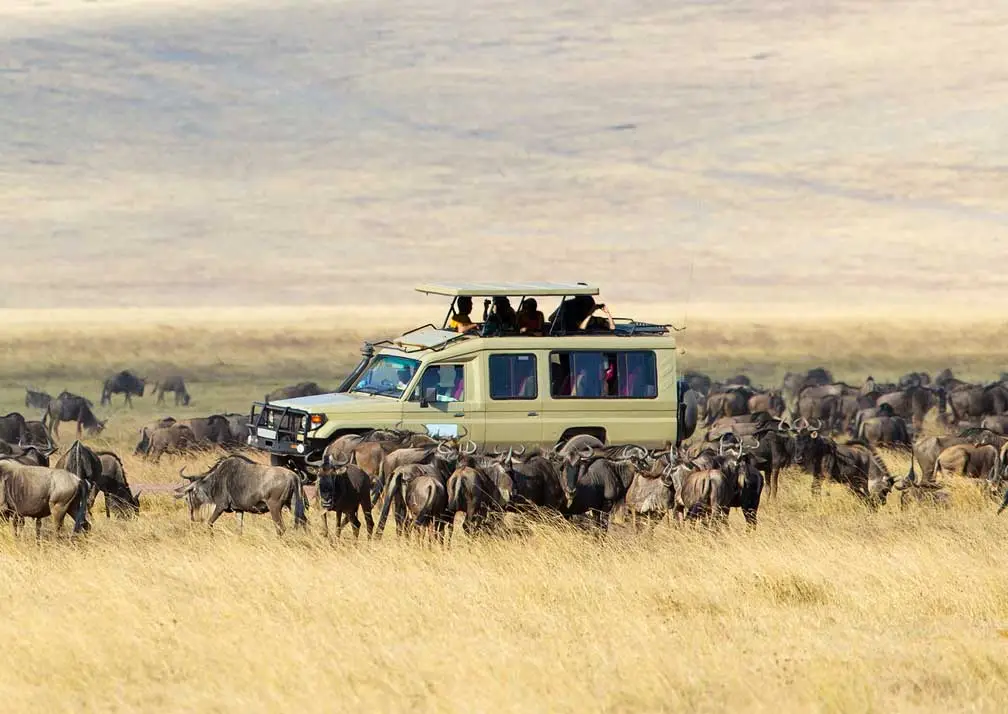
Great Migration Safaris
Experience one of nature's greatest spectacles with our Great Migration safari packages, timed for river crossings or calving.
View Package →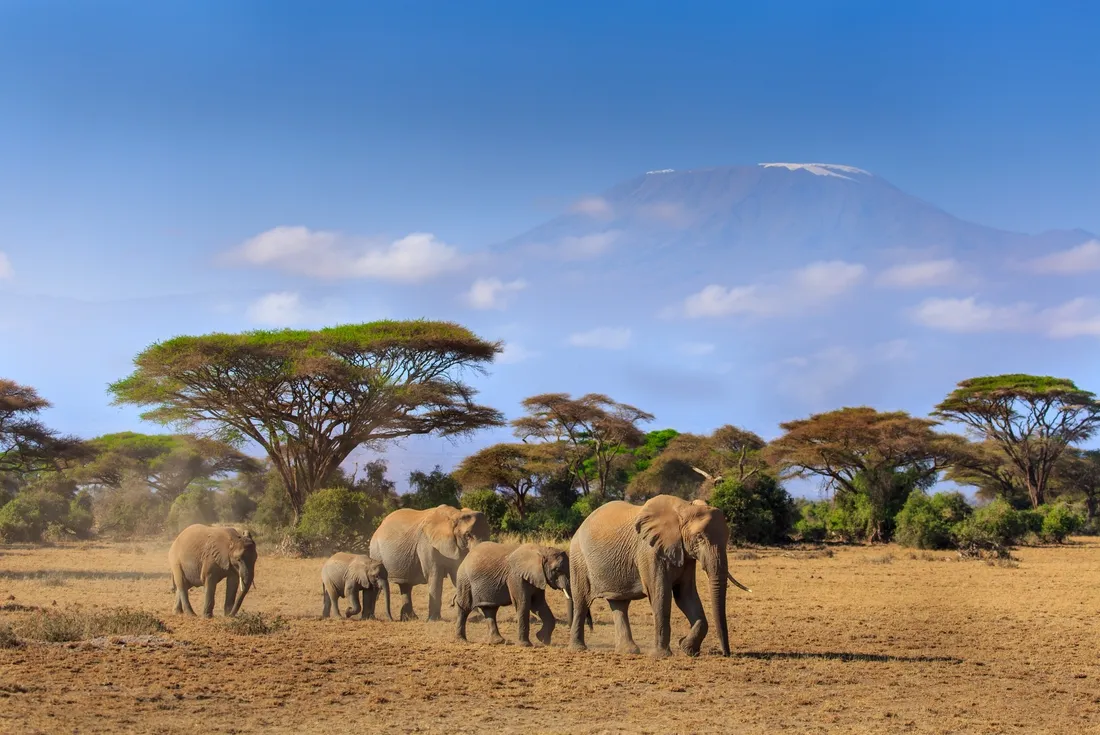
Serengeti & Kilimanjaro Trek
Combined safari and trekking tours offer wildlife adventures and Kilimanjaro climbs.
View Package →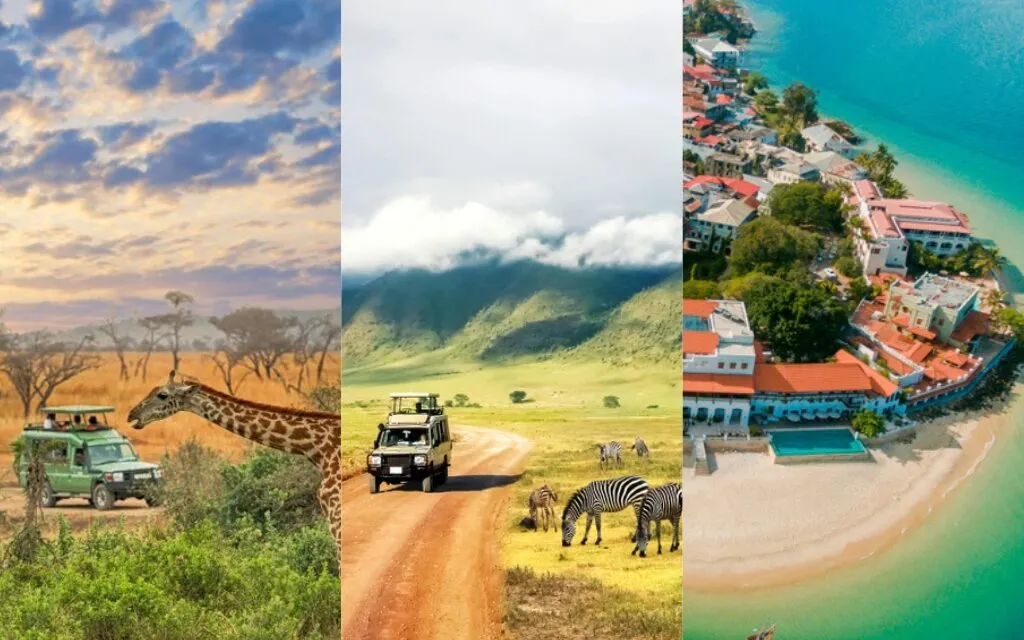
Serengeti & Zanzibar Tours
Luxury Tanzania safari & beach packages with the Great Migration and pristine beaches.
View Package →Related: Best Time to Visit Tanzania 2026 – Perfect safari extension after your Caribbean adventure.