Most Complete Democratic Republic of the Congo (DRC) Travel Guide 2026-2027 – Everything You Need to Know Before Visiting
This DRC travel guide provides everything you need to plan your journey to Africa’s second-largest country. The Democratic Republic of the Congo offers an extraordinary mix of mountain gorilla trekking in Virunga, active volcanoes, the mighty Congo River, and vibrant Kinshasa nightlife that create one of the continent’s most adventurous travel experiences. Many travelers who finally visit DRC are surprised by the country’s incredible biodiversity, warm hospitality, and raw natural beauty spanning rainforest, savanna, and volcanic landscapes. Covering over 2.34 million square kilometers, DRC is larger than Western Europe and remains one of the least-visited yet most rewarding destinations on the planet.
Start Reading the Full Guide ↓Quick Facts About DRC
- Capital: Kinshasa.
- Currency: Congolese Franc (CDF) – USD widely accepted.
- Time Zone: West Africa Time (WAT, UTC+1) & Central Africa Time (CAT, UTC+2).
- International Calling Code: +243.
- Driving Side: Right.
- Major Airports: N’djili International (Kinshasa), Luano (Lubumbashi), Goma International.
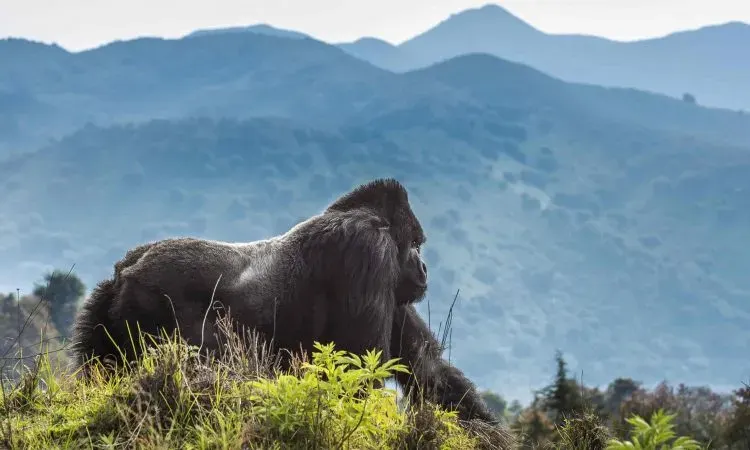
DRC Overview & Key Facts
Brief History of DRC
The Democratic Republic of the Congo’s history spans ancient kingdoms, the brutal Congo Free State under Belgian King Leopold II, Belgian colonial rule, independence in 1960, the Mobutu era, and two devastating Congo wars (1996-2003). Despite its troubled past, the country has been relatively stable in key tourist areas since the mid-2010s, with significant improvements in security around Virunga and Kahuzi-Biega parks.
Independence & National Identity
- Independence date: June 30, 1960.
- Former colonial power: Belgium.
- National symbols & identity.
Independence was followed by decades of dictatorship under Mobutu Sese Seko (1965-1997) and subsequent conflicts. Today national identity is rooted in incredible ethnic diversity (over 200 groups), music (rumba, soukous), and pride in natural wonders like the Congo Basin rainforest – the world’s second-largest.
Government System & Current Leadership
- Type of government: Semi-presidential republic
- Current president: Félix Tshisekedi (since January 2019)
- Notes on political stability
President Tshisekedi was re-elected in December 2023. While eastern provinces still experience militia activity, Kinshasa, Katanga, and the main national parks have seen major security improvements, allowing tourism to grow again.
Population, Ethnic Groups & Languages
- Population: 115 million+ (2025 estimate).
- Major ethnic groups: Luba, Kongo, Mongo, Mangbetu-Azande.
- Official language: French.
- National languages: Lingala, Swahili, Kikongo, Tshiluba.
French is the language of government and education; Lingala dominates Kinshasa and the west, Swahili the east. English is rare outside international hotels and park guides.
Main Religions & Cultural Identity
Christianity (95%, mostly Catholic and Protestant), with traditional beliefs and a small Muslim minority. Religion plays a major role in daily life and music is the heartbeat of Congolese culture – from rumba legends to modern ndombolo.
Geography & Natural Landscape
DRC contains Africa’s largest rainforest (Congo Basin), active volcanoes (Nyiragongo, Nyamuragira), Africa’s deepest lake (Tanganyika), mountain gorillas, bonobos, okapi, and the mighty Congo River – second-longest in Africa.
Economy & Tourism Highlights
Rich in cobalt, copper, diamonds, and coltan, DRC is paradoxically one of the poorest countries per capita due to decades of mismanagement and conflict. Tourism is growing rapidly around gorilla trekking, volcano hikes, and river expeditions.
What DRC Is Known For
- Mountain gorilla trekking in Virunga & Kahuzi-Biega (UNESCO)
- Nyiragongo volcano and the world’s largest lava lake
- Congo River expeditions & bonobo sanctuaries
- Kinshasa – Africa’s third-largest city and music capital
Visa & Entry Requirements in DRC
Most nationalities can obtain an e-Visa online or visa on arrival at Kinshasa and Lubumbashi. Yellow Fever certificate is mandatory.
Do You Need a Visa?
Yes for almost everyone. e-Visa (single entry 30 days) is the easiest and most common method.
Visa Application Options in DRC
- e-Visa online (recommended)
- Visa on arrival at N’djili (Kinshasa) & Luano (Lubumbashi)
- Embassy visa (slowest)
Passport Validity & Entry Documents
Passport valid 6 months, 2 blank pages, Yellow Fever certificate, proof of accommodation and return ticket.
Customs Rules & Prohibited Items
Drones strictly forbidden without prior authorisation. Large amounts of cash must be declared.
Safety & Security Information in DRC
Tourist areas (Virunga NP, Goma with registered operators, Kahuzi-Biega, Kinshasa) are well protected. Avoid North Kivu and Ituri outside park boundaries.
Is DRC Safe for Tourists?
Yes when using reputable operators in the main parks and Kinshasa. Virunga has armed rangers and a strong safety record since reopening.
Recommended Safety Tips when in DRC
Travel with registered operators, avoid night travel outside cities, don’t display wealth, follow park ranger instructions.
Safe Areas vs. Areas to Avoid in DRC
Safe: Kinshasa, Lubumbashi, Virunga NP, Kahuzi-Biega NP, Goma (with guides). Avoid: rural North Kivu, Ituri, parts of Kasai.
Emergency Numbers & Tourist Police in DRC
- Police: 112 or +243 81 88 55 003 (Virunga)
- Virunga Emergency: +243 974 331 010
Health Requirements & Vaccinations in DRC
Yellow Fever certificate mandatory. Malaria prophylaxis essential.
Mandatory Vaccinations in DRC
Yellow Fever – strictly enforced.
Recommended Vaccinations in DRC
Hepatitis A & B, Typhoid, Rabies, Meningitis, routine vaccines.
Malaria & Other Risks
High malaria risk nationwide – take prophylaxis and use treated nets.
Travel Insurance Recommendations in DRC
Mandatory for Virunga. Must cover emergency evacuation (helicopter from Goma ~$15,000).
Best Time to Visit in DRC
Dry seasons: June–September and December–February.
Weather by Season
Equatorial climate – hot and humid year-round with two dry and two wet seasons.
When to Visit DRC for Best Experiences
- Gorilla trekking: June–September & December–February
- Nyiragongo hike: year-round (best visibility in dry season)
Main Currency, Costs & Budgeting in DRC
US dollars preferred everywhere in tourism. Bring crisp new notes.
Average Travel Costs in DRC
Gorilla permits $400–600, Virunga luxury $500+/night, budget Kinshasa $80–120/day, mid-range $250–450/day.
Transportation & Getting Around in DRC
Limited roads – most travel by air. Domestic flights with Congo Airways or UN/MONUSCO.
Accommodation Options available in DRC
From luxury lodges in Virunga to basic guesthouses in Kinshasa.
Essential Packing Guide when Visiting DRC
Good hiking boots, rain jacket, headlamp, power bank, insect repellent, long clothing for jungle.
Language & Communication in DRC
French official, Lingala and Swahili dominant. Guides speak English.
Culture & Etiquette in DRC
Warm, music-loving culture. Dress modestly outside Kinshasa.
Food, Water & Dining in DRC
Fufu, pondu, grilled chicken, freshwater fish. Bottled water only.
Top Attractions & Things to Do in DRC
- Mountain gorilla trekking in Virunga & Kahuzi-Biega
- Nyiragongo volcano hike & lava lake
- Lola ya Bonobo sanctuary
- Congo River expeditions
Frequently Asked Questions – DRC Travel Guide 2026-2027
Our Tanzania Tours Products
After the raw adventure of DRC, many travellers continue to East Africa for classic wildlife safaris. Capable Africa Tours offers secure, guided Tanzania safaris with expert local guides and vetted accommodations.
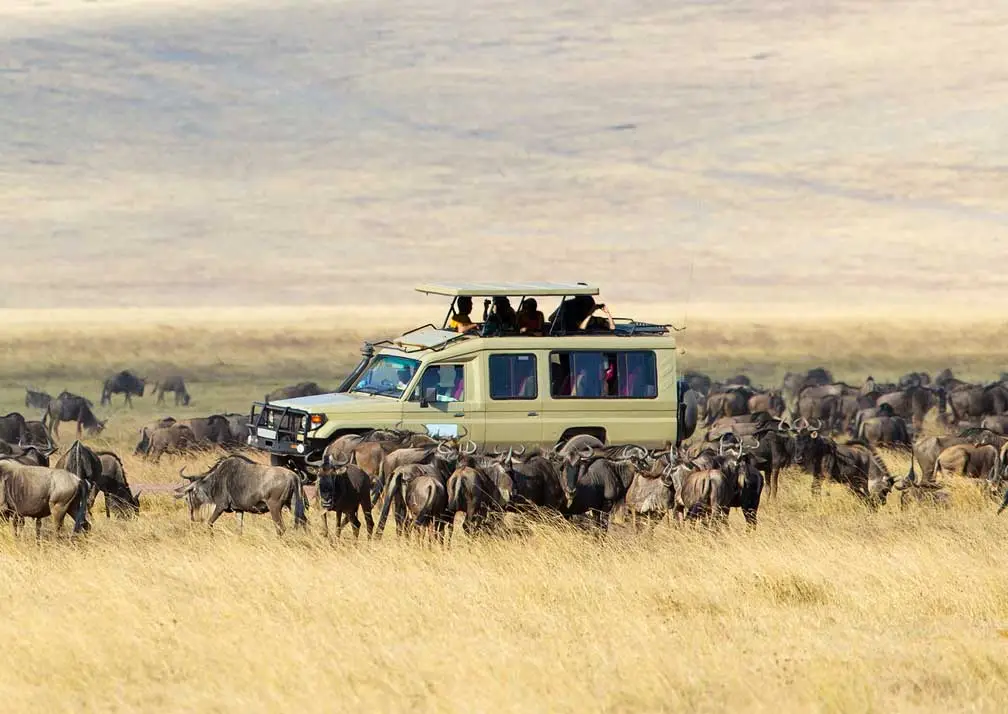
Great Migration Safaris
Experience one of nature's greatest spectacles with our Great Migration safari packages.
View Package →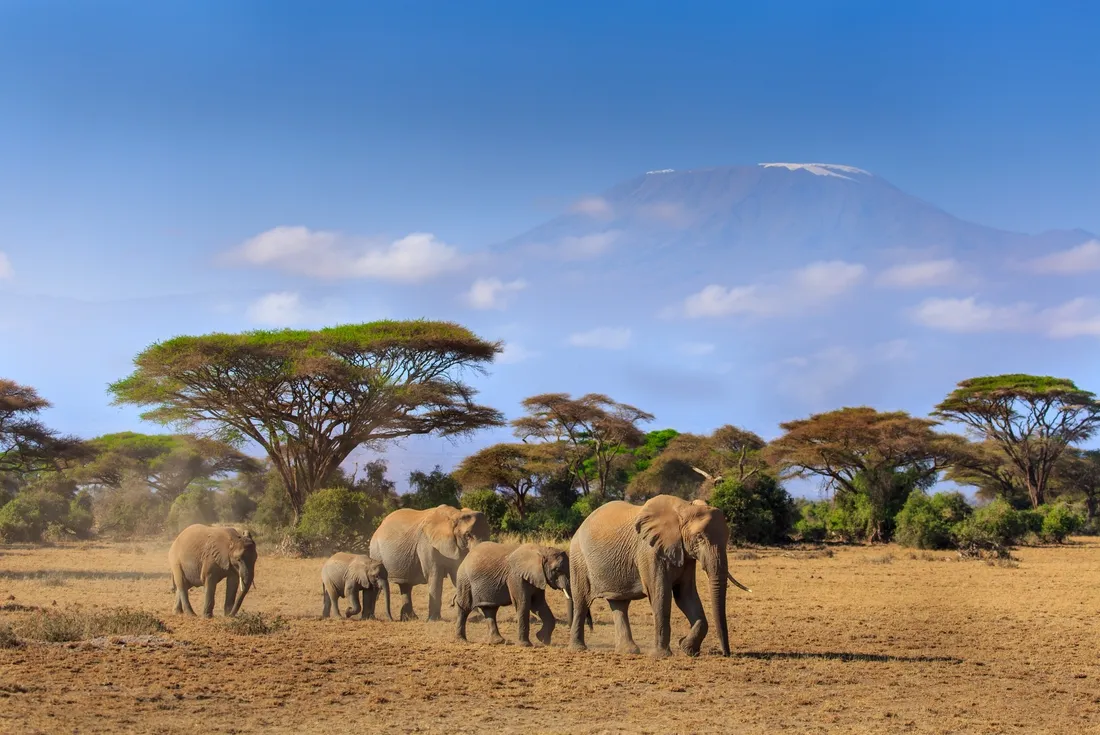
Serengeti & Kilimanjaro Trek
Combined safari and trekking tours offer wildlife adventures and Kilimanjaro climbs.
View Package →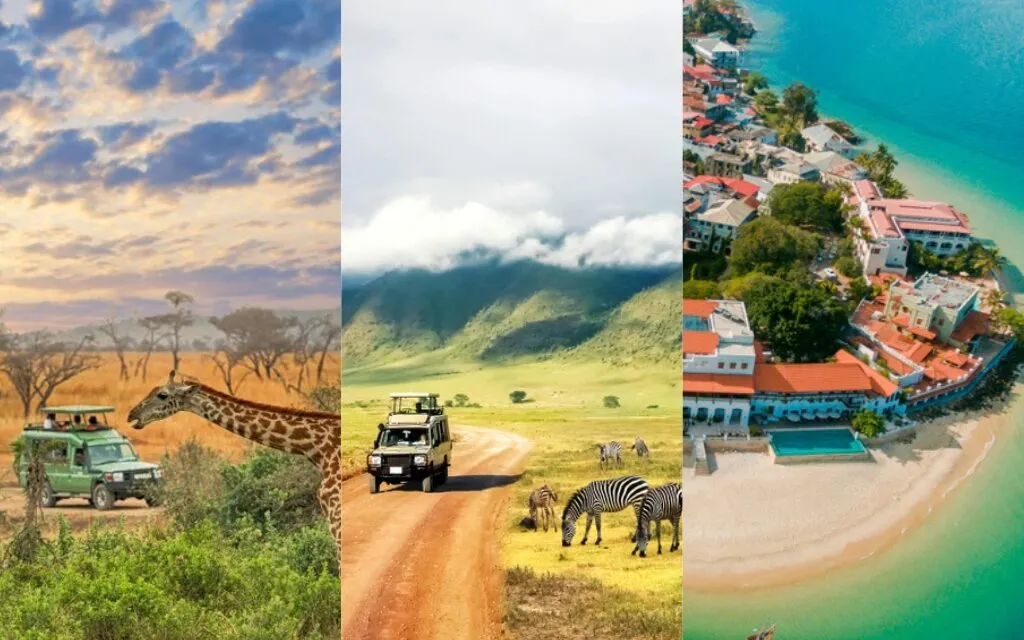
Serengeti & Zanzibar Tours
Luxury Tanzania safari & beach packages with the Great Migration and pristine beaches.
View Package →Related: Best Time to Visit Tanzania 2026 – Perfect safari extension after your DRC adventure.