
Most Complete Ecuador Travel Guide 2026-2027 – Everything You Need to Know Before Visiting
This Ecuador travel guide provides everything you need to plan your journey to South America's most biodiverse nation. Ecuador offers an extraordinary blend of Andean highlands, Amazon rainforests, and the world-famous Galápagos Islands, creating one of the continent's most unique travel experiences. Many travelers who want to travel to Ecuador are surprised by the country’s incredible diversity and rich cultural heritage spanning indigenous Quechua traditions, Spanish colonial legacy, and Afro-Ecuadorian influences. The nation covers just 283,561 square kilometers, making it one of South America’s smallest countries, yet it offers everything from volcanic landscapes to vibrant markets and pristine Pacific beaches within easy reach.
Start Reading the Full Guide ↓Quick Facts About Ecuador
- Capital: Quito.
- Currency: US Dollar (USD).
- Time Zone: Ecuador Time (ECT, UTC-5); Galápagos Time (GALT, UTC-6).
- International Calling Code: +593.
- Driving Side: Right.
- Major Airports: Mariscal Sucre International Airport (Quito), José Joaquín de Olmedo International Airport (Guayaquil).
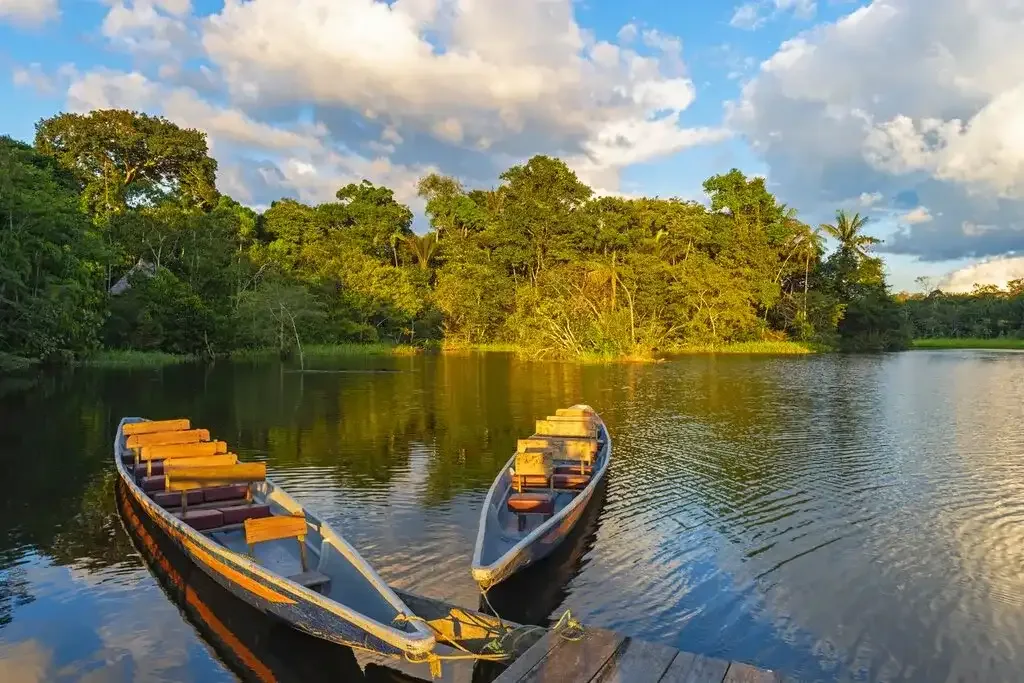
Ecuador Overview & Key Facts
Brief History of Ecuador
Ecuador’s history spans millennia, from ancient indigenous civilizations through Inca rule to Spanish colonization. The Valdivia culture, one of South America’s earliest, thrived along the coast around 3500 BCE. The Inca Empire conquered the region in the 15th century, followed by Spanish rule from 1534, which established colonial cities like Quito. This rich historical tapestry creates a fascinating backdrop for modern travelers exploring the country’s archaeological sites, colonial architecture, and indigenous markets.
Independence & National Identity
- Independence date: May 24, 1822.
- Former colonial power: Spain.
- National symbols & identity.
Ecuador gained independence after the Battle of Pichincha, led by Simón Bolívar’s forces, ending nearly three centuries of Spanish rule. Today, the country’s national identity centers on its multicultural heritage, blending indigenous, mestizo, and Afro-Ecuadorian cultures. The national flag features yellow for wealth, blue for the ocean and sky, and red for the blood of heroes, with the condor symbolizing freedom.
Government System & Current Leadership
- Type of government: Presidential Republic.
- Current president: Daniel Noboa (as of 2025).
- Notes on political stability.
Ecuador operates as a presidential republic with regular democratic elections. President Daniel Noboa has served since November 2023, focusing on economic reform and security. While political stability has improved, occasional protests occur in urban centers. Travelers should monitor local news and avoid demonstrations for safety.
Population, Ethnic Groups & Languages
- Population: 18.4 million (2025 projection).
- Major ethnic groups: Mestizo (71.9%), Indigenous (7%), Afro-Ecuadorian (7.2%).
- Official language(s): Spanish.
- Additional languages commonly spoken.
Quechua and Shuar are widely spoken among indigenous communities, particularly in the highlands and Amazon. English is common in tourist areas and among younger generations in cities. The diverse population creates a vibrant cultural atmosphere where visitors experience a blend of traditions and languages.
Main Religions & Cultural Identity
Roman Catholicism dominates Ecuador’s religious landscape, with approximately 80% of the population adhering to the faith. Indigenous spiritual practices and evangelical Christianity are also present. Religious festivals like Semana Santa and Inti Raymi shape cultural life. Visitors should respect church services and dress modestly when visiting religious sites or attending cultural events.
Geography & Natural Landscape
Ecuador features four distinct regions: the Andes highlands, Amazon rainforest, Pacific coast, and Galápagos Islands. The Andes include volcanic peaks like Imbabura and Chimborazo, reaching 6,263m. The Amazon hosts unparalleled biodiversity, while the coast offers beaches and mangroves. The Galápagos, 1,000km offshore, are a UNESCO World Heritage site known for unique wildlife and evolutionary significance.
Economy & Tourism Highlights
Ecuador’s economy relies on oil, agriculture (bananas, cacao), and tourism. The government promotes sustainable tourism through eco-lodges and community-based experiences. Ecuadorian tourism grows steadily as visitors discover the Galápagos, Andean culture, and Amazon adventures, supported by improved infrastructure and international connectivity.
What Ecuador Is Known For
- Galápagos Islands’ unique wildlife and evolutionary history.
- UNESCO-listed Quito historic center and Andean markets.
- Amazon rainforest and volcanic landscapes.
Visa & Entry Requirements in Ecuador
Most international visitors enjoy visa-free entry to Ecuador for tourism, with requirements varying by nationality. The entry process is straightforward, requiring a valid passport and proof of onward travel. Travelers should verify requirements in advance, as regulations can change based on nationality or global health policies.
Do You Need a Visa?
Citizens of the US, UK, Canada, EU, and most Latin American countries enter visa-free for up to 90 days within a 12-month period. Other nationalities may require a tourist visa or pre-approval. Business travelers or those staying longer need specific visas. Check with Ecuadorian embassies for current requirements specific to your nationality.
Visa Application Options in Ecuador
- Visa-free entry (most visitors).
- Tourist visa via embassies for select nationalities.
- Visa extensions through immigration offices.
Ecuador offers visa-free entry for most tourists, with extensions available for up to 180 days through immigration offices in Quito or Guayaquil. Applications for visas, when required, typically process within a week. Galápagos visitors need a Transit Control Card ($20) and park entry fee ($100–200).
Passport Validity & Entry Documents
Your passport must be valid for at least six months from entry with at least one blank page. Required documents include return tickets, proof of accommodation, and sufficient funds (approximately $50/day). Health certificates may be requested during disease outbreaks. Yellow fever vaccination proof is required for Amazon or Galápagos entry if coming from endemic areas.
Customs Rules & Prohibited Items
Ecuador maintains standard customs regulations. Prohibited items include narcotics, unregistered firearms, and endangered species products. Currency declaration is required for amounts over $10,000. Agricultural products like fresh produce require permits. Duty-free allowances include 400 cigarettes, 1 liter of alcohol, and personal effects up to $500.
Safety & Security Information in Ecuador
Ecuador is generally safe for tourists, with welcoming communities and strong tourism infrastructure. However, petty crime and regional risks require vigilance. The security situation is stable in tourist areas, but border regions and urban centers demand extra precautions to ensure a safe visit.
Is Ecuador Safe for Tourists?
Yes, Ecuador is safe for tourists in most areas, rated Level 2 (exercise increased caution) by major governments. Petty theft like pickpocketing occurs in cities like Quito and Guayaquil. Violent crime against tourists is rare, but border areas near Colombia and Peru are high-risk due to smuggling. Basic precautions ensure a secure visit.
Recommended Safety Tips when in Ecuador
Use licensed taxis or ride-sharing apps like Uber. Secure valuables in hotel safes and avoid flashing expensive items. Stay in well-lit areas after dark and travel in groups when possible. Monitor local news for protests, which can disrupt cities. Use reputable tour operators for Amazon and Galápagos trips. Carry a copy of your passport, not the original.
Safe Areas vs. Areas to Avoid in Ecuador
Quito’s historic center, Baños, and Galápagos Islands are safe and tourist-friendly. Guayaquil’s safer areas include Samborondón. Avoid northern border regions (Esmeraldas, Carchi) and southern border areas near Peru due to crime. Certain Quito neighborhoods like La Mariscal require caution at night. Rural Amazon areas are safe with guided tours.
Emergency Numbers & Tourist Police in Ecuador
- Police: 911.
- Fire Department: 911.
- Medical Emergency: 911.
- Tourist Police: Available in Quito, Guayaquil, and Galápagos.
Emergency services are reliable in urban areas and tourist hubs. Tourist police in major cities assist with lost documents or minor incidents. Save numbers and keep hotel contacts for coordination. Hospitals in Quito and Guayaquil offer quality care; rural clinics are basic.
Health Requirements & Vaccinations in Ecuador
Ecuador has good healthcare in urban centers, but rural areas may have limited facilities. No mandatory vaccinations are required for most travelers, but specific precautions are needed for the Amazon and Galápagos. Understanding health risks ensures safe adventures across diverse ecosystems.
Mandatory Vaccinations in Ecuador
Yellow fever vaccination is required for travelers visiting the Amazon or Galápagos if arriving from endemic areas. Proof may be checked at entry points. No other mandatory vaccines apply unless specific outbreaks occur. Check health alerts before travel for updates on regional requirements.
Recommended Vaccinations in Ecuador
Routine vaccinations (MMR, diphtheria-tetanus-pertussis, flu) should be current. Hepatitis A and typhoid are recommended due to food/water risks. Hepatitis B is advised for longer stays or medical exposure. Yellow fever is strongly recommended for Amazon travel. Rabies may be considered for rural or animal-related activities.
Malaria & Other Risks
Malaria risk exists in the Amazon and low-lying coastal areas; prophylaxis is recommended. Dengue and Zika occur sporadically—use DEET repellent and long sleeves. Altitude sickness is a concern in the Andes (Quito, 2,850m); acclimatize gradually. Traveler’s diarrhea is common; stick to bottled water and cooked foods.
Travel Insurance Recommendations in Ecuador
Comprehensive travel insurance is essential, covering medical evacuation ($20,000+), trip cancellation, and adventure activities like hiking or diving. Ensure coverage includes high-altitude trekking or Galápagos cruises. Review terms for natural disaster coverage (earthquakes, volcanic eruptions). Carry insurance details for emergencies.
Best Time to Visit in Ecuador
The best time to visit Ecuador depends on regional weather, activities, and budget preferences. The Andes, Amazon, coast, and Galápagos each have distinct climates, offering year-round appeal. These Ecuador travel tips will help you navigate customs, transportation, and cultural expectations while planning your visit during ideal conditions.
Weather by Season
The Andes’ dry season (June–September) offers clear skies and 15–25°C temperatures, ideal for hiking. The wet season (October–May) brings afternoon rains but lush landscapes. The Amazon is warm and humid year-round (25–32°C), with less rain in August–October. The coast is sunny January–April; Galápagos has warm, wet months (January–May) and cooler, dry months (June–December).
When to Visit Ecuador for Best Experiences
- Galápagos wildlife viewing best February–May (warm seas).
- Andean hiking optimal June–September (dry trails).
- Amazon tours best August–October (lower rainfall).
- Festivals like Inti Raymi (June) offer cultural immersion.
Surfing peaks on the coast January–March. Birdwatching is excellent in the Amazon year-round, with migrations peaking September–November. Budget travelers find deals in shoulder months (April–May, October).
High Season vs. Low Season Travel
High season (June–August, December–January) brings ideal Andean weather and Galápagos demand, with higher prices. Low season (February–May, September–November) offers 20–40% savings on accommodations, fewer crowds, and vibrant Amazon scenery. Shoulder months balance good weather and value, especially for Galápagos cruises.
Weather & Climate Overview in Ecuador
Ecuador’s climate varies by region due to its equatorial location and diverse geography. Understanding weather patterns helps plan activities and pack appropriately for Andean treks, Amazon exploration, coastal beaches, or Galápagos adventures, ensuring comfort across altitudes and ecosystems.
Temperature Ranges
The Andes range from 10–25°C, cooler at higher altitudes (Quito, 2,850m). The Amazon stays 25–32°C with high humidity. Coastal areas average 22–30°C, warmest January–April. Galápagos temperatures range 22–30°C, with warmer seas (24–26°C) in the wet season. Nighttime drops are significant in the Andes.
Rainy & Dry Seasons in Ecuador
The Andes’ dry season (June–September) sees minimal rainfall (20–50mm monthly). The wet season (October–May) brings 100–200mm monthly, mostly afternoon showers. The Amazon gets 200–300mm monthly, least in August–October. The coast is driest June–November; Galápagos’ wet season (January–May) brings brief rains and sunny days.
What to Wear Based on the Weather
Pack layered clothing for the Andes (fleece, waterproof jacket). Lightweight, quick-dry gear suits the Amazon, with long sleeves for bugs. Coastal areas need swimsuits and light attire. Galápagos requires water shoes and sun-protective clothing. Sturdy hiking boots are essential for trails; bring a hat and sunglasses year-round.
Main Currency, Costs & Budgeting in Ecuador
Ecuador uses the US Dollar (USD), simplifying transactions for many travelers. Understanding local pricing and payment methods ensures smooth financial planning. Ecuador offers excellent value compared to other South American destinations, especially outside Galápagos cruises.
Local Currency Information
The US Dollar is divided into 100 cents, with coins (1, 5, 10, 25, 50 cents) and Ecuadorian-minted dollar coins used interchangeably. Bills range from $1 to $100, but small denominations ($1–$20) are preferred in markets. ATMs dispense USD; credit cards are widely accepted in tourist areas, less so in rural zones.
Average Travel Costs in Ecuador
Budget travelers spend $50–100 daily, including hostels, street food, and buses. Mid-range travelers budget $120–250 for hotels, restaurants, and tours. Luxury trips (Galápagos cruises, upscale lodges) start at $400+/day. Costs are lower on the mainland; Galápagos significantly increases budgets.
Using ATMs, Cards & Mobile Money in Ecuador
ATMs are plentiful in cities, dispensing USD with Visa/Mastercard compatibility. Notify banks of travel to avoid card blocks. Credit cards are accepted at hotels and tour operators; cash is king in markets and small vendors. Mobile payments are emerging but not widespread. Carry small bills for convenience.
Tipping Guidelines in Ecuador
Restaurants often add 10% service; add 5–10% for excellent service. Hotels: $1–2 per bag for porters, $3–5 daily for housekeeping. Taxi drivers don’t expect tips; round up fares. Tour guides: $5–10/day per person; Galápagos crew: $10–20/day per person. Small tips are appreciated for local vendors.
Transportation & Getting Around in Ecuador
Ecuador’s transportation network includes buses, taxis, domestic flights, and ferries, with options varying by region. Understanding local systems helps navigate the Andes, Amazon, coast, and Galápagos efficiently, ensuring seamless travel to remote destinations.
Airport Transfers
Mariscal Sucre Airport (Quito) offers taxis ($25–30 to city center) and pre-booked shuttles. José Joaquín de Olmedo Airport (Guayaquil) has similar options ($10–15). Public buses are available but less convenient with luggage. Hotels often arrange transfers. Allow 45–60 minutes for Quito transfers due to traffic.
Local Transport Options in Ecuador
Intercity buses are affordable ($1–10) and reliable, connecting cities and towns. Taxis in cities are metered or negotiable (agree fares first). Ride-sharing apps like Uber operate in Quito and Guayaquil. Local buses and trams serve urban areas. Galápagos ferries link islands ($30–50); book in advance.
Ecuador Domestic Flights
LATAM and Avianca operate flights connecting Quito, Guayaquil, Cuenca, and Galápagos (Baltra, San Cristóbal). Flights to Galápagos (2 hours, $200–400 round-trip) require advance booking. Mainland flights cost $50–150. Weather disruptions are rare; morning flights are most reliable.
Car Rentals & Road Conditions in Ecuador
International rental agencies operate in airports, requiring a valid license and credit card. Roads are well-maintained in cities and major highways but can be narrow in the Andes. 4WD is recommended for rural routes. Drive cautiously due to aggressive local drivers and altitude changes.
Accommodation Options available in Ecuador
Ecuador offers diverse accommodations, from budget hostels to luxury eco-lodges, with options varying by region. Quito and Guayaquil concentrate most choices, while the Galápagos and Amazon focus on specialized stays. Understanding types helps match preferences and budgets.
Types of Accommodations in Ecuador
Hostels and guesthouses offer budget-friendly stays with local charm. Boutique hotels in colonial buildings provide mid-range comfort. Luxury resorts and eco-lodges dominate the Galápagos and Amazon, emphasizing sustainability. Galápagos cruises (liveaboard yachts) range from basic to high-end. Coastal resorts cater to beachgoers.
Budget vs. Mid-Range vs. Luxury
Budget options ($20–50/night) include hostels and guesthouses with shared facilities. Mid-range hotels ($60–150) offer private rooms, breakfast, and city access. Luxury lodges and Galápagos cruises ($200–1000+/night) provide all-inclusive experiences. Prices drop in low season, except for Galápagos.
Best Areas to Stay in Ecuador
Quito’s historic center offers cultural immersion; La Floresta is quieter. Guayaquil’s safer areas include Puerto Santa Ana. Baños is ideal for adventure seekers. Galápagos accommodations cluster in Puerto Baquerizo Moreno or Puerto Ayora. Amazon lodges near Yasuní provide wildlife access. Coastal Montañita suits surfers.
Essential Packing Guide when Visiting Ecuador
Packing for Ecuador requires versatility due to diverse climates and altitudes. From Andean highlands to humid Amazon and sunny Galápagos, the right gear ensures comfort and cultural appropriateness across urban and wilderness settings.
Clothing Essentials
Pack layers for the Andes (fleece, waterproof jacket, thermals). Quick-dry clothing and long sleeves suit the Amazon. Swimsuits and light attire are ideal for the coast and Galápagos. Modest clothing (covering shoulders/knees) is needed for cities and churches. Laundry services are widely available in urban areas.
Footwear & Gear
Sturdy hiking boots are essential for Andean trails and volcanic hikes. Water-resistant sandals suit the Amazon and Galápagos. Bring a daypack for excursions and a dry bag for boat trips. Binoculars enhance wildlife viewing in the Galápagos and Amazon. A reusable water bottle supports eco-travel.
Electronics & Cameras
Ecuador uses 120V with US-style plugs (types A/B)—no adapters needed for North Americans. Power banks are vital for remote areas. Waterproof camera cases protect gear in the Amazon and Galápagos. Extra memory cards accommodate wildlife photography. Solar chargers are useful in eco-lodges.
Toiletries & Personal Items
Bring high-SPF sunscreen, insect repellent (DEET), and after-sun lotion. Prescription medications with copies of prescriptions are essential. A basic first-aid kit with altitude sickness remedies (for Andes) and motion sickness pills (for Galápagos) is recommended. Reusable toiletries reduce waste in sensitive ecosystems.
Language & Communication in Ecuador
Spanish is Ecuador’s official language, but indigenous languages and English enhance communication in specific contexts. Understanding local dialects and connectivity options ensures smooth interactions across urban centers and remote regions.
Main Languages Spoken in Ecuador
Spanish dominates official and tourist interactions. Quechua is widely spoken in Andean communities, and Shuar prevails in the Amazon. English is common in tourist hubs (Galápagos, Quito) and among younger urban residents. Indigenous languages enrich cultural exchanges in rural areas.
Useful Phrases for Tourists
Basic Spanish phrases include “Hola” (hello), “Gracias” (thank you), “Por favor” (please), and “¿Habla inglés?” (Do you speak English?). Quechua greetings like “Alli puncha” (good day) build rapport in highlands. “Cuánto cuesta?” (How much?) aids market bargaining. English works in most tourist services.
SIM Cards & Mobile Data used in Ecuador
Claro and Movistar offer tourist SIMs at airports and shops ($10–20 for 7–14 days data). Passport registration is required. Coverage is excellent in cities and Galápagos, patchy in the Amazon. Wi-Fi calling saves data. Prepaid plans are cost-effective compared to roaming.
Internet Availability & Wi-Fi in Ecuador
Wi-Fi is reliable in hotels, cafes, and Galápagos ports, with decent speeds for email and social media. Internet cafes exist in cities. Amazon lodges may have limited or no Wi-Fi. Download offline maps for rural areas. Public Wi-Fi is expanding in urban centers.
Culture & Etiquette in Ecuador
Understanding Ecuadorian culture and social norms ensures respectful interactions and enriching experiences. The country’s diverse heritage blends indigenous, Spanish, and Afro-Ecuadorian traditions, creating a welcoming yet nuanced social landscape for visitors.
Ecuadorian Dress Code Expectations
Modest attire (covering shoulders/knees) is expected in cities, churches, and indigenous communities. Beachwear is fine on the coast and Galápagos but inappropriate inland. Business casual suits upscale restaurants. Bright festival clothing is welcome during celebrations like Inti Raymi or Carnaval.
Social Etiquette & Respectful Behavior of Ecuador
Greet with “Buenos días/tardes” (good morning/afternoon) before conversations. Handshakes are common; hugs occur among acquaintances. Respect personal space in urban areas but expect closer interactions in rural communities. Accept offered food or drinks graciously. Ask permission before entering indigenous homes or sacred sites.
Photography Rules in Ecuador
Ask permission before photographing people, especially indigenous communities, to respect privacy. No restrictions apply to landscapes or public spaces, but churches may prohibit flash. Galápagos wildlife photography requires keeping a 2m distance. Some markets charge small fees for photos. Respect “no photography” signs.
Important Cultural Dos & Don’ts in Ecuador
Do greet warmly, support local artisans, and try traditional foods. Don’t rush interactions or expect punctuality in casual settings. Avoid discussing politics or indigenous issues unless invited. Don’t touch sacred sites or wildlife. Respect altitude-related fatigue in the Andes and pace activities accordingly.
Food, Water & Dining in Ecuador
Ecuadorian cuisine reflects its diverse regions, blending Andean staples, Amazonian flavors, and coastal seafood. Understanding dining customs and food safety enhances culinary adventures, from street markets to upscale restaurants across the country.
Ecuadorian Local Dishes to Try
Locro de papa (potato soup with cheese) is an Andean staple. Ceviche, raw fish marinated in lime, shines on the coast. Llapingachos (potato pancakes) pair with chorizo. Hornado (roast pork) dominates highland markets. Encebollado (fish stew) is a coastal breakfast favorite. Try cacao-based desserts in Amazon regions.
Dietary Options in Ecuador
Seafood and meat dominate, but vegetarian options like quinoa soups and vegetable stews are common. Vegan choices are limited but growing in cities; ask for “sin carne” (no meat). Gluten-free options are rare outside upscale restaurants. Galápagos cruises accommodate dietary needs with notice. Markets offer fresh produce for self-catering.
Drinking Water Safety
Bottled water is recommended; tap water is unsafe for drinking in most areas. Hotels and restaurants use filtered water for ice and cooking. Fresh fruit juices and coconut water are safe from reputable vendors. Avoid street drinks with unpeeled fruit. Boiled beverages like herbal teas are reliable.
Restaurant Etiquette
Service charge (10%) is often included; add 5–10% for great service. Lunch specials (almuerzos) offer value ($3–5). Reservations are needed for upscale or Galápagos dining. Street food is safe from busy vendors; eat where locals do. Dining is unhurried—embrace the social pace.
Top Attractions & Things to Do in Ecuador
Ecuador offers diverse attractions, from the world-renowned Galápagos Islands to Andean volcanoes and Amazonian jungles. The most popular places to visit in Ecuador include UNESCO sites, natural wonders, and vibrant cultural hubs showcasing the country’s biodiversity and heritage.
Major Tourist Attractions in Ecuador
- Galápagos Islands (UNESCO).
- Quito Historic Center (UNESCO).
- Cotopaxi National Park.
- Yasuní National Park (Amazon).
The Galápagos host unique species like giant tortoises and marine iguanas. Quito’s colonial center features ornate churches like La Compañía. Cotopaxi’s active volcano offers stunning hikes. Yasuní preserves Amazon biodiversity with jaguars and pink dolphins. Otavalo’s indigenous market is a cultural gem.
Best Tours & Experiences in Ecuador
Galápagos cruises (4–8 days) offer snorkeling and wildlife viewing. Amazon jungle tours include canoe trips and indigenous community visits. Andean treks explore Quilotoa Lagoon and Imbabura Volcano. Quito walking tours cover colonial history. Coastal whale-watching (June–September) thrills in Puerto López. Cacao farm visits teach chocolate-making.
Family-Friendly Activities to do in Ecuador
Galápagos beaches like Tortuga Bay are safe for kids. Quito’s TelefériQo cable car offers family-friendly views. Mindo’s butterfly gardens engage children. Amazon lodges provide guided nature walks. Coastal Montañita offers surf lessons for teens. Otavalo markets entertain with crafts and music.
Unique Cultural or Historical Sites to visit in Ecuador
Ingapirca’s Inca ruins blend with Cañari heritage. Cuenca’s colonial cathedral and cobblestone streets charm. Mitad del Mundo marks the equator with interactive exhibits. Baños’ Basilica draws pilgrims. Indigenous villages like Saraguro preserve Quechua traditions. Carnival in Guaranda showcases vibrant mestizo culture.
Ecuadorian Electrical System Information
Ecuador follows North American electrical standards, making it convenient for US and Canadian travelers. Understanding specifications ensures devices work across urban and remote areas, where power reliability may vary.
Plug Types & Voltage used in Ecuador
Ecuador uses 120V with 60Hz and plug types A/B (two flat pins, sometimes grounded). Most North American devices work without adapters. European travelers need adapters and possibly converters for 220V devices. Check device labels (dual voltage common) to avoid damage.
Charging Tips
Bring multi-port USB chargers and extra cables. Power banks are crucial for Amazon or Galápagos trips with limited outlets. Charge at night in cities for stable power. Solar chargers suit eco-lodges. Protect devices from humidity in the Amazon with waterproof cases.
Local Laws & Regulations of Ecuador
Ecuador’s legal system blends civil law with indigenous customary practices, emphasizing environmental protection and cultural respect. Understanding key regulations ensures compliance and respectful behavior, especially in sensitive ecosystems like the Galápagos.
Rules Travelers Need to Know when In Ecuador
Galápagos has strict environmental rules: no touching wildlife, stay on marked trails, and use licensed guides. Public beaches are free, but private property access requires permission. Marijuana is decriminalized for personal use, but public consumption is illegal. Driving follows right-hand rules. Drones need permits in protected areas.
Alcohol, Smoking & Substance Laws of Ecuador
Legal drinking age is 19; public intoxication is frowned upon. Smoking is banned in enclosed public spaces and near schools. Hard drugs carry severe penalties, including imprisonment. Carry prescriptions for medications. Galápagos has stricter alcohol restrictions to protect ecosystems; follow cruise guidelines.
Restricted or Protected Areas in Ecuador
Galápagos National Park requires permits ($100–200) and guided tours for most sites. Yasuní and other Amazon reserves restrict unguided access. Volcanic areas like Cotopaxi may close during activity. Indigenous territories require permission. Military zones prohibit photography. Respect signage in protected areas.
Final Travel Tips for Visitors in Ecuador
Successful Ecuador travel combines preparation with flexibility to embrace its diverse regions and cultures. These essential Ecuador travel tips help navigate local customs, maximize experiences, and avoid common pitfalls for unforgettable adventures.
Common Mistakes to Avoid
Don’t underestimate altitude in Quito—acclimatize before strenuous activities. Avoid unlicensed Galápagos or Amazon guides, which risk safety and legality. Don’t carry large cash amounts due to pickpocketing. Avoid tap water outside filtered sources. Don’t skip travel insurance for adventure activities.
Tips to Save Money when Visiting Ecuador
Travel in shoulder seasons (April–May, October) for 20–30% savings. Eat at local comedores ($3–5 meals). Use buses over taxis for long distances. Book Galápagos last-minute cruises for discounts. Stay in hostels or Airbnb on the mainland. Shop at markets for affordable souvenirs.
Safety & Comfort Tips
Register with your embassy and share your itinerary. Use hotel safes for valuables. Carry small USD bills for markets. Learn basic Spanish for better interactions. Stay hydrated and use sunscreen at high altitudes. Book reputable operators for adventure tours. Keep digital copies of documents for emergencies.
Frequently Asked Questions – Ecuador Travel Guide 2026-2027
Our Tanzania Tours Products
While Ecuador offers incredible Galápagos wildlife, Amazon adventures, and Andean culture, many travelers combine South America with the ultimate wildlife experience in East Africa. Capable Africa Tours specializes in secure, guided safaris that maximize safety and wonder. Our expert local guides, armed rangers in parks, and vetted accommodations ensure peace of mind. From family-friendly lodges to luxury camps, we handle logistics so you focus on the magic. Tanzania ranks high for tourist safety with dedicated wildlife protection units and stable northern circuits.
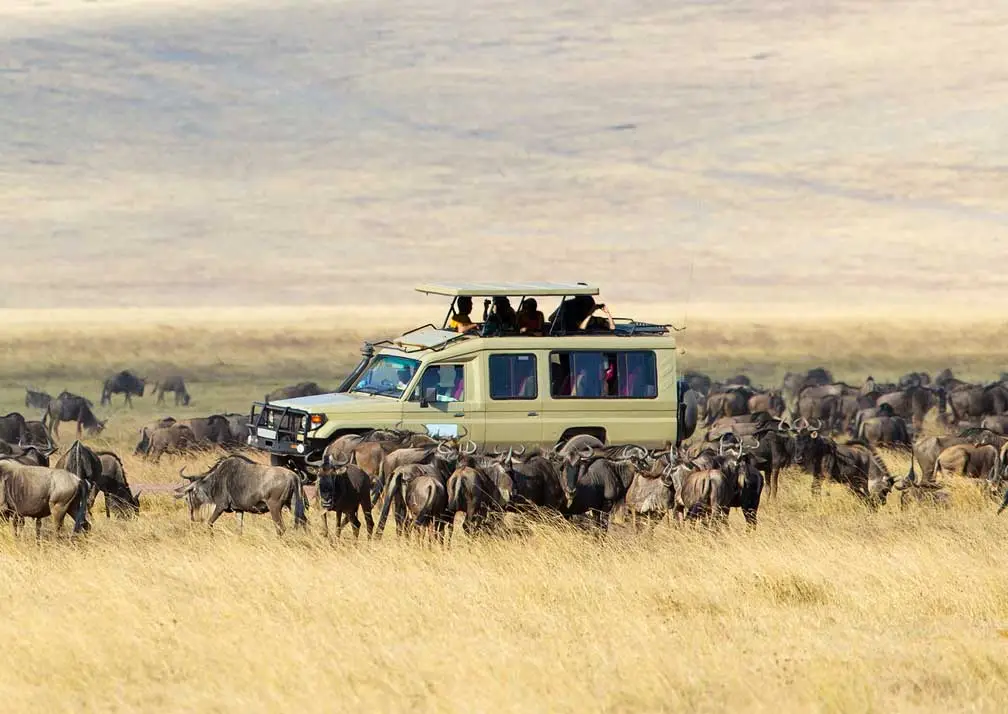
Great Migration Safaris
Experience one of nature's greatest spectacles with our Great Migration safari packages, timed for river crossings or calving.
View Package →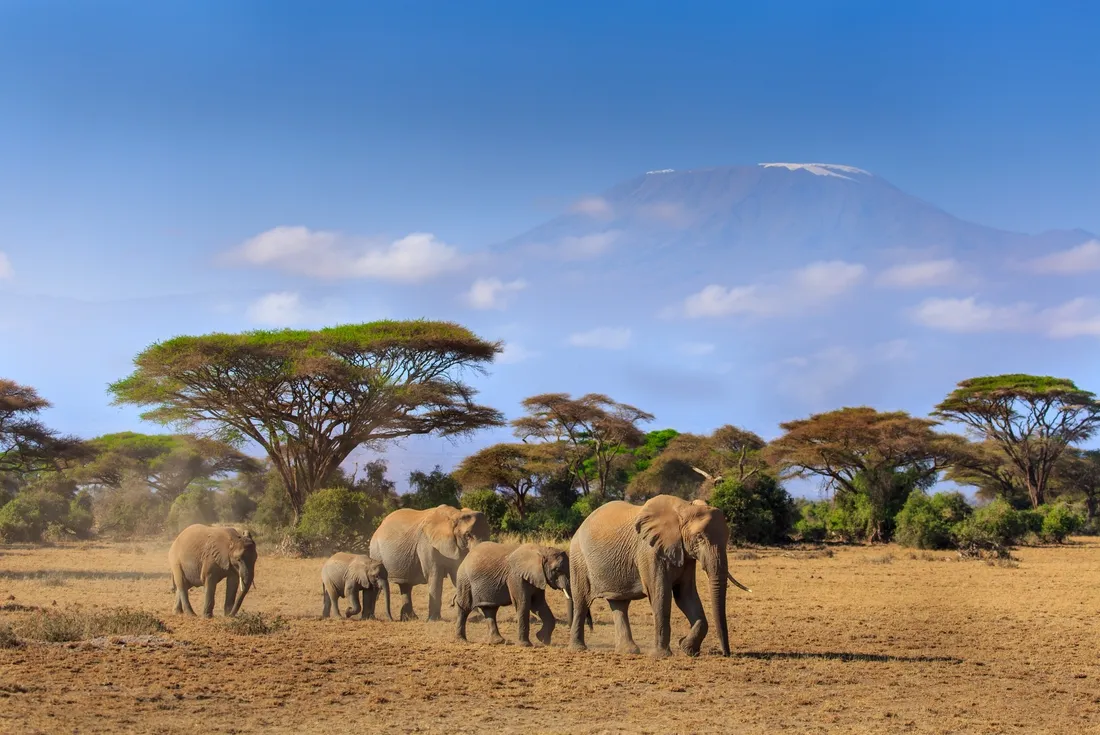
Serengeti & Kilimanjaro Trek
Combined safari and trekking tours offer wildlife adventures and Kilimanjaro climbs.
View Package →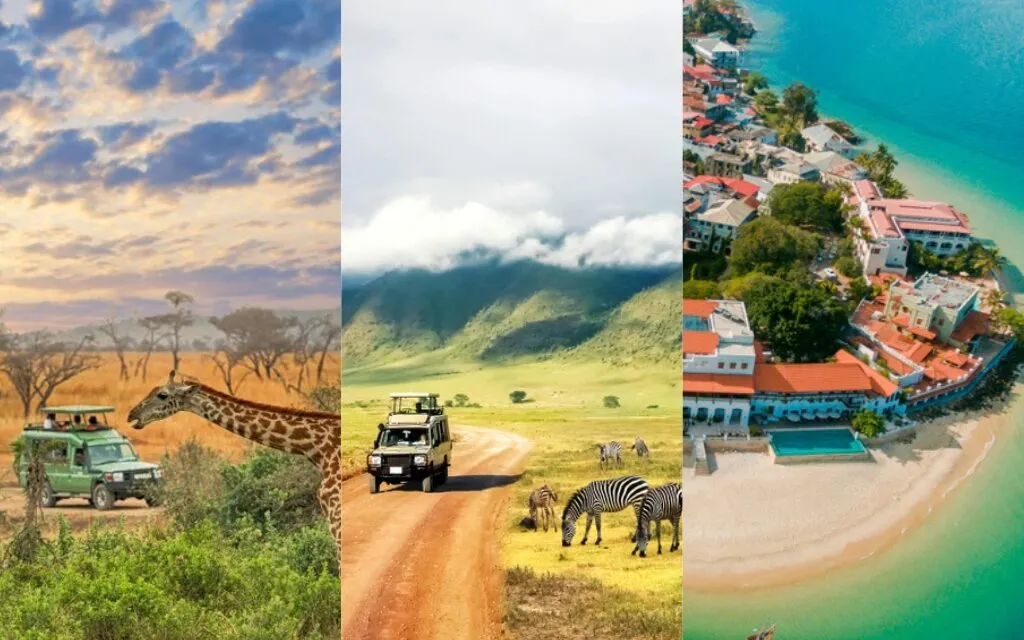
Serengeti & Zanzibar Tours
Luxury Tanzania safari & beach packages with the Great Migration and pristine beaches.
View Package →Related: Best Time to Visit Tanzania 2026 – Perfect safari extension after your Ecuador adventure.