Most Complete Egypt Travel Guide 2026-2027 – Everything You Need to Know Before Visiting
This Egypt travel guide provides everything you need to plan your journey to one of the world’s oldest and most fascinating civilizations. Egypt offers an extraordinary blend of ancient wonders, Nile River landscapes, and vibrant Red Sea reefs that create one of the continent's most diverse travel experiences. Many travelers who want to travel to Egypt are mesmerized by the country's incredible historical depth and cultural heritage spanning over 5,000 years of Pharaonic, Greco-Roman, Christian, and Islamic legacies. The nation covers over 1 million square kilometers, offering visitors everything from iconic Pyramids to pristine coral reefs and bustling modern cities.
Start Reading the Full Guide ↓Quick Facts About Egypt
- Capital: Cairo.
- Currency: Egyptian Pound (EGP).
- Time Zone: Eastern European Time (EET, UTC+2).
- International Calling Code: +20.
- Driving Side: Right.
- Major Airports: Cairo International (CAI), Hurghada (HRG), Sharm El Sheikh (SSH), Luxor (LXR).
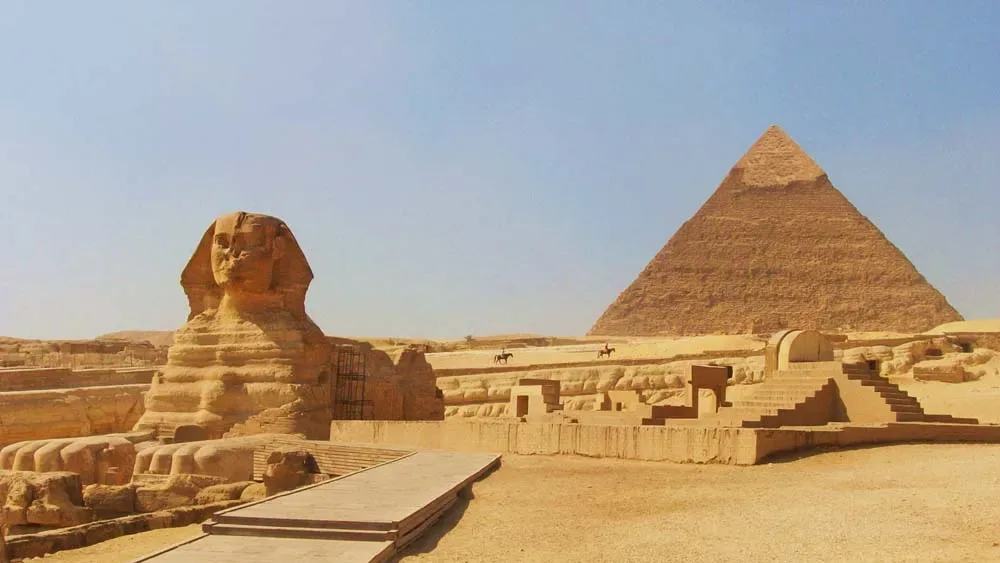
Egypt Overview & Key Facts
Brief History of Egypt
Egypt's history spans over 5,000 years, from the unification of Upper and Lower Egypt around 3100 BCE through Pharaonic, Ptolemaic, Roman, Byzantine, Arab, Ottoman, and modern periods. The Pyramids of Giza, built around 2580–2560 BCE, remain one of the Seven Wonders of the Ancient World. The Arab conquest in 639–642 CE brought Islam and Arabic culture, while Ottoman and later European influence shaped the modern state. This rich historical tapestry creates a fascinating backdrop for modern travelers exploring the country's archaeological treasures and cultural sites.
Independence & National Identity
- Independence date: February 28, 1922 (from Britain).
- Former colonial power: Britain (de facto after 1882).
- National symbols & identity.
Egypt gained full independence after the 1952 revolution that ended the monarchy and established the modern republic. The country's national identity centers on Arab and Islamic values while celebrating its ancient Pharaonic heritage. The national flag features red, white, and black stripes with the Eagle of Saladin, symbolizing Arab unity and the struggle for independence.
Government System & Current Leadership
- Type of government: Presidential Republic
- Current president: Abdel Fattah el-Sisi
- Notes on political stability
Egypt operates as a presidential republic with a strong executive branch. President Abdel Fattah el-Sisi has served since 2014 and was re-elected in 2023. The country has experienced periods of political transition, but tourism infrastructure remains well-protected and stable.
Population, Ethnic Groups & Languages
- Population: 113 million (2025 projection).
- Major ethnic groups: Egyptians (98%), Nubians, Berbers.
- Official language(s): Arabic.
- Additional languages commonly spoken.
English is widely spoken in tourist areas, hotels, and among younger generations. French and German are also common in the tourism sector. In Upper Egypt and Nubian villages, local dialects and Nubian languages persist.
Main Religions & Cultural Identity
Islam is the state religion, with approximately 90% Sunni Muslim population and 10% Coptic Christian. Small Jewish and other communities exist. Islamic and Christian values influence daily life, social customs, and cultural practices. Visitors should respect religious observances, particularly during Ramadan, and dress modestly when visiting mosques or churches.
Geography & Natural Landscape
Egypt features the Nile River Valley and Delta, vast Western and Eastern Deserts, the Sinai Peninsula, and extensive Mediterranean and Red Sea coastlines. The Nile provides the only fertile land in an otherwise arid country, while the Red Sea coast offers world-class coral reefs and diving opportunities.
Economy & Tourism Highlights
Egypt's economy relies heavily on tourism, Suez Canal revenues, remittances, and natural gas. Tourism has rebounded strongly post-pandemic with record visitor numbers in 2024–2025. The government continues major infrastructure projects including the New Administrative Capital and expanded museum facilities.
What Egypt Is Known For
- UNESCO World Heritage sites including Pyramids of Giza, Ancient Thebes, Abu Simbel, Islamic Cairo
- World-class diving and coral reefs in the Red Sea
- Nile River cruises and ancient temple complexes
Visa & Entry Requirements in Egypt
Most international visitors can obtain a visa on arrival or apply for an e-Visa online, making Egypt one of the easiest countries in the region to enter. The visa on arrival costs $25 USD and is valid for 30 days.
Do You Need a Visa?
Citizens of 74 countries can get visa on arrival at any Egyptian airport or seaport. Others can apply for e-Visa online or at Egyptian embassies. Sinai-only resort stamp (free) is available for Red Sea destinations if staying within South Sinai only.
Visa Application Options in Egypt
- Visa on arrival (most common)
- e-Visa online (recommended)
- Embassy application
The e-Visa system is fast and reliable, with approval usually within 3–7 days.
Passport Validity & Entry Documents
Passport must be valid for at least 6 months from arrival date with 2 blank pages. Return/onward ticket may be requested.
Customs Rules & Prohibited Items
Drones require special permits. Antiquities export strictly prohibited. Alcohol allowance: 1 liter spirits + 2 liters wine or 48 beers. Currency declaration required over $10,000 equivalent.
Safety & Security Information in Egypt
Tourist areas are among the safest in the region with heavy police presence and tourism protection units. North Sinai and remote desert borders should be avoided.
Is Egypt Safe for Tourists?
Yes – Cairo, Giza, Luxor, Aswan, Red Sea resorts, and Alexandria are very safe with dedicated tourist police. Millions visit annually without incident.
Recommended Safety Tips when in Egypt
Use registered taxis or Uber/Careem, avoid unofficial guides, follow local dress codes, stay hydrated, and use reputable tour operators for Nile cruises and desert trips.
Safe Areas vs. Areas to Avoid in Egypt
All main tourist areas are safe. Avoid North Sinai (except Sharm El Sheikh resort area) and remote Western Desert border areas.
Emergency Numbers & Tourist Police in Egypt
- Police: 122
- Tourist Police: 126
- Ambulance: 123
- Fire: 180
Health Requirements & Vaccinations in Egypt
No mandatory vaccinations except yellow fever certificate if arriving from endemic countries.
Mandatory Vaccinations in Egypt
Yellow fever certificate required only from affected countries.
Recommended Vaccinations in Egypt
Hepatitis A, Typhoid, routine vaccines. Rabies pre-exposure if planning extended rural travel.
Malaria & Other Risks
No malaria in tourist areas. Main risks: heat exhaustion, traveler’s diarrhea, and occasional schistosomiasis (avoid freshwater swimming except controlled pools).
Travel Insurance Recommendations in Egypt
Strongly recommended covering medical evacuation, trip cancellation, and adventure activities (diving, quad biking).
Best Time to Visit in Egypt
October to April offers the most comfortable temperatures (20–28°C). Shoulder months (Oct/Nov & Mar/Apr) provide the best combination of weather and fewer crowds.
Weather by Season
Winter (Dec–Feb): 18–23°C, perfect for temple visits. Summer (Jun–Aug): 35–45°C in Luxor/Aswan, still pleasant at Red Sea (30–35°C with sea breeze).
When to Visit Egypt for Best Experiences
- Temple visits: October–April
- Diving: Year-round (best visibility April–November)
- Nile cruises: October–April
- Budget travel: May–September
Weather & Climate Overview in Egypt
Hot desert climate with very low rainfall. Coastal areas have Mediterranean influence with higher humidity.
Temperature Ranges
Cairo: 18–35°C year-round. Luxor/Aswan: 22–42°C. Red Sea coast: 23–35°C with cooling sea breezes.
Rainy & Dry Seasons in Egypt
Almost no rain except occasional winter showers in Alexandria/Cairo (Dec–Mar).
What to Wear Based on the Weather
Light cotton clothing, sun hat, sunglasses, comfortable walking sandals/shoes. Long sleeves/pants and scarf for temple visits and sun protection.
Main Currency, Costs & Budgeting in Egypt
Egyptian Pound (EGP). Excellent value destination with low costs once arrived.
Local Currency Information
Banknotes: 5, 10, 20, 50, 100, 200 EGP. ATMs widespread. Cards accepted in hotels and larger establishments.
Average Travel Costs in Egypt
Budget: $60–100/day; Mid-range: $120–200/day; Luxury Nile cruise + Red Sea: $250–450/day.
Using ATMs, Cards & Mobile Money in Egypt
ATMs everywhere. Vodafone Cash and mobile wallets increasingly accepted.
Tipping Guidelines in Egypt
“Baksheesh” culture: 10–20 EGP for small services, 10% in restaurants, $5–10/day for guides/drivers.
Transportation & Getting Around in Egypt
Excellent tourist transport network with domestic flights, trains, private drivers, and Nile cruises.
Airport Transfers
Uber/Careem available in Cairo. Private transfers recommended for Luxor/Aswan.
Local Transport Options in Egypt
Uber/Careem, metro in Cairo, micro-buses, felucca sailing, horse carriages in Luxor.
Egypt Domestic Flights
EgyptAir and low-cost carriers connect Cairo with Luxor, Aswan, Hurghada, Sharm multiple times daily.
Car Rentals & Road Conditions in Egypt
Not recommended for foreigners. Private driver with car much safer and common.
Accommodation Options available in Egypt
Everything from budget hostels to 5-star international chains and luxury Nile cruise ships.
Types of Accommodations in Egypt
Hotels, Nile cruise ships, Red Sea resorts, eco-lodges, boutique riads in Cairo.
Budget vs. Mid-Range vs. Luxury
Budget $20–50, Mid-range $60–150, Luxury $200–800+ per night.
Best Areas to Stay in Egypt
Giza (Pyramids view), Zamalek/Garden City (Cairo), West Bank (Luxor), Corniche (Aswan), resort strips (Hurghada/Sharm).
Essential Packing Guide when Visiting Egypt
Light clothing, sun protection, modest attire for temples, reef-safe sunscreen, universal adapter (Type C/F).
Language & Communication in Egypt
Arabic official, English widely spoken in tourism. Useful phrases: “Salaam alaikum” (peace be upon you), “Shukran” (thank you).
SIM Cards & Mobile Data used in Egypt
Vodafone, Orange, Etisalat, WE – available at airport on arrival.
Culture & Etiquette in Egypt
Conservative dress, remove shoes in mosques, use right hand for eating/greetings, generous hospitality culture.
Food, Water & Dining in Egypt
Koshari, ful medames, molokhia, fresh seafood on coast. Bottled water essential.
Top Attractions & Things to Do in Egypt
Pyramids of Giza, Sphinx, Egyptian Museum/Grand Egyptian Museum, Valley of the Kings, Karnak & Luxor Temples, Abu Simbel, Nile cruises, Red Sea diving/snorkeling, Islamic Cairo, Coptic Cairo.
Egyptian Electrical System Information
220–240V, 50Hz, European Type C/F plugs.
Local Laws & Regulations of Egypt
No photography of military/police, drone permits required, respect Ramadan fasting hours.
Final Travel Tips for Visitors in Egypt
Book Nile cruises and Abu Simbel in advance, use licensed guides, carry small change for baksheesh, drink bottled water, apply sunscreen constantly.
Frequently Asked Questions – Egypt Travel Guide 2026-2027
Our Tanzania Tours Products
While Egypt offers incredible ancient wonders, Nile cruises and Red Sea diving, many travelers combine North Africa with the ultimate wildlife experience in East Africa. Capable Africa Tours specializes in secure, guided safaris that maximize safety and wonder. Our expert local guides, armed rangers in parks, and vetted accommodations ensure peace of mind. From family-friendly lodges to luxury camps, we handle logistics so you focus on the magic. Tanzania ranks high for tourist safety with dedicated wildlife protection units and stable northern circuits.
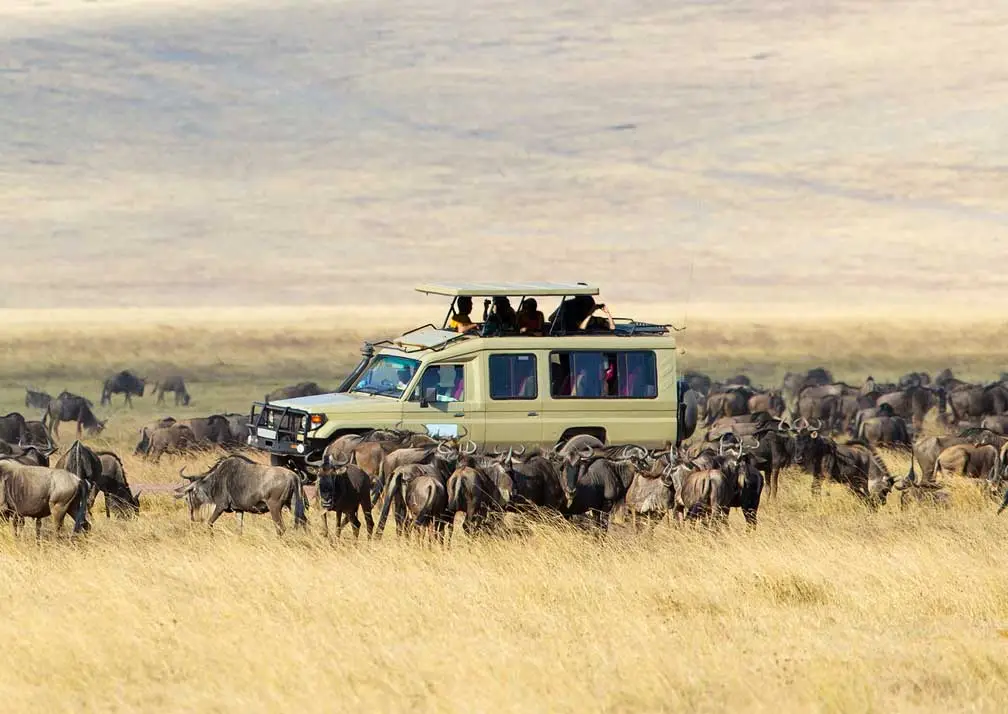
Great Migration Safaris
Experience one of nature's greatest spectacles with our Great Migration safari packages, timed for river crossings or calving.
View Package →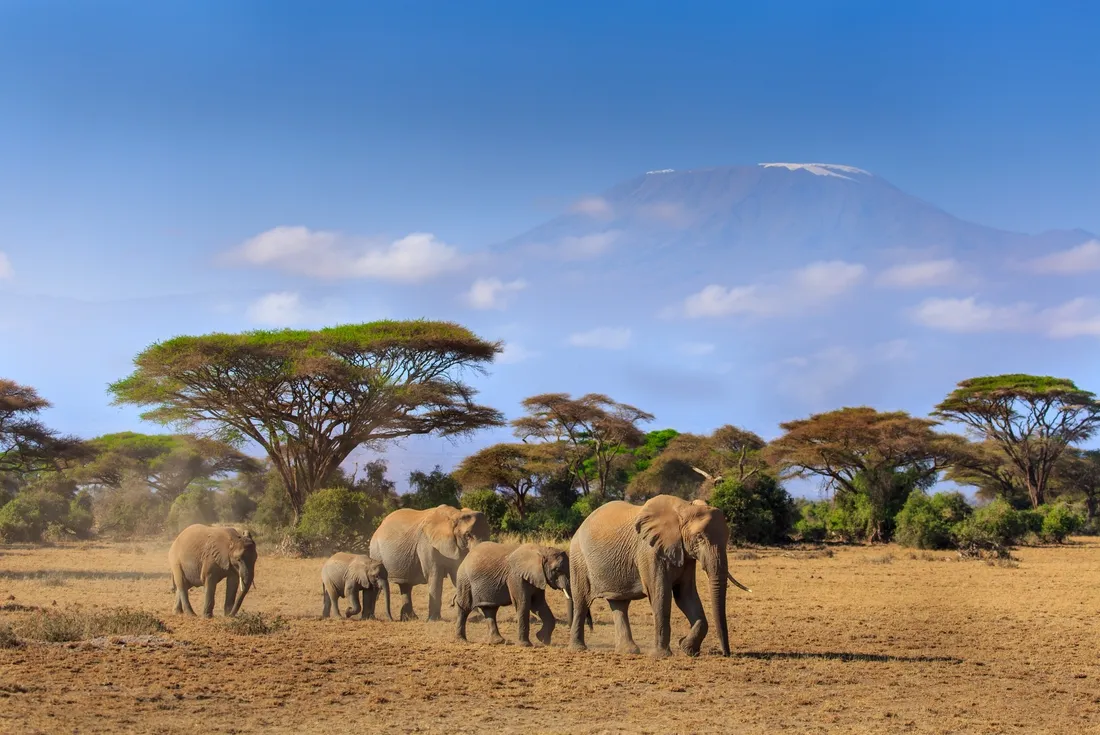
Serengeti & Kilimanjaro Trek
Combined safari and trekking tours offer wildlife adventures and Kilimanjaro climbs.
View Package →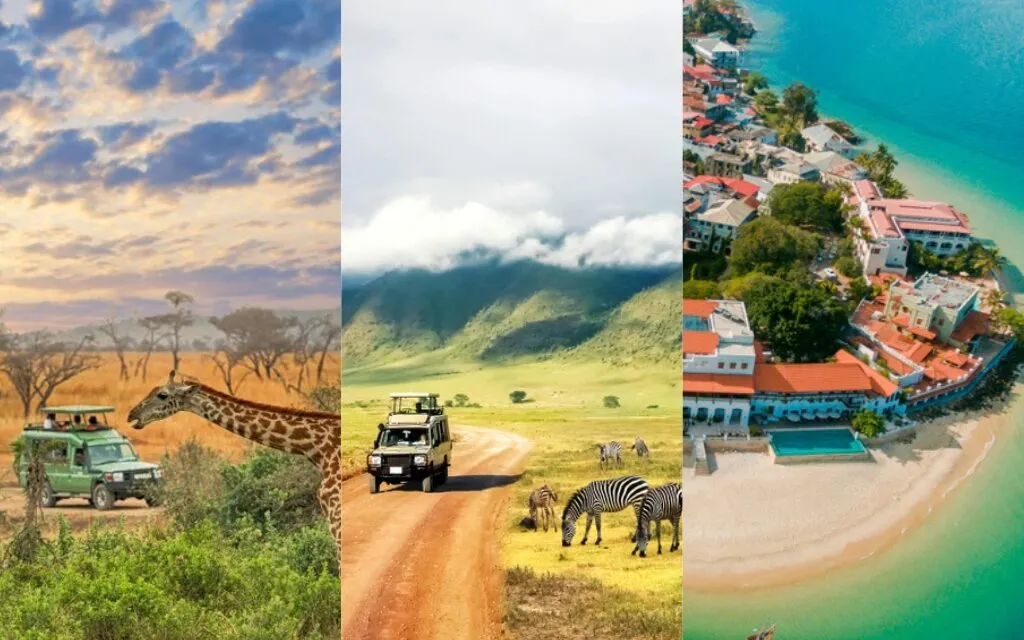
Serengeti & Zanzibar Tours
Luxury Tanzania safari & beach packages with the Great Migration and pristine beaches.
View Package →Related: Best Time to Visit Tanzania 2026 – Perfect safari extension after your Egypt adventure.