
Most Complete El Salvador Travel Guide 2026-2027 – Everything You Need to Know Before Visiting
This El Salvador travel guide provides everything you need to plan your journey to Central America's smallest and most transformed country. El Salvador offers an extraordinary blend of volcanic landscapes, world-class surf beaches, Mayan archaeological sites and charming colonial towns that create one of the continent's most diverse travel experiences. Many travelers who want to travel to El Salvador are surprised by the country's incredible transformation since 2019 and its welcoming culture, making it one of the fastest-growing tourism destinations in the Americas.
Start Reading the Full Guide ↓Quick Facts About El Salvador
- Capital: San Salvador.
- Currency: US Dollar (USD) + Bitcoin (legal tender).
- Time Zone: Central Standard Time (CST, UTC-6).
- International Calling Code: +503.
- Driving Side: Right.
- Major Airport: El Salvador International Airport (SAL) – one of the most modern in Latin America.
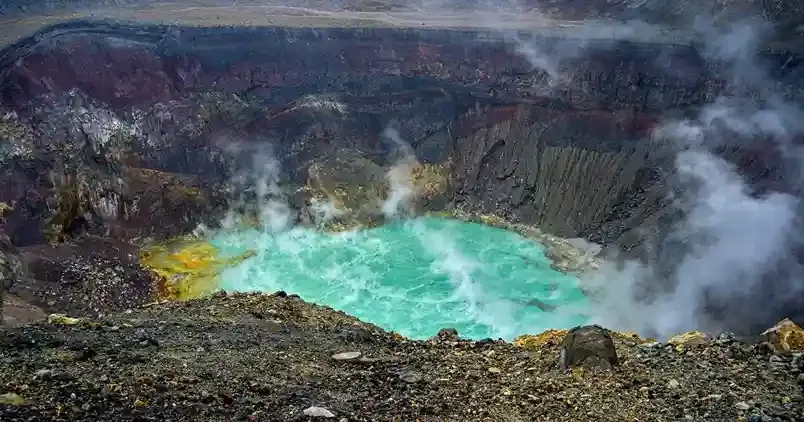
El Salvador Overview & Key Facts
Brief History of El Salvador
El Salvador's history spans millennia, from sophisticated Mayan cities through Spanish colonization to independence and a difficult civil war period (1980-1992). The country is home to important archaeological sites like Joya de Cerén (the “Pompeii of the Americas”) and Tazumal. After years of challenges, the country has experienced a remarkable turnaround since 2019, becoming one of the safest and most visitor-friendly nations in Latin America.
Independence & National Identity
- Independence date: September 15, 1821 (from Spain).
- Former colonial power: Spain.
- National symbols & identity.
The national flag features blue and white stripes with the coat of arms, symbolizing unity and peace. Pupusas – thick corn tortillas stuffed with cheese, beans or pork – are the national dish and a source of huge cultural pride.
Government System & Current Leadership
- Type of government: Presidential Republic
- Current president: Nayib Bukele (since 2019, re-elected 2024)
- Notes on political stability
President Nayib Bukele enjoys extremely high approval ratings due to dramatic security improvements. The country is politically stable and tourism-friendly.
Population, Ethnic Groups & Languages
- Population: 6.5 million (2025 estimate).
- Major ethnic groups: Mestizo (86.3%), White (12.7%), Indigenous (0.2%).
- Official language(s): Spanish.
- Additional languages commonly spoken.
English is widely spoken in tourist areas, hotels, restaurants and among younger generations.
Main Religions & Cultural Identity
Roman Catholicism (47%) and Evangelical Protestantism (33%) dominate, with growing numbers of non-religious citizens. Religious festivals and traditions remain important, especially Semana Santa (Holy Week).
Geography & Natural Landscape
Known as the “Land of Volcanoes,” El Salvador has over 20 volcanoes, dozens of crater lakes, Pacific surf beaches and cloud forest highlands – all packed into the smallest country in Central America (just 21,041 km²).
Economy & Tourism Highlights
Tourism has exploded since 2022 with the “Surf City” project, new highways, and dramatically improved safety. Bitcoin became legal tender in 2021 (though USD remains dominant for tourists).
What El Salvador Is Known For
- World-class surfing (El Tunco, El Zonte, Las Flores)
- Volcano hiking (Santa Ana / Ilamatepec, Izalco)
- Mayan archaeological sites (Joya de Cerén UNESCO, Tazumal)
- Pupusas and vibrant coffee culture
Visa & Entry Requirements in El Salvador
El Salvador has one of the most visitor-friendly entry policies in the Americas. Most tourists enjoy visa-free entry for up to 180 days under the CA-4 agreement (El Salvador, Guatemala, Honduras, Nicaragua).
Do You Need a Visa?
No for citizens of the US, Canada, EU, UK, Australia, New Zealand, Japan, South Korea and most Latin American countries. Passport must have 6 months validity.
Visa Application Options in El Salvador
- Visa-free entry on arrival (most nationalities)
- Visa on arrival or e-Visa for some restricted nationalities
- Extension possible up to 180 days total in CA-4 zone
Passport Validity & Entry Documents
Passport valid for 6 months + proof of onward travel (often not checked). No entry fee or tourist card required.
Customs Rules & Prohibited Items
Standard international rules. Up to $10,000 USD cash must be declared. Drones require prior permission.
Safety & Security Information in El Salvador
El Salvador was once considered dangerous but has undergone one of the most dramatic safety turnarounds in the world since the 2022 state of emergency. Tourist areas are now extremely safe.
Is El Salvador Safe for Tourists?
Yes – tourist zones (El Tunco, Santa Ana, Suchitoto, Ruta de las Flores, Surf City) have heavy police presence and almost zero violent incidents against visitors.
Recommended Safety Tips when in El Salvador
Use Uber or inDrive (very safe), avoid flashing valuables, don’t walk alone late at night in San Salvador downtown (though even this is much safer now).
Safe Areas vs. Areas to Avoid in El Salvador
Safe: Entire Pacific coast, Santa Ana, Suchitoto, Ruta de las Flores, La Libertad. Exercise normal caution in parts of San Salvador after dark.
Emergency Numbers & Tourist Police in El Salvador
- Police/Emergency: 911
- Tourist Police (POLITUR): 2510-2500
Health Requirements & Vaccinations in El Salvador
No mandatory vaccinations except Yellow Fever if arriving from endemic countries.
Mandatory Vaccinations in El Salvador
None for most travelers.
Recommended Vaccinations in El Salvador
Hepatitis A, Typhoid, routine vaccines.
Malaria & Other Risks
No malaria risk in tourist areas. Dengue exists – use repellent.
Travel Insurance Recommendations in El Salvador
Highly recommended – excellent private hospitals but expensive without insurance.
Best Time to Visit in El Salvador
Dry season (November–April) is peak season with perfect weather. Green season (May–October) has fewer crowds and lower prices.
Weather by Season
Dry season: 25–32°C, almost no rain. Rainy season: warm with afternoon showers, lush landscapes.
When to Visit El Salvador for Best Experiences
- Surfing: year-round (best swells May–October)
- Volcano hiking: November–April
- Fewer crowds & lower prices: May–October
Weather & Climate Overview in El Salvador
Tropical climate with two distinct seasons and significant variation by altitude (cool highlands, hot coast).
Temperature Ranges
Coast: 25–33°C year-round. Highlands (1,000m+): 18–25°C.
Rainy & Dry Seasons in El Salvador
Dry: November–April. Rainy: May–October (daily afternoon showers).
What to Wear Based on the Weather
Light summer clothing, flip-flops, rash guards, light rain jacket for highlands/evenings.
Main Currency, Costs & Budgeting in El Salvador
US Dollar is the official currency – easiest country in Latin America for Americans (no exchange needed).
Local Currency Information
USD only. ATMs dispense dollars.
Average Travel Costs in El Salvador
Budget $45–80/day, mid-range $90–160/day, luxury $200+/day.
Using ATMs, Cards & Mobile Money in El Salvador
Cards widely accepted in tourist areas. Bitcoin accepted in El Tunco/El Zonte but rarely needed.
Tipping Guidelines in El Salvador
10–15% in restaurants (often included), $1–2 for hotel staff/guides.
Transportation & Getting Around in El Salvador
Excellent new highways, modern buses and safe ride-hailing apps.
Airport Transfers
Uber, inDrive or official taxis from SAL airport (40 min to San Salvador).
Local Transport Options in El Salvador
Uber/inDrive (safest), modern chicken buses, tourist shuttles, luxury minibuses.
El Salvador Domestic Flights
Limited – not needed (country is small).
Car Rentals & Road Conditions in El Salvador
Good option – excellent highways, but driving style is aggressive.
Accommodation Options available in El Salvador
From $15 hostel dorms to $400+ luxury beach resorts.
Types of Accommodations in El Salvador
Surf hostels, boutique hotels, eco-lodges, luxury resorts.
Budget vs. Mid-Range vs. Luxury
Budget $15–40, mid-range $60–150, luxury $200–500+.
Best Areas to Stay in El Salvador
El Tunco (surf), El Zonte (Bitcoin Beach), Suchitoto (culture), Santa Ana (volcano base), San Salvador (business/shopping).
Essential Packing Guide when Visiting El Salvador
Light clothing, reef-safe sunscreen, bug spray, power bank, quick-dry towel.
Clothing Essentials
Swimwear, flip-flops, light layers for highlands.
Footwear & Gear
Water shoes, hiking shoes for volcanoes, rash guard.
Electronics & Cameras
US plugs (no adapter needed for Americans), waterproof phone case.
Toiletries & Personal Items
Reef-safe sunscreen, mosquito repellent with DEET.
Language & Communication in El Salvador
Spanish official, English widely spoken in tourist areas.
Main Languages Spoken in El Salvador
Spanish + good English in tourism zones.
Useful Phrases for Tourists
“Gracias”, “Por favor”, “Cuánto cuesta?”, “Una cerveza por favor”.
SIM Cards & Mobile Data used in El Salvador
Tigo, Claro, Movistar – cheap plans at airport.
Internet Availability & Wi-Fi in El Salvador
Excellent 4G/5G coverage, free Wi-Fi almost everywhere.
Culture & Etiquette in El Salvador
Friendly, welcoming culture. Casual dress acceptable in most places.
El Salvador Dress Code Expectations
Beach casual everywhere except churches (cover shoulders/knees).
Social Etiquette & Respectful Behavior of El Salvador
Greet with “Buenos días/tardes”, accept pupusas graciously.
Photography Rules in El Salvador
Generally fine, ask permission for close-ups of people.
Important Cultural Dos & Don’ts in El Salvador
Do try pupusas, don’t call them “fat tortillas” :)
Food, Water & Dining in El Salvador
Pupusas are the star – cheap and delicious everywhere.
El Salvador Local Dishes to Try
Pupusas (revuelta, queso con loroco), yuca con chicharrón, atol de elote.
Dietary Options in El Salvador
Vegetarian pupusas common, vegan options growing.
Drinking Water Safety
Bottled water recommended outside major hotels.
Restaurant Etiquette
Casual, tipping 10% if not included.
Top Attractions & Things to Do in El Salvador
Volcano hikes, world-class surfing, Mayan ruins, coffee tours.
Major Tourist Attractions in El Salvador
- Santa Ana Volcano (Ilamatepec)
- Joya de Cerén (UNESCO)
- Ruta de las Flores
- El Tunco & El Zonte surf beaches
Best Tours & Experiences in El Salvador
Volcano hikes, surf lessons, coffee farm tours, Bitcoin Beach experience.
Family-Friendly Activities to do in El Salvador
Beaches, thermal pools, Imposible National Park, pupusa-making classes.
Unique Cultural or Historical Sites to visit in El Salvador
Joya de Cerén (“Pompeii of Americas”), Tazumal pyramid, Suchitoto colonial town.
El Salvador Electrical System Information
US standard 120V, 60Hz – A/B plugs (same as USA).
Plug Types & Voltage used in El Salvador
Type A/B (US plugs) – no adapter needed for American devices.
Charging Tips
Standard US chargers work everywhere.
Local Laws & Regulations of El Salvador
Standard Latin American laws. No alcohol on beaches in some areas.
Rules Travelers Need to Know when In El Salvador
No drone flights without permit, no public nudity, respect no-smoking areas.
Alcohol, Smoking & Substance Laws of El Salvador
Legal drinking age 18. Cannabis illegal.
Restricted or Protected Areas in El Salvador.
Some national parks require guides.
Final Travel Tips for Visitors in El Salvador
Bring USD cash (small bills), download inDrive/Uber, try pupusas everywhere, don’t miss a volcano hike.
Common Mistakes to Avoid
Judging the country by old reputation, not trying street pupusas, over-packing.
Tips to Save Money when Visiting El Salvador
Eat pupusas ($0.75–$1.50 each), stay in hostels, use chicken buses.
Safety & Comfort Tips
Use ride-hailing apps, stay in tourist zones, enjoy the incredibly friendly locals.
Frequently Asked Questions – El Salvador Travel Guide 2026-2027
Our Tanzania Tours Products
While El Salvador offers incredible volcanoes, surf beaches and Mayan ruins, many travelers combine Central America with the ultimate wildlife experience in East Africa. Capable Africa Tours specializes in secure, guided safaris that maximize safety and wonder. Our expert local guides, armed rangers in parks, and vetted accommodations ensure peace of mind. From family-friendly lodges to luxury camps, we handle logistics so you focus on the magic. Tanzania ranks high for tourist safety with dedicated wildlife protection units and stable northern circuits.
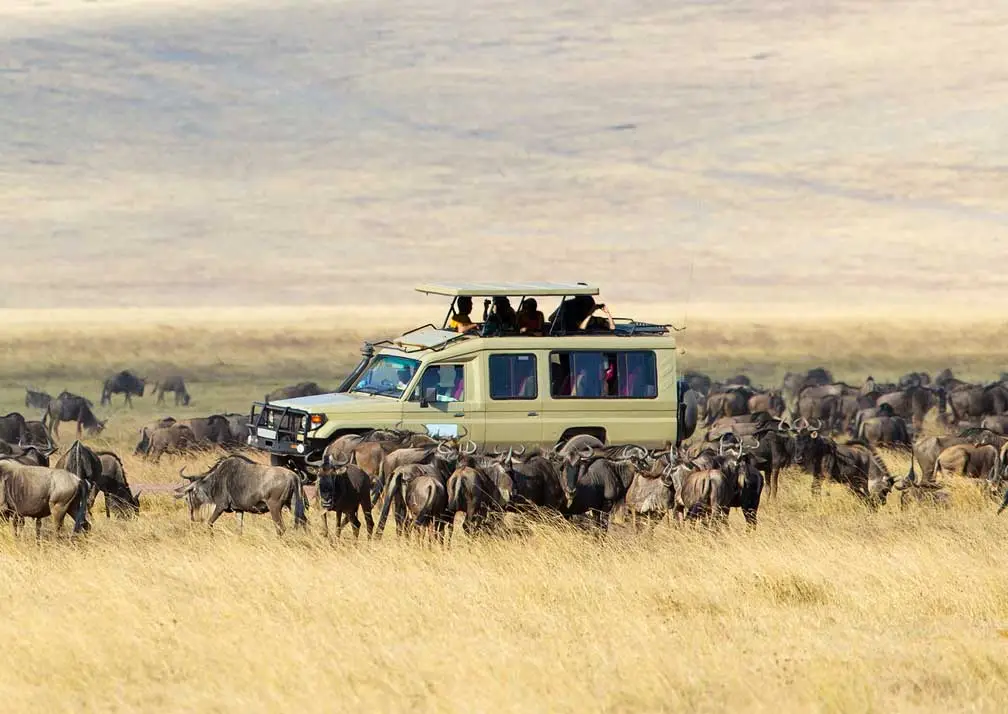
Great Migration Safaris
Experience one of nature's greatest spectacles with our Great Migration safari packages, timed for river crossings or calving.
View Package →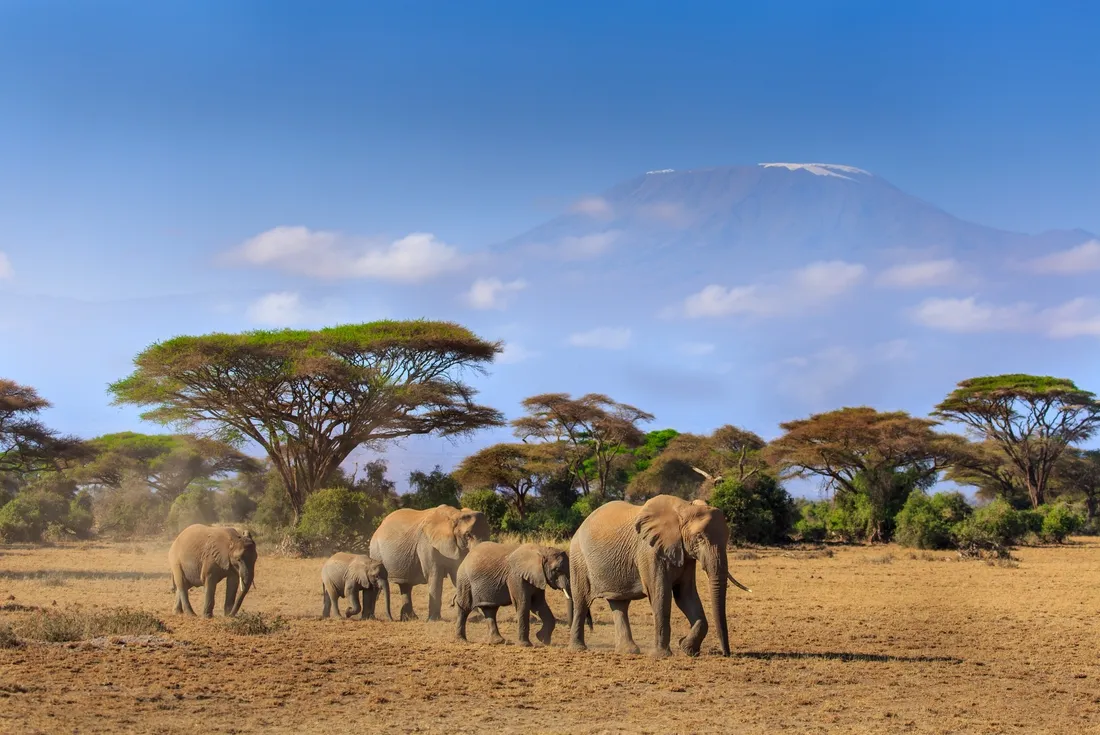
Serengeti & Kilimanjaro Trek
Combined safari and trekking tours offer wildlife adventures and Kilimanjaro climbs.
View Package →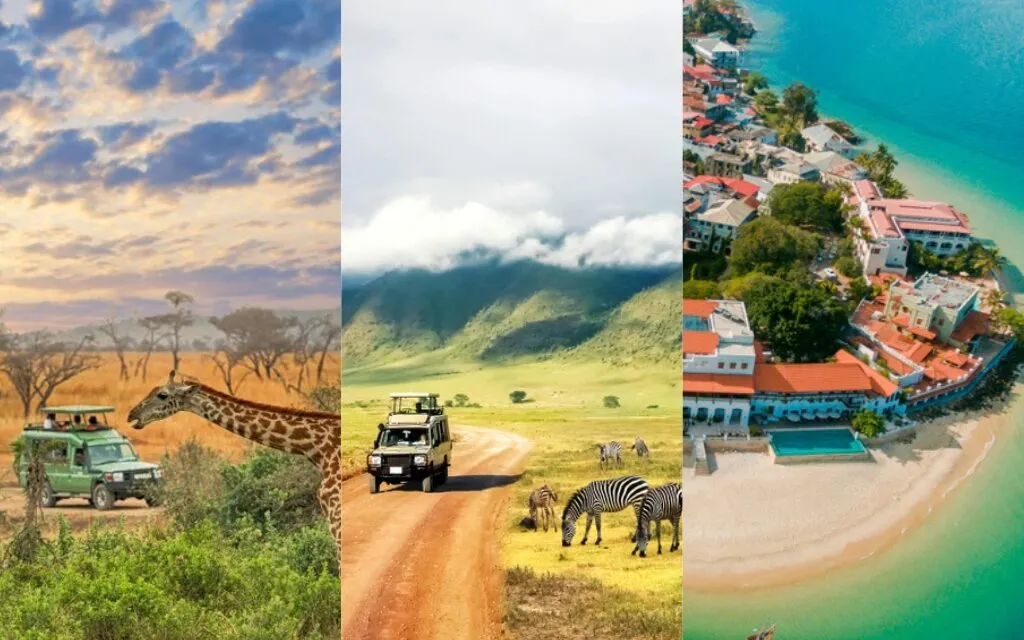
Serengeti & Zanzibar Tours
Luxury Tanzania safari & beach packages with the Great Migration and pristine beaches.
View Package →Related: Best Time to Visit Tanzania 2026 – Perfect safari extension after your El Salvador adventure.