
Most Complete Equatorial Guinea Travel Guide 2026-2027 – Everything You Need to Know Before Visiting
This Equatorial Guinea travel guide provides everything you need to plan your journey to Central Africa’s only Spanish-speaking nation. Equatorial Guinea surprises visitors with dramatic volcanic landscapes, pristine black- and white-sand beaches, dense rainforests teeming with primates, and a fascinating mix of Spanish colonial architecture and African traditions. The country consists of Bioko Island (home to the capital Malabo), the mainland region of Río Muni, and smaller islands including Annobón, offering travelers an off-the-beaten-path experience that remains one of Africa’s least-visited destinations.
Start Reading the Full Guide ↓Quick Facts About Equatorial Guinea
- Capital: Malabo (Bioko Island); new city Oyala under construction.
- Currency: Central African CFA franc (XAF).
- Time Zone: West Africa Time (WAT, UTC+1).
- International Calling Code: +240.
- Driving Side: Right.
- Major Airports: Malabo International Airport (SSG), Bata Airport (BSG).
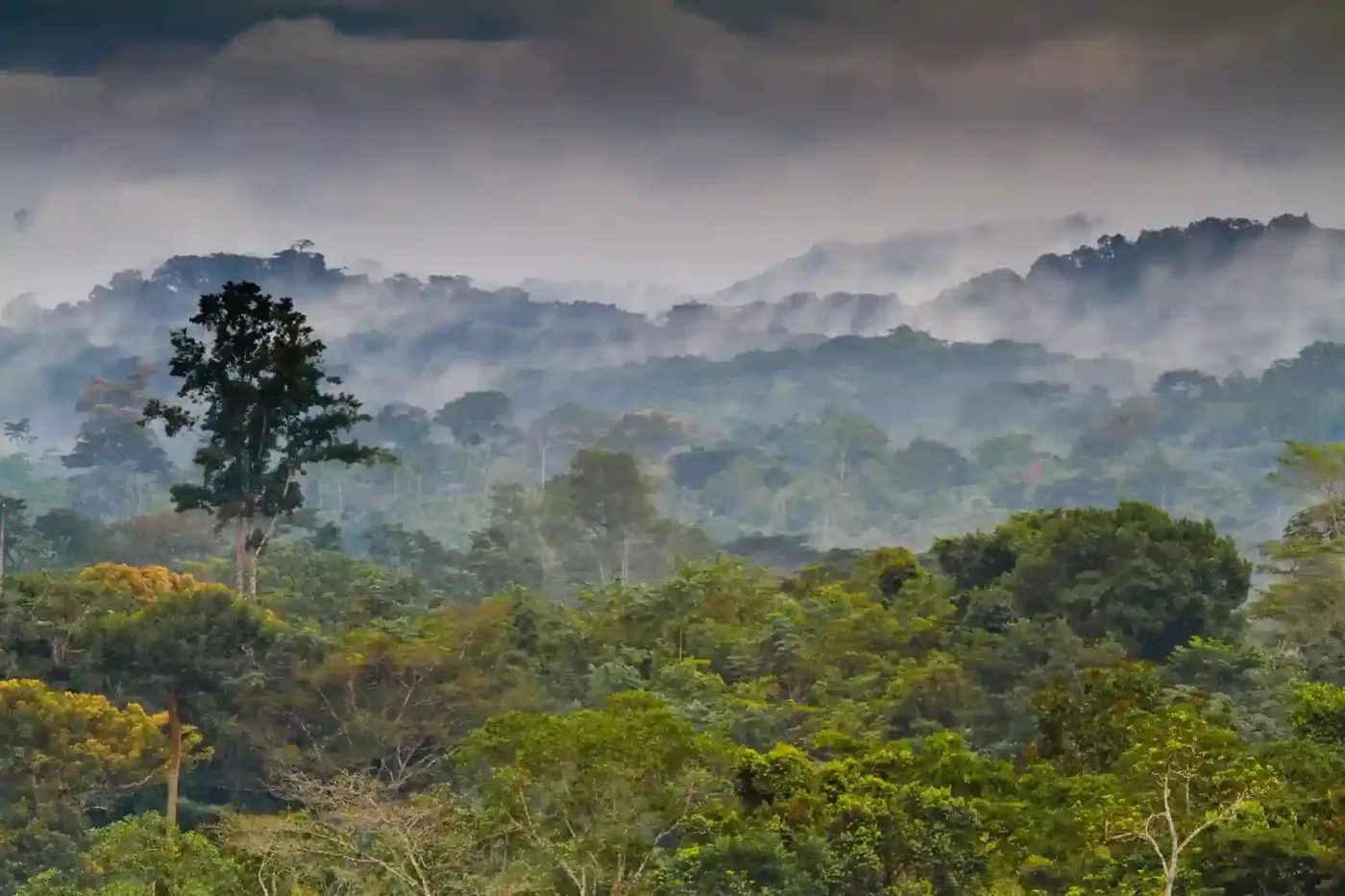
Equatorial Guinea Overview & Key Facts
Brief History of Equatorial Guinea
Equatorial Guinea’s history begins with Bantu migrations followed by Portuguese exploration in 1472. The islands were ceded to Spain in 1778, and the mainland territory (Río Muni) was added in the 19th century. Spanish colonial rule lasted until independence in 1968, making it Africa’s only Spanish-speaking country. Post-independence saw turbulent decades under Francisco Macías Nguema and later his nephew Teodoro Obiang Nguema, who has ruled since 1979. Oil discovery in the 1990s transformed the economy.
Independence & National Identity
- Independence date: October 12, 1968.
- Former colonial power: Spain.
- National symbols & identity.
The flag’s blue triangle represents the sea, green stripe the vegetation, red stripe the struggle for independence, and the silk cotton tree on the coat of arms symbolizes the historic meeting place where independence was declared.
Government System & Current Leadership
- Type of government: Presidential Republic
- Current president: Teodoro Obiang Nguema Mbasogo (since 1979)
President Obiang holds significant executive power. Travelers should avoid political discussions and photography of government buildings or military personnel.
Population, Ethnic Groups & Languages
- Population: ~1.7 million (2025 estimate).
- Major ethnic groups: Fang (85%), Bubi (6.5%), others.
- Official languages: Spanish, French, Portuguese.
Fang is widely spoken on the mainland, Bubi on Bioko Island. Spanish remains dominant in administration and education; French is growing due to CEMAC membership.
Main Religions & Cultural Identity
Christianity (mostly Catholic) ~88%, traditional beliefs ~5%, Islam ~4%. Despite strong Catholic influence, many practice syncretic beliefs combining Christianity with animist traditions.
Geography & Natural Landscape
Bioko Island features volcanic peaks (Pico Basile 3,008 m), black-sand beaches and rainforests. Río Muni is covered by dense equatorial rainforest with coastal plains and rolling hills. The country hosts extraordinary biodiversity including mandrills, forest elephants, leatherback turtles and lowland gorillas.
Economy & Tourism Highlights
Oil and gas dominate the economy, making Equatorial Guinea one of Africa’s wealthiest nations per capita (though wealth distribution is highly unequal). Tourism is emerging slowly with luxury resorts on Bioko, eco-lodges on the mainland, and growing interest in turtle-watching and primate trekking.
What Equatorial Guinea Is Known For
- Africa’s only Spanish-speaking country
- Leatherback turtle nesting beaches (world’s largest colonies)
- Dramatic volcanic landscapes and pristine rainforests
Visa & Entry Requirements in Equatorial Guinea
Almost all visitors require a visa. An e-Visa system launched in 2023–2024 is now operational for most nationalities. Yellow fever vaccination certificate is mandatory.
Do You Need a Visa?
Yes – citizens of all countries except a few CEMAC members require a visa. The online e-Visa is the easiest option.
Visa Application Options in Equatorial Guinea
- e-Visa (recommended – 30 or 90 days)
- Embassy/consulate visa
- Visa on arrival (very limited cases)
Passport Validity & Entry Documents
Passport valid 6 months beyond stay + 2 blank pages. Yellow fever certificate mandatory. Return/onward ticket and proof of accommodation often requested.
Customs Rules & Prohibited Items
Strict controls on currency declaration (over €10,000 or equivalent). Drones require prior authorization. Photography of government buildings prohibited.
Safety & Security Information in Equatorial Guinea
Most visits are trouble-free. Main risks are petty theft and occasional political demonstrations. Avoid photographing police/military.
Is Equatorial Guinea Safe for Tourists?
Yes in tourist areas (Malabo, Bata, Bioko resorts, Ureca, national parks with registered operators). Exercise normal precautions.
Recommended Safety Tips when in Equatorial Guinea
Use hotel safes, avoid displaying wealth, travel with registered guides outside cities, respect photography restrictions.
Safe Areas vs. Areas to Avoid in Equatorial Guinea
Safe: Malabo, Luba, Bata, Moka, Ureca (turtle season), Monte Alén with guides. Caution in remote mainland areas at night.
Emergency Numbers & Tourist Police in Equatorial Guinea
- Police: 114
- Fire: 115
- Medical Emergency: 112
Health Requirements & Vaccinations in Equatorial Guinea
Yellow fever certificate mandatory. Malaria risk year-round.
Mandatory Vaccinations in Equatorial Guinea
Yellow Fever – strictly enforced.
Recommended Vaccinations in Equatorial Guinea
Hepatitis A/B, Typhoid, Rabies, Meningitis, routine vaccines. Malaria prophylaxis essential.
Malaria & Other Risks
High malaria risk – use repellents, sleep under nets, take antimalarials. Dengue and chikungunya present.
Travel Insurance Recommendations in Equatorial Guinea
Comprehensive insurance with medical evacuation coverage essential – quality healthcare limited outside Malabo/Bata.
Best Time to Visit in Equatorial Guinea
Dry season December–February (Bioko) and June–September (mainland). Turtle nesting November–February.
Weather by Season
Equatorial climate – hot and humid year-round (25–32°C). Two dry and two wet seasons vary by region.
When to Visit Equatorial Guinea for Best Experiences
- Turtle watching: November–February
- Primate trekking: June–September
- Beach weather: December–February
Weather & Climate Overview in Equatorial Guinea
Tropical equatorial climate with high humidity. Bioko slightly cooler due to altitude.
Temperature Ranges
24–32°C year-round. Cooler in highlands (Moka, Pico Basile).
Rainy & Dry Seasons in Equatorial Guinea
Bioko: drier December–February & June–September. Mainland: drier June–September & December–February.
What to Wear Based on the Weather
Light breathable clothing, rain jacket, sturdy shoes for rainforest, swimwear, modest attire for cities.
Main Currency, Costs & Budgeting in Equatorial Guinea
One of Africa’s most expensive countries due to oil wealth and limited infrastructure.
Local Currency Information
CFA franc (XAF). Euros widely accepted in Malabo/Bata.
Average Travel Costs in Equatorial Guinea
Budget $120–180/day; mid-range $250–400; luxury $500+.
Using ATMs, Cards & Mobile Money in Equatorial Guinea
ATMs scarce outside Malabo/Bata. Cards accepted only in top hotels. Bring euros cash.
Tipping Guidelines in Equatorial Guinea
10–15% in restaurants/hotels when not included. Small tips appreciated by guides/drivers.
Transportation & Getting Around in Equatorial Guinea
Limited public transport. Most tourists use private transfers or organized tours.
Airport Transfers
Pre-booked hotel transfers recommended at Malabo (SSG) and Bata (BSG).
Local Transport Options in Equatorial Guinea
Taxis in cities (negotiate fares). Shared taxis between towns. Boats/ferries Bioko–mainland (unreliable schedules).
Domestic Flights
Ceiba Intercontinental operates Malabo–Bata and some regional routes.
Car Rentals & Road Conditions in Equatorial Guinea
Self-drive possible but 4WD recommended outside cities. Roads improving but many unpaved.
Accommodation Options available in Equatorial Guinea
Limited options – mostly in Malabo and Bata, plus a few eco-lodges.
Types of Accommodations in Equatorial Guinea
Luxury hotels (Sofitel Malabo), mid-range, basic guesthouses, eco-lodges in national parks.
Budget vs. Mid-Range vs. Luxury
Budget $80–150; mid-range $200–350; luxury $400+ per night.
Best Areas to Stay in Equatorial Guinea
Malabo (city & Sipopo), Luba, Moka (Bioko highlands), Bata, Ureca (turtle season), Evinayong/Mongomo.
Essential Packing Guide when Visiting Equatorial Guinea
Pack for heat, humidity, rain, and modest dress in cities.
Clothing Essentials
Light breathable clothes, rain jacket, modest attire, swimwear, hat, good walking shoes.
Footwear & Gear
Waterproof hiking shoes, flip-flops, binoculars for wildlife.
Electronics & Cameras
Power bank, European plug adapter (220V/50Hz), waterproof camera case.
Toiletries & Personal Items
High-DEET repellent, antimalarials, sunscreen, first-aid kit.
Language & Communication in Equatorial Guinea
Spanish official, French growing, Fang and Bubi dominant locally.
Main Languages Spoken in Equatorial Guinea
Spanish, French, Portuguese (official); Fang, Bubi, Pidgin English widely spoken.
Useful Phrases for Tourists
“Hola” (hello), “Gracias” (thank you), “¿Habla inglés?” (do you speak English?).
SIM Cards & Mobile Data used in Equatorial Guinea
GETESA and Muni networks. SIMs available at airports and shops (passport required).
Internet Availability & Wi-Fi in Equatorial Guinea
Good in Malabo/Bata hotels; slow/expensive elsewhere.
Culture & Etiquette in Equatorial Guinea
Conservative Catholic-influAvoid photography of people without permission.
Equatorial Guinea Dress Code Expectations
Modest dress in cities/villages; beachwear only at resorts.
Social Etiquette & Respectful Behavior of Equatorial Guinea
Greet with handshake, accept hospitality, ask permission before photos.
Photography Rules in Equatorial Guinea
Never photograph military/police/government buildings. Always ask people first.
Important Cultural Dos & Don’ts in Equatorial Guinea
Do: greet properly, remove shoes indoors. Don’t: discuss politics, point with finger.
Food, Water & Dining in Equatorial Guinea
Mix of African and Spanish influences.
Equatorial Guinea Local Dishes to Try
Succotash (peanut & bean stew), grilled fish with plantain, bushmeat (when sustainably sourced), malamba (palm wine).
Dietary Options in Equatorial Guinea
Seafood abundant. Vegetarian options limited outside hotels.
Drinking Water Safety
Bottled water only.
Restaurant Etiquette
10% tip if service not included.
Top Attractions & Things to Do in Equatorial Guinea
Volcanic landscapes, turtle nesting, primate trekking, Spanish colonial architecture.
Major Tourist Attractions in Equatorial Guinea
- Malabo historic centre & cathedral
- Pico Basile & Moka cloud forest
- Ureca turtle beaches
- Monte Alén National Park
Best Tours & Experiences in Equatorial Guinea
Turtle-watching tours (Nov–Feb), gorilla/mandrill trekking, Bioko island hopping, cultural tours in Bata.
Family-Friendly Activities to do in Equatorial Guinea
Beach resorts, Malabo markets, turtle watching (supervised).
Unique Cultural or Historical Sites to visit in Equatorial Guinea
Spanish colonial buildings in Malabo, Bubi villages, Fang traditional houses.
Equatorial Guinea Electrical System Information
220–240V, 50Hz, European plugs (C/F).
Local Laws & Regulations of Equatorial Guinea
No photography of government/military. Drones require permit.
Rules Travelers Need to Know when In Equatorial Guinea
Yellow fever certificate mandatory. Respect photography bans.
Alcohol, Smoking & Substance Laws of Equatorial Guinea
Alcohol legal. All drugs strictly prohibited.
Restricted or Protected Areas in Equatorial Guinea
National parks require permits/guides.
Final Travel Tips for Visitors in Equatorial Guinea
Book everything in advance, bring euros cash, use registered guides, get comprehensive insurance.
Frequently Asked Questions – Equatorial Guinea Travel Guide 2026-2027
Our Tanzania Tours Products
While Equatorial Guinea offers unique volcanic islands and pristine rainforests, many travelers combine Central Africa with the ultimate wildlife experience in East Africa. Capable Africa Tours specializes in secure, guided safaris that maximize safety and wonder. Our expert local guides, armed rangers in parks, and vetted accommodations ensure peace of mind. From family-friendly lodges to luxury camps, we handle logistics so you focus on the magic. Tanzania ranks high for tourist safety with dedicated wildlife protection units and stable northern circuits.
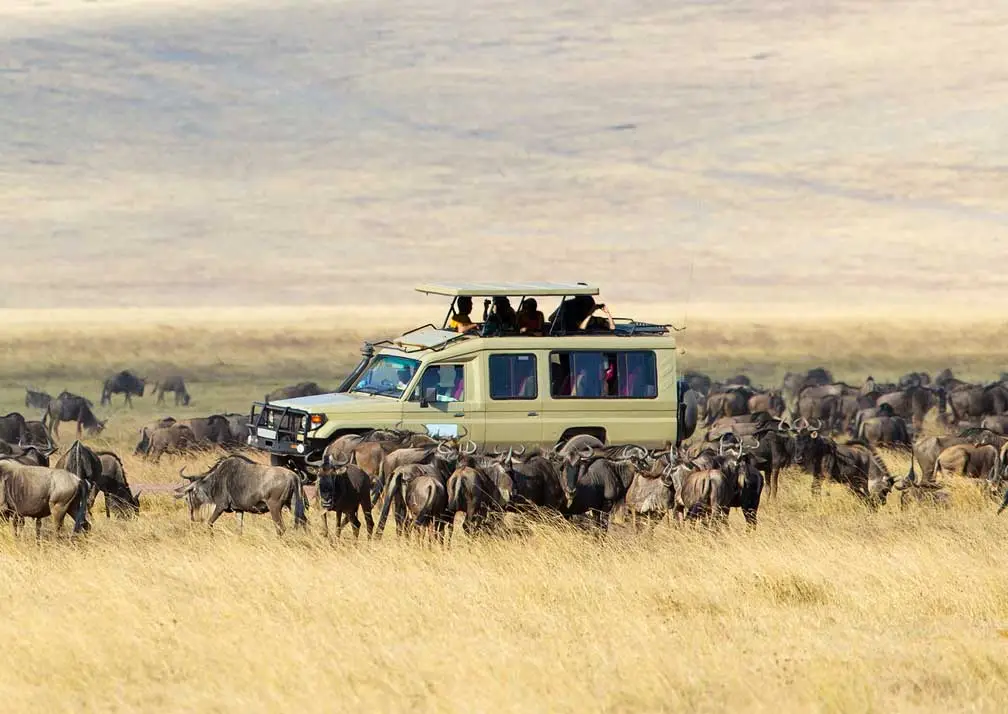
Great Migration Safaris
Experience one of nature's greatest spectacles with our Great Migration safari packages, timed for river crossings or calving.
View Package →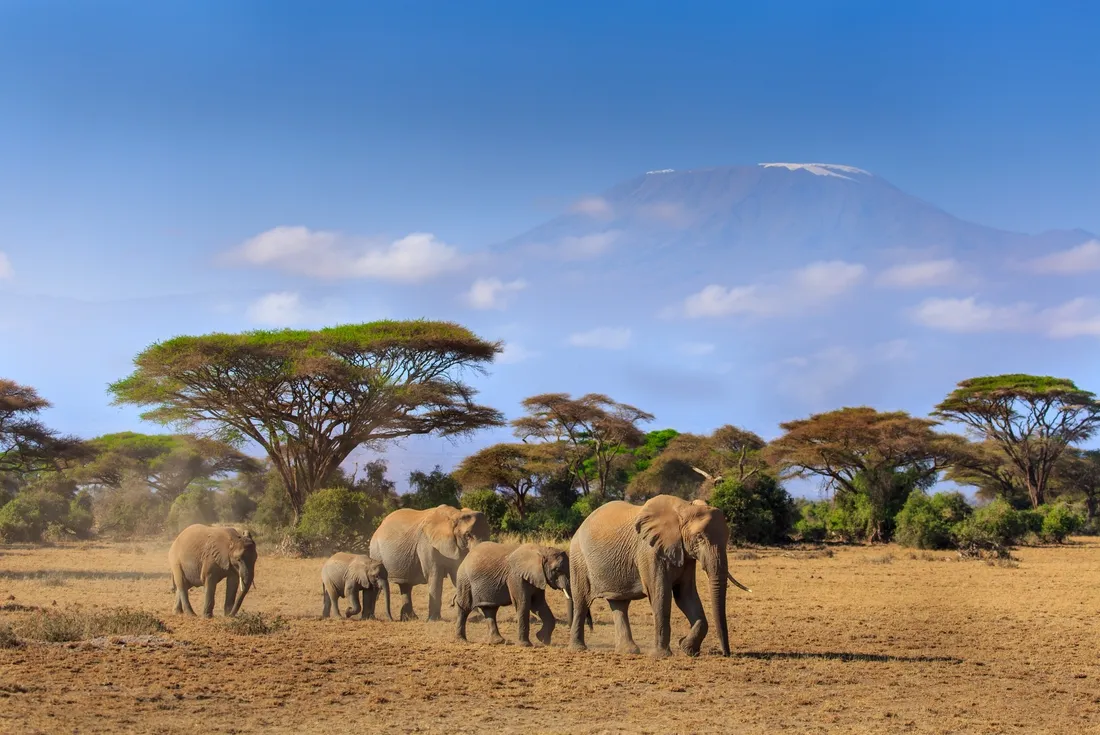
Serengeti & Kilimanjaro Trek
Combined safari and trekking tours offer wildlife adventures and Kilimanjaro climbs.
View Package →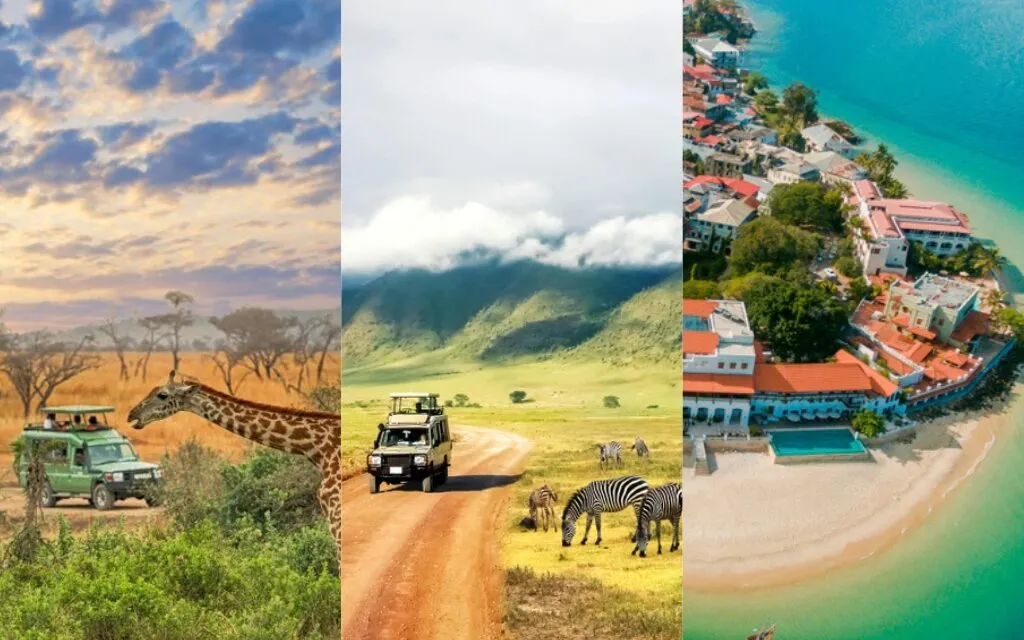
Serengeti & Zanzibar Tours
Luxury Tanzania safari & beach packages with the Great Migration and pristine beaches.
View Package →Related: Best Time to Visit Tanzania 2026 – Perfect safari extension after your Equatorial Guinea adventure.