Most Complete Eritrea Travel Guide 2026-2027 – Everything You Need to Know Before Visiting
This Eritrea travel guide provides everything you need to plan your journey to one of Africa’s most mysterious and fascinating countries. Eritrea offers an extraordinary blend of Italian modernist architecture in Asmara (UNESCO World Heritage), ancient Aksumite ruins, dramatic highlands, and pristine Red Sea coastline with the Dahlak Archipelago. Many travelers who finally make it to Eritrea are stunned by its preserved 20th-century architecture, friendly people, and the feeling of stepping back in time.
Start Reading the Full Guide ↓Quick Facts About Eritrea
- Capital: Asmara.
- Currency: Eritrean Nakfa (ERN).
- Time Zone: East Africa Time (EAT, UTC+3).
- International Calling Code: +291.
- Driving Side: Right.
- Major Airports: Asmara International Airport (ASM), Massawa International Airport (occasional flights).
Eritrea Overview & Key Facts
Brief History of Eritrea
Eritrea’s history stretches from the ancient Kingdom of Aksum through Ottoman and Egyptian rule to Italian colonization (1890–1941), British administration, Ethiopian federation, and finally a 30-year independence war ending in 1993. This complex past has created a unique cultural identity blending African, Arab, and European influences visible especially in Asmara’s extraordinary collection of modernist architecture.
Independence & National Identity
- Independence date: May 24, 1993 (de facto 1991).
- Former colonial power: Italy, then Ethiopia.
- National symbols & identity.
Eritrea gained independence after one of Africa’s longest wars against Ethiopian rule. National service remains mandatory and shapes society. The camel on the flag represents resilience, while the olive wreath symbolizes peace after struggle.
Government System & Current Leadership
- Type of government: One-party presidential republic
- Current president: Isaias Afwerki (since 1993)
- Notes on political stability
President Isaias Afwerki has led since independence. The country operates under a transitional constitution with no national elections held since 1993. Travelers should avoid political discussions.
Population, Ethnic Groups & Languages
- Population: ~3.7 million (2025 estimate).
- Major ethnic groups: Tigrinya (55%), Tigre (30%), others.
- Official languages: No official language (Tigrinya, Arabic, English working languages).
- Additional languages commonly spoken.
Nine recognized ethnic groups each with their own language. Italian still spoken by older generation in Asmara. English widely used in government and tourism.
Main Religions & Cultural Identity
Roughly 50% Christian (mainly Eritrean Orthodox) and 50% Muslim, with remarkable religious harmony. Ancient Jewish and animist traditions also present. Religious festivals are major events.
Geography & Natural Landscape
Eritrea features dramatic highlands (up to 3,000m), a scorching Danakil Depression (one of the hottest places on Earth), and 1,200km of Red Sea coastline including the Dahlak Archipelago with over 200 islands.
Economy & Tourism Highlights
Tourism is slowly opening after decades of isolation. Asmara’s UNESCO-listed modernist architecture, pristine Red Sea diving, and archaeological sites are the main draws. The government tightly controls tourism but is gradually easing restrictions.
What Eritrea Is Known For
- Asmara – UNESCO World Heritage “Modernist City of Africa”
- Perfectly preserved Italian Art Deco and Futurist architecture
- Dahlak Archipelago – untouched coral reefs and pearl history
- Ancient Qohaito and Metera archaeological sites
Visa & Entry Requirements in Eritrea
All foreign nationals require a visa obtained in advance from an Eritrean embassy. No visa-on-arrival or e-visa exists. A sponsor letter (usually from a licensed tour operator) is mandatory.
Do You Need a Visa?
Yes – every foreigner needs a pre-arranged visa. Processing takes 4–8 weeks and requires a detailed itinerary.
Visa Application Options in Eritrea
- Through Eritrean embassies only
- Sponsor letter from licensed local operator required
- No e-visa or visa-on-arrival
Passport Validity & Entry Documents
Passport must be valid 6 months beyond departure. Two blank pages required. Yellow Fever certificate mandatory if arriving from endemic country.
Customs Rules & Prohibited Items
Drones strictly prohibited without prior permission. Professional camera equipment may require permits. Alcohol import limited. All foreign currency must be declared.
Safety & Security Information in Eritrea
Crime rates are extremely low. Main challenges are bureaucratic restrictions, mandatory guides outside Asmara, and occasional border tensions.
Is Eritrea Safe for Tourists?
Yes in permitted areas. Violent crime against tourists is virtually unknown. The biggest “danger” is bureaucracy and photography restrictions near military areas.
Recommended Safety Tips when in Eritrea
Always carry your travel permit. Never photograph military personnel, installations or airports. Respect mandatory guide requirement outside Asmara.
Safe Areas vs. Areas to Avoid in Eritrea
Safe: Asmara, Massawa, Keren, Dahlak Islands, Qohaito. Restricted: border areas with Ethiopia (still some mined zones) and Djibouti.
Emergency Numbers & Tourist Police in Eritrea
- Police: 113
- Fire: 116
- Ambulance: 114
Health Requirements & Vaccinations in Eritrea
No mandatory vaccinations except Yellow Fever if arriving from endemic country. Healthcare facilities limited outside Asmara.
Mandatory Vaccinations in Eritrea
Yellow Fever certificate required if coming from risk country.
Recommended Vaccinations in Eritrea
Hepatitis A, Typhoid, Rabies, routine vaccines. Malaria prophylaxis advised for lowland areas.
Malaria & Other Risks
Malaria present below 2,000m. Dengue possible. Drink only bottled water.
Travel Insurance Recommendations in Eritrea
Mandatory – must cover medical evacuation as facilities are limited.
Best Time to Visit in Eritrea
October–March offers the most comfortable weather across the country.
Weather by Season
Highlands (Asmara): mild year-round 20–25°C. Lowlands (Massawa): extremely hot Apr–Oct (35–45°C). Rainy season July–September in highlands.
When to Visit Eritrea for Best Experiences
- Diving/snorkeling: October–May
- Asmara exploration: year-round
- Festivals: Timket (Jan), Easter, Independence Day (May 24)
Weather & Climate Overview in Eritrea
Three distinct zones: cool highlands, hot coastal strip, and scorching Danakil Depression.
Temperature Ranges
Asmara: 15–25°C year-round. Massawa: 26–42°C. Danakil: regularly exceeds 45°C.
Rainy & Dry Seasons in Eritrea
Main rains July–September (highlands), shorter rains February–March (coast).
What to Wear Based on the Weather
Light layers for Asmara (cool evenings), sun protection and breathable clothing for lowlands.
Main Currency, Costs & Budgeting in Eritrea
Eritrean Nakfa (ERN). USD widely accepted in Asmara hotels.
Average Travel Costs in Eritrea
Tourism is expensive due to mandatory guides and permits: $100–300/day depending on group size.
Using ATMs, Cards & Mobile Money in Eritrea
ATMs exist but unreliable. Bring USD cash (new bills only).
Tipping Guidelines in Eritrea
Tipping not traditional but appreciated for guides/drivers ($10–20/day).
Transportation & Getting Around in Eritrea
Limited public transport. Most travel outside Asmara requires hired vehicle + driver/guide.
Local Transport Options in Eritrea
Shared minibuses in Asmara. Taxis cheap. Outside capital – organized transport only.
Eritrea Domestic Flights
Very limited – Asmara–Massawa occasional flights.
Car Rentals & Road Conditions in Eritrea
Self-drive not permitted for tourists. Must hire vehicle with driver/guide.
Accommodation Options available in Eritrea
Limited but atmospheric – from Soviet-era hotels to boutique Art Deco properties in Asmara.
Types of Accommodations in Eritrea
Government hotels, small private hotels in Asmara, basic lodging in Massawa, tented camps on Dahlak Islands.
Best Areas to Stay in Eritrea
Central Asmara for architecture lovers. Massawa for Red Sea atmosphere.
Essential Packing Guide when Visiting Eritrea
Modest clothing, strong sunscreen, power bank (frequent outages), USD cash, copies of permits.
Language & Communication in Eritrea
Tigrinya and Arabic dominant. English widely spoken in tourism. Italian common among older generation.
SIM Cards & Mobile Data used in Eritrea
Available but internet heavily restricted and slow.
Culture & Etiquette in Eritrea
Conservative dress, respect for religious sites, no photography of military, coffee ceremony central to social life.
Food, Water & Dining in Eritrea
Injera with spicy stews, excellent Italian-influenced coffee and pastries, fresh Red Sea seafood in Massawa.
Drinking Water Safety
Bottled water only.
Top Attractions & Things to Do in Eritrea
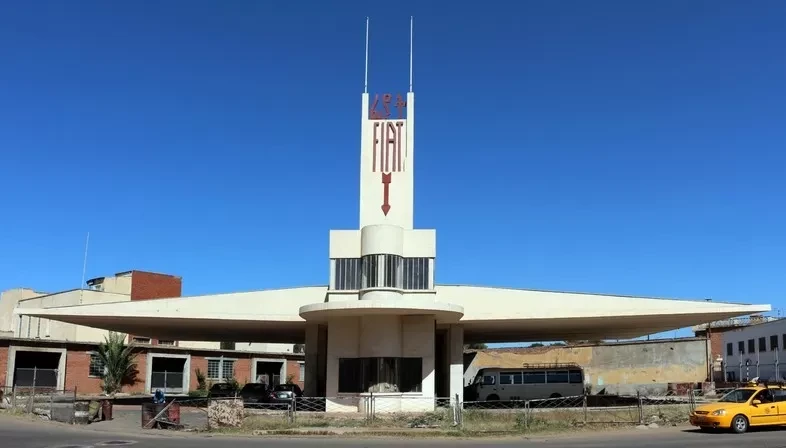
- Asmara UNESCO modernist architecture (Fiat Tagliero, Cinema Impero)
- Massawa old town and coral architecture
- Dahlak Archipelago diving and pearl islands
- Qohaito and Metera archaeological sites
- Debre Bizen monastery
- Steam railway from Asmara to Nefasit
Frequently Asked Questions – Eritrea Travel Guide 2026-2027
Our Tanzania Tours Products
While Eritrea offers unique modernist architecture and untouched Red Sea islands, many travelers combine the Horn of Africa with the ultimate wildlife experience in East Africa. Capable Africa Tours specializes in secure, guided safaris that maximize safety and wonder...
Great Migration Safaris
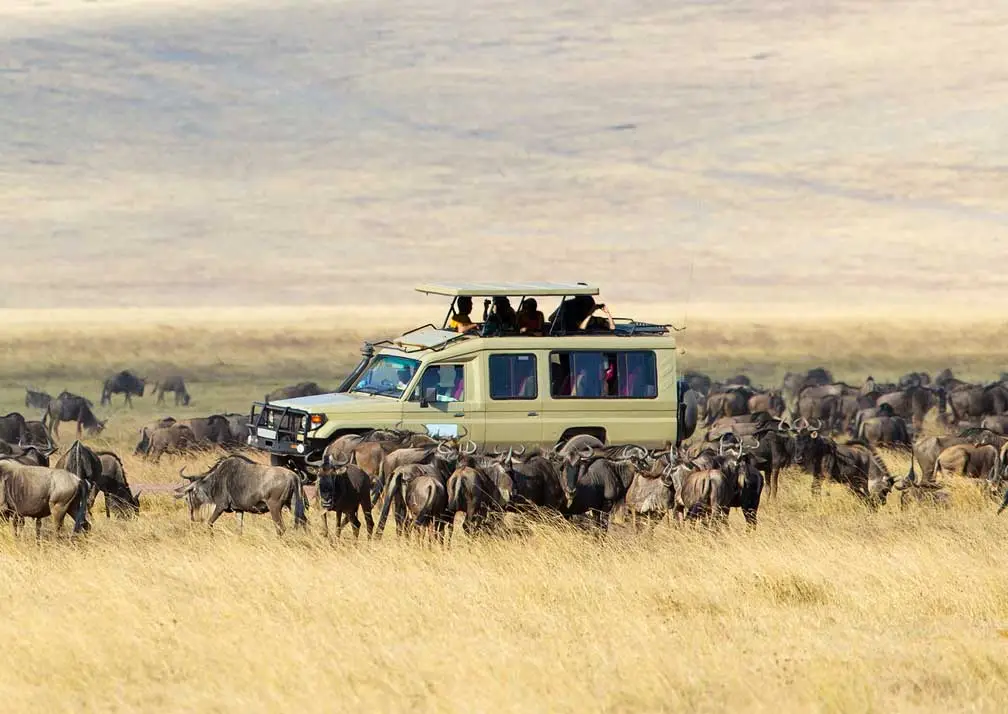
Experience one of nature's greatest spectacles with our Great Migration safari packages, timed for river crossings or calving.
View Package →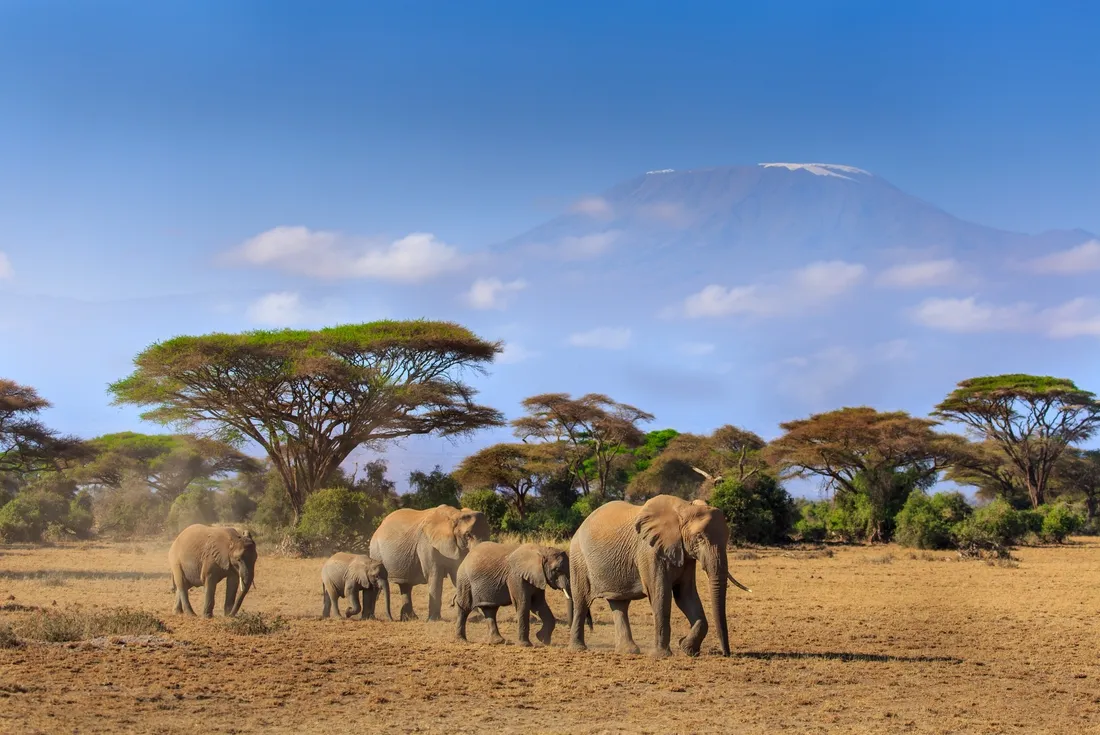
Serengeti & Kilimanjaro Trek
Combined safari and trekking tours offer wildlife adventures and Kilimanjaro climbs.
View Package →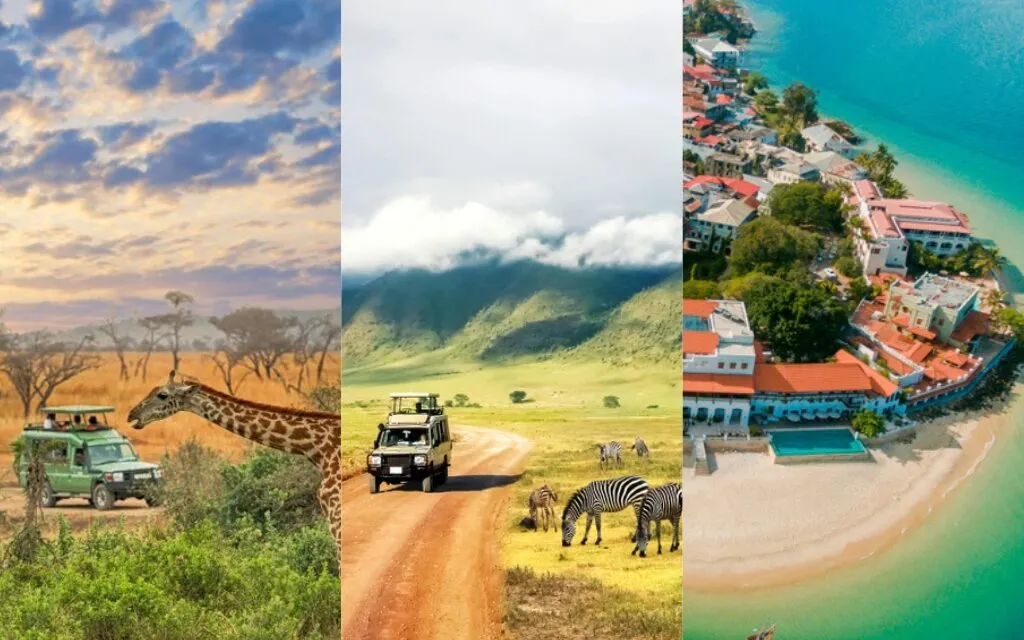
Serengeti & Zanzibar Tours
Luxury Tanzania safari & beach packages with the Great Migration and pristine beaches.
View Package →Related: Best Time to Visit Tanzania 2026 – Perfect safari extension after your Eritrea adventure.