
Most Complete Estonia Travel Guide 2026-2027 – Everything You Need to Know Before Visiting
This Estonia travel guide provides everything you need to plan your journey to one of Europe’s most digitally advanced and naturally beautiful countries. Estonia offers an extraordinary blend of perfectly preserved medieval architecture, vast pristine forests covering over 50% of the territory, thousands of islands, and a cutting-edge tech culture that has earned it the nickname “e-Estonia”. Many travelers who want to travel to Estonia are surprised by the country’s incredible mix of UNESCO-listed Old Towns, Soviet-era relics, endless bogs and forests, and ultra-modern digital society.
Start Reading the Full Guide ↓Quick Facts About Estonia
- Capital: Tallinn.
- Currency: Euro (€).
- Time Zone: Eastern European Time (EET, UTC+2; +3 in summer).
- International Calling Code: +372.
- Driving Side: Right.
- Major Airports: Tallinn Airport (TLL), Tartu Airport (TAY).
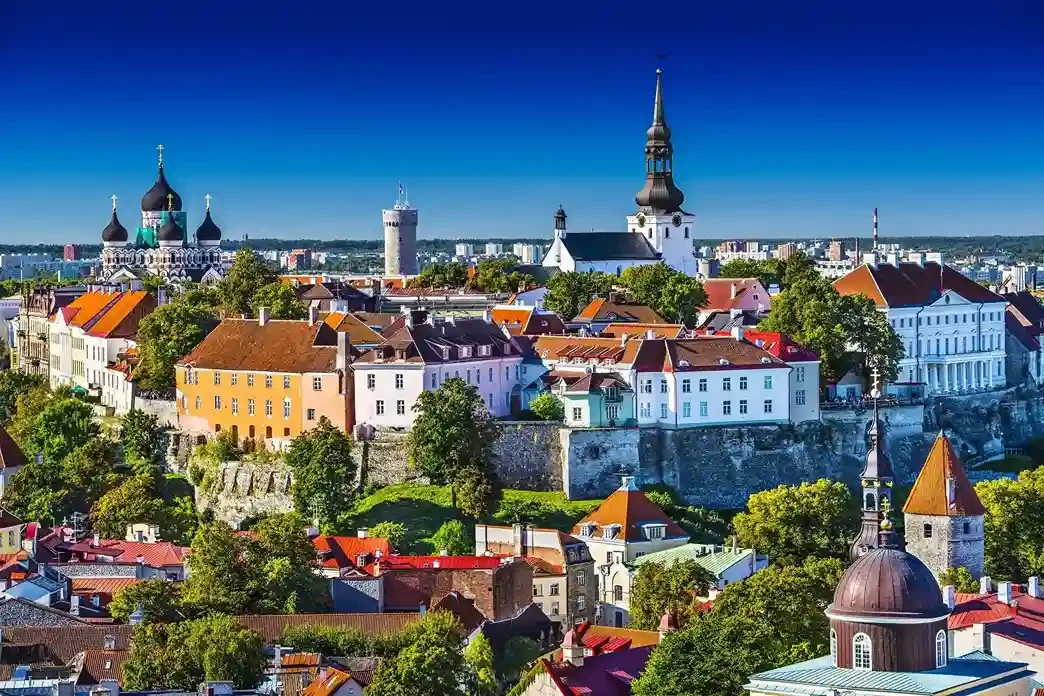
Estonia Overview & Key Facts
Brief History of Estonia
Estonia’s history spans millennia, from ancient Finno-Ugric tribes through Danish, German, Swedish and Russian rule to regained independence in 1991. The UNESCO-listed Tallinn Old Town is one of Europe’s best-preserved medieval cities, while Soviet-era architecture and prisons tell the story of 20th-century occupation. This rich historical tapestry creates a fascinating backdrop for modern travelers exploring the country’s castles, manors and restored heritage sites.
Independence & National Identity
- Independence date: August 20, 1991 (restored).
- Former ruling powers: Denmark, Germany, Sweden, Russia/Soviet Union.
- National symbols & identity.
Estonia first gained independence in 1918, was occupied by the Soviet Union and Nazi Germany, then re-occupied by the USSR until 1991. The Singing Revolution (1988–1991) was a peaceful movement of mass singing demonstrations that led to restored independence. Today, national identity centers on love of nature, digital innovation, and the Estonian language — one of the few Finno-Ugric languages in Europe.
Government System & Current Leadership
- Type of government: Parliamentary Republic
- Current president: Alar Karis (since 2021)
- Notes on political stability
Estonia is a stable parliamentary democracy and EU/NATO member with very high rankings in freedom, transparency and digital governance indices.
Population, Ethnic Groups & Languages
- Population: 1.33 million (2025 projection).
- Major ethnic groups: Estonians (69%), Russians (25%), others (6%).
- Official language(s): Estonian.
- Additional languages commonly spoken.
Russian is widely spoken, especially in Tallinn and the east. English proficiency is among the highest in Europe — over 70% of the population under 40 speak fluent English.
Main Religions & Cultural Identity
Estonia is one of the least religious countries in the world — over 70% declare no religion. Lutheran Christianity and Orthodox Christianity are the largest denominations. Cultural identity is strongly tied to nature, folk traditions, song festivals and sauna culture.
Geography & Natural Landscape
Flat and forested, with over 50% forest cover, 2,222 islands, extensive bogs and more than 7,000 km² of protected nature. The country has a 3,800 km coastline along the Baltic Sea and Gulf of Finland.
Economy & Tourism Highlights
One of the fastest-growing EU economies, leader in digital services (e-governance, Skype birthplace, 99% of public services online). Tourism is booming thanks to visa-free Schengen access, affordable prices and excellent preservation of nature and heritage.
What Estonia Is Known For
- Perfectly preserved medieval Tallinn Old Town (UNESCO)
- World-leading digital society and e-Residency program
- Over 50% forest cover and pristine national parks
Visa & Entry Requirements in Estonia
Estonia is part of the Schengen Area. Most Western visitors enjoy visa-free entry for up to 90 days in any 180-day period. The visa application process for those who need it is standard Schengen procedure.
Do You Need a Visa?
EU/EEA/Swiss citizens: no visa or residence permit needed. US, Canada, UK, Australia, New Zealand, Japan, South Korea and many others: visa-free for 90 days. Most other nationalities require a Schengen visa.
Visa Application Options in Estonia
- Schengen short-stay visa (Type C) via Estonian embassies or any Schengen country
- Estonia’s unique e-Residency (not a travel visa, but digital identity for business)
Passport Validity & Entry Documents
Passport must be valid for at least 3 months beyond intended departure from Schengen area and issued within the last 10 years. Proof of accommodation, return ticket and sufficient funds may be requested.
Customs Rules & Prohibited Items
Standard EU customs rules. Alcohol and tobacco limits apply. Cash over €10,000 must be declared. No restrictions on laptops/phones, unlike some countries.
Safety & Security Information in Estonia
Estonia is consistently ranked among the safest countries in the world with very low violent crime rates.
Is Estonia Safe for Tourists?
Yes – one of the safest destinations in Europe. Petty theft and pickpocketing can occur in crowded tourist areas of Tallinn Old Town, but violent crime is extremely rare.
Recommended Safety Tips when in Estonia
Use the same common-sense precautions as any European capital. Avoid poorly lit areas late at night. Use licensed taxis or ride-hailing apps (Bolt is local and cheap).
Safe Areas vs. Areas to Avoid in Estonia
Almost the entire country is safe. Only minor caution in some parts of Ida-Viru county (Narva) after dark due to higher petty crime.
Emergency Numbers & Tourist Police in Estonia
- Police/Emergency: 112 (EU-wide).
- Tourist helpline: +372 617 7777 (24/7 English).
Health Requirements & Vaccinations in Estonia
No mandatory vaccinations. Standard European healthcare quality.
Mandatory Vaccinations in Estonia
None, unless arriving from a yellow fever area.
Recommended Vaccinations in Estonia
Routine vaccines up to date. Tick-borne encephalitis (TBE) strongly recommended if hiking in forests May–October.
Malaria & Other Risks
No malaria. Ticks are the main concern in forests and bogs.
Travel Insurance Recommendations in Estonia
EU citizens: bring EHIC/GHIC. Others should have comprehensive travel insurance covering medical evacuation if needed.
Best Time to Visit in Estonia
June–August: warm (20–25°C), midnight sun, festivals. December–February: snowy landscapes, Christmas markets. May & September: mild weather, fewer crowds.
Weather by Season
Spring (April–May): 5–15°C, blooming nature. Summer (June–Aug): 15–25°C, long days. Autumn (Sep–Oct): 5–15°C, beautiful foliage. Winter (Nov–Mar): –5 to –15°C, snow guaranteed.
When to Visit Estonia for Best Experiences
- Midnight sun & festivals: June–July
- Winter activities & Christmas markets: December–February
- Fewer crowds & lower prices: May & September
High Season vs. Low Season Travel
High season: June–August & December. Low season: November & March–April (best deals).
Weather & Climate Overview in Estonia
Temperate seasonal climate with four distinct seasons.
Temperature Ranges
Winter: –5 to –15°C (can drop to –30°C). Summer: 15–25°C (occasionally 30°C).
Rainy & Dry Seasons in Estonia
Rain possible any month, but August tends to be wettest. Snow from December to March.
What to Wear Based on the Weather
Layering is essential. Waterproof jacket, warm hat & gloves in winter. Light clothing + rain jacket in summer.
Main Currency, Costs & Budgeting in Estonia
Euro (€). Cards accepted virtually everywhere.
Local Currency Information
Euro since 2011. ATMs widespread, contactless payment common.
Average Travel Costs in Estonia
Budget: €60–100/day; mid-range €120–200/day; luxury €250+/day.
Using ATMs, Cards & Mobile Money in Estonia
Cards accepted almost everywhere, even small cafés and public transport. Apple/Google Pay common.
Tipping Guidelines in Estonia
Not obligatory, but rounding up or 10% in restaurants if service was good.
Transportation & Getting Around in Estonia
Excellent public transport, free in Tallinn for residents, very cheap for visitors.
Airport Transfers
Tallinn Airport: tram 4, bus 2, taxi/Bolt (~€10–15 to center).
Local Transport Options in Estonia
Buses, trams, trains excellent and cheap. Free public transport in many counties with ID card (visitors pay small fee).
Estonia Domestic Flights
Limited – only Tallinn–Tartu–Kuressaare routes.
Car Rentals & Road Conditions in Estonia
Roads excellent, traffic calm. International driving permit recommended.
Accommodation Options available in Estonia
From hostels to luxury manors and design hotels.
Types of Accommodations in Estonia
Hotels, apartments, guesthouses, manors, forest cabins, glamping.
Budget vs. Mid-Range vs. Luxury
Budget €30–60, mid-range €80–150, luxury €180+.
Best Areas to Stay in Estonia
Tallinn Old Town, Kalamaja, Telliskivi (creative district), Tartu university area, Pärnu beach, Saaremaa & Hiiumaa islands.
Essential Packing Guide when Visiting Estonia
Layered clothing, good walking shoes, power bank, tick repellent if hiking.
Clothing Essentials
Warm layers in winter, rain jacket year-round.
Footwear & Gear
Comfortable waterproof shoes, hiking boots if visiting national parks.
Electronics & Cameras
EU plugs (Type C/F), 230V/50Hz.
Toiletries & Personal Items
Everything available, but bring prescription medication.
Language & Communication in Estonia
English widely spoken, especially by younger people.
Main Languages Spoken in Estonia
Estonian (official), Russian, English.
Useful Phrases for Tourists
Tere (hello), Aitäh (thank you), Palun (please), Vabandust (sorry).
SIM Cards & Mobile Data used in Estonia
Excellent 4G/5G coverage. Free EU roaming for EU SIMs. Local SIMs cheap (Telia, Elisa, Tele2).
Internet Availability & Wi-Fi in Estonia
Free Wi-Fi almost everywhere – cafés, buses, forests, even islands.
Culture & Etiquette in Estonia
Reserved but friendly. Sauna and nature are sacred.
Estonian Dress Code Expectations
Casual. No strict rules except in churches (cover shoulders/knees).
Social Etiquette & Respectful Behavior of Estonia
Personal space valued. Remove shoes indoors. Quiet voice in public.
Photography Rules in Estonia
Generally allowed, ask permission when photographing people up close.
Important Cultural Dos & Don’ts in Estonia
Do: respect nature, try black rye bread, go to sauna. Don’t: assume everyone speaks Russian (many do, but Estonian preferred).
Food, Water & Dining in Estonia
Modern Nordic cuisine meets hearty traditional dishes.
Estonian Local Dishes to Try
Black rye bread, kama, mulgipuder, kohupiimakorbid, craft beer, spruce tip syrup.
Dietary Options in Estonia
Excellent vegetarian/vegan scene in cities. Gluten-free options common.
Drinking Water Safety
Tap water safe and excellent quality throughout the country.
Restaurant Etiquette
Tipping not expected but rounding up appreciated.
Top Attractions & Things to Do in Estonia
Medieval Tallinn, national parks, islands, Soviet relics, digital experiences.
Major Tourist Attractions in Estonia
- Tallinn Old Town (UNESCO)
- Lahemaa National Park
- Saaremaa & Muhu islands
- Tartu – European Capital of Culture 2024
Best Tours & Experiences in Estonia
Bog walking with snowshoes, sauna rituals, Soviet bunker tours, e-Estonia showroom visit.
Family-Friendly Activities to do in Estonia
Science Centre AHHAA, Estonian Open Air Museum, adventure parks, bear watching.
Unique Cultural or Historical Sites to visit in Estonia
Patarei Sea Fortress prison, Seto cultural region, Kihnu Island (UNESCO intangible heritage).
Estonian Electrical System Information
Standard EU: 230V, 50Hz, plugs C & F.
Local Laws & Regulations of Estonia
Very liberal and tourist-friendly. Alcohol allowed in public (except some parks in summer). Cannabis illegal.
Final Travel Tips for Visitors in Estonia
Book Tallinn accommodation early in summer. Use public transport or Bolt. Try local craft beer and sauna culture.
Frequently Asked Questions – Estonia Travel Guide 2026-2027
Our Tanzania Tours Products
While Estonia offers medieval charm, digital innovation and pristine nature, many travelers combine Northern Europe with the ultimate wildlife experience in East Africa. Capable Africa Tours specializes in secure, guided safaris that maximize safety and wonder...
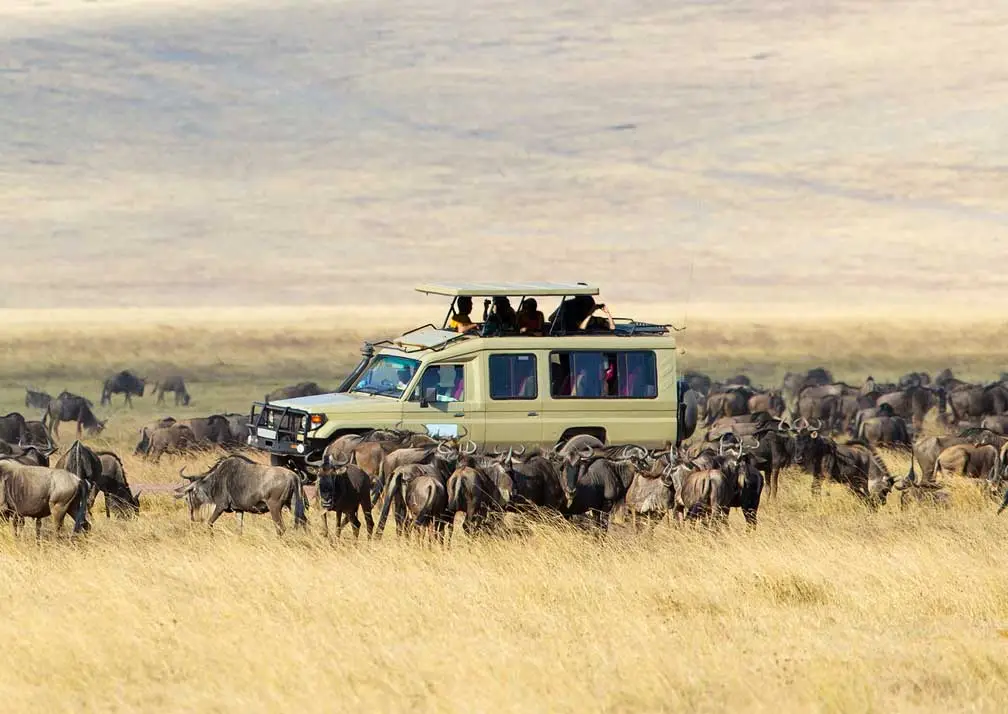
Great Migration Safaris
Experience one of nature's greatest spectacles with our Great Migration safari packages...
View Package →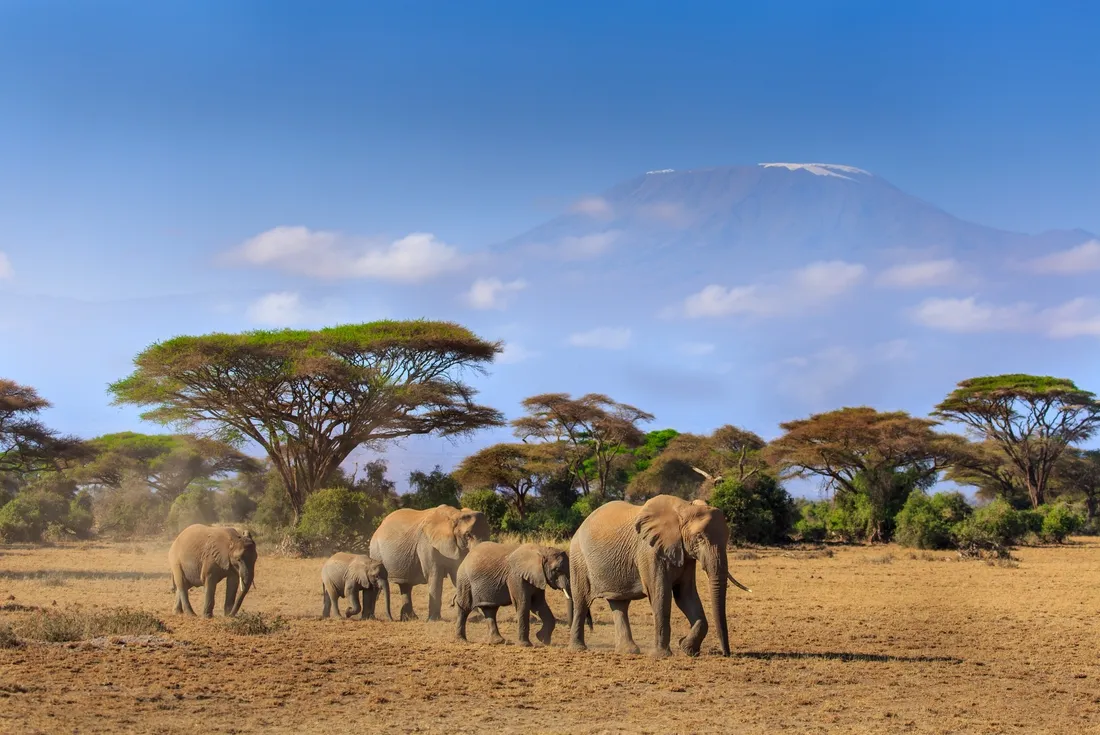
Serengeti & Kilimanjaro Trek
Combined safari and trekking tours offer wildlife adventures and Kilimanjaro climbs.
View Package →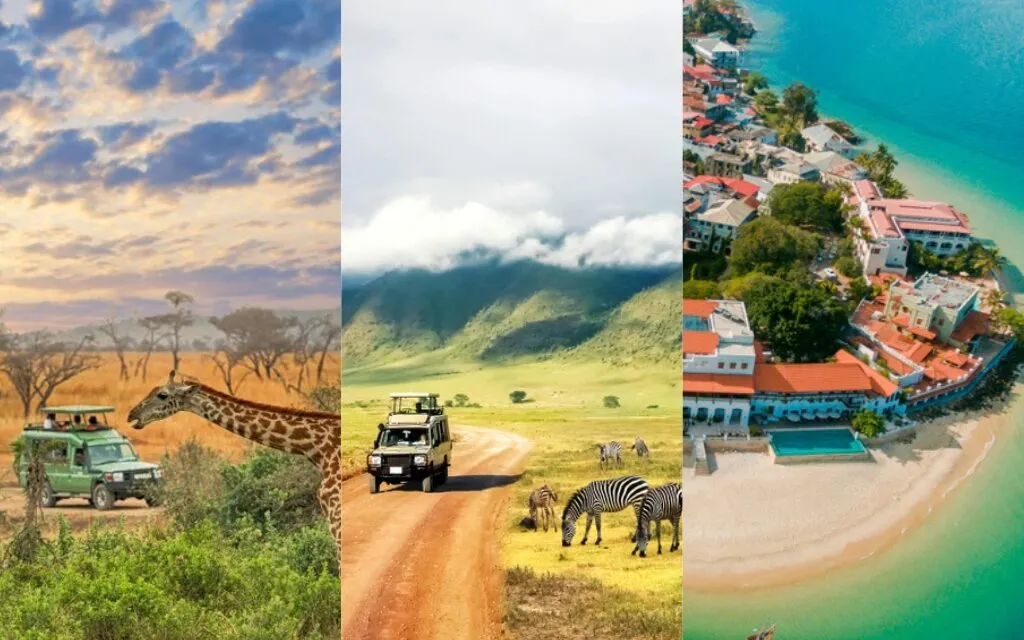
Serengeti & Zanzibar Tours
Luxury Tanzania safari & beach packages with the Great Migration and pristine beaches.
View Package →Related: Best Time to Visit Tanzania 2026 – Perfect safari extension after your Estonia adventure.