
Most Complete Eswatini Travel Guide 2026-2027 – Everything You Need to Know Before Visiting
This Eswatini travel guide provides everything you need to plan your journey to Africa’s last absolute monarchy. Eswatini (formerly Swaziland) offers an extraordinary blend of pristine wildlife reserves, dramatic mountain scenery, and vibrant royal traditions that create one of the continent's most authentic cultural experiences. Many travelers who want to travel to Eswatini are surprised by the country's incredible diversity and rich cultural heritage spanning ancient Swazi traditions, colonial history, and modern conservation success. The nation covers just over 17,000 square kilometers, making it one of Africa’s smallest countries, yet offering visitors everything from Big-5 game viewing to traditional reed dance ceremonies and world-class hiking trails.
Start Reading the Full Guide ↓Quick Facts About Eswatini
- Capital: Mbabane (administrative), Lobamba (royal & legislative).
- Currency: Lilangeni (SZL) & South African Rand (ZAR).
- Time Zone: South Africa Standard Time (SAST, UTC+2).
- International Calling Code: +268.
- Driving Side: Left.
- Major Airports: King Mswati III International Airport (SHO), Matsapha Airport.
Eswatini Overview & Key Facts
Brief History of Eswatini
Eswatini's history spans centuries, from ancient Nguni migrations through British colonial rule to independence while preserving its monarchy. The Swazi people established their kingdom in the mid-18th century under King Ngwane III, followed by significant expansion under King Sobhuza II. The country became a British protectorate in 1903 and regained independence in 1968 as Swaziland. In 2018 King Mswati III renamed the country Eswatini (“land of the Swazi”) to mark 50 years of independence and reclaim cultural identity.
Independence & National Identity
- Independence date: September 6, 1968.
- Former colonial power: United Kingdom.
- National symbols & identity.
Eswatini is Africa’s last remaining absolute monarchy. King Mswati III has ruled since 1986. The national flag features red (for battles fought), blue (peace), yellow (mineral resources), with a traditional shield and spears representing protection.
Government System & Current Leadership
- Type of government: Absolute Monarchy
- Current king: Mswati III
- Notes on political stability
King Mswati III exercises executive, legislative and judicial powers. Political parties are banned from contesting elections, though individuals run as independents. The country remains politically stable with peaceful royal succession traditions.
Population, Ethnic Groups & Languages
- Population: 1.2 million (2025 projection).
- Major ethnic groups: Swazi (97%), small Zulu and European communities.
- Official language(s): siSwati and English.
- Additional languages commonly spoken.
English is the language of education, government and business. Almost everyone speaks siSwati as first language. Many tourism workers also speak Zulu and Afrikaans.
Main Religions & Cultural Identity
Christianity dominates (90%), blended with traditional Swazi beliefs. The king is seen as both political and spiritual leader. Major cultural events like Incwala (kingship ceremony) and Umhlanga (Reed Dance) remain central to national identity.
Geography & Natural Landscape
Eswatini features four distinct geographical zones: Highveld mountains, Middleveld rolling hills, Lowveld bushveld, and Lubombo escarpment. The country has dramatic elevation changes from 1,800 m in the west to just 200 m in the east, creating diverse climates and ecosystems within a small area.
Economy & Tourism Highlights
Eswatini’s economy relies on sugar exports, soft drink concentrate, textiles and tourism. The government actively promotes eco-tourism and cultural experiences. Community-owned reserves and royal national parks provide authentic wildlife and cultural encounters with high conservation standards.
What Eswatini Is Known For
- Africa’s last absolute monarchy and vibrant royal ceremonies
- Excellent small wildlife reserves with rhino conservation success
- Stunning mountain scenery and adventure activities
Visa & Entry Requirements in Eswatini
Most international visitors enjoy visa-free entry or visa-on-arrival to Eswatini, making it one of Africa’s easiest destinations to access. The visa policy is generous, with over 100 nationalities receiving 30-day entry stamps on arrival. South African citizens need only their ID card.
Do You Need a Visa?
Citizens of USA, UK, Canada, Australia, EU, most Commonwealth countries and many others get visa-free entry for 30 days. South Africans require only ID card. A few countries need pre-arranged visas or e-Visa.
Visa Application Options in Eswatini
- Visa-free entry on arrival (most nationalities)
- Visa on arrival (selected countries)
- e-Visa for restricted nationalities
Entry requirements are straightforward – passport valid 3 months beyond intended stay with at least 2 blank pages. Extensions up to 60 days are easily obtained at Immigration in Mbabane.
Passport Validity & Entry Documents
Passport must be valid for 3 months beyond departure date. Return/onward ticket sometimes requested. Yellow fever certificate required if arriving from endemic countries.
Customs Rules & Prohibited Items
Standard customs apply. Duty-free allowance: 2 litres wine, 1 litre spirits, 400 cigarettes. No restrictions on currency declaration. Drones require pre-approval.
Safety & Security Information in Eswatini
Eswatini is one of Africa’s safest countries with very low violent crime rates against tourists. The welcoming Swazi culture, stable monarchy and effective policing make it ideal for first-time Africa visitors.
Is Eswatini Safe for Tourists?
Yes – consistently ranked among Africa’s safest destinations. Most governments rate it Level 1 (exercise normal precautions). Petty theft is rare, violent crime extremely uncommon.
Recommended Safety Tips when in Eswatini
Use common sense as anywhere: lock vehicles, don’t flash valuables, avoid walking alone late at night in urban areas. Rural areas and reserves are exceptionally safe.
Safe Areas vs. Areas to Avoid in Eswatini
The entire country is considered safe for tourists. No specific areas to avoid. Even informal settlements welcome visitors respectfully.
Emergency Numbers & Tourist Police in Eswatini
- Police: 999
- Fire Department: 933
- Medical Emergency: 999
Tourist-friendly police stations exist in Ezulwini Valley and major reserves.
Health Requirements & Vaccinations in Eswatini
No mandatory vaccinations except yellow fever if arriving from endemic countries. Malaria risk exists in lowveld areas November–May.
Mandatory Vaccinations in Eswatini
Yellow fever certificate required only if arriving from endemic countries within 6 days.
Recommended Vaccinations in Eswatini
Hepatitis A, Typhoid, routine vaccines. Malaria prophylaxis recommended for lowveld Nov–May.
Malaria & Other Risks
Malaria risk low to moderate in eastern lowveld. Use insect repellent, sleep under nets in risk areas. Bilharzia present in some water bodies – avoid swimming in dams/lakes.
Travel Insurance Recommendations in Eswatini
Comprehensive travel insurance recommended covering medical evacuation (closest major hospitals in South Africa).
Best Time to Visit in Eswatini
May–September (dry winter) offers best wildlife viewing and comfortable temperatures. December–April is lush and green with excellent birding.
Weather by Season
Dry winter (May–Sep): 20–28°C days, cool nights. Wet summer (Oct–Apr): 25–35°C, afternoon thunderstorms common.
When to Visit Eswatini for Best Experiences
- Incwala (December/January) – kingship ceremony
- Umhlanga Reed Dance (August/September)
- Bushfire Festival (May) – music & arts
- Best game viewing: June–October
Cultural festivals are the highlight – plan around Incwala or Umhlanga for unforgettable experiences.
High Season vs. Low Season Travel
High season: June–October (dry winter). Low season: January–March (wet summer) – fewer visitors, lower rates, lush scenery.
Weather & Climate Overview in Eswatini
Eswatini has four distinct climatic zones due to dramatic elevation changes in a small area.
Temperature Ranges
Highveld: 15–25°C year-round. Lowveld: 25–40°C summer, 15–30°C winter.
Rainy & Dry Seasons in Eswatini
Rainy season: October–April (summer thunderstorms). Dry season: May–September.
What to Wear Based on the Weather
Light layers year-round. Warm jacket for winter nights (can drop to 5°C in Highveld). Rain jacket December–March. Comfortable walking shoes essential.
Main Currency, Costs & Budgeting in Eswatini
Lilangeni (SZL) fixed 1:1 with South African Rand (ZAR) – both currencies accepted everywhere.
Local Currency Information
Rand widely accepted. ATMs plentiful. Cards accepted at lodges and larger establishments.
Average Travel Costs in Eswatini
Budget: $60–100/day; mid-range $120–200/day; luxury lodges $300–600/day.
Using ATMs, Cards & Mobile Money in Eswatini
ATMs widespread, Visa/Mastercard accepted at lodges and malls. Mobile money (Mtn MoMo, EazyWallet) growing.
Tipping Guidelines in Eswatini
10–15% in restaurants if service not included. Guides/trackers $10–20 per person per day. Lodge staff $5–10 per day.
Transportation & Getting Around in Eswatini
Small size makes travel easy. Self-drive highly recommended – excellent roads, friendly drivers.
Airport Transfers
King Mswati III International Airport (SHO) 45 min from Ezulwini/Mbabane. Shuttle services and private transfers available.
Local Transport Options in Eswatini
Minibus taxis (khumbis) cheap and frequent. Self-drive most convenient. Private transfers common.
Eswatini Domestic Flights
No domestic scheduled flights. Small airstrips for charters.
Car Rentals & Road Conditions in Eswatini
International companies at airport. Roads excellent. Left-side driving.
Accommodation Options available in Eswatini
From backpacker hostels to luxury private reserves. Ezulwini Valley has highest concentration.
Types of Accommodations in Eswatini
Luxury lodges, community camps, guesthouses, backpackers, self-catering chalets.
Budget vs. Mid-Range vs. Luxury
Budget $30–60, mid-range $80–200, luxury $250–800 per person per night.
Best Areas to Stay in Eswatini
Ezulwini Valley (central, convenient), Mlilwane area, Hlane Royal National Park, Malolotja region.
Essential Packing Guide when Visiting Eswatini
Pack for variable climate and activities. Binoculars, camera, good walking shoes essential.
Clothing Essentials
Light layers, warm jacket for winter nights, rain jacket summer, comfortable walking shoes.
Footwear & Gear
Good walking/hiking shoes, sandals, binoculars, headlamp, daypack.
Electronics & Cameras
South African plugs (Type M), 230V. Power banks useful in reserves.
Toiletries & Personal Items
Sunscreen, insect repellent, malaria prophylaxis if needed, personal medications.
Language & Communication in Eswatini
English widely spoken. Basic siSwati phrases appreciated.
Main Languages Spoken in Eswatini
siSwati and English official. Zulu understood.
Useful Phrases for Tourists
Sawubona (hello), Yebo (yes), Ngiyabonga (thank you).
SIM Cards & Mobile Data used in Eswatini
MTN and Eswatini Mobile at airport and towns. Good coverage.
Internet Availability & Wi-Fi in Eswatini
Wi-Fi common in lodges and cafes. 4G coverage good except remote reserves.
Culture & Etiquette in Eswatini
Respect for monarchy and traditions paramount. Warm, friendly people.
Eswatini Dress Code Expectations
Casual modest dress fine. Shoulders/knees covered for royal events.
Social Etiquette & Respectful Behavior of Eswatini
Greet with handshake, accept hospitality, ask permission before photographing people.
Photography Rules in Eswatini
Ask permission for people photos. No restrictions on landscapes/wildlife.
Important Cultural Dos & Don’ts in Eswatini
Do show respect to king and royal family. Don’t criticize monarchy. Remove hats when greeting elders.
Food, Water & Dining in Eswatini
Blend of traditional Swazi and international cuisine.
Eswatini Local Dishes to Try
Sidvudvu (porridge), emasi (sour milk), sishwala, mealie rice, game meat.
Dietary Options in Eswatini
Vegetarian options common. Vegan possible with planning.
Drinking Water Safety
Tap water safe in most areas. Bottled widely available.
Restaurant Etiquette
Tipping 10–15% customary in restaurants.
Top Attractions & Things to Do in Eswatini
Perfect mix of wildlife, culture and adventure in a compact country.
Major Tourist Attractions in Eswatini
- Hlane Royal National Park (Big 5)
- Mlawula & Mkhaya (rhino conservation)
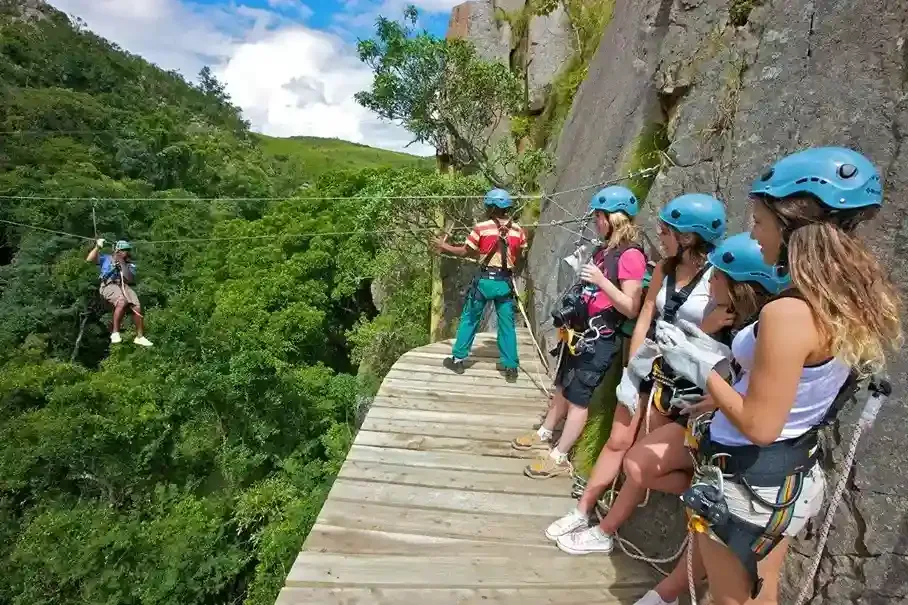
- Malolotja Nature Reserve (hiking & canopy tour)
- Umhlanga Reed Dance & Incwala ceremonies
Mlilwane Wildlife Sanctuary pioneered community conservation. Malolotja offers Africa’s longest canopy tour and stunning mountain scenery.
Best Tours & Experiences in Eswatini
Cultural village visits, rhino tracking on foot, mountain biking, white-water rafting, traditional healing experiences.
Family-Friendly Activities to do in Eswatini
Mlilwane bee-hive hut stays, horse riding, cultural villages, canopy tours (age 7+).
Unique Cultural or Historical Sites to visit in Eswatini
Lobamba royal village, King Sobhuza II Memorial Park, Nsangwini rock art, Mantenga Cultural Village.
Eswatini Electrical System Information
South African standard – Type M plugs, 230V, 50Hz.
Plug Types & Voltage used in Eswatini
Type M (large round 3-pin). Universal adapters recommended.
Charging Tips
Power reliable except occasional load-shedding. Power banks useful in reserves.
Local Laws & Regulations of Eswatini
Respect for monarchy paramount. Photography of royal residences restricted.
Rules Travelers Need to Know when In Eswatini
Stand when national anthem played. No criticism of king. Littering heavily fined.
Alcohol, Smoking & Substance Laws of Eswatini
Drinking age 18. Cannabis illegal despite cultural use by sangomas.
Restricted or Protected Areas in Eswatini.
Royal residences off-limits. Some reserves require permits/guides.
Final Travel Tips for Visitors in Eswatini
Small, friendly, authentic Africa experience. Combine with South Africa or Mozambique.
Common Mistakes to Avoid
Underestimating cultural sensitivity around monarchy. Missing major festivals.
Tips to Save Money when Visiting Eswatini
Self-drive, stay in community camps, eat local food, visit during shoulder seasons.
Safety & Comfort Tips
Drink bottled water in rural areas, use malaria prophylaxis in lowveld Nov–May, respect cultural norms.
Frequently Asked Questions – Eswatini Travel Guide 2026-2027
Our Tanzania Tours Products
While Eswatini offers authentic cultural experiences and excellent small reserves, many travelers combine the kingdom with the ultimate wildlife spectacle in East Africa. Capable Africa Tours specializes in secure, guided safaris that maximize safety and wonder. Our expert local guides, armed rangers in parks, and vetted accommodations ensure peace of mind. From family-friendly lodges to luxury camps, we handle logistics so you focus on the magic. Tanzania ranks high for tourist safety with dedicated wildlife protection units and stable northern circuits.
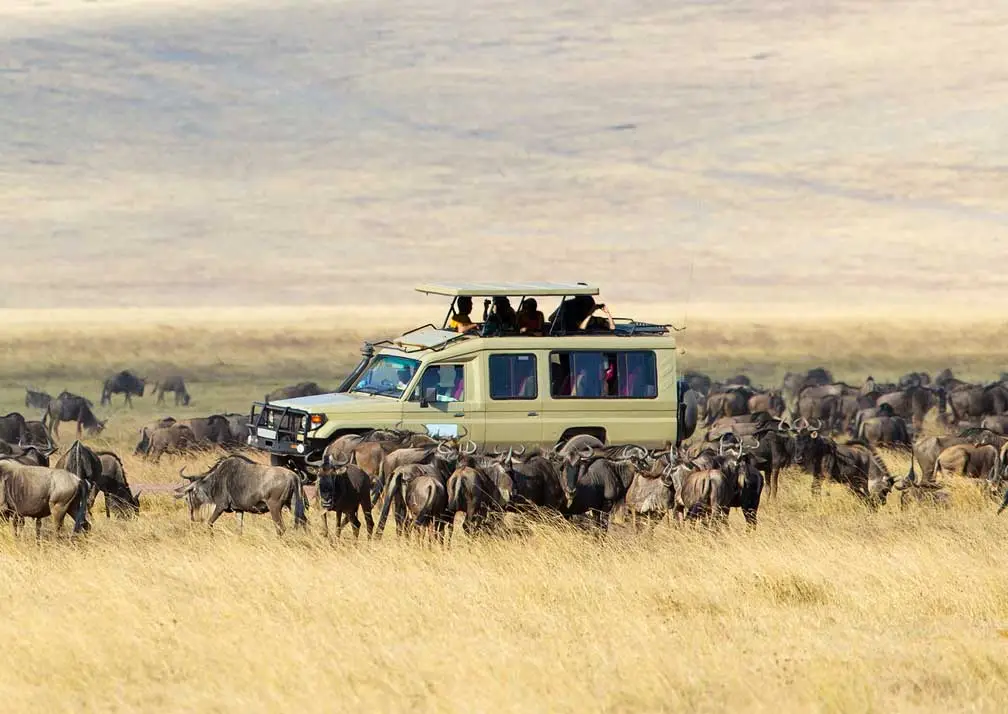
Great Migration Safaris
Experience one of nature's greatest spectacles with our Great Migration safari packages, timed for river crossings or calving.
View Package →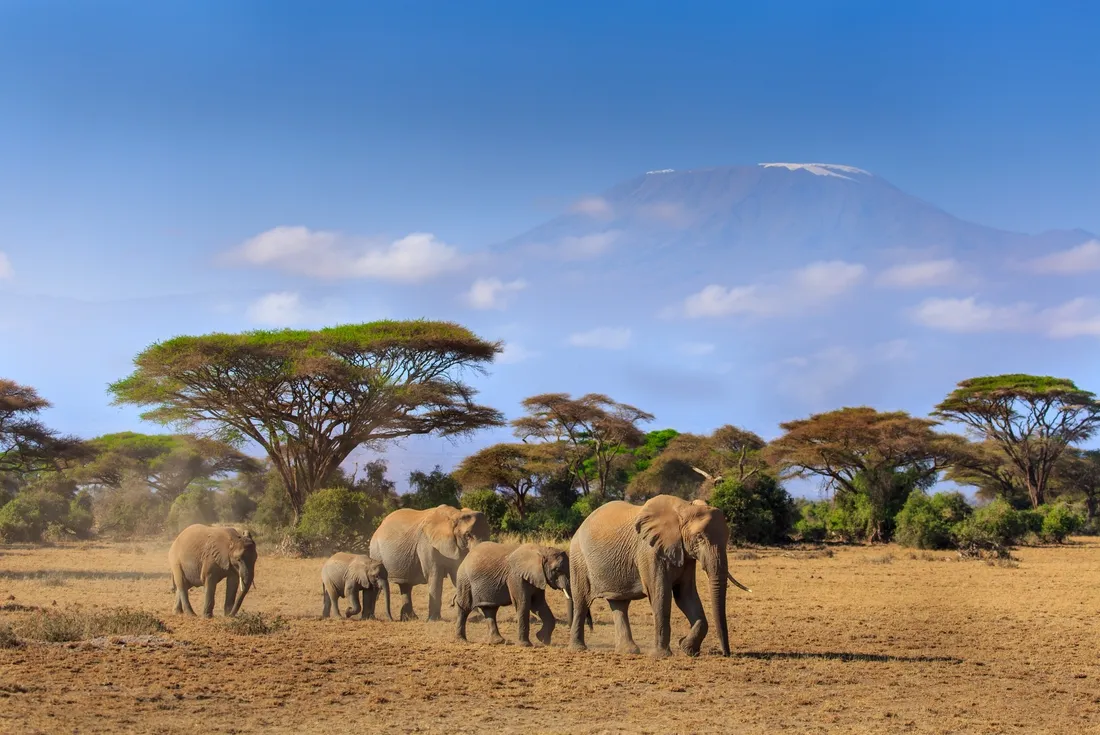
Serengeti & Kilimanjaro Trek
Combined safari and trekking tours offer wildlife adventures and Kilimanjaro climbs.
View Package →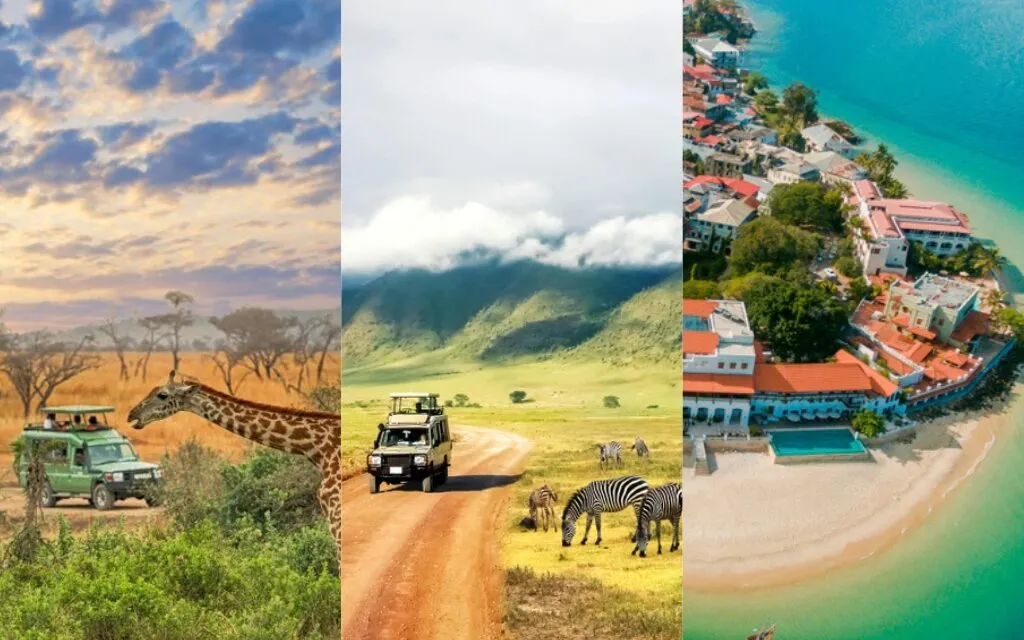
Serengeti & Zanzibar Tours
Luxury Tanzania safari & beach packages with the Great Migration and pristine beaches.
View Package →Related: Best Time to Visit Tanzania 2026 – Perfect safari extension after your Eswatini adventure.