Most Complete Ethiopia Travel Guide 2026-2027 – Everything You Need to Know Before Visiting
This Ethiopia travel guide provides everything you need to plan your journey to the cradle of mankind and one of Africa’s most fascinating countries. Ethiopia offers an extraordinary blend of ancient history, dramatic highlands, unique wildlife, and living cultures that create one of the continent's most diverse travel experiences. Many travelers who want to travel to Ethiopia are surprised by the country's incredible diversity and rich cultural heritage spanning over 3,000 years of recorded history. The nation covers over 1.1 million square kilometers, making it one of Africa’s largest countries, offering visitors everything from rock-hewn churches to active volcanoes and tribal valleys.
Start Reading the Full Guide ↓Quick Facts About Ethiopia
- Capital: Addis Ababa.
- Currency: Ethiopian Birr (ETB).
- Time Zone: East Africa Time (EAT, UTC+3).
- International Calling Code: +251.
- Driving Side: Right.
- Major Airports: Bole International Airport (Addis Ababa), Aksum, Lalibela, Gondar.
Ethiopia Overview & Key Facts
Brief History of Ethiopia
Ethiopia’s history spans millennia, from the ancient kingdom of Aksum (one of the world’s great civilizations) through the Solomonic dynasty to the modern era. It is the only African nation never colonized, proudly defeating Italy at Adwa in 1896. The country is considered the origin of mankind (Lucy was discovered here) and the cradle of coffee. This rich historical tapestry creates a fascinating backdrop for modern travelers exploring the country's archaeological treasures and cultural sites.
Independence & National Identity
- Never colonized (except brief Italian occupation 1936-1941).
- Former name: Abyssinia.
- National symbols & identity.
Ethiopia’s identity is built on ancient Christianity (introduced in 4th century), the Ge’ez script, unique calendar (13 months), and the Lion of Judah. The flag’s green, yellow and red colors symbolize hope, peace and strength with the blue pentagram representing unity.
Government System & Current Leadership
- Type of government: Federal Parliamentary Republic
- Current prime minister: Abiy Ahmed (since 2018)
- Notes on political stability
Ethiopia is a federal state with significant ethnic diversity. Recent years have seen internal conflicts, but major tourist areas remain stable and welcoming. Travelers should stay updated via their embassy.
Population, Ethnic Groups & Languages
- Population: 128 million (2025 projection).
- Major ethnic groups: Oromo (34.5%), Amhara (27%), Somali, Tigray, Sidama.
- Official language: Amharic (federal working language).
- Additional languages commonly spoken.
Over 80 languages are spoken. English is the most widely taught foreign language and common in tourism. Regional languages dominate outside Addis Ababa.
Main Religions & Cultural Identity
Ethiopian Orthodox Christianity (43%), Islam (34%), Protestant (19%). The Ethiopian Orthodox Tewahedo Church is one of the oldest Christian denominations in the world. Religious festivals like Timkat and Meskel are spectacular public celebrations.
Geography & Natural Landscape
Ethiopia features dramatic highlands (the Roof of Africa), the Great Rift Valley, active volcanoes (Erta Ale), and the lowest point in Africa (Danakil Depression -125m). The Blue Nile originates here, and the Simien Mountains are a UNESCO site with unique wildlife (gelada baboons, walia ibex).
Economy & Tourism Highlights
Fastest-growing African economy with massive infrastructure investment. Tourism is expanding rapidly with new routes to Lalibela, Gondar and the south. Ethiopian Airlines is Africa’s largest and most reliable carrier.
What Ethiopia Is Known For
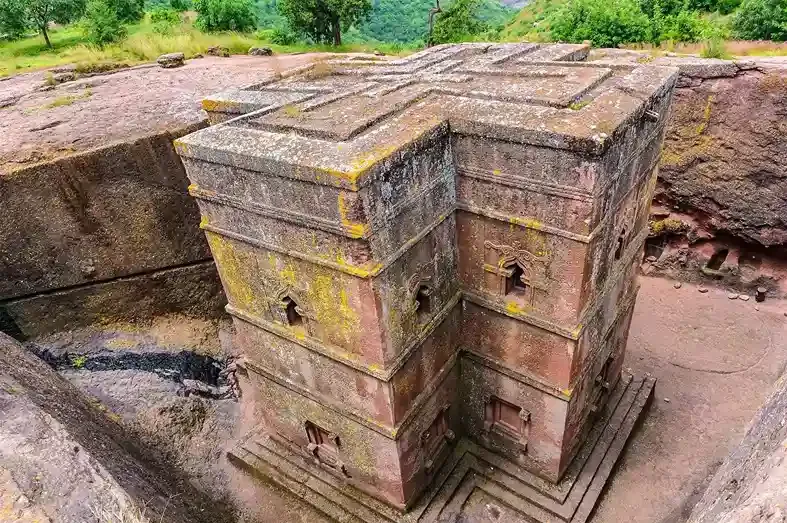
- UNESCO sites: Lalibela rock-hewn churches, Aksum, Simien Mountains, Harar Jugol
- Origin of coffee and teff (injera grain)
- Ancient Christian heritage and unique calendar
Visa & Entry Requirements in Ethiopia
Ethiopia offers one of Africa’s easiest visa systems – e-Visa online or visa on arrival at Addis Ababa for most nationalities.
Do You Need a Visa?
Most nationalities can obtain an e-Visa or visa on arrival at Bole International Airport. A few African countries are visa-exempt.
Visa Application Options in Ethiopia
- e-Visa online (recommended – apply at evisa.gov.et)
- Visa on arrival at Addis Ababa airport
- Embassy application (required for some nationalities)
Passport Validity & Entry Documents
Passport must be valid 6 months with at least two blank pages. Yellow fever certificate required if arriving from endemic country.
Customs Rules & Prohibited Items
Khat is legal but regulated. Declare large amounts of currency. Antiquities export strictly forbidden.
Safety & Security Information in Ethiopia
Major tourist areas are safe. Avoid border regions and some internal conflict zones. Travel with registered operators in Danakil and Omo Valley.
Is Ethiopia Safe for Tourists?
Yes in all main tourist circuits. Addis Ababa, Historical Route (Lalibela, Gondar, Aksum), Simien, Bale and southern tribal areas are secure when using reputable operators.
Recommended Safety Tips when in Ethiopia
Use registered guides and vehicles, avoid night travel outside cities, keep valuables discreet, respect local customs.
Safe Areas vs. Areas to Avoid in Ethiopia
Safe: Addis, Historical Route, Simien, Arba Minch, Harar. Avoid: border areas with Eritrea, Somalia, South Sudan; some parts of Tigray/Afar require updates.
Emergency Numbers & Tourist Police in Ethiopia
- Police: 991
- Fire: 939
- Ambulance: 992
- Tourist Police in major sites
Health Requirements & Vaccinations in Ethiopia
Yellow fever certificate required from endemic countries. Malaria risk in low-lying areas.
Mandatory Vaccinations in Ethiopia
Yellow fever if arriving from risk country.
Recommended Vaccinations in Ethiopia
Hepatitis A, Typhoid, Meningitis, Rabies (long stays), routine vaccines.
Malaria & Other Risks
Malaria present below 2,000m. Take prophylaxis for Omo Valley/Danakil. Altitude sickness possible in Simien/Lalibela.
Travel Insurance Recommendations in Ethiopia
Essential – include medical evacuation coverage (high-altitude rescues expensive).
Best Time to Visit in Ethiopia
October–February (dry season) ideal. June–September green season with fewer crowds and lower prices.
Weather by Season
Dry season (Oct–Feb): clear skies, 20-25°C days. Green season (Jun–Sep): lush landscapes, occasional rain.
When to Visit Ethiopia for Best Experiences
- Timkat (Jan) and Meskel (Sep) festivals
- Trekking Simien/Bale best Oct–Mar
- Omo Valley tribes year-round (drier Dec–Mar)
Weather & Climate Overview in Ethiopia
Highland areas cool (15-25°C), lowlands hot (30-40°C). Altitude varies dramatically.
Temperature Ranges
Addis/Lalibela 15-25°C year-round. Danakil Depression can exceed 45°C.
Rainy & Dry Seasons in Ethiopia
Main rains June–September; short rains March–May.
What to Wear Based on the Weather
Layers essential – fleece for mornings, light clothes for day, rain jacket June–Sep.
Main Currency, Costs & Budgeting in Ethiopia
Ethiopian Birr (ETB). Excellent value destination.
Local Currency Information
Notes: 5, 10, 50, 100, 200 birr. USD widely accepted in tourist areas.
Average Travel Costs in Ethiopia
Budget $80–130/day; mid-range $150–250; private tours $300–450/day.
Using ATMs, Cards & Mobile Money in Ethiopia
ATMs common in cities (Dashen Bank best for foreign cards). Cards rarely accepted outside high-end hotels.
Tipping Guidelines in Ethiopia
10% in restaurants, 100-200 birr/day for guides/drivers.
Transportation & Getting Around in Ethiopia
Ethiopian Airlines best domestic network in Africa. Road travel slow but improving.
Airport Transfers
Bole Airport taxis fixed price or use Ride app.
Local Transport Options in Ethiopia
Minibuses, bajaj, contracted vehicles with driver/guide.
Ethiopia Domestic Flights
Ethiopian Airlines connects all major tourist sites daily.
Car Rentals & Road Conditions in Ethiopia
4WD with driver strongly recommended outside cities.
Accommodation Options available in Ethiopia
From basic guesthouses to luxury lodges in Simien/Bale.
Types of Accommodations in Ethiopia
Hotels, lodges, eco-lodges, tukul-style round huts.
Budget vs. Mid-Range vs. Luxury
Budget $20-50, mid-range $80-150, luxury $200+ per night.
Best Areas to Stay in Ethiopia
Addis (Bole), Lalibela town, Gondar, Arba Minch, Simien lodges.
Essential Packing Guide when Visiting Ethiopia
Modest clothing, layers, good walking shoes, sun protection, power bank.
Clothing Essentials
Cover shoulders/knees, scarf for churches, warm layers.
Footwear & Gear
Sturdy hiking shoes, sandals, daypack.
Electronics & Cameras
Type C/F plugs, 220V. Power banks essential.
Toiletries & Personal Items
Sunscreen, insect repellent, altitude medication.
Language & Communication in Ethiopia
Amharic official, English widely spoken in tourism.
Main Languages Spoken in Ethiopia
Amharic, Oromo, Tigrinya, English in tourist areas.
Useful Phrases for Tourists
Selam (hello), Ameseginalehu (thank you).
SIM Cards & Mobile Data used in Ethiopia
Ethio Telecom SIM at airport, good coverage.
Internet Availability & Wi-Fi in Ethiopia
Wi-Fi in hotels/cafes, mobile data reliable.
Culture & Etiquette in Ethiopia
Deeply religious society, ancient Christian traditions.
Ethiopian Dress Code Expectations
Modest dress, remove shoes in churches, women cover head in some churches.
Social Etiquette & Respectful Behavior of Ethiopia
Greet with handshake, accept coffee ceremony, eat with right hand.
Photography Rules in Ethiopia
Ask permission, especially in tribal areas (payment often expected).
Important Cultural Dos & Don’ts in Ethiopia
Do accept coffee, remove shoes, respect fasting days. Don’t photograph without permission or point with left hand.
Food, Water & Dining in Ethiopia
Injera with wat, coffee ceremony, raw meat dishes.
Ethiopian Local Dishes to Try
Injera & wat, tibs, shiro, kitfo, coffee ceremony.
Dietary Options in Ethiopia
Many fasting (vegan) dishes Wed/Fri. Meat-heavy otherwise.
Drinking Water Safety
Bottled water only.
Restaurant Etiquette
Eat with right hand, share platters, coffee ceremony is social event.
Top Attractions & Things to Do in Ethiopia
Lalibela rock churches, Simien trekking, Danakil Depression, Omo Valley tribes.
Major Tourist Attractions in Ethiopia
- Lalibela rock-hewn churches (UNESCO)
- Simien Mountains National Park
- Aksum obelisks & archaeological site
- Danakil Depression & Erta Ale volcano
Best Tours & Experiences in Ethiopia
Historical Route, Simien trekking, Danakil expedition, Omo Valley tribal tour.
Family-Friendly Activities to do in Ethiopia
Addis museums, Wenchi Crater Lake, boat trips on Lake Tana.
Unique Cultural or Historical Sites to visit in Ethiopia
Harar walled city, Gondar castles, Debre Damo monastery, coffee farms.
Ethiopian Electrical System Information
220-240V, 50Hz, European plugs C/F.
Plug Types & Voltage used in Ethiopia
Types C and F, 220V.
Charging Tips
Power banks essential, outages common outside cities.
Local Laws & Regulations of Ethiopia
Respect religious sites, no antiquities export, khat regulated.
Rules Travelers Need to Know when In Ethiopia
No photos of military/government buildings, modest dress in religious sites.
Alcohol, Smoking & Substance Laws of Ethiopia
Alcohol widely available, smoking restricted, khat legal but regulated.
Restricted or Protected Areas in Ethiopia.
Some border areas, Danakil requires permits and armed scout.
Final Travel Tips for Visitors in Ethiopia
Travel with registered operators, respect local customs, try the coffee ceremony, be flexible.
Common Mistakes to Avoid
Underestimating altitude, not trying local food, traveling without guide in remote areas.
Tips to Save Money when Visiting Ethiopia
Fly Ethiopian domestically, eat local, travel green season, share vehicles.
Safety & Comfort Tips
Drink bottled water, acclimatize to altitude, use registered guides.
Frequently Asked Questions – Ethiopia Travel Guide 2026-2027
Our Tanzania Tours Products
While Ethiopia offers ancient churches, dramatic highlands and tribal cultures, many travelers combine it with the ultimate wildlife experience in East Africa. Capable Africa Tours specializes in secure, guided safaris that maximize safety and wonder. Our expert local guides, armed rangers in parks, and vetted accommodations ensure peace of mind. From family-friendly lodges to luxury camps, we handle logistics so you focus on the magic. Tanzania ranks high for tourist safety with dedicated wildlife protection units and stable northern circuits.
Great Migration Safaris
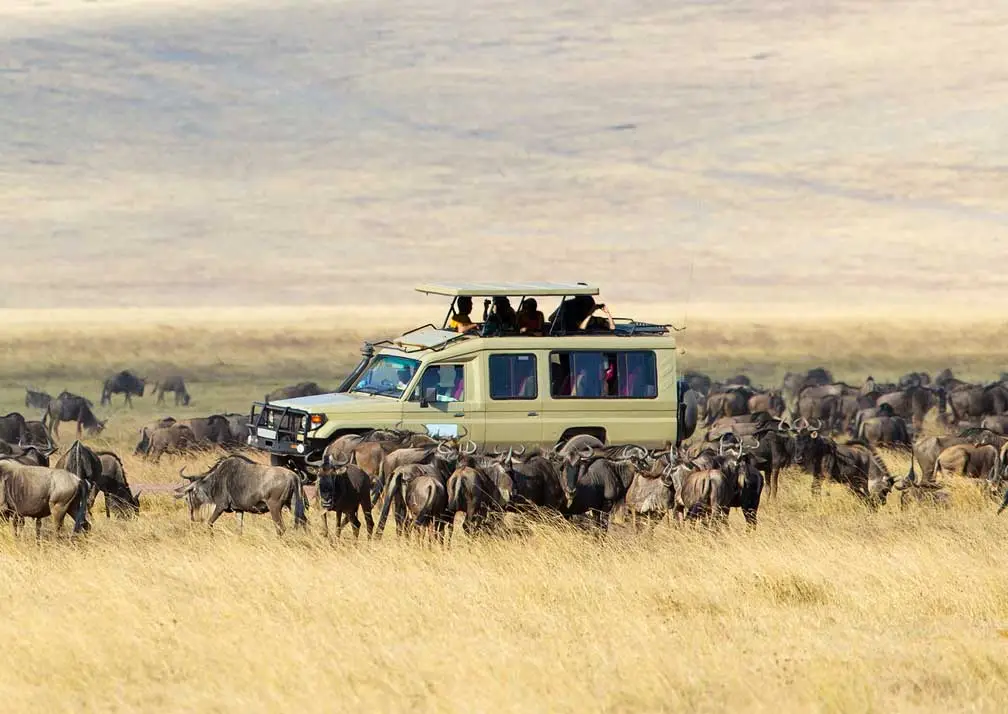
Experience one of nature's greatest spectacles with our Great Migration safari packages, timed for river crossings or calving.
View Package →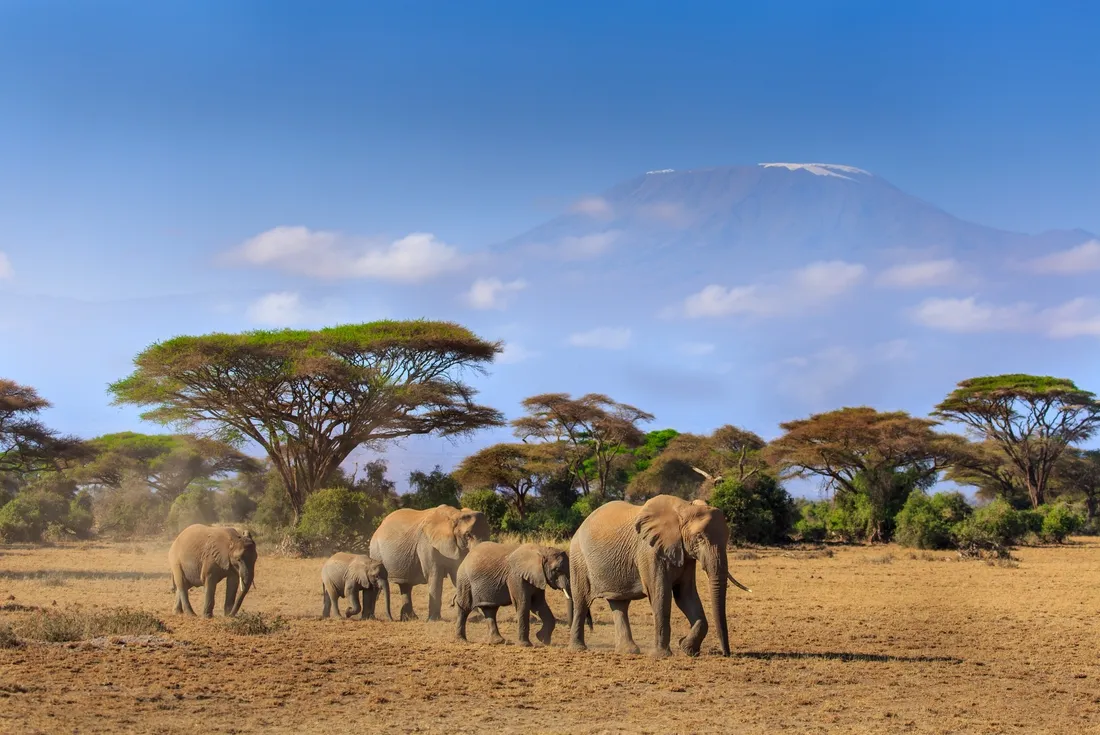
Serengeti & Kilimanjaro Trek
Combined safari and trekking tours offer wildlife adventures and Kilimanjaro climbs.
View Package →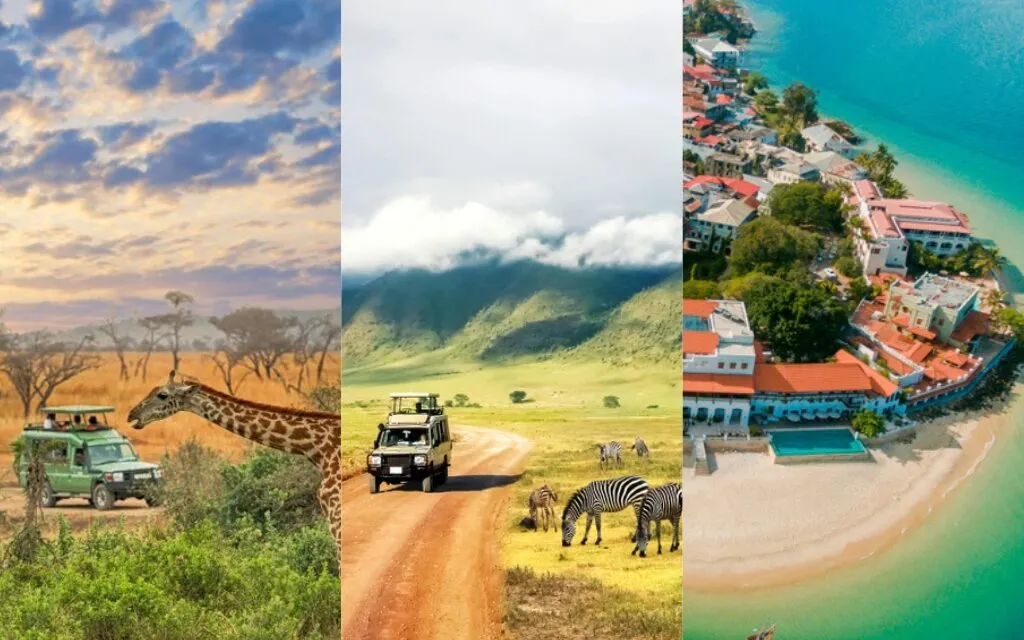
Serengeti & Zanzibar Tours
Luxury Tanzania safari & beach packages with the Great Migration and pristine beaches.
View Package →Related: Best Time to Visit Tanzania 2026 – Perfect safari extension after your Ethiopia adventure.