
Most Complete Fiji Travel Guide 2026-2027 – Everything You Need to Know Before Visiting
This Fiji travel guide provides everything you need to plan your journey to the South Pacific’s ultimate paradise. Fiji offers an extraordinary blend of turquoise lagoons, coral reefs, luxury private-island resorts, and authentic Fijian village culture that create one of the world’s most diverse tropical travel experiences. Many travelers who want to travel to Fiji are surprised by the country’s incredible diversity and rich cultural heritage spanning indigenous Fijian traditions, Indian influences, and laid-back island lifestyle. The nation covers over 300 islands, offering visitors everything from overwater bungalows to pristine dive sites and vibrant local markets.
Start Reading the Full Guide ↓Quick Facts About Fiji
- Capital: Suva (Viti Levu).
- Currency: Fijian Dollar (FJD).
- Time Zone: Fiji Time (FJT, UTC+12).
- International Calling Code: +679.
- Driving Side: Left.
- Major Airports: Nadi International Airport (NAN), Nausori Airport (SUV).
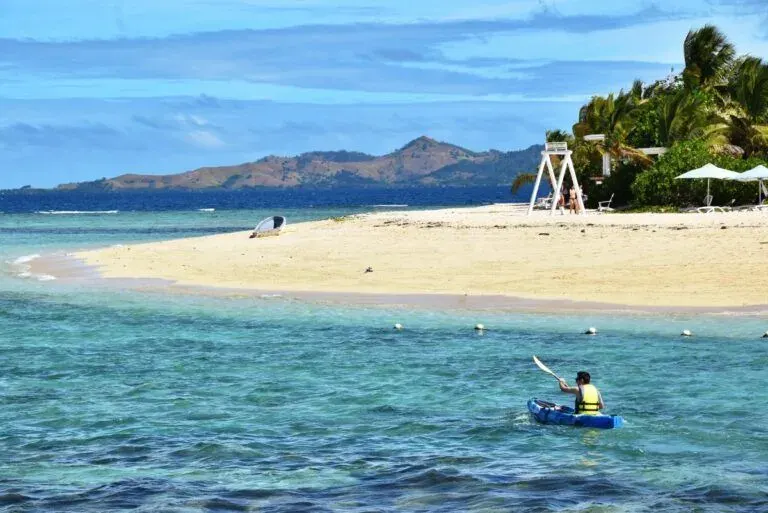
Fiji Overview & Key Facts
Brief History of Fiji
Fiji's history spans millennia, from ancient Lapita settlers around 1500 BCE through indigenous Fijian kingdoms to British colonial rule. The first Melanesian settlers arrived thousands of years ago, followed by Polynesian influences. European contact began with Dutch and British explorers in the 17th-19th centuries. Fiji became a British crown colony in 1874 and gained independence in 1970. This rich historical tapestry creates a fascinating backdrop for modern travelers exploring traditional villages and colonial architecture.
Independence & National Identity
- Independence date: October 10, 1970.
- Former colonial power: United Kingdom.
- National symbols & identity.
Fiji gained independence after nearly a century of British rule. The national flag features a light blue field with the Union Jack and Fijian shield, symbolizing both heritage and independence. The “Bula” spirit of warmth and hospitality defines modern Fijian identity.
Government System & Current Leadership
- Type of government: Parliamentary Republic
- Current president: Ratu Wiliame Katonivere
- Notes on political stability
Fiji operates as a parliamentary republic with a multi-party system. The country has experienced periods of political transition but has maintained stability since the 2014 and 2022 democratic elections.
Population, Ethnic Groups & Languages
- Population: 930,000 (2025 projection).
- Major ethnic groups: iTaukei (57%), Indo-Fijian (37%).
- Official language(s): English, Fijian, Fiji Hindi.
- Additional languages commonly spoken.
English is universally spoken in tourism and business. Fijian and Fiji Hindi are widely used in daily life. Most resort staff speak excellent English.
Main Religions & Cultural Identity
Christianity dominates (64%), followed by Hinduism (28%) and Islam (6%). Traditional Fijian culture remains strong with village protocols, kava ceremonies, and meke performances. Visitors should respect customs, especially when visiting villages.
Geography & Natural Landscape
Fiji comprises 333 islands (110 inhabited) in the South Pacific. Viti Levu and Vanua Levu contain 87% of the population. The islands feature volcanic origins with rugged interiors, coral reefs, and white-sand beaches. The Coral Coast, Yasawa, and Mamanuca Islands offer classic postcard scenery.
Economy & Tourism Highlights
Tourism is Fiji’s largest industry, contributing over 40% of GDP. The country welcomes over 900,000 visitors annually, drawn to world-class diving, luxury resorts, and authentic cultural experiences.
What Fiji Is Known For
- Soft coral capital of the world
- Overwater bungalows and private-island resorts
- Friendly “Bula” culture and traditional kava ceremonies
Visa & Entry Requirements in Fiji
Most international visitors receive a free 4-month tourist visa on arrival. Citizens of approximately 110 countries (including USA, UK, EU, Australia, Canada, New Zealand) enjoy visa-free entry. Extensions are available.
Do You Need a Visa?
No pre-arranged visa required for most nationalities. You receive a 4-month visitor permit stamped on arrival.
Visa Application Options in Fiji
- Visa on arrival (free for most nationalities)
- Visa extension at Immigration Department in Suva, Nadi or Lautoka
Visa-exempt countries simply present a valid passport (6+ months validity), onward ticket, and proof of funds.
Passport Validity & Entry Documents
Passport must be valid for 6 months beyond intended stay. You need an onward/return ticket and sufficient funds (minimum FJD$150 per person per day).
Customs Rules & Prohibited Items
Duty-free allowance: 2.25L spirits OR 4.5L wine OR 4.5L beer, 250 cigarettes, FJD$500 gifts. Strict biosecurity – declare all food items. Coral, turtle shell, and certain shells prohibited.
Safety & Security Information in Fiji
Fiji is one of the safest destinations in the Pacific with very low violent crime rates against tourists. The famous “Bula spirit” means locals are genuinely welcoming.
Is Fiji Safe for Tourists?
Yes – Fiji consistently ranks among the safest tropical destinations. Resorts have 24-hour security, and tourist areas are well-policed.
Recommended Safety Tips when in Fiji
Use resort safes, avoid walking alone late at night in downtown Suva or Nadi town, respect village protocols, and use licensed taxis or resort transfers.
Safe Areas vs. Areas to Avoid in Fiji
All resort areas (Mamanuca, Yasawa, Coral Coast, Denarau, Taveuni) are very safe. Exercise normal precautions in downtown Suva/Nadi after dark.
Emergency Numbers & Tourist Police in Fiji
- Police: 917 / 911
- Fire: 910 / 911
- Medical Emergency: 911
- Tourist Police: Available in Nadi and Suva
Health Requirements & Vaccinations in Fiji
No mandatory vaccinations for most travelers. Healthcare is good in urban areas and major resorts.
Mandatory Vaccinations in Fiji
None unless arriving from a yellow fever country within 6 days.
Recommended Vaccinations in Fiji
Hepatitis A, Typhoid, routine vaccines. Consider Hepatitis B and Rabies for extended stays.
Malaria & Other Risks
No malaria in Fiji. Dengue fever occurs rarely – use mosquito repellent at dawn/dusk.
Travel Insurance Recommendations in Fiji
Highly recommended – covers medical evacuation (expensive from remote islands), trip cancellation, and water-sport activities.
Best Time to Visit in Fiji
May to October (dry season) offers perfect weather. November–April is wetter but cheaper and still warm.
Weather by Season
Dry season (May–Oct): 22–29°C, low humidity. Wet season (Nov–Apr): 25–31°C, higher humidity, occasional cyclones (Jan–Mar).
When to Visit Fiji for Best Experiences
- Diving/snorkeling: Year-round (best visibility May–Oct)
- Surfing: May–Oct (offshore reefs)
- Humpback whale swimming: July–Oct (Taveuni)
- Budget travel: Nov–Apr (except Christmas/New Year)
High Season vs. Low Season Travel
High season: June–October + Christmas/New Year. Low season: November–March (great deals, fewer crowds).
Weather & Climate Overview in Fiji
Tropical maritime climate – warm year-round with two distinct seasons.
Temperature Ranges
Daytime 26–31°C year-round. Water temperature 24–29°C.
Rainy & Dry Seasons in Fiji
Dry season: May–October (minimal rain). Wet season: November–April (short, heavy showers, mostly afternoons).
What to Wear Based on the Weather
Light breathable clothing, swimwear, reef-safe sunscreen, light rain jacket (wet season), modest attire for village visits.
Main Currency, Costs & Budgeting in Fiji
Fiji offers options from backpacker hostels to ultra-luxury private islands.
Local Currency Information
Fijian Dollar (FJD). Notes: $5, $10, $20, $50, $100. Coins widely used.
Average Travel Costs in Fiji
Budget: $120–200/day; mid-range $250–450/day; luxury $600–2000+/day.
Using ATMs, Cards & Mobile Money in Fiji
ATMs widespread in towns and resorts. Visa/Mastercard widely accepted. Cash needed on outer islands.
Tipping Guidelines in Fiji
Not expected (many resorts operate “no tipping” policy), but appreciated for exceptional service.
Transportation & Getting Around in Fiji
Combination of flights, ferries, private transfers, and local buses.
Airport Transfers
Nadi International Airport: resort transfers, taxis, shuttle buses. Pre-booking recommended.
Local Transport Options in Fiji
Resort islands: included boat transfers. Viti Levu: local buses (cheap), taxis, rental cars.
Fiji Domestic Flights
Fiji Link (Fiji Airways) connects Nadi to Suva, Labasa, Taveuni, Savusavu, Kadavu.
Car Rentals & Road Conditions in Fiji
Available in Nadi, Suva, Coral Coast. Drive on left. Good sealed roads on main islands.
Accommodation Options available in Fiji
From backpacker dorms to iconic overwater bungalows.
Types of Accommodations in Fiji
Resorts (all-inclusive), boutique hotels, homestays, hostels, private-island resorts, Airbnb.
Budget vs. Mid-Range vs. Luxury
Budget $40–120/night; mid-range $200–500/night; luxury $600–3000+/night.
Best Areas to Stay in Fiji
Denarau Island (family-friendly), Coral Coast (mainland beaches), Mamanuca/Yasawa (island-hopping), Taveuni (diving), Vanua Levu (quiet luxury).
Essential Packing Guide when Visiting Fiji
Pack light, focus on reef-safe sunscreen and modest village attire.
Clothing Essentials
Swimwear, rash guards, light clothing, sulu/sarong for village visits, light jacket for evenings.
Footwear & Gear
Reef shoes (essential), flip-flops, waterproof bag, snorkel gear (or rent).
Electronics & Cameras
Australia/New Zealand plug type I, 240V. Waterproof phone case, GoPro recommended.
Toiletries & Personal Items
Reef-safe sunscreen (mandatory in many marine parks), insect repellent, medications.
Language & Communication in Fiji
English is official and universally spoken in tourism.
Main Languages Spoken in Fiji
English, Fijian, Fiji Hindi. “Bula” (hello), “Vinaka” (thank you) appreciated.
Useful Phrases for Tourists
Bula = hello, Vinaka = thank you, Moce = goodbye.
SIM Cards & Mobile Data used in Fiji
Vodafone and Digicel SIMs at airport. Good 4G coverage.
Internet Availability & Wi-Fi in Fiji
Most resorts offer Wi-Fi (sometimes extra charge on outer islands).
Culture & Etiquette in Fiji
Respect for tradition is essential, especially in villages.
Fijian Dress Code Expectations
Cover shoulders and knees in villages, remove hats/sunglasses, wear sulu when requested.
Social Etiquette & Respectful Behavior of Fiji
Ask permission before photographing people. Accept kava when offered in villages.
Photography Rules in Fiji
Ask permission in villages. No photos of people in mourning (black clothing).
Important Cultural Dos & Don’ts in Fiji
Do: remove shoes entering bure, touch someone’s head (taboo). Don’t: wear hats in villages, point with finger.
Food, Water & Dining in Fiji
Fusion of Fijian, Indian, Chinese, and international cuisine.
Fijian Local Dishes to Try
Kokoda (raw fish salad), lovo (earth-oven feast), palusami, roti parcels, cassava tapioca.
Dietary Options in Fiji
Excellent vegetarian/vegan Indian options. Most resorts cater to all dietary needs.
Drinking Water Safety
Tap water safe in resorts and major towns. Bottled water widely available.
Restaurant Etiquette
Casual dress. Many resorts all-inclusive. Tipping not expected.
Top Attractions & Things to Do in Fiji
From world-class diving to cultural village visits.
Major Tourist Attractions in Fiji
- Mamanuca & Yasawa Islands
- Great Astrolabe Reef (Kadavu)
- Taveuni – “Garden Island”
- Sri Siva Subramaniya Temple (Nadi)
Best Tours & Experiences in Fiji
Island-hopping cruises, village visits, shark diving (Beqa Lagoon), cloud 9 floating bar, Sigatoka sand dunes.
Family-Friendly Activities to do in Fiji
Kids clubs at most resorts, snorkeling, waterfall visits, Fiji Museum.
Unique Cultural or Historical Sites to visit in Fiji
Traditional kava ceremonies, fire-walking, meke performances, Levuka (Fiji’s first capital – UNESCO candidate).
Fijian Electrical System Information
Australian/New Zealand standard plugs and voltage.
Plug Types & Voltage used in Fiji
Type I plugs, 240V, 50Hz.
Charging Tips
Bring Type I adapters. Power banks useful for island-hopping days.
Local Laws & Regulations of Fiji
Relaxed but respect local customs.
Rules Travelers Need to Know when In Fiji
Sunday is quiet (many shops closed). Respect village protocols. Coral protection laws strict.
Alcohol, Smoking & Substance Laws of Fiji
All illegal drugs strictly prohibited. Alcohol widely available. Smoking banned in many public places.
Restricted or Protected Areas in Fiji
Marine protected areas – no fishing/taking coral. Some sacred village sites require permission.
Final Travel Tips for Visitors in Fiji
Relax, smile, and embrace the “Fiji time” philosophy.
Common Mistakes to Avoid
Don’t try to see too many islands in short time. Don’t visit villages unguided. Don’t touch coral.
Tips to Save Money when Visiting Fiji
Travel in shoulder season, stay on mainland first/last nights, use local ferries, eat local food.
Safety & Comfort Tips
Use reef-safe sunscreen, stay hydrated, pre-book transfers, bring cash for outer islands.
Frequently Asked Questions – Fiji Travel Guide 2026-2027
Our Tanzania Tours Products
While Fiji offers the ultimate tropical island paradise, many travelers combine the Pacific with the ultimate wildlife experience in East Africa. Capable Africa Tours specializes in secure, guided safaris that maximize safety and wonder. Our expert local guides, armed rangers in parks, and vetted accommodations ensure peace of mind. From family-friendly lodges to luxury camps, we handle logistics so you focus on the magic. Tanzania ranks high for tourist safety with dedicated wildlife protection units and stable northern circuits.
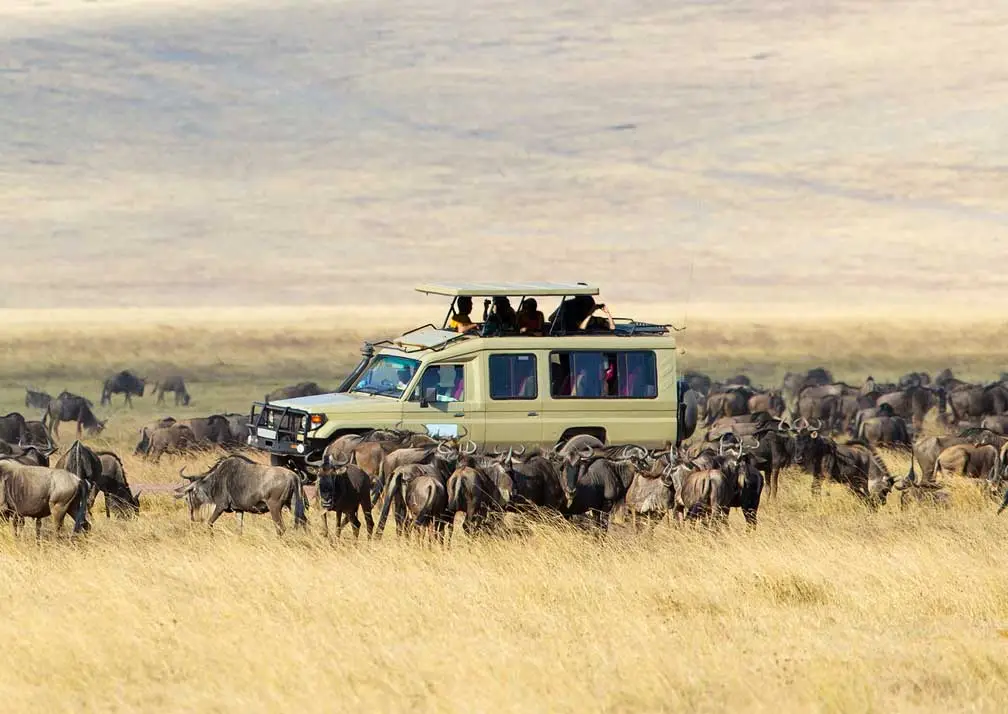
Great Migration Safaris
Experience one of nature's greatest spectacles with our Great Migration safari packages, timed for river crossings or calving.
View Package →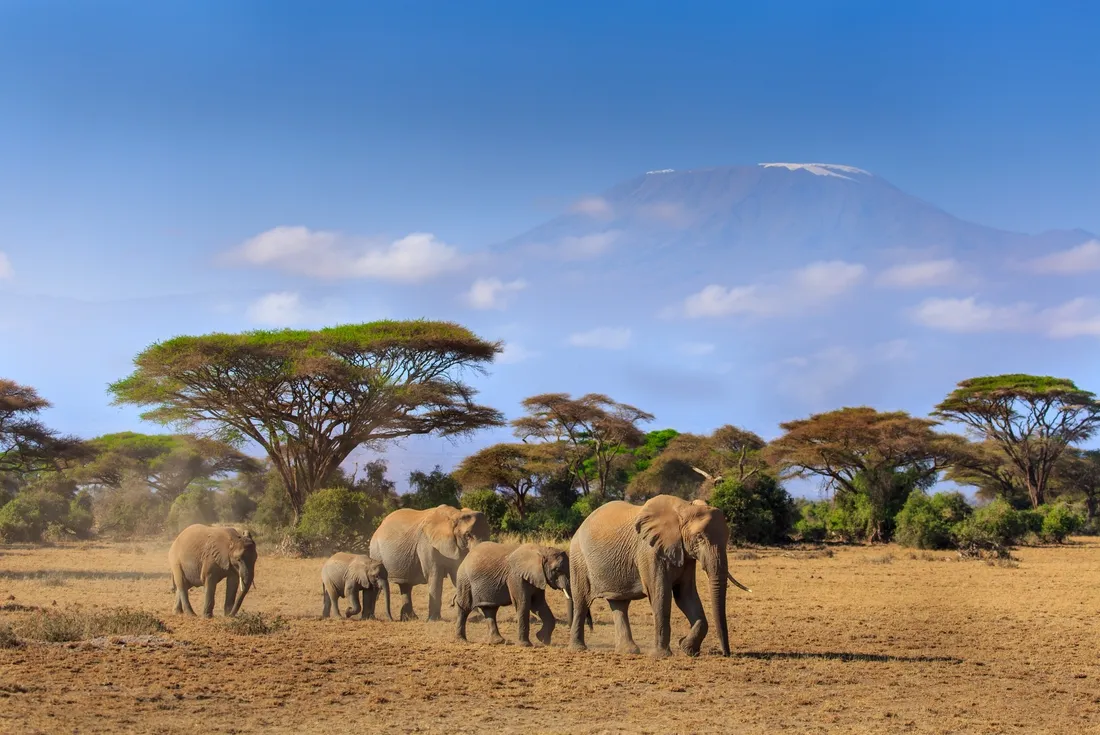
Serengeti & Kilimanjaro Trek
Combined safari and trekking tours offer wildlife adventures and Kilimanjaro climbs.
View Package →
Serengeti & Zanzibar Tours
Luxury Tanzania safari & beach packages with the Great Migration and pristine beaches.
View Package →Related: Best Time to Visit Tanzania 2026 – Perfect safari extension after your Fiji island escape.