
Most Complete France Travel Guide 2026-2027 – Everything You Need to Know Before Visiting
This France travel guide provides everything you need to plan your journey to one of the world’s most visited countries. France offers an extraordinary blend of iconic landmarks, world-class cuisine, diverse landscapes from Mediterranean beaches to Alpine peaks, and a cultural heritage that has shaped Western civilisation. Many travelers who want to travel to France are surprised by the country's incredible regional diversity and depth beyond Paris – from medieval villages in Provence to dramatic cliffs in Normandy and vineyard-covered hills in Bordeaux.
Start Reading the Full Guide ↓Quick Facts About France
- Capital: Paris.
- Currency: Euro (€).
- Time Zone: Central European Time (CET, UTC+1).
- International Calling Code: +33.
- Driving Side: Right.
- Major Airports: Paris Charles de Gaulle (CDG), Paris Orly (ORY), Nice Côte d'Azur (NCE).
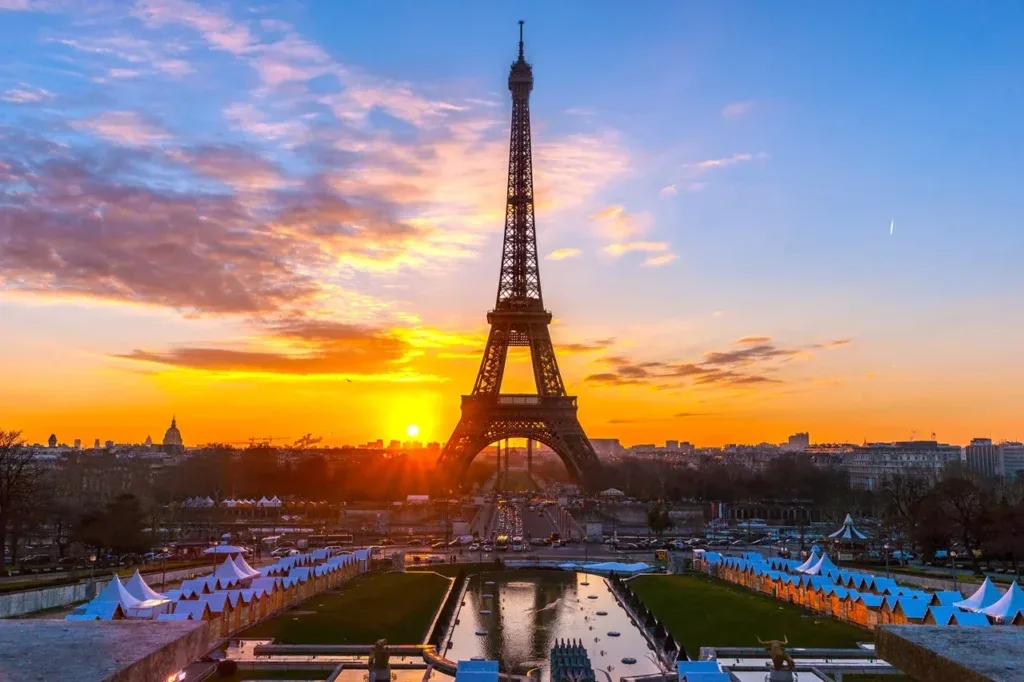
France Overview & Key Facts
Brief History of France
France's history spans millennia, from Celtic Gaul through Roman occupation to becoming Europe’s dominant power. The Frankish kingdom emerged in the 5th century, followed by Charlemagne’s empire and the medieval Capetian dynasty. The French Revolution of 1789 reshaped modern democracy, while Napoleon’s empire spread revolutionary ideals across Europe. This rich historical tapestry creates a fascinating backdrop for modern travelers exploring the country's châteaux, cathedrals and revolutionary landmarks.
Independence & National Identity
- Current form: Fifth Republic since 1958.
- National day: Bastille Day, July 14.
- National symbols & identity.
France is one of Europe’s oldest nation-states, with the motto “Liberté, Égalité, Fraternité”. The tricolour flag and “La Marseillaise” anthem symbolise the revolutionary ideals that still define French identity today.
Government System & Current Leadership
- Type of government: Semi-presidential republic
- Current president: Emmanuel Macron (re-elected 2022)
- Notes on political stability
France operates as a semi-presidential republic with strong central authority. President Emmanuel Macron has led since 2017, with parliamentary elections determining the prime minister. The country enjoys high political stability and is a founding member of the EU, NATO and UN Security Council.
Population, Ethnic Groups & Languages
- Population: 68.4 million (2025 projection).
- Major ethnic groups: French (84%), North African, Italian, Portuguese, other EU.
- Official language(s): French.
- Additional languages commonly spoken.
French is the sole official language, spoken by virtually the entire population. English is widely understood in tourist areas, with regional languages (Breton, Occitan, Corsican) preserved in specific areas.
Main Religions & Cultural Identity
France is officially secular (laïcité), with approximately 51% identifying as Catholic, 5% Muslim, 2% Protestant/Jewish/other, and 40% non-religious. Religious symbols are restricted in public institutions, but churches and cathedrals remain major cultural landmarks.
Geography & Natural Landscape
France features extraordinary geographical diversity: Mediterranean coastline, Atlantic beaches, the Alps (highest peak Mont Blanc 4,810m), Pyrenees mountains, Loire Valley châteaux region, and volcanic landscapes in Auvergne. The country spans eight time zones with overseas territories.
Economy & Tourism Highlights
France is the world’s most visited country (90+ million tourists annually pre-pandemic) and has the 7th largest economy. Tourism, luxury goods, aerospace, agriculture (wine, cheese) and fashion drive prosperity.
What France Is Known For
- UNESCO World Heritage sites (49 – second most after Italy)
- World-class cuisine and wine regions
- Fashion capital Paris and French Riviera glamour
Visa & Entry Requirements in France
France is part of the Schengen Area. Entry rules depend on nationality, with ETIAS (electronic authorisation) required from mid-2026 for visa-exempt visitors.
Do You Need a Visa?
EU/EEA/Swiss: no restrictions. US, Canada, UK, Australia, NZ citizens: visa-free for 90 days in 180 (ETIAS required from 2026). Most African, Asian, Latin American nationalities require Schengen tourist visa.
Visa Application Options in France
- Schengen tourist visa (through French consulate or VFS Global)
- ETIAS electronic authorisation (from 2026 – €7 online)
- Long-stay visas for study/work
Applications typically processed within 15 days; apply up to 6 months in advance.
Passport Validity & Entry Documents
Passport valid 3 months beyond intended departure from Schengen area. Proof of accommodation, return ticket and sufficient funds (€120/day if no pre-paid accommodation) may be requested.
Customs Rules & Prohibited Items
Standard EU customs apply. Duty-free limits for non-EU residents: €430 (air/sea) or €300 (land). Alcohol/tobacco limits apply. Cash over €10,000 must be declared.
Safety & Security Information in France
France is generally very safe with excellent tourist infrastructure. Pickpocketing in Paris and terrorism risk are the main concerns.
Is France Safe for Tourists?
Yes – one of the safest major tourist destinations globally. Paris metro and tourist sites have heavy police presence. Terrorism threat exists but is well-managed.
Recommended Safety Tips when in France
Use anti-theft bags in crowded areas, avoid unlicensed taxis, be aware of scams targeting tourists. Emergency number 112 works across EU.
Safe Areas vs. Areas to Avoid in France
All major tourist areas are safe. Some northern Paris suburbs and certain Marseille neighbourhoods best avoided at night.
Emergency Numbers & Tourist Police in France
- Emergency: 112
- Police: 17
- Fire/Ambulance: 18
- Tourist police units in Paris and major cities
Health Requirements & Vaccinations in France
No vaccination requirements. Excellent medical facilities throughout the country.
Mandatory Vaccinations in France
None required. Covid restrictions fully lifted.
Recommended Vaccinations in France
Routine vaccines only. Tick-borne encephalitis if hiking in rural areas spring/summer.
Malaria & Other Risks
No malaria risk. Tap water safe everywhere.
Travel Insurance Recommendations in France
Highly recommended – covers medical treatment (not free for non-EU citizens) and cancellation. EHIC/GHIC valid for UK/EU citizens.
Best Time to Visit in France
Shoulder seasons (April–June, September–October) offer best weather/crowd balance.
Weather by Season
Spring: mild and blooming. Summer: hot (especially south). Autumn: pleasant with grape harvest. Winter: cold in north/Alps, mild Mediterranean.
When to Visit France for Best Experiences
- Lavender fields Provence: late June–July
- Skiing French Alps: December–March
- Paris fashion weeks: January/September
- Christmas markets Alsace: December
High Season vs. Low Season Travel
High season: June–August (expensive, crowded). Low season: November–March (except ski resorts and Christmas markets).
Weather & Climate Overview in France
Four main climate zones: oceanic (west), continental (east), Mediterranean (south), mountain (Alps/Pyrenees).
Temperature Ranges
Paris: 3–8°C winter, 15–25°C summer. Mediterranean coast: 8–15°C winter, 22–30°C summer. Alps: sub-zero winter, 15–25°C summer.
Rainy & Dry Seasons in France
North/west: rain year-round. Mediterranean: dry summers, wet winters.
What to Wear Based on the Weather
Layering essential. Smart-casual dress code. Comfortable walking shoes critical – especially in Paris and hill towns.
Main Currency, Costs & Budgeting in France
Euro (€) used nationwide. Cards accepted virtually everywhere.
Local Currency Information
Euro notes and coins. No currency exchange restrictions within EU.
Average Travel Costs in France
Budget €80–130/day, mid-range €150–280, luxury €400+. Paris most expensive, rural areas cheaper.
Using ATMs, Cards & Mobile Money in France
Contactless cards standard. Apple/Google Pay widely accepted. ATMs everywhere.
Tipping Guidelines in France
Service included but rounding up or 5–10% extra appreciated in restaurants. €1–2 per bag for hotel porters.
Transportation & Getting Around in France
Excellent high-speed rail (TGV) network, comprehensive regional trains, affordable domestic flights.
Airport Transfers
CDG: RER train €12, RoissyBus €16, taxi €55–70. Orly: Orlyval + RER or taxi.
Local Transport Options in France
Paris Metro outstanding. Most cities have excellent public transport. Vélib’/free-floating bikes widespread.
France Domestic Flights & High-Speed Trains
TGV connects major cities in 2–4 hours (Paris–Marseille 3h15). Book early for best fares.
Car Rentals & Road Conditions in France
Excellent motorways (tolls). International licence accepted. Great for countryside exploration.
Accommodation Options available in France
Everything from hostels and Airbnb to châteaux hotels and Michelin-starred palace hotels.
Types of Accommodations in France
Hotels, B&Bs (chambres d’hôtes), gîtes, apartments, campsites, unique stays (treehouses, lighthouses).
Budget vs. Mid-Range vs. Luxury
Budget €40–90, mid-range €100–200, luxury €300+ per night.
Best Areas to Stay in France
Paris: Le Marais, Saint-Germain. Provence: Aix-en-Provence, Avignon. Riviera: Nice (convenient), Cannes/Monaco (glamorous).
Essential Packing Guide when Visiting France
Comfortable walking shoes essential. Adapter (Type C/E) if from outside Europe.
Clothing Essentials
Smart-casual wardrobe. Scarf useful for churches and air-conditioning. Rain jacket year-round.
Footwear & Gear
Quality walking shoes, sandals for south, warm layers for winter/Alps.
Electronics & Cameras
230V/50Hz, Type C/E plugs. Power banks useful for long sightseeing days.
Toiletries & Personal Items
All items readily available. Bring prescription medications.
Language & Communication in France
French official language, English widely spoken in tourist areas.
Main Languages Spoken in France
French dominant. English common in tourism sector.
Useful Phrases for Tourists
Bonjour (hello), Merci (thank you), S’il vous plaît (please), Parlez-vous anglais? (Do you speak English?)
SIM Cards & Mobile Data used in France
Free EU roaming for EU citizens. Excellent 4G/5G coverage. eSIMs widely available.
Internet Availability & Wi-Fi in France
Free Wi-Fi in most cafes, restaurants, train stations and many public spaces.
Culture & Etiquette in France
French value politeness and proper form. Greeting with “bonjour” essential.
French Dress Code Expectations
Stylish but understated. No beachwear in towns. Smart dress for nice restaurants.
Social Etiquette & Respectful Behavior of France
Always greet shopkeepers. Handshakes or cheek kisses (2–4 depending on region). Don’t discuss money.
Photography Rules in France
Generally permitted. Ask permission for people photos. No flash in museums.
Important Cultural Dos & Don’ts in France
Do say bonjour when entering shops. Don’t eat while walking. Do enjoy long meals.
Food, Water & Dining in France
French cuisine is UNESCO intangible heritage. Regional specialities vary dramatically.
French Local Dishes to Try
Coq au vin, bouillabaisse, ratatouille, crêpes, escargots, foie gras, macarons, endless cheeses and wines.
Dietary Options in France
Excellent vegetarian options in cities. Vegan growing. Halal/kosher available in major cities.
Drinking Water Safety
Tap water safe and excellent quality everywhere.
Restaurant Etiquette
Service compris (included). Rounding up sufficient. Meals are leisurely – don’t rush.
Top Attractions & Things to Do in France
49 UNESCO sites, thousands of châteaux, world-class museums, stunning coastlines and mountains.
Major Tourist Attractions in France
- Eiffel Tower & Louvre (Paris)
- Palace of Versailles
- Mont Saint-Michel
- Loire Valley châteaux
French Riviera, Provence lavender fields, D-Day beaches Normandy, Bordeaux wine region, French Alps.
Best Tours & Experiences in France
Wine tastings, hot-air balloon over Loire Valley, perfume workshops Grasse, truffle hunting, ski resorts, cycling vineyard routes.
Family-Friendly Activities to do in France
Disneyland Paris, Futuroscope, Cité de l’Espace Toulouse, beaches, aquariums.
Unique Cultural or Historical Sites to visit in France
Lascaux caves replica, Carcassonne medieval city, Chartres cathedral stained glass, Avignon Papal Palace.
French Electrical System Information
230V, 50Hz, Type C and E plugs.
Plug Types & Voltage used in France
Type C (two round pins) and Type E (two round pins + grounding pin).
Charging Tips
Universal adapters widely available. USB charging common in trains/cafes.
Local Laws & Regulations of France
Standard European laws. Face covering ban in public (except medical masks). Drinking age 18.
Rules Travelers Need to Know when In France
No smoking in enclosed public spaces. Jaywalking fined in Paris. Drone restrictions near airports/monuments.
Alcohol, Smoking & Substance Laws of France
Cannabis illegal. Public drinking restricted in some areas. Smoking banned indoors.
Restricted or Protected Areas in France.
Military sites photography prohibited. Some beaches clothing-optional, others topless common.
Final Travel Tips for Visitors in France
Book attractions (Louvre, Versailles) in advance. Validate train tickets before boarding. Learn basic pleasantries.
Common Mistakes to Avoid
Visiting only Paris, assuming everyone speaks English outside tourist areas, eating near major monuments (expensive/poor quality).
Tips to Save Money when Visiting France
Use regional trains over TGV when possible, city passes, picnic with market produce, stay outside Paris center.
Safety & Comfort Tips
Keep valuables secure in crowds. Use official taxis or Uber/Bolt. Enjoy café culture – it’s part of the experience.
Frequently Asked Questions – France Travel Guide 2026-2027
Our Tanzania Tours Products
While France offers romance, cuisine and culture, many travelers combine Europe with the ultimate wildlife experience in East Africa. Capable Africa Tours specializes in secure, guided safaris that maximize safety and wonder. Our expert local guides, armed rangers in parks, and vetted accommodations ensure peace of mind. From family-friendly lodges to luxury camps, we handle logistics so you focus on the magic. Tanzania ranks high for tourist safety with dedicated wildlife protection units and stable northern circuits.
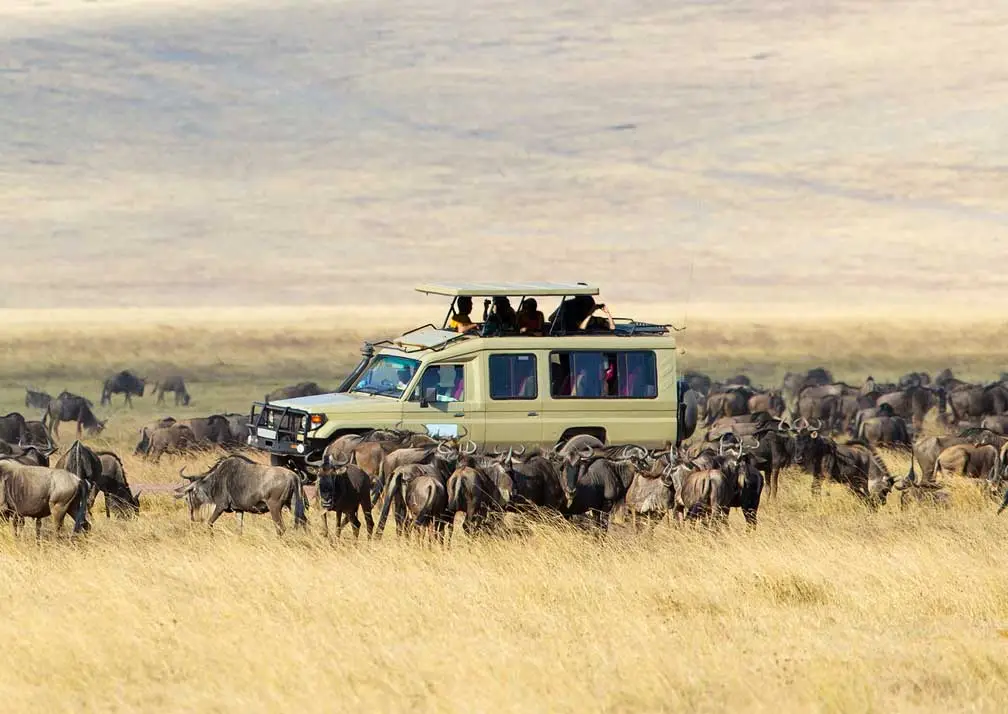
Great Migration Safaris
Experience one of nature's greatest spectacles with our Great Migration safari packages, timed for river crossings or calving.
View Package →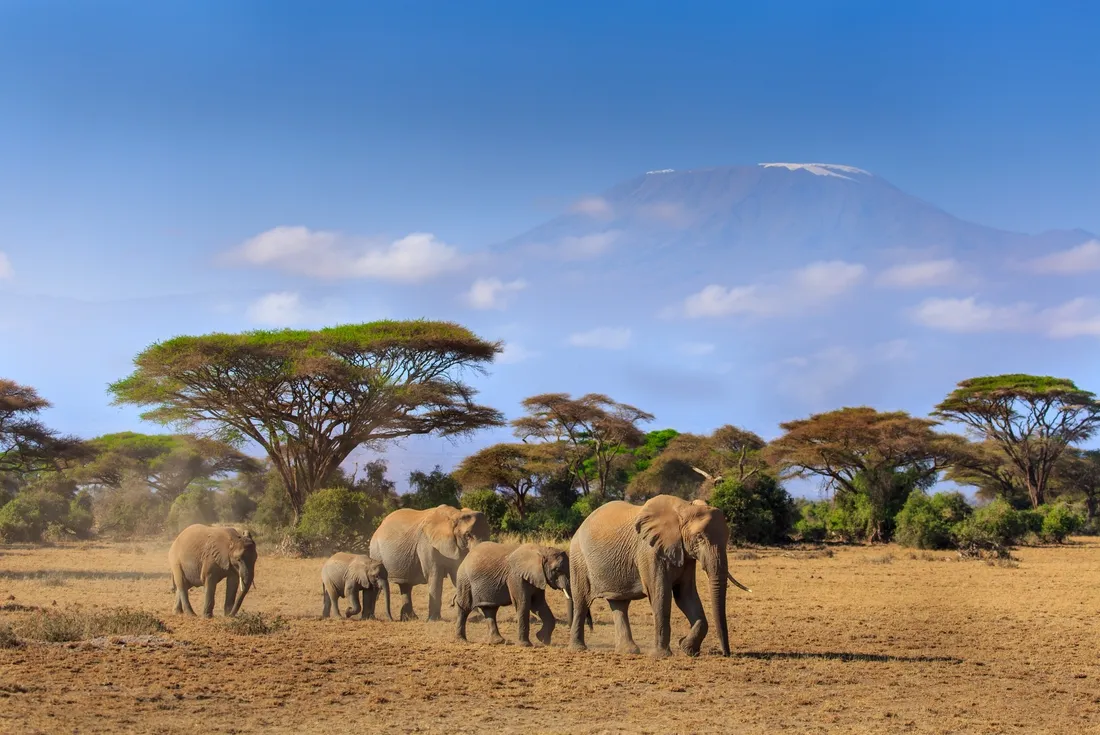
Serengeti & Kilimanjaro Trek
Combined safari and trekking tours offer wildlife adventures and Kilimanjaro climbs.
View Package →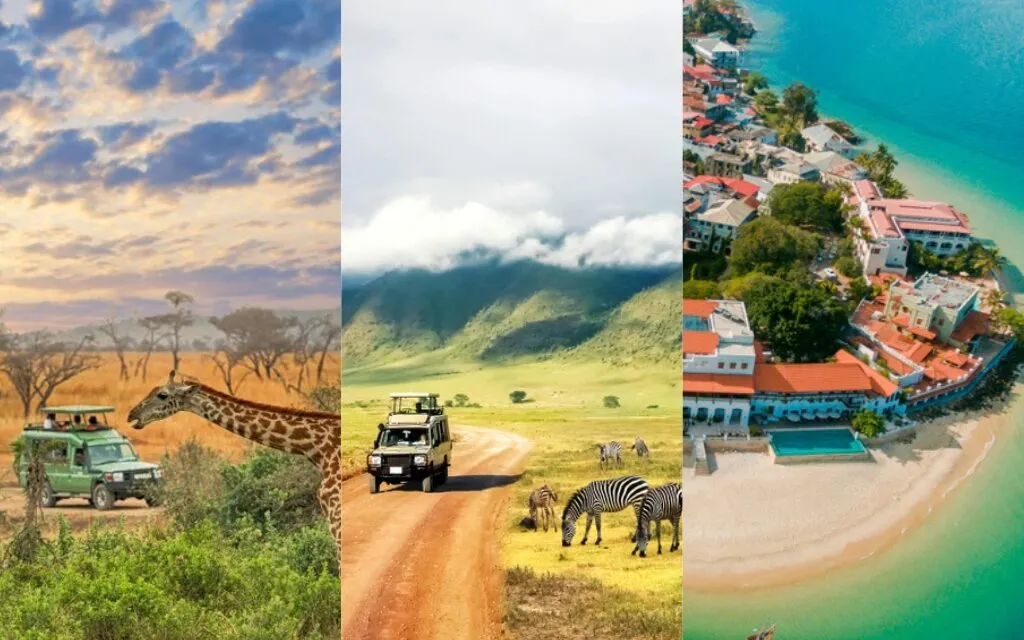
Serengeti & Zanzibar Tours
Luxury Tanzania safari & beach packages with the Great Migration and pristine beaches.
View Package →Related: Best Time to Visit Tanzania 2026 – Perfect safari extension after your France adventure.