Most Complete Gabon Travel Guide 2026-2027 – Everything You Need to Know Before Visiting
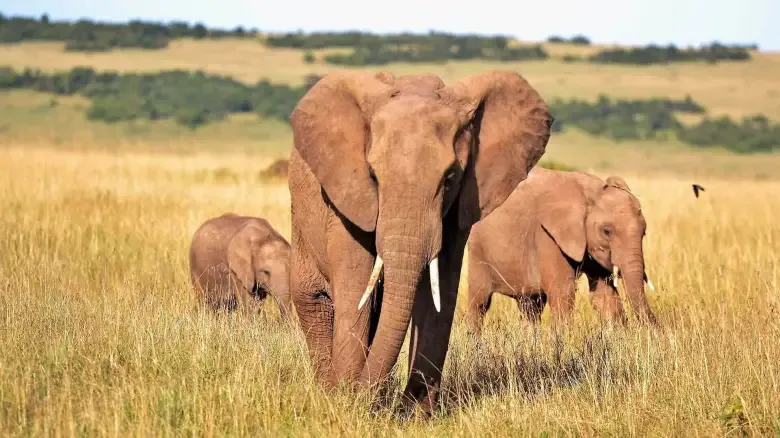
This Gabon travel guide provides everything you need to plan your journey to one of Africa’s last true wilderness frontiers. Gabon protects 13 stunning national parks covering over 11% of its territory, making it the continent’s leader in rainforest and coastal conservation. Travelers who visit Gabon are often stunned by the pristine nature: surfing hippos, forest elephants on beaches, western lowland gorillas, and the world’s largest concentration of leatherback turtles. Covering 270,000 km² of mostly intact equatorial rainforest and Atlantic coastline, Gabon offers some of the planet’s most exclusive and authentic wildlife encounters.
Start Reading the Full Guide ↓Quick Facts About Gabon
- Capital: Libreville.
- Currency: Central African CFA Franc (XAF).
- Time Zone: West Africa Time (WAT, UTC+1).
- International Calling Code: +241.
- Driving Side: Right.
- Major Airports: Libreville Leon M’ba International Airport (LBV), Port-Gentil, Franceville.
Gabon Overview & Key Facts
Brief History of Gabon
Gabon’s history traces Bantu migrations, Portuguese exploration in the 15th century, and French colonization from 1839. The Fang, Myene, and Punu peoples shaped rich cultural traditions before France established Libreville in 1849 as a settlement for freed slaves. Independence came peacefully in 1960, followed by oil-driven prosperity under Omar Bongo (1967–2009) and his son Ali Bongo (2009–2023). This stable backdrop supports Gabon’s focus on eco-tourism and conservation.
Independence & National Identity
- Independence date: August 17, 1960.
- Former colonial power: France.
- National symbols & identity.
Gabon gained independence peacefully from France. The flag’s green represents forests, yellow the equator, and blue the Atlantic Ocean. National identity celebrates ethnic diversity (over 40 groups) while French remains the unifying language.
Government System & Current Leadership
- Type of government: Presidential Republic
- Current president: Brice Clotaire Oligui Nguema (transitional, since 2023 coup)
- Notes on political stability
Gabon transitioned smoothly after the 2023 military takeover following disputed elections. The transitional government maintains strong stability and continues aggressive conservation policies.
Population, Ethnic Groups & Languages
- Population: 2.5 million (2025 estimate).
- Major ethnic groups: Fang (32%), Punu (15%), Nzebi, Myene, and others.
- Official language(s): French.
- Additional languages commonly spoken.
French is universal in administration and tourism. Fang is the most spoken indigenous language. English is rare outside luxury lodges.
Main Religions & Cultural Identity
Christianity (75–80%), with significant Catholic and Protestant communities. Traditional animist beliefs remain strong, especially in rural areas. Syncretism is common. Islamic minority under 10%.
Geography & Natural Landscape
88% rainforest, 800 km of Atlantic coast, savannas in the interior. 13 national parks (11% of territory) created by President Ali Bongo in 2002 remain the cornerstone of conservation.
Economy & Tourism Highlights
Oil-based economy transitioning to sustainable tourism and timber. “Gabon Vert” initiative positions the country as Africa’s premier high-end eco-destination.
What Gabon Is Known For
- Loango National Park – “Africa’s Last Eden” with beach elephants & surfing hippos
- Highest density of western lowland gorillas & mandrills
- World’s largest leatherback turtle nesting site
Visa & Entry Requirements in Gabon
Gabon operates a straightforward e-Visa system for most nationalities. Visa on arrival is available for select countries at Libreville airport.
Do You Need a Visa?
Most nationalities obtain an e-Visa online (72-hour processing). Citizens of Morocco, South Africa, Mauritius and some CEMAC countries are visa-exempt.
Visa Application Options in Gabon
- e-Visa (official site: evisa.dgdi.ga)
- Visa on arrival (limited nationalities)
- Embassy visa (rarely required)
Passport Validity & Entry Documents
Passport valid 6 months, yellow fever certificate mandatory, proof of accommodation, return ticket.
Customs Rules & Prohibited Items
Strict rules on ivory, wildlife products, and drone import (permit required).
Safety & Security Information in Gabon
Gabon is one of Central Africa’s safest destinations. Libreville and national parks have low crime rates.
Is Gabon Safe for Tourists?
Yes – violent crime against tourists is extremely rare. Petty theft occurs in Libreville; national parks are very secure.
Recommended Safety Tips when in Gabon
Use registered taxis, avoid walking alone at night in Libreville, follow lodge safety briefings for wildlife.
Safe Areas vs. Areas to Avoid in Gabon
All tourist areas safe. Avoid remote border regions with Congo and Equatorial Guinea.
Emergency Numbers & Tourist Police in Gabon
- Police: 1730 / 177
- Fire: 18
- Medical Emergency: 1300
Health Requirements & Vaccinations in Gabon
Yellow fever vaccination mandatory. Malaria prophylaxis essential.
Mandatory Vaccinations in Gabon
Yellow fever certificate required for all visitors over 9 months.
Recommended Vaccinations in Gabon
Hepatitis A & B, Typhoid, Rabies (for jungle stays), Meningitis.
Malaria & Other Risks
Malaria present year-round – take antimalarials (Malarone or Doxycycline).
Travel Insurance Recommendations in Gabon
Mandatory for most operators – must include medical evacuation coverage (essential for remote parks).
Best Time to Visit in Gabon
Dry season (June–September) ideal for gorilla tracking and coastal wildlife. November–February best for mandrills in Lopé.
Weather by Season
Two dry seasons (June–Sept & Dec–Feb) and two wet seasons. Temperatures 24–32°C year-round with high humidity.
When to Visit Gabon for Best Experiences
- Gorilla tracking: June–September
- Whale watching: July–September
- Mandrill tracking: November–February
- Turtle nesting: November–March
Weather & Climate Overview in Gabon
Equatorial climate – hot and humid year-round. Short dry season June–September offers clearest skies.
Main Currency, Costs & Budgeting in Gabon
CFA Franc (XAF). Gabon is expensive due to high-end eco-lodges and logistics.
Average Travel Costs in Gabon
Mid-range $250–450/day; luxury gorilla/rainforest lodges $600–1,200/day.
Transportation & Getting Around in Gabon
Domestic flights (Afrijet, Nationale) essential for park access. 4×4 transfers and boat travel common.
Accommodation Options available in Gabon
High-end eco-lodges dominate (Loango Lodge, Mikongo Camp, Langoué Baï). Libreville has international hotels.
Essential Packing Guide when Visiting Gabon
Light long-sleeve clothing, leech-proof socks, high-DEET repellent, binoculars, waterproof bags, headlamp.
Language & Communication in Gabon
French official. Guides in parks speak English at high-end lodges.
Culture & Etiquette in Gabon
Relaxed, welcoming culture. Modest dress in Libreville, photography permission in villages.
Food, Water & Dining in Gabon
Excellent French-influenced cuisine in Libreville. Bush meat avoided in responsible lodges.
Top Attractions & Things to Do in Gabon
Loango National Park, Lopé National Park (gorilla & mandrill tracking), Ivindo waterfalls, Pongara turtle beaches.
Gabon Electrical System Information
Type C/E plugs, 220V, 50Hz.
Local Laws & Regulations of Gabon
Strict anti-poaching laws, plastic bag ban, drone permits required.
Final Travel Tips for Visitors in Gabon
Book far in advance (lodges fill 12–18 months ahead), bring USD/EUR cash, use reputable operators.
Frequently Asked Questions – Gabon Travel Guide 2026-2027
Our Tanzania Tours Products
While Gabon delivers Africa’s most exclusive rainforest and gorilla experiences, many travelers combine Central Africa with the classic East African safari circuit. Capable Africa Tours specializes in secure, guided safaris that maximize safety and wonder. Our expert local guides, armed rangers in parks, and vetted accommodations ensure peace of mind.
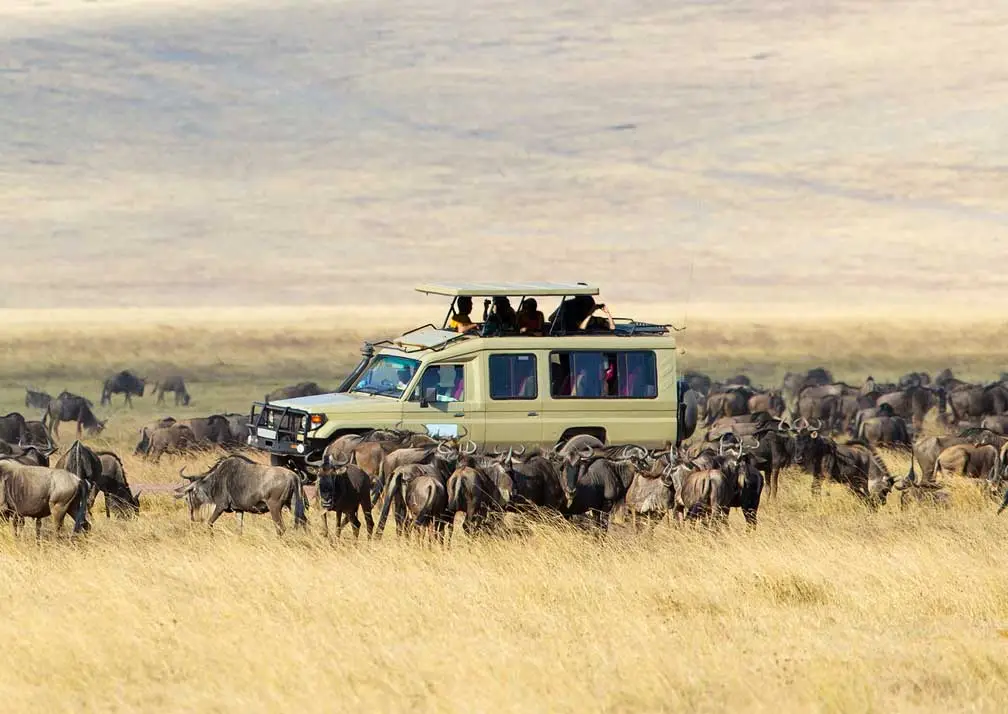
Great Migration Safaris
Experience one of nature's greatest spectacles with our Great Migration safari packages, timed for river crossings or calving.
View Package →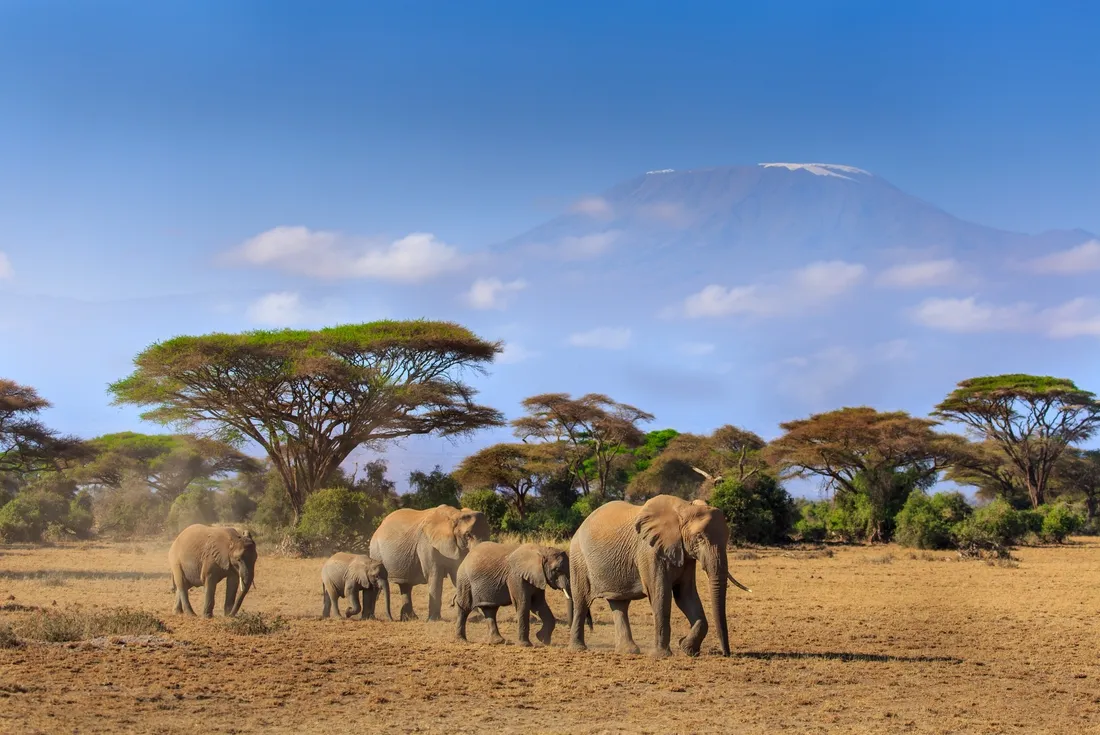
Serengeti & Kilimanjaro Trek
Combined safari and trekking tours offer wildlife adventures and Kilimanjaro climbs.
View Package →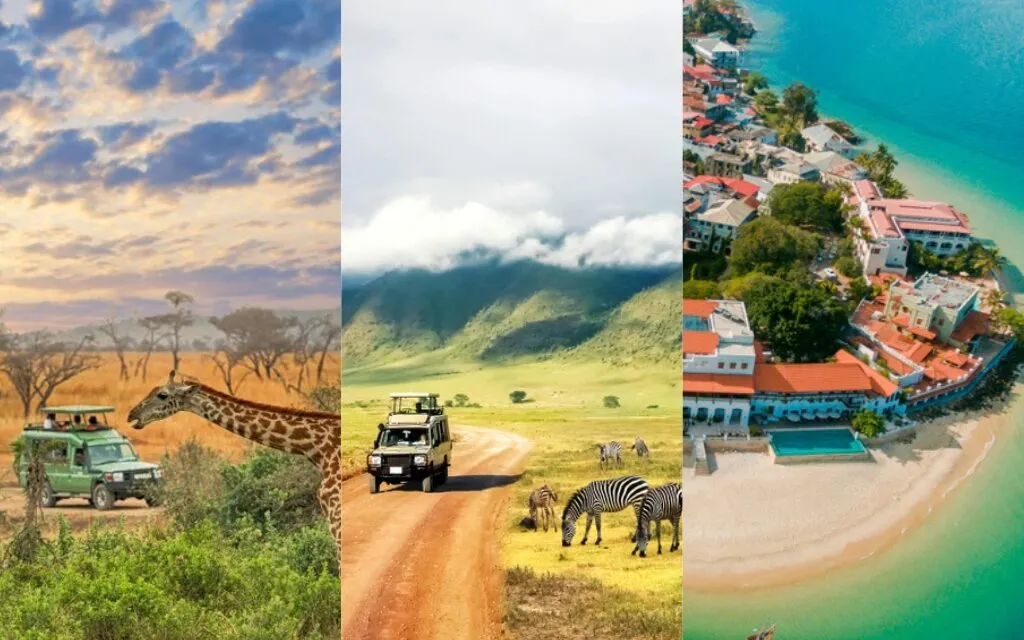
Serengeti & Zanzibar Tours
Luxury Tanzania safari & beach packages with the Great Migration and pristine beaches.
View Package →Related: Best Time to Visit Tanzania 2026 – Perfect safari extension after your Gabon adventure.