
Most Complete Gambia Travel Guide 2026-2027 – Everything You Need to Know Before Visiting
This Gambia travel guide provides everything you need to plan your journey to Africa’s smallest mainland country. Known as “The Smiling Coast of Africa”, Gambia offers an extraordinary blend of golden Atlantic beaches, the serene Gambia River, rich birdlife, vibrant culture and some of the friendliest people on the continent. Travelers who visit Gambia are consistently surprised by how easy, affordable and welcoming this compact West African nation is – perfect for first-time visitors to Africa.
Start Reading the Full Guide ↓Quick Facts About Gambia
- Capital: Banjul.
- Currency: Gambian Dalasi (GMD).
- Time Zone: Greenwich Mean Time (GMT, UTC+0).
- International Calling Code: +220.
- Driving Side: Right.
- Major Airport: Banjul International Airport (BJL).
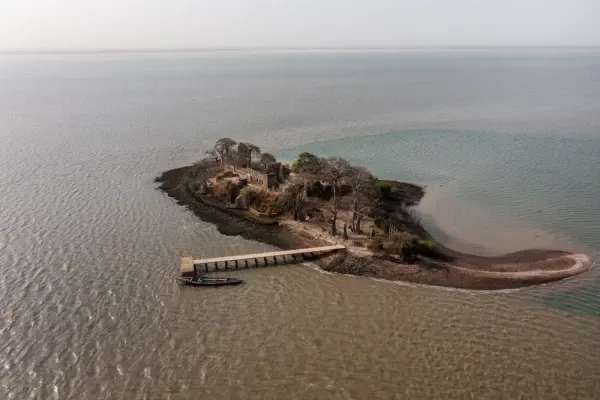
Gambia Overview & Key Facts
Brief History of Gambia
Gambia’s history is deeply tied to the transatlantic slave trade, with Kunta Kinteh Island (formerly James Island) and the village of Juffureh immortalized by Alex Haley’s “Roots”. The British established Bathurst (now Banjul) in 1816 as a base to suppress the slave trade. The country gained independence in 1965 and became a republic in 1970. Despite a peaceful reputation, Gambia experienced a bloodless coup in 1994 and political turbulence until the democratic election of President Adama Barrow in 2017.
Independence & National Identity
- Independence date: 18 February 1965.
- Former colonial power: United Kingdom.
- National symbols & identity.
Gambia is known for its laid-back, welcoming atmosphere. The national flag features red, blue, and green stripes separated by white lines, symbolizing the sun, the Gambia River, and the country’s vegetation.
Government System & Current Leadership
- Type of government: Presidential Republic
- Current president: Adama Barrow (re-elected 2021)
- Notes on political stability
Since 2017, Gambia has been stable and democratic. The country is widely regarded as one of West Africa’s most peaceful and politically stable nations.
Population, Ethnic Groups & Languages
- Population: 2.8 million (2025 estimate).
- Major ethnic groups: Mandinka (34%), Fula (24%), Wolof (15%).
- Official language(s): English.
- Additional languages commonly spoken.
English is universally spoken in tourism, education and government. Wolof serves as a lingua franca in Banjul and coastal areas.
Main Religions & Cultural Identity
Approximately 95% of Gambians are Muslim, 4% Christian, and 1% follow traditional beliefs. Islam is relaxed and tolerant; alcohol is widely available in tourist areas, and dress codes are liberal compared to many Muslim countries.
Geography & Natural Landscape
Gambia is the smallest country on mainland Africa, consisting of a narrow strip of land on both sides of the Gambia River, surrounded by Senegal. The country stretches 350 km inland but is never wider than 50 km. It features mangrove-lined riverbanks, savannah, and beautiful Atlantic beaches.
Economy & Tourism Highlights
Tourism, groundnuts, and re-export trade drive the economy. Gambia is one of Africa’s most accessible and affordable beach destinations with growing interest in eco-tourism, birdwatching (over 560 species), and cultural/heritage tourism.
What Gambia Is Known For
- Golden Atlantic beaches and all-inclusive resorts
- The Gambia River and river cruises
- Exceptional birdwatching (Abuko Nature Reserve, Kiang West)
- “Roots” heritage sites (Kunta Kinteh Island, Juffureh)
Visa & Entry Requirements in Gambia
One of Gambia’s biggest advantages is easy entry for most nationalities. Visa on arrival or visa-free access applies to most visitors.
Do You Need a Visa?
EU, UK, most Commonwealth, ECOWAS, and many other nationalities enjoy visa-free entry for up to 90 days. Others receive visa on arrival at Banjul Airport (cost ~$100–150 USD cash). Yellow Fever certificate is mandatory.
Visa Application Options in Gambia
- Visa-free entry (most EU, UK, Commonwealth)
- Visa on arrival at Banjul Airport
- Pre-arranged e-Visa available for some nationalities
Passport Validity & Entry Documents
Passport must be valid for 6 months beyond intended stay. Yellow Fever vaccination certificate required. Return/onward ticket may be requested.
Customs Rules & Prohibited Items
Standard restrictions apply. Duty-free allowance: 200 cigarettes, 1 litre spirits. No restrictions on currency declaration.
Safety & Security Information in Gambia
Gambia is widely regarded as one of West Africa’s safest destinations. Violent crime against tourists is extremely rare.
Is Gambia Safe for Tourists?
Yes – very safe. Most governments rate Gambia Level 1 or 2 (normal or increased caution). Petty theft and scams occur in tourist areas, but incidents are low.
Recommended Safety Tips when in Gambia
Use registered green tourist taxis or hotel transfers at night. Avoid isolated beaches after dark. Don’t carry large amounts of cash. Standard travel precautions apply.
Safe Areas vs. Areas to Avoid in Gambia
All main tourist areas (Kololi, Kotu, Banjul, Serekunda, river regions) are safe. No specific areas to avoid for tourists.
Emergency Numbers & Tourist Police in Gambia
- Police/Emergency: 117 or 112
- Fire: 118
- Medical Emergency: 116
- Tourist Police units operate in main resorts
Health Requirements & Vaccinations in Gambia
Yellow Fever vaccination certificate is mandatory. Malaria risk exists year-round.
Mandatory Vaccinations in Gambia
Yellow Fever certificate required for all travelers aged 9 months+ arriving from or transiting >12 hours through risk countries.
Recommended Vaccinations in Gambia
Hepatitis A, Typhoid, routine vaccines. Meningitis recommended for up-river travel.
Malaria & Other Risks
Malaria risk year-round. Use prophylaxis, insect repellent, and sleep under nets outside resorts.
Travel Insurance Recommendations in Gambia
Strongly recommended – ensure coverage for medical evacuation.
Best Time to Visit in Gambia
Dry season (November–May) is best. Peak season December–February offers perfect sunny weather.
Weather by Season
Dry season: 28–32°C, virtually no rain. Rainy season (June–October): hot, humid, heavy afternoon showers.
When to Visit Gambia for Best Experiences
- Birdwatching: November–April
- Beach holidays: December–April
- River cruises: Year-round (best November–May)
High Season vs. Low Season Travel
High season (Dec–Feb): highest prices, busiest resorts. Shoulder (Nov & Mar–Apr): excellent weather, lower rates.
Weather & Climate Overview in Gambia
Tropical climate with distinct dry and wet seasons.
Temperature Ranges
Coastal areas: 23–32°C year-round. Inland slightly hotter.
Rainy & Dry Seasons in Gambia
Dry season: November–May. Rainy season: June–October (peak July–September).
What to Wear Based on the Weather
Light cotton clothing, sun hat, flip-flops. Light sweater for evenings November–February.
Main Currency, Costs & Budgeting in Gambia
Gambia is one of Africa’s best-value destinations.
Local Currency Information
Gambian Dalasi (GMD). ATMs widely available in tourist areas. USD/EUR/GBP accepted almost everywhere.
Average Travel Costs in Gambia
Budget: $60–90/day; mid-range $100–180/day; all-inclusive resorts $150–300/day.
Using ATMs, Cards & Mobile Money in Gambia
Visa/Mastercard widely accepted in resorts. ATMs plentiful in Kololi/Senekunda.
Tipping Guidelines in Gambia
Tipping not obligatory but appreciated. 10% in restaurants, 50–100 GMD for guides/drivers.
Transportation & Getting Around in Gambia
Compact country – easy to explore.
Airport Transfers
Official green tourist taxis from Banjul Airport (fixed rates). Many hotels include transfers.
Local Transport Options in Gambia
Green tourist taxis, bush taxis (shared), gelli-gellis (minibuses), ferries across the river.
Gambia Domestic Flights
None – country too small.
Car Rentals & Road Conditions in Gambia
Car hire available. Roads generally good along coast, poorer up-river.
Accommodation Options available in Gambia
From all-inclusive beach resorts to eco-lodges up-river.
Types of Accommodations in Gambia
All-inclusive resorts, boutique hotels, guesthouses, eco-lodges, river camps.
Budget vs. Mid-Range vs. Luxury
Budget: $20–50/night; mid-range $60–120; luxury resorts $150–400.
Best Areas to Stay in Gambia
Kololi/Senekunda (lively), Kotu (relaxed), Cape Point (upmarket), Sanyang (quiet beaches), up-river lodges for nature.
Essential Packing Guide when Visiting Gambia
Light clothing, insect repellent, sun protection, Yellow Fever certificate.
Clothing Essentials
Light cotton clothes, swimwear, light sweater for evenings, modest attire for villages.
Footwear & Gear
Flip-flops, comfortable sandals, walking shoes for up-river trips.
Electronics & Cameras
UK-style plugs (Type G). Power banks useful up-river.
Toiletries & Personal Items
High-DEET insect repellent, sunscreen, anti-malarials, hand sanitizer.
Language & Communication in Gambia
English is the official language – no language barrier for English speakers.
Main Languages Spoken in Gambia
English (official), Wolof, Mandinka, Fula.
Useful Phrases for Tourists
“Asalaam alaikum” (peace be upon you), “Jërejëf” (thank you – Wolof).
SIM Cards & Mobile Data used in Gambia
Africell, QCell, Gamcel – cheap data SIMs at airport and shops.
Internet Availability & Wi-Fi in Gambia
Good Wi-Fi in all hotels and many restaurants.
Culture & Etiquette in Gambia
Laid-back, friendly culture. “Teranga” (hospitality) is genuine.
Gambian Dress Code Expectations
Very relaxed in resorts. Modest dress in villages and Banjul.
Social Etiquette & Respectful Behavior of Gambia
Greet with handshake, accept offers of attaya tea, ask permission before photographing people.
Photography Rules in Gambia
Always ask before photographing individuals, especially women.
Important Cultural Dos & Don’ts in Gambia
Do accept hospitality. Don’t use left hand to eat or give/receive items.
Food, Water & Dining in Gambia
Excellent seafood, peanut-based stews, fresh tropical fruit.
Gambian Local Dishes to Try
Domoda (peanut stew), Benachin (jollof rice), fresh oysters at Tanji fish market, grilled ladyfish.
Dietary Options in Gambia
Plenty of vegetarian options. Vegan possible but limited.
Drinking Water Safety
Bottled water recommended outside resorts.
Restaurant Etiquette
Casual. Tipping appreciated but not expected.
Top Attractions & Things to Do in Gambia
Beaches, river cruises, birdwatching, Roots heritage sites.
Major Tourist Attractions in Gambia
- Kunta Kinteh Island & Juffureh (UNESCO)
- Abuko Nature Reserve
- Makasaunda Forest
- River Gambia National Park (chimp rehab project)
Best Tours & Experiences in Gambia
River cruises, birdwatching tours, Roots heritage tours, fishing villages, wrestling matches.
Family-Friendly Activities to do in Gambia
Beach resorts, monkey parks, river boat trips.
Unique Cultural or Historical Sites to visit in Gambia
Wassu Stone Circles (UNESCO), Banjul markets, traditional compounds.
Gambian Electrical System Information
UK-style three-pin plugs (Type G), 230V, 50Hz.
Plug Types & Voltage used in Gambia
Type G (British). Bring adapter if needed.
Charging Tips
Power reliable in resorts; occasional cuts up-river.
Local Laws & Regulations of Gambia
Few restrictions for tourists. Homosexuality illegal (rarely enforced against tourists).
Rules Travelers Need to Know when In Gambia
Yellow Fever certificate mandatory. No photography of military/police.
Alcohol, Smoking & Substance Laws of Gambia
Alcohol widely available in tourist areas. Cannabis illegal.
Restricted or Protected Areas in Gambia.
None significant for tourists.
Final Travel Tips for Visitors in Gambia
Bring USD cash (new notes), use registered taxis, bargain politely, enjoy the warmth of Gambian hospitality.
Common Mistakes to Avoid
Changing money on the black market, walking alone on isolated beaches at night, forgetting insect repellent.
Tips to Save Money when Visiting Gambia
Travel in shoulder season, eat local food, use shared bush taxis up-country.
Safety & Comfort Tips
Drink bottled water, use malaria prophylaxis, apply sunscreen, be open to conversation – Gambians are incredibly friendly.
Frequently Asked Questions – Gambia Travel Guide 2026-2027
Our Tanzania Tours Products
While Gambia offers relaxing beaches and warm hospitality, many travelers combine West Africa with the ultimate wildlife experience in East Africa. Capable Africa Tours specializes in secure, guided safaris that maximize safety and wonder. Our expert local guides, armed rangers in parks, and vetted accommodations ensure peace of mind. From family-friendly lodges to luxury camps, we handle logistics so you focus on the magic. Tanzania ranks high for tourist safety with dedicated wildlife protection units and stable northern circuits.
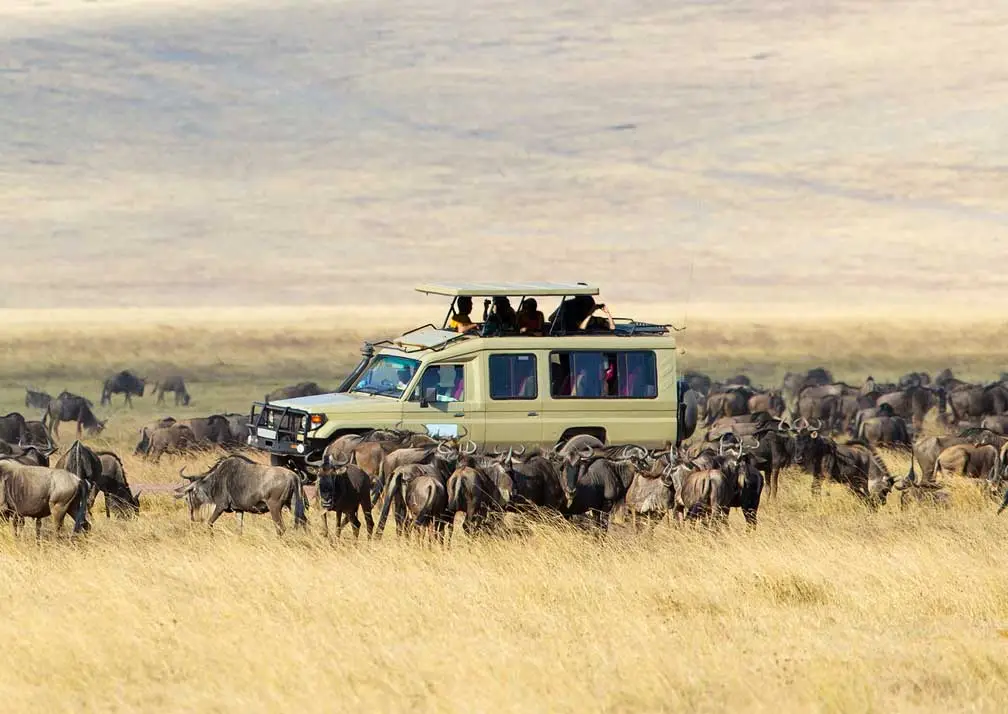
Great Migration Safaris
Experience one of nature's greatest spectacles with our Great Migration safari packages, timed for river crossings or calving.
View Package →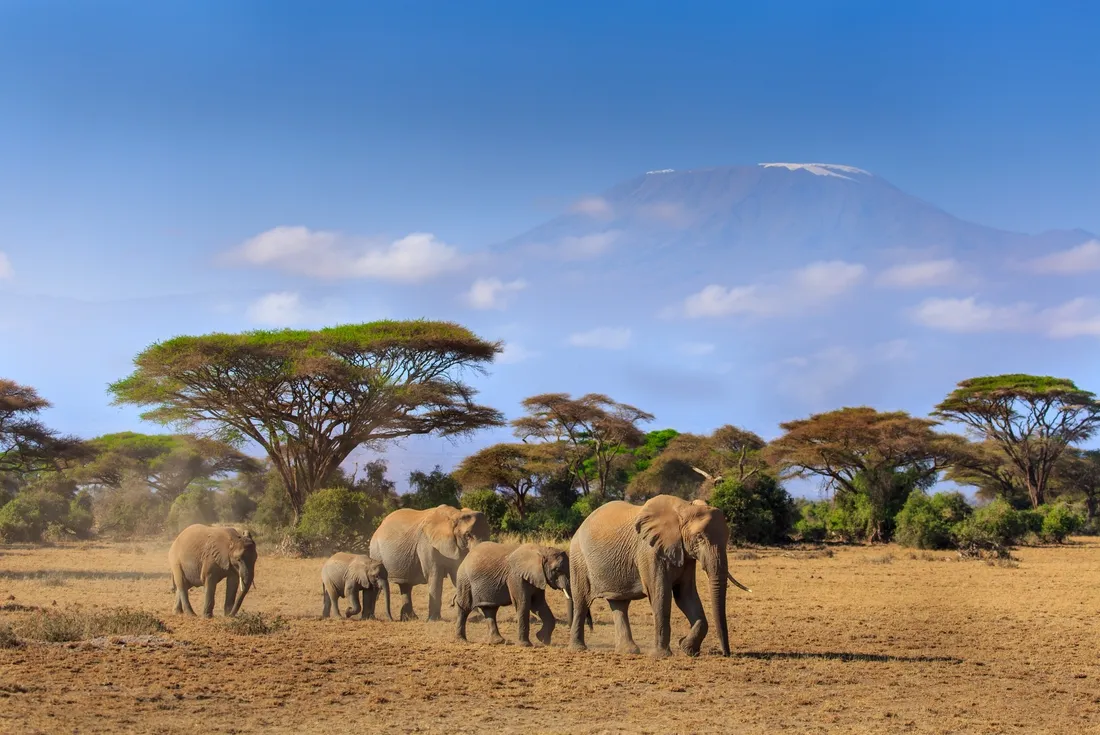
Serengeti & Kilimanjaro Trek
Combined safari and trekking tours offer wildlife adventures and Kilimanjaro climbs.
View Package →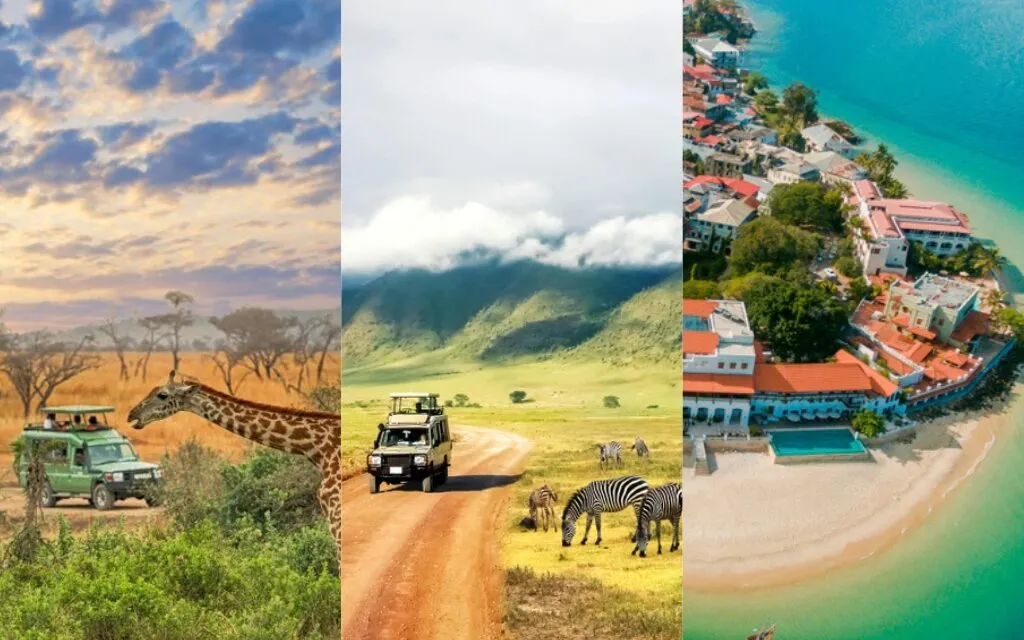
Serengeti & Zanzibar Tours
Luxury Tanzania safari & beach packages with the Great Migration and pristine beaches.
View Package →Related: Best Time to Visit Tanzania 2026 – Perfect safari extension after your Gambia beach holiday.