
Most Complete Georgia Travel Guide 2026-2027 – Everything You Need to Know Before Visiting
This Georgia travel guide provides everything you need to plan your journey to the stunning country at the crossroads of Europe and Asia. Georgia offers an extraordinary blend of ancient monasteries, dramatic Caucasus mountains, Black Sea coastline, and the world’s oldest continuous winemaking tradition that create one of Europe’s most diverse travel experiences. Many travelers who want to travel to Georgia are surprised by the country's incredible diversity and rich cultural heritage spanning ancient Colchis kingdom legends, medieval churches, Soviet history, and vibrant modern culture. The nation covers just 69,700 square kilometers but feels much larger thanks to its dramatic landscapes ranging from subtropical coast to alpine peaks over 5,000m.
Start Reading the Full Guide ↓Quick Facts About Georgia
- Capital: Tbilisi.
- Currency: Georgian Lari (GEL).
- Time Zone: Georgia Standard Time (GET, UTC+4).
- International Calling Code: +995.
- Driving Side: Right.
- Major Airports: Tbilisi International Airport (TBS), Kutaisi International Airport (KUT), Batumi International Airport (BUS).
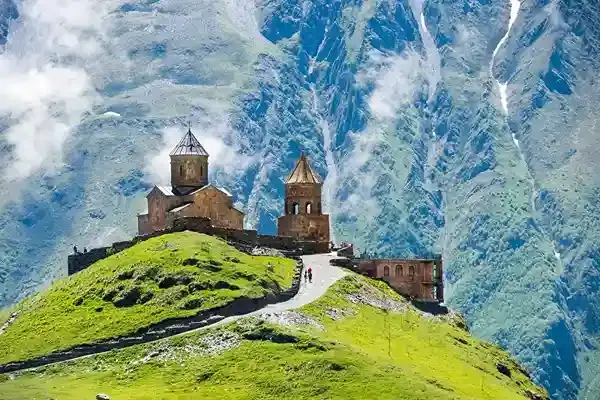
Georgia Overview & Key Facts
Brief History of Georgia
Georgia's history spans millennia, from ancient Colchis and Iberia kingdoms (famous for the Golden Fleece legend) through Christian adoption in 337 AD to medieval golden age under Queen Tamar. The country endured Persian, Ottoman, and Russian domination before brief independence in 1918–1921. Soviet rule lasted until 1991, followed by civil conflict and the 2003 Rose Revolution that transformed modern Georgia into a pro-Western democracy with rapid development.
Independence & National Identity
- Independence date: April 9, 1991 (from Soviet Union).
- Former colonial power: Russian Empire/Soviet Union.
- National symbols & identity.
Georgia regained independence after the Soviet collapse. The five-cross flag and ancient Borjgali symbol represent deep Christian heritage and cultural continuity. Georgian identity centers on unique language, polyphonic singing (UNESCO-listed), wine culture, and legendary hospitality.
Government System & Current Leadership
- Type of government: Parliamentary Republic
- Current president: Salome Zourabichvili (until 2024), followed by indirect election system
- Notes on political stability
Georgia transitioned to parliamentary system in 2018. The country enjoys strong Western partnerships, EU association agreement, and NATO aspirations. Political scene is lively but stable for tourists.
Population, Ethnic Groups & Languages
- Population: 3.7 million (2025 projection).
- Major ethnic groups: Georgians (86.8%), Azeris (6.3%), Armenians (4.5%).
- Official language(s): Georgian.
- Additional languages commonly spoken.
Georgian language uses unique script. Russian widely understood by older generation, English common among youth and in tourism. Minority languages (Azeri, Armenian) spoken in specific regions.
Main Religions & Cultural Identity
Georgian Orthodox Christianity (83.4%) dominates, one of the oldest Christian churches globally. Muslim (10.7%), Armenian Apostolic, and small Catholic/Jewish communities exist. Religion deeply influences culture, with churches central to daily life and identity.
Geography & Natural Landscape
Georgia features dramatic diversity: Greater Caucasus mountains (highest peak Shkhara 5,193m), Black Sea subtropical coast, semi-deserts, alpine meadows, and over 300 mineral springs. Likani, Sairme, and other regions offer varied climates within short distances.
Economy & Tourism Highlights
Tourism is one of Georgia’s fastest-growing sectors, with over 9 million visitors annually pre-pandemic. Wine tourism, adventure travel, cultural heritage, and gastronomy drive growth, supported by visa-free access and excellent infrastructure development.
What Georgia Is Known For
- Birthplace of wine (8,000+ years of continuous tradition)
- UNESCO sites: Gelati Monastery, Svetitskhoveli Cathedral, Upper Svaneti
- Polyphonic singing (UNESCO intangible heritage)
Visa & Entry Requirements in Georgia
Georgia has one of the world’s most liberal visa policies – citizens of over 100 countries can enter visa-free for up to one full year. This makes Georgia uniquely attractive for digital nomads, long-stay travelers, and spontaneous trips.
Do You Need a Visa?
No – EU, USA, UK, Canada, Australia, New Zealand, South Africa, Israel, Gulf countries and many others enjoy visa-free entry for 365 days. Some nationalities get 90 days. Always check current rules before travel.
Visa Application Options in Georgia
- Visa-free entry (most common)
- e-Visa available for nationalities requiring visa
- Visa on arrival for select countries
e-Visa processing takes 5–10 working days and costs $20+service fee.
Passport Validity & Entry Documents
Passport must be valid for entire stay (no 6-month rule). Return/onward ticket may be requested but rarely checked. Travel insurance strongly recommended (required for some nationalities).
Customs Rules & Prohibited Items
Standard international rules apply. Up to $500 worth of goods duty-free. Alcohol: 4 liters wine or 1 liter spirits. No restrictions on currency declaration under $30,000 equivalent.
Safety & Security Information in Georgia
Georgia ranks among Europe’s safest countries with very low violent crime rates. Most government advisories list Georgia as Level 1 (normal precautions). The only restricted areas are occupied Abkhazia and South Ossetia.
Is Georgia Safe for Tourists?
Yes – extremely safe. Tbilisi is safer than most European capitals. Police are tourist-friendly and English-speaking units exist. Petty theft is rare, violent crime against tourists almost unheard of.
Recommended Safety Tips when in Georgia
Use licensed taxis or Bolt/Maxim apps. Avoid political demonstrations. Be cautious on mountain roads (hire experienced drivers). Normal precautions in crowded tourist areas. Register with your embassy if staying long-term.
Safe Areas vs. Areas to Avoid in Georgia
Entire country safe except occupied territories of Abkhazia and South Ossetia (entry illegal from Russian side, dangerous from Georgian side). Pankisi Gorge now safe and welcoming tourists.
Emergency Numbers & Tourist Police in Georgia
- Emergency: 112 (English available).
- Tourist Police: Dedicated units in Tbilisi, Batumi, Kazbegi.
112 operators speak English, Russian, and Georgian.
Health Requirements & Vaccinations in Georgia
No mandatory vaccinations required. Healthcare quality excellent in Tbilisi and Batumi (many doctors trained abroad). Travel insurance highly recommended.
Mandatory Vaccinations in Georgia
None required for direct entry.
Recommended Vaccinations in Georgia
Routine vaccines. Hepatitis A, rabies (for rural/long stays), tick-borne encephalitis (for spring/summer hiking).
Malaria & Other Risks
No malaria risk. Tick-borne diseases possible in rural areas spring/summer. Excellent tap water quality in cities.
Travel Insurance Recommendations in Georgia
Strongly recommended – covers mountain rescue (expensive) and medical evacuation if needed.
Best Time to Visit in Georgia
Georgia enjoys four distinct seasons perfect for different activities. Shoulder seasons offer best weather/crowd balance.
Weather by Season
Spring (April–June): blooming landscapes, 15–25°C. Summer (July–August): warm–hot, 25–35°C, best for Black Sea and hiking. Autumn (Sept–Oct): harvest season, perfect weather. Winter (Dec–March): skiing in Caucasus, mild in Tbilisi.
When to Visit Georgia for Best Experiences
- Wine harvest: September–October
- Skiing: December–March (Gudauri, Bakuriani)
- Hiking: June–September
- City breaks: May–June & September–October
High Season vs. Low Season Travel
High season: June–August & late December. Low season: November & February–March (except ski resorts).
Weather & Climate Overview in Georgia
From subtropical Black Sea coast to alpine Caucasus, Georgia has dramatic microclimates within short distances.
Temperature Ranges
Tbilisi: -5°C to +35°C. Batumi: +5°C to +30°C. Kazbegi: -20°C to +25°C. Quick weather changes common in mountains.
Rainy & Dry Seasons in Georgia
Batumi very rainy (2,500mm/year). Eastern Georgia drier. Snow reliable in high mountains December–April.
What to Wear Based on the Weather
Layering essential. Modest clothing for churches. Sturdy hiking shoes. Rain jacket for Batumi. Warm layers for mountains even in summer.
Main Currency, Costs & Budgeting in Georgia
Georgia remains excellent value with high-quality food, wine, and accommodation at very reasonable prices.
Local Currency Information
Georgian Lari (GEL). Banknotes 5, 10, 20, 50, 100, 200. Coins rarely used.
Average Travel Costs in Georgia
Budget: $40–70/day. Mid-range: $80–150/day. Luxury: $200+/day. Meal at good restaurant: $10–20. Bottle of excellent wine: $6–15.
Using ATMs, Cards & Mobile Money in Georgia
Cards widely accepted in cities. ATMs everywhere. Contactless common. Mobile payments (Apple/Google Pay) work well.
Tipping Guidelines in Georgia
10% in restaurants if service not included (often rounded up). Taxi drivers no tip expected. Guides/drivers: 20–50 GEL/day.
Transportation & Getting Around in Georgia
Excellent marshrutka (minibus) network, modern trains, affordable taxis/apps, and domestic flights.
Airport Transfers
Tbilisi: train #37 (1 GEL), bus #137 (1 GEL), taxi/Bolt (~25 GEL). Kutaisi: Georgian Bus (20 GEL to Tbilisi). Batumi: bus #10 to city center.
Local Transport Options in Georgia
Metro in Tbilisi (1 GEL). Marshrutkas everywhere. Bolt/Yandex taxi apps cheapest. Trains comfortable and scenic.
Georgia Domestic Flights
Limited but growing. Tbilisi–Batumi (from $40). Mestia flights in summer.
Car Rentals & Road Conditions in Georgia
Easy rental (from $30/day). 4WD recommended for mountains. Driving style aggressive but improving. Police helpful.
Accommodation Options available in Georgia
From Soviet hostels to world-class boutique hotels and famous guesthouse hospitality.
Types of Accommodations in Georgia
Family guesthouses (best experience), boutique wine hotels, international chains in Tbilisi, mountain lodges, Soviet sanatoriums (Batumi), glamping.
Budget vs. Mid-Range vs. Luxury
Budget: $15–40/night. Mid-range: $50–120. Luxury: $150–500+ (Rooms Hotel, Stamba, Paragraph).
Best Areas to Stay in Georgia
Tbilisi: Vera, Sololaki, Old Tbilisi. Batumi: Boulevard. Kazbegi: Rooms Hotel area. Svaneti: Mestia center.
Essential Packing Guide when Visiting Georgia
Layering and versatility key due to dramatic climate differences.
Clothing Essentials
Modest clothing for churches, hiking gear, swimwear for Black Sea, warm jacket even in summer for mountains, comfortable walking shoes.
Footwear & Gear
Good hiking shoes, sandals for Batumi, universal adapter (Type C/F), power bank, reusable water bottle (tap water safe).
Electronics & Cameras
220V/50Hz, European plugs. Excellent 4G/5G coverage almost everywhere.
Toiletries & Personal Items
Sunscreen, insect repellent (summer), prescription meds (pharmacies excellent but brands differ).
Language & Communication in Georgia
Georgian script unique and beautiful. English widely spoken in tourism.
Main Languages Spoken in Georgia
Georgian (official), Russian (older generation), English (youth/tourism), Armenian/Azeri in minority areas.
Useful Phrases for Tourists
Gamarjoba (hello), madloba (thank you), gagimarjos (cheers!), bodishi (sorry), ra ghirda? (how much?).
SIM Cards & Mobile Data used in Georgia
Magti, Beeline, Cellfie – excellent coverage, cheap data (10GB ≈ $10).
Internet Availability & Wi-Fi in Georgia
Free Wi-Fi almost everywhere. Fastest average speeds in Caucasus region.
Culture & Etiquette in Georgia
Georgian hospitality legendary. Supra (feast) culture central to social life.
Georgian Dress Code Expectations
Casual fine. Cover shoulders/knees in churches (scarves provided). Beachwear only at beaches.
Social Etiquette & Respectful Behavior of Georgia
Accept offered food/drink, toast properly at supras, remove shoes in homes, respect elders, don’t discuss occupied territories unless invited.
Photography Rules in Georgia
Generally allowed. Ask permission for people (especially older women). No restrictions on churches (except during service).
Important Cultural Dos & Don’ts in Georgia
Do accept hospitality, learn a few Georgian words, try local wine. Don’t refuse a toast, rush a meal, or criticize religion/family.
Food, Water & Dining in Georgia
Georgian cuisine is a UNESCO candidate and one of Europe’s great food cultures.
Georgian Local Dishes to Try
Khinkali (soup dumplings), khachapuri (cheese bread), churchkhela (candle-shaped sweets), pkhali (vegetable-walnut pâtés), ajapsandali (vegetable stew), 8,000-year-old qvevri wine.
Dietary Options in Georgia
Excellent vegetarian options (beans, mushrooms, walnuts). Vegan possible but limited. Gluten-free challenging but improving.
Drinking Water Safety
Tap water safe in cities. Mountain springs excellent.
Restaurant Etiquette
Tamada (toastmaster) leads supra. Never pour your own wine at feast. Tipping 10% if service not included.
Top Attractions & Things to Do in Georgia
From ancient cave cities to Europe’s highest permanently inhabited village.
Major Tourist Attractions in Georgia
- Tbilisi Old Town & Narikala Fortress
- Gergeti Trinity Church (Kazbegi)
- Upper Svaneti (UNESCO) & Ushguli
- David Gareja monastery complex
Vardzia cave city, Uplistsikhe, Gelati/Bagrati cathedrals, Prometheus Cave, Martvili Canyon, Batumi Botanical Garden.
Best Tours & Experiences in Georgia
Wine tours in Kakheti, hiking in Svaneti/Tusheti, ski in Gudauri, Soviet history tours, culinary masterclasses, homestays with Georgian families.
Family-Friendly Activities to do in Georgia
Mtatsminda Park (Tbilisi), cable cars, dinosaur footprints (Sataplia), boat trips in Martvili Canyon, Black Sea beaches.
Unique Cultural or Historical Sites to visit in Georgia
Ushguli (Europe’s highest village), Katskhi Pillar (monk living on top), Stalin Museum (Gori), ancient petroglyphs, qvevri winemaking.
Georgian Electrical System Information
Standard European system.
Plug Types & Voltage used in Georgia
Type C and F (Europlug), 220V, 50Hz.
Charging Tips
Power reliable. Surge protectors useful in rural areas.
Local Laws & Regulations of Georgia
Very tourist-friendly laws.
Rules Travelers Need to Know when In Georgia
Cannabis decriminalized for personal use (fines only). No entry to Abkhazia/South Ossetia from Russia. Drone regulations standard.
Alcohol, Smoking & Substance Laws of Georgia
Alcohol legal from 18. Drinking in public allowed except some city centers. Smoking banned indoors.
Restricted or Protected Areas in Georgia.
Occupied territories strictly off-limits. Some border areas require permits (check before remote hiking).
Final Travel Tips for Visitors in Georgia
Georgia offers incredible warmth, beauty, and value – come with an open heart and empty stomach!
Common Mistakes to Avoid
Underestimating mountain distances, trying to see everything in one trip, refusing offered food/drink, expecting Western driving standards.
Tips to Save Money when Visiting Georgia
Use marshrutkas, eat where locals eat, stay in guesthouses, travel in shoulder season, buy wine directly from small producers.
Safety & Comfort Tips
Download offline maps, carry cash for villages, learn basic Georgian phrases, embrace spontaneity, say “madloba” often.
Frequently Asked Questions – Georgia Travel Guide 2026-2027
Our Tanzania Tours Products
While Georgia offers ancient monasteries, Caucasus adventures and legendary hospitality, many travelers combine the Caucasus with the ultimate African wildlife experience. Capable Africa Tours specializes in secure, guided safaris that maximize safety and wonder. Our expert local guides, armed rangers in parks, and vetted accommodations ensure peace of mind. From family-friendly lodges to luxury camps, we handle logistics so you focus on the magic. Tanzania ranks high for tourist safety with dedicated wildlife protection units and stable northern circuits.
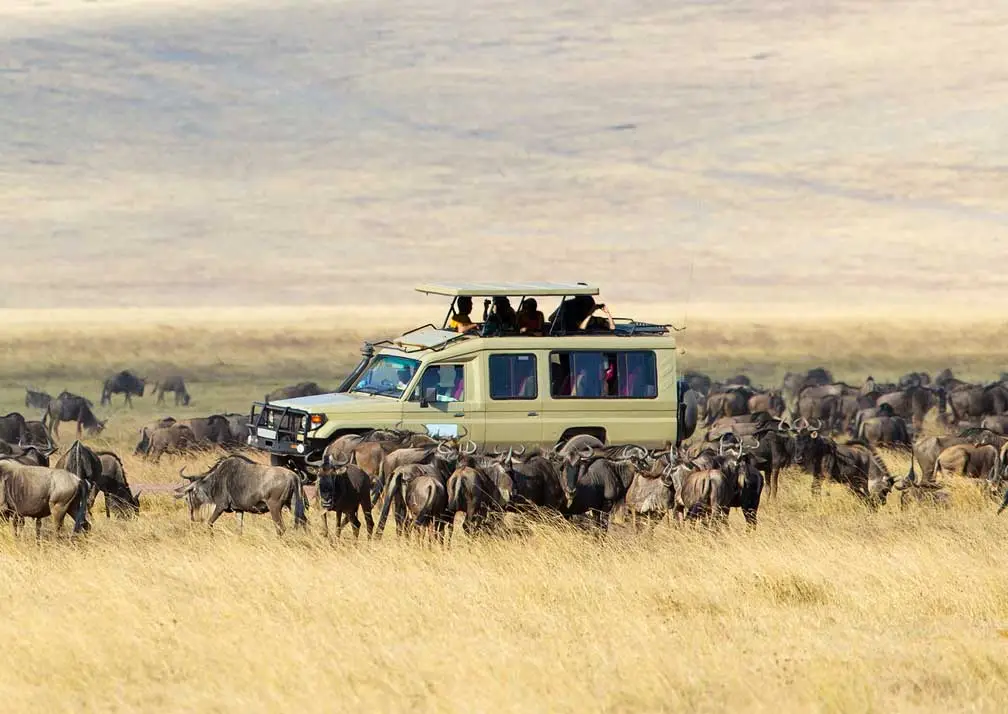
Great Migration Safaris
Experience one of nature's greatest spectacles with our Great Migration safari packages, timed for river crossings or calving.
View Package →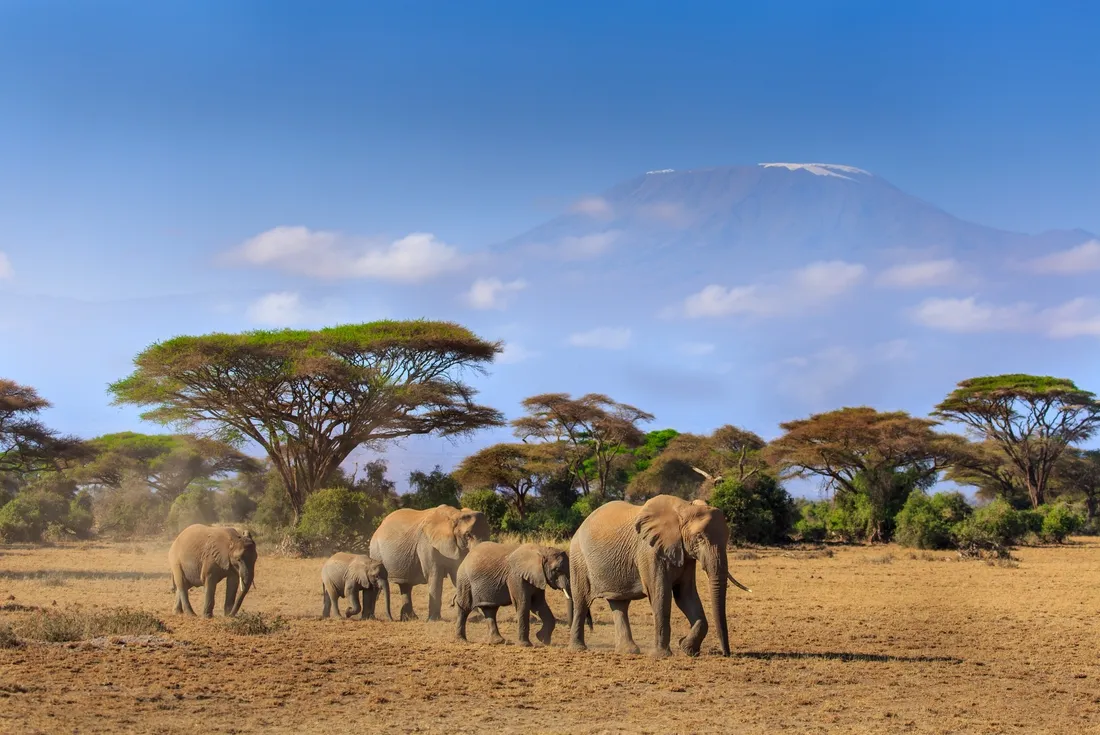
Serengeti & Kilimanjaro Trek
Combined safari and trekking tours offer wildlife adventures and Kilimanjaro climbs.
View Package →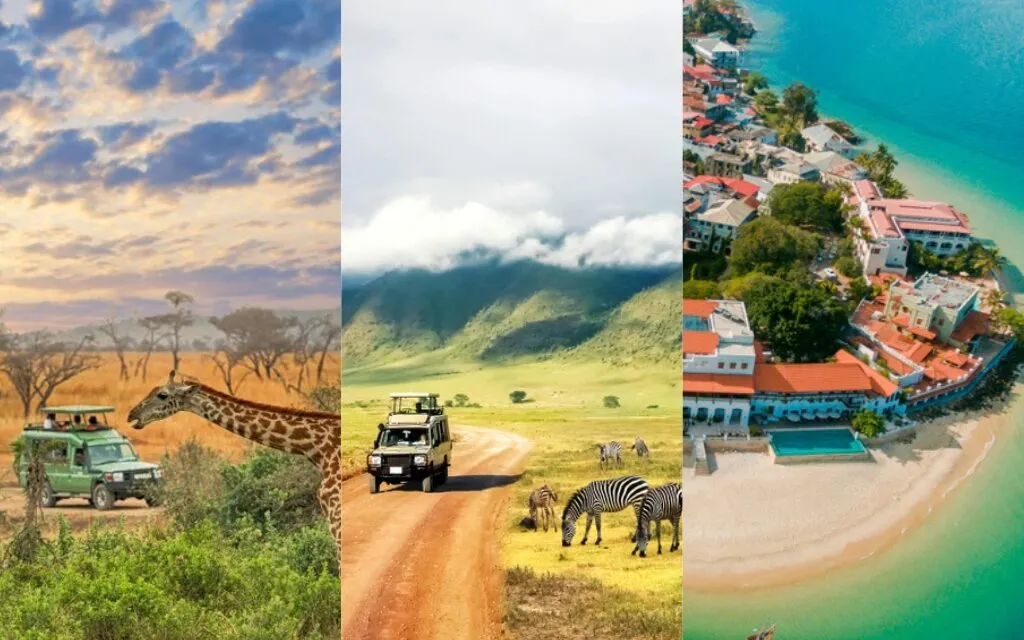
Serengeti & Zanzibar Tours
Luxury Tanzania safari & beach packages with the Great Migration and pristine beaches.
View Package →Related: Best Time to Visit Tanzania 2026 – Perfect safari extension after your Georgia adventure.