
Most Complete Germany Travel Guide 2026-2027 – Everything You Need to Know Before Visiting
This Germany travel guide provides everything you need to plan your journey to the heart of Europe. Germany offers an extraordinary blend of cutting-edge cities, fairy-tale castles, pristine forests, and rich history that create one of the continent's most diverse travel experiences. Many travelers who want to travel to Germany are surprised by the country's incredible regional variety and cultural depth spanning medieval towns, Baroque palaces, WWII sites and vibrant modern culture. The nation covers 357,592 square kilometers, offering visitors everything from Alpine peaks to North Sea islands and world-famous Christmas markets.
Start Reading the Full Guide ↓Quick Facts About Germany
- Capital: Berlin.
- Currency: Euro (€).
- Time Zone: Central European Time (CET, UTC+1).
- International Calling Code: +49.
- Driving Side: Right.
- Major Airports: Frankfurt (FRA), Munich (MUC), Berlin (BER), Düsseldorf (DUS).
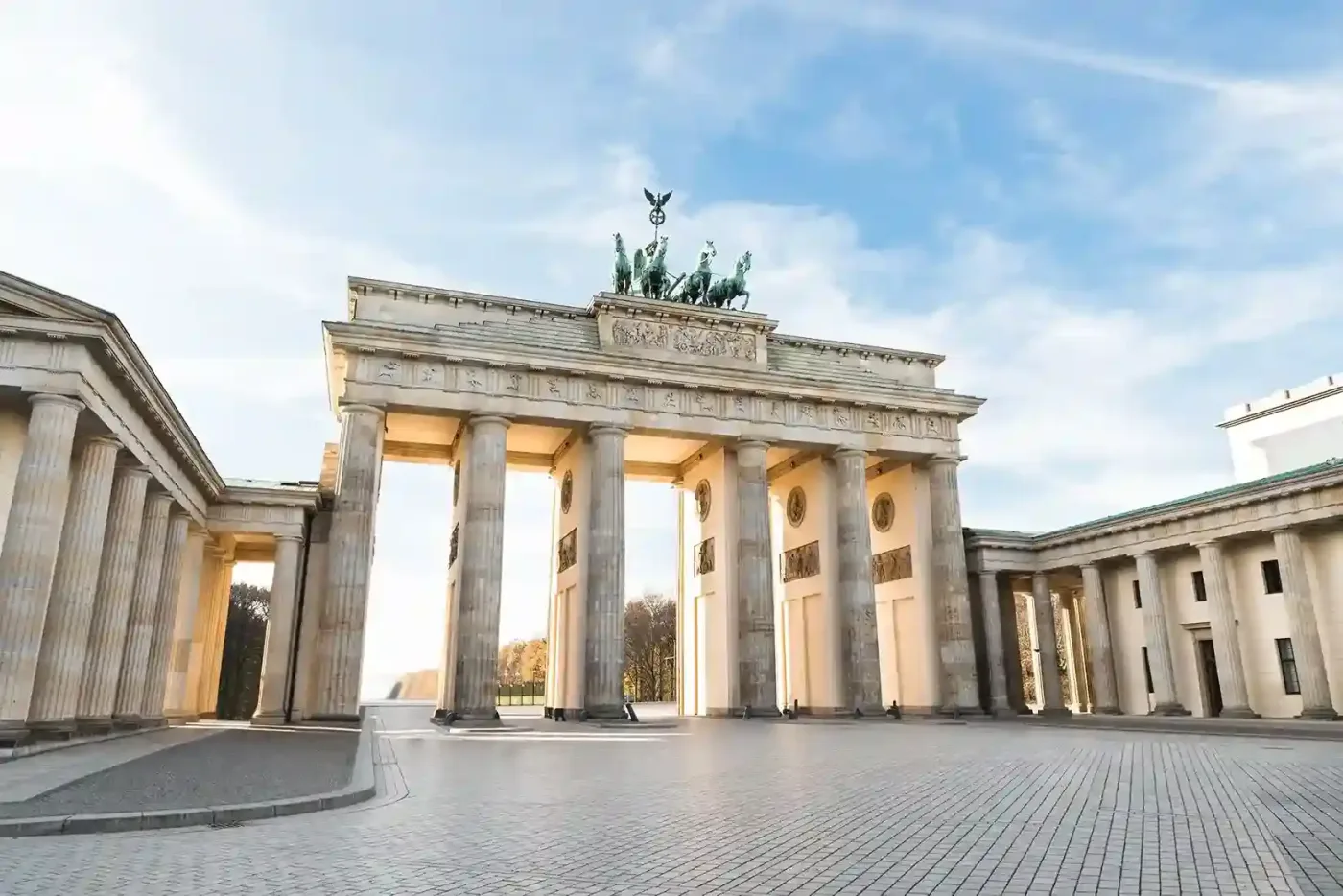
Germany Overview & Key Facts
Brief History of Germany
Germany's history spans from the Holy Roman Empire through the Prussian era to the tragic 20th century and miraculous reunification. The country played a central role in European history, from the Hanseatic League and Reformation to the two World Wars and Cold War division. The fall of the Berlin Wall in 1989 and reunification in 1990 marked a new chapter, transforming Germany into the economic powerhouse and stable democracy it is today.
Independence & National Identity
- Current form established: October 3, 1990 (reunification).
- Former division: East & West Germany (1949–1990).
- National symbols & identity.
The black-red-gold flag symbolizes democracy and unity. National identity today emphasizes reliability, engineering excellence, environmental awareness, and a complex relationship with its past. Germans are proud of their regional diversity – a Bavarian feels as different from a Berliner as a Texan does from a New Yorker.
Government System & Current Leadership
- Type of government: Federal Parliamentary Republic
- Current chancellor: Olaf Scholz (since December 2021)
- Notes on political stability
Germany is one of the world's most stable democracies with a strong federal system dividing power between the national government and 16 states (Länder). The current coalition government reflects typical German consensus politics.
Population, Ethnic Groups & Languages
- Population: 84.4 million (2025 projection).
- Major ethnic groups: German 86.6%, Turkish 1.8%, Polish 1%, Syrian 1%, other.
- Official language(s): German.
- Additional languages commonly spoken.
English is the most common second language, especially among younger generations. 80% under 30 speak good English. Regional dialects (Bavarian, Swabian, Saxon) can be nearly unintelligible to standard German speakers.
Main Religions & Cultural Identity
Germany is secular: about 55% Christian (roughly equal Catholic/Protestant), 6% Muslim, 39% no religion. Christmas markets and Easter traditions remain strong cultural events even among non-religious Germans. The country is known for its direct communication style, punctuality, and love of rules combined with surprising regional warmth.
Geography & Natural Landscape
Germany features diverse landscapes: the North Sea and Baltic coasts, the central low mountain ranges (Black Forest, Harz), the Bavarian Alps (Zugspitze 2,962 m), and major rivers (Rhine, Danube, Elbe). The country has four distinct seasons with significant regional variation – Mediterranean-like summers in the southwest, harsh winters in the Alps.
Economy & Tourism Highlights
Europe's largest economy, known for engineering, automotive (BMW, Mercedes, Volkswagen), beer, and Christmas markets. Tourism is massive – over 40 million international visitors annually pre-pandemic, drawn by history, culture, and efficient infrastructure.
What Germany Is Known For
- Oktoberfest & beer culture
- Fairy-tale castles (Neuschwanstein)
- Berlin Wall & WWII history
- Romantic Road & medieval towns
- Christmas markets & Black Forest
Visa & Entry Requirements in Germany
Germany is part of the Schengen Area. Entry rules depend on nationality – many visitors enjoy visa-free access while others need a Schengen visa. From mid-2026, ETIAS (electronic authorization) will be required for visa-exempt travelers.
Do You Need a Visa?
EU/EEA/Swiss: No restrictions. US, Canada, Australia, UK, Japan, Korea etc.: 90 days visa-free in any 180-day period. Most other nationalities require a Schengen tourist visa. ETIAS (€ Europe's new pre-travel authorization) required from mid-2026 for visa-exempt visitors.
Visa Application Options in Germany
- Schengen tourist visa (through German embassy/consulate or VFS)
- ETIAS online authorization (from mid-2026)
- Long-stay national D-visa for stays over 90 days
Applications are straightforward with excellent approval rates for complete documentation. Processing typically 10–15 days.
Passport Validity & Entry Documents
Passport valid 3 months beyond intended departure from Schengen area. Proof of accommodation, return ticket, and sufficient funds (€45/day minimum) may be requested though rarely checked for obvious tourists.
Customs Rules & Prohibited Items
Standard EU rules: €430 duty-free limit, 200 cigarettes or equivalent, 1L spirits. Cash over €10,000 must be declared. No unusual restrictions.
Safety & Security Information in Germany
Germany is one of Europe's safest countries with low violent crime rates. Most visits are trouble-free.
Is Germany Safe for Tourists?
Yes – consistently ranked among the world's safest destinations. Most government advisories rate it Level 1 (normal precautions) or Level 2 (increased caution) for petty crime in tourist areas.
Recommended Safety Tips when in Germany
Watch belongings in crowded tourist spots (Berlin Alexanderplatz, Cologne Cathedral, Oktoberfest). Use hotel safes. Public transport is very safe even late at night. Normal precautions apply – Germany has excellent police response.
Safe Areas vs. Areas to Avoid in Germany
Almost everywhere is safe. Some train station districts (Hamburg St. Georg, Frankfurt Bahnhofsviertel) have petty crime after dark – normal big-city awareness applies.
Emergency Numbers & Tourist Police in Germany
- Police: 110.
- Fire/Medical Emergency: 112.
- Tourist Police units in major cities.
112 works EU-wide and connects to English-speaking operators.
Health Requirements & Vaccinations in Germany
No vaccination requirements. Excellent medical system with English-speaking doctors everywhere.
Mandatory Vaccinations in Germany
None for most travelers.
Recommended Vaccinations in Germany
Routine vaccines up to date. Tick-borne encephalitis if hiking/camping in Bavaria or Black Forest April–November.
Malaria & Other Risks
No malaria. Standard European risks – excellent tap water everywhere.
Travel Insurance Recommendations in Germany
Highly recommended – EU citizens use EHIC/GHIC, others need private insurance. Medical treatment is excellent but expensive without coverage.
Best Time to Visit in Germany
Germany has four distinct seasons – each beautiful in different ways.
Weather by Season
Spring (Mar–May): Blooming landscapes, mild 10–20°C. Summer (Jun–Aug): Warm 20–30°C, long days. Autumn (Sep–Nov): Golden forests, 10–20°C. Winter (Dec–Feb): Snow in south, Christmas markets, 0–5°C.
When to Visit Germany for Best Experiences
- Christmas markets: December
- Oktoberfest: late Sep–early Oct
- Hiking/castles: May–June & Sep–Oct
- Beer gardens & festivals: June–August
May/June and September/October are sweet spots – pleasant weather, fewer crowds, lower prices.
High Season vs. Low Season Travel
High season: June–August + December. Shoulder seasons best value. January–March (except Carnival) quietest and cheapest.
Weather & Climate Overview in Germany
Temperate climate with significant regional variation – maritime in north, continental in east, almost Mediterranean in southwest Rhine valley.
Temperature Ranges
Winter: -5 to +5°C (colder in Alps). Summer: 20–30°C (hotter in cities). Spring/autumn very pleasant 10–20°C.
Rainy & Dry Seasons in Germany
Rain possible any time – famous for changeable weather. July/August statistically driest, November wettest.
What to Wear Based on the Weather
Layers, always. Good walking shoes essential. Umbrella or rain jacket. Warm coat/scarf/gloves for winter visits.
Main Currency, Costs & Budgeting in Germany
Germany uses the Euro and is moderately expensive but excellent value with rail passes, museum cards, and regional tickets.
Local Currency Information
Euro (€). Coins 1c–2€, notes 5–500€. Many places still prefer cash, especially smaller towns and Christmas markets.
Average Travel Costs in Germany
Budget: €80–130/day (hostels, supermarkets, public transport). Mid-range: €150–250 (hotels, restaurants). Luxury: €300+.
Using ATMs, Cards & Mobile Money in Germany
Cards accepted almost everywhere (even small bakeries). Contactless standard. ATMs plentiful. Apple/Google Pay widespread.
Tipping Guidelines in Germany
Service included. Round up or add 5–10% for good service. “Keep the change” common.
Transportation & Getting Around in Germany
World-class public transport. Deutsche Bahn (DB) trains legendary for punctuality (mostly).
Airport Transfers
Excellent train/S-Bahn connections from all major airports to city centers. Frankfurt Airport has direct ICE trains across Germany.
Local Transport Options in Germany
Trains, S-Bahn, U-Bahn, trams, buses – integrated tickets. Deutschland-Ticket (€49/month unlimited regional transport) revolutionizing budget travel.
Germany Domestic Flights
Rarely needed – trains faster city-center to city-center. Lufthansa/Eurowings for remote destinations.
Car Rentals & Road Conditions in Germany
Excellent highways (no speed limit on many Autobahn sections). Rental cars widely available. Driving on the right.
Accommodation Options available in Germany
Everything from hostels to 5-star hotels, plus unique German options.
Types of Accommodations in Germany
Hotels, pensions, ferienwohnungen (apartments), youth hostels, castle hotels, and famous German “Gasthaus” inns.
Budget vs. Mid-Range vs. Luxury
Hostels €25–50, budget hotels €60–100, mid-range €100–180, luxury €200+.
Best Areas to Stay in Germany
Berlin: Mitte or Prenzlauer Berg. Munich: near Hauptbahnhof or Schwabing. Romantic Road: Rothenburg ob der Tauber or Füssen.
Essential Packing Guide when Visiting Germany
Pack for variable weather and lots of walking.
Clothing Essentials
Layers, comfortable walking shoes, smart-casual evening outfit, warm jacket even in summer.
Footwear & Gear
Excellent walking shoes mandatory – cobblestones everywhere. Universal adapter (Type C/F).
Electronics & Cameras
230V/50Hz, Type C/F plugs. Power reliable everywhere.
Toiletries & Personal Items
Everything available – pharmacies (Apotheke) excellent.
Language & Communication in Germany
English widely spoken in tourism, less so in rural east.
Main Languages Spoken in Germany
German official. English proficiency very high among under-40s.
Useful Phrases for Tourists
“Hallo”, “Danke”, “Bitte”, “Entschuldigung”, “Sprechen Sie Englisch?”
SIM Cards & Mobile Data used in Germany
Excellent coverage. EU roaming free for Europeans. Cheap tourist SIMs at airports/stores.
Internet Availability & Wi-Fi in Germany
Free Wi-Fi everywhere – trains, cafes, public squares. Fastest mobile data in Europe.
Culture & Etiquette in Germany
Direct communication, punctuality, and respect for rules define German culture.
German Dress Code Expectations
Casual acceptable everywhere. Smart-casual for opera or fine dining.
Social Etiquette & Respectful Behavior of Germany
Shake hands, make eye contact, be on time. Quiet hours strictly observed (no loud noise Sundays or 13:00–15:00).
Photography Rules in Germany
Generally allowed. Ask permission for people photos.
Important Cultural Dos & Don’ts in Germany
Do: recycle obsessively, say “Prost” and make eye contact when toasting. Don’t: jaywalk (even if no cars), make Nazi jokes/gestures (illegal), assume everyone loves beer.
Food, Water & Dining in Germany
Far more diverse than stereotypes – excellent regional cuisines.
German Local Dishes to Try
Schnitzel, currywurst, spätzle, sauerkraut, pretzels, Black Forest cake, white asparagus (May–June), döner kebab (invented in Berlin).
Dietary Options in Germany
Excellent vegetarian/vegan scenes in cities. Halal widely available. Gluten-free common.
Drinking Water Safety
Tap water excellent – among the best in the world.
Restaurant Etiquette
Service included. Sit yourself in beer gardens. “Stammtisch” tables reserved for regulars.
Top Attractions & Things to Do in Germany
Extraordinary variety – from cutting-edge Berlin to fairy-tale Bavaria.
Major Tourist Attractions in Germany
- Berlin Wall & Reichstag
- Neuschwanstein Castle
- Romantic Road & Rothenburg
- Cologne Cathedral
- Black Forest & Rhine Valley
Plus Oktoberfest, Christmas markets, Europa-Park, and 50+ UNESCO sites.
Best Tours & Experiences in Germany
Third Reich & Cold War tours in Berlin, castle tours in Bavaria, Rhine river cruises, beer & food tours, hiking in the Alps or Black Forest.
Family-Friendly Activities to do in Germany
Europa-Park (Europe’s 2nd biggest theme park), Legoland, Phantasialand, fairy-tale route, miniature wonderland Hamburg.
Unique Cultural or Historical Sites to visit in Germany
Dachau concentration camp memorial, Nuremberg Nazi sites, East Side Gallery, Sanssouci Palace, Beethoven’s birthplace.
German Electrical System Information
Standard European system.
Plug Types & Voltage used in Germany
Type C & F (Schuko), 230V/50Hz. Most devices dual-voltage.
Charging Tips
Power reliable everywhere. Bring Type C/F adapter.
Local Laws & Regulations of Germany
Strict but fair enforcement.
Rules Travelers Need to Know when In Germany
No jaywalking fines common. Nazi symbols/gestures illegal. Sunday shopping restrictions (except train stations/airports). Quiet hours strictly enforced.
Alcohol, Smoking & Substance Laws of Germany
Beer/wine from 16, spirits from 18. Smoking banned indoors. Cannabis legalized for personal use April 2024 (18+, 25g possession, 50g/month home grow).
Restricted or Protected Areas in Germany.
Few restrictions. Some former East German areas still have military zones.
Final Travel Tips for Visitors in Germany
Germany rewards planning but is very traveler-friendly.
Common Mistakes to Avoid
Trying to see everything in one trip (country is huge). Expecting everything open on Sundays. Assuming cashless society (many places still cash-only).
Tips to Save Money when Visiting Germany
Buy Deutschland-Ticket (€49 unlimited regional trains), city tourist cards, eat at imbiss stands, stay in pensions/apartments.
Safety & Comfort Tips
Public transport safe 24/7. Emergency numbers work perfectly. Germans love helping tourists who attempt basic German phrases.
Frequently Asked Questions – Germany Travel Guide 2026-2027
Our Tanzania Tours Products
While Germany offers fairy-tale castles, Christmas markets and rich history, many travelers combine Europe with the ultimate wildlife experience in East Africa. Capable Africa Tours specializes in secure, guided safaris that maximize safety and wonder. Our expert local guides, armed rangers in parks, and vetted accommodations ensure peace of mind. From family-friendly lodges to luxury camps, we handle logistics so you focus on the magic. Tanzania ranks high for tourist safety with dedicated wildlife protection units and stable northern circuits.
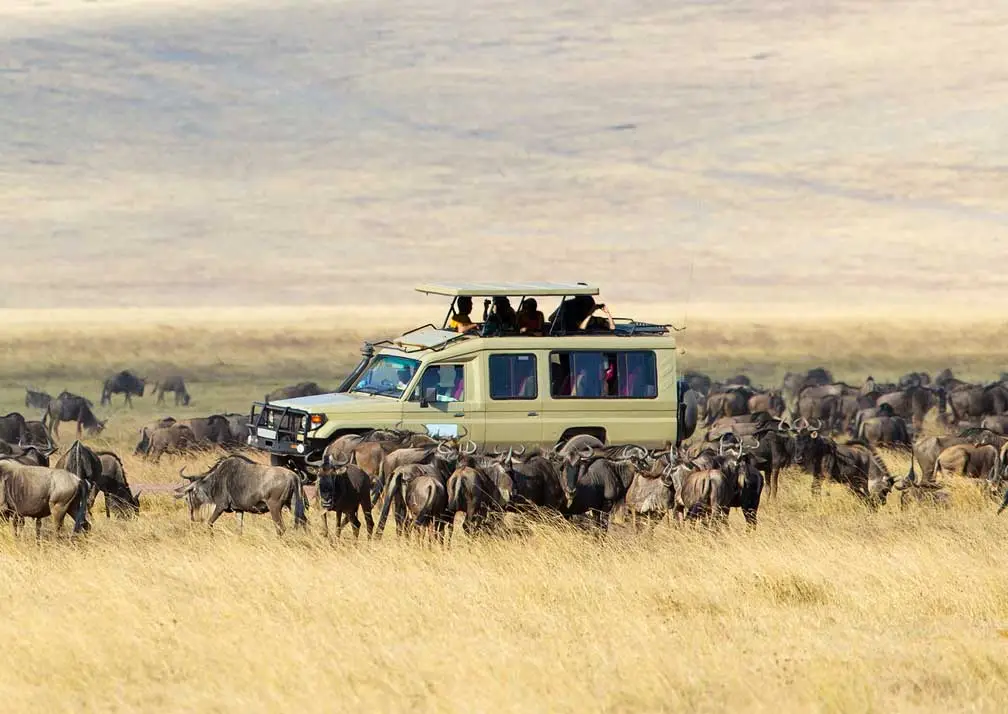
Great Migration Safaris
Experience one of nature's greatest spectacles with our Great Migration safari packages, timed for river crossings or calving.
View Package →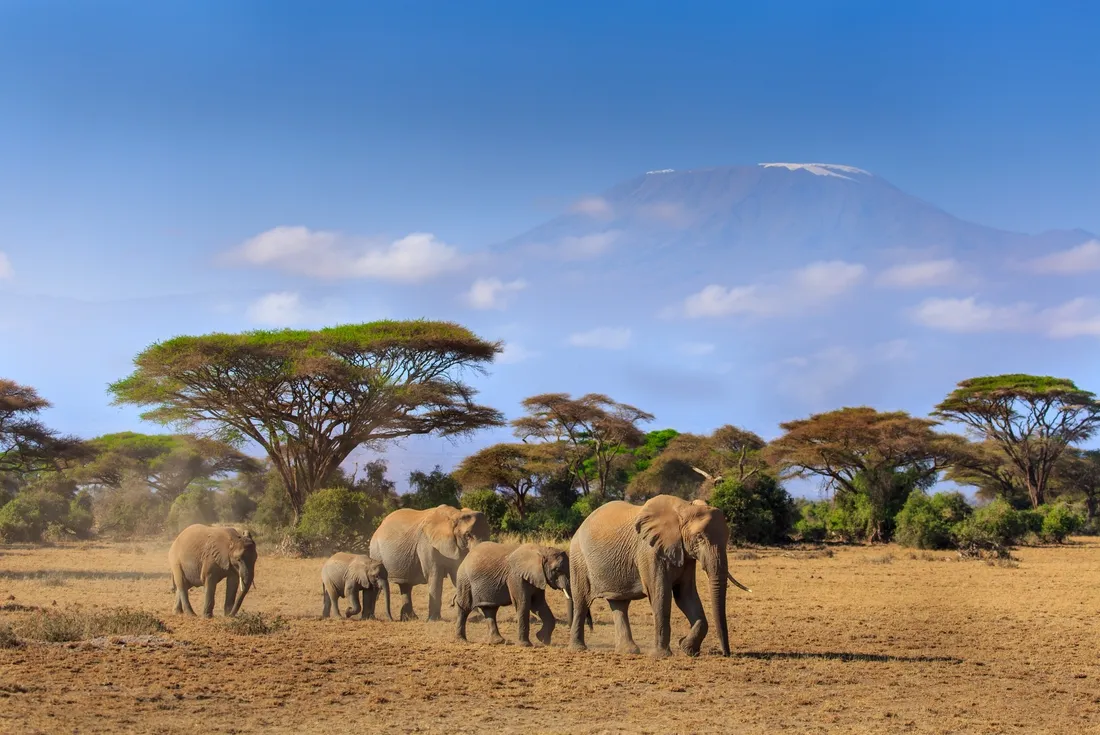
Serengeti & Kilimanjaro Trek
Combined safari and trekking tours offer wildlife adventures and Kilimanjaro climbs.
View Package →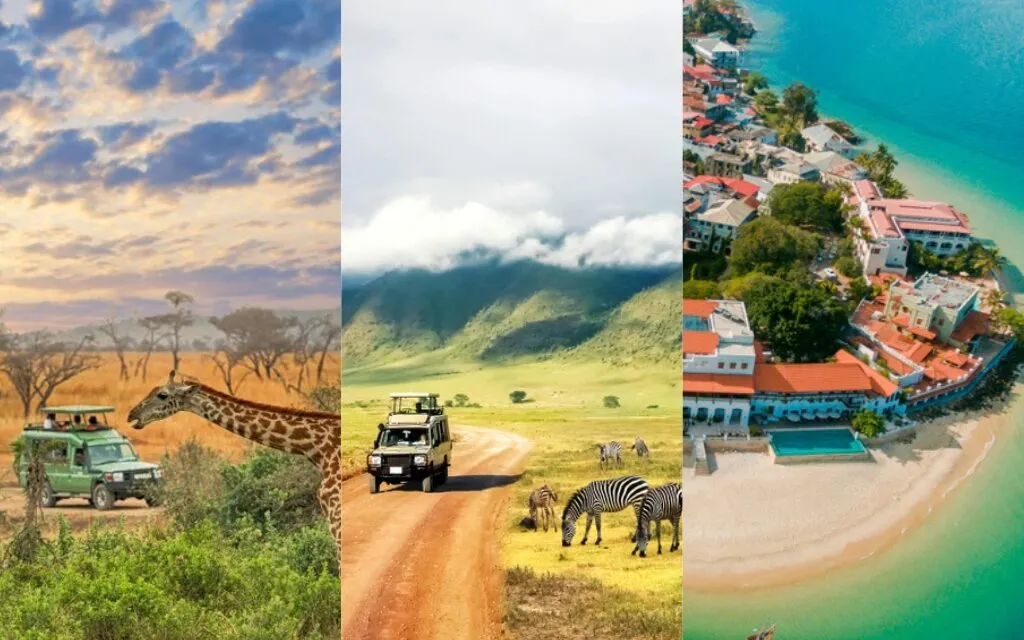
Serengeti & Zanzibar Tours
Luxury Tanzania safari & beach packages with the Great Migration and pristine beaches.
View Package →Related: Best Time to Visit Tanzania 2026 – Perfect safari extension after your Germany adventure.