
Most Complete Ghana Travel Guide 2026-2027 – Everything You Need to Know Before Visiting
This Ghana travel guide provides everything you need to plan your journey to West Africa's friendliest nation. Ghana offers an extraordinary blend of vibrant culture, painful yet powerful history, pristine beaches, and authentic wildlife experiences that create one of the continent's most welcoming travel destinations. Many travelers who want to travel to Ghana are surprised by the country's incredible warmth, modern infrastructure, and rich heritage spanning ancient kingdoms, the transatlantic slave trade, and proud independence. The nation covers 238,535 square kilometers, offering visitors everything from UNESCO-listed forts to tropical rainforests and bustling modern cities.
Start Reading the Full Guide ↓Quick Facts About Ghana
- Capital: Accra.
- Currency: Ghanaian Cedi (GHS).
- Time Zone: Greenwich Mean Time (GMT, UTC+0).
- International Calling Code: +233.
- Driving Side: Right.
- Major Airports: Kotoka International Airport (Accra).
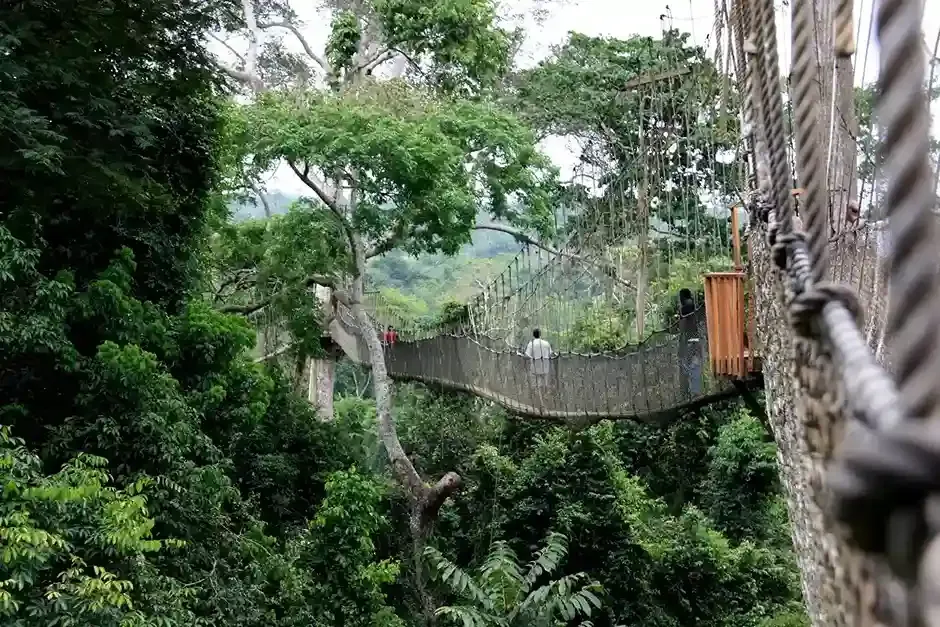
Ghana Overview & Key Facts
Brief History of Ghana
Ghana's history spans millennia, from ancient trading empires through the transatlantic slave trade to becoming the first sub-Saharan African nation to gain independence. The Ashanti Empire dominated the region from the 17th century, while European powers built forts along the coast for gold and later slave trade. Ghana achieved independence from Britain in 1957 under Kwame Nkrumah, setting the stage for pan-African liberation movements. This rich historical tapestry creates a fascinating backdrop for modern travelers exploring the country's slave forts, traditional kingdoms, and independence monuments.
Independence & National Identity
- Independence date: March 6, 1957.
- Former colonial power: United Kingdom.
- National symbols & identity.
Ghana gained independence peacefully as the first sub-Saharan African country to break from colonial rule. Kwame Nkrumah led the nation toward pan-African ideals, and the black star on the flag represents African freedom. Today, Ghanaian identity centers on hospitality, resilience, and cultural pride, with the national motto “Freedom and Justice” reflecting the peaceful transition to independence.
Government System & Current Leadership
- Type of government: Presidential Republic
- Current president: Nana Akufo-Addo (until Jan 2025 elections)
- Notes on political stability
Ghana operates as a stable multi-party democracy with peaceful power transfers since 1992. The country is widely regarded as one of Africa’s most stable democracies, with regular free and fair elections. Travelers experience no political restrictions and can move freely throughout the country.
Population, Ethnic Groups & Languages
- Population: 34.8 million (2025 projection).
- Major ethnic groups: Akan (47.5%), Mole-Dagbani (16.6%), Ewe (13.9%), Ga-Adangbe (7.4%).
- Official language(s): English.
- Additional languages commonly spoken.
English is the official language and widely spoken, making Ghana one of the easiest African countries for English-speaking visitors. Twi (Akan), Ga, Ewe, and Hausa are major local languages. Most Ghanaians are multilingual, switching effortlessly between English and local languages.
Main Religions & Cultural Identity
Christianity dominates with approximately 71% of the population, followed by Islam (18%) and traditional African religions (5%). Religious harmony is strong, with Christians and Muslims celebrating each other’s festivals. Ghanaian culture emphasizes respect, community, and vibrant celebrations, with music and dance integral to daily life and ceremonies.
Geography & Natural Landscape
Ghana features coastal plains, tropical rainforests, savannah woodlands, and the vast Volta Lake – one of the world’s largest man-made lakes. The country enjoys a tropical climate with two rainy seasons in the south and one in the north. The landscape transitions from golden beaches along the Gulf of Guinea to rolling hills and savannah in the interior.
Economy & Tourism Highlights
Ghana’s economy is driven by gold, cocoa, and increasingly oil production. Tourism has grown rapidly with the “Year of Return” initiative and Beyond the Return campaigns attracting diaspora visitors. The government actively promotes heritage tourism, eco-tourism, and cultural festivals, supported by improved infrastructure and visa policies.
What Ghana Is Known For
- UNESCO World Heritage slave forts and castles
- Birthplace of Pan-Africanism and first independent African nation
- Friendly people and vibrant highlife/afrobeats music culture
Visa & Entry Requirements in Ghana
Most international visitors can obtain a visa on arrival or apply for an e-Visa, making entry relatively straightforward. Yellow fever vaccination certificate is mandatory. The government has simplified visa processes significantly to boost tourism.
Do You Need a Visa?
Citizens of most countries can get visa on arrival (30-90 days) or apply online for e-Visa. ECOWAS citizens and a few others (e.g. Kenya, Singapore, Mauritius) are visa-exempt. Always check current requirements as policies evolve rapidly.
Visa Application Options in Ghana
- Visa on arrival at Kotoka International Airport
- e-Visa online (recommended)
- Embassy application for longer stays
e-Visa is fast and reliable (3-7 days processing). Visa on arrival is efficient at Accra airport with minimal queues for most nationalities.
Passport Validity & Entry Documents
Passport must be valid for 6 months with at least 2 blank pages. Required: yellow fever certificate, return/onward ticket, proof of accommodation, sufficient funds. Biometric registration on arrival.
Customs Rules & Prohibited Items
Standard restrictions apply. Currency declaration for amounts over $10,000 equivalent. Drones require permit. Fresh foods and plants restricted.
Safety & Security Information in Ghana
Ghana is widely regarded as one of West Africa’s safest destinations with low violent crime rates. Petty theft and scams occur in tourist areas, but overall safety is excellent.
Is Ghana Safe for Tourists?
Yes – Ghana consistently ranks among Africa’s safest countries. Violent crime against tourists is rare. Most travel advisories rate Ghana Level 2 (exercise increased caution) due to petty crime.
Recommended Safety Tips when in Ghana
Use registered taxis/Uber, avoid night walking in isolated areas, don’t display valuables, use hotel safes, drink bottled water, and be cautious of scams (especially in Accra and Kumasi).
Safe Areas vs. Areas to Avoid in Ghana
All major tourist areas are safe. Avoid northern border areas near Burkina Faso due to occasional spillover terrorism risk (though rare). Central Accra, Osu, and Airport Residential areas are very safe.
Emergency Numbers & Tourist Police in Ghana
- Police: 191 / 112
- Fire: 192
- Ambulance: 193
- Tourist Police Unit: +233 30 278 4377
Tourist Police units operate in Accra, Cape Coast, and Kumasi specifically to assist visitors.
Health Requirements & Vaccinations in Ghana
Yellow fever vaccination is mandatory. Malaria prophylaxis strongly recommended. Healthcare quality varies – excellent private hospitals in Accra.
Mandatory Vaccinations in Ghana
Yellow fever certificate required for all visitors over 9 months old. Strictly enforced.
Recommended Vaccinations in Ghana
Hepatitis A, Typhoid, Meningitis (northern Ghana), Rabies (if rural), routine vaccines. Malaria tablets recommended nationwide.
Malaria & Other Risks
Malaria present year-round. Use DEET repellent, sleep under nets in rural areas. Tap water unsafe – drink bottled. Heat exhaustion possible during dry season.
Travel Insurance Recommendations in Ghana
Strongly recommended covering medical evacuation. Private hospitals require payment upfront.
Best Time to Visit in Ghana
December–March (dry, Harmattan dust) or June–August (cooler, green scenery). Avoid peak rainy seasons.
Weather by Season
Dry season (Nov–Mar): hot, dusty Harmattan wind from Sahara. Rainy seasons: major (Apr–Jul), minor (Sep–Oct). Temperatures 25-35°C year-round.
When to Visit Ghana for Best Experiences
- Panafest & Emancipation Day: July–August
- Wildlife viewing: dry season (Dec–Apr)
- Beaches & festivals: December–January
High Season vs. Low Season Travel
High season: December–January (Christmas, diaspora return). Low season: April–June, September–October (rainy).
Weather & Climate Overview in Ghana
Tropical climate with two main seasons. Coastal areas more humid, north hotter and drier.
Temperature Ranges
Coastal: 24–32°C year-round. Northern Ghana: 20–40°C with greater extremes.
Rainy & Dry Seasons in Ghana
South: two rainy seasons (Apr–Jul, Sep–Oct). North: one rainy season (May–Oct). Harmattan (Dec–Feb): cool, dusty winds.
What to Wear Based on the Weather
Light cotton clothing, sun hat, rain jacket, modest attire for rural areas, closed shoes for hiking/canopy walk.
Main Currency, Costs & Budgeting in Ghana
Ghanaian Cedi (GHS). Very good value destination with affordable food, transport, and accommodation.
Local Currency Information
Banknotes: 1, 2, 5, 10, 20, 50, 100, 200 GHS. Coins common. Mobile money (MoMo) widely used.
Average Travel Costs in GhanaBudget: $60–100/day; mid-range $120–200/day; luxury $250+/day. Street food from $2, mid-range meal $10–20.
Using ATMs, Cards & Mobile Money in Ghana
ATMs widespread (Visa/Mastercard). Cards accepted in hotels/restaurants in cities. Mobile money (MTN MoMo) dominant for small payments.
Tipping Guidelines in Ghana
10% in restaurants if service not included. Round up taxi fares. Guides/drivers: $5–15/day per person.
Transportation & Getting Around in Ghana
Varied options from tro-tros (minibuses) to VIP buses, Uber in Accra, domestic flights, and car hire.
Airport Transfers
Uber, registered taxis, or pre-booked private transfer from Kotoka Airport. Avoid unlicensed taxis.
Local Transport Options in Ghana
Tro-tros (cheap, crowded), VIP buses (comfortable, reliable), Uber/Bolt in Accra, shared taxis, domestic flights (Africa World Airlines).
Ghana Domestic Flights
Daily flights Accra–Kumasi, Accra–Tamale, Accra–Takoradi. Affordable and time-saving.
Car Rentals & Road Conditions in Ghana
Available in Accra/Kumasi. International driving permit recommended. Roads generally good on major routes.
Accommodation Options available in Ghana
From backpacker hostels to luxury beach resorts and boutique heritage hotels.
Types of Accommodations in Ghana
Hostels, guesthouses, mid-range hotels, luxury resorts, eco-lodges in Mole NP, heritage castle hotels.
Budget vs. Mid-Range vs. Luxury
Budget $15–40, mid-range $50–120, luxury $150–500+. Excellent value across all categories.
Best Areas to Stay in Ghana
Accra (Osu, Airport Residential, Labadi), Cape Coast/Elmina, Kumasi (near Kejetia Market), Mole NP lodges, Busua/Axim beach areas.
Essential Packing Guide when Visiting Ghana
Light clothing, rain protection, insect repellent, medications, modest attire for rural areas.
Clothing Essentials
Cotton clothes, long sleeves/pants for evenings, modest attire, swimwear, rain jacket, hat/sunglasses.
Footwear & Gear
Comfortable sandals, walking shoes, hiking boots if visiting Mole/Kakum, universal adapter (UK Type G plugs).
Electronics & Cameras
Power banks, extra memory cards, waterproof bag for canopy walk/boat trips.
Toiletries & Personal Items
Insect repellent (DEET 50%), sunscreen, hand sanitizer, malaria tablets, prescription meds.
Language & Communication in Ghana
English official language – one of the easiest African countries for communication.
Main Languages Spoken in Ghana
English (official), Twi, Ga, Ewe, Dagbani, Hausa. English spoken by almost everyone in tourism.
Useful Phrases for Tourists
“Akwaaba” (welcome), “Medaase” (thank you), “Ɛte sɛn?” (how are you?), “Ɛyɛ” (fine).
SIM Cards & Mobile Data used in Ghana
MTN, Vodafone, AirtelTigo. Cheap data bundles. Buy at airport or any shop with passport.
Internet Availability & Wi-Fi in Ghana
Good 4G coverage. Wi-Fi in hotels/cafes. Mobile data reliable and cheap.
Culture & Etiquette in Ghana
Ghanaians are famously friendly (“Akwaaba” culture). Respect elders, remove shoes in homes, use right hand for giving/receiving.
Ghanaian Dress Code Expectations
Casual and modest. No strict dress code but respectful attire in rural areas and mosques/churches.
Social Etiquette & Respectful Behavior of Ghana
Greet everyone, accept food/drink offers, ask permission before photos, respect chiefs and elders.
Photography Rules in Ghana
Ask permission before photographing people. No restrictions at major sites but respect funerals and sacred areas.
Important Cultural Dos & Don’ts in Ghana
Do greet properly, accept hospitality, use right hand. Don’t point with left hand, photograph without permission, or disrespect chiefs.
Food, Water & Dining in Ghana
Delicious spicy dishes: jollof rice, waakye, fufu with soup, red-red, kelewele, grilled tilapia.
Ghanaian Local Dishes to Try
Jollof rice, banku with okro stew, fufu & light soup, waakye, kenkey with fish, groundnut soup, tilapia by Volta Lake.
Dietary Options in Ghana
Halal widely available. Vegetarian options common (beans, plantain, vegetables). Vegan possible but limited.
Drinking Water Safety
Drink bottled or sachet water (“pure water”). Ice generally safe in reputable establishments.
Restaurant Etiquette
Eating with right hand common for local food. Tipping not expected but appreciated.
Top Attractions & Things to Do in Ghana
From powerful slave castles to wildlife parks and vibrant markets.
Major Tourist Attractions in Ghana
- Cape Coast & Elmina Castles (UNESCO)
- Kakum National Park canopy walkway
- Mole National Park (elephants on foot)
- Kwame Nkrumah Memorial Park
Best Tours & Experiences in Ghana
Heritage tours of slave castles, Mole NP safari, Ashanti cultural tours in Kumasi, Volta Region adventures, Accra street food tours.
Family-Friendly Activities to do in Ghana
Beaches (Labadi, Busua), Kakum canopy walk, Mole NP game drives, boat trips on Volta Lake, drumming/dancing lessons.
Unique Cultural or Historical Sites to visit in Ghana
Akwidaa slave route villages, Larabanga Mystic Stone & ancient mosque, Ashanti royal palaces, Panafest celebrations.
Ghanaian Electrical System Information
230V, 50Hz, UK-style Type G plugs (three rectangular pins).
Plug Types & Voltage used in Ghana
Type G (UK) and sometimes Type D. Bring adapter. Most modern devices dual-voltage.
Charging Tips
Power banks essential for long trips. Voltage stable in cities, surges possible in rural areas.
Local Laws & Regulations of Ghana
Respectful behavior expected. Photography of military/police prohibited. Small amounts of marijuana illegal despite Rastafarian presence.
Rules Travelers Need to Know when In Ghana
No photos of airports, military, police. Respect chiefs. Same-sex activity technically illegal (rarely enforced against tourists).
Alcohol, Smoking & Substance Laws of Ghana
Alcohol widely available. Smoking banned in public places. All drugs illegal.
Restricted or Protected Areas in Ghana.
Some forest reserves and sacred groves require permits. Military zones off-limits.
Final Travel Tips for Visitors in Ghana
Embrace the warmth, be patient with time (“Ghana Man Time”), bargain respectfully, and immerse yourself.
Common Mistakes to Avoid
Don’t rush, don’t take photos without permission, don’t drink tap water, don’t underestimate heat/humidity.
Tips to Save Money when Visiting Ghana
Use tro-tros/VIP buses, eat local chop bars, stay in guesthouses, travel in groups, visit during low season.
Safety & Comfort Tips
Use Uber/registered taxis, carry small bills, stay hydrated, use repellent, respect local customs.
Frequently Asked Questions – Ghana Travel Guide 2026-2027
Our Tanzania Tours Products
While Ghana offers incredible history, culture and warm hospitality, many travelers combine West Africa with the ultimate wildlife experience in East Africa. Capable Africa Tours specializes in secure, guided safaris that maximize safety and wonder. Our expert local guides, armed rangers in parks, and vetted accommodations ensure peace of mind. From family-friendly lodges to luxury camps, we handle logistics so you focus on the magic. Tanzania ranks high for tourist safety with dedicated wildlife protection units and stable northern circuits.
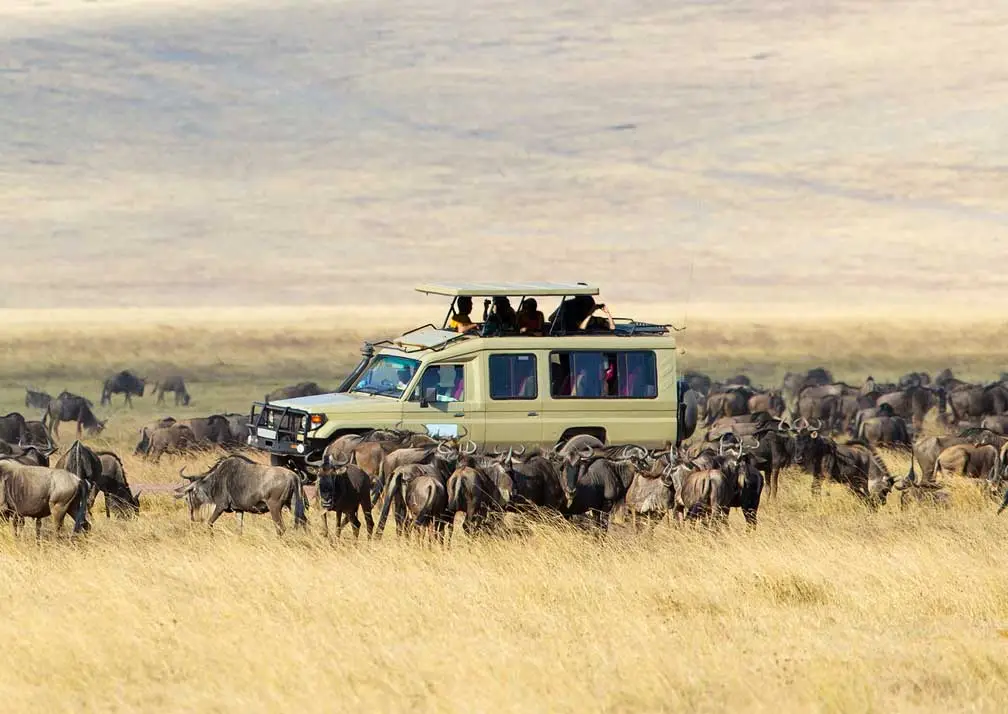
Great Migration Safaris
Experience one of nature's greatest spectacles with our Great Migration safari packages, timed for river crossings or calving.
View Package →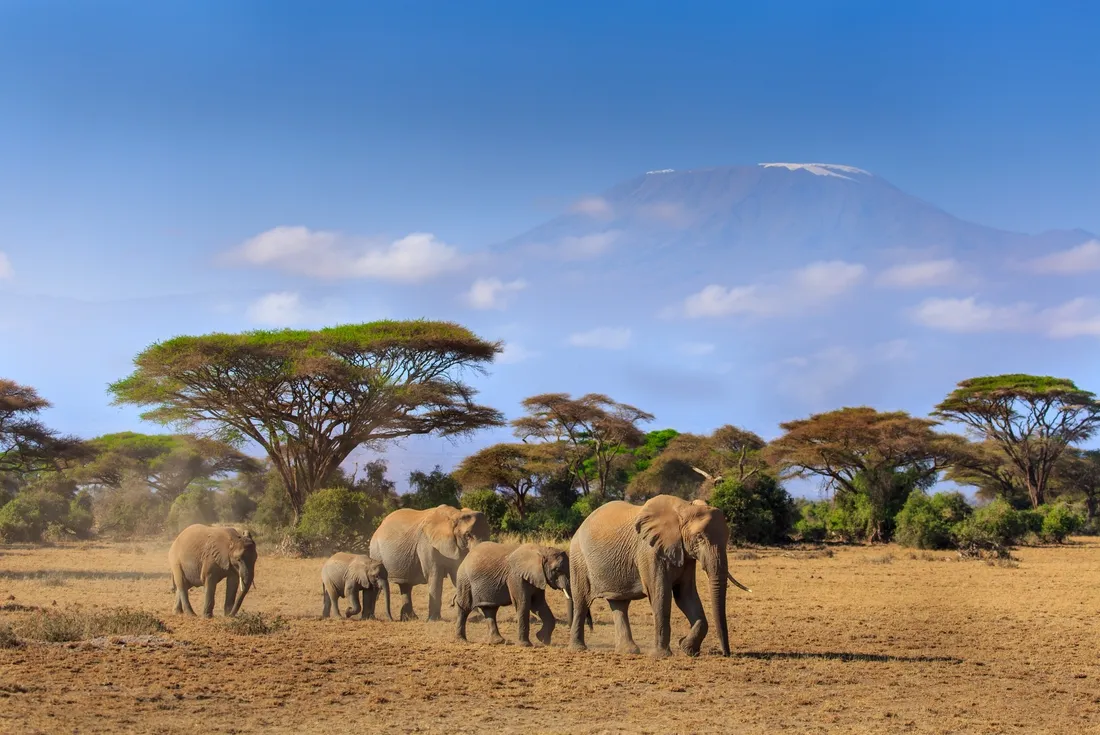
Serengeti & Kilimanjaro Trek
Combined safari and trekking tours offer wildlife adventures and Kilimanjaro climbs.
View Package →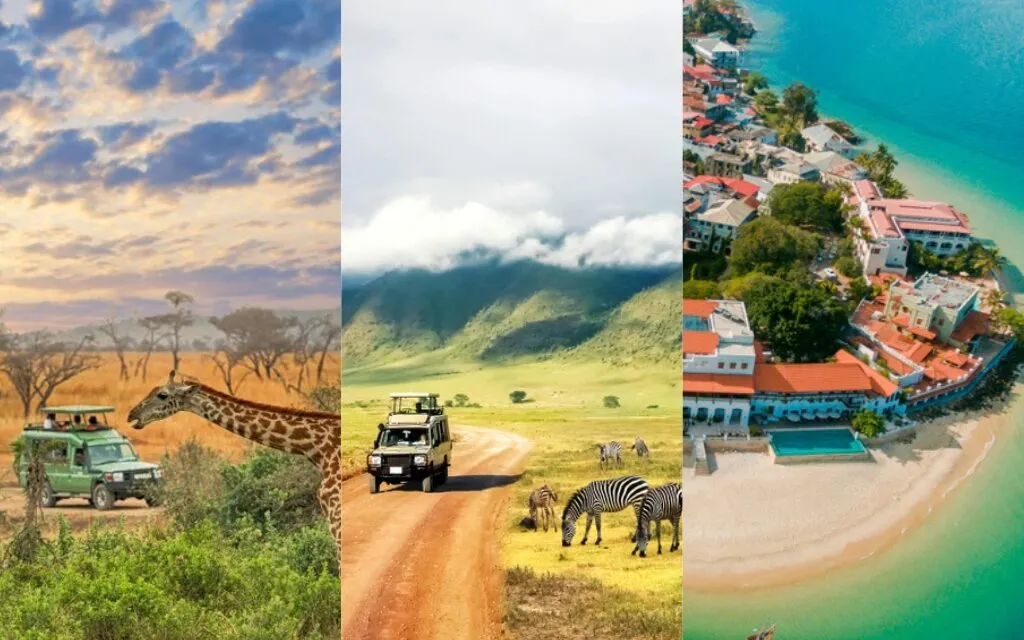
Serengeti & Zanzibar Tours
Luxury Tanzania safari & beach packages with the Great Migration and pristine beaches.
View Package →Related: Best Time to Visit Tanzania 2026 – Perfect safari extension after your Ghana adventure.