
Most Complete Greece Travel Guide 2026-2027 – Everything You Need to Know Before Visiting
This Greece travel guide provides everything you need to plan your journey to one of Europe’s most beloved destinations. Greece offers an extraordinary blend of ancient archaeological wonders, turquoise Aegean waters, dramatic islands, and vibrant modern culture that create one of the continent's most diverse travel experiences. Many travelers who want to travel to Greece are captivated by the country's incredible history spanning over 5,000 years of civilization and its postcard-perfect islands scattered across the Aegean and Ionian Seas. The nation covers 131,957 square kilometers, with over 13,000 km of coastline and more than 6,000 islands and islets (227 inhabited), offering visitors everything from the iconic Acropolis to hidden white-washed villages and pristine beaches.
Start Reading the Full Guide ↓Quick Facts About Greece
- Capital: Athens.
- Currency: Euro (€).
- Time Zone: Eastern European Time (EET, UTC+2; +3 in summer).
- International Calling Code: +30.
- Driving Side: Right.
- Major Airports: Athens (ATH), Thessaloniki (SKG), Santorini (JTR), Mykonos (JMK), Heraklion (HER).
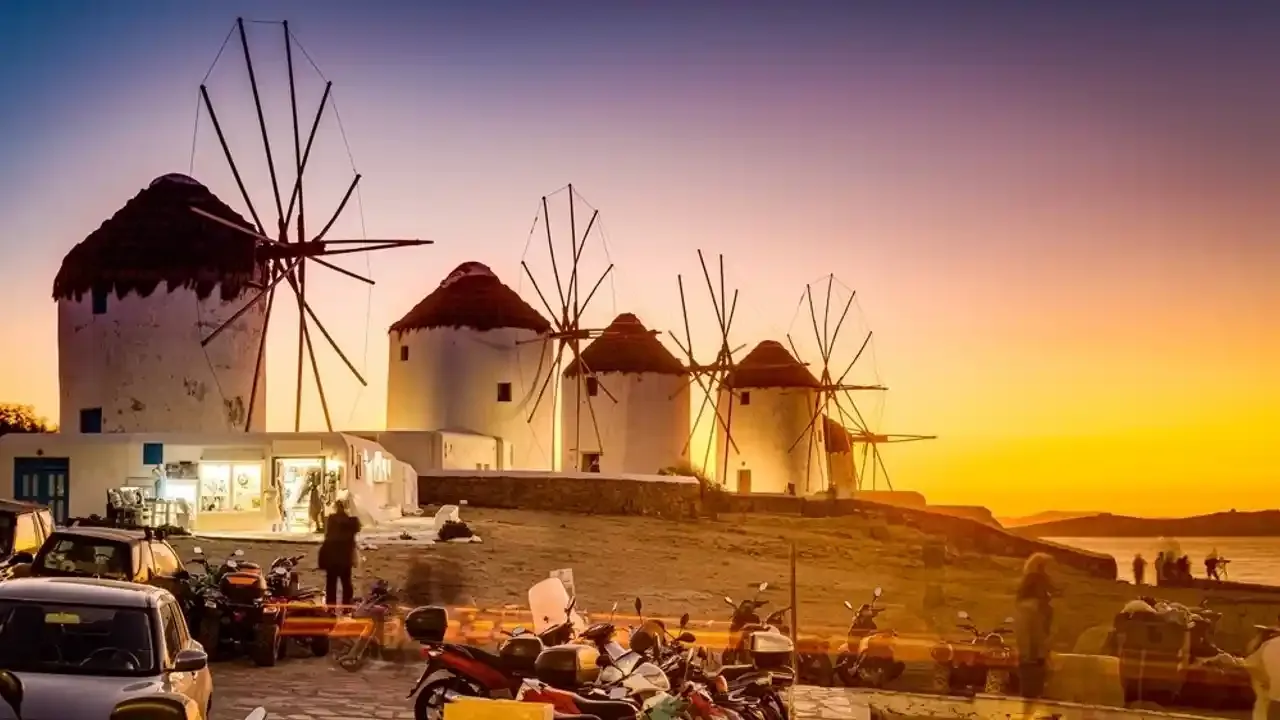
Greece Overview & Key Facts
Brief History of Greece
Greece's history spans over five millennia, from the Minoan and Mycenaean civilizations through the Classical period that gave birth to democracy, philosophy and theatre, to Roman, Byzantine and Ottoman rule. Modern Greece emerged after the War of Independence (1821–1829) against the Ottomans. This rich historical tapestry creates a fascinating backdrop for modern travelers exploring ancient temples, Byzantine churches and Ottoman-era neighbourhoods.
Independence & National Identity
- Independence date: March 25, 1821 (celebrated annually).
- Former colonial power: Ottoman Empire.
- National symbols & identity.
Greece gained full independence in 1830. The blue and white flag with the cross symbolizes Greek Orthodoxy and the sea. National pride centers on ancient heritage, Orthodox Christianity and the concept of “philoxenia” (hospitality to strangers).
Government System & Current Leadership
- Type of government: Parliamentary Republic
- Current president: Katerina Sakellaropoulou
- Current prime minister: Kyriakos Mitsotakis (as of 2025)
Greece is a stable parliamentary democracy and long-standing EU and NATO member.
Population, Ethnic Groups & Languages
- Population: 10.4 million (2025 estimate).
- Major ethnic group: Greeks (93%).
- Official language: Greek.
- English widely spoken in tourist areas.
English proficiency is very high among younger generations and in tourism.
Main Religions & Cultural Identity
Greek Orthodox Christianity (90%+). The Church plays a significant role in culture and festivals. Religious sites require modest dress.
Geography & Natural Landscape
Greece features mountainous mainland (80% of territory), thousands of islands, and extensive coastline. The climate is Mediterranean with hot, dry summers and mild, wet winters.
Economy & Tourism Highlights
Tourism accounts for ~20% of GDP. Greece welcomed over 33 million visitors in 2024 and continues infrastructure improvements for 2026-2027.
What Greece Is Known For
- Ancient sites: Acropolis, Delphi, Olympia, Knossos
- Iconic islands: Santorini, Mykonos, Crete, Rhodes
- Meteora monasteries, Peloponnese castles, Thessaloniki Byzantine heritage
Visa & Entry Requirements in Greece
Greece is part of the Schengen Area. Entry rules are uniform across 27 European countries.
Do You Need a Visa?
EU/EEA, USA, Canada, UK, Australia, New Zealand, Japan, South Korea and 60+ countries: visa-free for 90 days in any 180-day period. All others require a Schengen tourist visa.
Visa Application Options in Greece
- Visa-free entry (90/180 rule)
- Schengen tourist visa (applied at Greek embassy/consulate or any Schengen country)
- ETIAS (from mid-2026) – electronic authorisation for visa-exempt travellers (€7)
Passport Validity & Entry Documents
Passport valid 3 months beyond intended stay; at least two blank pages. Proof of onward travel and sufficient funds may be requested.
Customs Rules & Prohibited Items
Standard EU rules. €10,000+ cash must be declared. Duty-free allowances apply when arriving from non-EU countries.
Safety & Security Information in Greece
Greece is one of Europe’s safest countries with very low violent crime rates.
Is Greece Safe for Tourists?
Yes – Level 1 (exercise normal precautions) by most governments. Main risks are pickpocketing in Athens and crowded islands and occasional taxi scams.
Recommended Safety Tips when in Greece
Use licensed taxis or apps (Beat, Uber in Athens), guard valuables on public transport, avoid deserted areas late at night in Athens, and beware of overcharging in some tourist venues.
Safe Areas vs. Areas to Avoid in Greece
All tourist areas are safe. Central Athens neighborhoods like Omonia and Exarchia have higher petty crime at night – exercise normal caution.
Emergency Numbers & Tourist Police in Greece
- Police/Tourist Police: 171 (English spoken)
- Emergency (all services): 112
- Ambulance: 166
- Fire: 199
Health Requirements & Vaccinations in Greece
No mandatory vaccinations. EU-standard healthcare.
Mandatory Vaccinations in Greece
None (except rare outbreak situations).
Recommended Vaccinations in Greece
Routine vaccines up to date. Hepatitis A & B recommended for longer stays or higher-risk activities.
Malaria & Other Risks
No malaria. Tap water safe in most areas (bottled preferred on some islands).
Travel Insurance Recommendations in Greece
Highly recommended. EU citizens should carry EHIC/GHIC. Private insurance covers ferries, hiking accidents, etc.
Best Time to Visit in Greece
May–June and September–October are ideal. July–August is peak (hot & busy); winter quiet except ski resorts.
Weather by Season
Spring/autumn: 20–28°C; summer: 30–38°C; winter: 8–15°C mainland (milder islands).
When to Visit Greece for Best Experiences
- Island-hopping: May–October
- Ancient sites without crowds: April–May & September–October
- Beach season: June–September
- Skiing: January–March (Parnassus, Pelion)
High Season vs. Low Season Travel
High season: late June–August (highest prices, crowded). Shoulder seasons offer best value and weather.
Weather & Climate Overview in Greece
Mediterranean climate: hot, dry summers and mild, wet winters.
Temperature Ranges
Coastal/islands: 25–35°C summer, 10–16°C winter. Inland/mountains cooler.
Rainy & Dry Seasons in Greece
Rainy season: November–March (mostly mainland). Summer virtually rain-free.
What to Wear Based on the Weather
Light summer clothing, good walking shoes, light jacket for spring/autumn evenings, modest attire for monasteries.
Main Currency, Costs & Budgeting in Greece
Euro (€). Cards widely accepted; cash useful on smaller islands.
Average Travel Costs in Greece
Budget: €70–120/day; mid-range €150–250/day; luxury (Santorini/Mykonos) €400+/day.
Using ATMs, Cards & Mobile Money in Greece
ATMs everywhere. Contactless cards common. Apple/Google Pay widely accepted.
Tipping Guidelines in Greece
Restaurants: round up or 5–10%. Taxis: round up. Hotels: €1–2 per bag.
Transportation & Getting Around in Greece
Excellent ferry network, domestic flights, reliable buses, metro in Athens.
Airport Transfers
Athens: Metro (€10), taxi (€40–50), Welcome Pickups (fixed price).
Local Transport Options in Greece
Metro/trams in Athens, extensive bus network, ferries (Blue Star, SeaJets, Hellenic Seaways), domestic flights (Aegean/Olympic, Sky Express).
Greece Domestic Flights
Convenient to islands (30–50 min flights vs. 5–8 hr ferries).
Car Rentals & Road Conditions in Greece
Easy to rent; international license recommended. Roads good on mainland, narrow on islands.
Accommodation Options available in Greece
Everything from hostels to luxury resorts. Book islands well in advance for summer.
Types of Accommodations in Greece
Hotels, apartments, villas, boutique guesthouses, Airbnb, hostels, camping.
Budget vs. Mid-Range vs. Luxury
Budget: €40–90/night; mid-range €100–200; luxury €300–1,500+ (Santorini cave suites).
Best Areas to Stay in Greece
Athens: Plaka, Monastiraki, Koukaki. Santorini: Oia/Fira (views), Imerovigli (quieter). Mykonos Town or beach areas.
Essential Packing Guide when Visiting Greece
Sunscreen, hat, comfortable walking shoes, light clothing, modest outfit for religious sites, power bank, reusable water bottle.
Language & Communication in Greece
Greek official language; English widely spoken in tourist areas.
Useful Phrases for Tourists
Kalimera (good morning), Efharisto (thank you), Parakalo (please/you’re welcome), Yasas (hello/goodbye formal).
SIM Cards & Mobile Data used in Greece
Cosmote, Vodafone, Nova – €10–20 for generous data packages.
Internet Availability & Wi-Fi in Greece
Free Wi-Fi in most cafes, restaurants, hotels; fast mobile coverage.
Culture & Etiquette in Greece
Greeks are warm and hospitable. Greetings involve eye contact and handshake.
Greek Dress Code Expectations
Casual in summer. Cover shoulders/knees for monasteries and some churches.
Social Etiquette & Respectful Behavior of Greece
Accept offered coffee or drink. Don’t insult the country or religion.
Photography Rules in Greece
Generally allowed except inside some museums and at military sites.
Important Cultural Dos & Don’ts in Greece
Do: say “Yamas” when toasting. Don’t: beckon with palm up or make the “moutza” gesture.
Food, Water & Dining in Greece
Famous for fresh ingredients, olive oil, seafood, meze culture.
Greek Local Dishes to Try
Moussaka, souvlaki, fresh fish, Greek salad, tzatziki, baklava, dolmades, octopus.
Dietary Options in Greece
Excellent vegetarian options; many traditional dishes are vegetable-based.
Drinking Water Safety
Safe on mainland and most islands; bottled preferred on smaller islands.
Restaurant Etiquette
Service often leisurely. Bread/cover charge common. Tipping by rounding up.
Top Attractions & Things to Do in Greece
Acropolis & Parthenon, Santorini caldera, Delphi, Meteora, Knossos Palace, Rhodes Old Town, Mykonos beaches, Olympia, Crete beaches, Thessaloniki.
Major Tourist Attractions in Greece
- Acropolis of Athens (UNESCO)
- Santorini
- Meteora monasteries (UNESCO)
- Delphi Archaeological Site (UNESCO)
- Palace of Knossos, Crete
Best Tours & Experiences in Greece
Island-hopping, wine tasting, hiking gorges (Samaria), sailing, food tours, ancient site guided visits.
Greek Electrical System Information
230V, 50Hz, types C & F (European plugs).
Local Laws & Regulations of Greece
No photography of military installations. Smoking banned in enclosed public spaces. Respect monastery dress codes.
Final Travel Tips for Visitors in Greece
Book ferries/flights early in summer, learn a few Greek words, embrace the slower pace, visit lesser-known islands for authenticity.
Frequently Asked Questions – Greece Travel Guide 2026-2027
Our Tanzania Tours Products
While Greece offers ancient wonders and island paradise, many travelers combine Europe with the ultimate African wildlife adventure. Capable Africa Tours specializes in secure, guided safaris that maximize safety and wonder...
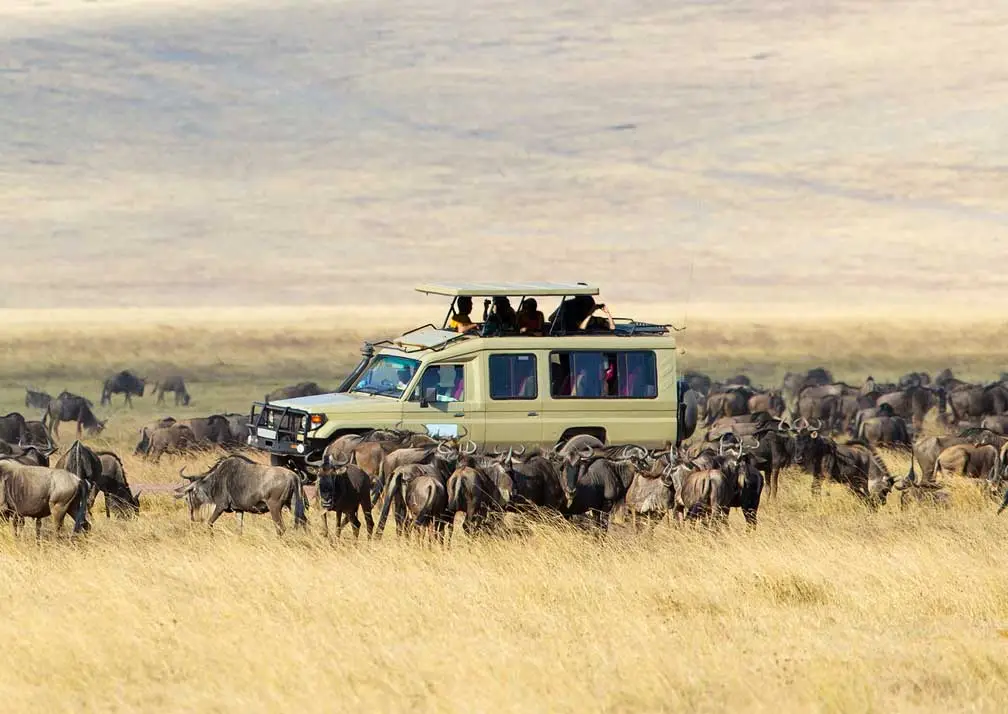
Great Migration Safaris
Experience one of nature's greatest spectacles with our Great Migration safari packages...
View Package →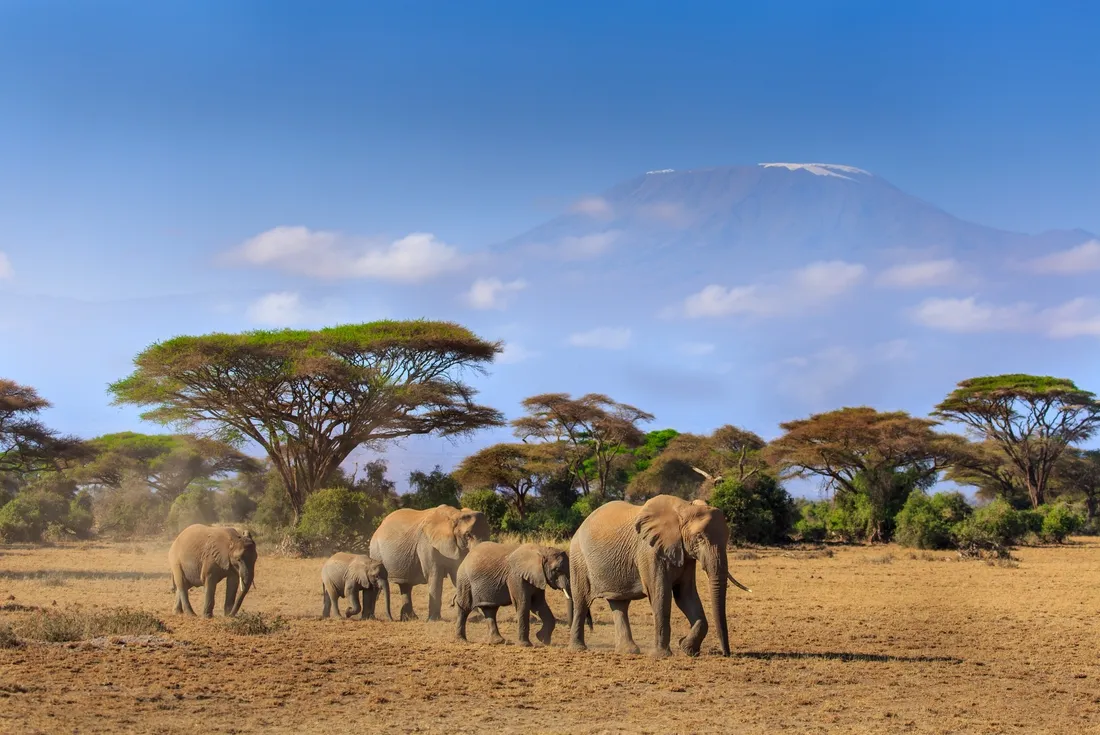
Serengeti & Kilimanjaro Trek
Combined safari and trekking tours offer wildlife adventures and Kilimanjaro climbs.
View Package →
Serengeti & Zanzibar Tours
Luxury Tanzania safari & beach packages with the Great Migration and pristine beaches.
View Package →Related: Best Time to Visit Tanzania 2026 – Perfect safari extension after your Greek island adventure.