
Most Complete Grenada Travel Guide 2026-2027 – Everything You Need to Know Before Visiting
This Grenada travel guide provides everything you need to plan your journey to the Caribbean's Spice Isle. Grenada offers an extraordinary blend of turquoise waters, volcanic landscapes, and vibrant Creole culture that create one of the region's most authentic travel experiences. Many travelers who want to travel to Grenada are surprised by the island's incredible diversity and rich cultural heritage spanning indigenous Kalinago traditions, African influences, and British colonial legacy. The nation covers just 344 square kilometers, making it not only one of the smallest countries globally but also offering visitors everything from world-class beaches to spice plantations and historic forts within easy reach.
Start Reading the Full Guide ↓Quick Facts About Grenada
- Capital: St. George’s.
- Currency: Eastern Caribbean Dollar (XCD).
- Time Zone: Atlantic Standard Time (AST, UTC-4).
- International Calling Code: +1-473.
- Driving Side: Left.
- Major Airports: Maurice Bishop International Airport (GND).
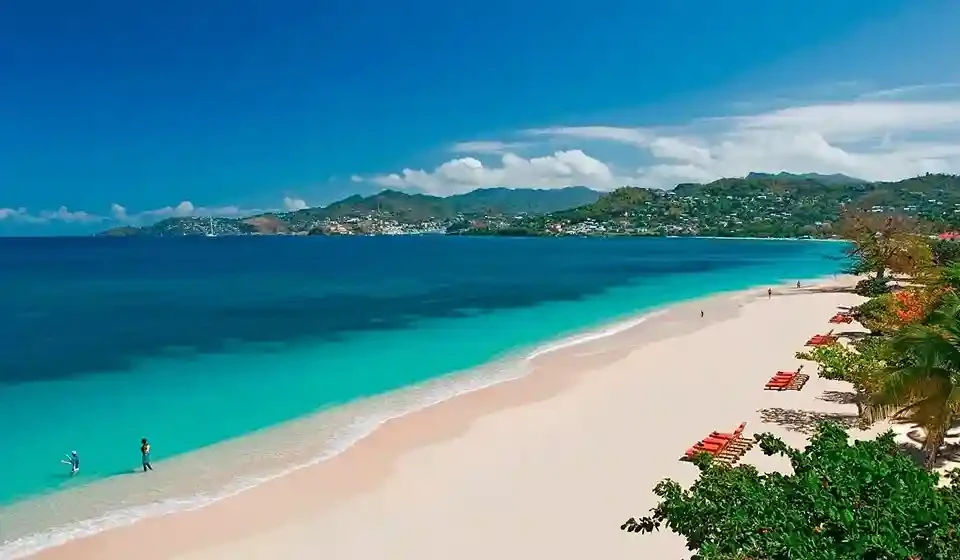
Grenada Overview & Key Facts
Brief History of Grenada
Grenada's history spans millennia, from indigenous Kalinago settlements through European colonization to independence. The Kalinago called the island Camahogne, followed by French rule that established sugar plantations and African slave labor. British control from 1763 shaped much of the country's architecture and administrative systems. This rich historical tapestry creates a fascinating backdrop for modern travelers exploring the country's forts, plantations, and cultural sites.
Independence & National Identity
- Independence date: February 7, 1974.
- Former colonial power: United Kingdom.
- National symbols & identity.
Grenada gained independence after centuries of European control, with Maurice Bishop leading a revolutionary government in 1979. The 1983 US intervention restored democratic rule. Today, the country's national identity centers on Creole culture and spice heritage. The national flag features green for vegetation, yellow for sunshine, and red for courage, with nutmeg symbolizing the island's famous export.
Government System & Current Leadership
- Type of government: Parliamentary Democracy
- Current prime minister: Dickon Mitchell
- Notes on political stability
Grenada operates as a parliamentary democracy within the Commonwealth. Prime Minister Dickon Mitchell has served since June 2022, leading the National Democratic Congress. The country enjoys strong political stability, with regular democratic elections and peaceful transitions of power. Travelers can expect consistent governance and public services.
Population, Ethnic Groups & Languages
- Population: 125,000 (2025 projection).
- Major ethnic groups: African descent (89%), Mixed (8%).
- Official language(s): English.
- Additional languages commonly spoken.
Grenadian Creole English is widely spoken in daily life, with French Patois surviving in some communities. English dominates education, government, and tourism. The small population creates a close-knit community atmosphere where visitors quickly feel welcome and integrated into local life.
Main Religions & Cultural Identity
Christianity dominates Grenada's religious landscape, with approximately 86% of the population adhering to various denominations (primarily Roman Catholic). Small Hindu and Muslim communities exist, while Rastafarian influence appears in music and culture. Christian values influence daily life and festivals, with Christmas, Easter, and Carnival being major celebrations. Visitors should respect church services and dress appropriately when visiting religious sites.
Geography & Natural Landscape
Grenada features volcanic origins with mountainous interiors, rainforests, and coral reefs. Grand Etang crater lake sits at 530m elevation, while coastal areas feature white-sand beaches and mangrove swamps. The island experiences tropical climate with wet and dry seasons. Carriacou and Petite Martinique offer drier landscapes and quieter beaches compared to the main island's lush vegetation.
Economy & Tourism Highlights
Grenada's economy depends on tourism, nutmeg exports, and education services. The government promotes sustainable tourism through eco-lodges and community experiences. Grenadian tourism grows steadily as visitors discover pristine beaches, spice heritage, and authentic Caribbean culture, supported by direct flights and cruise port infrastructure.
What Grenada Is Known For
- World’s first underwater sculpture park
- Nutmeg production (second largest globally)
- Grand Anse Beach and Carnival celebrations
Visa & Entry Requirements in Grenada
Most international visitors enjoy visa-free entry to Grenada, with requirements varying by nationality. The visa application process for those needing visas requires valid passports, completed forms, photographs, and proof of onward travel. Processing times are typically quick, and travelers should verify requirements well in advance of departure.
Do You Need a Visa?
Citizens of US, UK, Canada, EU, and most Commonwealth countries enter visa-free for up to 90 days. Other nationalities may need e-Visas or visas-on-arrival. Business travelers and longer stays require appropriate documentation. Always check with Grenadian immigration authorities for current requirements specific to your nationality.
Visa Application Options in Grenada
- Visa-free entry (most visitors)
- e-Visa application online
- Visa-on-arrival for select countries
Grenada offers straightforward entry for most tourists, with online e-Visa systems available for nationalities requiring advance approval. Applications typically process within 72 hours. Visa extensions are available through immigration offices for stays beyond initial allowances.
Passport Validity & Entry Documents
Your passport must be valid for at least six months from entry date with blank pages for stamps. Required documents include return tickets, proof of accommodation, and sufficient funds (approximately $100/day). Health certificates may be required during disease outbreaks. Immigration officers may request proof of yellow fever vaccination from endemic areas.
Customs Rules & Prohibited Items
Grenada maintains standard Caribbean customs regulations. Prohibited items include narcotics, weapons, and unregistered drones. Currency declaration required for amounts over $10,000. Fresh produce and meat products need agricultural permits. Duty-free allowances include 200 cigarettes, 1 liter spirits, and reasonable personal effects.
Safety & Security Information in Grenada
Grenada maintains excellent safety records for tourists, with low violent crime rates and welcoming communities. The security situation remains stable across the islands, with petty theft being the primary concern in tourist areas. Hurricane preparedness and water safety represent the main natural risks travelers should understand.
Is Grenada Safe for Tourists?
Yes, Grenada ranks among the safest Caribbean destinations, with Level 1 advisories from major governments. The Royal Grenada Police Force maintains visible presence in tourist areas. Petty theft occurs occasionally, but violent crime against visitors remains extremely rare when basic precautions are followed.
Recommended Safety Tips when in Grenada
Use licensed taxis and reputable tour operators. Secure valuables in hotel safes and avoid displaying expensive items. Stay in well-lit areas after dark and travel in groups when possible. Monitor weather during hurricane season and follow local authority guidance. Use mosquito repellent during evening hours to prevent insect-borne illnesses.
Safe Areas vs. Areas to Avoid in Grenada
Grand Anse, St. George’s, and resort areas maintain excellent safety. Rural villages welcome visitors but may lack street lighting. Avoid isolated beaches after dark and remote hiking without guides. Carriacou and Petite Martinique offer particularly safe, quiet environments with minimal crime concerns.
Emergency Numbers & Tourist Police in Grenada
- Police: 911.
- Fire Department: 911.
- Medical Emergency: 911 or 434.
- Tourist Assistance: Available through hotels and tourism board.
Emergency services respond quickly throughout the islands. Major hospitals in St. George’s provide quality care, while clinics serve smaller communities. Save numbers in your phone and maintain hotel contact information for assistance coordination.
Health Requirements & Vaccinations in Grenada
Grenada maintains good healthcare standards with no mandatory vaccinations for most travelers. Private clinics and public hospitals provide quality care, particularly in St. George’s. Understanding health precautions helps ensure safe travels, especially regarding mosquito-borne illnesses and water activities.
Mandatory Vaccinations in Grenada
No mandatory vaccinations required for direct entry from most countries. Yellow fever certificate needed if arriving from endemic areas within 6 days. COVID-19 requirements eliminated but may return during outbreaks. Check current health alerts before travel.
Recommended Vaccinations in Grenada
Routine vaccinations should be current, including MMR, diphtheria-tetanus-pertussis, and influenza. Hepatitis A and typhoid recommended due to food/water risks. Hepatitis B advised for longer stays or potential medical exposure. Zika precautions essential for pregnant travelers or those planning pregnancy.
Malaria & Other Risks
Grenada is malaria-free, but dengue and chikungunya occur sporadically. Use DEET repellent and wear long sleeves during dawn/dusk hours. Leptospirosis risk exists after heavy rains—avoid freshwater swimming in contaminated areas. Heat-related illnesses possible during summer months; stay hydrated and use sunscreen.
Travel Insurance Recommendations in Grenada
Comprehensive travel insurance essential, covering medical evacuation (costs $25,000+), trip cancellation, and water sports activities. Ensure coverage includes scuba diving if planned. Some policies exclude hurricane-related claims during peak season, so review terms carefully.
Best Time to Visit in Grenada
The best time to visit Grenada balances weather preferences, budget considerations, and festival interests. Dry season offers optimal beach conditions, while wet season provides lush landscapes and fewer crowds. These Grenada travel tips will help you navigate the island's customs, transportation, and cultural expectations while planning your visit during ideal conditions.
Weather by Season
Dry season (December–May) features 24–30°C temperatures with low humidity and minimal rainfall. Wet season (June–November) brings afternoon showers and higher humidity, with hurricane risk peaking August–October. Water temperatures remain consistently warm (26–29°C) year-round, perfect for swimming and diving.
When to Visit Grenada for Best Experiences
- Diving visibility best January–April.
- Spice tours optimal during harvest (May–July).
- Beach season year-round; peak December–April.
- Carnival in August offers cultural immersion.
Sailing regattas and yachting events concentrate January–April, while birdwatching peaks during migration periods. Budget travelers find best deals June–November outside hurricane core months.
High Season vs. Low Season Travel
High season (mid-December–mid-April) brings perfect weather but higher prices and crowds. Low season (May–November) offers 30–50% savings on accommodations with occasional rain. Shoulder months (late April–May, November) provide excellent value with good weather and fewer visitors.
Weather & Climate Overview in Grenada
Grenada experiences tropical maritime climate with consistent temperatures and distinct wet/dry seasons. Understanding weather patterns helps plan activities and pack appropriately for beach days, hiking, or cultural exploration across different island regions.
Temperature Ranges
Coastal areas maintain 24–30°C year-round with cooling trade winds. Mountain interiors drop to 20–25°C at night. Water temperatures range 26–29°C, ideal for marine activities. Humidity highest during wet season (70–90%), lowest in dry season (60–70%).
Rainy & Dry Seasons in Grenada
Dry season (December–May) sees minimal rainfall (50–100mm monthly). Wet season (June–November) brings 200–300mm monthly, primarily afternoon showers. Hurricane season officially June–November, with September–October highest risk. Carriacou receives less rainfall than mainland Grenada.
What to Wear Based on the Weather
Pack lightweight, quick-dry clothing with swimsuits and cover-ups. Bring light rain jacket for wet season travel. Water shoes protect against sea urchins and coral. Sun hats, sunglasses, and reef-safe sunscreen essential year-round. Include one smart-casual outfit for restaurants and cultural events.
Main Currency, Costs & Budgeting in Grenada
Grenada uses Eastern Caribbean Dollar (XCD) with USD widely accepted. Understanding local pricing and payment methods ensures smooth financial management. The island offers good value compared to other Caribbean destinations, especially outside all-inclusive resorts.
Local Currency Information
Eastern Caribbean Dollar divides into 100 cents, with banknotes in 5, 10, 20, 50, 100 denominations. USD accepted at fixed rate (~2.70 XCD = 1 USD). ATMs dispense both currencies. Credit cards widely accepted in tourist areas but cash needed for markets and small vendors.
Average Travel Costs in Grenada
Budget travelers spend $100–150 daily including guesthouses, local food, and public transport. Mid-range travelers budget $200–350 for boutique hotels, restaurants, and activities. Luxury resorts start at $500+ nightly. Costs lower on Carriacou and outside peak season.
Using ATMs, Cards & Mobile Money in Grenada
ATMs widely available in St. George’s and tourist areas, dispensing XCD and USD. Visa/Mastercard accepted at most establishments; American Express less common. Mobile payments growing but cash remains essential. Notify your bank of travel plans to avoid card blocks.
Tipping Guidelines in Grenada
Restaurants add 10% service charge; additional 5–10% appreciated for good service. Hotels: $1–2 per bag for porters, $5–10 daily for housekeeping. Taxi drivers: round up fare or 10%. Dive guides: $10–20 per diver. Tour guides: $20–50 per group depending on duration.
Transportation & Getting Around in Grenada
Grenada's transportation network centers on road systems with limited public options. Understanding local transport helps efficient island exploration, whether visiting beaches, spice estates, or neighboring islands. Private vehicles, taxis, and ferries provide primary mobility options.
Airport Transfers
Maurice Bishop International Airport offers licensed taxis ($20–30 to Grand Anse) and pre-booked private transfers. Hotels arrange pickups; public buses don’t serve airport directly. Allow 20–30 minutes to most accommodations. Car rental desks available airside for self-drive options.
Local Transport Options in Grenada
Reggae buses (minivans) provide cheap, frequent service along main routes (2–5 XCD). Taxis are plentiful but unmetered—agree fares beforehand. Water taxis connect St. George’s with Grand Anse. Carriacou ferries depart daily from St. George’s. Walking feasible in compact town centers.
Grenada Domestic Flights
SVG Air and inter-island carriers connect Grenada with Carriacou (20-minute flights) multiple times daily. Lauriston Airport serves Carriacou with basic facilities. Flights cost $100–150 round-trip. Weather cancellations possible during wet season; book morning flights for reliability.
Car Rentals & Road Conditions in Grenada
International rental companies operate at airport and resorts, requiring valid license and left-side driving adjustment. Roads well-maintained in tourist areas but narrow and winding in interior. 4WD recommended for mountain routes. Temporary permits ($30) required for foreign licenses.
Accommodation Options available in Grenada
Grenada offers diverse accommodations from budget guesthouses to luxury resorts, with quality varying by location and price point. Grand Anse concentrates most options, while rural areas provide authentic experiences. Understanding accommodation types helps match stays with travel style and budget.
Types of Accommodations in Grenada
All-inclusive resorts dominate high-end market with beachfront locations. Boutique hotels offer personalized service in historic buildings. Guesthouses and apartments provide local immersion and kitchen facilities. Eco-lodges in rainforest settings emphasize sustainability. Yacht charters available for unique floating accommodations.
Budget vs. Mid-Range vs. Luxury
Budget options ($50–100 nightly) include guesthouses with basic amenities and shared facilities. Mid-range hotels ($150–300) provide pools, restaurants, and beach access. Luxury resorts ($400–1000+) offer spas, fine dining, and concierge services. Prices drop significantly during low season.
Best Areas to Stay in Grenada
Grand Anse offers beach proximity and restaurant variety. St. George’s provides historic charm and harbor views. Lance aux Epines features quiet residential luxury. True Blue hosts university-area budget options. Carriacou offers relaxed island atmosphere with fewer accommodation choices.
Essential Packing Guide when Visiting Grenada
Packing for Grenada requires tropical essentials, sun protection, and activity-specific gear. The island's consistent climate simplifies wardrobe planning, while water-based activities demand particular attention to equipment and protection.
Clothing Essentials
Pack breathable cotton and quick-dry fabrics with multiple swimsuits. Include cover-ups for town visits and light jackets for evening breezes. Water-resistant sandals and hiking shoes cover most activities. One dressy outfit suffices for upscale dining. Laundry services widely available.
Footwear & Gear
Reef-safe water shoes protect against coral and urchins. Comfortable walking sandals suit town exploration. Hiking boots needed for Grand Etang trails. Snorkel gear rentable but personal mask ensures proper fit. Beach bag and dry bag protect electronics from sand and water.
Electronics & Cameras
Grenada uses 220V with UK-style plugs (type G)—bring adapters and converters. Waterproof phone cases essential for boat trips. Extra memory cards accommodate underwater photography. Power banks useful for full-day excursions. Solar chargers work well in sunny conditions.
Toiletries & Personal Items
Bring reef-safe sunscreen (SPF 50+), insect repellent, and after-sun aloe. Prescription medications with copies of prescriptions. Basic first-aid kit including seasickness remedies. Tampons/pads available but expensive—pack preferred brands. Reusable water bottle for eco-conscious hydration.
Language & Communication in Grenada
English serves as Grenada's official language, making communication straightforward for most visitors. Understanding local Creole expressions enhances cultural immersion. Mobile coverage and internet access vary between tourist areas and remote locations.
Main Languages Spoken in Grenada
English dominates all official and tourist interactions. Grenadian Creole English incorporates African and French elements in casual conversation. French Patois survives in older generations, particularly in rural areas. Spanish increasingly heard due to regional tourism and education.
Useful Phrases for Tourists
Standard English works everywhere, but local phrases include “Wah happenin’?” (How are you?), “Liming” (hanging out), and “Respect” (thank you). “Good morning/afternoon” expected in shops and services. Learning basic Creole greetings creates instant connections with locals.
SIM Cards & Mobile Data used in Grenada
Digicel and Flow sell tourist SIMs at airport and shops with data-heavy plans. 7-day unlimited data costs ~$30 XCD. Activation requires passport. Coverage excellent in populated areas, spotty in remote hills. Wi-Fi calling saves data when connected.
Internet Availability & Wi-Fi in Grenada
Hotels, restaurants, and cafes offer free Wi-Fi in tourist areas. Connection speeds adequate for email and social media. Internet cafes rare but available in St. George’s. Public Wi-Fi hotspots expanding in town centers. Download offline maps for rural exploration.
Culture & Etiquette in Grenada
Understanding Grenadian culture and social norms ensures respectful interactions and authentic experiences. The island's relaxed pace and friendly population welcome visitors who demonstrate cultural awareness and genuine interest in local traditions.
Grenadian Dress Code Expectations
Beachwear appropriate at resorts and beaches but cover up in towns and villages. No shirt/no shoes policies strictly enforced in shops. Church visits require covered shoulders and knees. Carnival allows more revealing costumes during festival periods. Business casual for upscale restaurants.
Social Etiquette & Respectful Behavior of Grenada
Greetings involve “Good morning/afternoon” before conversations. Handshakes common in formal settings. Personal space more relaxed than Western norms. Accept offered drinks graciously. Remove shoes when entering homes. Photography requires permission, especially of individuals.
Photography Rules in Grenada
Ask permission before photographing people, particularly in rural areas. No restrictions on landscapes or public spaces. Underwater photography requires care around marine life. Some attractions charge camera fees. Respect “no photography” signs at cultural sites and private properties.
Important Cultural Dos & Don’ts in Grenada
Do greet people properly, support local businesses, and try local cuisine. Don’t rush interactions, litter on beaches, or touch marine life. Avoid political discussions unless invited. Don’t assume service speed matches home country expectations. Respect hurricane preparedness protocols.
Food, Water & Dining in Grenada
Grenadian cuisine showcases fresh seafood, local spices, and Creole cooking techniques. Understanding dining customs and food safety enhances culinary adventures from street vendors to fine restaurants across the islands.
Grenadian Local Dishes to Try
Oil down (national dish) combines breadfruit, salted meat, and coconut milk. Roast breadfruit with saltfish breakfast staple. Lambie (conch) prepared grilled or curried. Nutmeg ice cream showcases local spice. Callaloo soup features dasheen leaves. Fresh lobster seasonal specialty.
Dietary Options in Grenada
Seafood dominates menus; vegetarian options include roti wraps and callaloo. Vegan travelers manage with produce markets and Ital restaurants. Gluten-free options limited but improving. Most resorts accommodate dietary restrictions with advance notice. Spice levels adjustable upon request.
Drinking Water Safety
Tap water safe in most tourist areas but bottled water preferred by visitors. Hotels provide filtered water. Ice safe in reputable establishments. Fresh coconut water abundant and safe from vendors. Avoid drinking from streams despite clear appearance.
Restaurant Etiquette
Service charge (10%) usually included; additional tip for exceptional service. Lunch specials offer best value. Dinner reservations recommended at popular spots. Street food safe from busy vendors. Lime (socialize) over meals common—dining unhurried. Dress codes vary by establishment.
Top Attractions & Things to Do in Grenada
Grenada offers diverse attractions from underwater wonders to mountain hikes and cultural experiences. The most popular places to visit in Grenada include world-famous beaches, unique marine art, and authentic spice plantations showcasing the island's natural and cultural heritage.
Major Tourist Attractions in Grenada
- Grand Anse Beach
- Underwater Sculpture Park
- Fort George & Fort Frederick
- Grand Etang National Park
Grand Anse features 3km of white sand and calm waters. Underwater Sculpture Park hosts Jason deCaires Taylor’s ecological art. Historic forts offer panoramic views and revolutionary history. Grand Etang preserves rainforest with crater lake and Mona monkeys. House of Chocolate educates on local cocoa production.
Best Tours & Experiences in Grenada
Spice plantation tours include nutmeg processing demonstrations. Snorkeling/scuba trips visit sculpture park and marine reserves. Rum distillery tours at River Antoine showcase traditional methods. Catamaran cruises combine sailing with beach stops. Chocolate-making workshops offer hands-on experiences. Hiking guides lead trails to Seven Sisters waterfalls.
Family-Friendly Activities to do in Grenada
Grand Anse Beach perfect for children with gentle waves. BB’s Crabback restaurant offers kid-friendly Caribbean food. Turtle watching tours (seasonal) educate about conservation. Levera National Park combines beach and pond exploration. Mini-golf and water sports keep teens entertained. Cultural centers host family drumming workshops.
Unique Cultural or Historical Sites to visit in Grenada
Carriacou’s traditional boat building preserves maritime heritage. Grenada National Museum displays revolutionary artifacts. Belmont Estate offers working plantation experience. Catholic cathedral in St. George’s showcases colonial architecture. Market Square bustles with local commerce and architecture. Carnival celebrations showcase masquerade traditions.
Grenadian Electrical System Information
Grenada follows British electrical standards requiring adapters for most international visitors. Understanding specifications ensures devices function properly across accommodations and public spaces.
Plug Types & Voltage used in Grenada
Grenada uses 230V voltage with 50Hz frequency and type G plugs (three rectangular pins). US visitors need voltage converters for 110V devices. Most modern electronics (phones, laptops) handle dual voltage. Check device labels before plugging in.
Charging Tips
Bring UK adapters and multi-port USB chargers. Resorts provide adapter loans. Power banks essential for beach days and boat trips. Charge during evening hours when demand lower. Solar chargers effective for eco-lodges with limited electricity. Extension cords useful in older guesthouses.
Local Laws & Regulations of Grenada
Understanding Grenada's legal framework ensures compliance and respectful behavior. Laws reflect British common law with Caribbean adaptations, particularly regarding environmental protection and public behavior.
Rules Travelers Need to Know when In Grenada
Beach access public by law—private property ends at high tide line. Coral collecting prohibited with fines. Left-side driving requires adjustment. Marijuana decriminalized for small amounts but public use illegal. Same-sex relationships legal but public displays conservative.
Alcohol, Smoking & Substance Laws of Grenada
Legal drinking age 16; responsible consumption expected. Driving limit 80mg alcohol per 100ml blood. Smoking prohibited in enclosed public spaces and restaurants. Medical marijuana program exists but tourist use restricted. Hard drugs carry severe penalties including imprisonment.
Restricted or Protected Areas in Grenada.
Marine protected areas require permits for fishing/diving. Grand Etang trails need guides during nesting seasons. Military installations off-limits for photography. Private docks require permission. Levera Pond protected for bird nesting—observe from designated areas. Drone usage requires registration and permits.
Final Travel Tips for Visitors in Grenada
Successful Grenada travel combines preparation with island-time flexibility. These essential Grenada travel tips help navigate local customs, maximize experiences, and avoid common pitfalls for memorable Caribbean adventures.
Common Mistakes to Avoid
Don’t underestimate sun intensity—apply sunscreen regularly. Avoid renting cars without left-side driving experience. Don’t expect punctual public transport schedules. Avoid tap water if stomach sensitive despite general safety. Don’t miss hurricane updates during wet season travel.
Tips to Save Money when Visiting Grenada
Travel during shoulder seasons for 40% accommodation savings. Eat at local lunch spots and roti shops. Use reggae buses instead of taxis. Book activities directly with operators. Stay in guesthouses with kitchens. Visit free beaches and hike public trails. Shop at markets for fresh produce.
Safety & Comfort Tips
Register with your embassy and share itinerary. Use hotel safes for valuables. Carry small XCD amounts for daily expenses. Learn basic Creole phrases for better interactions. Stay hydrated with coconut water. Use licensed operators for water activities. Maintain travel insurance with evacuation coverage.
Frequently Asked Questions – Grenada Travel Guide 2026-2027
Our Tanzania Tours Products
While Grenada offers incredible beaches, underwater art and spice heritage, many travelers combine the Caribbean with the ultimate wildlife experience in East Africa. Capable Africa Tours specializes in secure, guided safaris that maximize safety and wonder. Our expert local guides, armed rangers in parks, and vetted accommodations ensure peace of mind. From family-friendly lodges to luxury camps, we handle logistics so you focus on the magic. Tanzania ranks high for tourist safety with dedicated wildlife protection units and stable northern circuits.
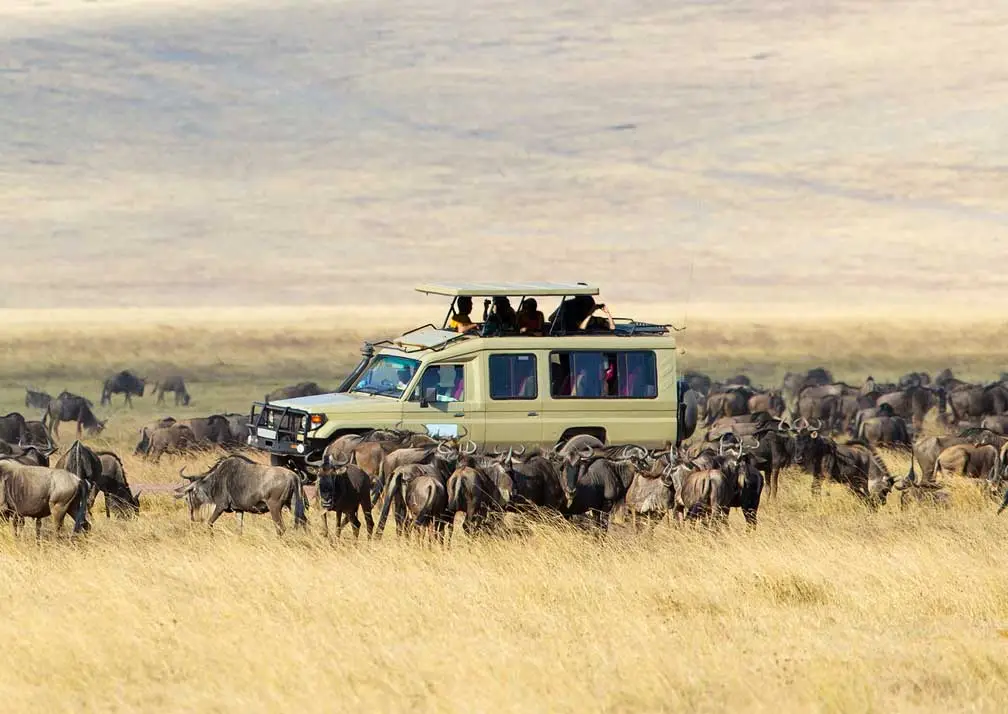
Great Migration Safaris
Experience one of nature's greatest spectacles with our Great Migration safari packages, timed for river crossings or calving.
View Package →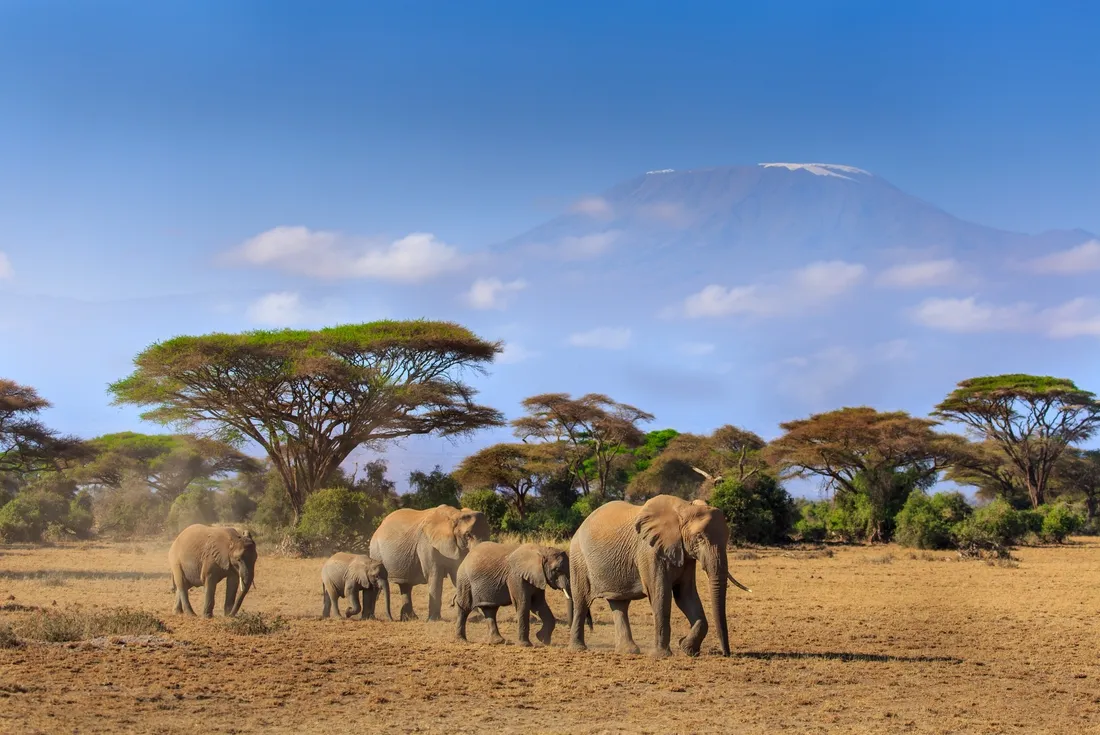
Serengeti & Kilimanjaro Trek
Combined safari and trekking tours offer wildlife adventures and Kilimanjaro climbs.
View Package →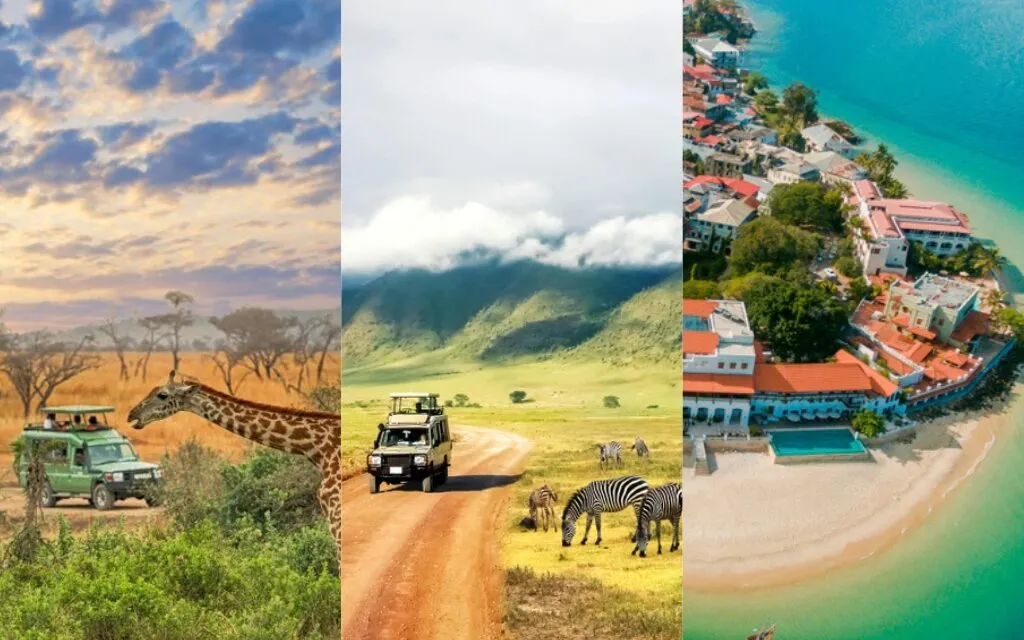
Serengeti & Zanzibar Tours
Luxury Tanzania safari & beach packages with the Great Migration and pristine beaches.
View Package →Related: Best Time to Visit Tanzania 2026 – Perfect safari extension after your Grenada adventure.