Most Complete Guatemala Travel Guide 2026-2027 – Everything You Need to Know Before Visiting
This Guatemala travel guide provides everything you need to plan your journey to the Heart of the Maya World. Guatemala offers an extraordinary blend of ancient Maya temples rising from jungle canopies, colorful highland markets, volcanic landscapes, and perfectly preserved Spanish colonial architecture. Many travelers who visit Guatemala are surprised by the country's incredible diversity and rich living Maya culture that continues thriving alongside modern life. The nation covers just 108,889 square kilometers but packs in everything from Caribbean beaches to cloud forests and 37 volcanoes, making it one of Central America's most varied travel experiences.
Start Reading the Full Guide ↓Quick Facts About Guatemala
- Capital: Guatemala City.
- Currency: Guatemalan Quetzal (GTQ).
- Time Zone: Central Standard Time (CST, UTC-6) – no DST.
- International Calling Code: +502.
- Driving Side: Right.
- Major Airports: La Aurora International (GUA), Mundo Maya (FRS).
Guatemala Overview & Key Facts
Brief History of Guatemala
Guatemala is the cradle of Maya civilization , with cities like Tikal flourishing from 600 BCE to 900 CE. The Spanish conquered the region in 1524, establishing Antigua as their capital until devastating earthquakes forced relocation to modern Guatemala City. Independence from Spain came in 1821, followed by periods of civil war (1960–1996) that shaped the modern nation. This rich historical tapestry creates a fascinating backdrop for travelers exploring ancient ruins, colonial gems, and living indigenous traditions.
Independence & National Identity
- Independence date: September 15, 1821.
- Former colonial power: Spain.
- National symbols & identity.
Guatemala celebrates independence every September 15 with parades and festivities. National identity proudly embraces both Maya heritage (over 40% of population is indigenous) and mestizo culture. The quetzal bird and ceiba tree are powerful national symbols, while marimba music and colorful traditional textiles (traje) remain integral to daily life.
Government System & Current Leadership
- Type of government: Presidential Republic
- Current president: Bernardo Arévalo (since January 2024)
- Notes on political stability
Guatemala is a democratic republic with improving stability under President Arévalo’s anti-corruption administration. Tourism areas remain largely unaffected by political developments.
Population, Ethnic Groups & Languages
- Population: 18.8 million (2025 projection).
- Major ethnic groups: Maya (41%), Ladino/mestizo (56%).
- Official language(s): Spanish.
- Additional languages commonly spoken.
23 indigenous languages are officially recognized, with K’iche’, Q’eqchi’, Kaqchikel and Mam the most widely spoken. English is common in tourist areas, especially Antigua and Flores.
Main Religions & Cultural Identity
Roman Catholicism remains dominant (45–50%), blended with ancient Maya spirituality (especially visible during Semana Santa). Evangelical Protestantism has grown significantly. Indigenous ceremonies at sites like Pascual Abaj in Chichicastenango continue alongside Catholic traditions.
Geography & Natural Landscape
Guatemala features three main regions: cool highlands with volcanoes and indigenous villages, humid Petén lowlands with Maya ruins and jungle, and Pacific/Caribbean coastal plains. 37 volcanoes (3 active) dominate the skyline, while Lake Atitlán is often called the world’s most beautiful lake.
Economy & Tourism Highlights
Tourism is the second-largest industry after agriculture. The country promotes community-based tourism, eco-lodges, and cultural experiences that directly benefit indigenous communities.
What Guatemala Is Known For
- Tikal – one of the most important Maya archaeological sites
- Antigua Guatemala – perfectly preserved Spanish Baroque architecture (UNESCO)
- Living Maya culture and colorful textile markets
- Volcano hiking and black-sand beaches
Visa & Entry Requirements in Guatemala
Guatemala has some of the most traveler-friendly entry rules in Central America. Most visitors receive 90 days automatically on arrival under the CA-4 agreement (Guatemala, Honduras, El Salvador, Nicaragua).
Do You Need a Visa?
Citizens of the US, Canada, EU, UK, Australia, New Zealand, Japan, South Korea and most Latin American countries do NOT need a visa. Passport must be valid for 6 months and have one blank page.
Visa Application Options in Guatemala
- Visa on arrival / visa-free stamp (most Western & Latin American passports)
- Visa required in advance for some African, Asian and Middle Eastern nationalities
Extensions are possible for another 90 days at Migración in Guatemala City.
Passport Validity & Entry Documents
Passport valid 6 months beyond intended stay. No onward ticket is officially required but occasionally requested by airlines.
Customs Rules & Prohibited Items
Standard restrictions (no drugs, weapons, etc.). Up to $500 in goods duty-free. Fresh fruits/vegetables and animal products restricted.
Safety & Security Information in Guatemala
Guatemala requires normal precautions in tourist areas. Violent crime exists but rarely affects visitors who stick to established routes and use common sense.
Is Guatemala Safe for Tourists?
Yes – Antigua, Lake Atitlán, Flores/Tikal, Semuc Champey and tourist shuttles are very safe. Avoid Guatemala City Zones 1, 18, 19, 21 and highway travel after dark.
Recommended Safety Tips when in Guatemala
Use tourist shuttles or Uber (not street taxis in Guatemala City), don’t flash valuables, avoid night buses on main highways, keep copies of documents, use hotel safes.
Safe Areas vs. Areas to Avoid in Guatemala
Safe: Antigua, Panajachel, San Pedro La Laguna, Flores, Lanquín/Semuc Champey. Exercise caution: Guatemala City (most zones), Quetzaltenango after dark, some Pacific coast towns.
Emergency Numbers & Tourist Police in Guatemala
- Police: 110 or 120
- Tourist Police (Antigua): 7832-7290 / WhatsApp +502 3043-9599
- Fire: 122
- Medical Emergency: 125
Tourist police (PROATUR) speak English and assist 24/7.
Health Requirements & Vaccinations in Guatemala
No mandatory vaccinations except yellow fever if arriving from endemic countries.
Mandatory Vaccinations in Guatemala
Yellow fever certificate required only if coming from affected countries (mostly in Africa/South America).
Recommended Vaccinations in Guatemala
Hepatitis A, Typhoid, routine vaccines. Malaria prophylaxis for Petén region (Tikal) below 1,500 m.
Malaria & Other Risks
Malaria risk in Petén and some Pacific areas; dengue and Zika present countrywide. Use repellent, long sleeves at dusk.
Travel Insurance Recommendations in Guatemala
Strongly recommended – covers medical evacuation (expensive from remote areas) and adventure activities (volcano hikes, zip-lining).
Best Time to Visit in Guatemala
Dry season (November–April) is peak; shoulder months offer best value.
Weather by Season
Dry season (Nov–Apr): sunny, 20–30°C. Rainy season (May–Oct): daily afternoon showers, lush green landscapes, fewer tourists.
When to Visit Guatemala for Best Experiences
- Semana Santa (Holy Week) in Antigua – spectacular processions
- Dry season for Tikal and volcano hikes
- June–August for lower prices and green highlands
Avoid peak Christmas/New Year and Easter weeks for lower prices.
High Season vs. Low Season Travel
High season: Dec–Apr (dry weather, higher prices). Low season: May–Oct (rainy, cheaper, fewer crowds).
Weather & Climate Overview in Guatemala
Three climate zones: hot and humid lowlands, temperate highlands, cooler mountains.
Temperature Ranges
Coastal/Petén: 25–35°C year-round. Highlands (Antigua, Lake Atitlán): 15–28°C days, 5–15°C nights.
Rainy & Dry Seasons in Guatemala
Dry: November–April. Rainy: May–October (heaviest Sept–Oct).
What to Wear Based on the Weather
Light clothing + rain jacket, layers for highlands, sturdy shoes for cobblestones and hikes.
Main Currency, Costs & Budgeting in Guatemala
One of Central America’s best-value destinations.
Local Currency Information
Quetzal (GTQ). US dollars widely accepted in tourist areas; smaller towns prefer quetzales.
Average Travel Costs in Guatemala
Budget: $40–70/day. Mid-range: $80–150/day. Luxury: $200+/day.
Using ATMs, Cards & Mobile Money in Guatemala
ATMs abundant (5B network best for foreign cards). Visa/Mastercard accepted in cities; cash king in markets and small towns.
Tipping Guidelines in Guatemala
10% in restaurants (often included as “propina”). Guides $5–10 pp/day, drivers $3–5.
Transportation & Getting Around in Guatemala
Tourist shuttles are the safest and most popular option.
Airport Transfers
Uber from La Aurora airport (cheapest/safest). Private transfers $35–40.
Local Transport Options in Guatemala
Tourist minibuses (shuttles) between major destinations. Chicken buses for authentic local experience (less safe). Uber/InDrive in cities.
Guatemala Domestic Flights
Daily flights Guatemala City ↔ Flores (Tikal) with TAG or Avianca (45 min, $80–150 round-trip).
Car Rentals & Road Conditions in Guatemala
Possible but not recommended for first-timers due to road conditions and security concerns on some routes.
Accommodation Options available in Guatemala
From $8 dorms to $300+ boutique hotels.
Types of Accommodations in Guatemala
Hostels, boutique hotels, eco-lodges, homestays, luxury resorts on Lake Atitlán.
Budget vs. Mid-Range vs. Luxury
Budget $15–40, mid-range $50–120, luxury $150+.
Best Areas to Stay in Guatemala
Antigua (colonial charm), Lake Atitlán villages, Flores island, Lanquín.
Essential Packing Guide when Visiting Guatemala
Pack layers, rain protection, good walking shoes, insect repellent, power bank.
Clothing Essentials
Light clothing, rain jacket, sweater for highlands, modest attire for villages.
Footwear & Gear
Comfortable walking shoes (cobblestones), flip-flops, water shoes for Semuc Champey.
Electronics & Cameras
Type A/B plugs, 120V, 60Hz. Power bank essential.
Toiletries & Personal Items
Sunscreen, insect repellent, hand sanitizer, reusable water bottle with filter.
Language & Communication in Guatemala
Spanish dominant; English widely spoken in tourism.
Main Languages Spoken in Guatemala
Spanish + 23 Mayan languages.
Useful Phrases for Tourists
“Buenos días”, “Gracias”, “¿Cuánto cuesta?”, “Por favor”.
SIM Cards & Mobile Data used in Guatemala
Tigo or Claro SIMs at airport or stores ($3–5 for 30 days unlimited).
Internet Availability & Wi-Fi in Guatemala
Excellent in cities and tourist areas; slower in remote villages.
Culture & Etiquette in Guatemala
Respect indigenous customs, ask permission before photographing people (especially in markets).
Guatemalan Dress Code Expectations
Casual but modest in indigenous areas. Beachwear only at beaches.
Social Etiquette & Respectful Behavior of Guatemala
Greet with handshake or “buenos días”. Remove hat indoors.
Photography Rules in Guatemala
Always ask permission to photograph people, especially Maya women in traditional dress.
Important Cultural Dos & Don’ts in Guatemala
Do learn a few Spanish phrases, support local artisans, respect sacred sites. Don’t take photos without permission or touch Maya altars.
Food, Water & Dining in Guatemala
Delicious and affordable street food and traditional dishes.
Guatemalan Local Dishes to Try
Pepían, kak’ik, tamales, rellenitos, chuchitos, fresh tropical fruit.
Dietary Options in Guatemala
Vegetarian options widely available; vegan possible in tourist areas.
Drinking Water Safety
Bottled or purified water recommended.
Restaurant Etiquette
10% tip usual if not included.
Top Attractions & Things to Do in Guatemala
Ancient Maya cities, colonial towns, volcanoes, and natural wonders.
Major Tourist Attractions in Guatemala
- Tikal National Park (UNESCO)
- Antigua Guatemala (UNESCO)
- Lake Atitlán & volcanoes
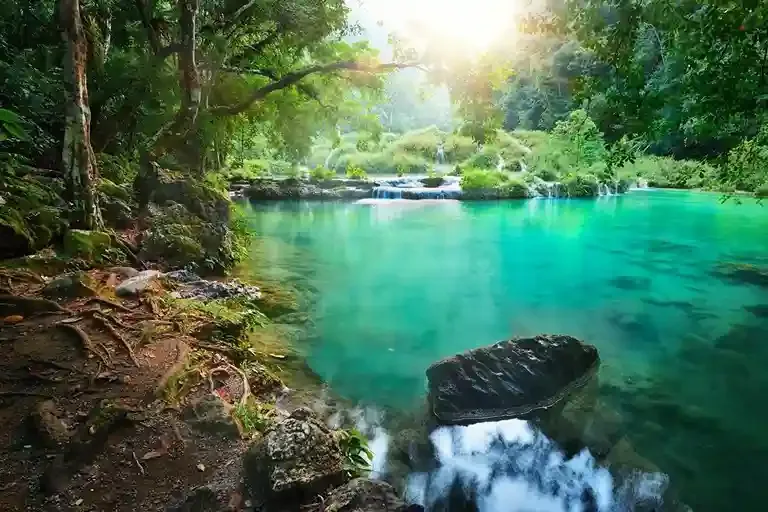
- Semuc Champey natural pools
Plus Chichicastenango market, Pacaya volcano, Livingston Garifuna culture.
Best Tours & Experiences in Guatemala
Sunrise at Tikal, volcano hikes, Maya village homestays, coffee farm tours, chocolate workshops.
Family-Friendly Activities to do in Guatemala
Zip-lining in Panajachel, chocolate museum in Antigua, Xela water park, boat rides on Atitlán.
Unique Cultural or Historical Sites to visit in Guatemala
Iximché ruins, Semana Santa carpets in Antigua, Maximon shrines, traditional weaving cooperatives.
Guatemalan Electrical System Information
120V, 60Hz, plugs A & B (same as USA/Canada).
Plug Types & Voltage used in Guatemala
Type A (two flat pins) and Type B (with grounding pin).
Charging Tips
No adapter needed for North American devices. Power bank recommended.
Local Laws & Regulations of Guatemala
No photography of military/police. Drones require permit. Respect indigenous sacred sites.
Rules Travelers Need to Know when In Guatemala
No drugs (strict penalties). No export of antiquities.
Alcohol, Smoking & Substance Laws of Guatemala
Legal drinking age 18. Cannabis illegal.
Restricted or Protected Areas in Guatemala.
Maya Biosphere Reserve has protected zones; some require guides.
Final Travel Tips for Visitors in Guatemala
Use tourist shuttles, learn basic Spanish, support local communities, bring copies of passport.
Common Mistakes to Avoid
Taking chicken buses at night, flashing valuables, not bargaining in markets, underestimating altitude.
Tips to Save Money when Visiting Guatemala
Travel in shoulder season, eat street food, stay in hostels, use collectivos when safe.
Safety & Comfort Tips
Share location with family, use hotel transfers, drink bottled water, wear sunscreen.
Frequently Asked Questions – Guatemala Travel Guide 2026-2027
Our Tanzania Tours Products
While Guatemala offers incredible Maya ruins, volcanoes and colorful markets, many travelers combine Central America with the ultimate wildlife experience in East Africa. Capable Africa Tours specializes in secure, guided safaris that maximize safety and wonder. Our expert local guides, armed rangers in parks, and vetted accommodations ensure peace of mind. From family-friendly lodges to luxury camps, we handle logistics so you focus on the magic. Tanzania ranks high for tourist safety with dedicated wildlife protection units and stable northern circuits.
Great Migration Safaris
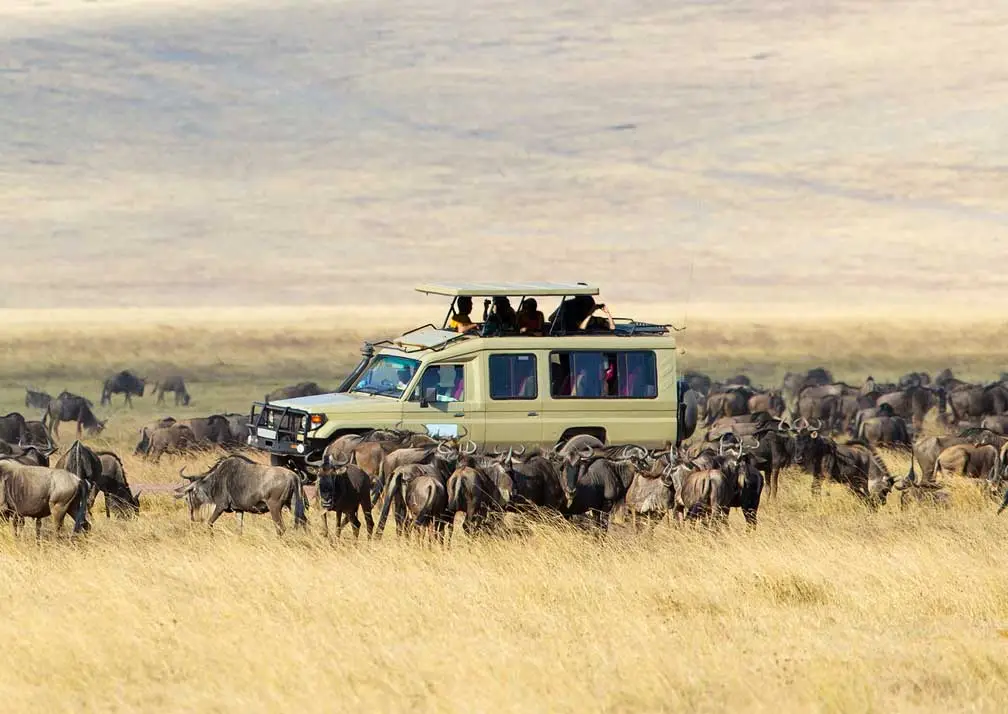
Experience one of nature's greatest spectacles with our Great Migration safari packages, timed for river crossings or calving.
View Package →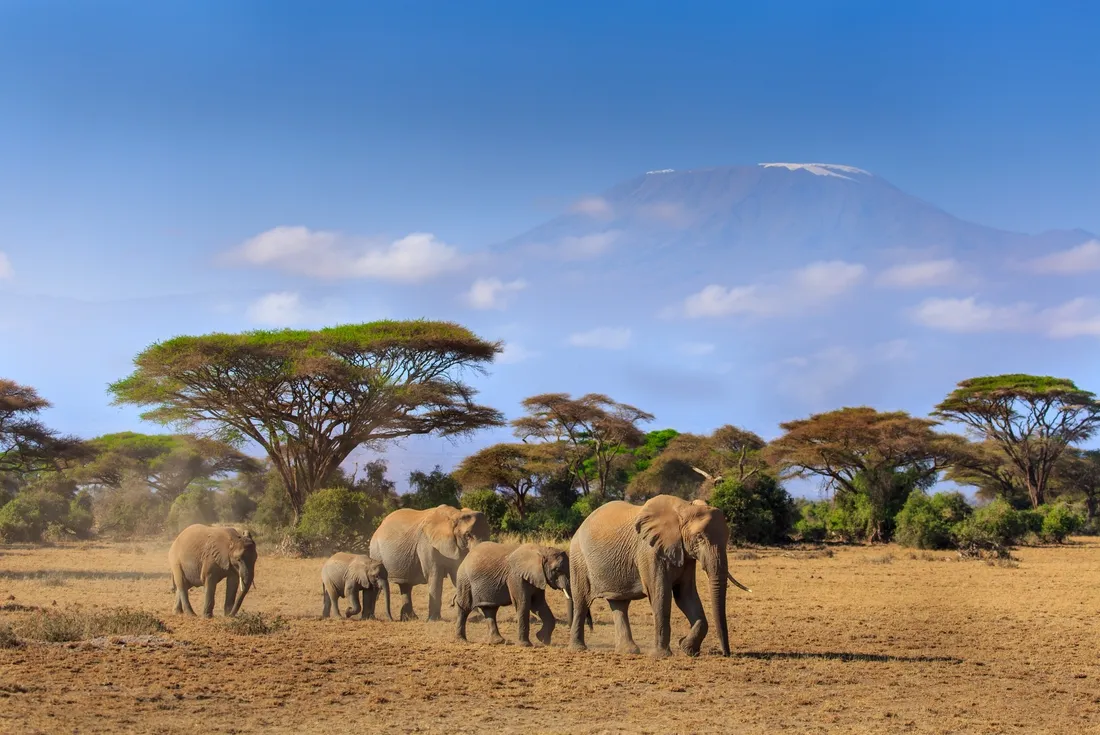
Serengeti & Kilimanjaro Trek
Combined safari and trekking tours offer wildlife adventures and Kilimanjaro climbs.
View Package →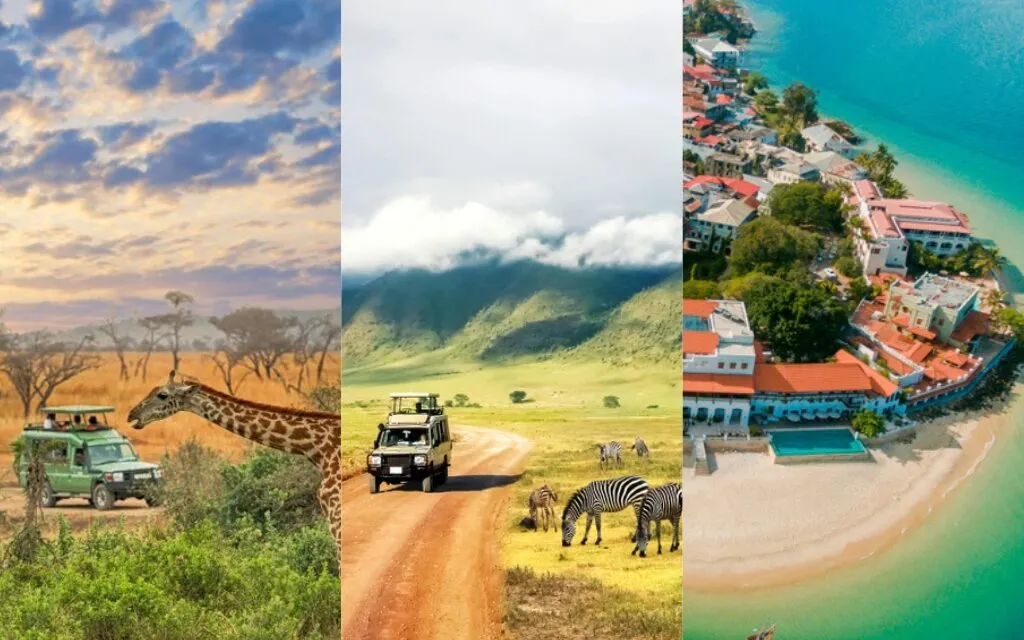
Serengeti & Zanzibar Tours
Luxury Tanzania safari & beach packages with the Great Migration and pristine beaches.
View Package →Related: Best Time to Visit Tanzania 2026 – Perfect safari extension after your Guatemala adventure.