
Most Complete Guinea-Bissau Travel Guide 2026-2027 – Everything You Need to Know Before Visiting
This Guinea-Bissau travel guide provides everything you need to plan your journey to one of West Africa’s most authentic and undiscovered destinations. Guinea-Bissau offers an extraordinary blend of pristine Atlantic beaches, the breathtaking Bijagós Archipelago (UNESCO Biosphere Reserve), Portuguese colonial architecture, and vibrant animist traditions that create one of the continent's most off-the-beaten-path travel experiences. Many travelers who want to travel to Guinea-Bissau are surprised by the country's incredible biodiversity, laid-back island lifestyle, and warm Creole culture that feels untouched by mass tourism. The nation covers just 36,125 square kilometers yet boasts over 80 islands, making it not only one of Africa’s smallest countries but also one of its most intriguing hidden gems.
Start Reading the Full Guide ↓Quick Facts About Guinea-Bissau
- Capital: Bissau.
- Currency: West African CFA franc (XOF).
- Time Zone: Greenwich Mean Time (GMT, UTC+0).
- International Calling Code: +245.
- Driving Side: Right.
- Major Airport: Osvaldo Vieira International Airport (Bissau).
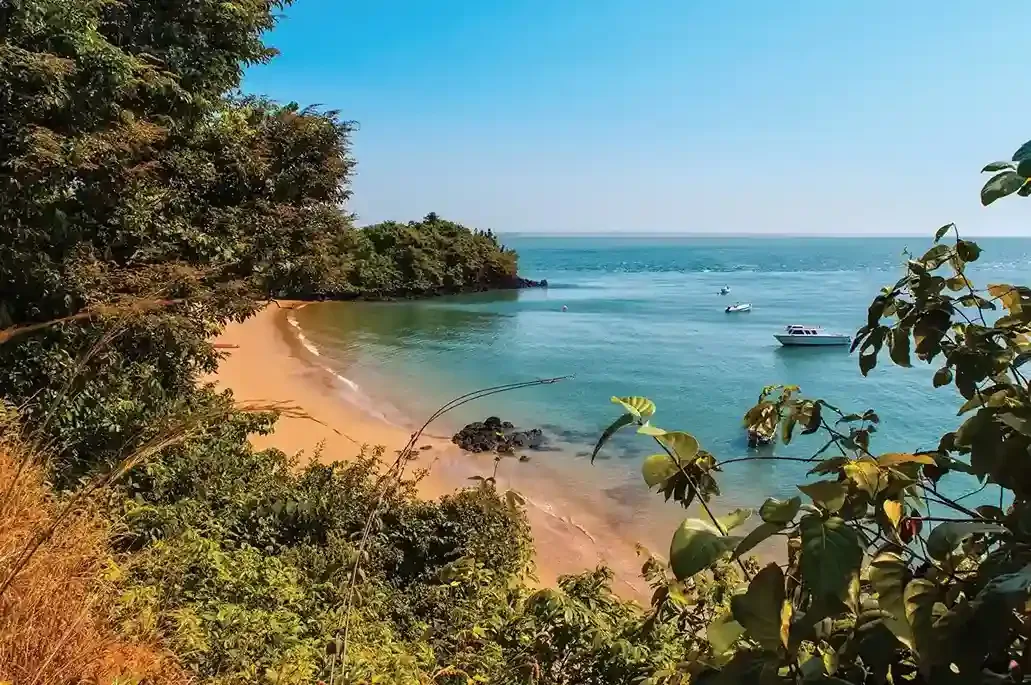
Guinea-Bissau Overview & Key Facts
Brief History of Guinea-Bissau
Guinea-Bissau’s history is deeply tied to the Atlantic slave trade and Portuguese colonialism. The region was a major center for the trans-Atlantic slave trade from the 15th century, with Cacheu and Bolama serving as key ports. The legendary Amílcar Cabral led one of Africa’s most successful independence struggles (1963–1974), defeating Portuguese forces through guerrilla warfare. This rich historical backdrop creates a fascinating setting for travelers exploring colonial forts, abandoned towns, and vibrant independence monuments.
Independence & National Identity
- Independence date: September 10, 1974 (declared unilaterally in 1973).
- Former colonial power: Portugal.
- National symbols & identity.
Guinea-Bissau gained independence after a long armed struggle led by the PAIGC party. The black star on the flag represents African unity, while the red stripe honors the blood shed for freedom. National identity proudly blends Creole culture, Portuguese heritage, and strong animist traditions that remain alive in rural areas and the Bijagós islands.
Government System & Current Leadership
- Type of government: Semi-presidential republic
- Current president: Umaro Sissoco Embaló (since 2020)
- Notes on political stability
Guinea-Bissau has experienced periods of political instability and military involvement since independence. The country has seen multiple coups, though recent years show progress toward stability. Travelers should monitor current conditions but tourist areas remain largely unaffected by political events.
Population, Ethnic Groups & Languages
- Population: 2.1 million (2025 estimate).
- Major ethnic groups: Balanta (30%), Fula (20%), Manjaco, Mandinka, Papel.
- Official language(s): Portuguese.
- Additional languages commonly spoken.
Guinea-Bissau Creole (Kriol) is the lingua franca spoken by over 90% of the population. Portuguese is spoken by about 15–20% (mostly in Bissau). French is understood by some due to proximity to Senegal and Guinea. English is very limited outside high-end hotels.
Main Religions & Cultural Identity
Approximately 45% Muslim (mostly in the interior), 22% Christian, and 30% still follow traditional animist beliefs – one of the highest percentages in Africa. The Bijagós islands maintain strong matriarchal societies and sacred rituals. Religious coexistence is generally peaceful, and visitors are welcome to respectfully observe ceremonies.
Geography & Natural Landscape
Guinea-Bissau features mangrove-lined rivers, savanna plains, and the stunning Bijagós Archipelago with 88 islands (only 20 inhabited). The country has one of the largest mangrove ecosystems in Africa and pristine Atlantic beaches rarely visited by foreigners. The climate is tropical with a long rainy season (June–October) and dry season (November–May).
Economy & Tourism Highlights
The economy relies heavily on cashew nut exports and subsistence agriculture. Tourism remains in its infancy, making Guinea-Bissau one of the continent’s last truly authentic destinations. The government is actively promoting the Bijagós Archipelago and eco-tourism initiatives to attract responsible visitors while preserving the country’s natural and cultural heritage.
What Guinea-Bissau Is Known For
- Bijagós Archipelago – UNESCO Biosphere Reserve with pristine beaches and matriarchal societies
- Abandoned Portuguese colonial architecture (Bolama, Cacheu)
- One of Africa’s last strongholds of traditional animist religion
Visa & Entry Requirements in Guinea-Bissau
Most visitors can obtain a visa-on-arrival or e-Visa, making Guinea-Bissau one of West Africa’s easiest countries to enter. Requirements are straightforward, and the process at Bissau airport is generally smooth for tourists.
Do You Need a Visa?
Citizens of ECOWAS countries are visa-exempt. Most other nationalities can get visa-on-arrival (30–90 days) at Osvaldo Vieira Airport or apply for an e-Visa online. A few countries still require embassy visas.
Visa Application Options in Guinea-Bissau
- Visa-on-arrival at Bissau airport (most common)
- e-Visa online (recommended for peace of mind)
- Embassy application (required for some nationalities)
Visa-on-arrival costs €60–85 depending on length; e-Visa is cheaper and faster. Processing at the airport is usually quick but have exact euros ready.
Passport Validity & Entry Documents
Passport must be valid for 6 months with 2 blank pages. Yellow Fever vaccination certificate is mandatory. Return/onward ticket may be requested.
Customs Rules & Prohibited Items
Standard restrictions apply. Declare large amounts of cash. Plastic bags are banned – bring reusable bags. Drones require prior permission.
Safety & Security Information in Guinea-Bissau
Guinea-Bissau is generally calm for tourists. Petty crime exists in Bissau, but violent crime against visitors is rare. The biggest risks are political demonstrations and poor road conditions.
Is Guinea-Bissau Safe for Tourists?
Yes – the country is peaceful in tourist areas. Bissau, Bijagós islands, Varela, and Cacheu are considered safe. Avoid land borders with Casamance (Senegal) and Guinea-Conakry due to occasional rebel activity.
Recommended Safety Tips when in Guinea-Bissau
Take registered taxis after dark in Bissau, avoid flashing valuables, and travel with reputable local operators to the islands. Register with your embassy and buy a local SIM for communication.
Safe Areas vs. Areas to Avoid in Guinea-Bissau
Safe: Bissau, Bijagós Archipelago, Varela beach, Cacheu, Bolama island. Avoid: land border regions, remote eastern areas, and Bissau’s poorer neighborhoods at night.
Emergency Numbers & Tourist Police in Guinea-Bissau
- Police: 117 or 121
- Fire: 118
- Medical Emergency: 119
- Tourist assistance: limited but hotels can help
Health Requirements & Vaccinations in Guinea-Bissau
Yellow Fever vaccination is mandatory. Malaria risk is high year-round.
Mandatory Vaccinations in Guinea-Bissau
Yellow Fever certificate required for all travelers over 1 year old.
Recommended Vaccinations in Guinea-Bissau
Hepatitis A, Typhoid, Meningitis, Rabies (if extended travel), routine vaccines. Malaria prophylaxis essential.
Malaria & Other Risks
High malaria risk – take prophylaxis and use repellent. Drink only bottled water. Hospitals are very basic outside Bissau.
Travel Insurance Recommendations in Guinea-Bissau
Comprehensive insurance with medical evacuation coverage is essential – nearest decent hospitals are in Dakar or Lisbon.
Best Time to Visit in Guinea-Bissau
Dry season (November–April) is ideal. Avoid rainy season (June–October) when many roads become impassable.
Weather by Season
Dry season: 25–32°C, sunny. Rainy season: 25–30°C but heavy daily rains and high humidity.
When to Visit Guinea-Bissau for Best Experiences
- Carnival in Bissau: February/March
- Bijagós island hopping: November–April
- Birdwatching: November–March
- Traditional ceremonies: year-round (ask locally)
High Season vs. Low Season Travel
High season: December–March (European winter escape). Low season: June–October (very few visitors, many lodges close).
Weather & Climate Overview in Guinea-Bissau
Tropical climate with two distinct seasons: dry (November–May) and wet (June–October).
Temperature Ranges
Year-round 25–32°C. Harmattan winds bring cooler, dusty weather December–February.
Rainy & Dry Seasons in Guinea-Bissau
Rainy season brings torrential afternoon rains; many interior roads become rivers. Dry season is sunny and pleasant.
What to Wear Based on the Weather
Light cotton clothing, sun hat, flip-flops, long sleeves/pants for evenings (mosquitoes). Modest attire in villages.
Main Currency, Costs & Budgeting in Guinea-Bissau
West African CFA franc (XOF). Euros widely accepted in Bissau and Bijagós.
Local Currency Information
CFA franc notes from 500 to 10,000. Cash is essential – ATMs unreliable outside Bissau.
Average Travel Costs in Guinea-Bissau
Budget: $60–100/day; mid-range $120–200/day; Bijagós luxury lodges $250–450/day.
Using ATMs, Cards & Mobile Money in Guinea-Bissau
ATMs scarce and often empty. Cards rarely accepted outside top hotels. Bring euros cash.
Tipping Guidelines in Guinea-Bissau
Tipping not expected but appreciated. Small gifts often preferred over cash in villages.
Transportation & Getting Around in Guinea-Bissau
Limited infrastructure – patience and flexibility required.
Airport Transfers
Registered taxis from Bissau airport (negotiate price). Many hotels offer pickup.
Local Transport Options in Guinea-Bissau
Shared taxis (sete lugares), moto-taxis, and minibus (candongas) for overland. Boats essential for Bijagós islands.
Domestic Flights
Very limited – only occasional flights to Bubaque (Bijagós).
Car Rentals & Road Conditions in Guinea-Bissau
4WD with driver recommended. Roads are rough; many areas inaccessible in rainy season.
Accommodation Options available in Guinea-Bissau
Basic in Bissau, excellent eco-lodges in Bijagós.
Types of Accommodations in Guinea-Bissau
Budget guesthouses in Bissau, eco-lodges and boutique hotels in Bijagós, very limited elsewhere.
Budget vs. Mid-Range vs. Luxury
Budget $20–50, mid-range $80–150, luxury Bijagós lodges $200–450/night (often all-inclusive).
Best Areas to Stay in Guinea-Bissau
Bissau city center, Bubaque island (Bijagós), Rubane island (luxury), Varela beach.
Essential Packing Guide when Visiting Guinea-Bissau
Pack light but include malaria protection and rain gear if traveling in shoulder season.
Clothing Essentials
Light cotton clothes, long sleeves/pants for evenings, swimsuit, hat, modest attire for villages.
Footwear & Gear
Flip-flops, sturdy sandals, water shoes for islands. Headlamp, power bank, reusable water bottle.
Electronics & Cameras
European plugs (type C). Power unreliable – bring power bank and solar charger if island-hopping.
Toiletries & Personal Items
Mosquito repellent with DEET, sunscreen, anti-malarials, first-aid kit, hand sanitizer.
Language & Communication in Guinea-Bissau
Portuguese official, but Creole is the real common language.
Main Languages Spoken in Guinea-Bissau
Creole (90%+), Portuguese (15–20%), local languages. French understood by some.
Useful Phrases for Tourists
“Bon dia” (good morning), “Obrigadu” (thank you), “Quanto custa?” (how much?), “N’ka sta bon” (I’m fine – Creole).
SIM Cards & Mobile Data used in Guinea-Bissau
Orange and MTN at airport. Coverage good in Bissau, patchy on islands.
Internet Availability & Wi-Fi in Guinea-Bissau
Slow and unreliable outside Bissau hotels. Many islands have no internet.
Culture & Etiquette in Guinea-Bissau
Relaxed, welcoming culture. Respect for elders and traditions essential.
Guinea-Bissau Dress Code Expectations
Casual but modest. Swimsuits only on beaches. Women cover knees/shoulders in villages.
Social Etiquette & Respectful Behavior of Guinea-Bissau
Greet everyone, accept offers of food/drink, ask permission before photographing people.
Photography Rules in Guinea-Bissau
Always ask permission to photograph people. No restrictions on landscapes.
Important Cultural Dos & Don’ts in Guinea-Bissau
Do accept hospitality. Don’t point with finger, refuse food abruptly, or photograph ceremonies without permission.
Food, Water & Dining in Guinea-Bissau
Simple but tasty Creole cuisine heavy on fish, rice, and palm oil.
Guinea-Bissau Local Dishes to Try
Grilled fish with rice, cachupa, palm wine, fresh lobster in Bijagós, cashew fruits.
Dietary Options in Guinea-Bissau
Fish-based diet. Vegetarian options limited but possible. Fresh seafood abundant.
Drinking Water Safety
Bottled water only. Avoid ice unless from bottled water.
Restaurant Etiquette
Relaxed. Tipping not expected but appreciated.
Top Attractions & Things to Do in Guinea-Bissau
The Bijagós Archipelago is the undisputed highlight.
Major Tourist Attractions in Guinea-Bissau
- Bijagós Archipelago (UNESCO Biosphere Reserve)
- Cacheu Fortress & slave trade museum
- Bolama abandoned colonial town
- Varela & other Atlantic beaches
Best Tours & Experiences in Guinea-Bissau
Bijagós island-hopping, traditional Bijagós ceremonies, turtle watching, fishing with locals, colonial history tours.
Family-Friendly Activities to do in Guinea-Bissau
Beach relaxation, easy island stays, wildlife spotting (hippos, manatees, birds).
Unique Cultural or Historical Sites to visit in Guinea-Bissau
Bijagós matriarchal villages, Bolama’s abandoned Portuguese grandeur, Cacheu slave trading post.
Guinea-Bissau Electrical System System Information
220–240V, 50Hz. European plugs (type C).
Plug Types & Voltage used in Guinea-Bissau
Type C (two round pins). Power unreliable outside Bissau.
Charging Tips
Bring power banks and solar chargers for island trips.
Local Laws & Regulations of Guinea-Bissau
Relaxed enforcement but respect local customs.
Rules Travelers Need to Know when In Guinea-Bissau
Plastic bags banned. Photography of military/police prohibited. Drugs severely punished.
Alcohol, Smoking & Substance Laws of Guinea-Bissau
Alcohol widely available. Cannabis illegal but locally tolerated in some contexts (still risky).
Restricted or Protected Areas in Guinea-Bissau
Bijagós sacred sites require permission. Some islands have restricted access.
Final Travel Tips for Visitors in Guinea-Bissau
Go with an open mind and flexible schedule – this is adventure travel at its purest.
Common Mistakes to Avoid
Don’t expect luxury infrastructure, don’t travel overland in rainy season, don’t rely on ATMs.
Tips to Save Money when Visiting Guinea-Bissau
Bring euros cash, travel in small groups to share boat costs, stay longer in one place.
Safety & Comfort Tips
Travel with reputable local operators, take malaria prophylaxis seriously, bring comprehensive insurance.
Frequently Asked Questions – Guinea-Bissau Travel Guide 2026-2027
Our Tanzania Tours Products
While Guinea-Bissau offers pristine islands and authentic culture, many travelers combine West Africa with the ultimate wildlife experience in East Africa. Capable Africa Tours specializes in secure, guided safaris that maximize safety and wonder. Our expert local guides, armed rangers in parks, and vetted accommodations ensure peace of mind. From family-friendly lodges to luxury camps, we handle logistics so you focus on the magic. Tanzania ranks high for tourist safety with dedicated wildlife protection units and stable northern circuits.
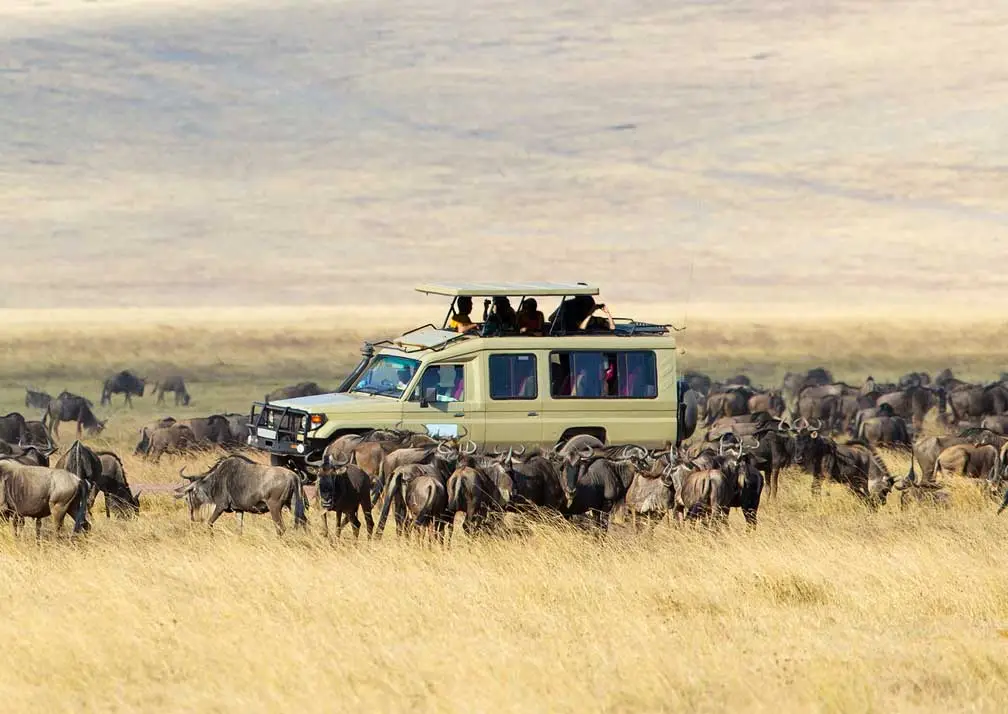
Great Migration Safaris
Experience one of nature's greatest spectacles with our Great Migration safari packages, timed for river crossings or calving.
View Package →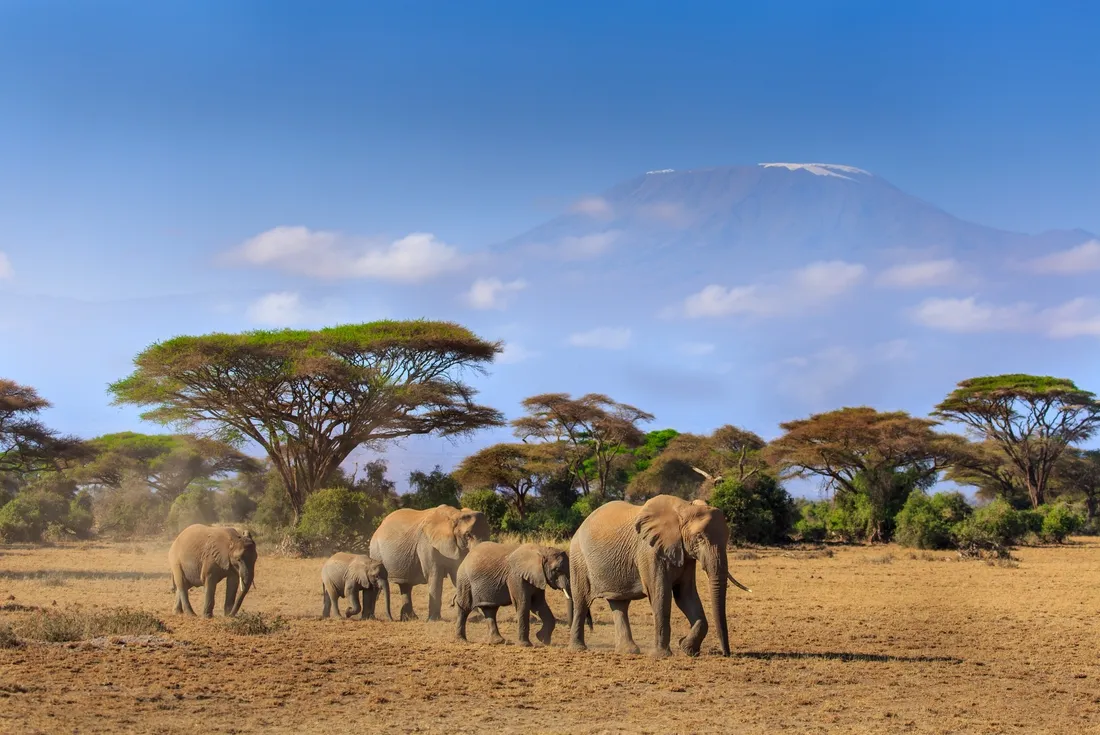
Serengeti & Kilimanjaro Trek
Combined safari and trekking tours offer wildlife adventures and Kilimanjaro climbs.
View Package →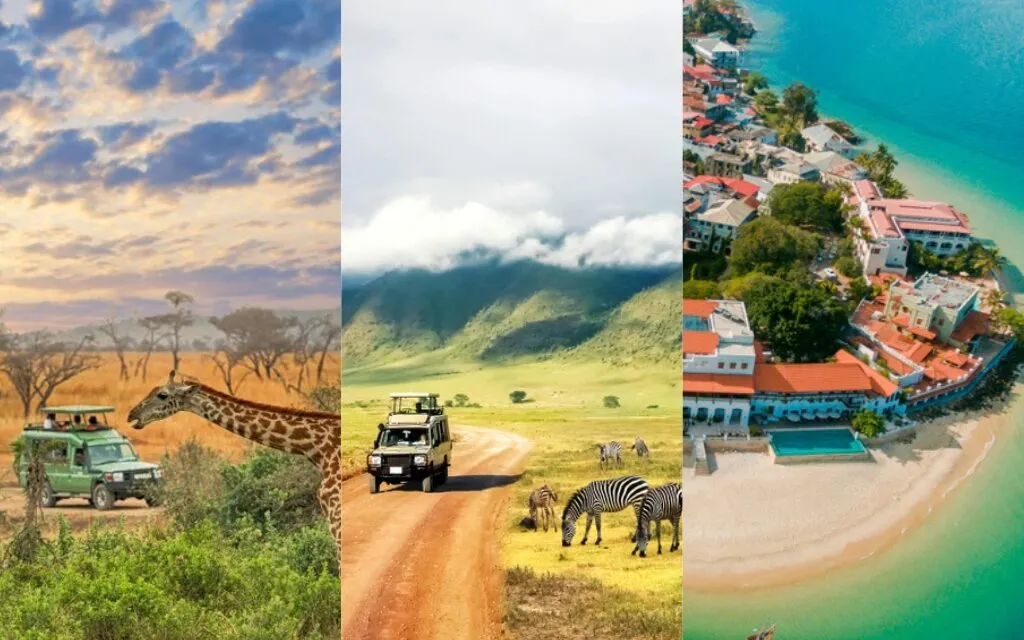
Serengeti & Zanzibar Tours
Luxury Tanzania safari & beach packages with the Great Migration and pristine beaches.
View Package →Related: Best Time to Visit Tanzania 2026 – Perfect safari extension after your Guinea-Bissau adventure.