
Most Complete Guinea Travel Guide 2026-2027 – Everything You Need to Know Before Visiting
This Guinea travel guide provides everything you need to plan your journey to one of West Africa’s most beautiful and underrated countries. Guinea offers an extraordinary blend of dramatic Fouta Djallon highlands, pristine Atlantic beaches, vibrant markets and rich cultural traditions that create one of the continent's most authentic travel experiences. Many travelers who want to travel to Guinea are surprised by the country's incredible natural beauty and warm hospitality. Covering over 245,000 square kilometers, Guinea boasts waterfalls, mountains, savannah and idyllic islands that remain largely off the mass-tourism radar.
Start Reading the Full Guide ↓Quick Facts About Guinea
- Capital: Conakry.
- Currency: Guinean Franc (GNF).
- Time Zone: Greenwich Mean Time (GMT, UTC+0).
- International Calling Code: +224.
- Driving Side: Right.
- Major Airports: Conakry-Gbessia International Airport (CKY).
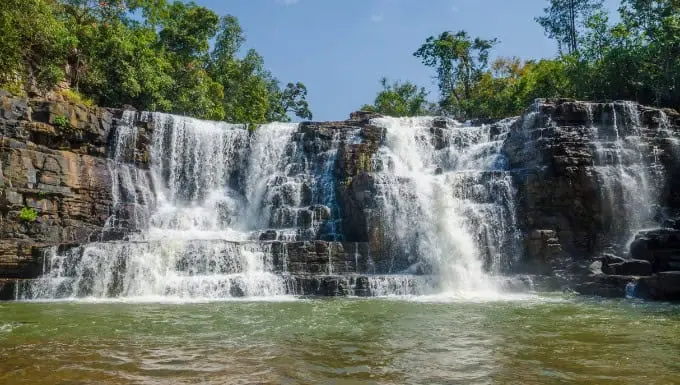
Guinea Overview & Key Facts
Brief History of Guinea
Guinea's history spans ancient kingdoms, trans-Saharan trade routes and colonial resistance. The region formed part of the Ghana, Mali and Songhai empires before Portuguese traders arrived in the 15th century. The Fulani jihad of the 18th century created the powerful Imamate of Fouta Djallon. French colonization began in the late 19th century, meeting fierce resistance. This rich historical tapestry creates a fascinating backdrop for modern travelers exploring traditional villages and cultural sites.
Independence & National Identity
- Independence date: October 2, 1958.
- Former colonial power: France.
- National symbols & identity.
Guinea was the first French West African colony to gain independence under charismatic leader Ahmed Sékou Touré, famously rejecting French membership offers with the phrase “We prefer freedom in poverty to opulence in slavery.” Today, national identity centers on pan-African pride, cultural diversity and resilience. The flag’s red, yellow and green stripes symbolize the blood of martyrs, the sun/wealth and vegetation respectively.
Government System & Current Leadership
- Type of government: Presidential Republic (transition after 2021 coup)
- Current leader: Colonel Mamadi Doumbouya (interim)
- Notes on political stability
Following the 2021 military coup, Guinea is in a transition period toward civilian rule scheduled for 2026. Travelers should monitor developments but tourist areas remain largely unaffected by political events in Conakry.
Population, Ethnic Groups & Languages
- Population: 14.6 million (2025 estimate).
- Major ethnic groups: Fulani (40%), Malinké (25%), Susu (20%).
- Official language: French.
- Additional languages commonly spoken.
French serves as the official language, but Pular, Malinké and Susu dominate daily life. English is rare outside tourism professionals in Conakry.
Main Religions & Cultural Identity
Approximately 85% of Guineans are Muslim (mostly Sunni), 10% Christian and 5% follow traditional beliefs. Islam strongly influences daily life, dress and social customs. Visitors should respect prayer times and dress modestly outside beach areas.
Geography & Natural Landscape
Guinea features four distinct regions: Lower Guinea (coastal plains), Middle Guinea (Fouta Djallon highlands), Upper Guinea (savannah) and Forested Guinea (rainforest). The Fouta Djallon is known as the “water tower of West Africa,” feeding the Niger, Senegal and Gambia rivers.
Economy & Tourism Highlights
Guinea possesses vast mineral wealth (world’s largest bauxite reserves) but tourism remains underdeveloped, offering authentic experiences for adventurous travelers seeking off-the-beaten-path destinations.
What Guinea Is Known For
- Fouta Djallon highlands and waterfalls
- Îles de Los paradise islands
- Rich musical heritage (birthplace of many West African rhythms)
Visa & Entry Requirements in Guinea
Guinea has simplified entry procedures in recent years with e-Visa and visa-on-arrival options for most nationalities.
Do You Need a Visa?
Yes for most nationalities, but Guinea offers e-Visa and visa-on-arrival at Conakry airport for tourism/business (up to 90 days).
Visa Application Options in Guinea
- e-Visa online (recommended)
- Visa on arrival at Conakry airport
- Embassy application
Passport Validity & Entry Documents
Passport valid 6 months beyond stay + yellow fever certificate mandatory.
Customs Rules & Prohibited Items
Standard restrictions apply; declare large cash amounts.
Safety & Security Information in Guinea
Guinea is generally safe in tourist areas; petty crime is the main concern in Conakry.
Is Guinea Safe for Tourists?
Yes in main tourist zones. Avoid border areas and political demonstrations.
Recommended Safety Tips when in Guinea
Use registered taxis, avoid night travel outside cities, keep valuables secure.
Safe Areas vs. Areas to Avoid in Guinea
Safe: Conakry (tourist areas), Fouta Djallon, Îles de Los. Avoid: border regions with Sierra Leone/Liberia/Mali.
Emergency Numbers & Tourist Police in Guinea
- Police: 122
- Fire: 18
- Medical: 117
Health Requirements & Vaccinations in Guinea
Yellow fever vaccination mandatory; malaria prophylaxis essential.
Mandatory Vaccinations in Guinea
Yellow Fever certificate required for all visitors over 9 months.
Recommended Vaccinations in Guinea
Hepatitis A/B, Typhoid, Rabies, Meningitis, routine vaccines.
Malaria & Other Risks
High malaria risk year-round; use prophylaxis and protection.
Travel Insurance Recommendations in Guinea
Comprehensive policy with medical evacuation coverage essential.
Best Time to Visit in Guinea
Dry season (November–April) offers best travel conditions.
Weather by Season
Dry season: pleasant 25–32°C; rainy season: heavy downpours and flooding.
When to Visit Guinea for Best Experiences
- Fouta Djallon hiking: December–March
- Îles de Los beach: November–May
Weather & Climate Overview in Guinea
Tropical climate with distinct dry and rainy seasons.
Temperature Ranges
Coastal: 24–32°C year-round; Fouta Djallon cooler (15–28°C).
Rainy & Dry Seasons in Guinea
Dry: November–April; Rainy: May–October (peak July–September).
Main Currency, Costs & Budgeting in Guinea
Cash-based economy; euros widely accepted in Conakry.
Local Currency Information
Guinean Franc (GNF); bring euros/USD cash.
Average Travel Costs in Guinea
Very affordable: $60–100/day budget, $120–200 mid-range.
Transportation & Getting Around in Guinea
Limited infrastructure; private transfers recommended outside Conakry.
Airport Transfers
Pre-arrange hotel pickup; avoid unofficial taxis.
Local Transport Options in Guinea
Shared taxis (sept-place), moto-taxis, private 4×4 with driver.
Accommodation Options available in Guinea
Basic to mid-range options; luxury limited to Conakry and islands.
Essential Packing Guide when Visiting Guinea
Mosquito protection, rain gear (if traveling in wet season), modest clothing.
Language & Communication in Guinea
French essential; local guides speak English.
Culture & Etiquette in Guinea
Conservative Muslim-majority society; modest dress appreciated.
Food, Water & Dining in Guinea
Rich rice-based cuisine; bottled water essential.
Top Attractions & Things to Do in Guinea
Fouta Djallon highlands, Îles de Los, Cape Verga beaches, traditional villages.
Guinean Electrical System Information
220V, European plugs (C/F).
Local Laws & Regulations of Guinea
Photography restrictions around government buildings; modest behavior expected.
Final Travel Tips for Visitors in Guinea
Book private transport, carry cash, use local guides, respect customs.
Frequently Asked Questions – Guinea Travel Guide 2026-2027
Our Tanzania Tours Products
While Guinea offers incredible highlands, waterfalls and authentic culture, many travelers combine West Africa with the ultimate wildlife experience in East Africa. Capable Africa Tours specializes in secure, guided safaris that maximize safety and wonder...
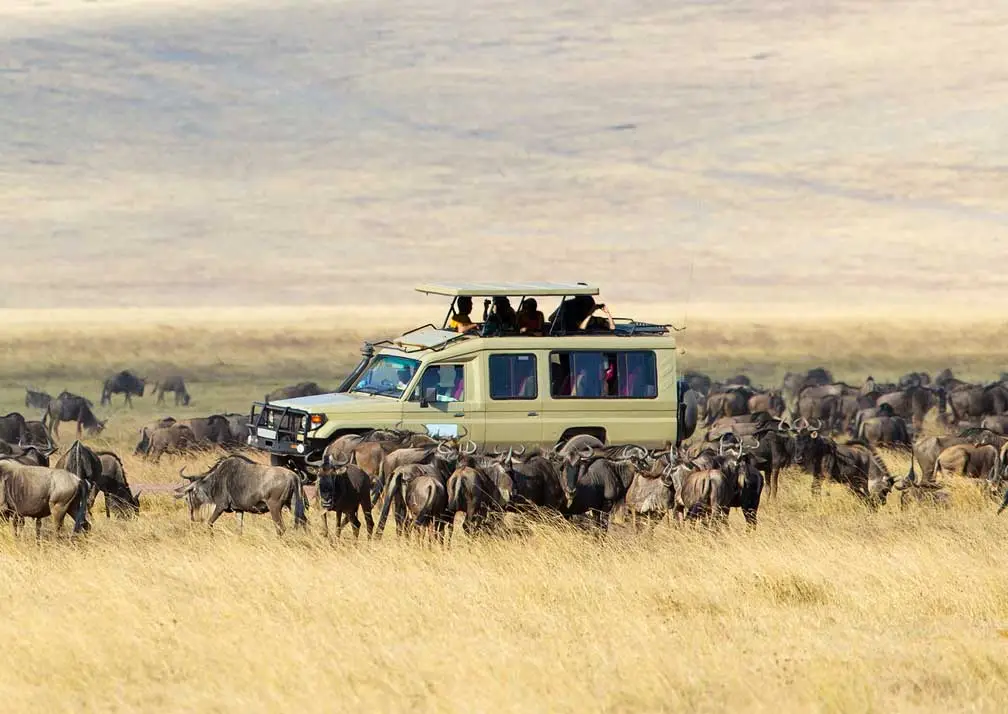
Great Migration Safaris
Experience one of nature's greatest spectacles with our Great Migration safari packages, timed for river crossings or calving.
View Package →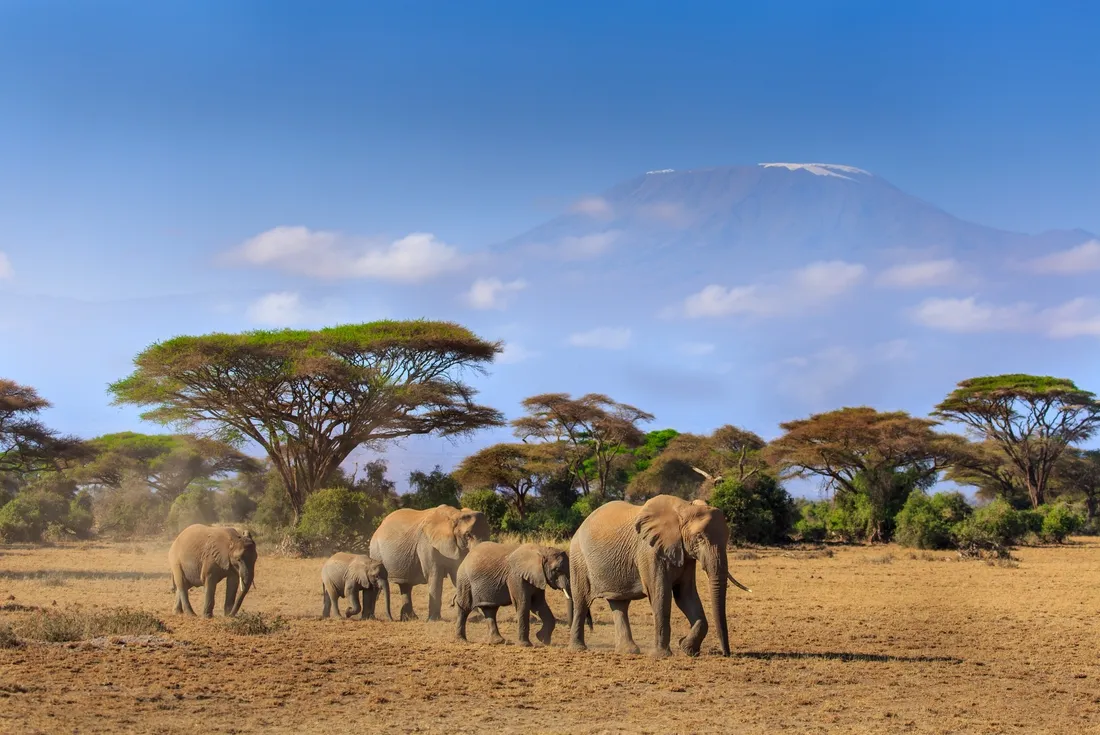
Serengeti & Kilimanjaro Trek
Combined safari and trekking tours offer wildlife adventures and Kilimanjaro climbs.
View Package →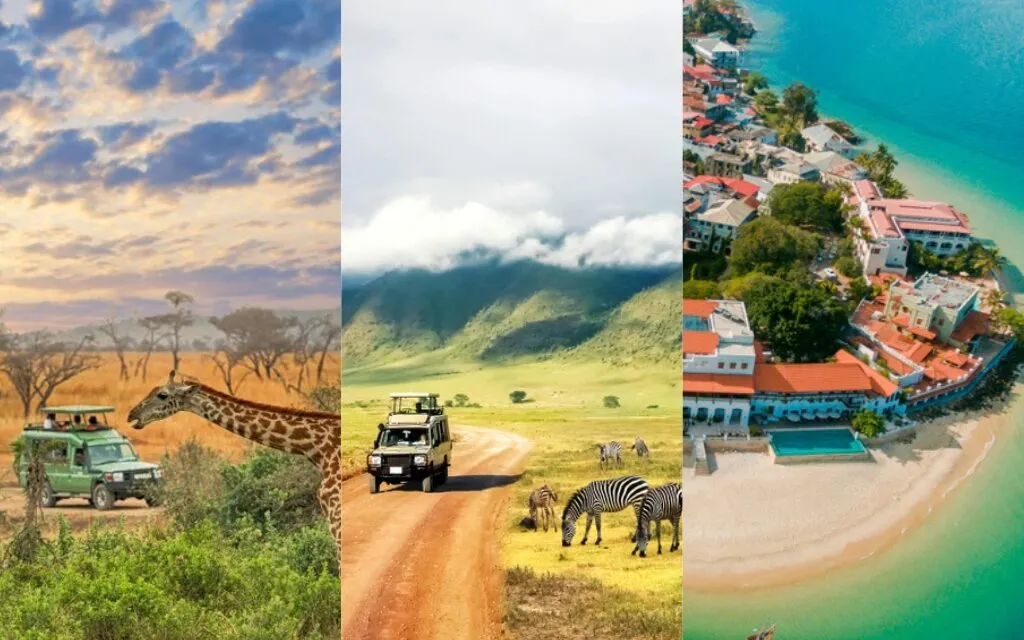
Serengeti & Zanzibar Tours
Luxury Tanzania safari & beach packages with the Great Migration and pristine beaches.
View Package →Related: Best Time to Visit Tanzania 2026 – Perfect safari extension after your Guinea adventure.