
Most Complete Guyana Travel Guide 2026-2027 – Everything You Need to Know Before Visiting
This Guyana travel guide provides everything you need to plan your journey to South America's hidden gem. Guyana offers an extraordinary blend of Amazon rainforest, vast savannahs, dramatic waterfalls, and Caribbean-influenced culture that create one of the continent's most authentic travel experiences. Many travelers who want to travel to Guyana are surprised by the country's incredible biodiversity and rich cultural heritage spanning Indigenous Amerindian traditions, African influences, and colonial history. The nation covers over 215,000 square kilometers, making it the only English-speaking country in South America, offering visitors everything from the world’s tallest single-drop waterfall to pristine rainforest and welcoming Indigenous communities.
Start Reading the Full Guide ↓Quick Facts About Guyana
- Capital: Georgetown.
- Currency: Guyana Dollar (GYD).
- Time Zone: Guyana Time (GYT, UTC-4).
- International Calling Code: +592.
- Driving Side: Left.
- Major Airports: Cheddi Jagan International Airport (GEO), Eugene F. Correia International (OGL).
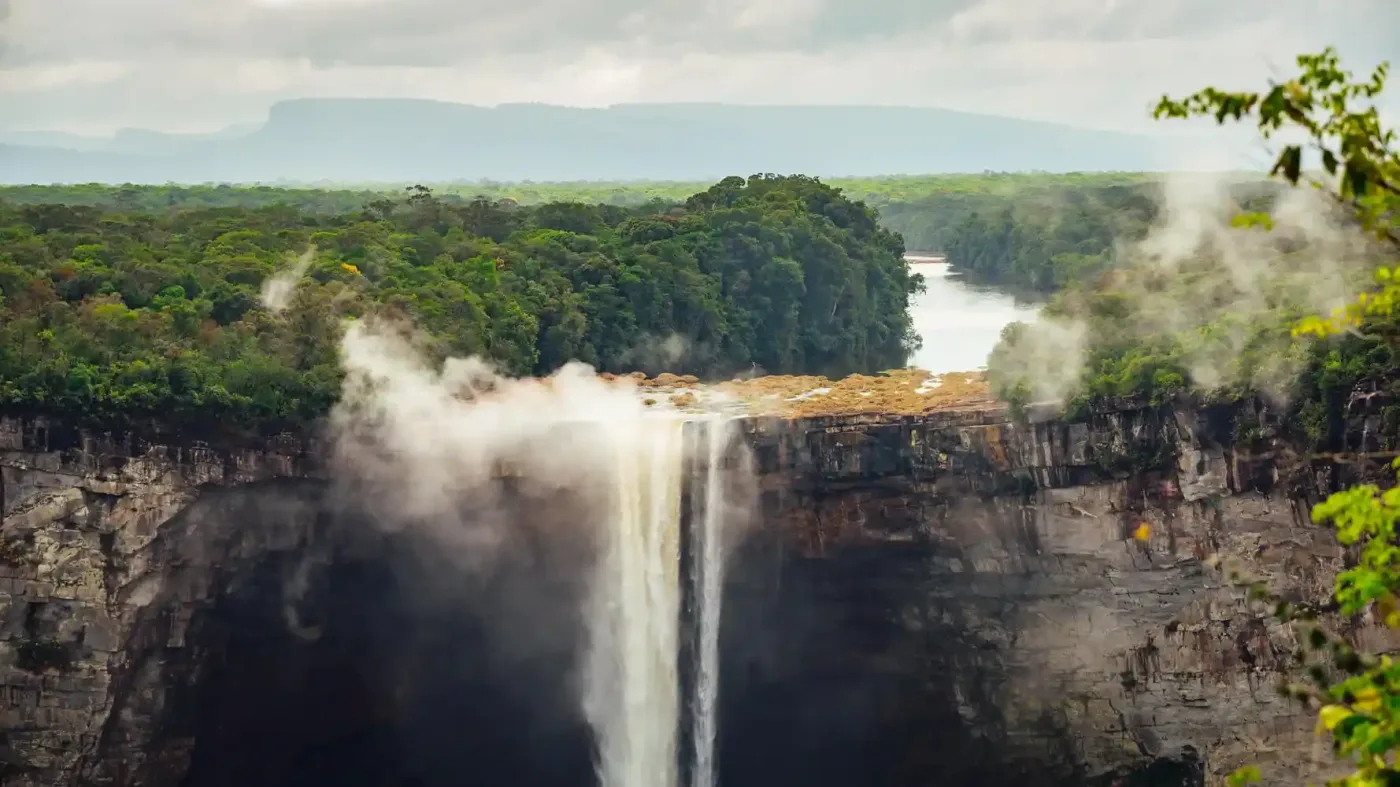
Guyana Overview & Key Facts
Brief History of Guyana
Guyana's history spans millennia, from ancient Amerindian settlements through European colonization to independence. Indigenous peoples inhabited the region for thousands of years before Dutch settlers established plantations in the 17th century, followed by British rule that left magnificent wooden architecture and administrative systems. This rich historical tapestry creates a fascinating backdrop for modern travelers exploring the country's colonial heritage and cultural sites.
Independence & National Identity
- Independence date: May 26, 1966.
- Former colonial power: United Kingdom.
- National symbols & identity.
Guyana gained independence after centuries of European colonization, first by the Dutch and later the British. The country became a republic in 1970. Today, the national identity centers on its diverse ethnic makeup and the motto “One People, One Nation, One Destiny.” The Golden Arrowhead flag symbolizes the nation’s natural wealth and forward momentum.
Government System & Current Leadership
- Type of government: Unitary Parliamentary Republic
- Current president: Irfaan Ali
- Notes on political stability
Guyana operates as a parliamentary republic with an executive presidency. President Irfaan Ali has served since August 2020. The discovery of massive offshore oil reserves has transformed the economy, bringing rapid development while the government works to manage growth responsibly.
Population, Ethnic Groups & Languages
- Population: 813,000 (2025 estimate).
- Major ethnic groups: Indo-Guyanese (40%), Afro-Guyanese (30%), Mixed (20%), Amerindian (10%).
- Official language(s): English.
- Additional languages commonly spoken.
English is the only official language, making Guyana unique in South America. Guyanese Creole is widely spoken. Indigenous languages such as Macushi, Wai-Wai, and Akawaio are used in the interior communities. Hindi, Urdu, and Bhojpuri are spoken among Indo-Guyanese families.
Main Religions & Cultural Identity
Christianity (around 50%), Hinduism (25%), and Islam (7%) are the main religions, reflecting the country’s ethnic diversity. Religious festivals like Diwali, Eid, Christmas, and Phagwah are public holidays and celebrated vibrantly. Guyana’s culture is a true Caribbean-South American fusion with strong African and Indian influences in music, food, and traditions.
Geography & Natural Landscape
Guyana features four distinct geographical zones: the narrow coastal plain (where 90% of the population lives), white-sand savannahs, forested highlands, and the vast interior rainforest. The country boasts some of the most pristine Amazon rainforest on Earth, with over 80% forest cover and incredible biodiversity.
Economy & Tourism Highlights
Guyana’s economy has been transformed by offshore oil discoveries since 2015, making it one of the world’s fastest-growing economies. Tourism is rapidly expanding with new lodges, improved access to Kaieteur Falls, and increased international flights. Eco-tourism and community-based tourism are the main focus.
What Guyana Is Known For
- Kaieteur Falls – world’s tallest single-drop waterfall
- One of the last unspoiled rainforest frontiers
- Rupununi savannahs and Indigenous communities
Visa & Entry Requirements in Guyana
Most international visitors enjoy visa-free entry or visa-on-arrival, making Guyana one of the most accessible countries in South America. The government has expanded its e-Visa system in recent years, and entry requirements are straightforward for tourism purposes.
Do You Need a Visa?
Citizens of the USA, UK, Canada, EU, Australia, New Zealand, CARICOM, and many other countries get 90-day visa-free entry or visa-on-arrival. Others can apply online for an e-Visa. Always check current requirements before travel.
Visa Application Options in Guyana
- Visa-free entry / visa-on-arrival (most common)
- e-Visa system (fast and reliable)
- Embassy application for specific nationalities
The e-Visa system is efficient and approvals are usually received within 3–7 days. Extensions beyond 90 days are possible through the Immigration Office in Georgetown.
Passport Validity & Entry Documents
Passport must be valid for at least 6 months beyond intended stay with at least two blank pages. Proof of onward travel and sufficient funds may be requested. Yellow Fever vaccination certificate required if arriving from endemic countries.
Customs Rules & Prohibited Items
Standard restrictions apply. Declaration required for amounts over USD 10,000. Fresh fruits, vegetables, and meat products require permits. Drones require pre-approval from the Guyana Civil Aviation Authority.
Safety & Security Information in Guyana
Guyana is generally safe for tourists with low violent crime rates in tourist areas. Standard urban precautions apply in Georgetown, while the interior and Rupununi region are considered very safe and welcoming.
Is Guyana Safe for Tourists?
Yes – Guyana is safe for tourists who exercise normal precautions. Most visits are trouble-free. The interior communities and eco-lodges have excellent safety records.
Recommended Safety Tips when in Guyana
Use registered taxis in Georgetown, avoid walking alone late at night in the capital, secure valuables, and use reputable operators for interior travel. Mosquito protection is essential in the rainforest.
Safe Areas vs. Areas to Avoid in Guyana
Georgetown (especially Stabroek and Bourda markets after dark), some interior mining towns. Safe: all tourist lodges, Rupununi, Kaieteur National Park, Essequibo River islands.
Emergency Numbers & Tourist Police in Guyana
- Police: 911
- Fire: 912
- Ambulance: 913
- Tourist Security Unit (Georgetown): +592 225-6070
Tourism police units operate in Georgetown and at major attractions.
Health Requirements & Vaccinations in Guyana
Yellow Fever vaccination is mandatory for travelers arriving from endemic countries and strongly recommended for all. Malaria risk exists in the interior.
Mandatory Vaccinations in Guyana
Yellow Fever certificate required if arriving from countries with risk of transmission (including many African and South American countries).
Recommended Vaccinations in Guyana
Hepatitis A, Typhoid, Hepatitis B, Rabies (for extended stays), routine vaccines. Malaria prophylaxis strongly recommended for interior travel.
Malaria & Other Risks
Malaria risk in Regions 1, 7, 8, 9, 10. Use insect repellent, long clothing at dusk, and sleep under treated nets in the interior. Dengue exists – same precautions apply.
Travel Insurance Recommendations in Guyana
Essential – must cover medical evacuation (flights from interior can exceed USD 20,000). Ensure coverage for adventure activities if visiting waterfalls or hiking.
Best Time to Visit in Guyana
Guyana has two dry seasons and two wet seasons. The long dry season (February–April) and short dry season (August–November) are ideal for most travel.
Weather by Season
Long dry (Feb–Apr): sunny, 28–32°C. Short dry (Aug–Nov): similar. Main wet (May–Jul): heavy rain. Short wet (Dec–Jan): lighter rain.
When to Visit Guyana for Best Experiences
- Kaieteur Falls at maximum flow: May–July
- Wildlife viewing in Rupununi: dry seasons
- Birding: year-round, best Feb–Apr
- Cricket Carnival & festivals: August
Dry seasons are best for interior travel and flights to Kaieteur.
High Season vs. Low Season Travel
High season: February–April and August–November. Low season: May–July (fewer tourists, lush scenery, lower prices).
Weather & Climate Overview in Guyana
Tropical climate with high humidity year-round. Coastal areas are cooled by trade winds; interior is hotter.
Temperature Ranges
Coastal: 24–32°C year-round. Interior: 25–35°C. Nights in Rupununi can drop to 18°C in dry season.
<Rainy & Dry Seasons in Guyana
Two dry and two wet seasons as described above. Rainfall averages 2,300 mm/year on the coast, higher in the interior.
What to Wear Based on the Weather
Light cotton clothing, long sleeves/pants for jungle, rain jacket, sturdy waterproof shoes, hat, high-DEET insect repellent.
Main Currency, Costs & Budgeting in Guyana
Guyana Dollar (GYD) is official, but USD widely accepted especially in tourist areas and interior lodges.
Local Currency Information
Notes: 20, 50, 100, 500, 1000, 5000 GYD. USD accepted almost everywhere; change given in GYD.
Average Travel Costs in Guyana
Budget: $80–130/day; mid-range $150–280/day; interior lodges & Kaieteur $300–550/day.
Using ATMs, Cards & Mobile Money in Guyana
ATMs plentiful in Georgetown. Cards accepted at hotels and larger restaurants. Cash (GYD or USD) essential in the interior.
Tipping Guidelines in Guyana
10–15% in restaurants if not included. Guides and drivers: USD 10–20/day per person. Lodge staff: USD 5–10/day.
Transportation & Getting Around in Guyana
Domestic flights and river transport are key for reaching the interior. Georgetown has taxis and minibuses.
Airport Transfers
Registered taxis from Cheddi Jagan International (45–60 min to Georgetown). Private transfers recommended.
Local Transport Options in Guyana
Minibuses and registered taxis in Georgetown. Boats and 4×4 vehicles in the interior.
Guyana Domestic Flights
Essential for Kaieteur Falls and interior lodges. Scheduled and charter flights from Ogle Airport (near Georgetown).
Car Rentals & Road Conditions in Guyana
Available in Georgetown. Left-side driving. Roads good to Linden; 4×4 required for interior.
Accommodation Options available in Guyana
Georgetown has hotels and guesthouses; interior has eco-lodges and community-run guesthouses.
Types of Accommodations in Guyana
City hotels, boutique guesthouses, rainforest eco-lodges, savannah ranches, hammock camps.
Budget vs. Mid-Range vs. Luxury
Budget: $30–70/night (Georgetown guesthouses). Mid-range: $80–150. Luxury eco-lodges: $250–600/night (all-inclusive).
Best Areas to Stay in Guyana
Georgetown (Pegasus, Cara Lodge areas), Rupununi (Karanambu, Rewa, Caiman House), Essequibo River islands.
Essential Packing Guide when Visiting Guyana
Pack for heat, humidity, rain, and insects. Lightweight quick-dry clothing, waterproof bag, strong insect repellent.
Clothing Essentials
Long lightweight pants/shirts, rain jacket, hat, swimwear, sturdy closed shoes, flip-flops.
Footwear & Gear
Waterproof hiking shoes, water sandals, headlamp, dry bag, binoculars.
Electronics & Cameras
Power bank, universal adapter (UK/US plugs), waterproof camera case, extra memory cards.
Toiletries & Personal Items
High-DEET repellent, sunscreen, anti-malarials, water purification tablets, first-aid kit.
Language & Communication in Guyana
English is the official language – the only South American country where English is spoken by everyone.
Main Languages Spoken in Guyana
English (official), Guyanese Creole, nine Indigenous languages.
Useful Phrases for Tourists
“Wah gwan?” (What’s up?), “All yo!” (Hello!), “Smallie” (child), “Lime” (hang out).
SIM Cards & Mobile Data used in Guyana
Digicel and GTT widely available. Good coverage in Georgetown and along coast; patchy in interior.
Internet Availability & Wi-Fi in Guyana
Wi-Fi in most hotels and cafes in Georgetown. Limited in interior lodges (often only in main building).
Culture & Etiquette in Guyana
Friendly, laid-back Caribbean-style culture with strong community values in the interior.
Guyanese Dress Code Expectations
Casual everywhere. Modest dress when visiting Indigenous communities.
Social Etiquette & Respectful Behavior of Guyana
Greetings are important. Ask permission before photographing people, especially in villages.
Photography Rules in Guyana
Always ask permission in Indigenous communities. No restrictions in Georgetown or at Kaieteur.
Important Cultural Dos & Don’ts in Guyana
Do accept offers of food/drink in villages. Don’t take photos without permission. Do remove shoes when entering homes.
Food, Water & Dining in Guyana
Fusion of Caribbean, Indian, African, and Amerindian cuisines. Pepperpot is the national dish.
Guyanese Local Dishes to Try
Pepperpot, cook-up rice, metemgee, roti & curry, Guyanese chow mein, cassava bread.
Dietary Options in Guyana
Excellent vegetarian/vegan Indian food. Halal widely available. Gluten-free challenging.
Drinking Water Safety
Bottled water recommended in Georgetown. Rainwater safe at most interior lodges.
Restaurant Etiquette
Casual. Tipping 10–15% if service not included.
Top Attractions & Things to Do in Guyana
Kaieteur Falls, Rupununi savannahs, Iwokrama rainforest, Shell Beach turtle nesting, Georgetown’s wooden architecture.
Major Tourist Attractions in Guyana
- Kaieteur Falls (world’s tallest single-drop)
- Iwokrama Rainforest & Canopy Walkway
- Rupununi savannahs & Indigenous communities
- Shell Beach (four species of sea turtles)
Kaieteur is four times higher than Niagara. The interior offers some of the best jaguar spotting in South America.
Best Tours & Experiences in Guyana
Overland Rupununi safaris, river expeditions, community stays with Makushi and Wapishana people, birding tours (over 800 species).
Family-Friendly Activities to do in Guyana
Rupununi ranch stays, Arrowpoint Nature Resort, Kaieteur day trips, Georgetown zoo & botanical gardens.
Unique Cultural or Historical Sites to visit in Guyana
St George’s Cathedral (world’s tallest wooden building), 1763 Monument, Amerindian petroglyphs, Walter Roth Museum.
Guyanese Electrical System Information
Guyana uses 110/220V mixed system with US and UK plugs.
Plug Types & Voltage used in Guyana
Types A, B, D, G (US and UK). 110V and 220V both exist. Most lodges provide adapters.
Charging Tips
Bring universal adapter and power bank. Solar charging common in interior lodges.
Local Laws & Regulations of Guyana
LGBTQ travelers welcome (though same-sex activity technically illegal, not enforced). No plastic bags. Drones require permit.
Rules Travelers Need to Know when In Guyana
Yellow Fever certificate checked on arrival. No commercial drone use without permit.
Alcohol, Smoking & Substance Laws of Guyana
Alcohol widely available. Cannabis illegal (decriminalized for small amounts). Smoking banned in public places.
Restricted or Protected Areas in Guyana.
Kaieteur National Park (guided access only). Some Indigenous titled lands require permission.
Final Travel Tips for Visitors in Guyana
Book interior flights and lodges well in advance. Bring USD cash. Be flexible – weather affects small-plane schedules.
Common Mistakes to Avoid
Trying to do too much in one trip, not bringing enough cash for interior, underestimating insect protection.
Tips to Save Money when Visiting Guyana
Travel in low season (May–July), stay in Georgetown guesthouses, eat local food, share charter flights.
Safety & Comfort Tips
Use mosquito nets and repellent religiously, drink bottled/filtered water, register with your embassy, keep lodge contacts saved.
Frequently Asked Questions – Guyana Travel Guide 2026-2027
Our Tanzania Tours Products
While Guyana offers incredible Amazon rainforest adventures and Kaieteur Falls, many travelers combine South America with the ultimate African wildlife experience. Capable Africa Tours specializes in secure, guided safaris that maximize safety and wonder. Our expert local guides, armed rangers in parks, and vetted accommodations ensure peace of mind. From family-friendly lodges to luxury camps, we handle logistics so you focus on the magic. Tanzania ranks high for tourist safety with dedicated wildlife protection units and stable northern circuits.
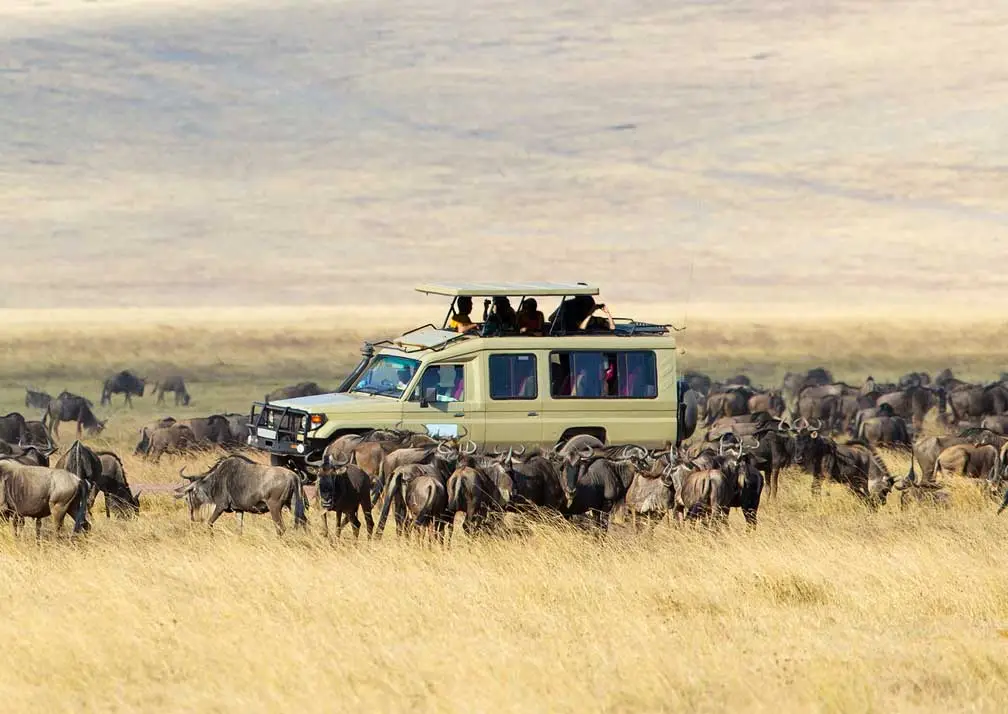
Great Migration Safaris
Experience one of nature's greatest spectacles with our Great Migration safari packages, timed for river crossings or calving.
View Package →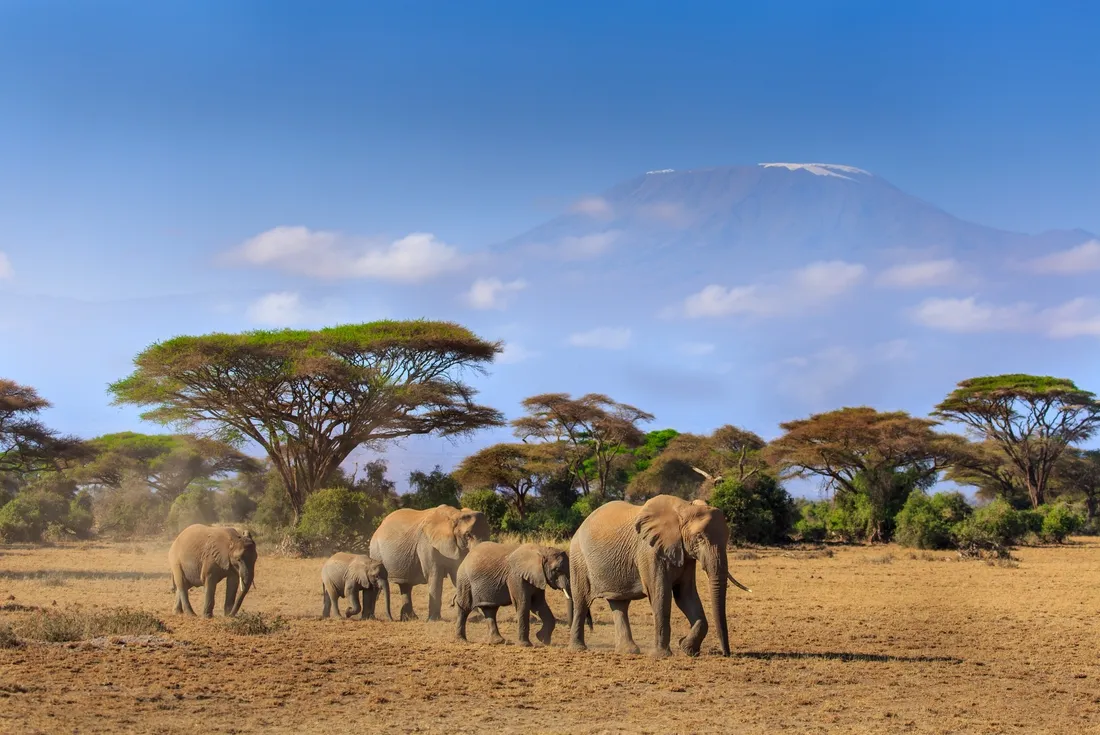
Serengeti & Kilimanjaro Trek
Combined safari and trekking tours offer wildlife adventures and Kilimanjaro climbs.
View Package →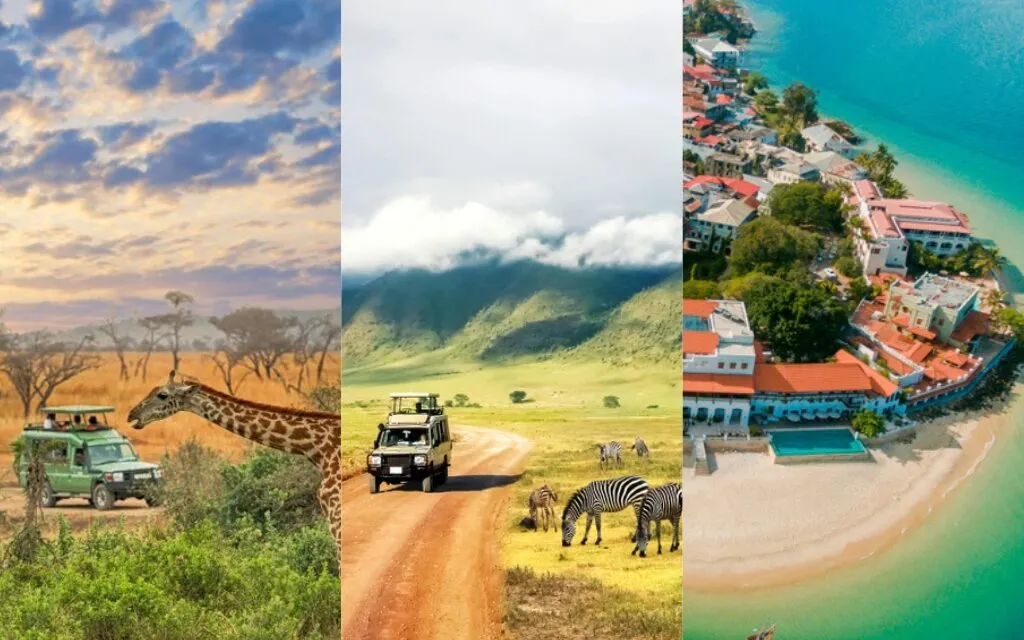
Serengeti & Zanzibar Tours
Luxury Tanzania safari & beach packages with the Great Migration and pristine beaches.
View Package →Related: Best Time to Visit Tanzania 2026 – Perfect safari extension after your Guyana adventure.