
Most Complete Haiti Travel Guide 2026-2027 – Everything You Need to Know Before Visiting
This Haiti travel guide provides everything you need to plan your journey to the Caribbean's most historically rich nation. Haiti offers an extraordinary blend of dramatic mountain landscapes, turquoise beaches, and vibrant Afro-Caribbean culture that create one of the region's most authentic travel experiences. Many travelers who want to visit Haiti are surprised by the country's incredible resilience and cultural depth spanning revolutionary history, Vodou traditions, and French colonial legacy. The nation covers over 27,750 square kilometers, sharing the island of Hispaniola with the Dominican Republic, offering visitors everything from UNESCO citadels to hidden waterfalls and colorful coastal towns.
Start Reading the Full Guide ↓Quick Facts About Haiti
- Capital: Port-au-Prince.
- Currency: Haitian Gourde (HTG).
- Time Zone: Eastern Standard Time (EST, UTC-5).
- International Calling Code: +509.
- Driving Side: Right.
- Major Airports: Toussaint Louverture International (PAP), Cap-Haïtien International (CAP).
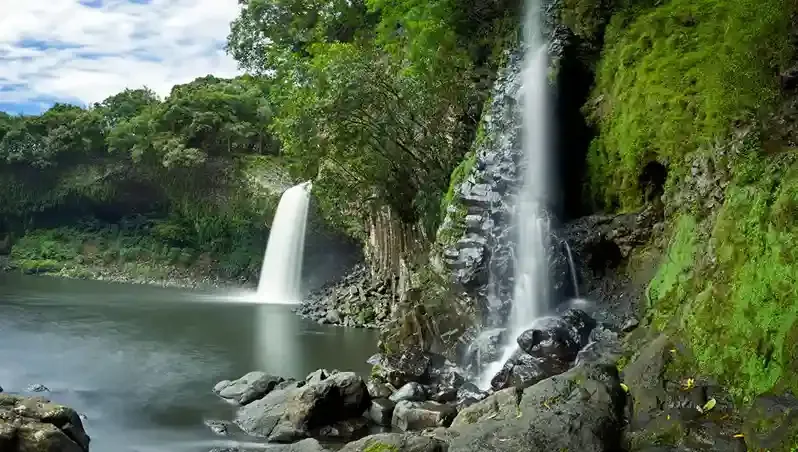
Haiti Overview & Key Facts
Brief History of Haiti
Haiti's history is one of triumph and struggle, from the indigenous Taíno people through French colonial rule to the world's first successful slave revolution. Christopher Columbus landed in 1492, followed by Spanish and then French colonization that made Saint-Domingue the richest colony in the world through sugar and coffee plantations worked by enslaved Africans. The 1791–1804 Haitian Revolution led by Toussaint Louverture and Jean-Jacques Dessalines created the first independent Black republic and abolished slavery forever.
Independence & National Identity
- Independence date: January 1, 1804.
- Former colonial power: France.
- National symbols & identity.
Haiti declared independence on January 1, 1804, becoming the first nation born from a successful slave revolt and the second independent country in the Americas after the United States. The national flag features blue and red stripes with the coat of arms, symbolizing unity between Black and mulatto citizens and the bloodshed for freedom.
Government System & Current Leadership
- Type of government: Unitary semi-presidential republic
- Current leadership: Transitional Presidential Council (2024–2026)
- Notes on political stability
Haiti is navigating a transitional period following the 2021 assassination of President Jovenel Moïse. A transitional council is overseeing governance until elections planned for 2026. Travelers should monitor developments through official sources.
Population, Ethnic Groups & Languages
- Population: 11.7 million (2025 estimate).
- Major ethnic groups: 95% African descent, 5% mulatto and white.
- Official language(s): Haitian Creole and French.
- Additional languages commonly spoken.
Haitian Creole is spoken by virtually the entire population, while French is used in government and business. English is common in tourist areas, especially resorts and Cap-Haïtien.
Main Religions & Cultural Identity
Roughly 80% of Haitians are Roman Catholic, 16% Protestant, while Vodou is practiced by a majority (often syncretized with Christianity). Haitian culture is a vibrant fusion of African, French, and Taíno influences expressed through art, music (kompa, rara), dance, and cuisine.
Geography & Natural Landscape
Haiti occupies the western third of Hispaniola with rugged mountains (highest peak Pic la Selle 2,680 m), fertile plains, and a long coastline of white-sand beaches and coral reefs. The climate is tropical with two rainy seasons (April–June and October–November).
Economy & Tourism Highlights
Tourism is rebounding strongly with all-inclusive resorts, cruise ports (Labadee), and cultural destinations. The government and private sector are investing heavily in northern Haiti (Cap-Haïtien, Citadelle) and southern beach areas.
What Haiti Is Known For
- Citadelle Laferrière – largest fortress in the Americas (UNESCO)
- Revolutionary history – first Black-led republic
- Vibrant art scene and Jacmel carnival
Visa & Entry Requirements in Haiti
Most nationalities receive 90 days visa-free on arrival. A $10 tourist fee is collected at the airport. Extensions are possible at immigration offices in Port-au-Prince or Cap-Haïtien.
Do You Need a Visa?
No visa required for citizens of the US, Canada, UK, EU, Caribbean CARICOM countries, and many others for stays up to 90 days. A few nationalities require visas in advance.
Visa Application Options in Haiti
- Visa on arrival / visa-free entry (most common)
- Pre-arranged visa at Haitian embassies (few nationalities)
- Extensions available in-country
Passport Validity & Entry Documents
Passport must be valid for 6 months beyond intended stay. Return/onward ticket may be requested. Yellow fever certificate required if arriving from endemic countries.
Customs Rules & Prohibited Items
Standard restrictions apply. Declare large amounts of cash. Duty-free allowance: 200 cigarettes, 2 liters alcohol, reasonable personal goods.
Safety & Security Information in Haiti
Safety varies dramatically by region. Tourist zones (Labadee, Cap-Haïtien, Jacmel, Île-à-Vache) are well-protected. Avoid Port-au-Prince unless on organized transfers.
Is Haiti Safe for Tourists?
Yes when using reputable operators and staying in designated tourist areas. Cruise passengers and all-inclusive resort guests experience virtually no issues.
Recommended Safety Tips when in Haiti
Use registered taxis or hotel transfers. Don’t walk alone after dark. Keep valuables secured. Use guides for Citadelle and Bassin Bleu. Stay updated via your embassy.
Safe Areas vs. Areas to Avoid in Haiti
Safe: Labadee (private peninsula), Cap-Haïtien, Jacmel, Île-à-Vache. Exercise caution in Port-au-Prince and Cité Soleil.
Emergency Numbers & Tourist Police in Haiti
- Police: 114
- Tourist Police (POLITOUR): 122
- Ambulance: 116
- Fire: 115
Health Requirements & Vaccinations in Haiti
No mandatory vaccines except yellow fever if arriving from endemic zones. Cholera oral vaccine and malaria prophylaxis recommended.
Mandatory Vaccinations in Haiti
Yellow fever certificate required if coming from affected countries.
Recommended Vaccinations in Haiti
Hepatitis A, Typhoid, routine vaccines. Consider Hepatitis B, Rabies, and Cholera oral vaccine.
Malaria & Other Risks
Malaria present – take prophylaxis. Mosquito repellent essential. Drink only bottled water.
Travel Insurance Recommendations in Haiti
Comprehensive coverage with medical evacuation essential. Many policies exclude Haiti – verify coverage.
Best Time to Visit in Haiti
November to April (dry season) offers the best weather with temperatures 25–32°C.
Weather by Season
Dry season (Nov–Apr): sunny, 25–30°C. Rainy season (May–Oct): hot and humid with hurricane risk June–November.
When to Visit Haiti for Best Experiences
- Carnival in Jacmel: February
- Beaches: December–April
- Citadelle & mountains: November–March
High Season vs. Low Season Travel
High season: December–April. Low season (cheaper): May–November (except hurricane peak).
Weather & Climate Overview in Haiti
Tropical climate with two rainy seasons. Coastal areas hotter and more humid than mountains.
Temperature Ranges
Coastal: 25–33°C year-round. Mountains cooler, especially at Citadelle altitude.
Rainy & Dry Seasons in Haiti
Dry: November–April. Rainy: May–June and September–October.
What to Wear Based on the Weather
Light breathable clothing, swimsuits, sun protection, light rain jacket, comfortable walking shoes.
Main Currency, Costs & Budgeting in Haiti
US dollars widely accepted in tourist areas. Haitian Gourde (HTG) official currency.
Local Currency Information
HTG and USD both used. Many prices quoted in “gourdes” but actually Haitian dollars (1 USD = 5 HTG in common parlance).
Average Travel Costs in Haiti
Budget: $80–130/day; mid-range $150–250/day; all-inclusive resorts $250–450/day.
Using ATMs, Cards & Mobile Money in Haiti
ATMs in major cities accept international cards. Credit cards accepted at resorts and larger hotels.
Tipping Guidelines in Haiti
10–15% in restaurants, $2–5/day for guides/drivers, $1–2/bag for porters.
Transportation & Getting Around in Haiti
Limited public transport. Private transfers and organized tours recommended.
Airport Transfers
Pre-arrange transfers through hotel or reputable operator. Taxis available but negotiate fares.
Local Transport Options in Haiti
Tap-taps (colorful shared taxis), moto-taxis, private drivers. Car rental possible but not recommended for first-time visitors.
Haiti Domestic Flights
Sunrise Airways and Mission Aviation Fellowship connect Port-au-Prince, Cap-Haïtien, Jacmel, Les Cayes.
Car Rentals & Road Conditions in Haiti
Roads improving but still challenging. 4WD recommended outside cities.
Accommodation Options available in Haiti
From all-inclusive beach resorts to boutique guesthouses and eco-lodges.
Types of Accommodations in Haiti
All-inclusive resorts (Labadee area), boutique hotels (Jacmel, Cap-Haïtien), guesthouses, eco-lodges.
Budget vs. Mid-Range vs. Luxury
Budget $40–80, mid-range $100–200, luxury $250+ per night.
Best Areas to Stay in Haiti
Cap-Haïtien (for Citadelle), Jacmel (art & beaches), Labadee/Île-à-Vache (resorts), Pétion-Ville (upscale).
Essential Packing Guide when Visiting Haiti
Pack light, include sun protection, insect repellent, and modest clothing for rural visits.
Clothing Essentials
Light breathable fabrics, swimsuits, cover-ups, modest attire for churches and rural areas.
Footwear & Gear
Water shoes, hiking shoes for Citadelle/Bassin Bleu, flip-flops.
Electronics & Cameras
Power bank, waterproof case, universal adapter (Type A/B).
Toiletries & Personal Items
Sunscreen, insect repellent, hand sanitizer, prescription meds.
Language & Communication in Haiti
Haitian Creole and French official languages. English common in tourism.
Main Languages Spoken in Haiti
Haitian Creole (everyone), French (educated/official), English (tourist areas).
Useful Phrases for Tourists
Bonjou (hello), Mèsi (thank you), Komon ou ye? (how are you?), Wi (yes), Non (no).
SIM Cards & Mobile Data used in Haiti
Digicel and Natcom. SIMs available at airport and stores.
Internet Availability & Wi-Fi in Haiti
Good in resorts and cities, limited elsewhere.
Culture & Etiquette in Haiti
Haitian culture is warm, artistic, and deeply rooted in African and French traditions.
Haitian Dress Code Expectations
Beachwear at resorts only. Modest dress in towns and churches.
Social Etiquette & Respectful Behavior of Haiti
Greet with handshake or cheek kiss. Remove hats indoors. Accept offers of rum or coffee.
Photography Rules in Haiti
Ask permission before photographing people, especially during Vodou ceremonies.
Important Cultural Dos & Don’ts in Haiti
Do greet people, accept hospitality. Don’t take photos without permission or discuss politics casually.
Food, Water & Dining in Haiti
Haitian cuisine is flavorful with French, African, and Caribbean influences.
Haitian Local Dishes to Try
Griot (fried pork), diri ak djon djon (black mushroom rice), tasso (fried beef/goat), pate (savory pastry), fresh lobster on the coast.
Dietary Options in Haiti
Plenty of seafood and vegetarian options (rice, beans, plantains).
Drinking Water Safety
Drink only bottled water. Ice usually safe in resorts.
Restaurant Etiquette
Tipping 10–15% common.
Top Attractions & Things to Do in Haiti
From revolutionary history to pristine nature, Haiti offers unique experiences.
Major Tourist Attractions in Haiti
- Citadelle Laferrière & Sans-Souci Palace (UNESCO)
- Bassin Bleu waterfalls
- Labadee beaches
- Jacmel artisan quarter & carnival
Best Tours & Experiences in Haiti
Citadelle day trip from Cap-Haïtien, Bassin Bleu adventure, Jacmel art tour, Vodou ceremony (respectful), rum distillery visits.
Family-Friendly Activities to do in Haiti
Labadee beach day, Amiga Island, Cap-Haïtien historic sites with guides.
Unique Cultural or Historical Sites to visit in Haiti
Marché en Fer (Iron Market), Musée du Panthéon National, Vodou temples (with guide).
Haitian Electrical System Information
110V, 60Hz – same as USA/Canada. Types A and B plugs.
Plug Types & Voltage used in Haiti
110V, 60Hz. Plugs A and B (American standard).
Charging Tips
No adapter needed for North American devices. Power banks recommended.
Local Laws & Regulations of Haiti
Standard Caribbean laws. Respect Vodou sites and ceremonies.
Rules Travelers Need to Know when In Haiti
Photography restrictions at some sites. No drugs. Respect private property.
Alcohol, Smoking & Substance Laws of Haiti
Legal drinking age 16. Marijuana illegal.
Restricted or Protected Areas in Haiti.
Some national parks require permits/guides.
Final Travel Tips for Visitors in Haiti
Book with reputable operators, stay in tourist zones, embrace the culture.
Common Mistakes to Avoid
Don’t try to “wing it” in Port-au-Prince. Don’t drink tap water. Don’t walk alone at night outside resorts.
Tips to Save Money when Visiting Haiti
Stay in Cap-Haïtien instead of Port-au-Prince. Eat local griot and street pate. Use shared tap-taps where safe.
Safety & Comfort Tips
Use registered guides, stay hydrated, apply sunscreen, learn a few Creole phrases.
Frequently Asked Questions – Haiti Travel Guide 2026-2027
Our Tanzania Tours Products
While Haiti offers revolutionary history, turquoise waters and vibrant culture, many travelers combine the Caribbean with the ultimate African wildlife experience. Capable Africa Tours specializes in secure, guided safaris that maximize safety and wonder. Our expert local guides, armed rangers in parks, and vetted accommodations ensure peace of mind. From family-friendly lodges to luxury camps, we handle logistics so you focus on the magic. Tanzania ranks high for tourist safety with dedicated wildlife protection units and stable northern circuits.
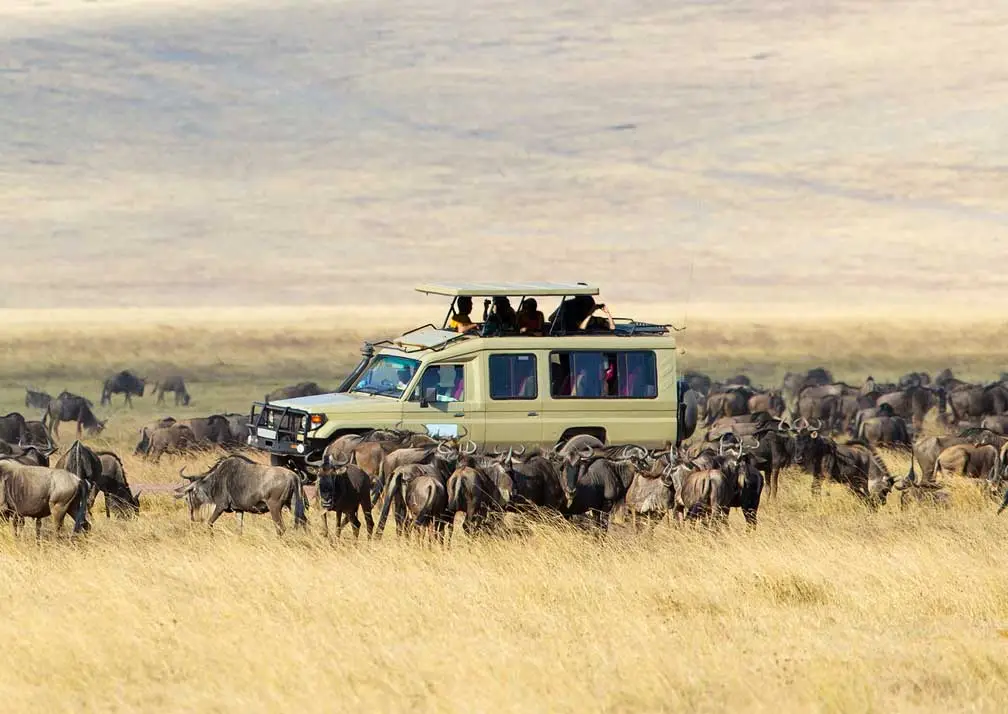
Great Migration Safaris
Experience one of nature's greatest spectacles with our Great Migration safari packages, timed for river crossings or calving.
View Package →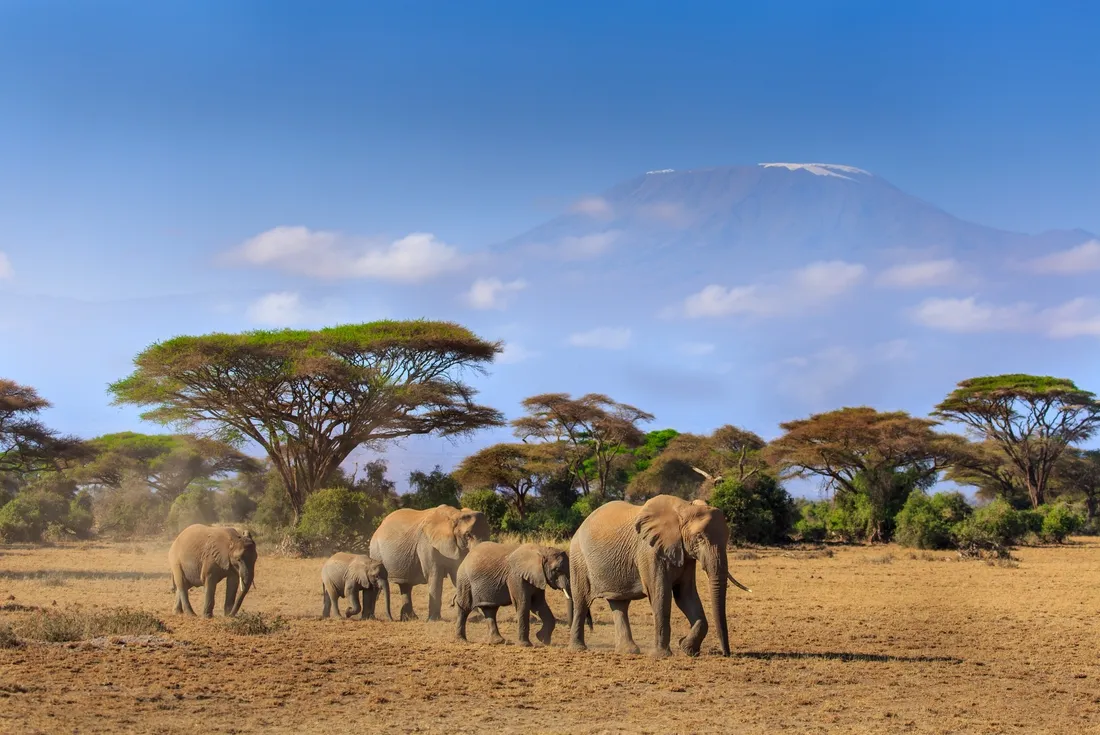
Serengeti & Kilimanjaro Trek
Combined safari and trekking tours offer wildlife adventures and Kilimanjaro climbs.
View Package →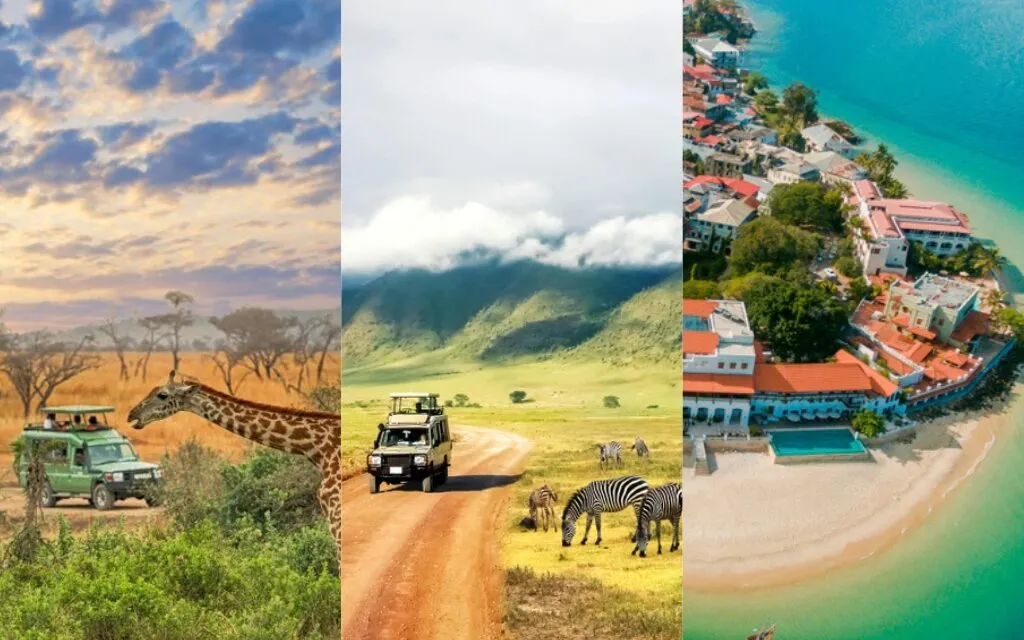
Serengeti & Zanzibar Tours
Luxury Tanzania safari & beach packages with the Great Migration and pristine beaches.
View Package →Related: Best Time to Visit Tanzania 2026 – Perfect safari extension after your Caribbean adventure.