
Most Complete Honduras Travel Guide 2026-2027 – Everything You Need to Know Before Visiting
This Honduras travel guide provides everything you need to plan your journey to Central America's hidden gem. Honduras offers an extraordinary blend of Mayan archaeological wonders, Caribbean turquoise waters, cloud forests, and authentic Garífuna culture that create one of the region's most diverse travel experiences. Many travelers who want to travel to Honduras are surprised by the country's incredible biodiversity and rich cultural heritage spanning ancient Mayan civilization, colonial history, and vibrant Afro-Caribbean traditions. The nation covers over 112,000 square kilometers, offering visitors everything from world-class diving to jungle adventures and pristine white-sand beaches.
Start Reading the Full Guide ↓Quick Facts About Honduras
- Capital: Tegucigalpa.
- Currency: Honduran Lempira (HNL).
- Time Zone: Central Standard Time (CST, UTC-6).
- International Calling Code: +504.
- Driving Side: Right.
- Major Airports: Ramón Villeda Morales (San Pedro Sula), Toncontín (Tegucigalpa), Roatán, Utila.
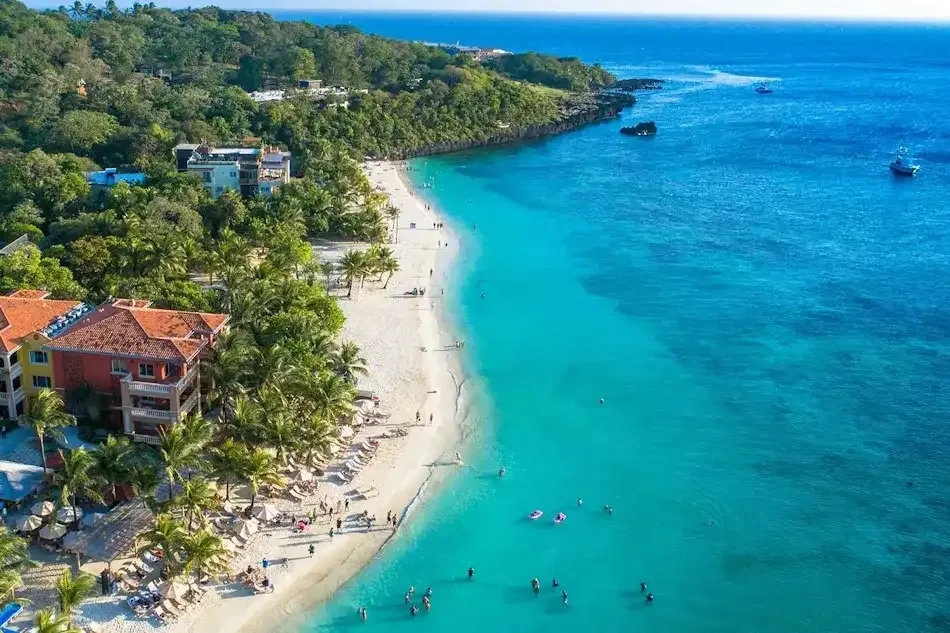
Honduras Overview & Key Facts
Brief History of Honduras
Honduras' history spans millennia, from the magnificent Mayan city of Copán through Spanish colonization to modern independence. The Maya civilization flourished here between 150 and 900 AD, leaving one of the most important archaeological sites in the Americas. Christopher Columbus landed on the mainland in 1502, and Spanish rule dominated until independence in 1821. This rich historical tapestry creates a fascinating backdrop for modern travelers exploring the country's archaeological treasures and cultural sites.
Independence & National Identity
- Independence date: September 15, 1821.
- Former colonial power: Spain.
- National symbols & identity.
Honduras gained independence from Spain in 1821 as part of the Federal Republic of Central America, achieving full independence in 1838. The national identity blends indigenous Maya heritage, Spanish colonial influence, and vibrant Afro-Caribbean Garífuna culture. The flag features five blue stars representing the original Central American federation members, with turquoise stripes symbolizing the Caribbean Sea and Pacific Ocean.
Government System & Current Leadership
- Type of government: Presidential Republic
- Current president: Xiomara Castro (since January 2022)
- Notes on political stability
Honduras operates as a presidential republic. Xiomara Castro became the country's first female president in 2022, marking a significant political shift. The country has experienced periods of political transition, but tourist areas remain largely unaffected. Travelers should stay informed about current conditions through official sources.
Population, Ethnic Groups & Languages
- Population: 10.6 million (2025 projection).
- Major ethnic groups: Mestizo (90%), Indigenous (7%), Garífuna & others (3%).
- Official language(s): Spanish.
- Additional languages commonly spoken.
English is widely spoken on the Bay Islands due to historical British influence. Garífuna communities maintain their Afro-Caribbean language along the north coast. Indigenous groups including Lenca, Miskito, and Pech preserve their traditional languages in rural areas.
Main Religions & Cultural Identity
Roman Catholicism remains predominant (approximately 63%), with growing evangelical Protestant communities (around 35%). Indigenous spiritual practices persist in rural areas, while Garífuna culture maintains African-influenced religious traditions. Religious festivals and processions form important cultural expressions throughout the year.
Geography & Natural Landscape
Honduras features three distinct geographical zones: Caribbean coastal lowlands, mountainous interior highlands, and Pacific coastal plains. The country boasts the second-largest coral reef system in the world (Mesoamerican Barrier Reef), extensive cloud forests, and Central America's largest rainforest reserve (Río Plátano Biosphere). Over 40% of territory remains forested.
Economy & Tourism Highlights
Honduras' economy relies on agriculture (coffee, bananas), textiles, and growing tourism sector. The government actively promotes eco-tourism, diving tourism in the Bay Islands, and archaeological tourism at Copán. Tourism infrastructure continues improving with new international flights and hotel developments.
What Honduras Is Known For
- UNESCO World Heritage Copán Mayan ruins
- Bay Islands – world-class diving & Caribbean beaches
- Río Plátano Biosphere Reserve – largest rainforest in Central America
Visa & Entry Requirements in Honduras
Most international visitors receive 90 days visa-free entry under the CA-4 agreement (Honduras, Guatemala, El Salvador, Nicaragua). Extensions are possible up to 180 days total in the CA-4 region. Always verify current requirements with your airline and Honduran embassy.
Do You Need a Visa?
Citizens of the US, Canada, EU, UK, Australia, New Zealand, Japan, South Korea and most Latin American countries receive automatic 90-day tourist cards on arrival. Some nationalities require visas in advance – check the Honduran Institute of Migration website.
Visa Application Options in Honduras
- Visa-free entry on arrival (most Western countries)
- Visa on arrival (select nationalities)
- Pre-arranged visa at Honduran embassy
CA-4 border agreement allows 90 days total across Honduras, Guatemala, El Salvador and Nicaragua. Extensions available at immigration offices in major cities.
Passport Validity & Entry Documents
Passport must be valid for at least 6 months beyond intended stay with at least two blank pages. Return/onward ticket required. Yellow fever certificate needed if arriving from endemic countries.
Customs Rules & Prohibited Items
Standard customs allowances apply. Declare large amounts of cash. Fresh fruits/vegetables, meats and plants restricted. Archaeological artifacts strictly prohibited from export.
Safety & Security Information in Honduras
Honduras requires increased caution due to crime rates, though main tourist areas maintain good safety records. Bay Islands and Copán Ruinas report very low crime against tourists. Avoid non-tourist areas of Tegucigalpa and San Pedro Sula after dark.
Is Honduras Safe for Tourists?
Yes – very safe in tourist destinations (Roatán, Utila, Copán, La Ceiba ferry port area). Most governments rate Bay Islands and Copán Level 2 (exercise increased caution), mainland cities Level 3-4. Millions visit annually without incident.
Recommended Safety Tips when in Honduras
Use registered taxis or hotel transfers, avoid displaying valuables, use ATMs inside banks/hotels, don't walk alone after dark on mainland, share location with trusted contacts. On islands, standard travel precautions apply.
Safe Areas vs. Areas to Avoid in Honduras
Safe: Roatán, Utila, Guanaja, Copán Ruinas, La Ceiba (tourist zone), Trujillo. Exercise caution: Tegucigalpa, San Pedro Sula (avoid certain neighborhoods). Avoid land border areas after dark.
Emergency Numbers & Tourist Police in Honduras
- Police: 911 or 199
- Fire Department: 198
- Medical Emergency: 195
- Tourist Police: Available in Roatán, Copán and major tourist areas
Tourist police units in Roatán and Copán speak English and specifically assist international visitors.
Health Requirements & Vaccinations in Honduras
No mandatory vaccinations for most travelers, though hepatitis A and typhoid strongly recommended. Malaria risk exists in rural areas. Zika virus present – pregnant women should consult doctors.
Mandatory Vaccinations in Honduras
Yellow fever certificate required if arriving from endemic countries (parts of South America and Africa). Proof may be requested at immigration.
Recommended Vaccinations in Honduras
Hepatitis A, typhoid, routine vaccines. Consider hepatitis B, rabies (animal exposure), malaria prophylaxis for rural areas.
Malaria & Other Risks
Malaria present in rural areas (low risk on Bay Islands). Use DEET repellent, long clothing at dusk/dawn. Dengue and Zika transmitted by daytime mosquitoes – protection essential.
Travel Insurance Recommendations in Honduras
Comprehensive insurance essential covering medical evacuation (especially important for diving activities). Ensure coverage includes adventure sports if scuba diving or zip-lining.
Best Time to Visit in Honduras
Dry season (December–April) offers perfect weather throughout the country. Rainy season (May–November) brings lower prices and excellent diving visibility on the Bay Islands.
Weather by Season
Dry season features sunny days 28–32°C (82–90°F) with minimal rain. Rainy season brings afternoon showers on mainland, islands remain mostly dry. Hurricane season June–November affects Caribbean coast.
When to Visit Honduras for Best Experiences
- Diving & whale sharks: March–April & September–October
- Copán & mainland ruins: December–April
- Budget travel: May–November (except July–August peak)
- Garífuna festivals: April (Punta Gorda festival Roatán)
Roatán enjoys good weather year-round with less pronounced rainy season than mainland.
High Season vs. Low Season Travel
High season December–April (especially Christmas, Easter). Low season May–November offers 30–50% savings and fewer crowds.
Weather & Climate Overview in Honduras
Honduras enjoys tropical climate with two distinct seasons. Caribbean coast receives more rainfall while Pacific coast and interior highlands are drier.
Temperature Ranges
Coastal areas: 25–32°C (77–90°F) year-round. Highlands (including Copán): 18–28°C (64–82°F). Water temperature Bay Islands: 26–29°C (79–84°F).
Rainy & Dry Seasons in Honduras
Dry season December–April. Rainy season May–November with heaviest rains September–October. Bay Islands receive significantly less rain than mainland.
What to Wear Based on the Weather
Light breathable clothing, swimsuits, flip-flops on islands. Light rain jacket May–November. Modest clothing for mainland towns and churches. Hiking shoes for ruins and national parks.
Main Currency, Costs & Budgeting in Honduras
Honduras remains one of Central America's most affordable destinations, especially outside peak season. US dollars widely accepted on Bay Islands.
Local Currency Information
Honduran Lempira (HNL). US dollars accepted almost everywhere on Bay Islands. ATMs widely available dispensing both currencies.
Average Travel Costs in Honduras
Budget travelers: $45–80/day. Mid-range: $90–160/day. Roatán diving packages: $200–350/day including accommodation and dives.
Using ATMs, Cards & Mobile Money in Honduras
ATMs plentiful in cities and tourist areas. Visa/Mastercard widely accepted on islands, cash preferred on mainland. Mobile payments growing but not universal.
Tipping Guidelines in Honduras
10–15% in restaurants (check if included). Dive crew $10–20 per tank common. Taxi drivers don't expect tips. Hotel staff 20–50 lempira per bag.
Transportation & Getting Around in Honduras
Transportation options vary significantly between islands and mainland. Domestic flights and ferries provide reliable connections to popular destinations.
Airport Transfers
Taxis from airports have fixed rates. Shared shuttles available to popular destinations. Private transfers recommended for comfort.
Local Transport Options in Honduras
Chicken buses (colorful repurposed school buses) cheapest mainland option. Taxis and tuk-tuks common. Colectivos (shared taxis) efficient between towns.
Honduras Domestic Flights
Daily flights connect mainland cities with Roatán, Utila and Guanaja. Advance booking recommended during high season.
Car Rentals & Road Conditions in Honduras
International companies available at airports. 4WD recommended for rural areas. Road conditions vary significantly.
Accommodation Options available in Honduras
Accommodation ranges from backpacker hostels to luxury eco-lodges and dive resorts. Bay Islands offer best variety and value.
Types of Accommodations in Honduras
Dive resorts, boutique hotels, eco-lodges, hostels, Airbnb apartments, jungle lodges. Roatán and Utila specialize in diver-focused accommodation.
Budget vs. Mid-Range vs. Luxury
Budget $20–50/night, mid-range $60–120, luxury $150–400+. Significant savings available in low season.
Best Areas to Stay in Honduras
West End (Roatán), Utila Town, West Bay (Roatán), Copán Ruinas town center, La Ceiba for ferry access.
Essential Packing Guide when Visiting Honduras
Pack light for tropical climate with consideration for diving activities and mainland cultural sites.
Clothing Essentials
Swimsuits, rash guards, light clothing, modest attire for mainland, rain jacket (May–Nov), light sweater for highlands.
Footwear & Gear
Reef-safe water shoes, flip-flops, hiking shoes for ruins, dive certification card, mask/snorkel (can rent but personal fit better).
Electronics & Cameras
Waterproof camera/phone case essential. Universal adapter (Type A/B plugs). Power bank for island hopping.
Toiletries & Personal Items
Reef-safe sunscreen (mandatory at many dive sites), strong insect repellent, prescription medications, basic first aid.
Language & Communication in Honduras
Spanish dominates mainland communication while English widely spoken on Bay Islands.
Main Languages Spoken in Honduras
Spanish official language. English creole on Bay Islands. Garífuna language along north coast.
Useful Phrases for Tourists
“¿Cuánto cuesta?” (How much?), “Gracias” (Thank you), “Por favor” (Please), “¿Habla inglés?” (Do you speak English?). English sufficient on islands.
SIM Cards & Mobile Data used in Honduras
Tigo and Claro provide excellent coverage. SIM cards available at airports and stores. Affordable data packages.
Internet Availability & Wi-Fi in Honduras
Wi-Fi common in hotels and restaurants. Good mobile coverage on islands and tourist areas.
Culture & Etiquette in Honduras
Relaxed Caribbean vibe on islands, more conservative culture on mainland. Respect local customs particularly in indigenous communities.
Honduran Dress Code Expectations
Casual beachwear acceptable on islands. Modest clothing (cover shoulders/knees) in mainland towns and churches.
Social Etiquette & Respectful Behavior of Honduras
Greetings with handshake or cheek kiss common. Remove hats/sunglasses when talking to elders. Ask permission before photographing people.
Photography Rules in Honduras
Ask permission before photographing individuals, especially indigenous people. No restrictions at archaeological sites (fee may apply).
Important Cultural Dos & Don’ts in Honduras
Do greet people properly, accept hospitality, remove shoes when entering homes. Don't take photos without permission, discuss politics unless invited, or wear beachwear in towns.
Food, Water & Dining in Honduras
Honduran cuisine features fresh seafood, tropical fruits, and Caribbean influences on the coast with hearty mountain dishes inland.
Honduran Local Dishes to Try
Baleadas (flour tortilla with beans, cheese, cream), sopa de caracol (conch soup), plato típico (rice, beans, plantains, meat), fresh ceviche, tamales, seafood rice.
Dietary Options in Honduras
Fresh seafood abundant. Vegetarian options improving in tourist areas. Vegan options limited outside major centers.
Drinking Water Safety
Bottled water recommended. Ice generally safe in tourist establishments. Avoid tap water for drinking.
Restaurant Etiquette
Tipping 10–15% common. Meals relaxed pace – enjoy the Caribbean time mentality!
Top Attractions & Things to Do in Honduras
Honduras offers world-class diving, Mayan archaeology, rainforest adventures and Caribbean beach relaxation.
Major Tourist Attractions in Honduras
- Copán Archaeological Site (UNESCO)
- Roatán & Utila – Mesoamerican Barrier Reef
- Río Plátano Biosphere Reserve (UNESCO)
- Lake Yojoa & Pulhapanzak Waterfall
Copán features the best-preserved Mayan hieroglyphic staircase in the world. Roatán offers some of the Caribbean's best diving and snorkeling. Río Plátano protects vast rainforest and indigenous communities.
Best Tours & Experiences in Honduras
Scuba diving certification courses, whale shark encounters (seasonal), Mayan ruin tours with archaeologists, jungle trekking, Garífuna cultural experiences, zip-lining through cloud forest.
Family-Friendly Activities to do in Honduras
Snorkeling, monkey & sloth sanctuaries, chocolate tours, easy ruin visits, beach resorts with kids clubs, pirate ship adventures on Roatán.
Unique Cultural or Historical Sites to visit in Honduras
Garífuna villages with traditional drumming/dancing, colonial Comayagua with America's oldest working clock, hot springs near Copán, indigenous Lenca pottery communities.
Honduran Electrical System Information
Honduras uses North American standard electricity compatible with US/Canadian devices.
Plug Types & Voltage used in Honduras
Type A and B plugs (US standard), 110–120V, 60Hz. No adapter needed for US/Canadian devices. European devices require adapter and possibly voltage converter.
Charging Tips
Power reliable in tourist areas. Bring power bank for island hopping and excursions. Surge protectors recommended.
Local Laws & Regulations of Honduras
Standard international norms apply with specific regulations protecting archaeological sites and marine environments.
Rules Travelers Need to Know when In Honduras
Touching coral prohibited (heavy fines). Archaeological artifacts cannot be removed. Drone regulations require permits in some areas.
Alcohol, Smoking & Substance Laws of Honduras
Legal drinking age 18. Public intoxication frowned upon. Marijuana illegal despite local tolerance in some tourist areas. All other drugs strictly prohibited.
Restricted or Protected Areas in Honduras.
Some marine park areas require permits. Río Plátano Biosphere requires guides. Military areas off-limits for photography.
Final Travel Tips for Visitors in Honduras
Relax into "Caribbean time," embrace local hospitality, and discover why so many visitors extend their stay.
Common Mistakes to Avoid
Don't over-schedule island time, don't rent cars on Roatán (taxis cheaper), don't miss dive insurance, don't underestimate sun exposure.
Tips to Save Money when Visiting Honduras
Travel May–November, eat local baleadas, stay in Utila instead of Roatán, use chicken buses on mainland, book dive packages including accommodation.
Safety & Comfort Tips
Use hotel safes, carry small bills, learn basic Spanish phrases for mainland, trust local recommendations, stay hydrated.
Frequently Asked Questions – Honduras Travel Guide 2026-2027
Our Tanzania Tours Products
While Honduras offers incredible Mayan ruins, Caribbean diving and rainforest adventures, many travelers combine Central America with the ultimate wildlife experience in East Africa. Capable Africa Tours specializes in secure, guided safaris that maximize safety and wonder. Our expert local guides, armed rangers in parks, and vetted accommodations ensure peace of mind. From family-friendly lodges to luxury camps, we handle logistics so you focus on the magic. Tanzania ranks high for tourist safety with dedicated wildlife protection units and stable northern circuits.
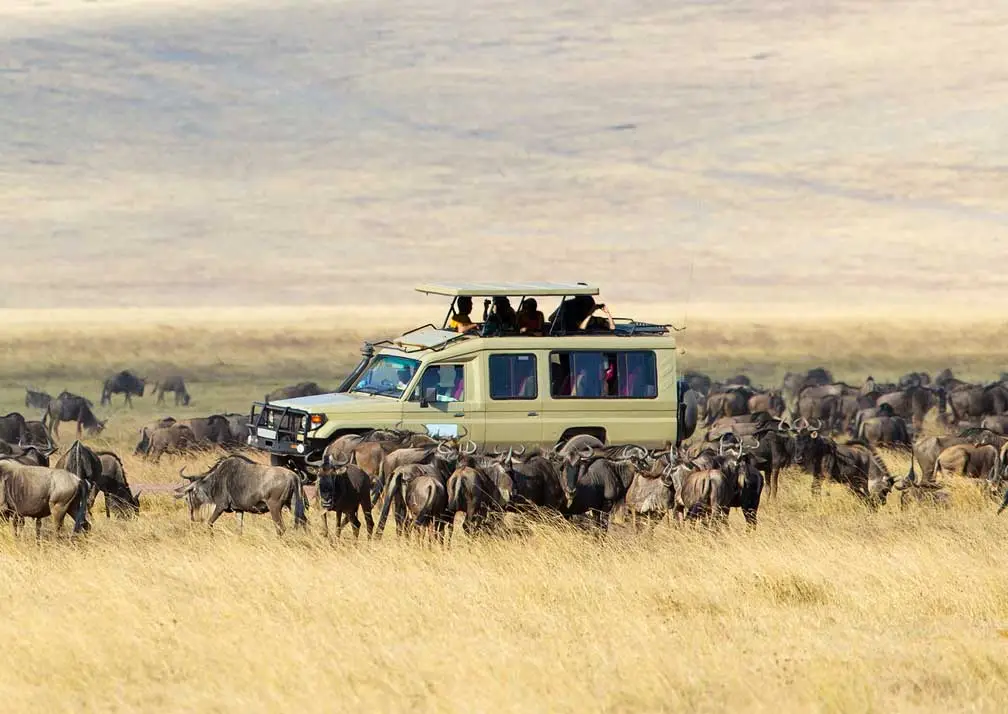
Great Migration Safaris
Experience one of nature's greatest spectacles with our Great Migration safari packages, timed for river crossings or calving.
View Package →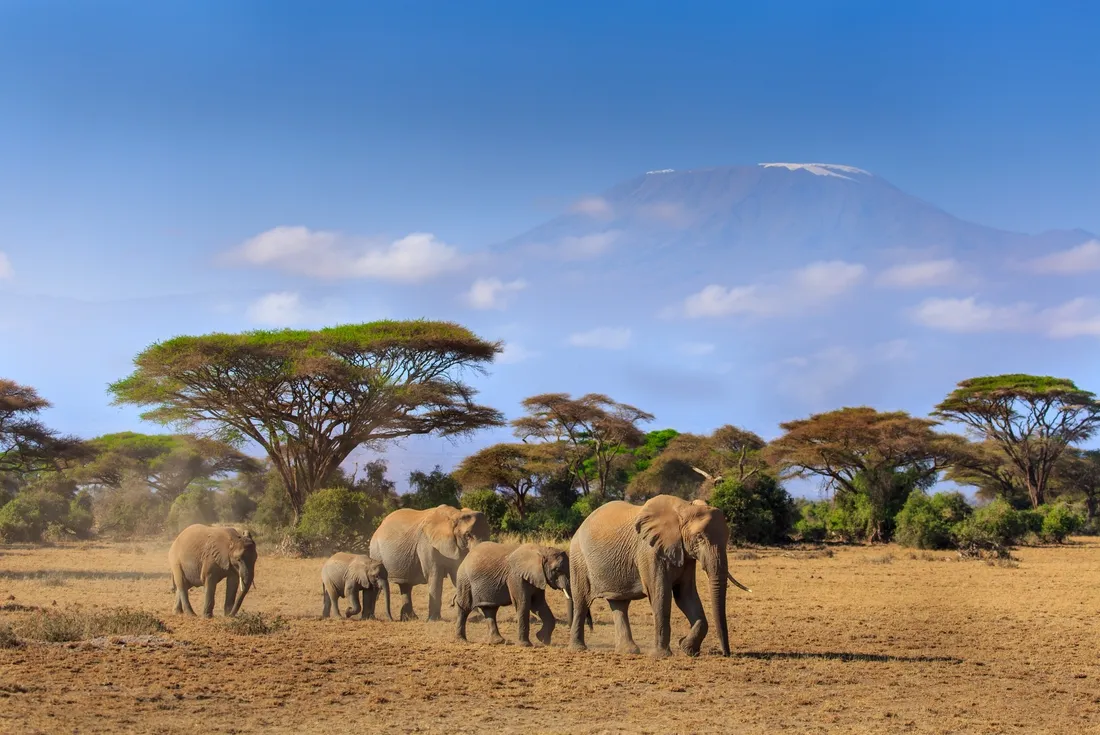
Serengeti & Kilimanjaro Trek
Combined safari and trekking tours offer wildlife adventures and Kilimanjaro climbs.
View Package →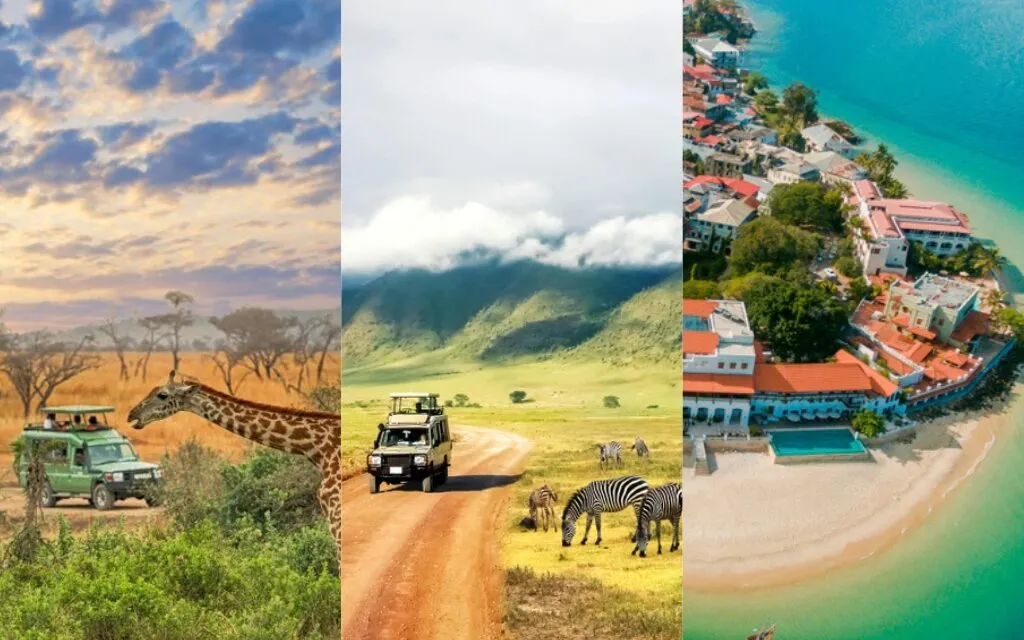
Serengeti & Zanzibar Tours
Luxury Tanzania safari & beach packages with the Great Migration and pristine beaches.
View Package →Related: Best Time to Visit Tanzania 2026 – Perfect safari extension after your Honduras adventure.