
Most Complete Hungary Travel Guide 2026-2027 – Everything You Need to Know Before Visiting
This Hungary travel guide provides everything you need to plan your journey to the heart of Central Europe. Hungary offers an extraordinary blend of grand imperial architecture, healing thermal baths, world-class wines, and vibrant folk traditions that create one of Europe’s most rewarding travel experiences. Many travelers who want to travel to Hungary are surprised by the country's incredible diversity and rich cultural heritage spanning Magyar traditions, Habsburg grandeur, and a resilient spirit that has endured centuries of conquest and rebirth. The nation covers 93,030 square kilometers, offering visitors everything from the majestic Danube River to the vast Puszta plains and charming wine villages.
Start Reading the Full Guide ↓Quick Facts About Hungary
- Capital: Budapest.
- Currency: Hungarian Forint (HUF).
- Time Zone: Central European Time (CET, UTC+1).
- International Calling Code: +36.
- Driving Side: Right.
- Major Airports: Budapest Ferenc Liszt International (BUD), Debrecen, Sármellék (FlyBalaton).
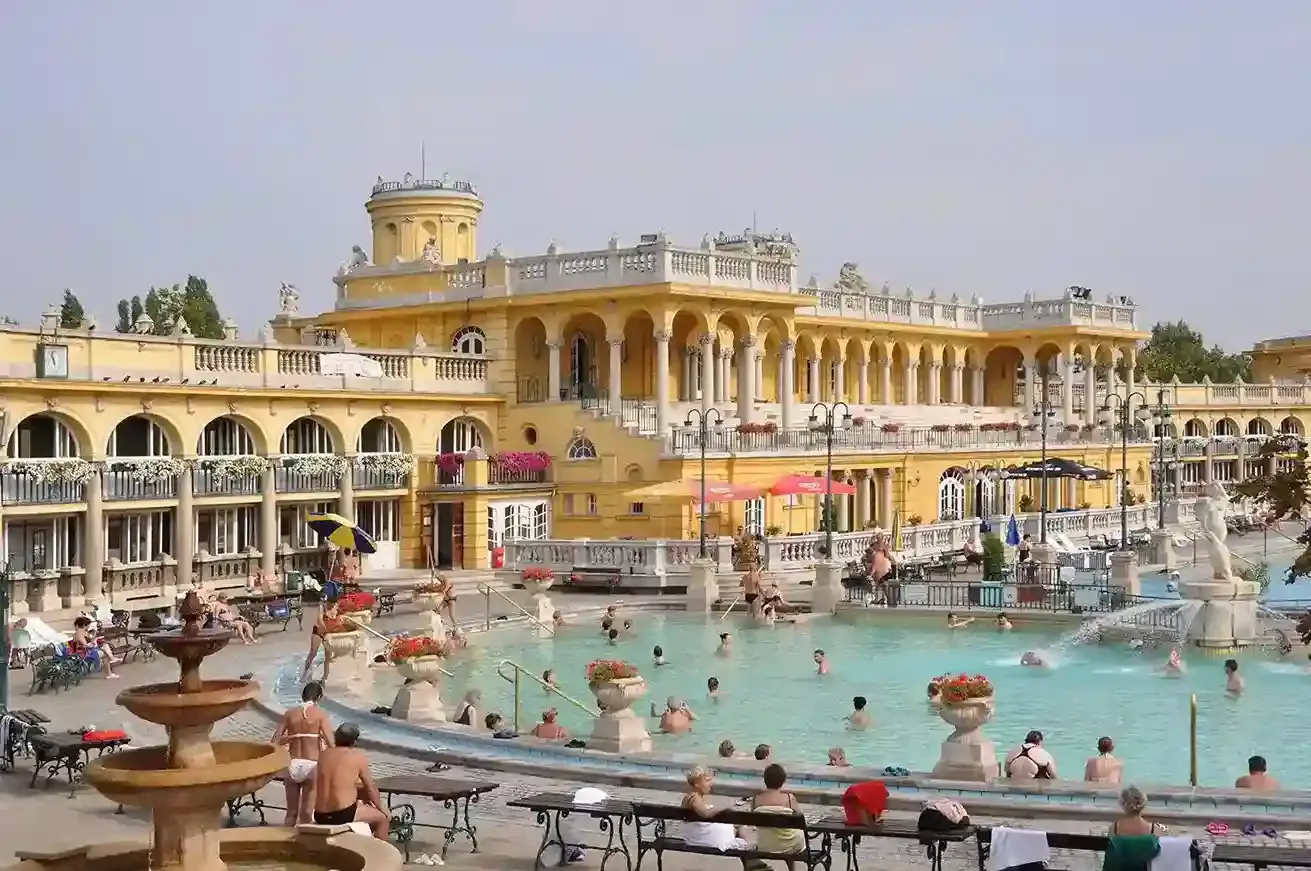
Hungary Overview & Key Facts
Brief History of Hungary
Hungary's history spans over a millennium, from the Magyar tribes arriving in the Carpathian Basin in 895 AD through the glorious Kingdom of Hungary to Habsburg rule and the 1956 Revolution. The country was a major European power during the Middle Ages, crowned by the magnificent coronation of King Saint Stephen in 1000 AD. The Ottoman occupation (1541–1699) and subsequent Habsburg rule shaped much of the architecture and culture visible today, while the 20th century brought dramatic changes including the Trianon Treaty and communist rule until 1989.
Independence & National Identity
- Modern republic established: October 23, 1989.
- EU member since: 2004.
- National symbols & identity.
Hungary proudly celebrates its unique language and Magyar heritage while embracing its position at the crossroads of Central Europe. The red-white-green tricolor flag and the Holy Crown remain powerful symbols of national identity.
Government System & Current Leadership
- Type of government: Parliamentary Republic
- Current president: Tamás Sulyok
- Current prime minister: Viktor Orbán
Hungary operates as a parliamentary republic with a unicameral National Assembly. The country maintains stable institutions and is a full member of the EU, NATO, and the Schengen Area.
Population, Ethnic Groups & Languages
- Population: 9.6 million (2025 estimate).
- Major ethnic group: Hungarian (85.6%), Roma, German, Slovak minorities.
- Official language: Hungarian.
- Additional languages commonly spoken.
English is widely spoken in tourist areas and among younger generations. German is common in western regions and Budapest. Hungarian belongs to the unique Uralic language family, unrelated to most European languages.
Main Religions & Cultural Identity
Christianity dominates with approximately 52% Roman Catholic and 15% Protestant. About 27% declare no religious affiliation. Hungary has a historically significant Jewish community, especially in Budapest. Secular traditions are strong while religious holidays remain culturally important.
Geography & Natural Landscape
Hungary is landlocked with diverse landscapes: the Great Hungarian Plain (Alföld), Transdanubian Hills, and Northern Mountain Range. Lake Balaton, Europe’s largest freshwater lake, dominates the west, while the Danube River splits Budapest and creates the scenic Danube Bend.
Economy & Tourism Highlights
Hungary enjoys a high-income economy with strong automotive, pharmaceutical, and tourism sectors. Budapest ranks among Europe’s top city-break destinations, while thermal tourism, wine routes, and cultural festivals continue to grow rapidly.
What Hungary Is Known For
- World’s most thermal baths (over 1,000 natural springs)
- Invention of the Rubik’s Cube, ballpoint pen, and vitamin C
- UNESCO sites including Budapest banks of the Danube, Hollókő village, and Tokaj wine region
Visa & Entry Requirements in Hungary
Hungary is part of the Schengen Area. EU/EEA/Swiss citizens enter freely. Most Western nationalities enjoy visa-free access for 90 days within 180 days. From mid-2026, ETIAS authorization will be required for visa-exempt visitors.
Do You Need a Visa?
US, Canada, UK (post-Brexit), Australia, New Zealand citizens: visa-free 90/180 days. Most African, Asian, and some South American nationalities require a Schengen tourist visa applied for in advance.
Visa Application Options in Hungary
- Schengen short-stay visa (Type C) through Hungarian embassies/consulates or VFS Global
- ETIAS electronic authorization (from 2026) for visa-exempt travelers
Applications require standard Schengen documentation: invitation or hotel booking, travel insurance (€30,000 coverage), proof of funds, and return ticket.
Passport Validity & Entry Documents
Passport valid 3 months beyond intended stay with at least two blank pages. ETIAS (when implemented) will be linked to your passport.
Customs Rules & Prohibited Items
Standard EU customs rules apply. €10,000+ cash must be declared. Duty-free allowances for alcohol/tobacco from non-EU countries.
Safety & Security Information in Hungary
Hungary is one of Europe’s safest countries with low violent crime rates and excellent tourist infrastructure.
Is Hungary Safe for Tourists?
Extremely safe. Most governments rate Hungary Level 1 (exercise normal precautions). Pickpocketing in crowded tourist areas is the main concern.
Recommended Safety Tips when in Hungary
Use licensed taxis or apps (Bolt), beware of overcharging in tourist bars, keep valuables secure on public transport, and avoid political demonstrations.
Safe Areas vs. Areas to Avoid in Hungary
All tourist areas are safe. District VIII (Józsefváros) in Budapest has improved dramatically but still requires normal urban awareness at night.
Emergency Numbers & Tourist Police in Hungary
- General emergency: 112
- Tourist Police Budapest: +36 1 438 8080
Health Requirements & Vaccinations in Hungary
No mandatory vaccinations. Excellent medical facilities in cities with English-speaking doctors.
Mandatory Vaccinations in Hungary
None required.
Recommended Vaccinations in Hungary
Routine vaccines. Tick-borne encephalitis if planning forest activities April–November.
Malaria & Other Risks
No malaria risk. Tap water safe throughout the country.
Travel Insurance Recommendations in Hungary
Highly recommended. EU citizens should bring EHIC/GHIC card. Private insurance covers thermal bath accidents, adventure activities, and repatriation.
Best Time to Visit in Hungary
Spring (April–June) and autumn (September–October) offer perfect weather and fewer crowds. Christmas markets and summer festivals are peak experiences.
Weather by Season
Spring: 10–22°C, blooming landscapes. Summer: 25–35°C, festival season. Autumn: 10–20°C, wine harvest. Winter: -5–5°C, thermal baths and Christmas markets.
When to Visit Hungary for Best Experiences
- Thermal baths: year-round (indoor in winter)
- Wine tasting: September–October harvest
- Christmas markets: December
- Festivals: Sziget (August), Budapest Spring Festival (April)
High Season vs. Low Season Travel
High season: June–August & December. Shoulder seasons offer best value and pleasant weather.
Weather & Climate Overview in Hungary
Continental climate with four distinct seasons. Hot summers, cold winters, and pleasant spring/autumn periods.
Temperature Ranges
January: -4–2°C, July: 20–30°C. Budapest slightly warmer than rural areas.
Rainy & Dry Seasons in Hungary
May–June typically wettest months. July–August driest and hottest.
What to Wear Based on the Weather
Layered clothing for spring/autumn, light summer clothes, warm winter coat and boots December–February. Swimwear essential year-round for thermal baths.
Main Currency, Costs & Budgeting in Hungary
Hungarian Forint (HUF). Excellent value destination compared to Western Europe.
Local Currency Information
Banknotes: 500, 1000, 2000, 5000, 10,000, 20,000 HUF. Coins common.
Average Travel Costs in Hungary
Budget: €60–100/day, mid-range €120–200/day, luxury €250+/day. Meals and transport very affordable.
Using ATMs, Cards & Mobile Money in Hungary
Cards widely accepted. Contactless common. ATMs everywhere. Revolut/Wise work perfectly.
Tipping Guidelines in Hungary
10% standard in restaurants (often included as “service charge”). Round up taxi fares. Thermal bath attendants: 200–500 HUF.
Transportation & Getting Around in Hungary
Excellent public transport. Budapest metro one of Europe’s oldest. Trains connect all major cities efficiently.
Airport Transfers
Budapest Airport: 100E direct bus (€7), official taxi (€30), or private transfer.
Local Transport Options in Hungary
Budapest: metro, trams, buses, Bubi bikes. Intercity trains excellent. FlixBus for budget routes.
Hungary Domestic Flights
Limited domestic flights. Trains faster and cheaper for most routes.
Car Rentals & Road Conditions in Hungary
Excellent highways. Vignette required (buy online). Zero alcohol tolerance for drivers.
Accommodation Options available in Hungary
From luxury Danube palaces to thermal hotel spas and boutique wine-region lodgings.
Types of Accommodations in Hungary
International chains, boutique design hotels, thermal spa hotels, castle hotels, rural guesthouses, and excellent Airbnb selection.
Budget vs. Mid-Range vs. Luxury
Hostel dorms €15–25, mid-range hotels €80–150, luxury thermal hotels €200–500+.
Best Areas to Stay in Hungary
Budapest: District V (city center), District I (Castle Hill), District VI–VII (Jewish Quarter/ruin bars). Lake Balaton: Siófok, Balatonfüred, Tihany.
Essential Packing Guide when Visiting Hungary
Comfortable walking shoes, swimwear (for thermal baths year-round), adapter (Type C/F), and modest attire for churches.
Clothing Essentials
Layering pieces, swimwear + flip-flops + bathrobe (or rent at baths), smart-casual for opera/concerts.
Footwear & Gear
Comfortable walking shoes essential (cobblestones). Swimming shoes for thermal baths with rough surfaces.
Electronics & Cameras
Standard European plugs (230V/50Hz). Power banks useful for long sightseeing days.
Toiletries & Personal Items
Prescription medications (bring prescription). Sunscreen and insect repellent for summer.
Language & Communication in Hungary
Hungarian is challenging but English widely spoken in tourist areas.
Main Languages Spoken in Hungary
Hungarian (official), English (young people/tourism), German (widespread).
Useful Phrases for Tourists
“Jó napot” (Good day), “Köszönöm” (Thank you), “Beszél angolul?” (Do you speak English?), “Elnézést” (Excuse me).
SIM Cards & Mobile Data used in Hungary
Vodafone, Telekom, Yettel. eSIMs widely available. EU roaming rules apply.
Internet Availability & Wi-Fi in Hungary
Free Wi-Fi in most cafés, restaurants, public transport, and tourist attractions.
Culture & Etiquette in Hungary
Hungarians are warm but formal initially. Handshakes common. Punctuality appreciated.
Hungarian Dress Code Expectations
Casual European style. Swimwear only at baths/beaches. Shoulders/knees covered in churches.
Social Etiquette & Respectful Behavior of Hungary
Toasting: look in eyes when saying “Egészségedre!”. Remove shoes in homes. Bring small gift (flowers/chocolate) when invited.
Photography Rules in Hungary
Generally permitted. Ask permission for people photos. No photography in some thermal baths.
Important Cultural Dos & Don’ts in Hungary
Do: say “Jó étvágyat” before meals. Don’t: clink beer glasses (historical taboo since 1848).
Food, Water & Dining in Hungary
Hearty, paprika-rich cuisine. Excellent wines (Tokaj, Villány, Eger). Thermal bath culture includes food halls.
Hungarian Local Dishes to Try
Gulyás (goulash soup), lángos, halászlé (fish soup), chimney cake (kürtőskalács), Tokaji Aszú dessert wine.
Dietary Options in Hungary
Vegetarian/vegan options improving rapidly in cities. Halal food available in Budapest.
Drinking Water Safety
Tap water perfectly safe and often excellent quality.
Restaurant Etiquette
Service charge often included. 10% tip if satisfied. “Jó étvágyat!” (bon appétit) before eating.
Top Attractions & Things to Do in Hungary
Budapest’s thermal baths, Danube cruise, wine tasting, horse shows on the Puszta, and Christmas markets.
Major Tourist Attractions in Hungary
- Budapest: Parliament, Buda Castle, Széchenyi & Gellért baths
- Lake Balaton & Tihany Peninsula
- Eger & Tokaj wine regions
- Pécs & Villány wine route
Best Tours & Experiences in Hungary
Thermal bath hopping, Danube dinner cruise, wine tastings, Hungarian horse show, ruin bar tour.
Family-Friendly Activities to do in Hungary
Lake Balaton beaches, Budapest Zoo, Tropicarium, Palatinus thermal water park, Hungarian Railway History Park.
Unique Cultural or Historical Sites to visit in Hungary
Hollókő ethnographic village (UNESCO), Pannonhalma Abbey (UNESCO), Herend porcelain factory, House of Terror museum.
Hungarian Electrical System Information
Standard European 230V/50Hz, Type C & F plugs.
Plug Types & Voltage used in Hungary
Type C (Europlug) and Type F (Schuko). Most devices with Type C work in F sockets.
Charging Tips
Adapters widely available. Many hotels provide USB charging ports.
Local Laws & Regulations of Hungary
Standard European laws. Photography restrictions around Parliament exterior (guided tours only on certain sides).
Rules Travelers Need to Know when In Hungary
Zero alcohol tolerance driving. Smoking banned in public places. Public drinking allowed except in certain zones.
Alcohol, Smoking & Substance Laws of Hungary
Alcohol legal from 18. Cannabis illegal. Prescription medications must be declared if large quantities.
Restricted or Protected Areas in Hungary.
Some thermal caves require guided tours. Drone restrictions in Budapest city center.
Final Travel Tips for Visitors in Hungary
Buy a Budapest Card for unlimited transport + museum discounts. Book thermal baths online to avoid queues. Learn a few Hungarian phrases – locals genuinely appreciate the effort.
Common Mistakes to Avoid
Don’t call Budapest “Eastern Europe” (it’s Central). Don’t take unofficial taxis from airport. Don’t miss thermal baths in winter – magical experience.
Tips to Save Money when Visiting Hungary
Use public transport (very cheap), eat at local étkezde (canteens), visit free thermal baths (e.g., Rudas on mixed days), buy wine direct from cellars.
Safety & Comfort Tips
Budapest metro runs 24/7 on weekends. Thermal baths provide lockers. Most museums free on national holidays for under-26 EU citizens.
Frequently Asked Questions – Hungary Travel Guide 2026-2027
Our Tanzania Tours Products
While Hungary offers thermal baths, grand architecture and world-class wines, many travelers combine Central Europe with the ultimate wildlife experience in East Africa. Capable Africa Tours specializes in secure, guided safaris that maximize safety and wonder. Our expert local guides, armed rangers in parks, and vetted accommodations ensure peace of mind. From family-friendly lodges to luxury camps, we handle logistics so you focus on the magic. Tanzania ranks high for tourist safety with dedicated wildlife protection units and stable northern circuits.
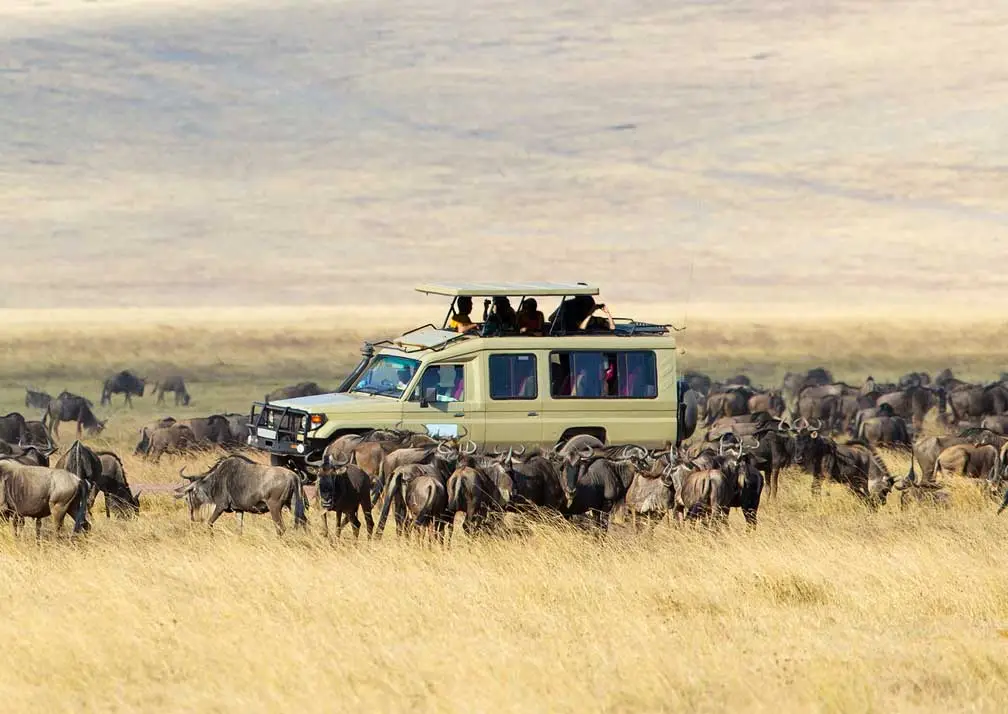
Great Migration Safaris
Experience one of nature's greatest spectacles with our Great Migration safari packages, timed for river crossings or calving.
View Package →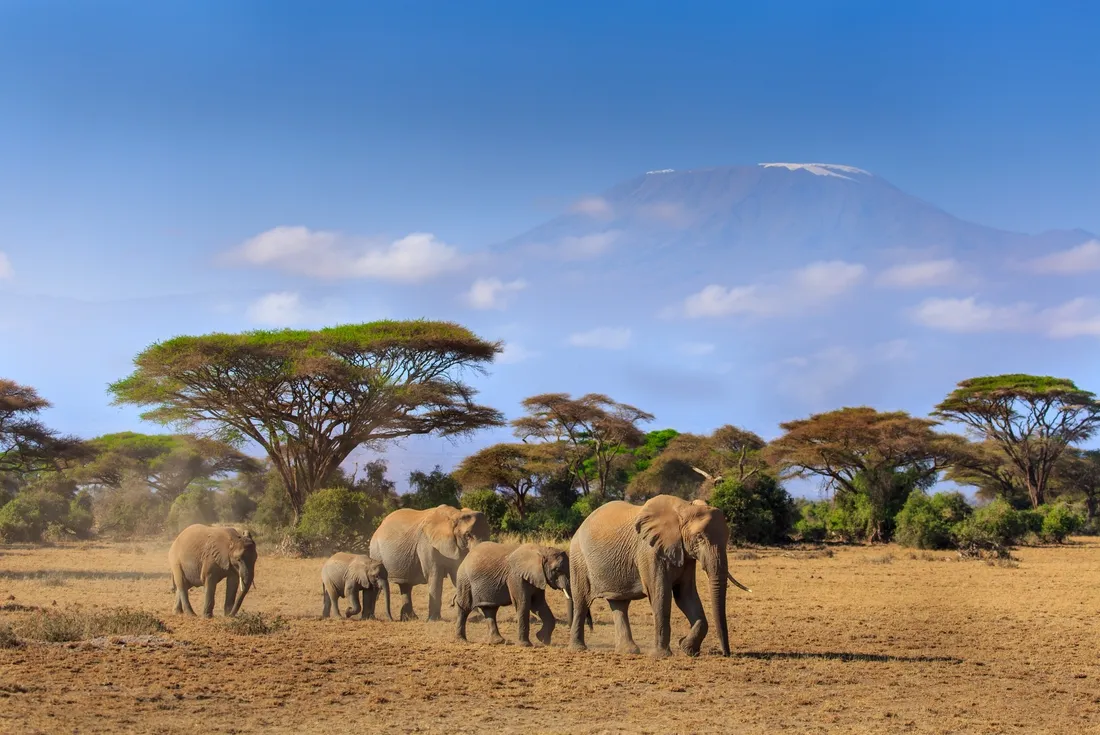
Serengeti & Kilimanjaro Trek
Combined safari and trekking tours offer wildlife adventures and Kilimanjaro climbs.
View Package →
Serengeti & Zanzibar Tours
Luxury Tanzania safari & beach packages with the Great Migration and pristine beaches.
View Package →Related: Best Time to Visit Tanzania 2026 – Perfect safari extension after your Hungary adventure.