
Most Complete Iceland Travel Guide 2026-2027 – Everything You Need to Know Before Visiting
This Iceland travel guide provides everything you need to plan your journey to the land of fire and ice. Iceland offers an extraordinary blend of glaciers, volcanoes, geothermal wonders, and dramatic coastlines that create one of Europe’s most surreal travel experiences. Many travelers who want to visit Iceland are surprised by the country’s incredible natural diversity and rich Viking heritage spanning ancient sagas, geothermal pools, and modern Nordic culture. The nation covers just over 103,000 square kilometers, offering visitors everything from black sand beaches to ice caves and the magical Northern Lights.
Start Reading the Full Guide ↓Quick Facts About Iceland
- Capital: Reykjavík.
- Currency: Icelandic Króna (ISK).
- Time Zone: Greenwich Mean Time (GMT, UTC+0).
- International Calling Code: +354.
- Driving Side: Right.
- Major Airport: Keflavík International Airport (KEF).
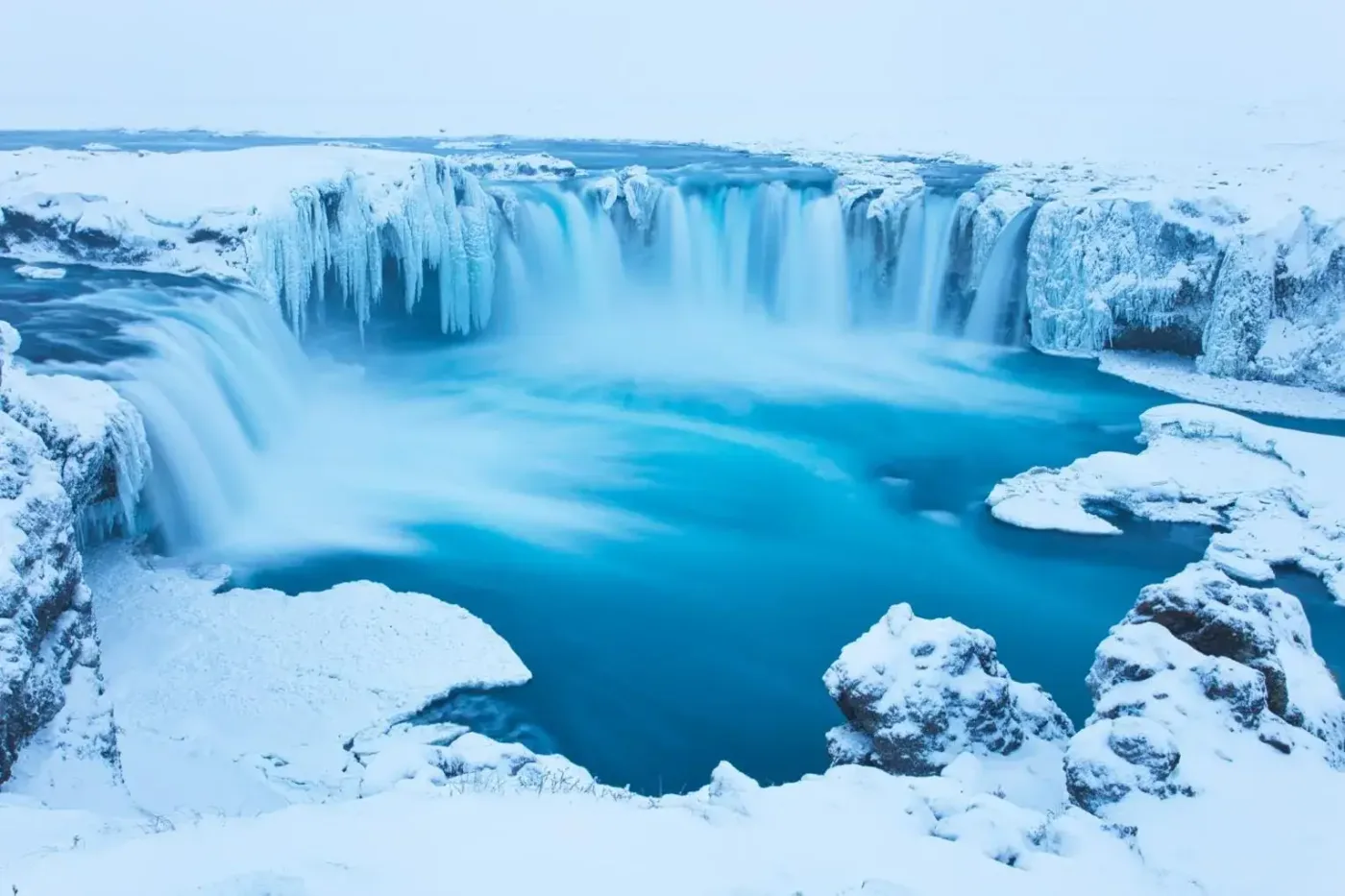
Iceland Overview & Key Facts
Brief History of Iceland
Iceland’s history begins with Norse settlers arriving around 870 AD, led by Ingólfur Arnarson who founded Reykjavík. The Icelandic sagas, written in the 13th century, remain some of the world’s greatest medieval literature. Iceland established the Alþingi parliament in 930 AD – the world’s oldest continuing parliament. Danish rule lasted until full independence in 1944. This rich historical tapestry creates a fascinating backdrop for modern travelers exploring Viking sites and cultural heritage.
Independence & National Identity
- Independence date: June 17, 1944.
- Former ruling power: Denmark.
- National symbols & identity.
Iceland peacefully achieved full independence from Denmark after a 1944 referendum. The national identity centers on language, literature, and a deep connection to nature. The flag’s blue represents the Atlantic Ocean, white for snow and ice, and red for volcanic fire.
Government System & Current Leadership
- Type of government: Unitary Parliamentary Republic
- Current president: Guðni Th. Jóhannesson (since 2016, re-elected 2020 & 2024)
- Notes on political stability
Iceland is one of the world’s most stable democracies with high transparency and low corruption. The president holds a largely ceremonial role while the Prime Minister leads the government.
Population, Ethnic Groups & Languages
- Population: 387,000 (2025 estimate).
- Major ethnic groups: Icelandic (91%), Polish (3%), other European.
- Official language: Icelandic.
- Additional languages commonly spoken.
English is spoken fluently by over 95% of the population, especially younger generations. Icelandic remains one of the closest languages to Old Norse.
Main Religions & Cultural Identity
Approximately 63% belong to the Evangelical Lutheran Church of Iceland, though religious observance is low. Secularism dominates daily life. The country ranks highest globally for gender equality and LGBTQ+ rights.
Geography & Natural Landscape
Iceland sits on the Mid-Atlantic Ridge where the North American and Eurasian plates meet, creating dramatic volcanic and geothermal activity. About 11% of the land is covered by glaciers, including Europe’s largest – Vatnajökull. Waterfalls, black sand beaches, geothermal pools, and lava fields dominate the landscape.
Economy & Tourism Highlights
Tourism is now Iceland’s largest industry, surpassing fishing and aluminum production. Renewable energy (almost 100% geothermal/hydro) powers the country. Iceland consistently ranks among the happiest and safest nations on Earth.
What Iceland Is Known For
- Northern Lights (Aurora Borealis)
- Glaciers, volcanoes, and geothermal wonders
- Viking heritage and Icelandic sagas
Visa & Entry Requirements in Iceland
Iceland is part of the Schengen Area. Most visitors from Europe, North America, Australia, New Zealand, and many other countries enjoy visa-free entry for up to 90 days within a 180-day period.
Do You Need a Visa?
No visa required for stays up to 90 days for citizens of the EU/EEA, USA, Canada, UK, Australia, New Zealand, Japan, South Korea, and many Latin American and Asian countries. Check the official Icelandic Directorate of Immigration website for your nationality.
Visa Application Options in Iceland
- Visa-free entry for eligible nationalities
- Schengen visa if required (apply at any Schengen country embassy)
- ETIAS registration starts 2026 (online authorization, €7)
Passport Validity & Entry Documents
Passport must be valid for at least 3 months beyond intended departure from Schengen area and issued within the last 10 years. Proof of onward travel and sufficient funds may be requested.
Customs Rules & Prohibited Items
Standard EU customs rules apply. Alcohol and tobacco limits are strict. Meat and dairy products from outside EEA are prohibited. Declare amounts over €10,000.
Safety & Security Information in Iceland
Iceland has been ranked the world’s safest country for over 15 years (Global Peace Index). Violent crime is virtually nonexistent.
Is Iceland Safe for Tourists?
Extremely safe. The biggest dangers are natural: sudden weather changes, glacier hazards, powerful waves on beaches, and road conditions outside summer.
Recommended Safety Tips when in Iceland
Check www.safetravel.is daily, never go off marked paths near waterfalls or cliffs, respect barriers, don’t stop in the middle of roads for photos, and always tell someone your itinerary when hiking.
Safe Areas vs. Areas to Avoid in Iceland
The entire country is safe. Only the deep interior highlands (F-roads) are challenging and require 4x4 vehicles and experience.
Emergency Numbers & Tourist Police in Iceland
- Emergency (police, fire, ambulance): 112
- SAR (Search & Rescue): 112 or +354 570 2118
ICE-SAR volunteers are world-class and free of charge.
Health Requirements & Vaccinations in Iceland
No special vaccinations required. Healthcare is excellent and free at point of use for EEA citizens with EHIC; others need travel insurance.
Mandatory Vaccinations in Iceland
None.
Recommended Vaccinations in Iceland
Routine vaccines only. No malaria, no special risks.
Malaria & Other Risks
No mosquito-borne diseases. Main risks are hypothermia and accidents in nature.
Travel Insurance Recommendations in Iceland
Essential. Must cover medical evacuation, search & rescue (can cost $20,000+), and trip cancellation. Car rental insurance is also critical.
Best Time to Visit in Iceland
Two distinct seasons: winter (Sep–Apr) for Northern Lights and ice caves; summer (Jun–Aug) for midnight sun and accessible highlands.
Weather by Season
Winter: -5 to +5°C, frequent snow and wind. Summer: 10–15°C average, up to 20–25°C on sunny days.
When to Visit Iceland for Best Experiences
- Northern Lights: September–March
- Puffins: mid-May to mid-August
- Ring Road & Highlands: June–August
- Ice caves: mid-November to March
High Season vs. Low Season Travel
High season: June–August (expensive, crowded). Shoulder seasons (May & Sep) offer best value and weather compromise.
Weather & Climate Overview in Iceland
Subarctic oceanic climate. Weather changes every 15 minutes. “If you don’t like the weather, wait five minutes.”
Temperature Ranges
Reykjavík averages 0°C in January, 14°C in July. Highlands can be 10–15°C colder.
Rainy & Dry Seasons in Iceland
Rain possible any day. South coast wetter; north slightly drier.
What to Wear Based on the Weather
Waterproof jacket and pants, fleece mid-layer, thermal base layers, wool hat, gloves, sturdy waterproof hiking boots, swimwear for hot springs.
Main Currency, Costs & Budgeting in Iceland
Iceland is expensive, but you can reduce costs significantly with planning.
Local Currency Information
Icelandic Króna (ISK). Coins rarely used – cards accepted everywhere, even public toilets.
Average Travel Costs in Iceland
Budget: $120–180/day (camping, supermarkets). Mid-range: $250–400/day (guesthouses, restaurants). Luxury: $500+/day.
Using ATMs, Cards & Mobile Money in Iceland
Cards accepted virtually everywhere. ATMs plentiful. No need for cash.
Tipping Guidelines in Iceland
Not expected or customary. Service included.
Transportation & Getting Around in Iceland
Ring Road (Route 1) circles the country. Most visitors rent a car for freedom.
Airport Transfers
Flybuss or Gray Line airport shuttles to Reykjavík. Private transfers and car rental at KEF.
Local Transport Options in Iceland
Reykjavík has excellent buses. Elsewhere public transport is limited – car rental is recommended.
Iceland Domestic Flights
Icelandair and Eagle Air connect Reykjavík to Akureyri, Egilsstaðir, and Westfjords.
Car Rentals & Road Conditions in Iceland
4x4 required for F-roads (highlands). Gravel roads common. Strong winds can flip cars – check wind forecast.
Accommodation Options available in Iceland
From campsites to luxury hotels and unique glass igloos.
Types of Accommodations in Iceland
Hotels, guesthouses, hostels, Airbnb, farms, campsites, mountain huts, glass domes for Northern Lights.
Budget vs. Mid-Range vs. Luxury
Budget: $30–80/night (camping/hostels). Mid-range: $150–300/night. Luxury: $400–1,500+/night.
Best Areas to Stay in Iceland
Reykjavík for city base. South Coast (Vík, Höfn) for glacier lagoons. North (Akureyri, Mývatn) for quieter experience.
Essential Packing Guide when Visiting Iceland
Layering and waterproof gear are non-negotiable.
Clothing Essentials
Waterproof jacket & pants, fleece, thermal layers, wool socks, hat, gloves, swimsuit, quick-dry towel.
Footwear & Gear
Waterproof hiking boots with ankle support. Crampons/microspikes in winter. Reusable water bottle (tap water is excellent).
Electronics & Cameras
European plugs (type C/F), 230V. Power bank essential. Tripod for Northern Lights photography.
Toiletries & Personal Items
Sunscreen (yes, even in winter), lip balm with SPF, reusable shopping bag.
Language & Communication in Iceland
English fluency is near 100% in tourism and among younger generations.
Main Languages Spoken in Iceland
Icelandic (official), English (widely spoken).
Useful Phrases for Tourists
“Takk” (thank you), “Góðan daginn” (good day), “Já/Nei” (yes/no).
SIM Cards & Mobile Data used in Iceland
Síminn, Vodafone, Nova at airport or gas stations. Excellent 4G/5G coverage except deep highlands.
Internet Availability & Wi-Fi in Iceland
Free Wi-Fi in almost every café, hotel, and even some buses.
Culture & Etiquette in Iceland
Casual, egalitarian society with strong environmental values.
Icelandic Dress Code Expectations
No dress code. Practical outdoor clothing everywhere – even in restaurants.
Social Etiquette & Respectful Behavior of Iceland
Remove shoes indoors. Be on time. Don’t ask people how much they earn (taboo).
Photography Rules in Iceland
Generally allowed. Ask permission when photographing people up close.
Important Cultural Dos & Don’ts in Iceland
Do respect nature and stay on paths. Don’t buy bottled water (tap is better). Don’t call the country “Icelandic” – people are Icelandic, country is Iceland.
Food, Water & Dining in Iceland
Excellent seafood, lamb, and skyr. Tap water is among the purest in the world.
Icelandic Local Dishes to Try
Lamb soup, fresh fish, skyr, Icelandic hot dogs, rye ice cream, fermented shark (for the brave).
Dietary Options in Iceland
Excellent vegetarian/vegan options in Reykjavík and growing elsewhere. Gluten-free widely available.
Drinking Water Safety
Best tap water on Earth – drink freely.
Restaurant Etiquette
No tipping. Water served free. Reservations recommended in Reykjavík.
Top Attractions & Things to Do in Iceland
Golden Circle, South Coast, Ring Road, and Northern Lights dominate most itineraries.
Major Tourist Attractions in Iceland
- Golden Circle (Þingvellir, Geysir, Gullfoss)
- Jökulsárlón glacier lagoon
- Reykjavík & Hallgrímskirkja
- Blue Lagoon & other geothermal spas
Best Tours & Experiences in Iceland
Northern Lights hunts, glacier hiking, ice cave tours, whale watching, snorkeling Silfra fissure, inside-the-volcano tours.
Family-Friendly Activities to do in Iceland
Whale watching, geothermal pools, horse riding, puffin tours, Viking museums.
Unique Cultural or Historical Sites to visit in Iceland
Þingvellir (world’s oldest parliament), Settlement Exhibition in Reykjavík, turf houses, Saga museums.
Icelandic Electrical System Information
230V, 50Hz, European plugs (type C & F).
Plug Types & Voltage used in Iceland
Type C (Europlug) and Type F (Schuko). Most devices with Type C work in Type F sockets.
Charging Tips
Bring a Type C/F adapter. Power reliable everywhere.
Local Laws & Regulations of Iceland
Very few restrictions but strong nature protection laws.
Rules Travelers Need to Know when In Iceland
Stay on marked paths, never drive off-road, respect private land, no drones near airports or without permission.
Alcohol, Smoking & Substance Laws of Iceland
Alcohol only in state stores or licensed venues (expensive). Smoking indoors prohibited. Cannabis illegal.
Restricted or Protected Areas in Iceland
Highlands require 4x4 in summer. Many nature reserves have strict rules.
Final Travel Tips for Visitors in Iceland
Book everything in advance in summer. Download the 112 Iceland app. Check road.is and vedur.is daily.
Common Mistakes to Avoid
Underestimating weather, driving off-road, not booking accommodation ahead, trying to “wing” the Ring Road without planning.
Tips to Save Money when Visiting Iceland
Shop at Bónus/Krónan supermarkets, camp or stay in hostels, travel in shoulder season, fly Wow Air or Play, bring reusable bottle and lunch.
Safety & Comfort Tips
Never risk your life for a photo. Tell someone your plans when hiking. Trust locals – they know the weather.
Frequently Asked Questions – Iceland Travel Guide 2026-2027
Our Tanzania Tours Products
While Iceland offers dramatic landscapes and Northern Lights magic, many travelers combine the land of fire and ice with the ultimate African wildlife adventure. Capable Africa Tours specializes in secure, guided safaris that maximize safety and wonder. Our expert local guides, armed rangers in parks, and vetted accommodations ensure peace of mind. From family-friendly lodges to luxury camps, we handle logistics so you focus on the magic. Tanzania ranks high for tourist safety with dedicated wildlife protection units and stable northern circuits.
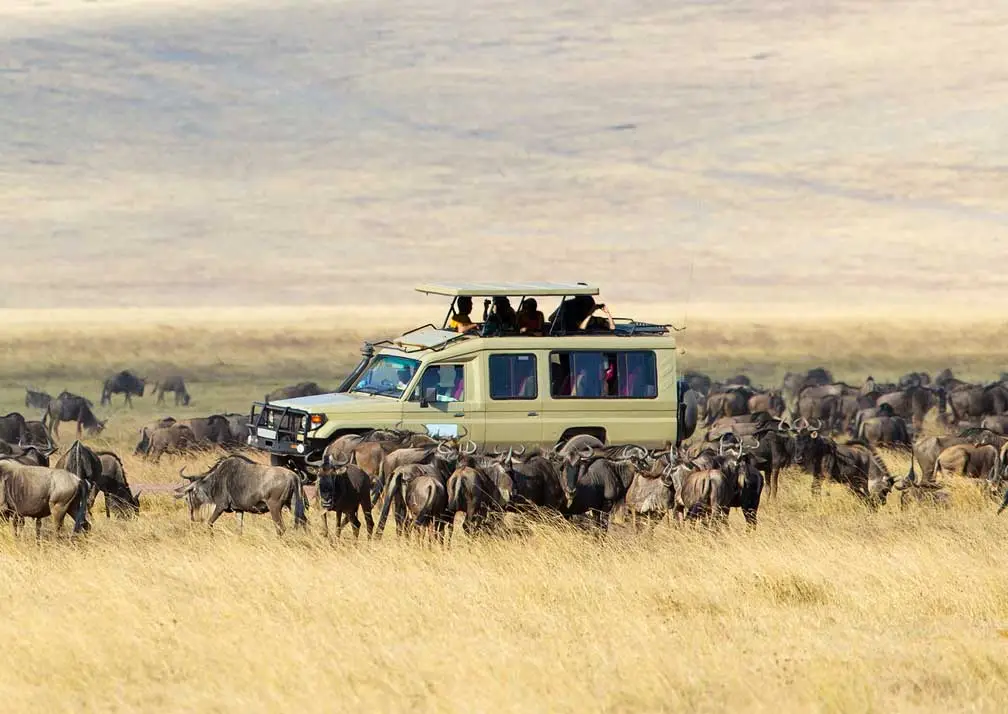
Great Migration Safaris
Experience one of nature's greatest spectacles with our Great Migration safari packages, timed for river crossings or calving.
View Package →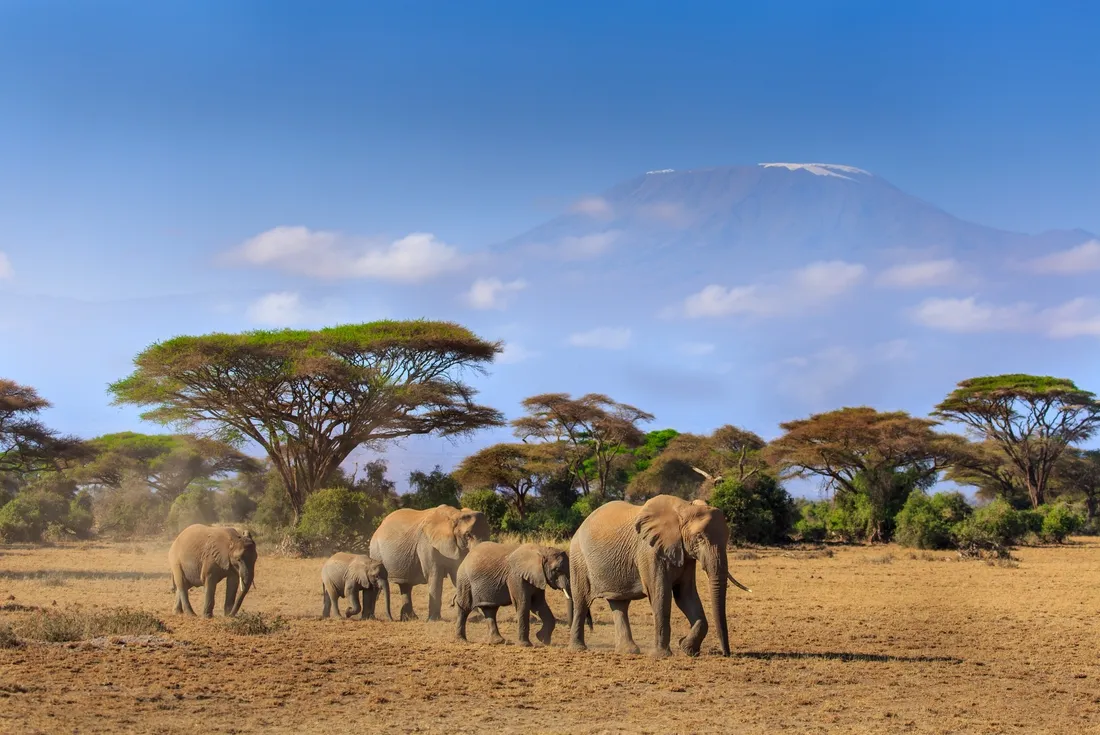
Serengeti & Kilimanjaro Trek
Combined safari and trekking tours offer wildlife adventures and Kilimanjaro climbs.
View Package →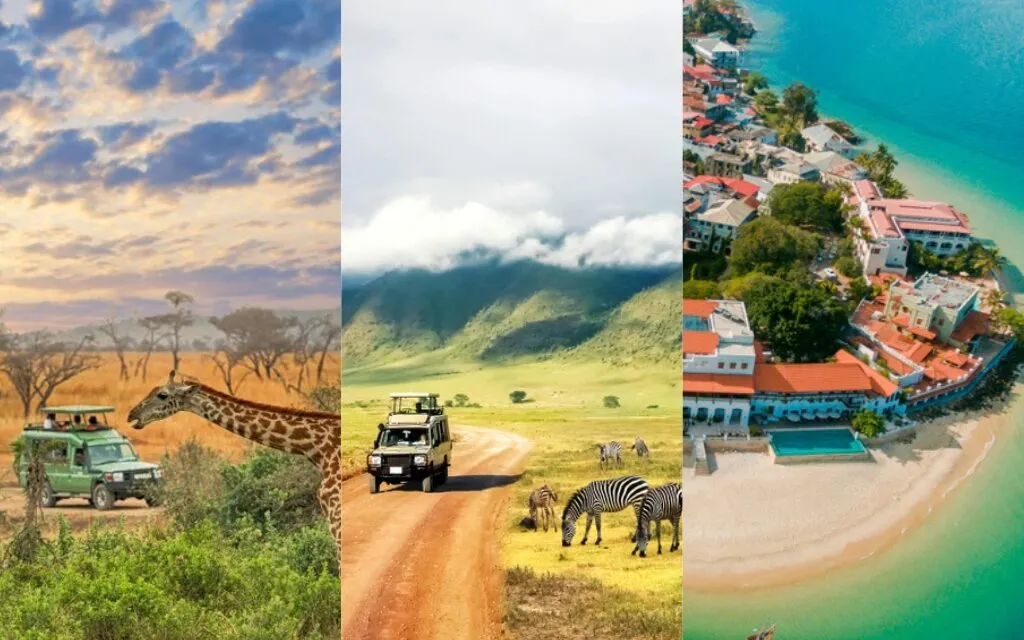
Serengeti & Zanzibar Tours
Luxury Tanzania safari & beach packages with the Great Migration and pristine beaches.
View Package →Related: Best Time to Visit Tanzania 2026 – Perfect safari extension after your Iceland adventure.