Most Complete India Travel Guide 2026-2027 – Everything You Need to Know Before Visiting
This India travel guide provides everything you need to plan your journey to one of the world’s most diverse and captivating destinations. India offers an extraordinary blend of ancient temples, Himalayan peaks, tropical beaches, desert palaces, and bustling megacities that create one of the planet's most varied travel experiences. Many travelers who want to travel to India are surprised by the country's incredible diversity and rich cultural heritage spanning thousands of years of history, spirituality, and traditions. The nation covers over 3.28 million square kilometers, making it the seventh-largest country globally, offering visitors everything from snow-capped mountains to golden beaches and vibrant festivals.
Start Reading the Full Guide ↓Quick Facts About India
- Capital: New Delhi.
- Currency: Indian Rupee (INR).
- Time Zone: Indian Standard Time (IST, UTC+5:30).
- International Calling Code: +91.
- Driving Side: Left.
- Major Airports: Indira Gandhi International (Delhi), Chhatrapati Shivaji (Mumbai), Kempegowda (Bangalore).
India Overview & Key Facts
Brief History of India
India's history spans over 5,000 years, from the ancient Indus Valley Civilization through powerful empires like Maurya, Gupta, Mughal and British colonial rule. The land witnessed the birth of Hinduism, Buddhism, Jainism and Sikhism, and was a global center of trade, science and philosophy. British rule lasted nearly 200 years until independence in 1947, followed by partition into India and Pakistan. This rich historical tapestry creates a fascinating backdrop for modern travelers exploring the country's architectural wonders and cultural sites.
Independence & National Identity
- Independence date: August 15, 1947.
- Former colonial power: United Kingdom.
- National symbols & identity.
India gained independence after a non-violent freedom struggle led by Mahatma Gandhi. The national flag features saffron, white and green with the Ashoka Chakra, symbolizing courage, peace and truth. The country is the world’s largest democracy and a secular republic celebrating “Unity in Diversity”.
Government System & Current Leadership
- Type of government: Federal Parliamentary Republic
- Current president: Droupadi Murmu
- Current prime minister: Narendra Modi
India operates as the world’s largest democracy with a strong federal structure of 28 states and 8 union territories. The country enjoys political stability with regular democratic elections.
Population, Ethnic Groups & Languages
- Population: 1.44 billion (2025 estimate).
- Major ethnic groups: Indo-Aryan (72%), Dravidian (25%), others.
- Official language(s): Hindi and English; 22 scheduled languages.
- Additional languages commonly spoken.
India recognizes 22 official languages in its constitution. English is widely used in business, education and government. Regional languages dominate daily life.
Main Religions & Cultural Identity
Hinduism (79.8%), Islam (14.2%), Christianity (2.3%), Sikhism (1.7%), Buddhism, Jainism and others. India is the birthplace of four major world religions and celebrates religious diversity with numerous festivals throughout the year.
Geography & Natural Landscape
India features dramatic geographical diversity: the Himalayan mountain range in the north, Thar Desert in the west, fertile Gangetic plains, Deccan Plateau, and tropical coastlines on three sides. Climate ranges from arctic conditions in the Himalayas to tropical in Kerala and arid in Rajasthan.
Economy & Tourism Highlights
India is the world’s fifth-largest economy and one of the fastest-growing, driven by IT, services, manufacturing and agriculture. Tourism is a major sector with over 10 million annual foreign visitors pre-pandemic, drawn to heritage sites, spirituality, wellness and adventure.
What India Is Known For
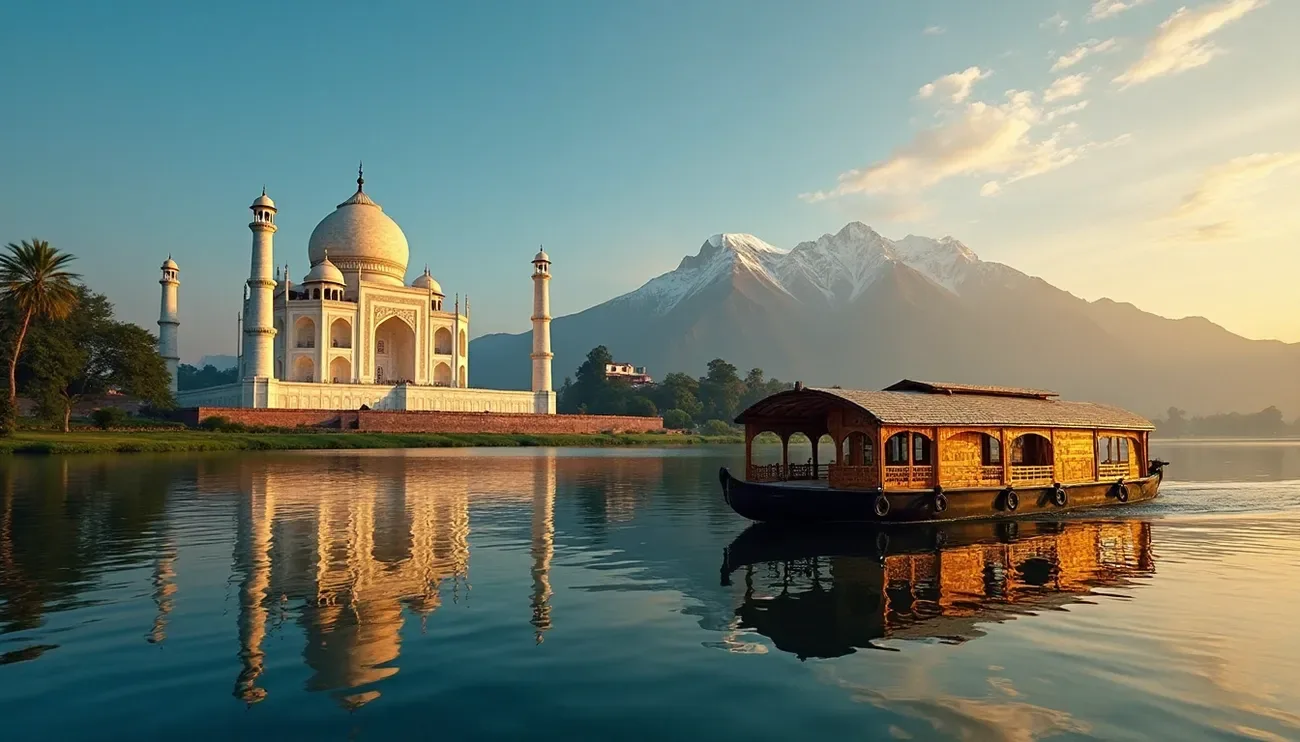
- Taj Mahal and 40+ UNESCO World Heritage sites
- Himalayan trekking and spiritual centers (Varanasi, Rishikesh)
- Rajasthan palaces, Kerala backwaters, Goa beaches
- Bollywood, diverse cuisine, yoga and Ayurveda
Visa & Entry Requirements in India
India offers one of the easiest visa systems in Asia with e-Visa available for most nationalities. The online e-Visa system introduced in 2014 has made entry straightforward for tourism, business and medical purposes.
Do You Need a Visa?
Most nationalities require a visa, but citizens of Nepal, Bhutan and Maldives enter visa-free. Japan, South Korea and UAE citizens get visa-on-arrival. Everyone else can apply for e-Visa online.
Visa Application Options in India
- e-Visa (30-day, 1-year, 5-year) – online application
- Regular visa through Indian embassies
- Visa on Arrival for eligible countries
The e-Visa is processed within 72 hours and sent by email. Apply at least 4 days before arrival.
Passport Validity & Entry Documents
Passport must be valid for 6 months with at least 2 blank pages. e-Visa holders must enter through 30 designated airports or 5 seaports.
Customs Rules & Prohibited Items
Satellite phones, more than INR 25,000 cash, and certain antiquities require declaration. Alcohol and tobacco have duty limits.
Safety & Security Information in India
India is generally safe for tourists in popular areas. Most visits are trouble-free. Exercise normal precautions, especially regarding petty theft and scams in crowded places.
Is India Safe for Tourists?
Yes – millions of tourists visit safely every year. Tourist circuits (Golden Triangle, Rajasthan, Kerala, Goa, Himachal, Ladakh) are very safe. Avoid border areas with Pakistan and certain northeastern states.
Recommended Safety Tips when in India
Use registered taxis/pre-paid apps (Uber/Ola), don’t accept food/drinks from strangers on trains, keep valuables in hotel safe, dress modestly outside resorts, and share itinerary with family.
Safe Areas vs. Areas to Avoid in India
Safe: Delhi, Agra, Jaipur, Mumbai, Goa, Kerala, Rajasthan, Himachal, Ladakh, South India. Exercise caution in crowded markets and late-night solo travel in big cities.
Emergency Numbers & Tourist Police in India
- Police: 100 / 112
- Ambulance: 108
- Women’s helpline: 181 / 1091
- Tourist Police in major cities and sites
Health Requirements & Vaccinations in India
No mandatory vaccinations except Yellow Fever if arriving from affected countries. Standard travel vaccinations recommended.
Mandatory Vaccinations in India
Yellow Fever certificate required if coming from endemic countries.
Recommended Vaccinations in India
Hepatitis A, Typhoid, Tetanus, Hepatitis B, Rabies (for long stays/animal contact), Japanese Encephalitis (rural monsoon).
Malaria & Other Risks
Malaria risk in some rural areas below 2000m (not Delhi, Rajasthan cities, Himalayas). Dengue occurs nationwide. Use mosquito repellent, drink only bottled water.
Travel Insurance Recommendations in India
Highly recommended covering medical evacuation, hospital treatment and trip cancellation.
Best Time to Visit in India
October to March is peak season for most of India with pleasant weather (20–30°C). Different regions have different best times.
Weather by Season
Winter (Oct–Mar): cool and dry, perfect for most areas. Summer (Apr–Jun): hot (35–45°C), good for Himalayas. Monsoon (Jun–Sep): heavy rain, lush green, fewer crowds.
When to Visit India for Best Experiences
- Golden Triangle & Rajasthan: Oct–Mar
- Kerala backwaters: Dec–Feb
- Himalayas & Ladakh: May–Sep
- Goa beaches: Nov–Mar
High Season vs. Low Season Travel
High season (Oct–Mar): best weather, higher prices, crowds at Taj Mahal etc. Shoulder/low season (Apr–Sep): excellent deals, fewer tourists, lush landscapes during monsoon.
Weather & Climate Overview in India
India has almost every climate type: tropical, desert, alpine, monsoon-influenced. Temperatures range from -40°C in Himalayas to 50°C in Rajasthan summers.
Temperature Ranges
North India winter nights can drop to 0–5°C; summer days 40–45°C. South India stays 25–35°C year-round. Himalayas vary dramatically by altitude.
Rainy & Dry Seasons in India
Monsoon arrives June–September (heavy in west/south, moderate in north). Winter is driest and most comfortable for travel.
What to Wear Based on the Weather
Light cotton clothes for most of year, warm layers for north India winter and mountains, rain jacket for monsoon, modest clothing for temples and conservative areas.
Main Currency, Costs & Budgeting in India
India is one of the best-value destinations globally, offering luxury experiences at budget prices.
Local Currency Information
Indian Rupee (INR). ATMs abundant. Cards widely accepted in cities.
Average Travel Costs in India
Budget: $40–80/day (hostels, street food, trains). Mid-range: $90–180/day (3-4★ hotels, private driver). Luxury: $250–600+/day (palace hotels, private guides).
Using ATMs, Cards & Mobile Money in India
ATMs everywhere (use bank-affiliated for lower fees). UPI (Google Pay/PhonePe) revolutionizing payments – foreigners can link international cards.
Tipping Guidelines in India
10% in restaurants if no service charge. Drivers/guides: ₹300–800/day. Hotel staff: ₹50–200 per service.
Transportation & Getting Around in India
India has every transport option imaginable – from luxury trains to budget flights and everything between.
Airport Transfers
Pre-paid taxis, Uber/Ola, airport metro (Delhi), private transfers.
Local Transport Options in India
Metro (Delhi, Mumbai, Bangalore), auto-rickshaws, cycle-rickshaws, app taxis, buses.
India Domestic Flights
Excellent network (IndiGo, Air India, Vistara) with fares often cheaper than trains for long distances.
Car Rentals & Road Conditions in India
Self-drive possible but stressful; most tourists hire car + driver (₹2500–4500/day).
Accommodation Options available in India
From $5 hostels to $1000/night palace hotels – India has it all.
Types of Accommodations in India
Heritage havelis/palaces, houseboats (Kerala), homestays, luxury camps (Rajasthan), beach huts (Goa), Himalayan retreats.
Budget vs. Mid-Range vs. Luxury
Budget ($10–40), mid-range ($50–150), luxury ($200–1000+). Exceptional value at every level.
Best Areas to Stay in India
Varies by city – South Delhi, Colaba (Mumbai), Fort Kochi, Udaipur lakeside, etc.
Essential Packing Guide when Visiting India
Pack light, modest, breathable clothing. Power bank, universal adapter (Type C/D), medicines, mosquito repellent, sunscreen, hand sanitizer.
Clothing Essentials
Cotton kurtas, scarves (for women to cover head/shoulders at religious sites), comfortable walking shoes, flip-flops, light jacket for AC trains and northern winter.
Footwear & Gear
Remove shoes at temples/homes – easy slip-ons helpful. Walking sandals for cities.
Electronics & Cameras
India uses 230V, 50Hz, plugs C/D/M. Power banks essential.
Toiletries & Personal Items
Toilet paper, wet wipes, menstrual products, prescription meds (with prescription copy).
Language & Communication in India
English widely spoken in tourism, business and urban areas. Hindi dominant in north.
Main Languages Spoken in India
Hindi, English + 21 other official languages. English sufficient almost everywhere tourists go.
Useful Phrases for Tourists
Namaste (hello), Dhanyavaad (thank you), Kitna hai? (how much?), Theek hai (OK).
SIM Cards & Mobile Data used in India
Jio, Airtel, Vi – cheap data plans from airport kiosks. eSIM available.
Internet Availability & Wi-Fi in India
Wi-Fi in hotels/cafes; 4G/5G coverage excellent in cities, patchy in remote Himalayas/desert.
Culture & Etiquette in India
India has layered cultural norms – respect for elders, religious sensitivity, hospitality.
Indian Dress Code Expectations
Modest dress outside beaches/resorts. Cover shoulders and knees at religious sites. Remove shoes before entering temples/homes.
Social Etiquette & Respectful Behavior of India
Use right hand for eating/giving, greet with Namaste, ask permission before photographing people, especially women.
Photography Rules in India
No photos inside some temples; drone regulations strict.
Important Cultural Dos & Don’ts in India
Do: remove shoes, accept offered tea, bargain politely. Don’t: public displays of affection, point feet at people, touch someone’s head.
Food, Water & Dining in India
Indian cuisine is incredibly diverse and flavorful – vegetarian heaven.
Indian Local Dishes to Try
Butter chicken, dosa, biryani, paneer tikka, chaat, thali meals, street food (pani puri, vada pav).
Dietary Options in India
Vegetarian food abundant and delicious. Jain options available. Non-veg widely available.
Drinking Water Safety
Drink only bottled or filtered water. Avoid ice unless at reputable places.
Restaurant Etiquette
Eat with right hand (if no cutlery), tipping 5–10% common.
Top Attractions & Things to Do in India
From the iconic Taj Mahal to Himalayan treks and Kerala houseboats, India offers endless experiences.
Major Tourist Attractions in India
- Taj Mahal (UNESCO)
- Jaipur & Rajasthan palaces
- Varanasi ghats
- Kerala backwaters & Goa beaches
Best Tours & Experiences in India
Golden Triangle, Rajasthan camel safaris, Himalayan treks, Kerala houseboat cruises, food tours, yoga retreats.
Family-Friendly Activities to do in India
Goa beaches, Ranthambore tiger safaris, Jaipur elephant rides, Kerala houseboats, Delhi museums.
Unique Cultural or Historical Sites to visit in India
Hampi ruins, Ajanta-Ellora caves, Khajuraho temples, Leh Palace, Wagah border ceremony.
Indian Electrical System Information
230V, 50Hz, plug types C, D, M. Universal adapters recommended.
Plug Types & Voltage used in India
Types C (European), D (old British), M (similar to D). Most hotels have universal sockets.
Charging Tips
Power banks essential for trains and rural areas.
Local Laws & Regulations of India
Respect for religious sentiments, no beef in many states, alcohol restrictions in some (Gujarat dry state), drone rules strict.
Rules Travelers Need to Know when In India
No photography at airports/military areas, respect temple dress codes, no tobacco near public places.
Alcohol, Smoking & Substance Laws of India
Legal drinking age 18–25 depending on state. Cannabis illegal despite cultural use in some contexts.
Restricted or Protected Areas in India.
Some northeastern states, Ladakh near borders, Andaman tribal areas require permits.
Final Travel Tips for Visitors in India
Be flexible, embrace the chaos, bargain politely, drink only bottled water, carry toilet paper, download offline maps.
Common Mistakes to Avoid
Over-planning, trying to see everything in one trip, drinking tap water, not bargaining, wearing shoes inside temples.
Tips to Save Money when Visiting India
Travel by train (2AC class), eat at local dhabas, stay in homestays, visit during shoulder season.
Safety & Comfort Tips
Use women-only carriages, share live location, keep digital copies of documents, carry hand sanitizer.
Frequently Asked Questions – India Travel Guide 2026-2027
Our Tanzania Tours Products
While India offers incredible temples, palaces and Himalayan adventures, many travelers combine the Indian subcontinent with the ultimate African wildlife experience. Capable Africa Tours specializes in secure, guided safaris that maximize safety and wonder. Our expert local guides, armed rangers in parks, and vetted accommodations ensure peace of mind. From family-friendly lodges to luxury camps, we handle logistics so you focus on the magic. Tanzania ranks high for tourist safety with dedicated wildlife protection units and stable northern circuits.
Great Migration Safaris
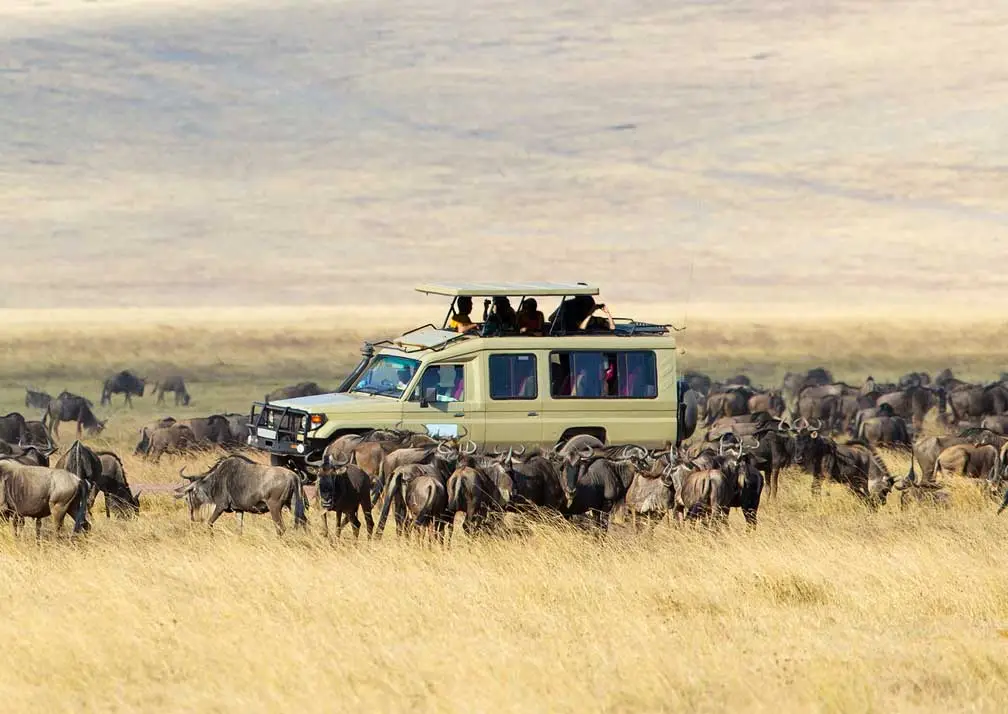
Experience one of nature's greatest spectacles with our Great Migration safari packages, timed for river crossings or calving.
View Package →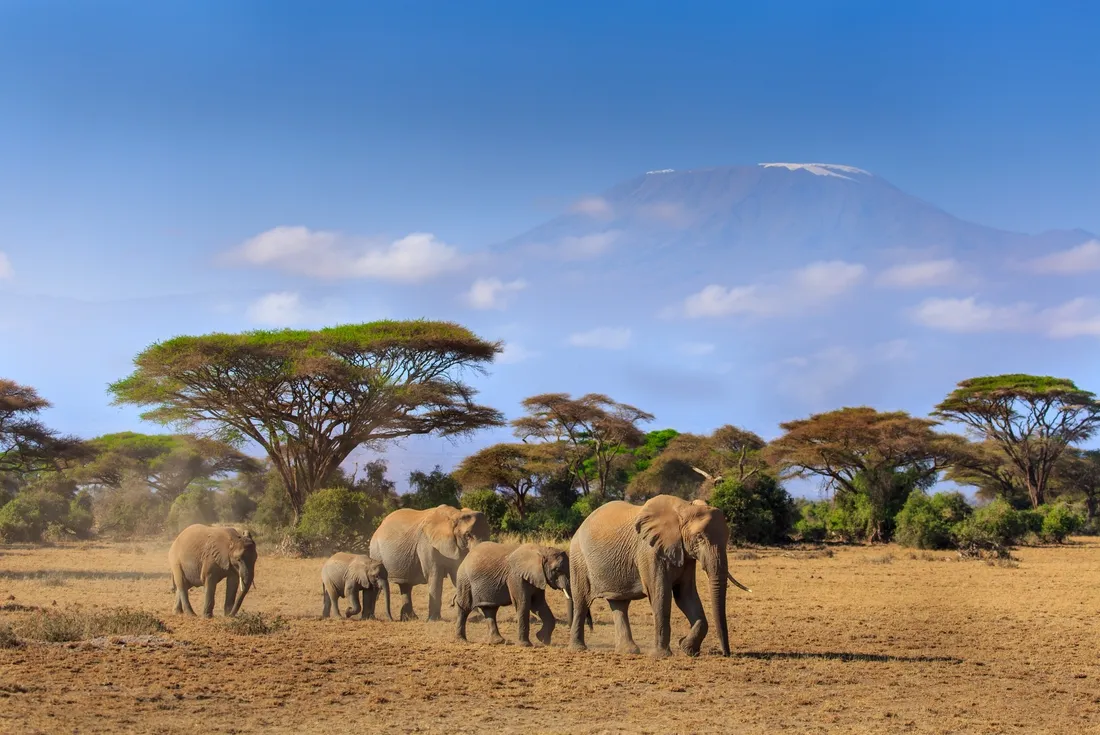
Serengeti & Kilimanjaro Trek
Combined safari and trekking tours offer wildlife adventures and Kilimanjaro climbs.
View Package →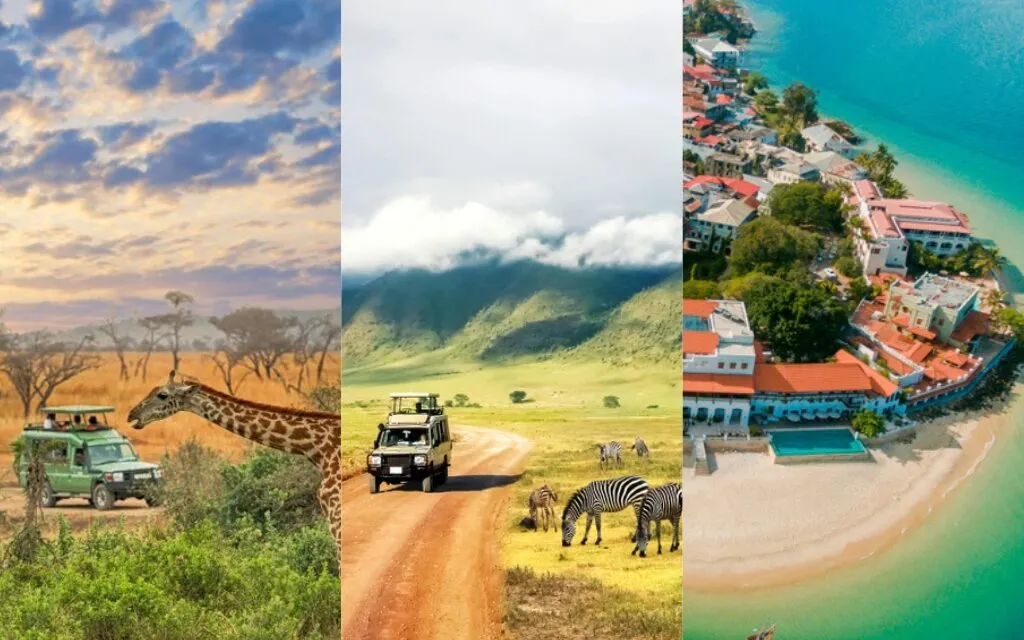
Serengeti & Zanzibar Tours
Luxury Tanzania safari & beach packages with the Great Migration and pristine beaches.
View Package →Related: Best Time to Visit Tanzania 2026 – Perfect safari extension after your India adventure.