
Most Complete Indonesia Travel Guide 2026-2027 – Everything You Need to Know Before Visiting
This Indonesia travel guide provides everything you need to plan your journey to the world's largest archipelago. Indonesia offers an extraordinary blend of thousands of tropical islands, active volcanoes, ancient temples, and vibrant cultures that create one of Southeast Asia's most diverse travel experiences. Many travelers who want to travel to Indonesia are surprised by the country's incredible diversity and rich cultural heritage spanning Hindu, Buddhist, Islamic, and indigenous traditions. The nation covers over 1.9 million square kilometers across more than 17,000 islands, making it not only the world's largest archipelago but also the fourth-most populous country, offering visitors everything from Bali's famous beaches to Komodo dragons, Borobudur temple, and untouched diving paradises.
Start Reading the Full Guide ↓Quick Facts About Indonesia
- Capital: Jakarta (moving to Nusantara in Borneo).
- Currency: Indonesian Rupiah (IDR).
- Time Zone: Three zones – Western (WIB, UTC+7), Central (WITA, UTC+8), Eastern (WIT, UTC+9).
- International Calling Code: +62.
- Driving Side: Left.
- Major Airports: Soekarno-Hatta (Jakarta), Ngurah Rai (Bali), Juanda (Surabaya), Kualanamu (Medan).
Indonesia Overview & Key Facts
Brief History of Indonesia
Indonesia's history spans millennia, from ancient Hindu-Buddhist kingdoms through Islamic sultanates to Dutch colonial rule. Powerful empires like Srivijaya (7th–13th century) and Majapahit (13th–16th century) dominated maritime trade, leaving magnificent temples such as Borobudur and Prambanan. The Dutch East India Company arrived in the 17th century, eventually colonizing the archipelago until Japanese occupation in WWII. This rich historical tapestry creates a fascinating backdrop for modern travelers exploring the country's archaeological treasures and cultural sites.
Independence & National Identity
- Independence date: August 17, 1945.
- Former colonial power: Netherlands.
- National symbols & identity.
Indonesia declared independence after Japanese surrender in 1945, fighting a four-year revolutionary war against the Dutch. The national motto “Bhinneka Tunggal Ika” (Unity in Diversity) reflects the country’s 700+ languages and hundreds of ethnic groups united under one nation. The red-and-white flag and Garuda Pancasila emblem symbolize the struggle and five principles of the republic.
Government System & Current Leadership
- Type of government: Presidential Republic
- Current president: Prabowo Subianto (inaugurated October 2024)
- Notes on political stability
Indonesia is the world’s third-largest democracy. The country has enjoyed relative political stability and consistent economic growth since the 1998 Reformasi period ended Suharto’s 31-year rule. Elections are peaceful and tourism areas remain unaffected by politics.
Population, Ethnic Groups & Languages
- Population: 280 million (2025 projection).
- Major ethnic groups: Javanese (40%), Sundanese (15%), Malay, Batak, Madurese, Betawi, etc.
- Official language(s): Bahasa Indonesia.
- Additional languages commonly spoken.
Over 700 indigenous languages are spoken. English is widespread in tourism areas, especially Bali, Jakarta, and Yogyakarta. Younger Indonesians increasingly speak English well.
Main Religions & Cultural Identity
Indonesia is the world’s largest Muslim-majority country (87%), yet officially recognizes six religions and maintains strong Hindu (Bali), Buddhist, Christian, and animist traditions. Pancasila requires belief in one God while guaranteeing religious freedom. Cultural identity varies dramatically between islands – Hindu Bali, Islamic Aceh and Java, Christian Papua, etc.
Geography & Natural Landscape
Indonesia straddles the equator across 17,508 islands (6,000 inhabited), featuring active volcanoes, coral reefs, rainforests, and mountain ranges. Java is the most densely populated island; Sumatra and Borneo hold vast rainforests; Papua has rugged mountains and tribes; Sulawesi and the Lesser Sundas offer dramatic landscapes.
Economy & Tourism Highlights
Tourism is a major pillar (especially Bali, which receives ~7 million visitors annually). The government targets 14 million foreign arrivals by 2026 with “10 New Balis” development strategy. Digital nomad visas and improved infrastructure are making longer stays easier.
What Indonesia Is Known For
- UNESCO sites: Borobudur, Prambanan, Komodo National Park, Cultural Landscape of Bali
- World-class diving (Raja Ampat, Komodo, Bunaken)
- Komodo dragons – only place on earth
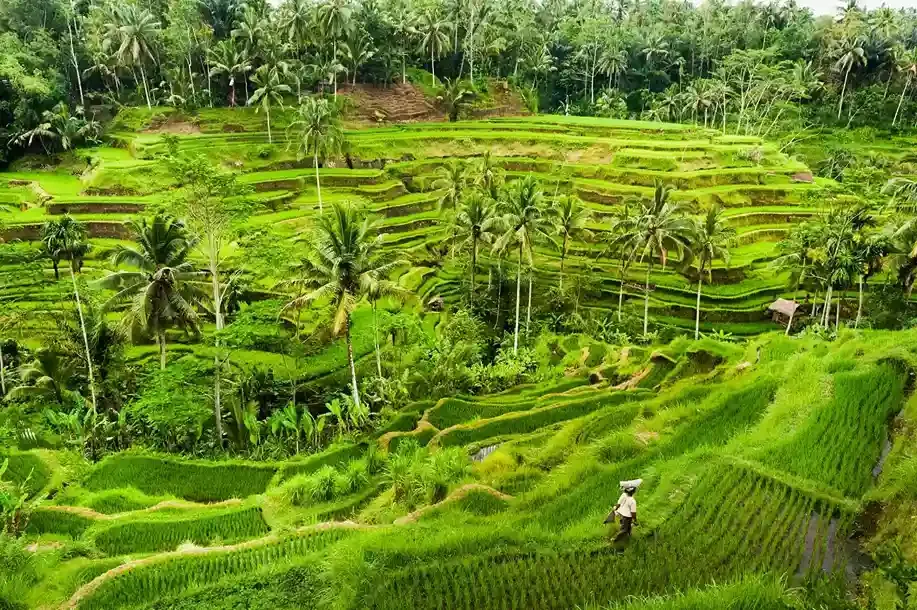
- Bali – beaches, rice terraces, wellness culture
Visa & Entry Requirements in Indonesia
Most international visitors can enter Indonesia visa-free or with simple Visa on Arrival/e-Visa. Rules change frequently, so always check the latest policy before travel.
Do You Need a Visa?
As of 2025, 169 countries enjoy 30-day visa-free entry for tourism. Most others qualify for Visa on Arrival (VoA) or e-Visa (B211A) valid 30 days + 30-day extension.
Visa Application Options in Indonesia
- Visa-free (169 countries – 30 days non-extendable)
- Visa on Arrival (VoA) – USD 35, 30+30 days
- e-Visa online before arrival
- Digital Nomad / Second Home Visa (5–10 years)
Passport Validity & Entry Documents
Passport must have 6+ months validity and at least 2 blank pages. Return/onward ticket often checked (especially for visa-free entry).
Customs Rules & Prohibited Items
Strict drug laws – death penalty possible. Limit of 200 cigarettes, 1L alcohol. Cash over IDR 100 million must be declared.
Safety & Security Information in Indonesia
Tourist areas are very safe. Petty theft and scams are the main concerns. Natural disasters (earthquakes, volcanoes, tsunamis) are the biggest real risk.
Is Indonesia Safe for Tourists?
Yes – Bali, Lombok, Yogyakarta, Java cultural sites, and most resorts are extremely safe. Most governments rate Indonesia Level 1–2 (normal precautions).
Recommended Safety Tips when in Indonesia
Use ride-hailing apps (Grab, Gojek), don’t flash valuables, drink bottled water outside major hotels, use anti-theft bags on crowded transport.
Safe Areas vs. Areas to Avoid in Indonesia
Safe: Bali, Java (except some remote Papua), Lombok, Gili Islands, Flores/Komodo, Raja Ampat. Avoid: certain parts of Central Sulawesi and remote Papua without guides/permits.
Emergency Numbers & Tourist Police in Indonesia
- Police: 110
- Ambulance: 118
- Tourist Police Bali: +62 361 754599
Health Requirements & Vaccinations in Indonesia
No mandatory vaccinations except yellow fever if arriving from endemic countries. Dengue and rabies are the main concerns.
Mandatory Vaccinations in Indonesia
None except yellow fever certificate if coming from affected countries.
Recommended Vaccinations in Indonesia
Hepatitis A & B, Typhoid, Rabies (especially Bali), Japanese Encephalitis (rural areas), routine vaccines.
Malaria & Other Risks
Malaria risk in eastern islands (Papua, parts of Maluku, NTT). Dengue nationwide – use repellent day and night.
Travel Insurance Recommendations in Indonesia
Essential – must cover medical evacuation, scuba diving, motorbike riding (many policies exclude 50cc+ bikes).
Best Time to Visit in Indonesia
Dry season (April–October) is peak for most destinations. Some areas (Raja Ampat) are better in “wet” season.
Weather by Season
Dry season (May–Sep): sunny, 26–32°C. Wet season (Nov–Mar): frequent rain but still sunny periods, fewer crowds, lush landscapes.
When to Visit Indonesia for Best Experiences
- Surfing: May–September
- Diving Raja Ampat: October–April
- Komodo dragons: year-round (best Apr–Oct)
- Orangutans Borneo/Sumatra: June–September
Weather & Climate Overview in Indonesia
Equatorial climate – hot and humid year-round. Two main seasons: dry and wet.
Temperature Ranges
Coastal: 26–32°C year-round. Highlands (Bandung, Bali volcanoes): 18–25°C. Mountain treks can drop to 5–10°C at night.
Rainy & Dry Seasons in Indonesia
Dry: April–October. Wet: November–March (peak Dec–Feb). Bali & east of Java have opposite pattern to Sumatra.
What to Wear Based on the Weather
Light cotton clothing, flip-flops, rain jacket (wet season), modest attire for temples/villages, swimwear, reef-safe sunscreen.
Main Currency, Costs & Budgeting in Indonesia
Indonesia remains excellent value despite Bali price increases.
Local Currency Information
Indonesian Rupiah (IDR). Many zeros – 1 USD ≈ 15,500 IDR (2025).
Average Travel Costs in Indonesia
Budget: $40–70/day; mid-range $80–150; luxury Bali villas & liveaboards $300+.
Using ATMs, Cards & Mobile Money in Indonesia
ATMs everywhere. Cards accepted in cities & tourist areas. GoPay/OVO common.
Tipping Guidelines in Indonesia
Not expected but rounding up or 5–10% appreciated in tourist restaurants.
Transportation & Getting Around in Indonesia
Flights, ferries, private drivers, scooters, and ride-hailing apps are main options.
Airport Transfers
Grab/Gojek cheapest. Official airport taxis fixed price.
Local Transport Options in Indonesia
Grab & Gojek dominate. Scooter rental common (international license + helmet). Blue Bird taxis reliable.
Indonesia Domestic Flights
Garuda, Lion Air, Batik Air, Citilink. Book early for best prices.
Car Rentals & Road Conditions in Indonesia
Private driver with car cheaper and safer than self-drive outside Bali.
Accommodation Options available in Indonesia
From $10 hostels to $1,000+ private island villas.
Types of Accommodations in Indonesia
Homestays, hostels, boutique hotels, resorts, villas, liveaboard boats.
Budget vs. Mid-Range vs. Luxury
Budget $15–40; mid-range $50–150; luxury $200–1,000+ per night.
Best Areas to Stay in Indonesia
Bali: Canggu, Ubud, Uluwatu, Nusa Islands. Java: Yogyakarta city center. Lombok: Kuta & Senggigi. Flores: Labuan Bajo.
Essential Packing Guide when Visiting Indonesia
Light clothing, reef-safe sunscreen, power bank, universal adapter (type C/F), modest attire for temples, dry bag.
Language & Communication in Indonesia
Bahasa Indonesia is easy to learn basics. English widely spoken in tourism.
Useful Phrases for Tourists
Terima kasih (thank you), Berapa harganya? (how much?), Selamat pagi (good morning).
SIM Cards & Mobile Data used in Indonesia
Telkomsel best coverage. Buy at airport or convenience stores.
Culture & Etiquette in Indonesia
Smile culture. Remove shoes entering homes/temples. Use right hand for eating/giving.
Indonesian Dress Code Expectations
Modest dress for temples and mosques (sarong often provided). Beachwear only at beach.
Photography Rules in Indonesia
Ask permission before photographing people, especially in villages.
Food, Water & Dining in Indonesia
Amazing street food. Nasi goreng, satay, rendang, gado-gado.
Drinking Water Safety
Bottled water everywhere. Ice generally safe in tourist areas.
Top Attractions & Things to Do in Indonesia
- Borobudur & Prambanan temples
- Bali beaches & rice terraces
- Komodo National Park (dragons)
- Raja Ampat diving
- Mount Bromo sunrise
- Orangutans in Borneo/Sumatra
Indonesian Electrical System Information
230V, 50Hz, plug types C and F (European).
Local Laws & Regulations of Indonesia
Strict drug laws. No pornography. Respect religious customs.
Final Travel Tips for Visitors in Indonesia
Book domestic flights early. Use Grab/Gojek. Learn basic Bahasa phrases. Buy travel insurance that covers motorbikes.
Frequently Asked Questions – Indonesia Travel Guide 2026-2027
Our Tanzania Tours Products
While Indonesia offers incredible temples, beaches and dragons, many travelers combine Southeast Asia with the ultimate African wildlife experience. Capable Africa Tours specializes in secure, guided safaris that maximize safety and wonder. From the Great Migration to gorillas and Kilimanjaro climbs, we make your African dream seamless.
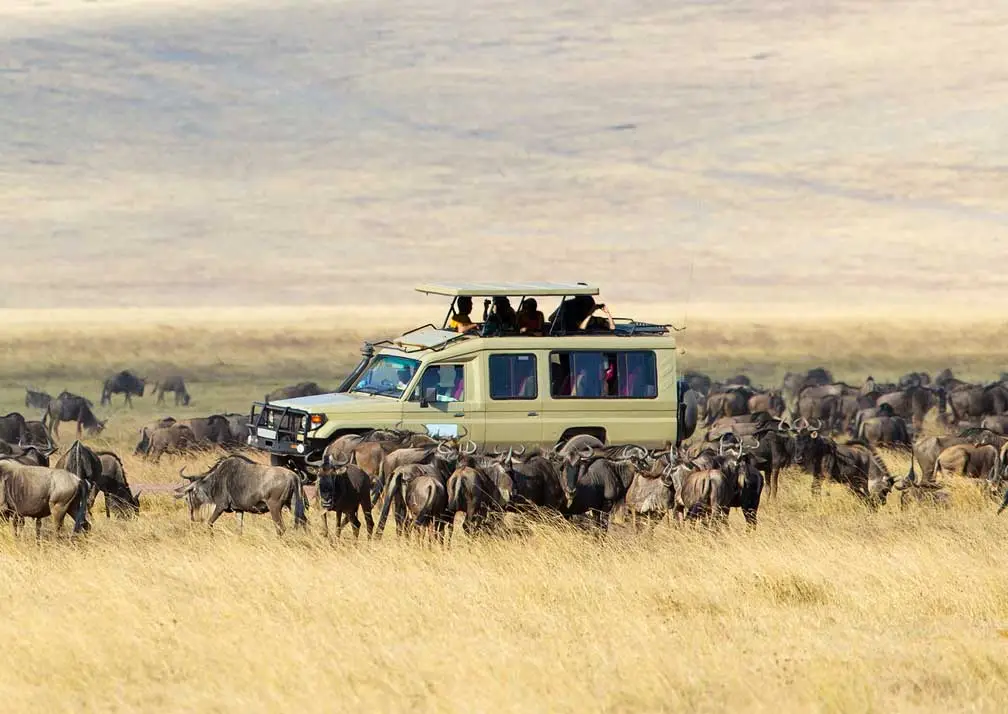
Great Migration Safaris
Experience one of nature's greatest spectacles with our Great Migration safari packages, timed for river crossings or calving.
View Package →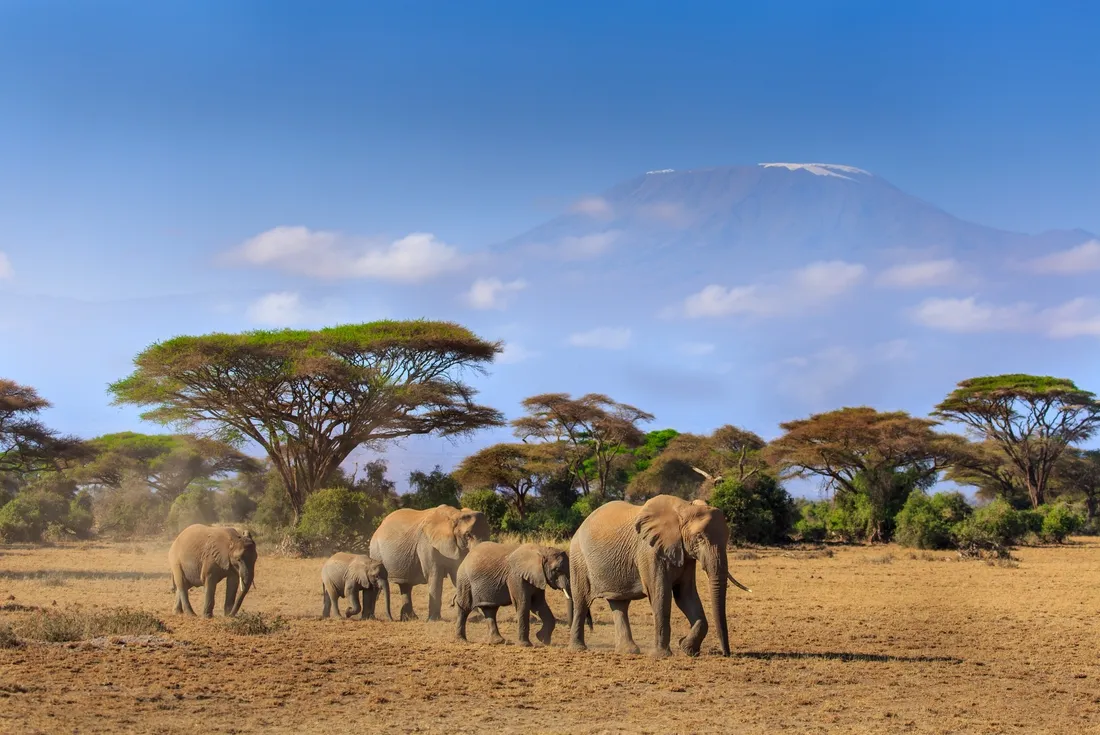
Serengeti & Kilimanjaro Trek
Combined safari and trekking tours offer wildlife adventures and Kilimanjaro climbs.
View Package →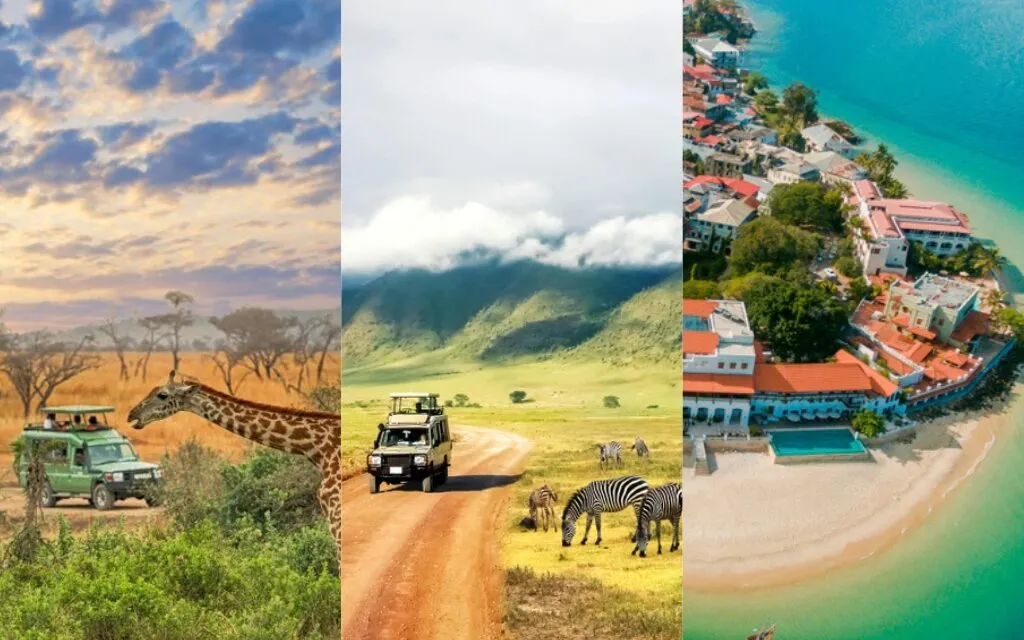
Serengeti & Zanzibar Tours
Luxury Tanzania safari & beach packages with the Great Migration and pristine beaches.
View Package →Related: Best Time to Visit Tanzania 2026 – Perfect safari extension after your Indonesia adventure.