
Most Complete Iran Travel Guide 2026-2027 – Everything You Need to Know Before Visiting
This Iran travel guide provides everything you need to plan your journey to one of the world’s oldest civilizations. Iran offers an extraordinary blend of ancient Persian heritage, stunning Islamic architecture, dramatic landscapes from deserts to snow-capped mountains, and legendary hospitality that consistently ranks among the warmest on earth. Many travelers who visit Iran are surprised by the country’s incredible diversity and rich cultural heritage spanning 5,000 years of history, poetry, art, and architecture. Covering 1.65 million square kilometers, Iran is the 17th-largest country globally, offering visitors everything from Persepolis and Isfahan’s turquoise mosques to Caspian forests, ski resorts, and nomadic tribal experiences.
Start Reading the Full Guide ↓Quick Facts About Iran
- Capital: Tehran.
- Currency: Iranian Rial (IRR) – prices quoted in Toman.
- Time Zone: Iran Standard Time (IRST, UTC+3:30).
- International Calling Code: +98.
- Driving Side: Right.
- Major Airports: Imam Khomeini International (Tehran), Shiraz, Isfahan, Mashhad.
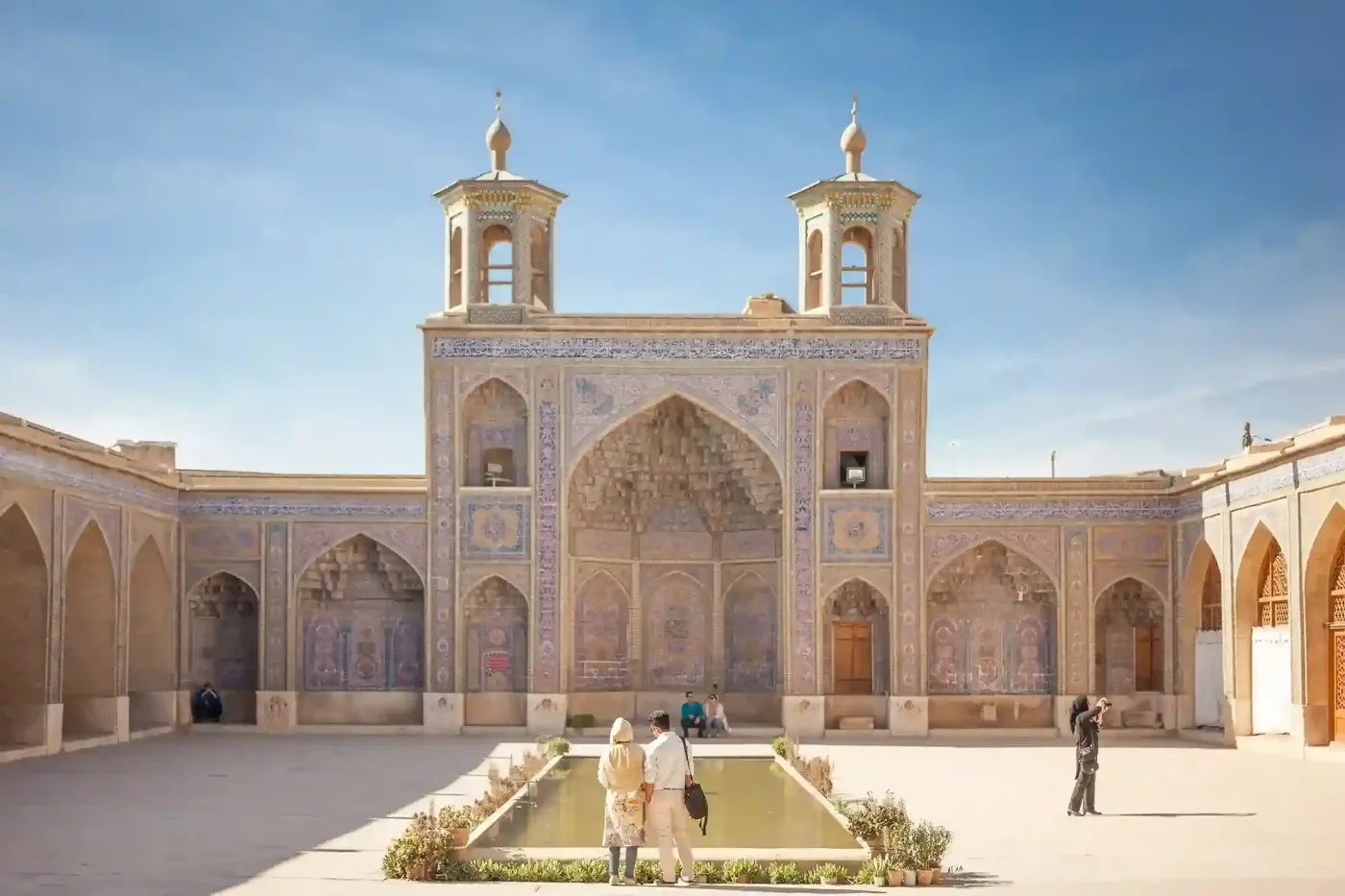
Iran Overview & Key Facts
Brief History of Iran
Iran’s history spans over 5,000 years, from the Elamite kingdoms and Achaemenid Empire founded by Cyrus the Great in 550 BCE through Alexander’s conquest, Parthian and Sassanian empires, Islamic Golden Age, Safavid dynasty, to the 1979 Islamic Revolution. The Persian Empire once stretched from Egypt to India, leaving magnificent ruins like Persepolis and a cultural legacy of poetry, science, and art that continues to shape modern Iranian identity.
Independence & National Identity
- Official name: Islamic Republic of Iran.
- 1979 Islamic Revolution date: February 11.
- National symbols & identity.
Iran has maintained independence for millennia, never colonized. The 1979 Revolution overthrew the Pahlavi monarchy and established the current Islamic Republic. National identity centers on Persian language, literature (Hafez, Saadi, Ferdowsi), Shia Islam, and pride in pre-Islamic heritage. The flag features green, white, and red stripes with the emblem of Allah and “Allahu Akbar” written 22 times, marking the revolution date in the Persian calendar.
Government System & Current Leadership
- Type of government: Islamic Republic with Supreme Leader.
- Supreme Leader: Ayatollah Ali Khamenei.
- Current president: Masoud Pezeshkian (since July 2024).
Iran operates as a theocratic republic with ultimate authority held by the Supreme Leader. The president is elected every four years. Travelers should avoid political discussions and photography of government or military sites.
Population, Ethnic Groups & Languages
- Population: 89.5 million (2025 estimate).
- Major ethnic groups: Persians (61%), Azeris (16%), Kurds (10%), Lurs, Baloch, Arabs.
- Official language: Persian (Farsi).
- Additional languages commonly spoken.
Persian is spoken by the majority, with Azeri Turkish the largest minority language. English is widely understood among educated youth and in tourism. Arabic is taught for religious studies but not widely spoken conversationally.
Main Religions & Cultural Identity
Approximately 99% of Iranians are Muslim – 90-95% Shia and 5-10% Sunni. Small communities of Zoroastrians, Christians, Jews, and Baha’is exist with constitutional protection (except Baha’is). Islamic values strongly influence daily life, dress code, and social customs. Visitors must respect religious observances and dress modestly at all times.
Geography & Natural Landscape
Iran features dramatic geographical diversity: the Alborz and Zagros mountain ranges, Dasht-e Kavir and Lut deserts (one of the hottest places on Earth), Caspian Sea coastline with subtropical forests, and Persian Gulf islands. Two-thirds of the country is mountainous or desert, creating extreme climate variations from ski resorts to coral reefs.
Economy & Tourism Highlights
Iran’s economy relies heavily on oil and gas exports, though sanctions have pushed diversification into tourism, handicrafts, and agriculture. Tourism has grown rapidly since 2015, with millions visiting annually for cultural and historical attractions. The government actively promotes heritage tourism through UNESCO sites and visa facilitation.
What Iran Is Known For
- UNESCO World Heritage sites including Persepolis, Isfahan’s Naqsh-e Jahan Square, Yazd, Pasargadae
- Exquisite Islamic architecture with turquoise domes and intricate tilework
- Legendary Persian hospitality, poetry, carpets, pistachios, and saffron
Visa & Entry Requirements in Iran
Most nationalities can obtain a Visa on Arrival (VOA) for 30-90 days at major airports or apply for an e-Visa online in advance. US, UK, and Canadian citizens must book through an authorized Iranian tour operator and travel with a licensed guide throughout their stay.
Do You Need a Visa?
Citizens of most countries qualify for VOA or e-Visa except US, UK, Canada (mandatory guided tour) and a few others. Israeli passport holders are not permitted entry. Always check current regulations as policies change.
Visa Application Options in Iran
- Visa on Arrival at major airports (fastest)
- e-Visa online (recommended for peace of mind)
- Tourist visa through authorized agencies
e-Visa takes 2-10 days to process and is valid for 30 days from issuance. VOA is granted on the spot with valid travel insurance and hotel booking.
Passport Validity & Entry Documents
Passport must be valid for 6 months beyond intended stay with at least two blank pages. Required: travel insurance (purchasable at airport), hotel booking or tour voucher, return/onward ticket.
Customs Rules & Prohibited Items
Alcohol, pork, narcotics, pornographic material, and Israeli stamps/products are prohibited. Drones require permits. Declare professional camera equipment. Currency over $10,000 must be declared.
Safety & Security Information in Iran
Iran is one of the safest countries in the Middle East for tourists with very low crime rates and exceptional hospitality. Petty crime is rare, violent crime against foreigners almost unheard of. Avoid border areas with Pakistan, Afghanistan, and Iraq.
Is Iran Safe for Tourists?
Yes – Iran consistently ranks among the safest travel destinations globally for tourists. Hospitality is legendary, and tourist areas are heavily protected. Solo female travelers report overwhelmingly positive experiences.
Recommended Safety Tips when in Iran
Respect dress code and local customs. Avoid political discussions or demonstrations. Use licensed guides in sensitive areas. Keep embassy informed of your itinerary. Women should avoid accepting rides from unofficial taxis alone at night.
Safe Areas vs. Areas to Avoid in Iran
All major tourist cities (Tehran, Isfahan, Shiraz, Yazd, Kashan, Mashhad, Kerman) are very safe. Avoid border regions with Pakistan, Afghanistan, and Iraq. Sistan-Baluchestan province requires special permits.
Emergency Numbers & Tourist Police in Iran
- Police: 110.
- Ambulance: 115.
- Fire: 125.
- Tourist Police: Available in major cities.
Tourist police speak English and are specifically trained to assist international visitors.
Health Requirements & Vaccinations in Iran
No mandatory vaccinations for most travelers. Healthcare quality varies – excellent private hospitals in major cities, limited facilities in rural areas.
Mandatory Vaccinations in Iran
None for direct travelers. Yellow fever certificate required if arriving from endemic countries.
Recommended Vaccinations in Iran
Hepatitis A, Typhoid, Rabies (rural/extended travel), routine vaccines. Consider Hepatitis B and polio booster.
Malaria & Other Risks
Low malaria risk in southeastern provinces (spring/summer). Tap water safe in major cities but bottled recommended. Air pollution severe in Tehran during winter.
Travel Insurance Recommendations in Iran
Mandatory for visa and essential – must cover Iran explicitly (many policies exclude due to sanctions). Ensure coverage for medical evacuation as costs can be very high.
Best Time to Visit in Iran
Spring (March–May) and autumn (September–November) offer the most comfortable weather nationwide with mild temperatures and blooming landscapes.
Weather by Season
Spring brings wildflowers and pleasant 15-25°C. Summer exceeds 40°C in central/southern Iran but cooler in Caspian region. Autumn offers perfect 15-25°C with golden light. Winter brings snow to mountains (great for skiing) while southern islands remain warm.
When to Visit Iran for Best Experiences
- Nowruz (Persian New Year, March 20–April 2) – biggest festival
- Rosewater festival in Kashan (May)
- Ski season December–March
- Desert camping October–April
Avoid Ramadan for easier travel (dates change annually).
High Season vs. Low Season Travel
High season: March–May & September–November. Low season: summer (hot) and winter (cold in north). Prices barely fluctuate but hotels fill during Nowruz.
Weather & Climate Overview in Iran
Iran has four distinct seasons and extreme climate diversity – from subtropical Caspian coast to arid central deserts and alpine mountains.
Temperature Ranges
Tehran: -5°C winter to 40°C summer. Persian Gulf islands: 15-40°C. Caspian coast: mild and humid year-round. Desert cities (Yazd): extreme daily variations up to 30°C.
Rainy & Dry Seasons in Iran
Winter (Dec–Mar) brings rain/snow to most regions except southeast. Summer completely dry. Spring and autumn ideal nationwide.
What to Wear Based on the Weather
Women: hijab, manteau (tunic covering hips), pants/jeans, closed shoes. Men: long pants, shirts with sleeves. Light fabrics spring/autumn, warm layers winter, sun protection summer. Always carry scarf.
Main Currency, Costs & Budgeting in Iran
Due to sanctions, international cards don’t work – bring all cash in USD/EUR. Iran is one of the world’s cheapest travel destinations once you arrive.
Local Currency Information
Iranian Rial (IRR). Prices quoted in Toman (1 Toman = 10 Rial). Notes up to 1,000,000 Rial. Exchange at airport or reputable exchange offices only.
Average Travel Costs in Iran
Budget: $40-70/day (hostels, street food, public transport). Mid-range: $80-150/day (good hotels, restaurants). Private tours: $200-350/day.
Using ATMs, Cards & Mobile Money in Iran
International cards don’t work. Local “tourist cards” available but limited. Bring cash and exchange gradually.
Tipping Guidelines in Iran
Not expected but appreciated. Round up taxi fares. 10% in restaurants if no service charge. $5-10/day for guides and drivers on private tours.
Transportation & Getting Around in Iran
Excellent domestic flight network, comfortable VIP buses, reliable trains, and affordable taxis. Private driver with guide often best value for tourists.
Airport Transfers
Imam Khomeini Airport (Tehran) has official taxis and pre-booked private transfers. Metro connects to city center.
Local Transport Options in Iran
Metro in Tehran, Isfahan, Shiraz. Comfortable VIP buses between cities. Snapp (Iranian Uber) works excellently and cheaply. Shared taxis for short distances.
Iran Domestic Flights
Iran Air, Mahan Air, Aseman, and others connect all major cities daily. Book in advance during Nowruz.
Car Rentals & Road Conditions in Iran
Possible with international driving permit but not recommended for first-time visitors due to chaotic traffic. Private driver-guide much safer and more informative.
Accommodation Options available in Iran
From traditional boutique houses in Yazd and Kashan to international 5-star hotels in Tehran and Kish Island.
Types of Accommodations in Iran
Traditional houses (best experience), modern hotels, ecolodges in deserts, boutique guesthouses, hostels in major cities.
Budget vs. Mid-Range vs. Luxury
Budget $15-40/night, mid-range $50-120, luxury $150-400+. Traditional houses often best value and experience.
Best Areas to Stay in Iran
Tehran: north (more modern). Isfahan: near Naqsh-e Jahan Square. Shiraz: near historic center. Yazd: old city traditional houses. Kashan: converted merchant mansions.
Essential Packing Guide when Visiting Iran
Focus on modest clothing, cash, and adaptability to varying climates and strict dress code.
Clothing Essentials
Women: several hijabs, long tunics/manteaus, pants, cardigans. Men: long pants, collared shirts. Light fabrics + warm layers. Comfortable walking shoes.
Footwear & Gear
Comfortable walking shoes essential. Sandals ok for women if toes covered. Universal adapter (Type C/F), power bank, VPN for internet.
Electronics & Cameras
220V, 50Hz, European plugs. Drones require permits. Photography allowed except military/police/government buildings.
Toiletries & Personal Items
Bring prescription medications (with prescription), contact lens solution, tampons (hard to find), sunscreen, hand sanitizer.
Language & Communication in Iran
Persian (Farsi) written in Arabic script. English widely spoken by younger generation and in tourism.
Main Languages Spoken in Iran
Persian (Farsi) official. English common among youth. Tourist areas well-equipped for English speakers.
Useful Phrases for Tourists
“Salam” (hello), “Merci” (thank you – French loanword), “Chetor?” (how are you?), “Bebakhshid” (excuse me/sorry), “Ghabel nadare” (it’s nothing – polite response to thanks).
SIM Cards & Mobile Data used in Iran
Available at airport and shops. Irancell and MCI best coverage. Need passport to register.
Internet Availability & Wi-Fi in Iran
Wi-Fi common in hotels and cafes but slow and censored (WhatsApp, Instagram work; Facebook, Twitter blocked). Use VPN.
Culture & Etiquette in Iran
Iranian culture revolves around taarof (polite ritual refusal), hospitality, poetry, and family. Understanding basic etiquette transforms your experience.
Iranian Dress Code Expectations
Women: compulsory hijab, loose clothing covering arms/legs. Men: no shorts or sleeveless shirts. Enforcement stricter in religious cities.
Social Etiquette & Respectful Behavior of Iran
Accept tea when offered. Remove shoes in homes/mosques. Use right hand for eating/giving. Taarof: refuse offers 2-3 times before accepting. Greet with “Salam” and handshake same gender.
Photography Rules in Iran
Ask permission before photographing people (especially women). Never photograph military, police, or government buildings. Metro women-only carriages off-limits to men with cameras.
Important Cultural Dos & Don’ts in Iran
Do: accept hospitality, learn basic Farsi phrases, dress modestly. Don’t: discuss politics, show public affection, point feet at people, blow nose in public.
Food, Water & Dining in Iran
Persian cuisine is one of the world’s great cuisines – aromatic rice dishes, kebabs, stews, fresh herbs, and saffron.
Iranian Local Dishes to Try
Ghormeh sabzi, fesenjan, kebab koobideh, tahdig (crispy rice), dizi, ash reshteh, pistachio ice cream, saffron tea.
Dietary Options in Iran
All food halal. Vegetarian options widely available (many stews rice-based). Vegan possible but challenging. International cuisine in Tehran.
Drinking Water Safety
Tap water safe in major cities but bottled recommended. Tea (chai) served everywhere and safe.
Restaurant Etiquette
No alcohol. Many restaurants men-only or family sections. Tipping not expected but appreciated. Tea offered before/after meals.
Top Attractions & Things to Do in Iran
Iran boasts 27 UNESCO World Heritage sites – more than Egypt – and stunning Islamic and pre-Islamic architecture.
Major Tourist Attractions in Iran
- Persepolis & Pasargadae
- Isfahan – Naqsh-e Jahan Square (UNESCO)
- Shiraz – Nasir-ol-Molk Pink Mosque, Persepolis day trip
- Yazd – oldest adobe city (UNESCO)
Tehran museums, Kashan traditional houses, Qeshm and Kish islands, Alamut Valley castles, and desert camping experiences.
Best Tours & Experiences in Iran
Cultural tours with local guides, nomadic homestays, cooking classes, carpet workshops, rosewater distillation in Kashan, desert camping under stars.
Family-Friendly Activities to do in Iran
Parks in Tehran, traditional teahouses, puppet shows, ski resorts, Caspian Sea beaches, interactive museums.
Unique Cultural or Historical Sites to visit in Iran
Zoroastrian Towers of Silence, Armenian Vank Cathedral in Isfahan, underground cities, qanats (ancient water systems), traditional bathhouses, bazaars over 1,000 years old.
Iranian Electrical System Information
Standard 220V, 50Hz, European Type C and F plugs. Power cuts occasional but rare in tourist areas.
Plug Types & Voltage used in Iran
Type C (two round pins) and Type F (Schuko). Most modern devices dual voltage.
Charging Tips
Bring universal adapter and power bank. Hotels usually provide adapters on request.
Local Laws & Regulations of Iran
Islamic law applies. Alcohol, pork, and public displays of affection prohibited. Dress code strictly enforced.
Rules Travelers Need to Know when In Iran
Compulsory hijab for women, no alcohol, no political discussions, no photography of military/police, VPN recommended, Israeli stamps in passport may cause entry denial.
Alcohol, Smoking & Substance Laws of Iran
Alcohol completely prohibited (severe penalties). Smoking common but banned in enclosed public spaces. All drugs illegal with harsh penalties.
Restricted or Protected Areas in Iran.
Military zones, nuclear facilities, certain border areas. Some islands require permits. Drones heavily regulated.
Final Travel Tips for Visitors in Iran
Iran rewards curious, respectful travelers with one of the richest cultural experiences on earth.
Common Mistakes to Avoid
Not bringing enough cash, underestimating distances, visiting during Ramadan without planning, forgetting dress code, trying to see everything in one trip.
Tips to Save Money when Visiting Iran
Use public transport or shared taxis, eat local food, stay in traditional houses, travel in spring/autumn, book domestic flights early.
Safety & Comfort Tips
Book with reputable agencies, carry hotel cards in Farsi, learn basic phrases, use Snapp for taxis, drink bottled water if unsure, always have small change in Rial.
Frequently Asked Questions – Iran Travel Guide 2026-2027
Our Tanzania Tours Products
While Iran offers unparalleled ancient Persian heritage and Islamic architecture, many travelers combine Middle East exploration with the ultimate African wildlife experience in East Africa. Capable Africa Tours specializes in secure, guided safaris that maximize safety and wonder. Our expert local guides, armed rangers in parks, and vetted accommodations ensure peace of mind. Tanzania ranks high for tourist safety with dedicated wildlife protection units and stable northern circuits.
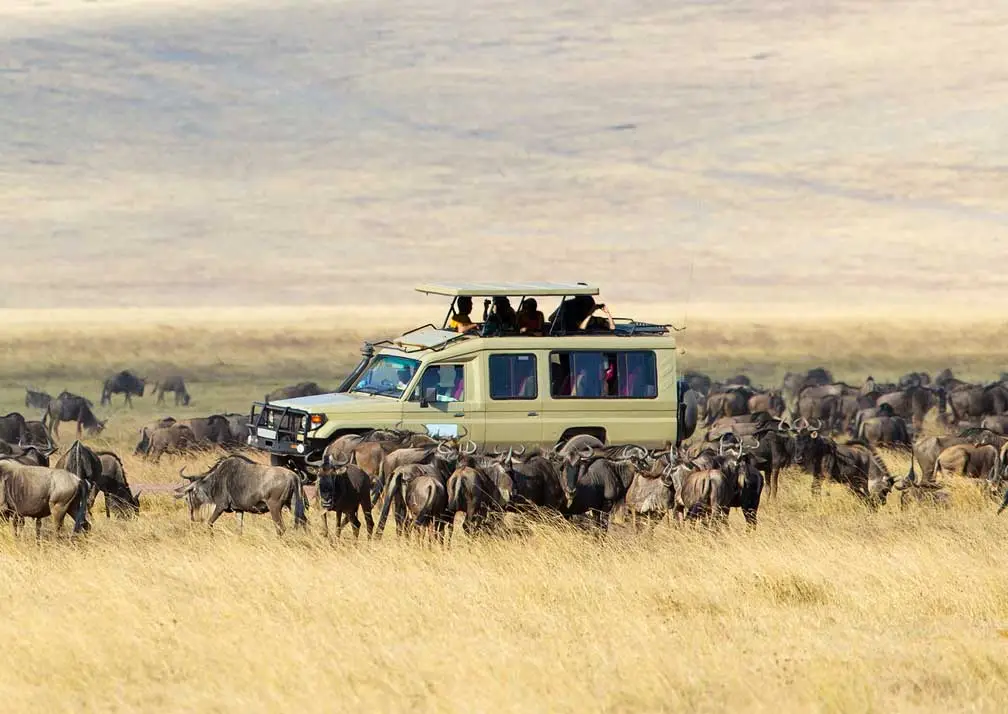
Great Migration Safaris
Experience one of nature's greatest spectacles with our Great Migration safari packages, timed for river crossings or calving.
View Package →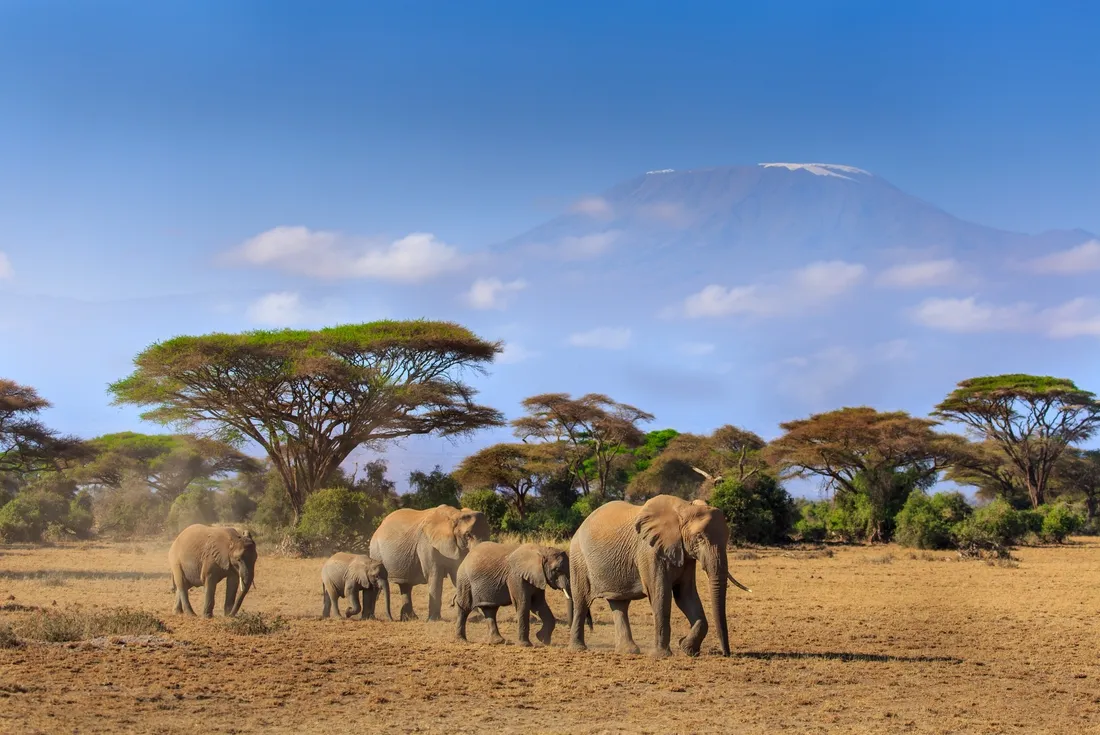
Serengeti & Kilimanjaro Trek
Combined safari and trekking tours offer wildlife adventures and Kilimanjaro climbs.
View Package →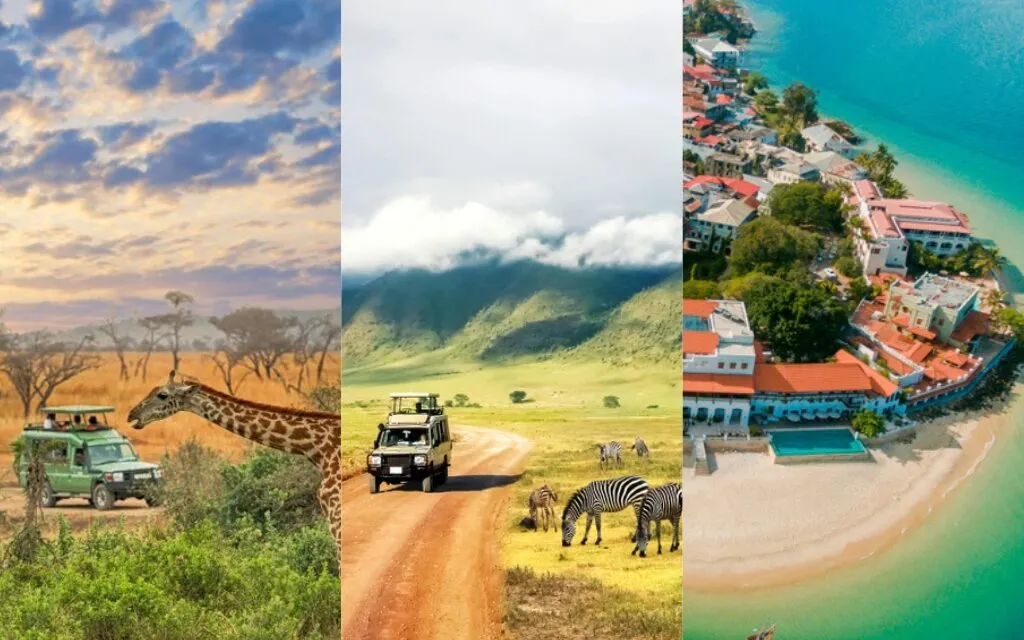
Serengeti & Zanzibar Tours
Luxury Tanzania safari & beach packages with the Great Migration and pristine beaches.
View Package →Related: Best Time to Visit Tanzania 2026 – Perfect safari extension after your Iran adventure.