Most Complete Iraq Travel Guide 2026-2027 – Everything You Need to Know Before Visiting
This Iraq travel guide provides everything you need to plan your journey to the cradle of civilization. Iraq offers an extraordinary blend of ancient Mesopotamian heritage, sacred Shia shrines, vibrant Kurdish culture, and the unique marshlands of the Ahwar that create one of the Middle East's most diverse travel experiences. Many travelers who want to travel to Iraq are surprised by the country's incredible historical depth and warm hospitality once they arrive. The nation covers over 438,000 square kilometers, offering visitors everything from the ruins of Babylon to the modern skyline of Erbil and the floating villages of the southern marshes.
Start Reading the Full Guide ↓Quick Facts About Iraq
- Capital: Baghdad.
- Currency: Iraqi Dinar (IQD).
- Time Zone: Arabia Standard Time (AST, UTC+3).
- International Calling Code: +964.
- Driving Side: Right.
- Major Airports: Baghdad International (BGW), Erbil International (EBL), Sulaymaniyah (ISU), Najaf (NJF), Basra (BSR).
Iraq Overview & Key Facts
Brief History of Iraq
Iraq's history spans over 7,000 years, from the world's first cities in ancient Sumer through Babylonian, Assyrian, Persian, and Islamic empires. Mesopotamia, known as the cradle of civilization, saw the invention of writing, the wheel, and early legal codes. The Abbasid Caliphate made Baghdad the intellectual center of the world in the 8th–13th centuries. This rich historical tapestry creates a fascinating backdrop for modern travelers exploring archaeological treasures and cultural sites.
Independence & National Identity
- Independence date: October 3, 1932 (from Britain).
- Former colonial power: Ottoman Empire then British Mandate.
- National symbols & identity.
Modern Iraq was formed after World War I from three Ottoman provinces. The 2003 invasion and subsequent events reshaped the country. Today, national identity balances Arab, Kurdish, Turkmen, and Assyrian heritage with strong tribal and religious components. The flag features red, white, and black stripes with green takbir script.
Government System & Current Leadership
- Type of government: Federal Parliamentary Republic
- Current president: Abdul Latif Rashid (since 2022)
- Notes on political stability
Iraq operates as a federal parliamentary republic with significant autonomy for the Kurdistan Region. The country has experienced political transitions and protests, but security has improved markedly since 2018. Travelers should monitor current conditions through their embassy.
Population, Ethnic Groups & Languages
- Population: 46.5 million (2025 projection).
- Major ethnic groups: Arabs (75–80%), Kurds (15–20%), Turkmen, Assyrians.
- Official language(s): Arabic and Kurdish.
- Additional languages commonly spoken.
English is widely spoken in Kurdistan's tourist areas and among younger Iraqis. Sorani Kurdish dominates in the Kurdistan Region, while Arabic is universal in federal Iraq. Minority languages include Turkmen and Neo-Aramaic.
Main Religions & Cultural Identity
Islam is practiced by approximately 95–98% of the population (60–65% Shia, 32–37% Sunni). Small Christian, Yazidi, and Mandaean communities remain. Religious identity strongly influences daily life, particularly in shrine cities like Karbala and Najaf. Visitors should respect religious observances, especially during Muharram and Ramadan.
Geography & Natural Landscape
Iraq features diverse geography: fertile Tigris-Euphrates plains, mountainous Kurdistan, vast western deserts, and the unique Mesopotamian marshes in the south. The two rivers create the fertile crescent that sustained ancient civilizations. The northern mountains reach over 3,000 meters, while the southern marshes form one of the world's largest wetland ecosystems.
Economy & Tourism Highlights
Iraq's economy remains heavily oil-dependent, but tourism is growing rapidly, especially religious pilgrimage to Shia holy sites and cultural/heritage tourism in Kurdistan. The government and Kurdistan Regional Government actively promote tourism with improved infrastructure and simplified visa processes.
What Iraq Is Known For
- Cradle of civilization – ancient Sumer, Babylon, Assyria
- Shia holy cities of Karbala and Najaf
- Erbil Citadel – continuously inhabited for 7,000+ years
- Mesopotamian Marshes and traditional Marsh Arab culture
Visa & Entry Requirements in Iraq
Visa rules differ significantly between federal Iraq and the Kurdistan Region. Most nationalities can obtain visa-on-arrival at major airports, with Kurdistan offering the easiest access. Always check current requirements as policies change frequently.
Do You Need a Visa?
Most nationalities receive 30-day visa-on-arrival at Baghdad, Basra, Najaf, Erbil, and Sulaymaniyah airports. Kurdistan Region has separate immigration and often simpler requirements. Some nationalities still require pre-arranged visas for federal Iraq.
Visa Application Options in Iraq
- Visa-on-arrival at major airports (most common)
- Kurdistan e-visa (online application)
- Embassy visa for federal Iraq (required for some nationalities)
Kurdistan Region operates independently – a Kurdistan visa does not permit travel to federal Iraq without additional permission, though movement has become easier since 2022.
Passport Validity & Entry Documents
Passport must be valid for six months beyond intended stay with at least two blank pages. Return/onward ticket and proof of accommodation may be requested. Israeli stamps or evidence of travel to Israel will result in entry denial.
Customs Rules & Prohibited Items
Strict rules apply to antiquities, weapons, pork products, and alcohol (limited quantities permitted). Currency declaration required for large amounts. Drones require special permission.
Safety & Security Information in Iraq
Safety varies dramatically by region. Kurdistan Region is very safe with crime rates comparable to Europe. Southern shrine cities are generally secure for visitors. Baghdad has improved significantly but requires caution. Avoid border areas with Syria and remote western regions.
Is Iraq Safe for Tourists?
Yes in Kurdistan Region and major pilgrimage/tourist areas. Independent travel is common in Kurdistan; federal Iraq usually requires guides and security arrangements. Terrorism risk remains but has decreased dramatically since 2018.
Recommended Safety Tips when in Iraq
Use registered guides in federal Iraq, avoid nighttime travel outside major cities, dress appropriately, and register with your embassy. In Kurdistan, normal precautions suffice. Always have local contacts and avoid political discussions.
Safe Areas vs. Areas to Avoid in Iraq
Safe: Kurdistan Region, Karbala, Najaf, Basra city. Exercise caution: Baghdad, Mosul (improving). Avoid: Syria border areas, remote Anbar province.
Emergency Numbers & Tourist Police in Iraq
- Police: 122 (federal) / 122 (Kurdistan)
- Fire Department: 115
- Medical Emergency: 122
- Tourist Police: Available in Erbil and major sites
Health Requirements & Vaccinations in Iraq
No mandatory vaccinations for direct entry, but hepatitis A, typhoid, and rabies are strongly recommended. Healthcare quality varies – excellent private hospitals in Erbil/Baghdad, limited elsewhere.
Mandatory Vaccinations in Iraq
None required unless arriving from yellow fever areas.
Recommended Vaccinations in Iraq
Hepatitis A & B, typhoid, rabies, routine vaccines. Consider meningitis for Arbaeen pilgrimage season.
Malaria & Other Risks
Low malaria risk in northern areas. Primary concerns: heat exhaustion, food/water hygiene, road safety.
Travel Insurance Recommendations in Iraq
Essential – ensure coverage includes medical evacuation, as costs can exceed $50,000.
Best Time to Visit in Iraq
October to April offers pleasant temperatures across the country. Spring (March–April) brings green landscapes to Kurdistan and comfortable conditions for archaeological sites.
Weather by Season
Spring and autumn are ideal (15–28°C). Summer temperatures regularly exceed 45°C with intense sun. Winter can be cold in northern mountains (snow common) but mild in Baghdad and south.
When to Visit Iraq for Best Experiences
- Arbaeen pilgrimage (August/September) – world’s largest annual gathering
- Nowruz (March) in Kurdistan – spectacular celebrations
- Archaeological sites best October–April
High Season vs. Low Season Travel
High season: October–April. Low season: summer months offer lower prices but extreme heat.
Weather & Climate Overview in Iraq
Continental climate with extreme temperature ranges. Hot, dry summers and cool winters with occasional rain in north.
Temperature Ranges
Summer: 35–50°C+ (95–122°F+). Winter: 5–18°C (41–64°F) in Baghdad; colder in mountains.
Rainy & Dry Seasons in Iraq
Rainy season November–April (mostly north); almost completely dry May–October.
What to Wear Based on the Weather
Light breathable clothing for summer, layers for winter. Modest dress essential year-round.
Main Currency, Costs & Budgeting in Iraq
Iraqi Dinar is official currency though US dollars widely accepted, especially in Kurdistan. Costs remain reasonable compared to Gulf neighbors.
Local Currency Information
Notes in denominations up to 50,000 IQD. Exchange rates favorable; USD preferred for large transactions.
Average Travel Costs in Iraq
Budget: $80–130/day (Kurdistan independent travel). Mid-range: $150–250/day. Guided federal Iraq tours: $300–500/day.
Using ATMs, Cards & Mobile Money in Iraq
ATMs widely available in cities. Cards accepted in hotels and larger establishments. Cash remains king.
Tipping Guidelines in Iraq
10–15% in restaurants, small tips (5,000–10,000 IQD) for guides/drivers appreciated.
Transportation & Getting Around in Iraq
Domestic flights are safest and most efficient between regions. Kurdistan has good road infrastructure; federal Iraq varies.
Airport Transfers
Taxis and private transfers available. Erbil/Baghdad airports well-organized.
Local Transport Options in Iraq
Taxis, shared taxis, and VIP buses in Kurdistan. Guided transport recommended in federal Iraq.
Iraq Domestic Flights
Frequent flights between Baghdad, Erbil, Sulaymaniyah, Najaf, Basra.
Car Rentals & Road Conditions in Iraq
Possible in Kurdistan with international permit. Not recommended in federal Iraq without local driver/guide.
Accommodation Options available in Iraq
Range from basic pilgrim housing to 5-star international hotels, concentrated in Erbil, Baghdad, Najaf, Karbala.
Types of Accommodations in Iraq
Luxury hotels, mid-range business hotels, budget options, traditional guesthouses in Kurdistan.
Budget vs. Mid-Range vs. Luxury
Budget $30–70, mid-range $80–150, luxury $150–400+ per night.
Best Areas to Stay in Iraq
Ankawa district (Erbil), Kadhimiya (Baghdad), near shrines in Najaf/Karbala.
Essential Packing Guide when Visiting Iraq
Pack for extreme temperature variations and cultural modesty requirements.
Clothing Essentials
Modest lightweight clothing, warm layers for winter, headscarf for women (essential for shrines).
Footwear & Gear
Comfortable walking shoes, sun hat, high-SPF sunscreen, power bank.
Electronics & Cameras
220V/50Hz, European plugs. Photography restrictions at checkpoints and shrines.
Toiletries & Personal Items
Prescription medications, hand sanitizer, wet wipes, modest swimwear if needed.
Language & Communication in Iraq
Arabic and Kurdish official languages. English widely spoken in tourist areas of Kurdistan.
Main Languages Spoken in Iraq
Arabic (federal), Sorani Kurdish (Kurdistan), English common in tourism sector.
Useful Phrases for Tourists
“As-salamu alaikum”, “Shukran”, “Min fadlak”, “Afwan”. In Kurdistan: “Czhan” (hello), “Spas” (thank you).
SIM Cards & Mobile Data used in Iraq
Korek, Asiacell, Zain widely available with good coverage.
Internet Availability & Wi-Fi in Iraq
Good in hotels and cafes, especially Kurdistan.
Culture & Etiquette in Iraq
Deeply rooted in Arab hospitality and Islamic traditions with regional variations.
Iraqi Dress Code Expectations
Modest dress essential. Women must cover hair and wear abaya in Karbala/Najaf shrines.
Social Etiquette & Respectful Behavior of Iraq
Accept tea/coffee offers, use right hand for eating/greeting, remove shoes in homes.
Photography Rules in Iraq
Ask permission for people, prohibited at checkpoints and military sites.
Important Cultural Dos & Don’ts in Iraq
Do accept hospitality, respect prayer times. Don’t photograph women without permission, discuss politics, or show soles of feet.
Food, Water & Dining in Iraq
Rich culinary tradition featuring kebabs, dolma, masgouf fish, and elaborate rice dishes.
Iraqi Local Dishes to Try
Masgouf (grilled Tigris fish), quzi, kleicha cookies, dolma, biryani.
Dietary Options in Iraq
Halal standard. Vegetarian options available but limited.
Drinking Water Safety
Bottled water recommended.
Restaurant Etiquette
Tipping 10% appreciated. Meals often communal.
Top Attractions & Things to Do in Iraq
Extraordinary historical depth from ancient Mesopotamia to Islamic golden age sites.
Major Tourist Attractions in Iraq
- Babylon archaeological site
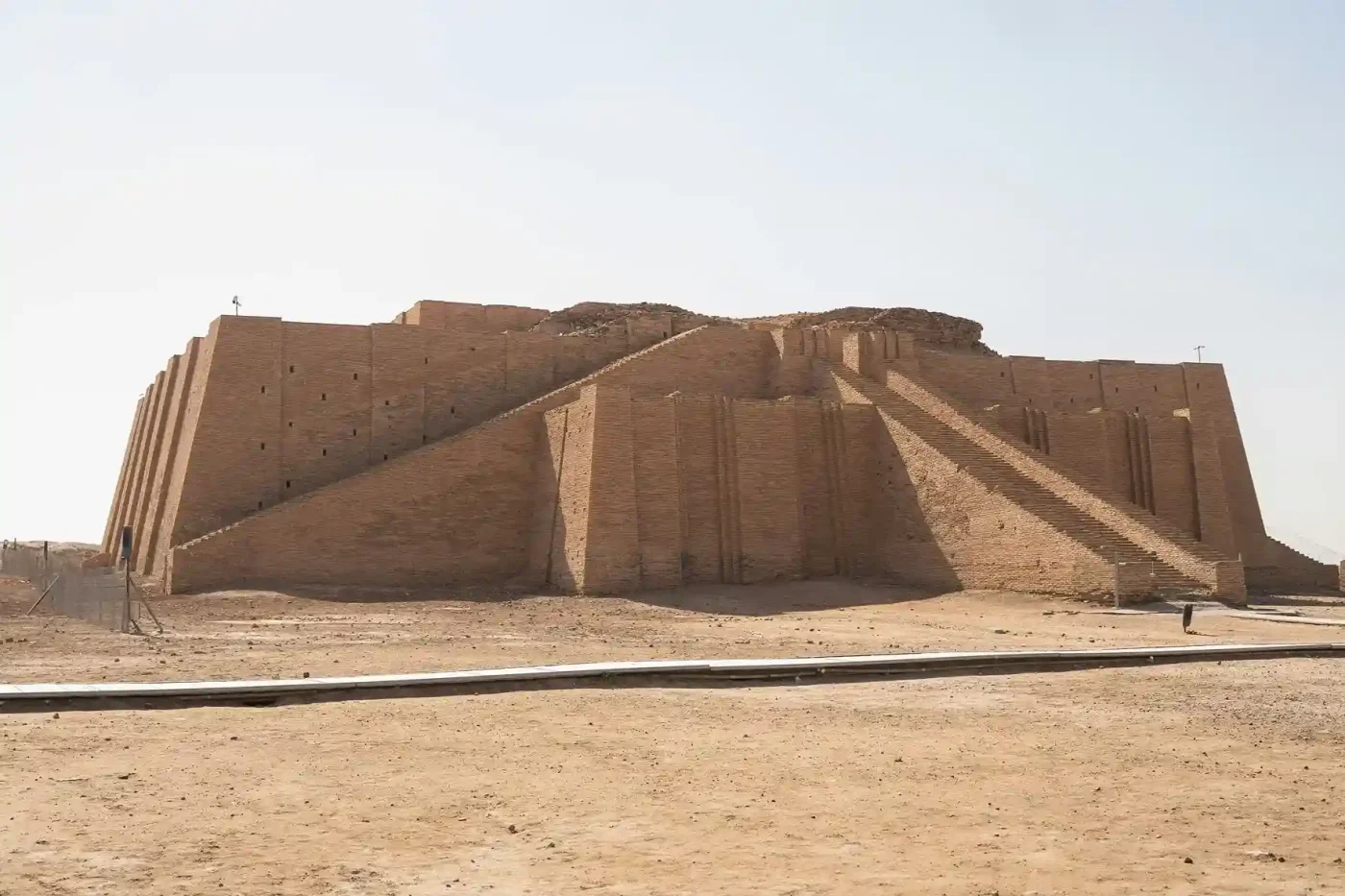
- Ziggurat of Ur
- Erbil Citadel (UNESCO)
- Shrine cities of Karbala and Najaf
- Mesopotamian Marshes
Best Tours & Experiences in Iraq
Arbaeen pilgrimage, archaeological tours, Kurdistan mountain treks, marshland boat trips.
Family-Friendly Activities to do in Iraq
Erbil family parks, Shanidar Park, Sami Abdulrahman Park, Baghdad Zoo (reopened).
Unique Cultural or Historical Sites to visit in Iraq
Al-Mutanabbi Street book market, traditional Yazidi temples in Lalish, Marsh Arab reed houses.
Iraqi Electrical System Information
230V, 50Hz, European type C/F plugs.
Plug Types & Voltage used in Iraq
Types C, D, and G used. Universal adapter recommended.
Charging Tips
Power banks essential for long site visits.
Local Laws & Regulations of Iraq
Based on civil law with Islamic law influence in personal status matters.
Rules Travelers Need to Know when In Iraq
Alcohol restricted outside hotels in federal Iraq, photography restrictions at security sites.
Alcohol, Smoking & Substance Laws of Iraq
Alcohol legal but restricted in federal Iraq; freely available in Kurdistan. All drugs strictly prohibited.
Restricted or Protected Areas in Iraq.
Military sites, Syria border areas, some archaeological sites require permits.
Final Travel Tips for Visitors in Iraq
Plan thoroughly, respect local customs, and embrace Iraqi hospitality for an unforgettable experience.
Common Mistakes to Avoid
Underestimating heat, inappropriate dress, traveling without local contacts in federal Iraq.
Tips to Save Money when Visiting Iraq
Focus on Kurdistan for independent travel, use shared taxis, eat local food.
Safety & Comfort Tips
Register with embassy, have local SIM, use reputable guides in federal Iraq.
Frequently Asked Questions – Iraq Travel Guide 2026-2027
Our Tanzania Tours Products
While Iraq offers the cradle of civilization and extraordinary cultural depth, many travelers combine Middle Eastern adventures with the ultimate wildlife experience in East Africa. Capable Africa Tours specializes in secure, guided safaris that maximize safety and wonder. Our expert local guides, armed rangers in parks, and vetted accommodations ensure peace of mind. From family-friendly lodges to luxury camps, we handle logistics so you focus on the magic. Tanzania ranks high for tourist safety with dedicated wildlife protection units and stable northern circuits.
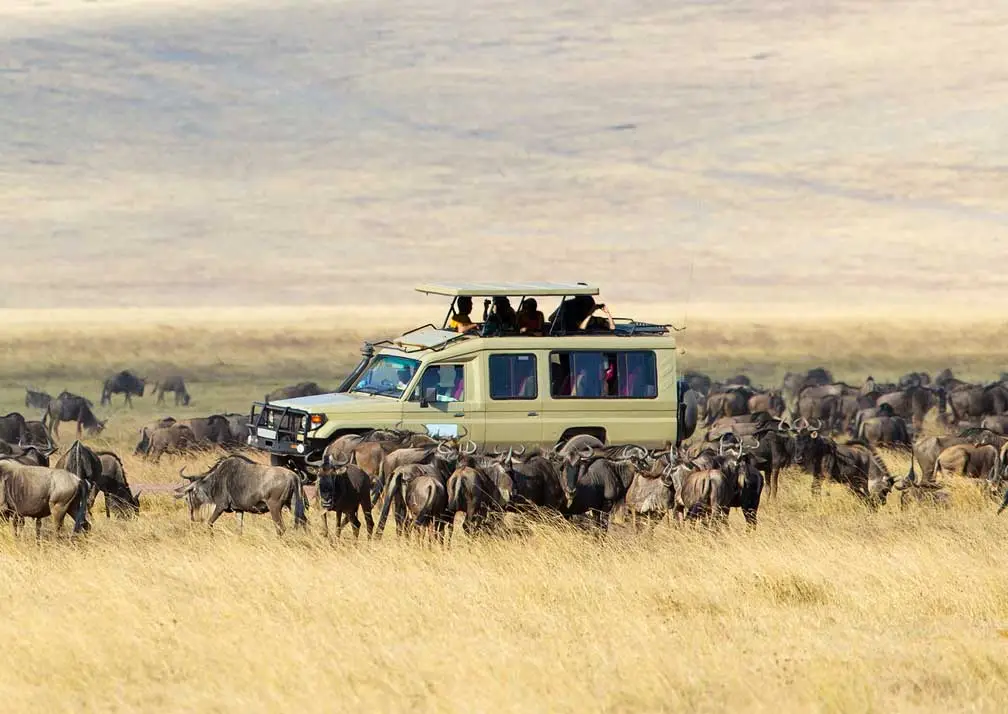
Great Migration Safaris
Experience one of nature's greatest spectacles with our Great Migration safari packages, timed for river crossings or calving.
View Package →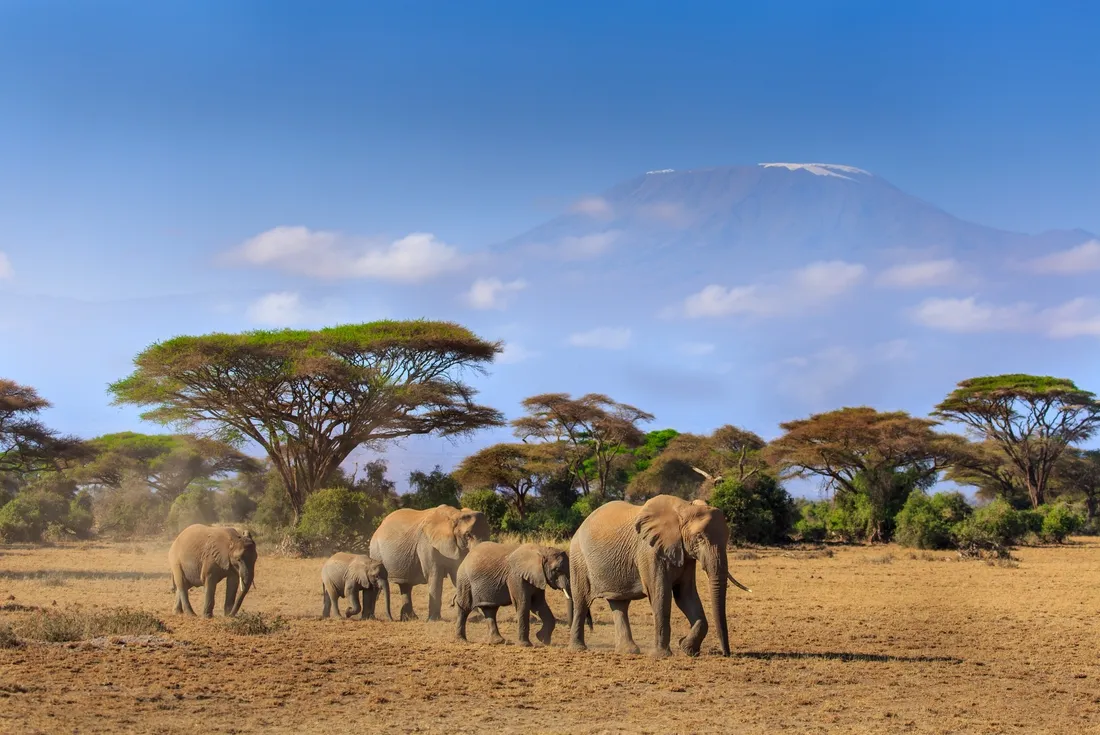
Serengeti & Kilimanjaro Trek
Combined safari and trekking tours offer wildlife adventures and Kilimanjaro climbs.
View Package →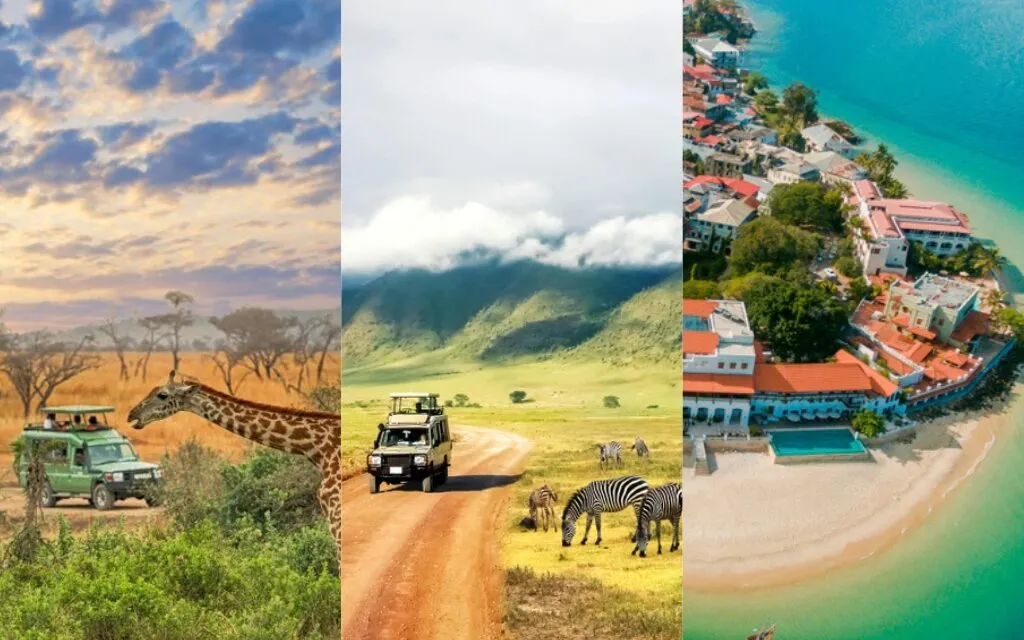
Serengeti & Zanzibar Tours
Luxury Tanzania safari & beach packages with the Great Migration and pristine beaches.
View Package →Related: Best Time to Visit Tanzania 2026 – Perfect safari extension after your Iraq adventure.