Most Complete Ireland Travel Guide 2026-2027 – Everything You Need to Know Before Visiting
This Ireland travel guide provides everything you need to plan your journey to the Emerald Isle. Ireland offers an extraordinary blend of dramatic Atlantic coastline, ancient Celtic sites, and vibrant modern culture that create one of Europe’s most rewarding travel experiences. Many travelers who want to travel to Ireland are surprised by the island's incredible diversity and rich cultural heritage spanning ancient Celtic traditions, Viking influences, and Norman castles. The island covers just over 84,000 square kilometers, offering visitors everything from rugged cliffs to lush green valleys and lively traditional music sessions.
Start Reading the Full Guide ↓Quick Facts About Ireland
- Capital: Dublin (Republic of Ireland).
- Currency: Euro (€) – Republic; Pound (£) – Northern Ireland.
- Time Zone: Irish Standard Time (IST, UTC+1 in summer).
- International Calling Code: +353 (Republic), +44 (Northern Ireland).
- Driving Side: Left.
- Major Airports: Dublin (DUB), Shannon (SNN), Belfast International (BFS).
Ireland Overview & Key Facts
Brief History of Ireland
Ireland's history spans millennia, from ancient Celtic settlements through Viking invasions to Norman conquest. Christianity arrived in the 5th century with St Patrick, creating the golden age of illuminated manuscripts and round towers. The Great Famine of 1845–1852 caused mass emigration and shaped modern Irish identity. The island's rich historical tapestry creates a fascinating backdrop for modern travelers exploring ancient monastic sites, medieval castles, and poignant famine heritage centers.
Independence & National Identity
- Independence date: 1922 (Irish Free State).
- Current status: Republic of Ireland (independent); Northern Ireland (part of UK).
- National symbols & identity.
The Republic of Ireland gained independence in 1922 after centuries of British rule, with the six northern counties remaining part of the United Kingdom. The 1998 Good Friday Agreement brought peace after decades of conflict. Today, Irish identity centers on Celtic heritage, Gaelic games, traditional music, and the Irish language, with the tricolor flag and harp as national symbols.
Government System & Current Leadership
- Type of government: Parliamentary Republic (Republic); Devolved government within UK (NI)
- Current Taoiseach (Prime Minister): Simon Harris (2025)
- Notes on political stability
Ireland is a stable parliamentary democracy with a strong economy and high quality of life. Northern Ireland operates under power-sharing arrangements established by the Good Friday Agreement. Political stability is excellent for travelers throughout the island.
Population, Ethnic Groups & Languages
- Population: 7.2 million (Republic 5.3m + NI 1.9m, 2025 est.).
- Major ethnic groups: Irish (85%), other white (9%), Asian/other (6%).
- Official language(s): Irish and English (Republic); English (NI).
- Additional languages commonly spoken.
English is the everyday language across the entire island. Irish (Gaeilge) is spoken fluently in Gaeltacht regions along the west coast. Polish is the second most spoken language due to EU migration.
Main Religions & Cultural Identity
Roman Catholicism remains the largest religion (78% in Republic), though church attendance has declined. Protestant communities are significant in Northern Ireland. Ireland is increasingly secular while maintaining strong cultural traditions in music, dance, literature, and sport. Visitors should respect religious sites but will find Irish society welcoming and relaxed.
Geography & Natural Landscape
Ireland features dramatic Atlantic coastline, rolling green hills, rugged mountains, and thousands of lakes. The island has a temperate maritime climate with mild winters and cool summers. The Wild Atlantic Way stretches 2,500 km along the western coast, offering some of Europe’s most spectacular scenery.
Economy & Tourism Highlights
Ireland’s “Celtic Tiger” economy is driven by technology, pharmaceuticals, and financial services. Tourism is a major industry, with over 11 million visitors annually drawn to natural beauty, historic sites, golf courses, and vibrant culture.
What Ireland Is Known For
- UNESCO sites: Brú na Bóinne, Skellig Michael
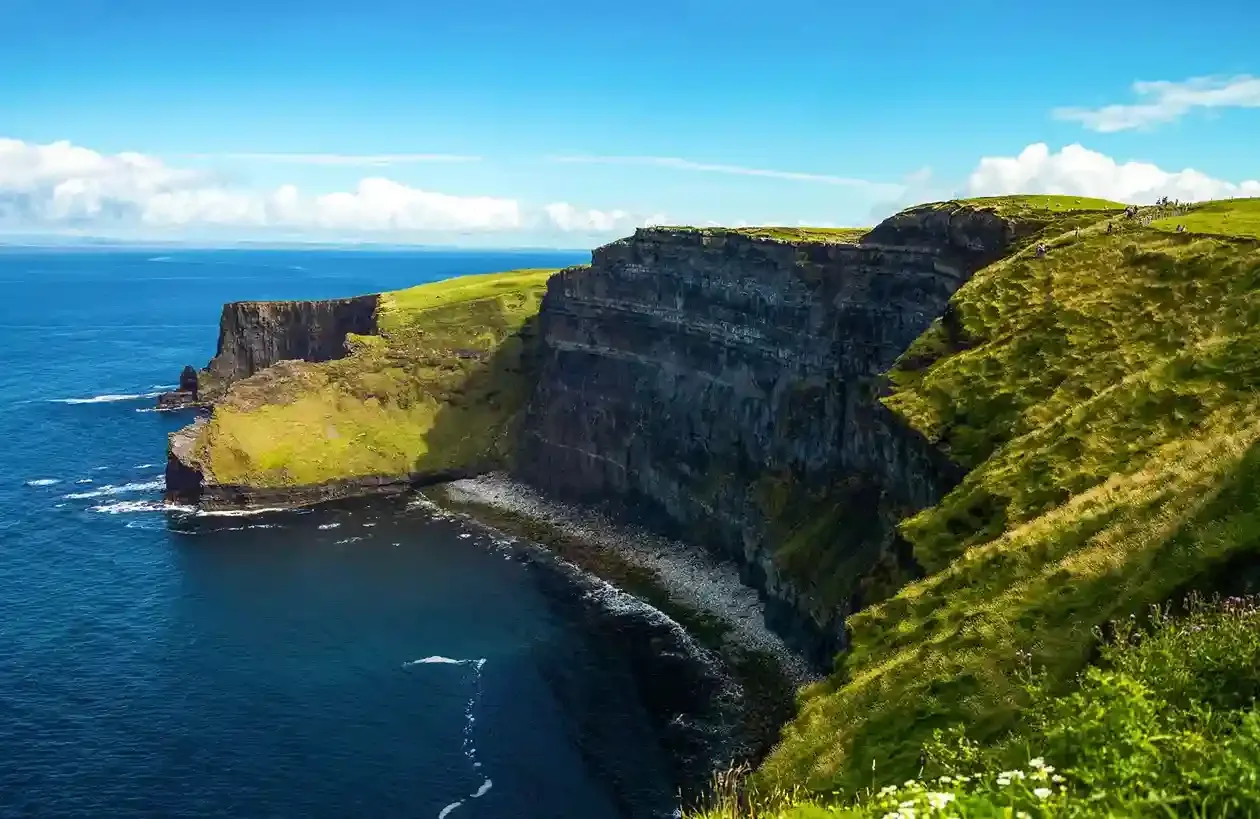
- Dramatic coastal scenery (Cliffs of Moher, Ring of Kerry)
- Ancient Celtic and early Christian sites
- Traditional music, Guinness, and legendary hospitality
Visa & Entry Requirements in Ireland
Most visitors can enter Ireland visa-free for tourism. EU/EEA/Swiss citizens have unrestricted access. US, Canadian, Australian, UK, and many other nationalities enjoy visa-free entry for up to 90 days.
Do You Need a Visa?
EU/EEA/Swiss: No visa. US, Canada, Australia, NZ, UK: visa-free up to 90 days. Check the Irish Immigration website for your nationality – most tourists do not require visas.
Visa Application Options in Ireland
- Visa-free entry for most tourists
- Online pre-clearance for some nationalities
- Visa required for longer stays or work/study
Visa-required nationalities apply through Irish embassies or via the online AVATS system. Processing is straightforward and efficient.
Passport Validity & Entry Documents
Passport valid for your entire stay (6 months recommended). Return/onward ticket may be requested. Proof of sufficient funds and accommodation sometimes checked.
Customs Rules & Prohibited Items
Standard EU/UK customs rules apply. €10,000+ cash must be declared. Duty-free allowances from outside EU. No restrictions on personal medication with prescription.
Safety & Security Information in Ireland
Ireland is one of Europe’s safest destinations with very low violent crime rates. Normal urban precautions apply in Dublin and Belfast city centers at night.
Is Ireland Safe for Tourists?
Extremely safe. Global Peace Index consistently ranks Ireland in the top 10 safest countries worldwide. Solo female travelers report feeling very comfortable.
Recommended Safety Tips when in Ireland
Standard travel awareness: guard valuables in crowded tourist areas, don’t leave drinks unattended, use licensed taxis/Uber. Road safety – drive on the left and beware narrow country roads.
Safe Areas vs. Areas to Avoid in Ireland
The entire island is safe for tourists. No significant no-go areas. Normal caution in city centers after pub closing time.
Emergency Numbers & Tourist Police in Ireland
- Emergency: 999 or 112
- Gardaí (Police): 999/112
- Tourist Victim Support: Available in Dublin
English-speaking emergency services respond quickly across the island.
Health Requirements & Vaccinations in Ireland
No special health risks or vaccination requirements. High-quality healthcare available throughout the island.
Mandatory Vaccinations in Ireland
None required.
Recommended Vaccinations in Ireland
Routine vaccines only. No special recommendations.
Malaria & Other Risks
No malaria or tropical diseases. Tick awareness in rural areas (Lyme disease rare).
Travel Insurance Recommendations in Ireland
Highly recommended. EU citizens should bring EHIC/GHIC. Private insurance covers repatriation and private hospital treatment.
Best Time to Visit in Ireland
May–September offers the best weather and longest daylight. Shoulder seasons (April & October) provide excellent value and fewer crowds.
Weather by Season
Summer (Jun–Aug): 15–20°C, long days. Spring/Autumn: 10–15°C, crisp and beautiful. Winter: 4–8°C, mild but short days and frequent rain.
When to Visit Ireland for Best Experiences
- Wild Atlantic Way: May–Sep
- Festivals: Galway Arts (Jul), St Patrick’s (Mar)
- Golf: Apr–Oct
- Northern Lights in Donegal: rare but possible winter
Any time is good – Ireland is a year-round destination.
High Season vs. Low Season Travel
High season: June–August (book early). Shoulder: April–May & September–October (best value). Low season: November–February (cheapest, fewest crowds).
Weather & Climate Overview in Ireland
Temperate oceanic climate – mild, wet, and changeable. “Four seasons in one day” is common.
Temperature Ranges
Winter: 4–8°C. Summer: 15–20°C (rarely above 25°C). Sea temperature 12–16°C.
Rainy & Dry Seasons in Ireland
Rain possible any day. West coast wettest (200+ rain days/year). East slightly drier. May–June often driest months.
What to Wear Based on the Weather
Layers, waterproof jacket, comfortable walking shoes/boots, hat and gloves (winter), sunglasses (yes, really!). Quick-drying fabrics best.
Main Currency, Costs & Budgeting in Ireland
Ireland is expensive compared to mainland Europe, especially Dublin. Excellent value outside major cities.
Local Currency Information
Euro (€) in Republic. Pound (£) in Northern Ireland. Cards accepted almost everywhere; contactless common.
Average Travel Costs in Ireland
Budget: €90–140/day. Mid-range: €160–260/day. Luxury: €300+/day. Pint of Guinness €6–8.
Using ATMs, Cards & Mobile Money in Ireland
ATMs everywhere. Cards accepted in 95%+ of businesses. Apple/Google Pay widespread.
Tipping Guidelines in Ireland
Not expected but appreciated. Round up taxi fares. 10–15% in restaurants if service excellent (often included).
Transportation & Getting Around in Ireland
Excellent public transport between cities; car recommended for countryside exploration.
Airport Transfers
Dublin Airport: Airlink bus, taxis, pre-booked transfers. Shannon/Cork: buses and taxis.
Local Transport Options in Ireland
Train (Irish Rail), Bus Éireann, Dublin Bus, Luas tram (Dublin), excellent intercity coaches.
Ireland Domestic Flights
Limited – Dublin to Kerry, Donegal. Driving usually faster/more scenic.
Car Rentals & Road Conditions in Ireland
Major companies at airports. Drive on left. Roads excellent on main routes; narrow and winding in countryside.
Accommodation Options available in Ireland
Everything from hostels to castles. B&Bs offer authentic Irish hospitality.
Types of Accommodations in Ireland
Hotels, B&Bs, self-catering cottages, hostels, glamping, castle stays.
Budget vs. Mid-Range vs. Luxury
Hostel dorm €25–45, B&B €80–140 double, hotels €120–300+, luxury castle €400+.
Best Areas to Stay in Ireland
Dublin city center, Galway city, Killarney town, Dingle, Westport, Belfast city.
Essential Packing Guide when Visiting Ireland
Pack for rain and layers. Good walking shoes essential.
Clothing Essentials
Waterproof jacket, fleece, quick-dry pants, warm hat, gloves (winter), comfortable waterproof shoes.
Footwear & Gear
Waterproof hiking shoes/boots, umbrella, daypack, reusable water bottle.
Electronics & Cameras
Type G plugs (3-pin UK). 230V/50Hz. Universal adapter needed for non-UK plugs.
Toiletries & Personal Items
All available locally. Bring prescription medications.
Language & Communication in Ireland
English spoken everywhere. Irish phrases appreciated but not necessary.
Main Languages Spoken in Ireland
English (universal). Irish (Gaeilge) in Gaeltacht areas.
Useful Phrases for Tourists
“Craic” (fun), “What’s the craic?” (How are you?), “Sláinte” (cheers), “Go raibh maith agat” (thank you).
SIM Cards & Mobile Data used in Ireland
Three, Vodafone, Eir. Excellent 5G coverage. eSIMs widely available.
Internet Availability & Wi-Fi in Ireland
Free Wi-Fi in almost all cafés, pubs, hotels. Fast broadband nationwide.
Culture & Etiquette in Ireland
Friendly, welcoming culture famous for conversation (“the gift of the gab”).
Irish Dress Code Expectations
Casual everywhere. Smart casual in some Dublin restaurants. No restrictions.
Social Etiquette & Respectful Behavior of Ireland
Buy a round if joining a group. Don’t jump pub queues. Great chat is currency.
Photography Rules in Ireland
Generally fine. Ask permission inside people’s homes/pubs if unsure.
Important Cultural Dos & Don’ts in Ireland
Do accept offers of tea. Don’t call Irish people British. Do say “thank you” to bus drivers.
Food, Water & Dining in Ireland
Modern Irish cuisine is world-class. Traditional pub food excellent.
Irish Local Dishes to Try
Irish stew, soda bread, seafood chowder, boxty, full Irish breakfast, fish & chips.
Dietary Options in Ireland
Excellent vegetarian/vegan options in cities. Gluten-free widely available.
Drinking Water Safety
Tap water safe and delicious throughout Ireland.
Restaurant Etiquette
Table service normal. “The craic” is as important as the food in pubs.
Top Attractions & Things to Do in Ireland
Ancient sites, dramatic scenery, and lively culture.
Major Tourist Attractions in Ireland
- Cliffs of Moher
- Ring of Kerry
- Giant’s Causeway (NI)
- Dublin (Trinity College, Guinness Storehouse)
Brú na Bóinne (Newgrange), Skellig Michael, Connemara, Dingle Peninsula, Belfast Titanic Quarter.
Best Tours & Experiences in Ireland
Wild Atlantic Way drive, trad music sessions, Game of Thrones locations, whiskey distilleries, golf, hiking.
Family-Friendly Activities to do in Ireland
Castles, pet farms, beaches, Viking Splash tours (Dublin), Titanic Belfast.
Unique Cultural or Historical Sites to visit in Ireland
Newgrange (older than pyramids), Rock of Cashel, Kilmainham Gaol, Derry’s walls.
Irish Electrical System Information
Type G plugs (3 rectangular pins). 230V/50Hz.
Plug Types & Voltage used in Ireland
Type G only (UK/Ireland standard). Adapters widely available.
Charging Tips
Bring Type G adapter. USB sockets common in newer hotels/cafés.
Local Laws & Regulations of Ireland
Relaxed and tourist-friendly. Main rule: don’t drink-drive.
Rules Travelers Need to Know when In Ireland
Strict drink-driving limits. Smoking banned indoors. Jaywalking tolerated but not legal.
Alcohol, Smoking & Substance Laws of Ireland
Drinking age 18. Cannabis illegal. Smoking banned in all enclosed public spaces.
Restricted or Protected Areas in Ireland.
Military installations (rare). Some nature reserves require permits.
Final Travel Tips for Visitors in Ireland
Be spontaneous, talk to locals, embrace the weather – it’s all part of the experience.
Common Mistakes to Avoid
Trying to see everything in one week. Underestimating driving times on narrow roads. Forgetting rain gear.
Tips to Save Money when Visiting Ireland
Visit in shoulder season. Stay in B&Bs. Eat lunch specials. Use public transport between cities.
Safety & Comfort Tips
Bring layers. Book popular attractions in advance (Cliffs of Moher, Book of Kells). Don’t rush – Ireland is best enjoyed slowly.
Frequently Asked Questions – Ireland Travel Guide 2026-2027
Our Tanzania Tours Products
While Ireland offers dramatic cliffs, ancient castles and legendary hospitality, many travelers combine Europe with the ultimate wildlife experience in East Africa. Capable Africa Tours specializes in secure, guided safaris that maximize safety and wonder. Our expert local guides, armed rangers in parks, and vetted accommodations ensure peace of mind. From family-friendly lodges to luxury camps, we handle logistics so you focus on the magic. Tanzania ranks high for tourist safety with dedicated wildlife protection units and stable northern circuits.
Great Migration Safaris
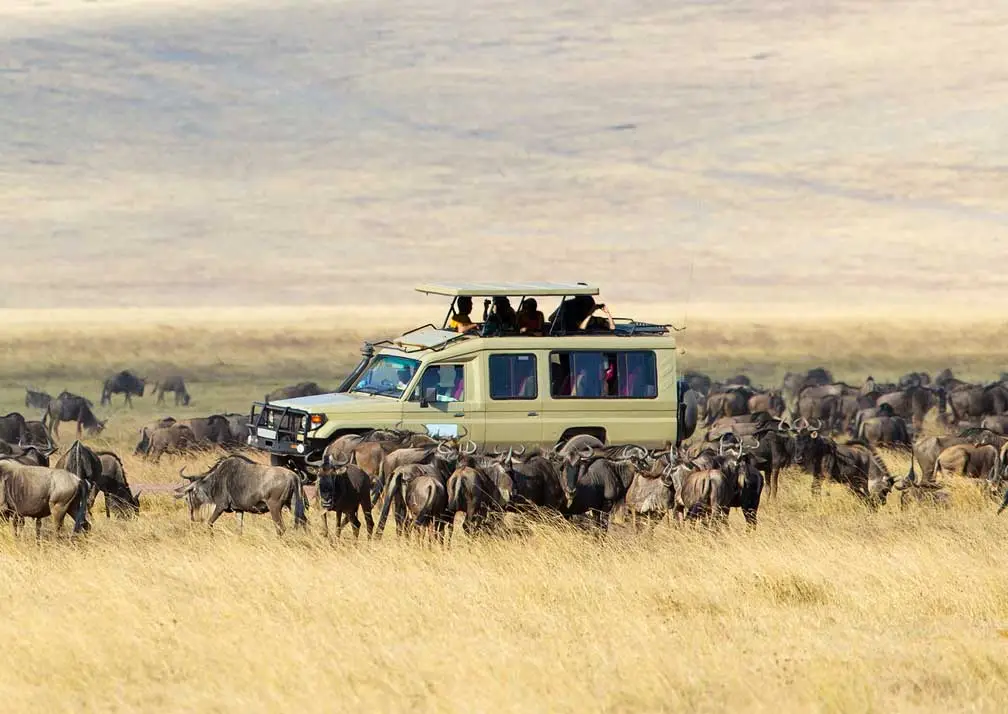
Experience one of nature's greatest spectacles with our Great Migration safari packages, timed for river crossings or calving.
View Package →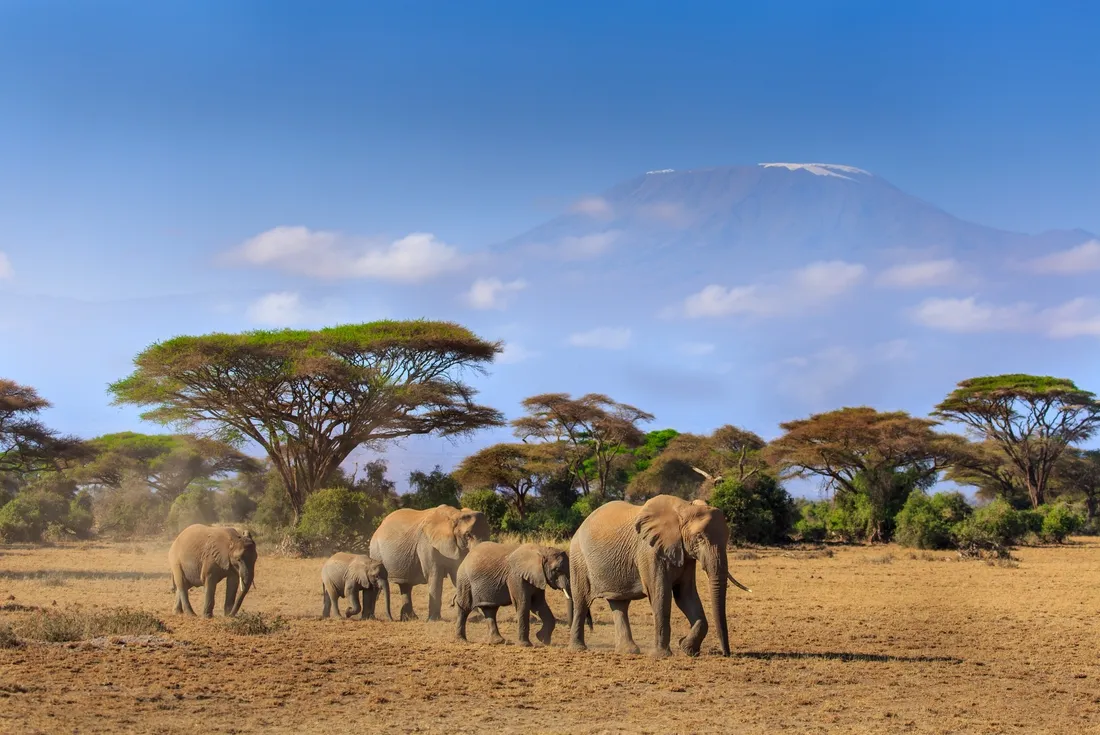
Serengeti & Kilimanjaro Trek
Combined safari and trekking tours offer wildlife adventures and Kilimanjaro climbs.
View Package →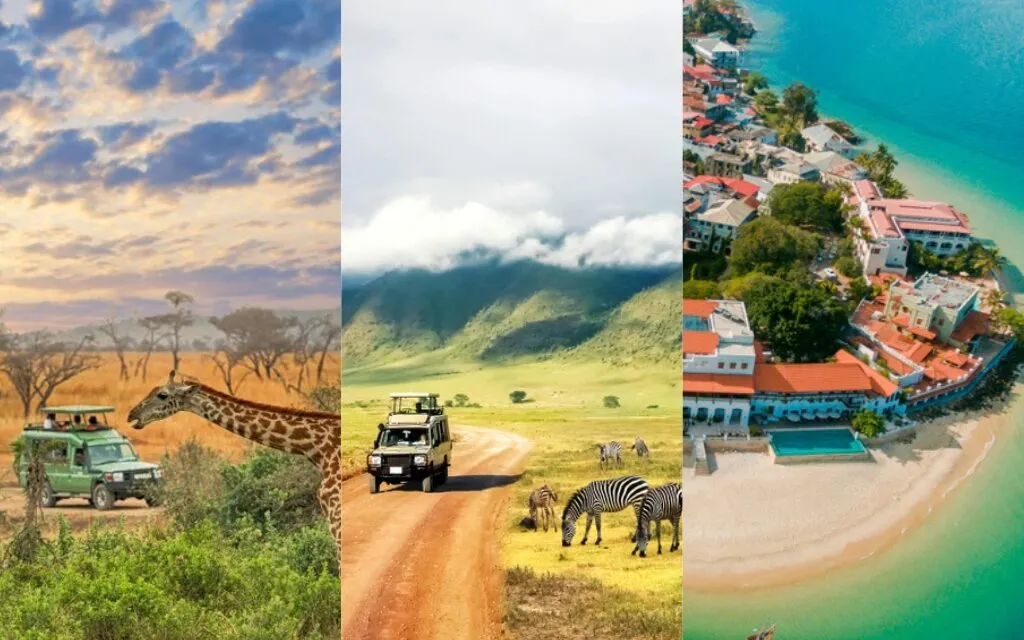
Serengeti & Zanzibar Tours
Luxury Tanzania safari & beach packages with the Great Migration and pristine beaches.
View Package →Related: Best Time to Visit Tanzania 2026 – Perfect safari extension after your Ireland adventure.