
Most Complete Israel Travel Guide 2026-2027 – Everything You Need to Know Before Visiting
This Israel travel guide provides everything you need to plan your journey to one of the world’s most fascinating destinations. Israel offers an extraordinary blend of ancient history, vibrant modern cities, diverse landscapes from Mediterranean beaches to desert craters, and four seas (Mediterranean, Dead Sea, Red Sea, Sea of Galilee). Many travelers who want to travel to Israel are surprised by the country's incredible diversity and rich cultural heritage spanning Jewish, Christian, Muslim, Druze and Baháʼí holy sites. The nation covers just over 22,000 square kilometers yet contains Jerusalem (one of the oldest cities on earth), cutting-edge Tel Aviv, the lowest point on earth, and world-class archaeological treasures.
Start Reading the Full Guide ↓Quick Facts About Israel
- Capital: Jerusalem (internationally disputed, most embassies in Tel Aviv).
- Currency: New Israeli Shekel (ILS).
- Time Zone: Israel Standard Time (IST, UTC+2; UTC+3 in summer).
- International Calling Code: +972.
- Driving Side: Right.
- Major Airports: Ben Gurion International Airport (TLV), Ramon Airport (Eilat).
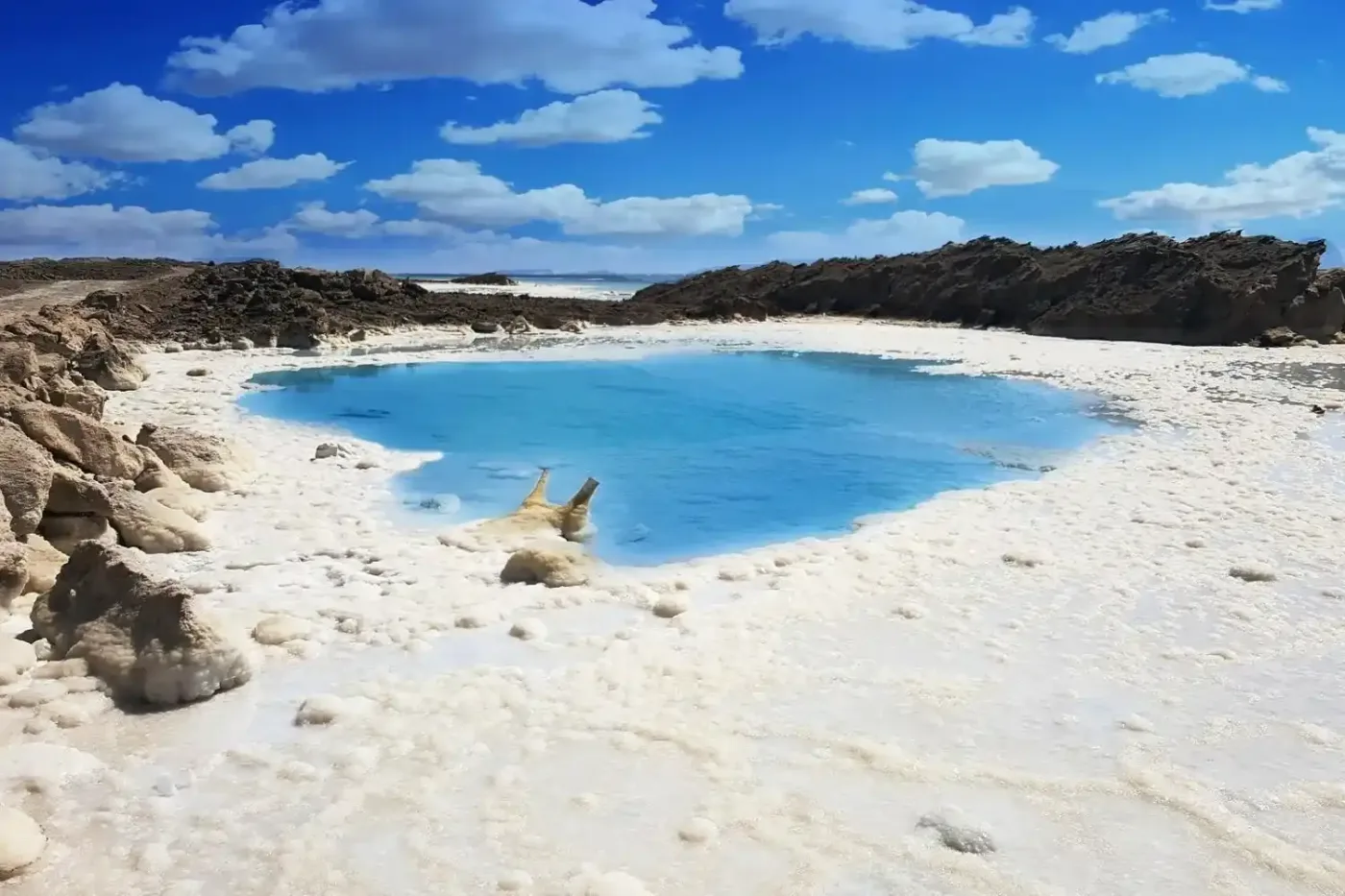
Israel Overview & Key Facts
Brief History of Israel
Israel's history spans over 3,000 years, from biblical kingdoms through Roman, Byzantine, Islamic, Crusader, Ottoman and British rule to modern statehood. The land is central to Judaism, Christianity and Islam, containing countless archaeological sites and living religious traditions. The modern State of Israel was established in 1948 following the UN partition plan and the end of the British Mandate.
Independence & National Identity
- Independence date: May 14, 1948.
- Former administering power: British Mandate.
- National symbols & identity.
Israel declared independence in 1948 after the British Mandate ended. The flag features blue Stars of David and stripes representing a tallit (prayer shawl). National identity combines Jewish heritage with democratic values and the “Start-Up Nation” innovation culture.
Government System & Current Leadership
- Type of government: Parliamentary Democracy
- Current president: Isaac Herzog
- Current prime minister: Benjamin Netanyahu (as of 2025)
Israel is a parliamentary democracy with a multi-party system. The President has a largely ceremonial role while the Prime Minister holds executive power.
Population, Ethnic Groups & Languages
- Population: 10.1 million (2025 projection).
- Major ethnic groups: Jewish (73.5%), Arab (21.1%), others.
- Official language(s): Hebrew and Arabic.
- Additional languages commonly spoken.
English is widely spoken as a second language. Russian, French, Amharic and Spanish are common among immigrant communities.
Main Religions & Cultural Identity
Judaism (73.5%), Islam (18.1%), Christianity (1.9%), Druze (1.6%) and others. Israel is the world’s only Jewish-majority state while protecting freedom of religion for all faiths. Religious sites are meticulously maintained and open to visitors of all backgrounds.
Geography & Natural Landscape
Israel features four climatic zones: Mediterranean coast, central hills, Jordan Rift Valley and Negev Desert. The Dead Sea is the lowest point on earth (-430 m). The country has Mediterranean beaches, desert craters, coral reefs in Eilat and lush Galilee hills.
Economy & Tourism Highlights
High-tech “Start-Up Nation” economy with strong tourism sector. Over 4 million tourists annually visit religious sites, beaches, archaeological treasures and vibrant cities. Tourism infrastructure is world-class with excellent English signage and services.
What Israel Is Known For
- Jerusalem – holy city for Judaism, Christianity and Islam
- Dead Sea – lowest point on earth and natural spa
- Tel Aviv – modern metropolis with Bauhaus architecture (UNESCO)
- Masada, Caesarea, Akko – spectacular archaeological sites
Visa & Entry Requirements in Israel
Citizens of over 100 countries receive visa-free entry for tourism up to 90 days. Passport must be valid for 6 months beyond intended stay. Entry is generally straightforward at Ben Gurion Airport with efficient, professional border control.
Do You Need a Visa?
USA, EU, UK, Canada, Australia, New Zealand, Japan, South Korea and most Latin American countries – visa-free for 90 days. Some nationalities require visas in advance. Check the Israeli Ministry of Foreign Affairs website.
Visa Application Options in Israel
- Visa-free entry on arrival (most Western countries)
- Electronic Travel Authorization (ETA-IL) required from 2025 for some visa-exempt nationalities
- Embassy visa for nationalities that need one
From mid-2025 many visa-exempt travelers will need to complete an online ETA-IL (similar to ESTA) 72 hours before travel.
Passport Validity & Entry Documents
Passport valid 6 months beyond stay + return/onward ticket usually sufficient. You receive an electronic entry card instead of passport stamp (since 2023).
Customs Rules & Prohibited Items
Standard international rules. Declare cash over $12,000 equivalent. Pork products and religious items may receive extra scrutiny but are generally allowed for personal use.
Safety & Security Information in Israel
Israel maintains very high security standards in tourist areas. Ben Gurion Airport has world-renowned security. Major tourist sites have visible and undercover security presence. Crime rates are low.
Is Israel Safe for Tourists?
Yes – millions visit annually without incident. Jerusalem, Tel Aviv, Dead Sea, Galilee, Haifa, Eilat and Nazareth are very safe for tourists. Avoid areas immediately adjacent to Gaza and some parts of the West Bank without professional guides.
Recommended Safety Tips when in Israel
Follow local guidance during security incidents. Download the Home Front Command “Red Alert” app. Keep passport/entry card safe. Normal precautions in crowded markets.
Safe Areas vs. Areas to Avoid in Israel
Safe: All major tourist cities and sites. Exercise caution near Lebanon/Syria borders and Gaza perimeter fence (restricted military zones anyway).
Emergency Numbers & Tourist Police in Israel
- Police: 100
- Medical Emergency: 101
- Fire: 102
- Tourist Police: English-speaking units in Jerusalem and Tel Aviv
Health Requirements & Vaccinations in Israel
Developed-country health standards. Excellent hospitals with English-speaking staff.
Mandatory Vaccinations in Israel
None for direct arrivals.
Recommended Vaccinations in Israel
Routine vaccines + Hepatitis A & Typhoid recommended.
Malaria & Other Risks
No malaria risk. Standard food/water precautions.
Travel Insurance Recommendations in Israel
Highly recommended – covers medical evacuation and trip cancellation.
Best Time to Visit in Israel
Spring (March–May) and autumn (September–November) offer perfect weather.
Weather by Season
Spring and autumn: 20–28°C. Summer: 30–38°C (hot but dry). Winter: 10–18°C (rainy in north, mild in south).
When to Visit Israel for Best Experiences
- Religious festivals: Passover/Easter (March–April), Christmas (December)
- Beach season: May–October
- Desert hiking: October–April
Weather & Climate Overview in Israel
Mediterranean climate with hot, dry summers and mild, wet winters.
Temperature Ranges
Coastal: 18–32°C year-round. Jerusalem: cooler nights. Dead Sea/Eilat: 20–40°C.
Rainy & Dry Seasons in Israel
Rainy season: November–March (mostly north/center). Dry season: April–October.
What to Wear Based on the Weather
Light layers, comfortable walking shoes, sun protection, modest clothing for religious sites.
Main Currency, Costs & Budgeting in Israel
Israel uses the New Israeli Shekel (ILS). Prices are higher than neighboring countries but quality is excellent.
Local Currency Information
Coins: 10 agorot to 10 ILS. Notes: 20, 50, 100, 200 ILS.
Average Travel Costs in Israel
Budget: $100–150/day; mid-range $200–350/day; luxury $500+/day.
Using ATMs, Cards & Mobile Money in Israel
Cards accepted almost everywhere. ATMs abundant.
Tipping Guidelines in Israel
10–15% in restaurants (often included as “service”). Round up taxis.
Transportation & Getting Around in Israel
Excellent public transport. Ben Gurion Airport is 20–45 min from Tel Aviv/Jerusalem by train/taxi.
Airport Transfers
Train to Tel Aviv/Jerusalem, shared taxis (sherut), private transfers.
Local Transport Options in Israel
Extensive bus network (Egged, Dan), Israel Railways, light rail in Jerusalem & Tel Aviv, shared taxis, Uber/Gett.
Israel Domestic Flights
Short flights Tel Aviv–Eilat (45 min) with Arkia and Israir.
Car Rentals & Road Conditions in Israel
Excellent roads. International companies at airports. Driving is assertive but safe.
Accommodation Options available in Israel
Everything from hostels and kibbutz guesthouses to 5-star hotels and boutique Jerusalem properties.
Types of Accommodations in Israel
Hotels, hostels, Airbnbs, kibbutz hotels, Christian hospices in Jerusalem, desert eco-lodges.
Budget vs. Mid-Range vs. Luxury
Budget $60–120, mid-range $150–300, luxury $400+ per night.
Best Areas to Stay in Israel
Jerusalem: city center or German Colony. Tel Aviv: beachfront or Neve Tzedek. Dead Sea: hotel zone.
Essential Packing Guide when Visiting Israel
Modest clothing for holy sites, comfortable walking shoes, sun protection, power bank, universal adapter (type H/C).
Clothing Essentials
Cover shoulders/knees for religious sites, hat/sunglasses, light layers, swimwear for Dead Sea/Eilat.
Footwear & Gear
Good walking shoes essential (cobblestones in Jerusalem). Water shoes for Dead Sea.
Electronics & Cameras
Israel uses 230V, 50Hz, plugs C and H.
Toiletries & Personal Items
Sunscreen expensive locally – bring from home.
Language & Communication in Israel
Hebrew and Arabic official; English widely spoken.
Main Languages Spoken in Israel
Hebrew (street signs), English everywhere in tourism.
Useful Phrases for Tourists
Shalom (hello/peace), Toda (thank you), Slicha (excuse me).
SIM Cards & Mobile Data used in Israel
Excellent coverage. SIMs at airport or stores (Partner, Cellcom, Pelephone).
Internet Availability & Wi-Fi in Israel
Free Wi-Fi in most cafes, hotels, public spaces.
Culture & Etiquette in Israel
Direct communication style. Respect religious customs and Shabbat (Friday sunset–Saturday night).
Israeli Dress Code Expectations
Modest dress at religious sites (shoulders & knees covered). Casual everywhere else.
Social Etiquette & Respectful Behavior of Israel
Shabbat: no public transport Friday night–Saturday night in most areas. Many businesses closed.
Photography Rules in Israel
No photos of people without permission (especially ultra-Orthodox Jews). Restricted at military sites.
Important Cultural Dos & Don’ts in Israel
Do: cover up at holy sites. Don’t: take photos on Shabbat in religious neighborhoods.
Food, Water & Dining in Israel
World-class cuisine: kosher restaurants, Arab cuisine, international food in Tel Aviv.
Israeli Local Dishes to Try
Falafel, hummus, shakshuka, sabich, shawarma, schnitzel, bourekas, Jachnun (Yemenite).
Dietary Options in Israel
Many kosher restaurants (dairy or meat). Vegan capital of the world – Tel Aviv has hundreds of vegan options.
Drinking Water Safety
Tap water safe everywhere.
Restaurant Etiquette
Service often included. Many places closed Friday night & Saturday until after Shabbat.
Top Attractions & Things to Do in Israel
Jerusalem Old City, Dead Sea, Masada, Tel Aviv, Caesarea, Akko, Sea of Galilee, Nazareth, Bethlehem (West Bank – guided day trip), Eilat Red Sea.
Major Tourist Attractions in Israel
- Jerusalem Old City & Western Wall
- Dead Sea & Masada
- Tel Aviv beaches & Bauhaus architecture
- Nazareth & Sea of Galilee
Best Tours & Experiences in Israel
Jerusalem Old City tours, Masada sunrise, Dead Sea relaxation, Tel Aviv food tours, Christian pilgrimage routes.
Family-Friendly Activities to do in Israel
Dead Sea floating, Biblical Zoo Jerusalem, beaches, Mini Israel park, Eilat Underwater Observatory.
Unique Cultural or Historical Sites to visit in Israel
Yad Vashem Holocaust Memorial, Israel Museum (Dead Sea Scrolls), Baháʼí Gardens Haifa, ancient Caesarea port.
Israeli Electrical System Information
230V, 50Hz, plugs C and H (three round pins).
Plug Types & Voltage used in Israel
Type H unique to Israel but most sockets also accept type C.
Charging Tips
Bring C/H adapter. Power reliable everywhere.
Local Laws & Regulations of Israel
Respect Shabbat and religious customs. No pork or shellfish in kosher establishments.
Rules Travelers Need to Know when In Israel
Shabbat observance, modest dress at holy sites, no smoking in public indoor spaces.
Alcohol, Smoking & Substance Laws of Israel
Alcohol legal (age 18), available in secular areas. Cannabis decriminalized for personal use (small fine).
Restricted or Protected Areas in Israel.
Military zones, Gaza border fence, some West Bank areas require permits.
Final Travel Tips for Visitors in Israel
Book Jerusalem hotels early during holidays. Use public transport or guided tours for West Bank visits. Download offline maps.
Common Mistakes to Avoid
Planning travel on Shabbat, inappropriate dress at religious sites, underestimating distances.
Tips to Save Money when Visiting Israel
Use Rav-Kav card for public transport, eat falafel/shawarma, stay in hostels or Airbnbs, visit free sites.
Safety & Comfort Tips
Stay hydrated, use sunscreen, follow local security guidance.
Frequently Asked Questions – Israel Travel Guide 2026-2027
Our Tanzania Tours Products
While Israel offers unmatched historical and religious depth, many travelers combine the Holy Land with the ultimate African wildlife experience in Tanzania. Capable Africa Tours specializes in secure, guided safaris that maximize safety and wonder. From family-friendly lodges to luxury camps, we handle logistics so you focus on the magic.
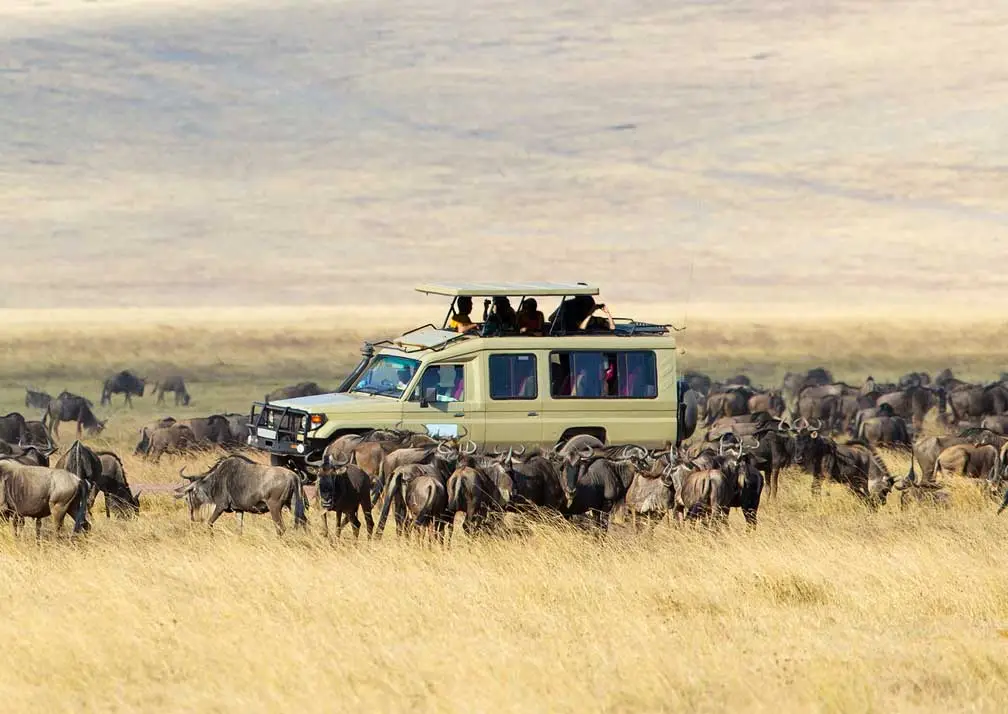
Great Migration Safaris
Experience one of nature's greatest spectacles with our Great Migration safari packages, timed for river crossings or calving.
View Package →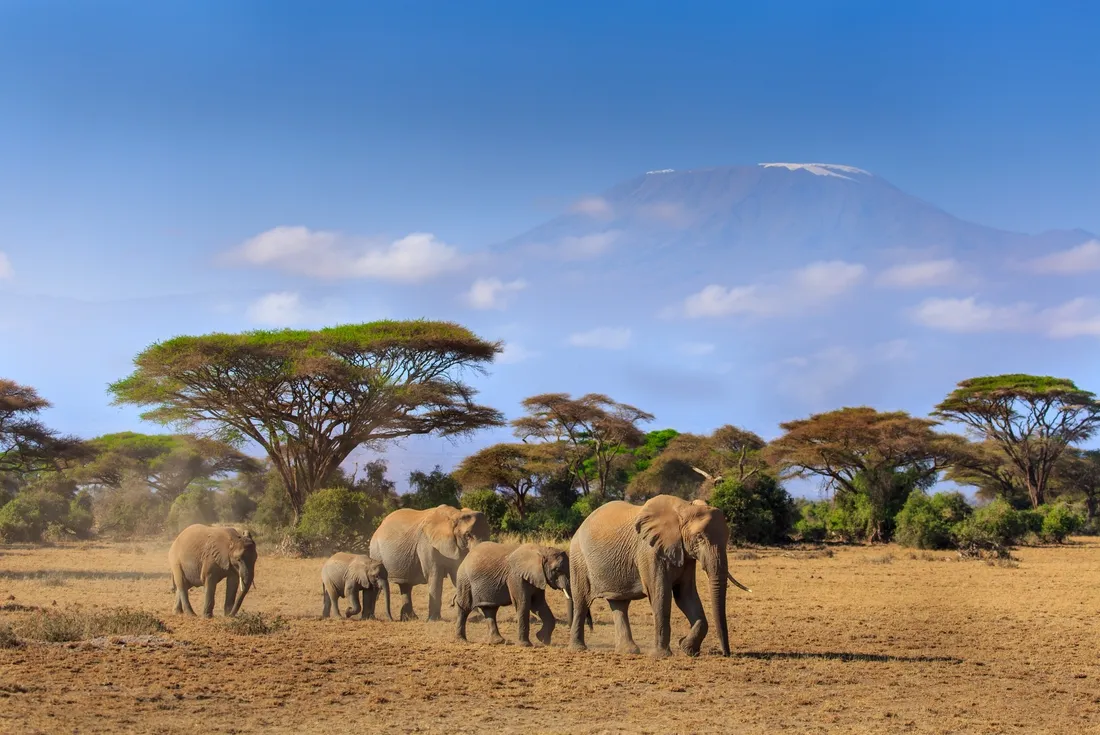
Serengeti & Kilimanjaro Trek
Combined safari and trekking tours offer wildlife adventures and Kilimanjaro climbs.
View Package →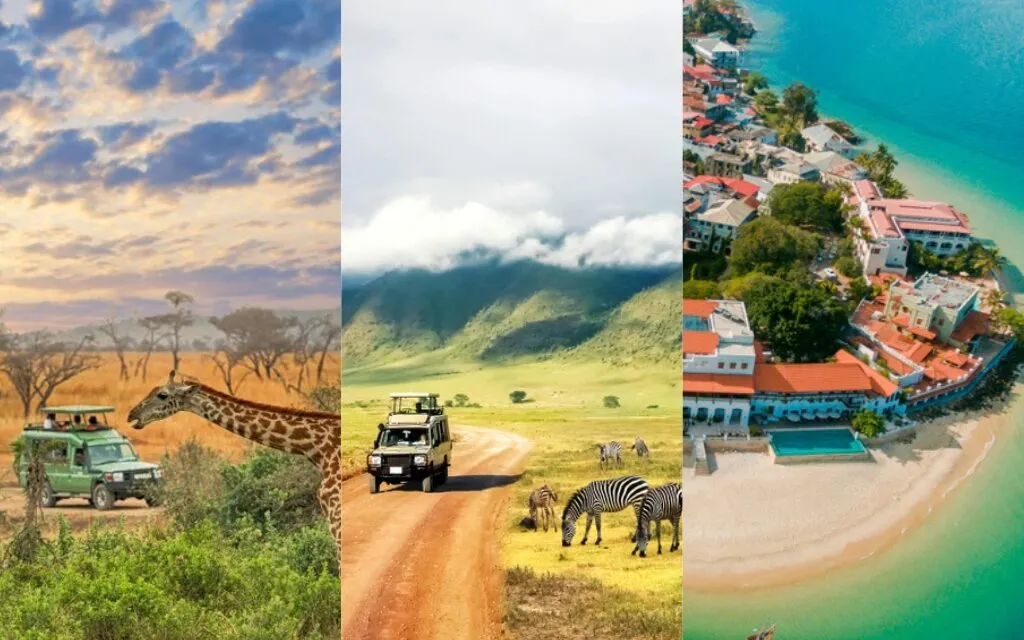
Serengeti & Zanzibar Tours
Luxury Tanzania safari & beach packages with the Great Migration and pristine beaches.
View Package →Related: Best Time to Visit Tanzania 2026 – Perfect safari extension after your Israel journey.