
Most Complete Italy Travel Guide 2026-2027 – Everything You Need to Know Before Visiting
This Italy travel guide provides everything you need to plan your journey to one of the world’s most beloved destinations. Italy offers an extraordinary blend of ancient Roman ruins, Renaissance masterpieces, picturesque coastlines, and world-class cuisine that create one of Europe’s most diverse travel experiences. Many travelers who want to travel to Italy are surprised by the country's incredible regional diversity and rich cultural heritage spanning Etruscan, Roman, Renaissance, and modern eras. The nation covers over 301,000 square kilometers, offering visitors everything from Alpine peaks to Mediterranean islands and bustling fashion capitals.
Start Reading the Full Guide ↓Quick Facts About Italy
- Capital: Rome.
- Currency: Euro (€).
- Time Zone: Central European Time (CET, UTC+1).
- International Calling Code: +39.
- Driving Side: Right.
- Major Airports: Rome Fiumicino (FCO), Milan Malpensa (MXP), Venice Marco Polo (VCE).
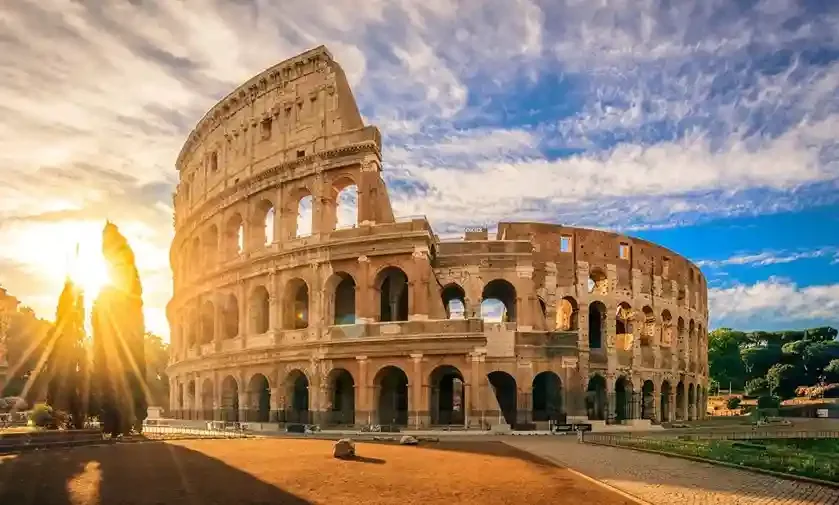
Italy Overview & Key Facts
Brief History of Italy
Italy's history spans millennia, from ancient Etruscan and Roman civilizations through Renaissance brilliance to modern unification. The Roman Empire left magnificent ruins like the Colosseum and Pompeii. The Renaissance began in Florence and spread across the peninsula, producing masterpieces by Michelangelo, Leonardo da Vinci, and Raphael. This rich historical tapestry creates a fascinating backdrop for modern travelers exploring the country's archaeological treasures and artistic heritage.
Independence & National Identity
- Independence date: Unified March 17, 1861.
- Former status: City-states and foreign rule.
- National symbols & identity.
Italy unified in 1861 after centuries of city-states and foreign domination. The tricolor flag (green, white, red) symbolizes hope, faith, and charity. Italian identity centers on family, food, art, and “la dolce vita” – the sweet life.
Government System & Current Leadership
- Type of government: Parliamentary Republic
- Current president: Sergio Mattarella
- Notes on political stability
Italy is a parliamentary republic with frequent government changes but strong democratic institutions. Politics are lively but do not affect tourists.
Population, Ethnic Groups & Languages
- Population: 58.9 million (2025 projection).
- Major ethnic groups: Italian (95%+), small regional minorities.
- Official language(s): Italian.
- Additional languages commonly spoken.
English widely spoken in tourist areas. Regional dialects (Sicilian, Venetian, Neapolitan) strong. German spoken in South Tyrol, French in Aosta Valley.
Main Religions & Cultural Identity
Roman Catholicism dominates (≈80%), though practice has declined. Church influence remains strong in culture and holidays. Italy is secular but churches are central to art and history.
Geography & Natural Landscape
Italy features Alps in the north, rolling Tuscan hills, dramatic Amalfi and Cinque Terre coastlines, and volcanic islands (Sicily, Sardinia). Mediterranean climate in south, continental in north.
Economy & Tourism Highlights
Italy is the world’s 8th-largest economy, famous for fashion, design, automotive, and food exports. Tourism is vital – over 60 million visitors annually pre-pandemic.
What Italy Is Known For
- UNESCO sites (58 – world record)
- Rome, Venice, Florence, Pompeii, Amalfi Coast
- Food: pasta, pizza, gelato, wine, espresso
Visa & Entry Requirements in Italy
Italy is part of the Schengen Area. Rules apply to all 27 Schengen countries.
Do You Need a Visa?
EU/EEA/Swiss: no visa. US, Canada, Australia, UK, NZ: visa-free 90 days in 180 (ETIAS required from mid-2026). Most other nationalities need Schengen tourist visa.
Visa Application Options in Italy
- Schengen tourist visa (up to 90 days)
- ETIAS (from 2026) – online authorization €7
- Long-stay national visas for study/work
Passport Validity & Entry Documents
Passport valid 3 months beyond intended stay. Proof of onward travel and sufficient funds may be requested.
Customs Rules & Prohibited Items
Standard EU rules. €10,000+ cash must be declared. No restrictions on personal food within EU limits.
Safety & Security Information in Italy
Italy is very safe for tourists. Main issue is pickpocketing in Rome, Florence, Venice, Milan, Naples.
Is Italy Safe for Tourists?
Yes – one of Europe’s safest countries. Violent crime extremely low.
Recommended Safety Tips when in Italy
Use anti-theft bags, avoid crowded train stations at night, don’t leave bags unattended, beware of street scams.
Safe Areas vs. Areas to Avoid in Italy
All major tourist areas safe. Some Naples neighborhoods best avoided after dark.
Emergency Numbers & Tourist Police in Italy
- Police: 112 (Europe-wide)
- Medical emergency: 118
- Tourist police units in major cities
Health Requirements & Vaccinations in Italy
No mandatory vaccinations. Standard European healthcare.
Mandatory Vaccinations in Italy
None.
Recommended Vaccinations in Italy
Routine vaccines. Hepatitis A/B for longer stays.
Malaria & Other Risks
No malaria. Tap water safe everywhere.
Travel Insurance Recommendations in Italy
Highly recommended – covers medical, theft, trip cancellation. EU citizens use EHIC/GHIC for state healthcare.
Best Time to Visit in Italy
Shoulder seasons (April–June, September–October) ideal. Summer hot and crowded.
Weather by Season
Spring/autumn 18–25°C. Summer 30–38°C south. Winter mild coast, snowy Alps.
When to Visit Italy for Best Experiences
- Cities & art: spring/autumn
- Beaches: June–September
- Skiing: December–March
- Wine harvest: September–October
High Season vs. Low Season Travel
High: June–August. Low: November–March (except Christmas & Carnival).
Weather & Climate Overview in Italy
Mediterranean south/coast, continental north.
Temperature Ranges
Coastal winter 8–15°C, summer 25–35°C. Alpine winters below zero.
Rainy & Dry Seasons in Italy
Winter wetter north, autumn rain Venice/Florence. Summer dry.
What to Wear Based on the Weather
Layers spring/autumn. Light clothing + cardigan summer. Warm coat winter north. Modest attire churches.
Main Currency, Costs & Budgeting in Italy
Euro (€). Cards accepted almost everywhere.
Average Travel Costs in Italy
Budget €80–130/day, mid-range €150–280, luxury €400+.
Using ATMs, Cards & Mobile Money in Italy
ATMs everywhere. Contactless common. Apple/Google Pay widespread.
Tipping Guidelines in Italy
Not obligatory. Round up or €1–2 per person in restaurants. €1–2 per bag hotels.
Transportation & Getting Around in Italy
Excellent trains (Trenitalia & Italo), domestic flights, ferries, car rental.
Airport Transfers
Leonardo Express Rome, Alilaguna Venice, Malpensa Express Milan.
Local Transport Options in Italy
Metro Rome/Milan, buses, trams, vaporetti Venice.
Italy Domestic Flights
Useful Rome–Sicily/Sardinia.
Car Rentals & Road Conditions in Italy
Good highways (autostrade with tolls). ZTL zones in cities – fines if entered without permit.
Accommodation Options available in Italy
Hotels, B&Bs, agriturismi, apartments, hostels.
Types of Accommodations in Italy
From 5-star chains to family-run B&Bs and farm stays.
Budget vs. Mid-Range vs. Luxury
Budget €50–100, mid €120–250, luxury €300+.
Best Areas to Stay in Italy
Rome: Centro Storico, Trastevere. Florence: Duomo/Santa Croce. Venice: San Marco or quieter Dorsoduro.
Essential Packing Guide when Visiting Italy
Comfortable walking shoes, modest clothing for churches, adapter type F/L, portable charger.
Clothing Essentials
Stylish but comfortable. Scarf/shawl for churches.
Footwear & Gear
Good walking shoes mandatory – lots of cobblestones.
Electronics & Cameras
Italy uses 230V, plugs C, F, L.
Toiletries & Personal Items
All available, but bring prescriptions.
Language & Communication in Italy
Italian official. English common in tourism.
Useful Phrases for Tourists
Ciao, grazie, per favore, scusa, non parlo italiano.
SIM Cards & Mobile Data used in Italy
Vodafone, TIM, WindTre, Iliad – €10–20 for 50–100 GB.
Internet Availability & Wi-Fi in Italy
Free Wi-Fi in most cafés, restaurants, train stations.
Culture & Etiquette in Italy
Cappuccino only morning, no Parmesan on seafood pasta, dress well, greet with “buongiorno”.
Italian Dress Code Expectations
Cover shoulders/knees in churches. Italians dress elegantly even casually.
Social Etiquette & Respectful Behavior of Italy
Handshake or cheek kiss (2) among friends. Don’t rush meals.
Photography Rules in Italy
Generally allowed, no flash in museums/churches.
Important Cultural Dos & Don’ts in Italy
Do learn basic pleasantries. Don’t order cappuccino after 11 am or put ketchup on pasta.
Food, Water & Dining in Italy
World’s best cuisine – regional specialties everywhere.
Italian Local Dishes to Try
Pizza Naples, pasta carbonara Rome, risotto Milan, gelato everywhere, espresso.
Dietary Options in Italy
Vegetarian easy, vegan growing, gluten-free common.
Drinking Water Safety
Tap water safe and excellent.
Restaurant Etiquette
Coperto (cover charge) normal. Service often not included – round up or 5–10%.
Top Attractions & Things to Do in Italy
Rome, Venice, Florence, Tuscany, Amalfi Coast, Cinque Terre, Sicily, Dolomites.
Major Tourist Attractions in Italy
- Colosseum & Roman Forum
- Vatican Museums & St. Peter’s
- Venice canals & St. Mark’s
- Florence Duomo & Uffizi
Best Tours & Experiences in Italy
Food tours, wine tasting Tuscany/ Piedmont, cooking classes, Vespa tours, gondola rides.
Family-Friendly Activities to do in Italy
Pompeii, Venice boat rides, Tuscany farms, beaches.
Unique Cultural or Historical Sites to visit in Italy
Pompeii, Herculaneum, Matera caves, Alberobello trulli, Ravenna mosaics.
Italian Electrical System Information
230V, 50Hz, plugs C, F, L.
Plug Types & Voltage used in Italy
Type F (Schuko) and L common. Type C fits most.
Charging Tips
Bring adapter. Most hotel rooms have USB ports now.
Local Laws & Regulations of Italy
No eating/drinking near major monuments Rome, no swimming Venice canals, ZTL traffic zones.
Rules Travelers Need to Know when In Italy
Respect museum/church dress codes, no loud behavior near residences after 10 pm.
Alcohol, Smoking & Substance Laws of Italy
Drinking age 18. No cannabis. Smoking banned indoors.
Restricted or Protected Areas in Italy.
Military zones, some archaeological sites require tickets/reservations.
Final Travel Tips for Visitors in Italy
Book major attractions (Colosseum, Vatican, Uffizi, Last Supper) months ahead. Validate train tickets. Learn basic Italian phrases.
Common Mistakes to Avoid
Planning too many cities, not booking tickets, expecting dinner before 7:30 pm.
Tips to Save Money when Visiting Italy
Travel shoulder season, stay in B&Bs/agriturismi, eat where locals eat, use regional trains.
Safety & Comfort Tips
Use licensed taxis or apps (FreeNow, itTaxi). Keep valuables in front pockets on public transport.
Frequently Asked Questions – Italy Travel Guide 2026-2027
Our Tanzania Tours Products
While Italy offers incredible history, art, food and coastlines, many travelers combine Europe with the ultimate wildlife experience in East Africa. Capable Africa Tours specializes in secure, guided safaris that maximize safety and wonder. Our expert local guides, armed rangers in parks, and vetted accommodations ensure peace of mind. From family-friendly lodges to luxury camps, we handle logistics so you focus on the magic. Tanzania ranks high for tourist safety with dedicated wildlife protection units and stable northern circuits.
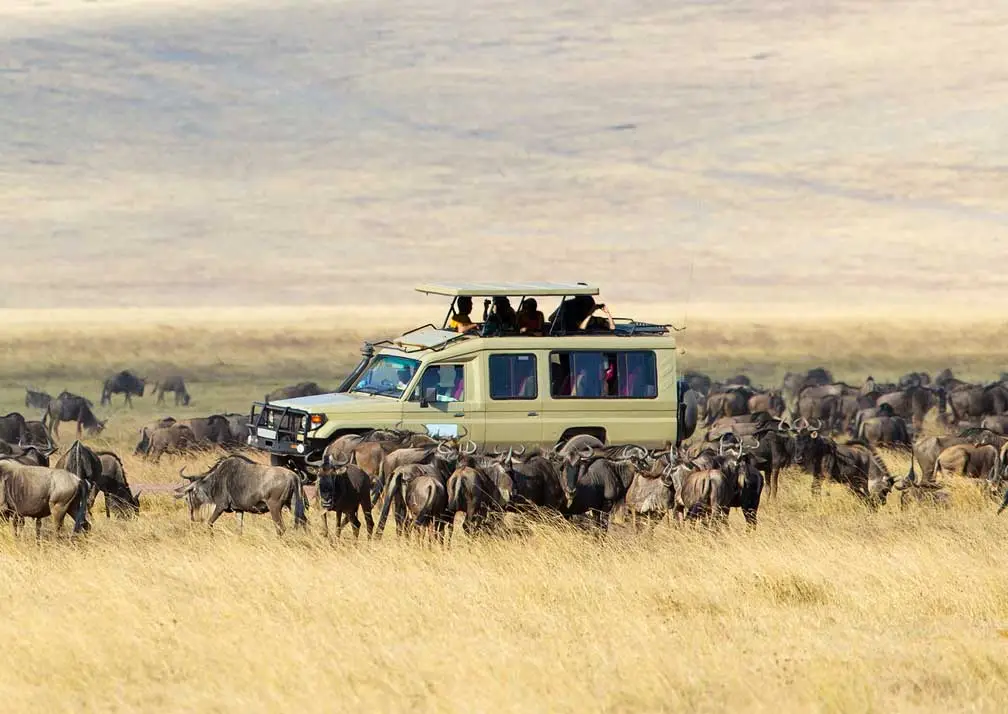
Great Migration Safaris
Experience one of nature's greatest spectacles with our Great Migration safari packages, timed for river crossings or calving.
View Package →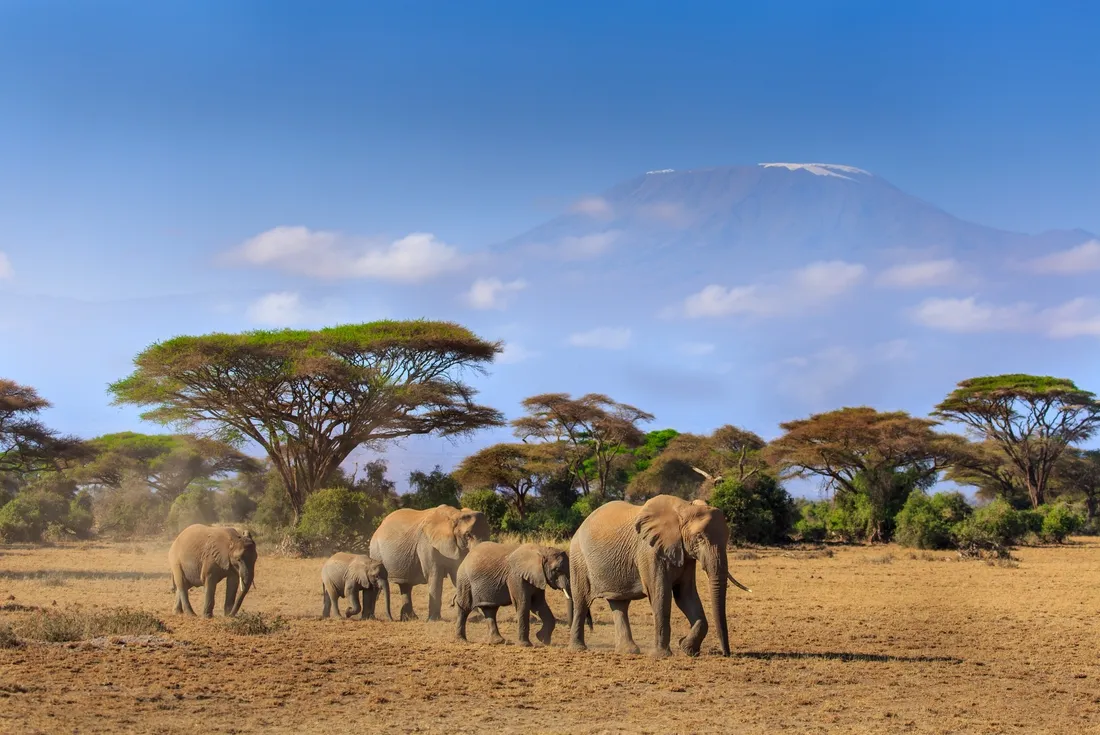
Serengeti & Kilimanjaro Trek
Combined safari and trekking tours offer wildlife adventures and Kilimanjaro climbs.
View Package →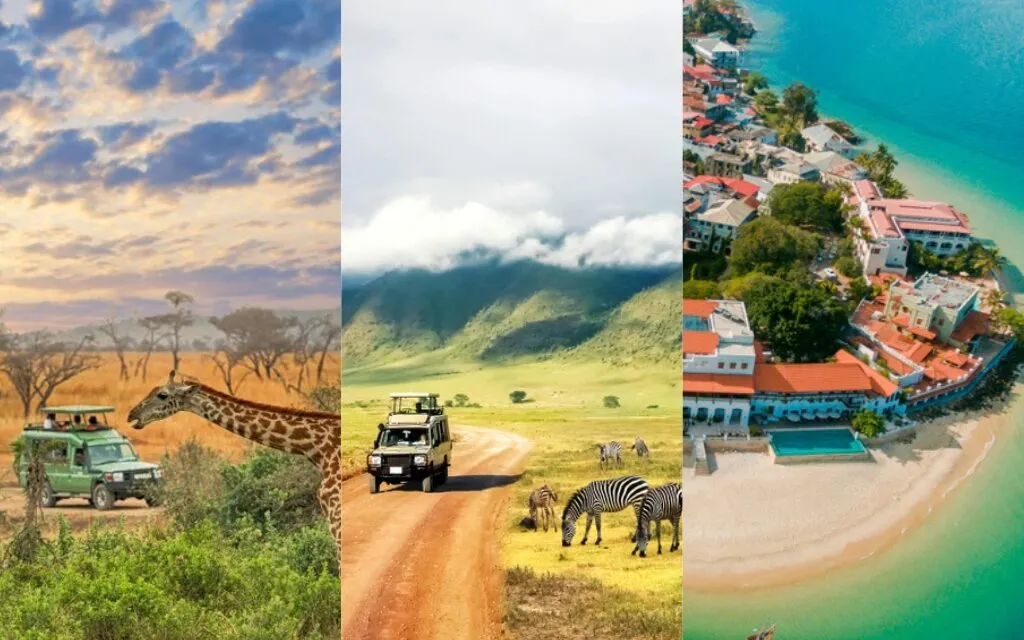
Serengeti & Zanzibar Tours
Luxury Tanzania safari & beach packages with the Great Migration and pristine beaches.
View Package →Related: Best Time to Visit Tanzania 2026 – Perfect safari extension after your Italy adventure.