Most Complete Côte d’Ivoire (Ivory Coast) Travel Guide 2026-2027 – Everything You Need to Know Before Visiting
This Côte d’Ivoire travel guide provides everything you need to plan your journey to West Africa’s rising star. From the modern skyline of Abidjan to pristine Atlantic beaches, UNESCO-listed colonial towns, and one of Africa’s last primary rainforests, Côte d’Ivoire offers an extraordinary blend of urban energy, coastal relaxation, and rich cultural heritage that surprises most first-time visitors.
Start Reading the Full Guide ↓Quick Facts About Côte d’Ivoire
- Capital: Yamoussoukro (political), Abidjan (economic).
- Currency: West African CFA franc (XOF).
- Time Zone: Greenwich Mean Time (GMT, UTC+0).
- International Calling Code: +225.
- Driving Side: Right.
- Major Airports: Félix-Houphouët-Boigny International Airport (Abidjan).
Côte d’Ivoire Overview & Key Facts
Brief History of Côte d’Ivoire
Côte d’Ivoire’s history spans powerful pre-colonial kingdoms (Kong, Baoulé) through French colonisation to independence in 1960 under Félix Houphouët-Boigny, who led the country for 33 years of relative stability and economic growth. The country experienced civil conflict 2002–2011 but has enjoyed strong stability and rapid development since 2011.
Independence & National Identity
- Independence date: 7 August 1960.
- Former colonial power: France.
- National symbols & identity.
The orange-white-green flag represents the country’s savannah, peace, and coastal forests respectively. National identity is built around “Ivoirité”, hospitality, and a proud mix of over 60 ethnic groups.
Government System & Current Leadership
- Type of government: Presidential Republic
- Current president: Alassane Ouattara (since 2010)
Stable and business-friendly government with strong economic growth since 2012.
Population, Ethnic Groups & Languages
- Population: ~31 million (2026 projection).
- Major ethnic groups: Akan (42%), Voltaic/Gur, Northern Mandé, Kru, Southern Mandé.
- Official language: French.
Dioula serves as lingua franca across much of the country. English is growing in tourism and business sectors.
Main Religions & Cultural Identity
Christian 33%, Muslim 43%, traditional beliefs/animist 12%, other/none 12%. Religious coexistence is generally peaceful and a source of national pride.
Geography & Natural Landscape
Lagoon-fringed Atlantic coast, rolling savannah, and dense primary rainforest in the southwest (Taï National Park). Four main regions: coastal, forest, savannah, and northern semi-arid.
Economy & Tourism Highlights
World’s largest cocoa producer, fast-growing economy, major infrastructure investments. Tourism is rapidly expanding with new beach resorts, conference facilities, and eco-lodges.
What Côte d’Ivoire Is Known For
- Abidjan – “Paris of West Africa” with dramatic skyline
- Pristine Atlantic beaches (Assinie, Grand-Bassam, San-Pédro)
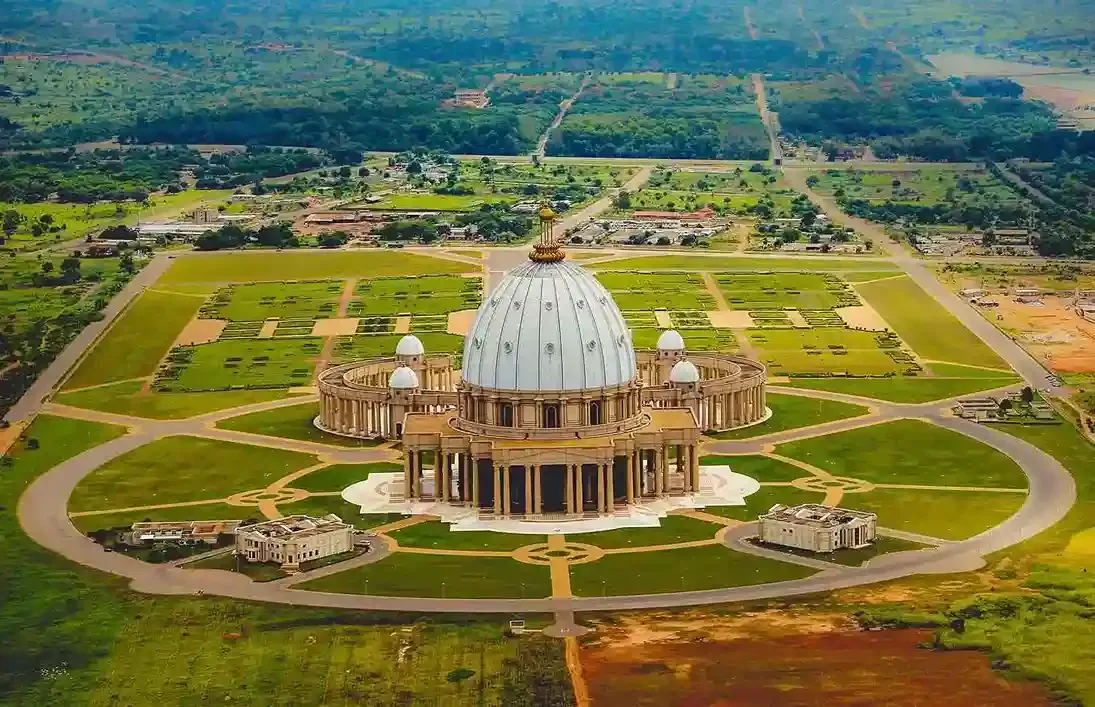
- UNESCO Grand-Bassam historic town & Basilica of Our Lady of Peace (world’s largest church)
- Taï National Park – last primary rainforest in West Africa with chimpanzees
Visa & Entry Requirements in Côte d’Ivoire
Since 2017 Côte d’Ivoire offers a straightforward e-Visa system for most nationalities.
Do You Need a Visa?
ECOWAS citizens are visa-exempt. All other nationalities require an e-Visa (or visa on arrival for some countries at Abidjan airport). Yellow fever vaccination certificate mandatory for all travellers over 9 months.
Visa Application Options
- e-Visa online (recommended – 3–5 days processing)
- Visa on arrival at Abidjan airport (for countries eligible)
- Embassy visa
Passport Validity & Entry Documents
Passport valid 6 months beyond intended stay + yellow fever certificate + proof of accommodation/return ticket.
Safety & Security Information in Côte d’Ivoire
Abidjan, Grand-Bassam, Yamoussoukro and the entire southern coastal belt are considered safe for tourists. Avoid northern border areas with Mali/Burkina Faso.
Is Côte d’Ivoire Safe for Tourists?
Yes – most tourist areas are safe. Petty crime exists in Abidjan (Plateau, Adjamé) but violent crime against tourists is rare.
Emergency Numbers
- Police: 170 / 111
- Fire: 180
- Medical Emergency: 185
Health Requirements & Vaccinations
Yellow fever certificate mandatory. Malaria prophylaxis strongly recommended.
Best Time to Visit Côte d’Ivoire
December–February (coolest & dry) or June–September (main dry season). Avoid heavy rainy seasons March–May & October–November.
Main Currency, Costs & Budgeting
West African CFA franc (XOF). Budget $60–100/day, mid-range $120–200/day, luxury $250–450/day.
Transportation & Getting Around
Good domestic flights (Air Côte d’Ivoire), shared taxis (gbaka), modern buses, and car hire with driver recommended.
Accommodation Options
From luxury Abidjan hotels (Pullman, Sofitel) to beach resorts in Assinie and San-Pédro, eco-lodges in Taï, and boutique guesthouses in Grand-Bassam.
Top Attractions & Things to Do
- Abidjan – St. Paul’s Cathedral, Banco National Park, vibrant markets
- Grand-Bassam – UNESCO colonial town & beaches
- Basilica of Our Lady of Peace – Yamoussoukro
- Assinie & San-Pédro beaches
- Taï National Park – chimpanzees & rainforest
- Comoé National Park
Frequently Asked Questions – Côte d’Ivoire Travel Guide 2026-2027
Our Tanzania Tours Products
While Côte d’Ivoire offers stunning beaches, vibrant Abidjan and rainforest adventures, many travellers combine West Africa with the ultimate East African wildlife experience. Capable Africa Tours specialises in secure, guided safaris that maximise safety and wonder...
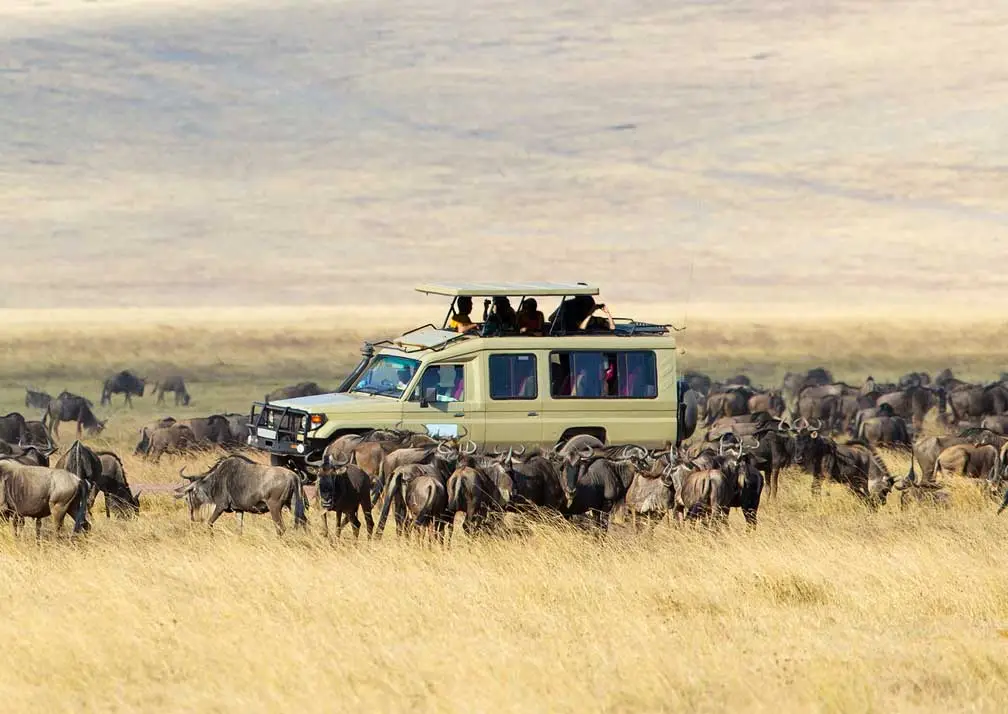
Great Migration Safaris
Experience one of nature's greatest spectacles with our Great Migration safari packages, timed for river crossings or calving.
View Package →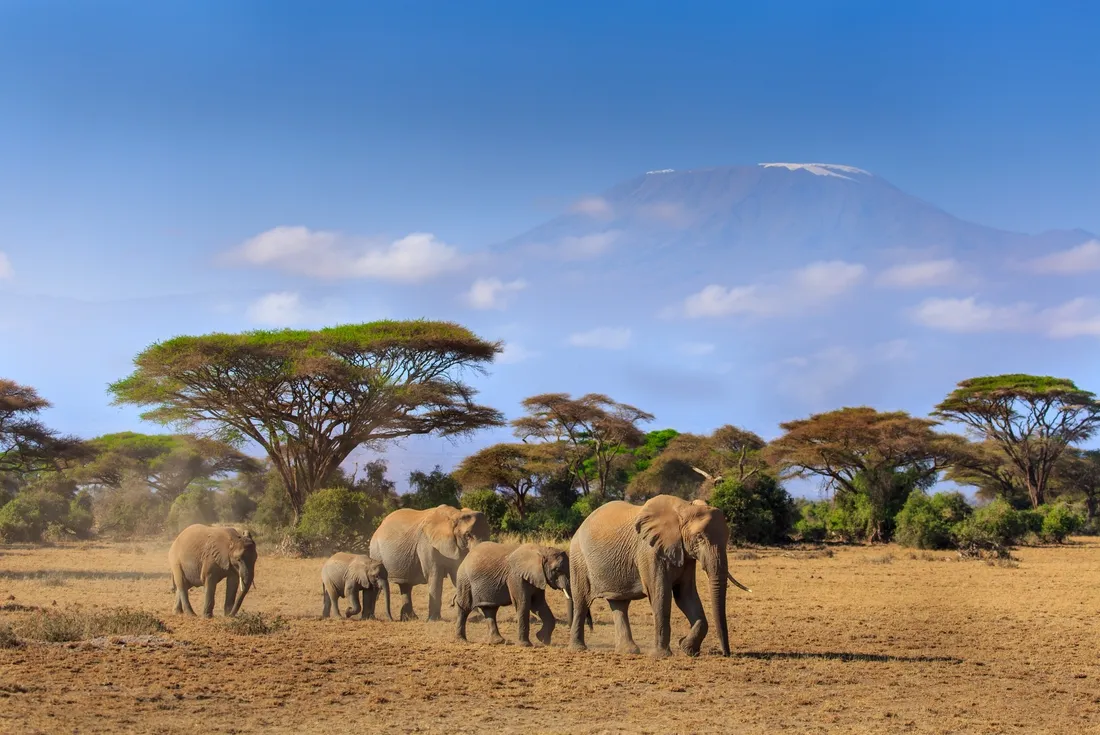
Serengeti & Kilimanjaro Trek
Combined safari and trekking tours offer wildlife adventures and Kilimanjaro climbs.
View Package →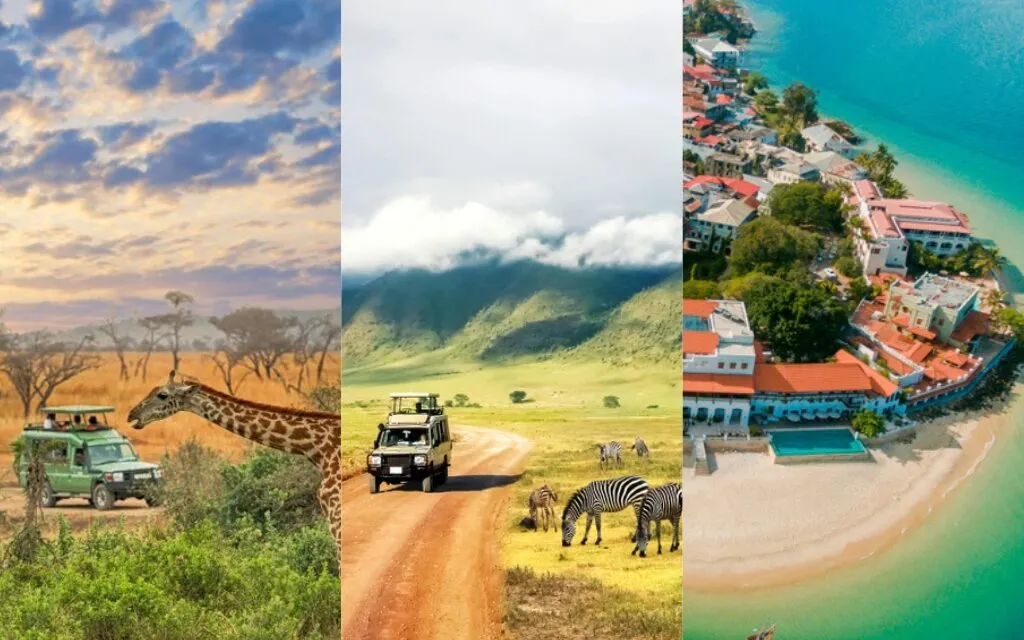
Serengeti & Zanzibar Tours
Luxury Tanzania safari & beach packages with the Great Migration and pristine beaches.
View Package →Related: Best Time to Visit Tanzania 2026 – Perfect safari extension after your Côte d’Ivoire adventure.