
Most Complete Jamaica Travel Guide 2026-2027 – Everything You Need to Know Before Visiting
This Jamaica travel guide provides everything you need to plan your journey to the Caribbean's most vibrant island. Jamaica offers an irresistible mix of turquoise beaches, lush mountains, reggae culture, and warm hospitality that creates one of the region’s most unforgettable travel experiences. Many travelers who visit Jamaica are captivated by the island’s laid-back “One Love” vibe, world-famous jerk cuisine, and stunning natural beauty ranging from the famous Seven Mile Beach in Negril to the misty Blue Mountains where the world’s best coffee grows.
Start Reading the Full Guide ↓Quick Facts About Jamaica
- Capital: Kingston.
- Currency: Jamaican Dollar (JMD) – USD widely accepted.
- Time Zone: Eastern Standard Time (EST, UTC-5).
- International Calling Code: +1 876 / +1 658.
- Driving Side: Left.
- Major Airports: Sangster International (Montego Bay – MBJ), Norman Manley International (Kingston – KIN).
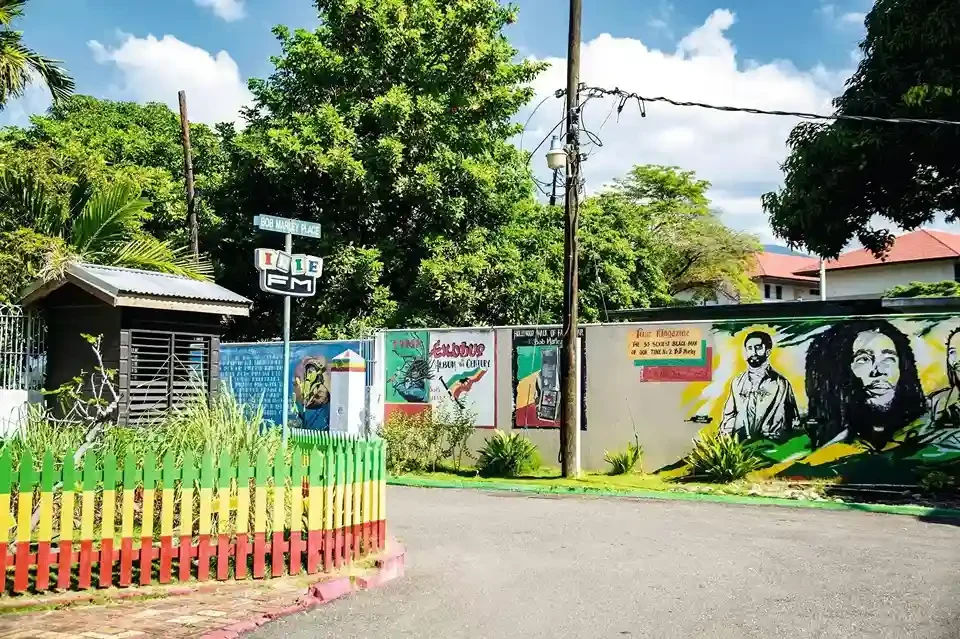
Jamaica Overview & Key Facts
Brief History of Jamaica
Jamaica’s history begins with the indigenous Taíno people, followed by Spanish colonization in 1494 and British rule from 1655. The island became the world’s largest sugar exporter powered by the brutal transatlantic slave trade. Emancipation came in 1834, and Jamaica gained independence from Britain on August 6, 1962. The legacy of African heritage blended with European influences created the island’s unique culture, music, and cuisine.
Independence & National Identity
- Independence date: August 6, 1962.
- Former colonial power: United Kingdom.
- National symbols & identity.
The black, green, and gold flag represents hardship overcome (black), lush vegetation (green), and sunshine/wealth (gold). The national motto “Out of Many, One People” reflects Jamaica’s multicultural heritage.
Government System & Current Leadership
- Type of government: Parliamentary Democracy & Constitutional Monarchy
- Current prime minister: Andrew Holness
- Notes on political stability
Jamaica operates as a stable democracy with regular elections. Tourism remains a cornerstone of the economy and is strongly protected.
Population, Ethnic Groups & Languages
- Population: 2.83 million (2025 projection).
- Major ethnic groups: African descent (92%), mixed (6%), Indian/Chinese/other.
- Official language(s): English.
- Additional languages commonly spoken.
Jamaican Patois (Creole) is the everyday language, though standard English is used in official and tourism settings.
Main Religions & Cultural Identity
Christianity dominates (over 70%), with strong Rastafarian influence in music and culture. Religious tolerance is high.
Geography & Natural Landscape
Jamaica is the third-largest Caribbean island with rugged Blue Mountains (highest point 2,256 m / 7,402 ft), lush rainforests, waterfalls, white-sand beaches, and coral reefs.
Economy & Tourism Highlights
Tourism and bauxite/alumina are the main revenue sources. Jamaica welcomed over 4 million visitors annually pre-pandemic and is on track to exceed that in 2026.
What Jamaica Is Known For
- Reggae music & Bob Marley
- World-famous beaches (Negril, Montego Bay)
- Jerk cuisine & Blue Mountain Coffee
- Dunn’s River Falls & mystic Blue Lagoon
Visa & Entry Requirements in Jamaica
Most visitors enjoy visa-free entry or simple online registration. Requirements are straightforward and tourist-friendly.
Do You Need a Visa?
USA, Canada, UK, EU, Australia, New Zealand, Japan, and most Latin American/Caribbean countries get 90 days visa-free. Others can apply online or get visa-on-arrival.
Visa Application Options in Jamaica
- Visa-free for most Western countries
- Online immigration/customs form (C5) required 2026
- Some nationalities need embassy visa
Passport Validity & Entry Documents
Passport valid for length of stay + return/onward ticket required.
Customs Rules & Prohibited Items
Standard Caribbean restrictions. Declare large amounts of cash. Ganja (marijuana) is decriminalized for personal use (up to 2 oz) and legal for medical/religious use with permit.
Safety & Security Information in Jamaica
Tourist areas are very safe with dedicated tourism police and resort security. Exercise normal precautions outside resorts.
Is Jamaica Safe for Tourists?
Yes – resort areas (Negril, Montego Bay, Ocho Rios) have extremely low crime against tourists. Avoid certain Kingston communities after dark.
Recommended Safety Tips when in Jamaica
Use licensed JUTA taxis or resort transport, don’t flash valuables, stay in populated areas at night, and follow local advice.
Safe Areas vs. Areas to Avoid in Jamaica
Safe: Negril, Montego Bay, Ocho Rios, Port Antonio, South Coast (Treasure Beach). Caution in downtown Kingston and some Spanish Town areas.
Emergency Numbers & Tourist Police in Jamaica
- Police/Emergency: 119
- Tourist Police: Available in all major resorts
Health Requirements & Vaccinations in Jamaica
No mandatory vaccines except Yellow Fever if arriving from endemic countries. Standard travel vaccines recommended.
Mandatory Vaccinations in Jamaica
None except Yellow Fever certificate if applicable.
Recommended Vaccinations in Jamaica
Hepatitis A, Typhoid, routine vaccines.
Malaria & Other Risks
No malaria. Dengue and Zika exist – use insect repellent.
Travel Insurance Recommendations in Jamaica
Strongly recommended – covers medical evacuation, trip cancellation, and water sports.
Best Time to Visit in Jamaica
Mid-December to mid-April is peak dry season. May and November offer excellent weather with lower prices.
Weather by Season
Dry season (Dec–Apr): 25–30°C, low humidity. Rainy season (May–Nov): short afternoon showers, still mostly sunny.
When to Visit Jamaica for Best Experiences
- Reggae Sumfest: July
- Best beach weather: January–March
- Lowest prices: September–early November
High Season vs. Low Season Travel
High: Dec–Apr (higher prices). Low: May–Nov (great deals, especially all-inclusives).
Weather & Climate Overview in Jamaica
Tropical climate with coastal temperatures 26–32°C year-round. Mountains are cooler (15–22°C).
Temperature Ranges
Coastal: 26–32°C. Blue Mountains: 15–22°C.
Rainy & Dry Seasons in Jamaica
Dry: December–April. Two rainy seasons: May–June & September–November.
What to Wear Based on the Weather
Swimwear, light clothing, flip-flops, light rain jacket, and sun protection.
Main Currency, Costs & Budgeting in Jamaica
US dollars widely accepted. All-inclusives offer best value.
Local Currency Information
Jamaican Dollar (JMD). USD accepted everywhere in tourist areas.
Average Travel Costs in Jamaica
Budget: $100–150/day; mid-range $200–350/day; luxury all-inclusive $400–800+/day.
Using ATMs, Cards & Mobile Money in Jamaica
ATMs plentiful. Credit cards widely accepted in tourist areas.
Tipping Guidelines in Jamaica
10–15% in restaurants (often included). $1–2 per bag for bellhops. All-inclusive staff appreciate tips.
Transportation & Getting Around in Jamaica
Resort transfers, route taxis, and rental cars are main options.
Airport Transfers
Pre-booked private transfers or JUTA taxis recommended.
Local Transport Options in Jamaica
Route taxis (shared), Knutsford Express buses, licensed JUTA taxis.
Jamaica Domestic Flights
Limited – mainly Kingston–Montego Bay (20 min).
Car Rentals & Road Conditions in Jamaica
Available at airports. Drive on left. Roads good on north coast, poorer in rural areas.
Accommodation Options available in Jamaica
All-inclusive resorts dominate, but boutique hotels and villas are growing.
Types of Accommodations in Jamaica
All-inclusive resorts, boutique hotels, villas, guesthouses, Airbnb.
Budget vs. Mid-Range vs. Luxury
Budget guesthouses $60–120; mid-range $150–300; luxury all-inclusive $400–1500+.
Best Areas to Stay in Jamaica
Negril (relaxed), Montego Bay (convenient airport), Ocho Rios (waterfalls), Port Antonio (quiet luxury), South Coast (authentic).
Essential Packing Guide when Visiting Jamaica
Pack light, focus on beachwear and sun protection.
Clothing Essentials
Swimwear, cover-ups, light clothing, one nice outfit for dining.
Footwear & Gear
Water shoes, flip-flops, comfortable sandals.
Electronics & Cameras
Waterproof phone case, GoPro for water activities.
Toiletries & Personal Items
Reef-safe sunscreen (mandatory in many marine parks), insect repellent, aloe vera.
Language & Communication in Jamaica
English is official. Patois widely spoken but tourism staff speak clear English.
Main Languages Spoken in Jamaica
English + Jamaican Patois.
Useful Phrases for Tourists
“Wah gwaan” (What’s up?), “Respect”, “Irie” (everything’s good), “Ya mon”.
SIM Cards & Mobile Data used in Jamaica
Digicel and Flow – available at airports.
Internet Availability & Wi-Fi in Jamaica
Free Wi-Fi in most resorts, cafes, and restaurants.
Culture & Etiquette in Jamaica
Laid-back, friendly culture. Greetings matter.
Jamaican Dress Code Expectations
Very casual. Beachwear at resorts, modest in towns/churches.
Social Etiquette & Respectful Behavior of Jamaica
Greet people, say thank you, respect personal space.
Photography Rules in Jamaica
Ask permission when photographing locals.
Important Cultural Dos & Don’ts in Jamaica
Do: Say good morning/afternoon. Don’t: Rush people or get upset by “island time”.
Food, Water & Dining in Jamaica
Jerk, patties, ackee & saltfish, fresh seafood – incredible cuisine.
Jamaican Local Dishes to Try
Jerk chicken/pork, ackee & saltfish (national dish), patties, curry goat, rice & peas, festival bread.
Dietary Options in Jamaica
Rastafarian ital (vegan) food widely available. All-inclusives cater to all diets.
Drinking Water Safety
Tap water safe in resorts and major towns. Bottled widely available.
Restaurant Etiquette
Casual. Tipping 10–15% if not included.
Top Attractions & Things to Do in Jamaica
Beaches, waterfalls, music, adventure – endless options.
Major Tourist Attractions in Jamaica
- Seven Mile Beach (Negril)
- Dunn’s River Falls
- Blue Lagoon (Port Antonio)
- Bob Marley Museum (Kingston)
Best Tours & Experiences in Jamaica
Catamaran cruises, river rafting on Martha Brae, ATV adventures, Blue Mountain hiking, Appleton Rum tour.
Family-Friendly Activities to do in Jamaica
Dolphin Cove, Mystic Mountain, Dunn’s River climbing, beach days.
Unique Cultural or Historical Sites to visit in Jamaica
Rose Hall Great House, Bob Marley Museum, Rastafarian Indigenous Village, Accompong Maroon Village.
Jamaican Electrical System Information
110V, 50Hz – same as USA/Canada. Type A & B plugs.
Plug Types & Voltage used in Jamaica
110V, 50Hz – American plugs.
Charging Tips
US visitors need no adapters. Others bring Type A/B adapters.
Local Laws & Regulations of Jamaica
Tourist-friendly with a few key rules.
Rules Travelers Need to Know when In Jamaica
No camouflage clothing. Small amounts of ganja decriminalized.
Alcohol, Smoking & Substance Laws of Jamaica
Drinking age 19. Ganja decriminalized (2 oz) and legal medically.
Restricted or Protected Areas in Jamaica
Some marine parks require reef-safe sunscreen.
Final Travel Tips for Visitors in Jamaica
Relax, embrace island time, and enjoy “No problem, mon” attitude.
Common Mistakes to Avoid
Don’t rent from unofficial taxi drivers, don’t over-schedule, don’t miss jerk off the beaten path.
Tips to Save Money when Visiting Jamaica
Travel May/June or Sept–Nov, eat local food, stay in guesthouses outside resorts.
Safety & Comfort Tips
Use resort/JUTA taxis, don’t walk alone at night outside resort areas, respect locals.
Frequently Asked Questions – Jamaica Travel Guide 2026-2027
Our Tanzania Tours Products
While Jamaica offers incredible beaches, reggae culture and Caribbean warmth, many travelers combine the Caribbean with the ultimate African wildlife experience in East Africa. Capable Africa Tours specializes in secure, guided safaris that maximize safety and wonder. Our expert local guides, armed rangers in parks, and vetted accommodations ensure peace of mind. From family-friendly lodges to luxury camps, we handle logistics so you focus on the magic. Tanzania ranks high for tourist safety with dedicated wildlife protection units and stable northern circuits.
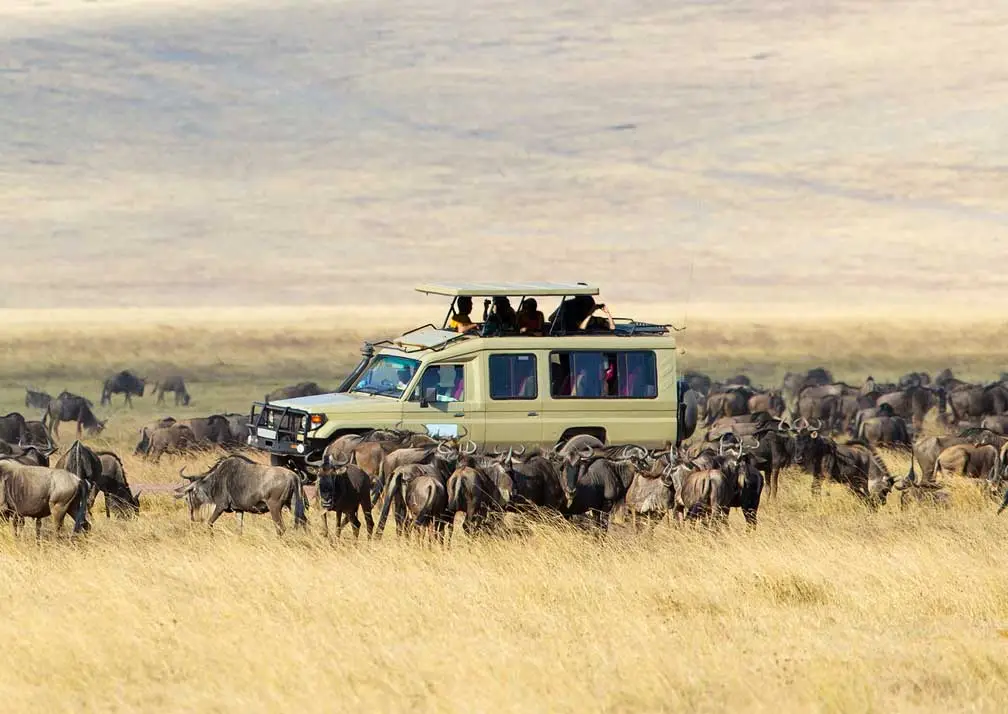
Great Migration Safaris
Experience one of nature's greatest spectacles with our Great Migration safari packages, timed for river crossings or calving.
View Package →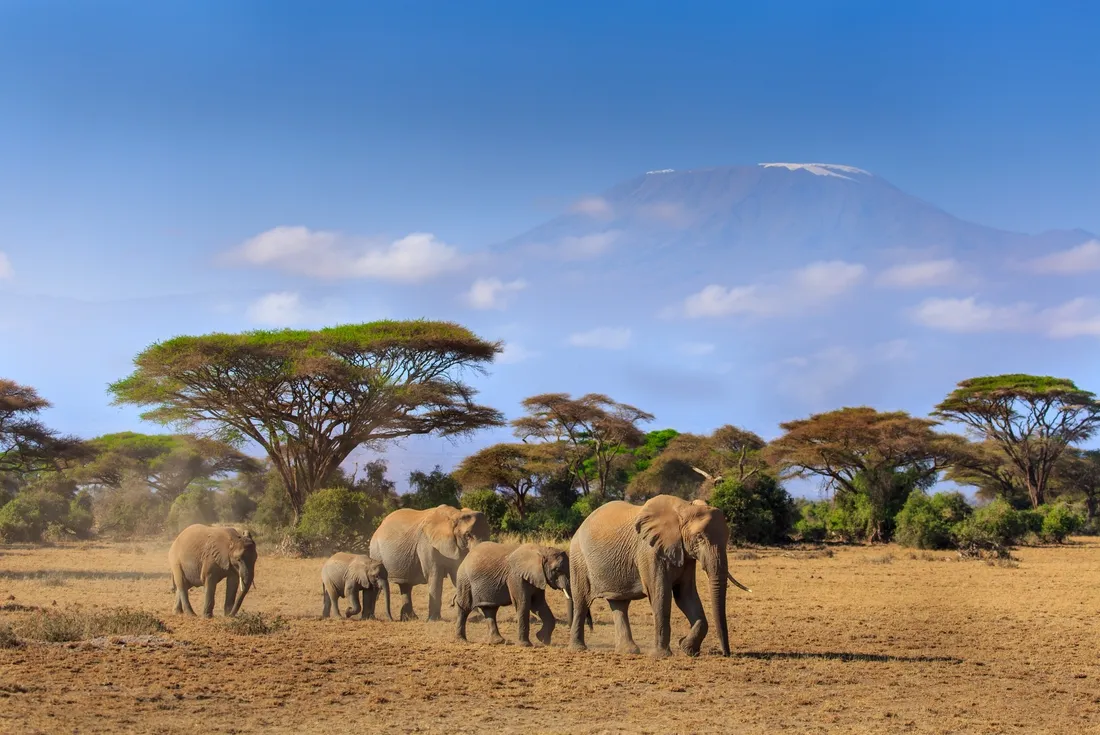
Serengeti & Kilimanjaro Trek
Combined safari and trekking tours offer wildlife adventures and Kilimanjaro climbs.
View Package →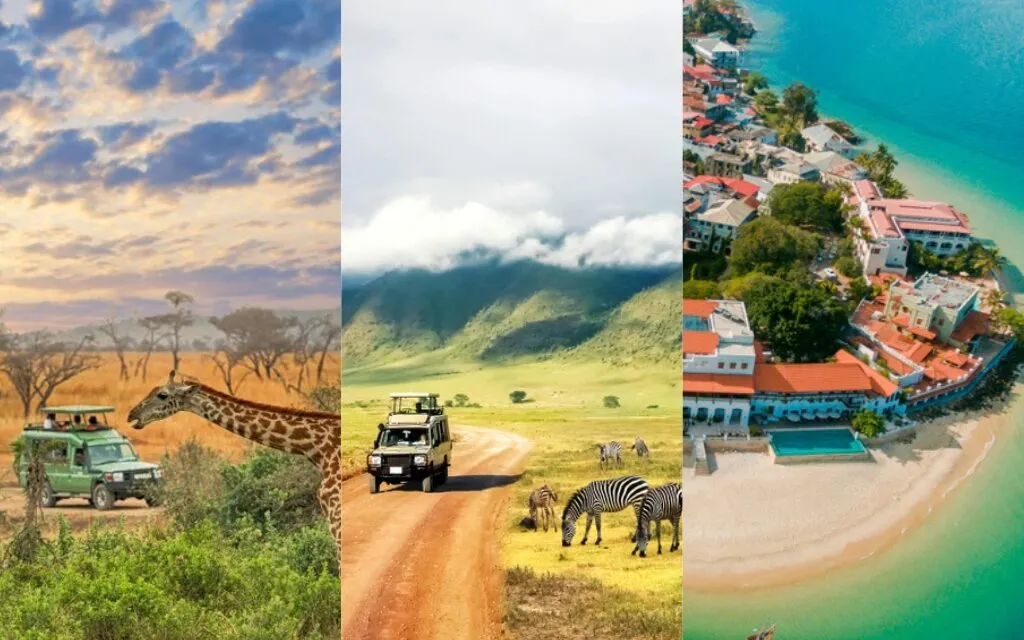
Serengeti & Zanzibar Tours
Luxury Tanzania safari & beach packages with the Great Migration and pristine beaches.
View Package →Related: Best Time to Visit Tanzania 2026 – Perfect safari extension after your Jamaica adventure.