
Most Complete Japan Travel Guide 2026-2027 – Everything You Need to Know Before Visiting
This Japan travel guide provides everything you need to plan your journey to the Land of the Rising Sun. Japan offers an extraordinary blend of ancient traditions and cutting-edge modernity that create one of the world’s most fascinating travel experiences. Many travelers who want to travel to Japan are surprised by the country's incredible diversity and rich cultural heritage spanning Shinto shrines, Buddhist temples, samurai castles, futuristic cities, and pristine natural landscapes from Hokkaido’s powder snow to Okinawa’s coral reefs.
Start Reading the Full Guide ↓Quick Facts About Japan
- Capital: Tokyo.
- Currency: Japanese Yen (JPY).
- Time Zone: Japan Standard Time (JST, UTC+9).
- International Calling Code: +81.
- Driving Side: Left.
- Major Airports: Haneda (HND) and Narita (NRT) in Tokyo, Kansai (KIX) in Osaka, Chubu (NGO) in Nagoya.
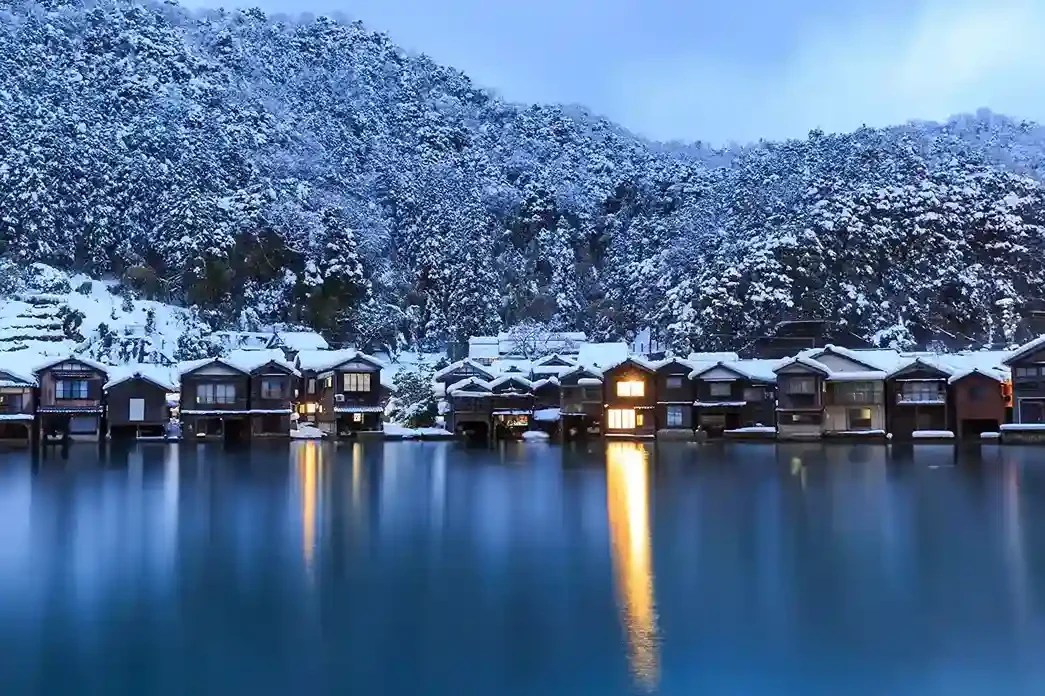
Japan Overview & Key Facts
Brief History of Japan
Japan's history spans millennia, from ancient Jomon pottery culture through imperial rule to the samurai era and rapid modernization after the Meiji Restoration. The country remained largely isolated until 1853 when Commodore Perry forced opening to international trade. Post-World War II reconstruction transformed Japan into an economic superpower while preserving deep cultural traditions, creating the unique blend of old and new that defines modern Japan.
Independence & National Identity
- Never colonized – one of only a few Asian nations.
- Current era: Reiwa (since 2019).
- National symbols & identity.
Japan’s unbroken imperial line dates back over 2,600 years according to legend. The chrysanthemum throne and rising sun flag symbolize continuity and renewal. National identity centers on harmony (wa), respect for nature, and seasonal appreciation.
Government System & Current Leadership
- Type of government: Constitutional monarchy with parliamentary democracy
- Current emperor: Naruhito (Reiwa era)
- Current prime minister: Changes frequently (as of 2025: Shigeru Ishiba)
Japan operates as a constitutional monarchy with Emperor Naruhito as symbolic head of state. Real political power rests with the elected parliament and prime minister. The country enjoys high political stability and democratic institutions.
Population, Ethnic Groups & Languages
- Population: 123.5 million (2025 projection).
- Major ethnic group: Japanese (98.5%), small Ainu, Ryukyuan, and foreign resident communities.
- Official language: Japanese.
- English widely taught in schools.
Japanese society is notably homogeneous with strong cultural cohesion. English education has improved dramatically, and signage in tourist areas is bilingual.
Main Religions & Cultural Identity
Most Japanese practice a blend of Shinto and Buddhism, with 70-80% participating in both traditions. Christianity represents under 2%. Cultural identity emphasizes harmony, respect, cleanliness, punctuality, and seasonal awareness.
Geography & Natural Landscape
Japan consists of four main islands (Honshu, Hokkaido, Kyushu, Shikoku) and over 14,000 smaller islands stretching 3,000 km. 73% of the country is mountainous, with iconic Mount Fuji (3,776 m). The country experiences four distinct seasons and is part of the Pacific Ring of Fire with frequent earthquakes and volcanic activity.
Economy & Tourism Highlights
Japan boasts the world’s fourth-largest economy with strengths in technology, automotive, and robotics. Tourism has exploded post-pandemic with over 35 million annual visitors expected by 2030. The government actively promotes regional tourism beyond Tokyo and Kyoto.
What Japan Is Known For
- Cherry blossoms (sakura) and autumn foliage
- Shinto shrines and Buddhist temples (over 100,000 combined)
- High-speed Shinkansen bullet trains
- Unique cuisine (washoku – UNESCO intangible heritage)
- Pop culture: anime, manga, J-pop
Visa & Entry Requirements in Japan
Japan maintains one of the world’s most visitor-friendly visa policies with visa-free entry for over 70 countries. The system is efficient and tourist-focused with clear procedures at immigration.
Do You Need a Visa?
Citizens of 71 countries enjoy 90-day visa-free tourist entry (USA, EU, UK, Canada, Australia, etc.). Visa-exempt visitors receive a landing permit stamp. Others require tourist visas in advance.
Visa Application Options in Japan
- 90-day visa-free entry (most Western countries)
- Tourist visa (15/30/90 days) for non-exempt nationalities
- e-Visa system expanding in 2026
Visa-exempt travelers simply show return/onward ticket and sufficient funds. Immigration officers rarely ask questions.
Passport Validity & Entry Documents
Passport must be valid for entire stay (6-month validity recommended). Return/onward ticket required for visa-exempt entry. No vaccination certificates needed.
Customs Rules & Prohibited Items
Strict drug laws – even small amounts of marijuana or ADHD medication can lead to arrest. Declare cash over ¥1 million. Duty-free allowance: 3 bottles alcohol, 400 cigarettes, 100 cigars.
Safety & Security Information in Japan
Japan consistently ranks among the safest countries globally with extremely low violent crime rates and excellent social order.
Is Japan Safe for Tourists?
Extremely safe – one of the safest destinations worldwide. Pickpocketing is rare, lost items are usually returned, and women can walk alone at night confidently.
Recommended Safety Tips when in Japan
Register with your embassy, carry your passport or residence card copy, download translation apps, learn basic earthquake procedures, and purchase travel insurance covering natural disasters.
Safe Areas vs. Areas to Avoid in Japan
All tourist areas are safe. Even “rough” neighborhoods like Osaka’s Dotonbori or Tokyo’s Kabukicho are safe compared to global standards.
Emergency Numbers & Tourist Police in Japan
- Police: 110
- Fire/Ambulance: 119
- Tourist helplines available in English (Tokyo: 03-5320-7744)
Health Requirements & Vaccinations in Japan
No mandatory vaccinations. Japan has excellent medical facilities with English-speaking doctors in major cities.
Mandatory Vaccinations in Japan
None required.
Recommended Vaccinations in Japan
Routine vaccines only. Japanese encephalitis only for extended rural summer stays.
Malaria & Other Risks
No malaria. Main concerns: seasonal flu, norovirus, and pollen allergies (spring).
Travel Insurance Recommendations in Japan
Highly recommended – medical costs are reasonable but evacuation can be expensive. Most policies cover earthquake/tsunami scenarios.
Best Time to Visit in Japan
Spring (March–May) and autumn (September–November) offer the best weather and cultural highlights.
Weather by Season
Cherry blossoms peak late March–early April. Summer is hot/humid with festivals. Autumn foliage peaks November. Winter brings snow festivals and onsen culture.
When to Visit Japan for Best Experiences
- Cherry blossoms: late March–early April
- Autumn colors: November
- Ski season: December–March (Hokkaido)
- Festivals: summer (July–August)
High Season vs. Low Season Travel
Cherry blossom and autumn foliage seasons are peak. Golden Week (late April–early May) and Obon (mid-August) are extremely crowded.
Weather & Climate Overview in Japan
Four distinct seasons with significant regional variation from subtropical Okinawa to subarctic Hokkaido.
Temperature Ranges
Tokyo: 5–10°C winter, 25–30°C summer. Hokkaido: -10°C winter, 20–25°C summer. Okinawa: 15–30°C year-round.
Rainy & Dry Seasons in Japan
Rainy season (tsuyu): June–mid-July (except Hokkaido). Typhoon season: August–October.
What to Wear Based on the Weather
Light layers spring/autumn, warm coat winter, breathable clothes and umbrella summer. Comfortable walking shoes essential.
Main Currency, Costs & Budgeting in Japan
Cash remains widely used despite technological advancement. Budget travelers can survive comfortably.
Local Currency Information
Japanese Yen (JPY). Coins: ¥1, ¥5, ¥10, ¥50, ¥100, ¥500. Notes: ¥1,000, ¥5,000, ¥10,000.
Average Travel Costs in Japan
Budget travelers: $80–120/day. Mid-range: $150–250/day. Luxury: $400+/day.
Using ATMs, Cards & Mobile Money in Japan
7-Eleven ATMs accept foreign cards. IC cards (Suica/Pasmo) revolutionize transport and convenience store payments.
Tipping Guidelines in Japan
No tipping culture – considered rude in most situations.
Transportation & Getting Around in Japan
World-class public transportation system with legendary punctuality.
Airport Transfers
Excellent train/bus connections from all major airports. Narita Express, Airport Limousine Bus, and local trains.
Local Transport Options in Japan
Shinkansen bullet trains, extensive subway/metro systems, reliable buses, and IC cards for seamless payment.
Japan Domestic Flights
Budget airlines (Peach, Jetstar) connect major cities cheaply. ANA/JAL for premium service.
Car Rentals & Road Conditions in Japan
International driving permit required. Driving on left. Not recommended in cities due to excellent public transport.
Accommodation Options available in Japan
From capsule hotels to luxury ryokan, Japan offers unique stays for every budget.
Types of Accommodations in Japan
Capsule hotels, business hotels, hostels, minshuku, ryokan (traditional inns), shukubo (temple lodgings), luxury international chains.
Budget vs. Mid-Range vs. Luxury
Capsule: $25–40. Business hotel: $60–120. Ryokan with kaiseki dinner: $200–600+.
Best Areas to Stay in Japan
Tokyo: Shinjuku, Shibuya, Asakusa. Kyoto: Near Kyoto Station or Gion. Osaka: Namba/Dotonbori.
Essential Packing Guide when Visiting Japan
Pack light – coin lockers everywhere and excellent convenience stores.
Clothing Essentials
Comfortable walking shoes, modest clothing for temples, light layers, umbrella, warm coat (winter).
Footwear & Gear
Shoes easy to remove (slip-ons), portable Wi-Fi or SIM card, power bank, universal adapter (type A/B).
Electronics & Cameras
100V electricity, type A/B plugs. Most devices handle 100–240V automatically.
Toiletries & Personal Items
Available everywhere but bring prescription medications with documentation.
Language & Communication in Japan
English penetration has improved dramatically in tourist infrastructure.
Main Languages Spoken in Japan
Japanese. English widely understood in tourism sectors.
Useful Phrases for Tourists
Sumimasen (excuse me), Arigatou gozaimasu (thank you), Onegai shimasu (please), Eigo ga hanasemasu ka? (Do you speak English?).
SIM Cards & Mobile Data used in Japan
eSIMs and pocket Wi-Fi widely available at airports. Excellent coverage.
Internet Availability & Wi-Fi in Japan
Free Wi-Fi everywhere: trains, cafes, convenience stores, tourist facilities.
Culture & Etiquette in Japan
Understanding Japanese etiquette enhances your experience dramatically.
Japanese Dress Code Expectations
Neat and tidy appearance appreciated. No shoes indoors. Modest attire at religious sites.
Social Etiquette & Respectful Behavior of Japan
Bow when greeting, speak softly, queue patiently, no eating while walking, separate trash meticulously.
Photography Rules in Japan
Ask permission before photographing people. No photos in some museums/temples.
Important Cultural Dos & Don’ts in Japan
Do: remove shoes, be punctual, use both hands when giving/receiving. Don’t: blow nose in public, talk loudly on trains, tip.
Food, Water & Dining in Japan
One of the world’s greatest culinary destinations with exceptional quality and variety.
Japanese Local Dishes to Try
Sushi, ramen, tempura, takoyaki, okonomiyaki, wagyu beef, kaiseki, shabu-shabu, matcha sweets.
Dietary Options in Japan
Excellent vegetarian/vegan options increasing rapidly. Halal-certified restaurants available.
Drinking Water Safety
Tap water perfectly safe and delicious throughout Japan.
Restaurant Etiquette
Say “Itadakimasu” before eating, don’t stick chopsticks upright in rice, slurp noodles loudly (encouraged).
Top Attractions & Things to Do in Japan
Endless world-class attractions blending tradition and innovation.
Major Tourist Attractions in Japan
- Tokyo: Senso-ji, Shibuya Crossing, TeamLab Borderless
- Kyoto: Fushimi Inari, Kinkaku-ji, Arashiyama bamboo grove
- Mount Fuji & Hakone
- Hiroshima Peace Memorial
- Nara deer park
Best Tours & Experiences in Japan
Onsen hopping, tea ceremony, sumo training visit, food tours, anime/manga experiences, skiing in Hokkaido.
Family-Friendly Activities to do in Japan
Tokyo Disneyland/DisneySea, Universal Studios Japan, Ghibli Museum, deer feeding in Nara.
Unique Cultural or Historical Sites to visit in Japan
Himeji Castle, Shirakawa-go traditional villages, Miyajima floating torii gate, Okinawa’s Ryukyu heritage.
Japanese Electrical System Information
100V electricity with type A/B plugs (same as USA).
Plug Types & Voltage used in Japan
Type A (two flat pins) and B (with grounding pin), 100V, 50/60Hz (east/west split).
Charging Tips
Most modern devices handle 100–240V automatically. Bring a type A/B adapter.
Local Laws & Regulations of Japan
Strict but reasonable laws with strong enforcement.
Rules Travelers Need to Know when In Japan
No jaywalking, no smoking on streets (designated areas only), quiet on public transport, strict drug laws.
Alcohol, Smoking & Substance Laws of Japan
Drinking age 20. Smoking age 20. Cannabis completely illegal with severe penalties.
Restricted or Protected Areas in Japan.
Military bases off-limits. Some temples/shrines restrict access during ceremonies.
Final Travel Tips for Visitors in Japan
Japan rewards preparation and cultural awareness with one of the world’s most extraordinary travel experiences.
Common Mistakes to Avoid
Don’t visit during Golden Week, don’t assume English everywhere outside tourist areas, don’t tip, don’t wear shoes indoors.
Tips to Save Money when Visiting Japan
Buy JR Pass before arrival, eat at convenience stores, stay in business hotels, use 100-yen shops, visit free temples/shrines.
Safety & Comfort Tips
Get a Suica/Pasmo card immediately, download Google Translate and Hyperdia, carry cash, learn basic etiquette.
Frequently Asked Questions – Japan Travel Guide 2026-2027
Our Tanzania Tours Products
While Japan offers incredible temples, futuristic cities and seasonal beauty, many travelers combine East Asia with the ultimate wildlife experience in East Africa. Capable Africa Tours specializes in secure, guided safaris that maximize safety and wonder. Our expert local guides, armed rangers in parks, and vetted accommodations ensure peace of mind. From family-friendly lodges to luxury camps, we handle logistics so you focus on the magic. Tanzania ranks high for tourist safety with dedicated wildlife protection units and stable northern circuits.
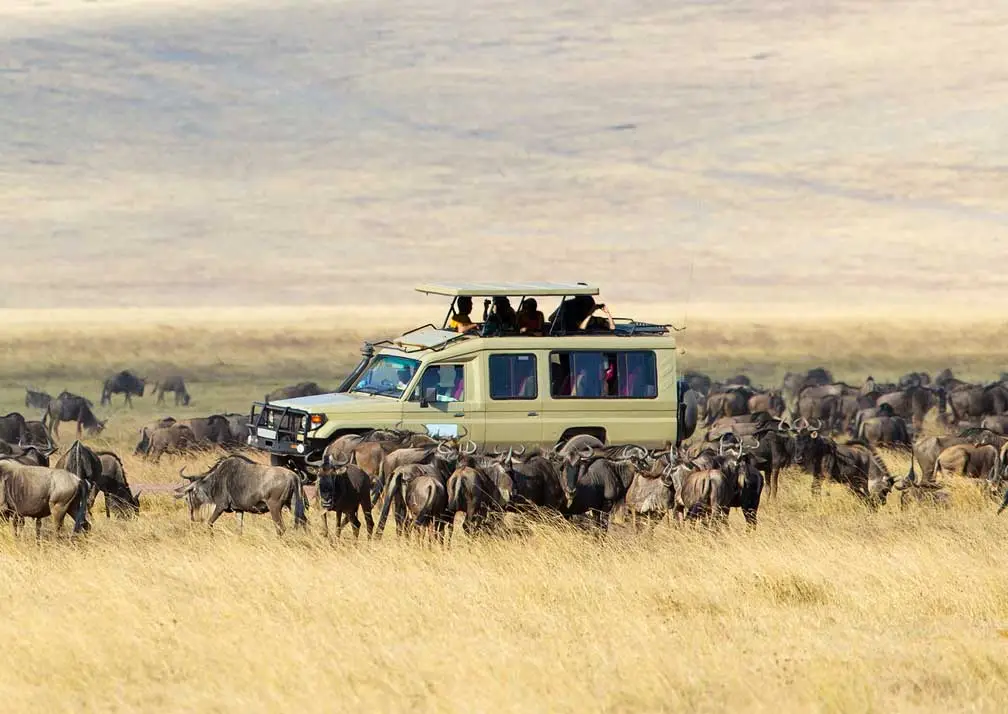
Great Migration Safaris
Experience one of nature's greatest spectacles with our Great Migration safari packages, timed for river crossings or calving.
View Package →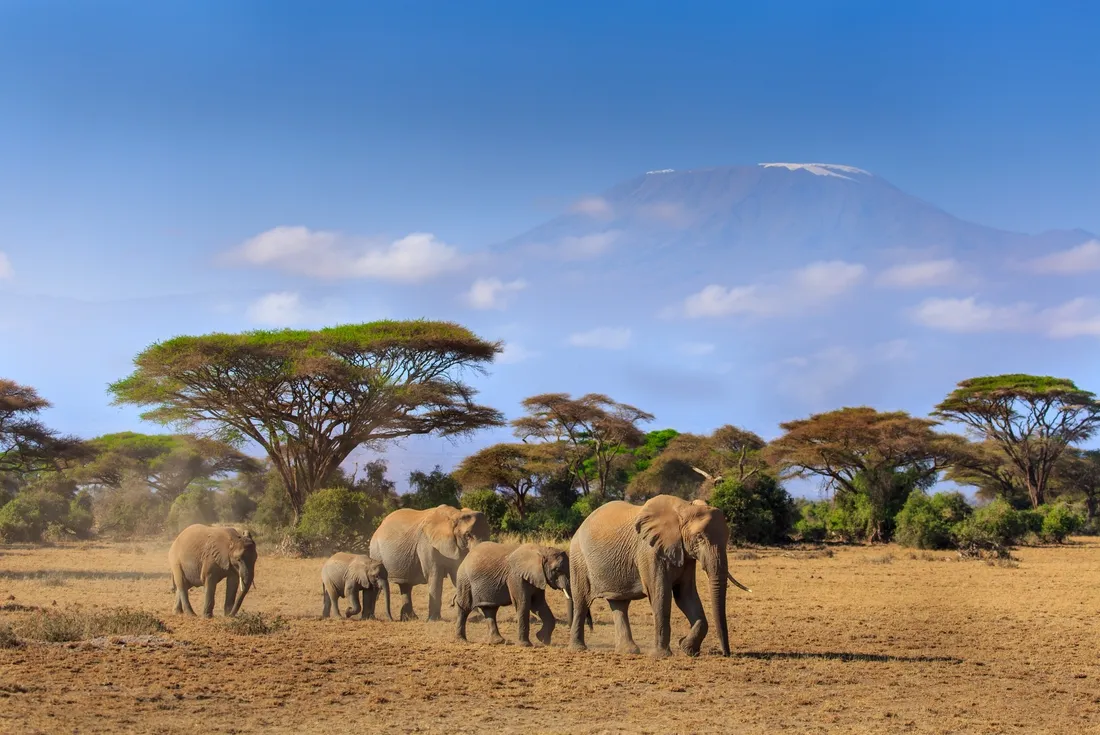
Serengeti & Kilimanjaro Trek
Combined safari and trekking tours offer wildlife adventures and Kilimanjaro climbs.
View Package →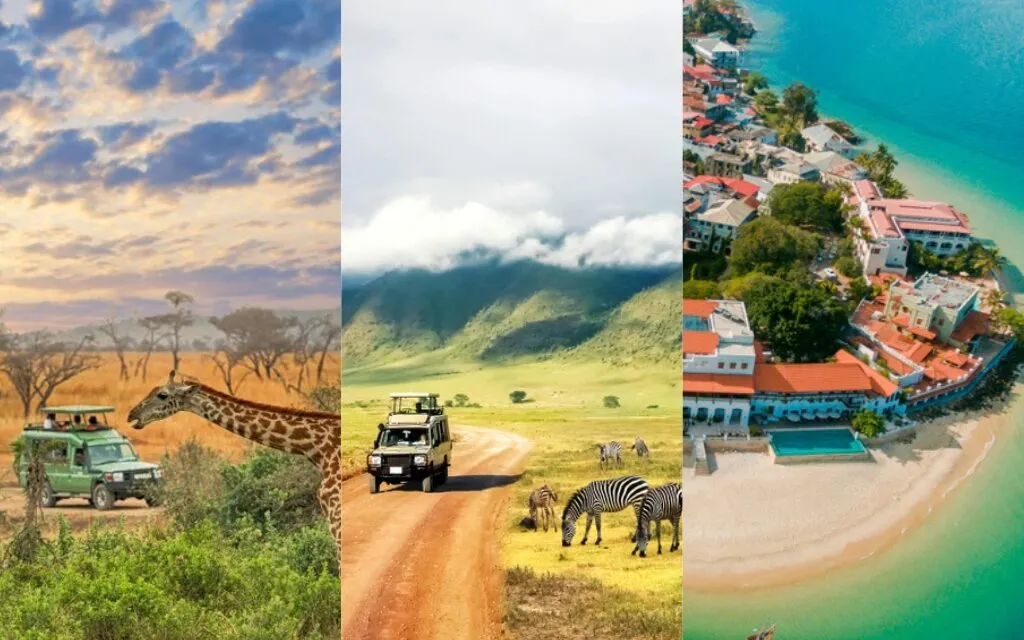
Serengeti & Zanzibar Tours
Luxury Tanzania safari & beach packages with the Great Migration and pristine beaches.
View Package →Related: Best Time to Visit Tanzania 2026 – Perfect safari extension after your Japan adventure.