
Most Complete Kazakhstan Travel Guide 2026-2027 – Everything You Need to Know Before Visiting
This Kazakhstan travel guide provides everything you need to plan your journey to Central Asia’s largest and most surprising country. Kazakhstan offers an extraordinary blend of futuristic architecture in Nur-Sultan, Soviet legacy, endless steppes, dramatic canyons, high mountains, and ancient Silk Road cities that create one of the planet’s most diverse travel experiences. Many travelers who want to visit Kazakhstan are amazed by the country’s incredible contrasts and rich nomadic heritage spanning millennia. The nation covers over 2.7 million square kilometers, making it the ninth-largest country in the world, offering visitors everything from cosmopolitan Almaty to pristine alpine lakes and the legendary Baikonur Cosmodrome.
Start Reading the Full Guide ↓Quick Facts About Kazakhstan
- Capital: Nur-Sultan (Astana).
- Currency: Kazakhstani Tenge (KZT).
- Time Zones: UTC+5 (west) and UTC+6 (east).
- International Calling Code: +7.
- Driving Side: Right.
- Major Airports: Almaty International (ALA), Nur-Sultan Nazarbayev (NQZ).
Kazakhstan Overview & Key Facts
Brief History of Kazakhstan
Kazakhstan's history spans millennia, from ancient nomadic tribes through the Silk Road era to Mongol conquest and Russian imperial rule. The Kazakh Khanate emerged in the 15th century, followed by gradual incorporation into the Russian Empire and later the Soviet Union. The country became the last Soviet republic to declare independence in 1991. This rich historical tapestry creates a fascinating backdrop for modern travelers exploring ancient petroglyphs, Soviet-era architecture, and futuristic capital developments.
Independence & National Identity
- Independence date: December 16, 1991.
- Former colonial power: Soviet Union.
- National symbols & identity.
Kazakhstan peacefully declared independence as the Soviet Union dissolved. The country has successfully balanced its nomadic heritage with modern development while maintaining strong ties with Russia, China, and the West. The national flag features a golden sun and eagle against a sky-blue background, symbolizing freedom and the endless steppe.
Government System & Current Leadership
- Type of government: Presidential Republic
- Current president: Kassym-Jomart Tokayev
- Notes on political stability
Kazakhstan operates as a presidential republic with strong executive authority. President Kassym-Jomart Tokayev has led since 2019, implementing gradual reforms. The country maintains political stability and continues economic development while navigating complex regional relationships.
Population, Ethnic Groups & Languages
- Population: 20.3 million (2025 projection).
- Major ethnic groups: Kazakhs (70%), Russians (18%), others.
- Official language(s): Kazakh (state language), Russian (official).
- Additional languages commonly spoken.
Russian remains widely spoken, especially in northern regions and urban centers. English proficiency is rapidly growing among younger generations and in the tourism sector. Kazakh language use has been steadily increasing through government promotion and education initiatives.
Main Religions & Cultural Identity
Islam is practiced by approximately 70% of the population (mostly Sunni Hanafi), while Orthodox Christianity and other faiths coexist peacefully. The country maintains a secular constitution with strong religious freedom. Traditional nomadic values, hospitality, and respect for elders remain central to Kazakh identity alongside modern urban culture.
Geography & Natural Landscape
Kazakhstan features extreme geographical diversity: vast steppes covering most of the country, the Caspian Sea coast, high Tian Shan and Altai mountains, dramatic canyons, and large lakes. The country spans both Europe and Asia, with the Ural River marking the continental boundary. Climate ranges from continental extremes in the north to desert conditions in the south.
Economy & Tourism Highlights
Rich in oil, gas, and minerals, Kazakhstan has experienced rapid economic growth since independence. The government actively promotes tourism through visa liberalization, infrastructure development, and international events. Visitors increasingly discover the country’s unique blend of futuristic cities, ancient Silk Road heritage, and untouched natural beauty.
What Kazakhstan Is Known For
- Futuristic capital Nur-Sultan with iconic Bayterek Tower
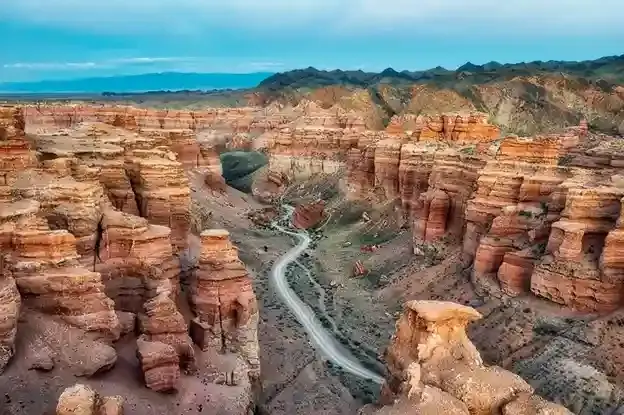
- Charyn Canyon – often called “Grand Canyon’s little brother”
- Baikonur Cosmodrome – the world’s first space launch facility
Visa & Entry Requirements in Kazakhstan
Most international visitors enjoy visa-free entry or simple e-visa procedures, making Kazakhstan one of Central Asia’s most accessible destinations. The government has implemented progressive visa policies to boost tourism, with continuous improvements expected through 2026-2027.
Do You Need a Visa?
Citizens of over 80 countries (including EU, USA, Canada, UK, Australia, Japan, South Korea) enjoy visa-free entry for up to 30 days. Other nationalities can obtain an e-visa online quickly and easily. Visa policies continue to expand.
Visa Application Options in Kazakhstan
- Visa-free entry (80+ countries)
- Electronic visa (e-Visa) – fast online process
- Visa on arrival at major airports for select nationalities
The e-visa system is efficient and user-friendly, typically processed within 3 working days. Visa-free travelers simply present a passport valid for at least 3 months beyond their stay.
Passport Validity & Entry Documents
Passport must be valid for at least 3 months beyond intended departure date with at least one blank page. Migration cards are issued on arrival (keep until departure). No proof of onward travel or accommodation is usually required for visa-free entries.
Customs Rules & Prohibited Items
Standard international customs rules apply. Declaration required for cash over $10,000 equivalent. Antiques and cultural artifacts require export permits. Drones require registration and permission for use.
Safety & Security Information in Kazakhstan
Kazakhstan maintains excellent safety standards for tourists, with low crime rates and welcoming locals. Most international travel advisories rate the country as Level 1 (exercise normal precautions). Tourist police operate in major cities.
Is Kazakhstan Safe for Tourists?
Yes – Kazakhstan is very safe for tourists. Violent crime against foreigners is extremely rare. Cities are well-policed, and locals are genuinely helpful toward visitors. Standard travel precautions apply.
Recommended Safety Tips when in Kazakhstan
Use official taxis or ride-hailing apps (Yandex Go dominant). Avoid unregulated money exchange. Drink bottled water in rural areas. Be cautious of pickpockets in crowded markets. Standard precautions apply – no special measures needed beyond typical travel awareness.
Safe Areas vs. Areas to Avoid in Kazakhstan
All major tourist areas are safe. No specific regions require avoidance for tourists. Remote western oil regions have industrial security but are not tourist destinations.
Emergency Numbers & Tourist Police in Kazakhstan
- Police: 102.
- Fire Department: 101.
- Medical Emergency: 103.
- Tourist Police: Available in Almaty, Nur-Sultan, Turkistan.
Tourist police speak English and are specifically trained to assist international visitors.
Health Requirements & Vaccinations in Kazakhstan
No mandatory vaccinations required except yellow fever certificate if arriving from endemic countries. Healthcare quality is good in major cities with English-speaking doctors available.
Mandatory Vaccinations in Kazakhstan
None for most travelers. Yellow fever certificate required only if arriving from affected countries.
Recommended Vaccinations in Kazakhstan
Routine vaccines + Hepatitis A, Typhoid. Rabies pre-exposure recommended for rural/extended travel. Tick-borne encephalitis considered for spring/summer countryside visits.
Malaria & Other Risks
No malaria risk. Main concerns: traveler’s diarrhea (drink bottled water outside major cities), extreme temperature variations, and altitude in mountain areas.
Travel Insurance Recommendations in Kazakhstan
Strongly recommended covering medical evacuation, especially if planning mountain activities or remote travel. Standard comprehensive travel insurance sufficient for most visitors.
Best Time to Visit in Kazakhstan
Shoulder seasons offer the best combination of weather and fewer tourists. The country’s continental climate means significant temperature swings between seasons.
Weather by Season
Spring (April–June) brings blooming steppes and comfortable temperatures. Summer (July–August) is hot in lowlands but perfect for mountains. Autumn (September–October) offers golden landscapes and pleasant weather. Winter (November–March) is very cold but spectacular in Almaty for skiing.
When to Visit Kazakhstan for Best Experiences
- Steppes blooming: April–May
- Mountain hiking: June–September
- Almaty apple season: September
- Winter sports: December–March
May–June and September–October are ideal for most travelers covering multiple regions.
High Season vs. Low Season Travel
High season: June–August (mountains) and December–March (skiing). Low season: November and March–April offer excellent value and fewer tourists.
Weather & Climate Overview in Kazakhstan
Extreme continental climate with temperature ranges exceeding 70°C between winter and summer in some areas. Four distinct seasons across most of the country.
Temperature Ranges
Winter: -20°C to -40°C in north, -5°C to -15°C in south. Summer: +25°C to +40°C across most areas. Mountain regions significantly cooler year-round.
Rainy & Dry Seasons in Kazakhstan
Short spring rains in south, minimal precipitation in central steppes. Snow common November–March. Summer generally dry and sunny.
What to Wear Based on the Weather
Layering essential. Good quality winter coat needed November–March. Light clothing for summer but always carry jacket. Comfortable walking shoes and sun protection year-round.
Main Currency, Costs & Budgeting in Kazakhstan
Excellent value destination with modern payment infrastructure in cities and reasonable prices across the board.
Local Currency Information
Kazakhstani Tenge (KZT). Banknotes: 500, 1000, 2000, 5000, 10000, 20000. Cards widely accepted in cities.
Average Travel Costs in Kazakhstan
Budget travelers: $50–90/day. Mid-range: $100–180/day. Luxury: $250+/day. Meals from $5 (local) to $30 (international).
Using ATMs, Cards & Mobile Money in Kazakhstan
ATMs abundant in cities, cards accepted almost everywhere except small villages. Contactless payments common. Yandex Go and local apps work well.
Tipping Guidelines in Kazakhstan
10% in restaurants if service not included. Round up taxi fares. $5–10/day for guides and drivers on private tours.
Transportation & Getting Around in Kazakhstan
Modern and efficient transport network connecting major cities, with good options for independent travelers.
Airport Transfers
Yandex Go (like Uber) operates at all major airports – cheapest and safest option. Official airport taxis also available.
Local Transport Options in Kazakhstan
Yandex Go dominant in cities. Excellent metro in Almaty. Modern buses and marshrutkas. High-speed trains connect major cities.
Kazakhstan Domestic Flights
Air Astana, SCAT, and FlyArystan offer frequent, affordable domestic flights. Excellent for covering large distances quickly.
Car Rentals & Road Conditions in Kazakhstan
International companies available. Good highways between major cities, variable quality in rural areas. 4WD recommended for mountain/off-road travel.
Accommodation Options available in Kazakhstan
Full range from budget hostels to international 5-star hotels, with particularly strong mid-range options.
Types of Accommodations in Kazakhstan
International chains, boutique hotels, Soviet-era classics, yurts in tourist areas, excellent Airbnb selection in cities.
Budget vs. Mid-Range vs. Luxury
Budget: $15–40/night. Mid-range: $50–120/night. Luxury: $150–500+/night (Ritz-Carlton, Rixos, etc.).
Best Areas to Stay in Kazakhstan
Almaty: city center or Medeu area. Nur-Sultan: Left Bank for architecture, old center for atmosphere. Shymbulak for mountain access.
Essential Packing Guide when Visiting Kazakhstan
Pack for temperature extremes and diverse activities. Layers are key year-round.
Clothing Essentials
Good quality layers, warm hat and gloves (even in summer for mountains), comfortable walking shoes, sun protection, modest clothing for religious sites.
Footwear & Gear
Walking shoes, sandals for summer, hiking boots if planning mountain activities. Universal adapter (European plugs).
Electronics & Cameras
220V/50Hz, European plugs. Power banks useful for long train journeys and remote areas.
Toiletries & Personal Items
All standard items widely available in cities. Bring prescription medications and specific brands if needed.
Language & Communication in Kazakhstan
Trilingual society with increasing English proficiency among younger generations.
Main Languages Spoken in Kazakhstan
Kazakh (state language), Russian (widely spoken), English (common among youth and tourism sector).
Useful Phrases for Tourists
“Salamatsyz ba?” (Hello), “Rakhmet” (Thank you), “Keshiriniz” (Sorry), “English bar ma?” (Do you speak English?). Russian phrases also widely understood.
SIM Cards & Mobile Data used in Kazakhstan
Beeline, Kcell, Tele2, Activ – excellent coverage. SIM cards available at airports and shops with passport registration.
Internet Availability & Wi-Fi in Kazakhstan
Fast Wi-Fi in hotels, cafes, restaurants. 4G/5G coverage excellent in cities, good in most rural areas.
Culture & Etiquette in Kazakhstan
Blend of traditional nomadic values and modern urban culture. Hospitality is legendary.
Kazakhstani Dress Code Expectations
Casual modern dress fine in cities. Modest clothing for mosques and conservative areas. Remove shoes when entering homes.
Social Etiquette & Respectful Behavior of Kazakhstan
Accept offered tea/food. Use right hand for passing items. Remove hats indoors. Elders respected automatically.
Photography Rules in Kazakhstan
Generally permitted. Ask permission before photographing people, especially elderly in traditional dress.
Important Cultural Dos & Don’ts in Kazakhstan
Do accept hospitality. Don’t refuse tea. Do remove shoes indoors. Don’t point feet at people. Do use both hands when giving/receiving items.
Food, Water & Dining in Kazakhstan
Rich nomadic cuisine featuring horse meat, mutton, dairy products, and Central Asian influences.
Kazakhstani Local Dishes to Try
Beshbarmak (national dish), plov, lagman, manti, shashlik, kazy (horse sausage), kumis (fermented mare’s milk), baursak.
Dietary Options in Kazakhstan
Halal standard. Vegetarian options increasing in cities. Vegan challenging but possible in Almaty/Nur-Sultan.
Drinking Water Safety
Safe in major cities. Bottled water recommended elsewhere and for sensitive stomachs.
Restaurant Etiquette
Tipping 10% if service not included. Tea offered immediately. Meals often shared family-style.
Top Attractions & Things to Do in Kazakhstan
Extraordinary diversity from futuristic architecture to pristine nature and ancient history.
Major Tourist Attractions in Kazakhstan
- Nur-Sultan futuristic skyline & Bayterek Tower
- Charyn Canyon & Valley of Castles
- Almaty: Zenkov Cathedral, Green Bazaar, Medeu
- Kolsai Lakes & Kaindy Lake (sunken forest)
Baikonur Cosmodrome tours, Tamgaly petroglyphs (UNESCO), Turkistan’s ancient mausoleums, Big Almaty Lake, Shymbulak ski resort.
Best Tours & Experiences in Kazakhstan
Golden Eagle hunting demonstrations, yurt stays with nomadic families, multi-day canyon treks, space launch viewing at Baikonur, Soviet architecture tours.
Family-Friendly Activities to do in Kazakhstan
Almaty Zoo, Kok-Tobe hill with amusement park, Medeu ice skating, dinosaur excavations in Shetpe, falconry shows.
Unique Cultural or Historical Sites to visit in Kazakhstan
Ancient petroglyphs at Tamgaly Tas, underground Mosque in Beket-Ata, Aral Sea ship graveyard (guided tours), Soviet anti-nuclear movement museum in Semey.
Kazakhstani Electrical System Information
European standard system throughout the country.
Plug Types & Voltage used in Kazakhstan
Type C and F (European) plugs, 220V, 50Hz. Same as most of Europe.
Charging Tips
Universal adapters rarely needed for European/American devices. Power banks useful for long train journeys.
Local Laws & Regulations of Kazakhstan
Modern legal system with standard international norms. Respect for authority expected.
Rules Travelers Need to Know when In Kazakhstan
Register within 3 days if staying longer than 30 days (hotels do automatically). No photography of military/police. Drone regulations strict – register in advance.
Alcohol, Smoking & Substance Laws of Kazakhstan
Alcohol widely available (except during religious holidays in some areas). Smoking prohibited in public places. All drugs strictly illegal with severe penalties.
Restricted or Protected Areas in Kazakhstan.
Baikonur Cosmodrome requires special permits. Some border areas need permission. National parks have designated trails.
Final Travel Tips for Visitors in Kazakhstan
Embrace the contrasts, be open to hospitality, and prepare for vast distances and temperature swings.
Common Mistakes to Avoid
Underestimating distances, not bringing layers, trying to see everything in one trip, ignoring altitude in mountains.
Tips to Save Money when Visiting Kazakhstan
Use trains between cities, eat at local canteens (stołovaya), stay in Soviet-era hotels or hostels, travel in shoulder seasons.
Safety & Comfort Tips
Use Yandex Go, download offline maps, carry some cash, learn basic Russian phrases, be prepared for extreme temperature changes.
Frequently Asked Questions – Kazakhstan Travel Guide 2026-2027
Our Tanzania Tours Products
While Kazakhstan offers futuristic cities, endless steppes and mountain adventures, many travelers combine Central Asia with the ultimate wildlife experience in East Africa. Capable Africa Tours specializes in secure, guided safaris that maximize safety and wonder. Our expert local guides, armed rangers in parks, and vetted accommodations ensure peace of mind. From family-friendly lodges to luxury camps, we handle logistics so you focus on the magic. Tanzania ranks high for tourist safety with dedicated wildlife protection units and stable northern circuits.
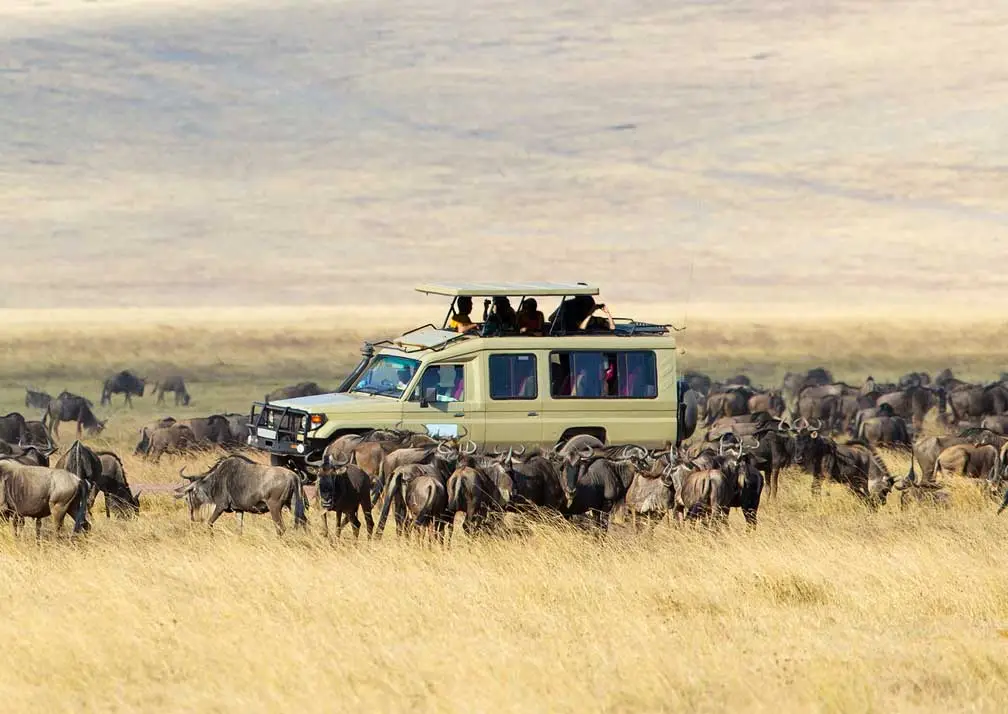
Great Migration Safaris
Experience one of nature's greatest spectacles with our Great Migration safari packages, timed for river crossings or calving.
View Package →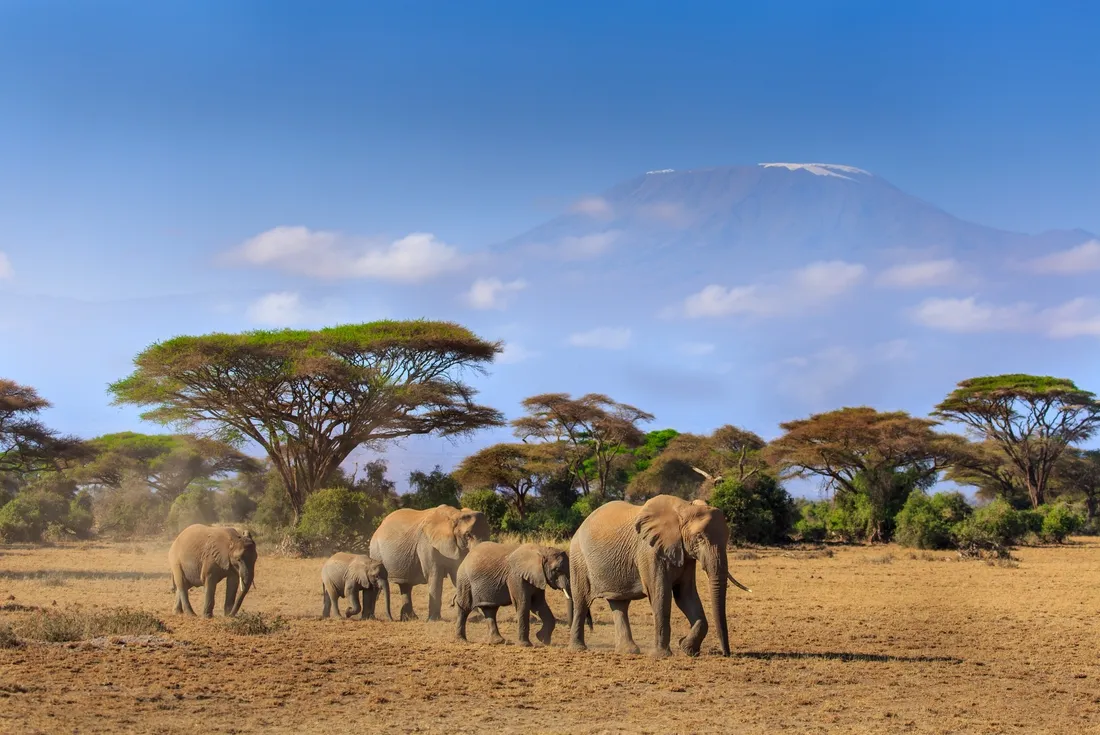
Serengeti & Kilimanjaro Trek
Combined safari and trekking tours offer wildlife adventures and Kilimanjaro climbs.
View Package →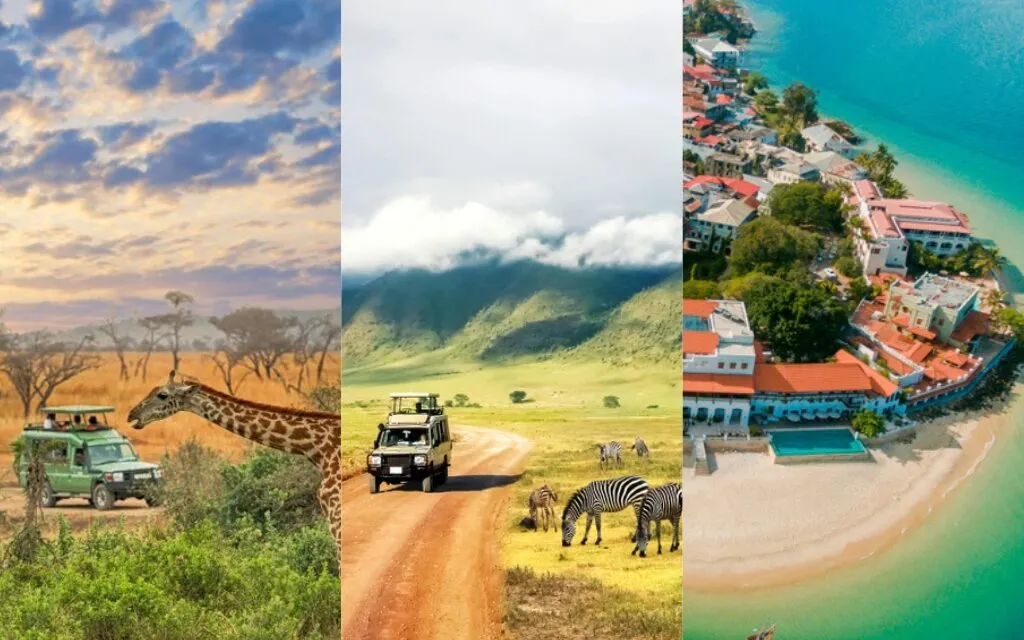
Serengeti & Zanzibar Tours
Luxury Tanzania safari & beach packages with the Great Migration and pristine beaches.
View Package →Related: Best Time to Visit Tanzania 2026 – Perfect safari extension after your Kazakhstan adventure.