
Most Complete Kenya Travel Guide 2026-2027 – Everything You Need to Know Before Visiting
This Kenya travel guide provides everything you need to plan your journey to East Africa's most iconic safari destination. Kenya offers an extraordinary blend of world-famous wildlife parks, the Great Migration, pristine Indian Ocean beaches, and vibrant cultures that create one of the continent's most diverse travel experiences. Many travelers who want to travel to Kenya are surprised by the country's incredible diversity and rich cultural heritage spanning ancient tribal traditions, colonial history, and modern cosmopolitan cities. The nation covers over 580,000 square kilometers, offering visitors everything from snow-capped Mount Kenya to vast savannahs teeming with the Big Five and turquoise coastal paradise.
Start Reading the Full Guide ↓Quick Facts About Kenya
- Capital: Nairobi.
- Currency: Kenyan Shilling (KES).
- Time Zone: East Africa Time (EAT, UTC+3).
- International Calling Code: +254.
- Driving Side: Left.
- Major Airports: Jomo Kenyatta International (Nairobi), Moi International (Mombasa), Kisumu International.
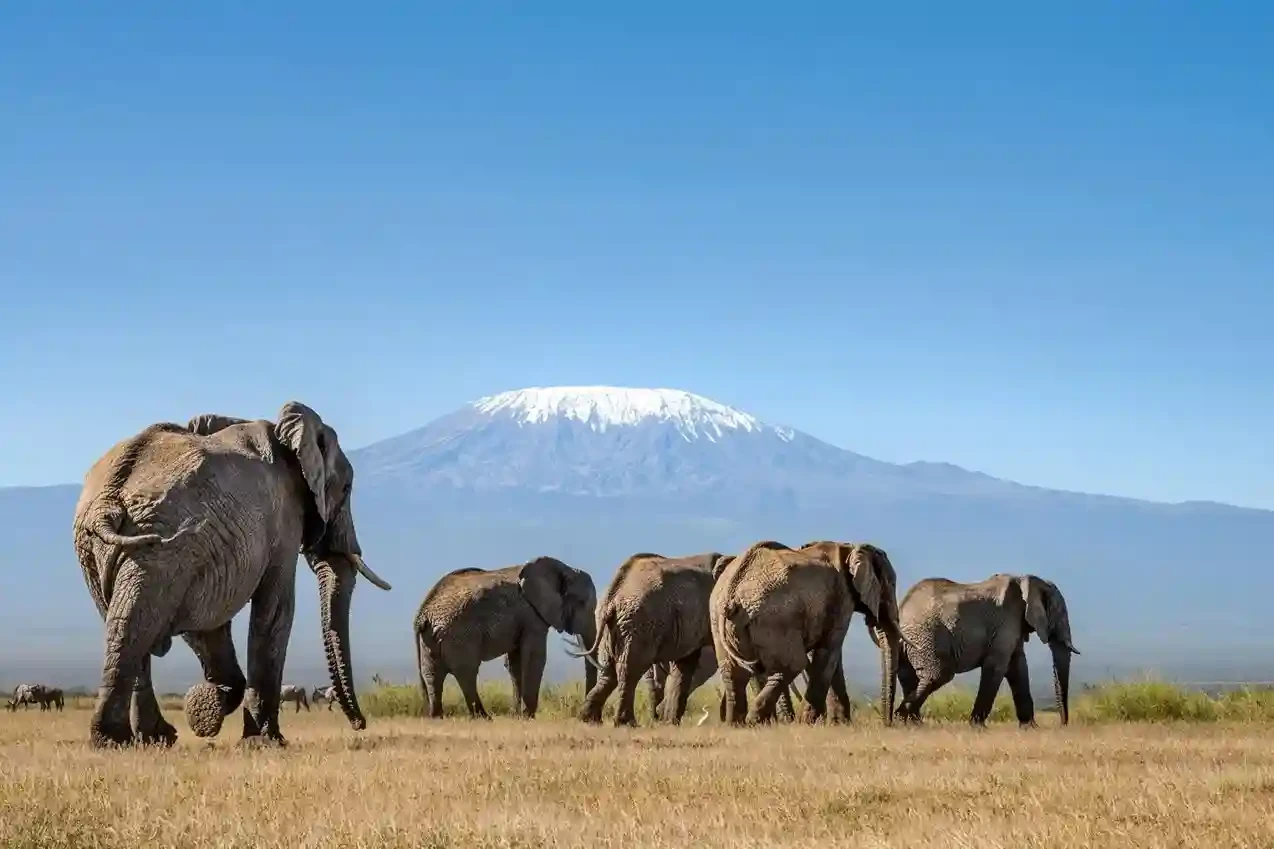
Kenya Overview & Key Facts
Brief History of Kenya
Kenya's history spans millennia, from early human fossils in the Rift Valley through ancient Swahili city-states to colonial occupation. The region is considered the cradle of humanity, with some of the oldest hominid remains discovered around Lake Turkana. Coastal trading cities like Mombasa and Lamu flourished from the 9th century, while the interior remained home to diverse ethnic groups including Maasai, Kikuyu, Luo, and Kalenjin. British colonial rule began in the late 19th century, leading to the infamous Mau Mau uprising and eventual independence in 1963.
Independence & National Identity
- Independence date: December 12, 1963.
- Former colonial power: United Kingdom.
- National symbols & identity.
Kenya gained independence after years of struggle led by Jomo Kenyatta, becoming a republic in 1964. The national flag features black, red, and green stripes with a Maasai shield and spears, symbolizing the people, blood shed for independence, agricultural wealth, and defense of freedom.
Government System & Current Leadership
- Type of government: Presidential Republic
- Current president: William Ruto (since September 2022)
- Notes on political stability
Kenya operates as a presidential republic with regular democratic elections. The country has experienced peaceful transitions of power and is considered one of East Africa’s most stable democracies, though occasional protests occur over economic issues.
Population, Ethnic Groups & Languages
- Population: 57 million (2025 projection).
- Major ethnic groups: Kikuyu (17%), Luhya (14%), Kalenjin (13%), Luo (10%), Kamba (10%), others.
- Official language(s): English and Swahili.
- Additional languages commonly spoken.
Over 40 ethnic groups coexist, each with distinct languages and traditions. English dominates business and education, while Swahili serves as the national lingua franca. Tribal languages are widely spoken in rural areas.
Main Religions & Cultural Identity
Christianity dominates (85%), followed by Islam (11%, mainly coastal), traditional beliefs, and small Hindu and other communities. Religious harmony is generally strong.
Geography & Natural Landscape
Kenya straddles the equator, featuring snow-capped Mount Kenya, the Great Rift Valley, vast savannahs, tropical coastline, and arid northern deserts. The country hosts diverse ecosystems from coral reefs to alpine moorlands.
Economy & Tourism Highlights
Tourism is a top foreign exchange earner alongside tea, coffee, and horticulture. Kenya welcomes over 2 million visitors annually, drawn to world-class wildlife parks and beaches.
What Kenya Is Known For
- The Great Wildebeest Migration in Maasai Mara
- Big Five safaris and luxury tented camps
- Pristine Indian Ocean beaches (Diani, Watamu, Lamu)
- Athletics (world marathon champions)
- Maasai and Samburu warrior cultures
Visa & Entry Requirements in Kenya
Most visitors require an electronic visa (e-Visa) obtained online before travel. The system is efficient and approvals are usually granted within 3–7 days.
Do You Need a Visa?
Yes – almost all nationalities require an e-Visa. A few East African Community citizens are exempt. Visa-on-arrival has been discontinued.
Visa Application Options in Kenya
- e-Visa online (mandatory for most)
- East African Tourist Visa (covers Kenya, Uganda, Rwanda)
Passport Validity & Entry Documents
Passport must have 6 months validity and at least 2 blank pages. Yellow Fever certificate required if arriving from endemic countries.
Customs Rules & Prohibited Items
Plastic bags are completely banned. Drones require advance permits. Declare large amounts of cash and professional camera equipment.
Safety & Security Information in Kenya
The main tourist circuit (Nairobi, Maasai Mara, Amboseli, Tsavo, coast) is very safe with dedicated tourist police units. Avoid northeastern border areas with Somalia.
Is Kenya Safe for Tourists?
Yes – Kenya has one of the best safety records in Africa for tourists. Safari parks have armed rangers and private security. Petty crime occurs in cities but violent crime against tourists is rare.
Recommended Safety Tips when in Kenya
Use registered taxis/Uber, avoid walking alone at night in Nairobi CBD, follow your guide’s instructions on game drives, stay inside vehicles in parks, and use hotel safes.
Safe Areas vs. Areas to Avoid in Kenya
Safe: Nairobi (Westlands, Karen, Gigiri), Maasai Mara, Amboseli, Tsavo, Diani Beach, Lamu (with caution). Avoid: Northeast border with Somalia, certain Nairobi estates at night.
Emergency Numbers & Tourist Police in Kenya
- Tourist Police: 0800 722 201 (toll-free)
- General Emergency: 999 / 112
- Ambulance: 999
Health Requirements & Vaccinations in Kenya
Yellow Fever certificate required from endemic countries. Malaria prophylaxis strongly recommended for most areas except high-altitude Nairobi.
Mandatory Vaccinations in Kenya
Yellow Fever if arriving from endemic country.
Recommended Vaccinations in Kenya
Hepatitis A, Typhoid, Rabies (for longer stays), routine vaccines. Malaria tablets essential for parks and coast.
Malaria & Other Risks
High malaria risk in parks and coast. Use DEET repellent, sleep under nets, take prophylaxis.
Travel Insurance Recommendations in Kenya
Mandatory for safari bookings. Must cover medical evacuation (flying doctors service recommended).
Best Time to Visit in Kenya
June–October (dry season) for Great Migration; January–March for calving season and excellent wildlife viewing with fewer crowds.
Weather by Season
Dry season (June–Oct & Jan–Feb): perfect wildlife viewing. Short rains (Nov–Dec), long rains (Mar–May).
When to Visit Kenya for Best Experiences
- Great Migration river crossings: July–October
- Calving season: January–March
- Beach weather: December–March
High Season vs. Low Season Travel
High season: July–October & December–February. Low season (green season): April–June & November – lower rates, lush scenery.
Weather & Climate Overview in Kenya
Equatorial climate with significant variation by altitude. Nairobi is cool year-round; coast is hot and humid; parks are hot days/cool nights.
Temperature Ranges
Nairobi 15–27°C year-round; Maasai Mara 15–30°C; coast 25–33°C.
Rainy & Dry Seasons in Kenya
Long rains March–May; short rains November–December. Dry season June–October & January–February.
What to Wear Based on the Weather
Neutral-colored safari clothing, warm layers for morning game drives, swimwear for coast, sturdy closed shoes.
Main Currency, Costs & Budgeting in Kenya
Kenyan Shilling (KES). USD widely accepted in tourist areas.
Average Travel Costs in Kenya
Budget camping safari $180–280/day; mid-range lodge safari $350–550/day; luxury $700–1,500+/day. Beach resorts $150–600/night.
Using ATMs, Cards & Mobile Money in Kenya
M-Pesa mobile money dominant. Cards accepted in lodges and cities.
Tipping Guidelines in Kenya
Safari guide $10–20/day, driver $8–15/day, camp/lodge staff $5–10/day per room.
Transportation & Getting Around in Kenya
Domestic flights (Safarilink, AirKenya) are the fastest way between parks. Road transfers common; self-drive possible but not recommended in parks.
Airport Transfers
Jomo Kenyatta International (NBO) to city via Uber or official taxis.
Local Transport Options in Kenya
Uber/Bolt in cities, matatus (shared minibuses), boda-boda motorcycles (coastal areas).
Kenya Domestic Flights
Essential for multi-park itineraries. Wilson Airport (Nairobi) is the hub for safari flights.
Car Rentals & Road Conditions in Kenya
Self-drive possible outside parks; 4x4 required for parks (most visitors use driver-guides).
Accommodation Options available in Kenya
From budget campsites to world-famous luxury tented camps (Angama, Saruni, Elephant Pepper).
Types of Accommodations in Kenya
Budget camps, mid-range lodges, luxury tented camps, beach resorts, private conservancies.
Budget vs. Mid-Range vs. Luxury
Budget $80–150 pp/night; mid-range $250–450; luxury $600–2,000+.
Best Areas to Stay in Kenya
Maasai Mara conservancies (Mara North, Naboisho), Amboseli (near park gates), Laikipia, Diani Beach.
Essential Packing Guide when Visiting Kenya
Neutral colors, binoculars, camera with long lens, power bank, universal adapter (Type G), malaria tablets.
Clothing Essentials
Long-sleeve shirts, convertible pants, fleece for mornings, hat, swimsuit.
Footwear & Gear
Comfortable walking shoes, sandals for beach, binoculars, headlamp.
Electronics & Cameras
Type G plugs, 240V. Bean bags for game drive photography.
Toiletries & Personal Items
High-DEET repellent, sunscreen SPF50+, hand sanitizer, prescription meds.
Language & Communication in Kenya
English and Swahili official. “Jambo” (hello), “Asante” (thank you), “Karibu” (welcome).
SIM Cards & Mobile Data used in Kenya
Safaricom dominant, excellent coverage even in parks.
Internet Availability & Wi-Fi in Kenya
Good Wi-Fi in lodges; 4G/5G in most areas.
Culture & Etiquette in Kenya
Ask permission before photographing people (especially Maasai). Remove shoes when visiting homes.
Kenyan Dress Code Expectations
Conservative in rural areas and Muslim coast (cover knees/shoulders). Safari wear practical.
Social Etiquette & Respectful Behavior of Kenya
Greet with handshake, accept tea when offered, respect elders.
Photography Rules in Kenya
Always ask permission for people photos. No restrictions in parks.
Food, Water & Dining in Kenya
Ugali, nyama choma (grilled meat), sukuma wiki, fresh seafood on coast.
Drinking Water Safety
Bottled water recommended outside lodges.
Top Attractions & Things to Do in Kenya
Maasai Mara (Great Migration), Amboseli (Kilimanjaro views), Tsavo, Samburu, Laikipia, Diani Beach, Lamu Island.
Major Tourist Attractions in Kenya
- Maasai Mara National Reserve
- Amboseli National Park
- Tsavo East & West
- Lake Nakuru flamingos
- Diani Beach
Kenyan Electrical System Information
Type G plugs, 240V, 50Hz.
Local Laws & Regulations of Kenya
Plastic bags banned. Drones require permit. No photography of military/police.
Final Travel Tips for Visitors in Kenya
Book flights early for high season. Stay in conservancies for exclusive experience. Use reputable operators.
Frequently Asked Questions – Kenya Travel Guide 2026-2027
Our Tanzania Tours Products
Kenya is incredible, but many travelers combine it with Tanzania for the ultimate East African safari experience. Capable Africa Tours specializes in seamless cross-border itineraries that maximize the Great Migration viewing and include the Serengeti and Ngorongoro Crater.
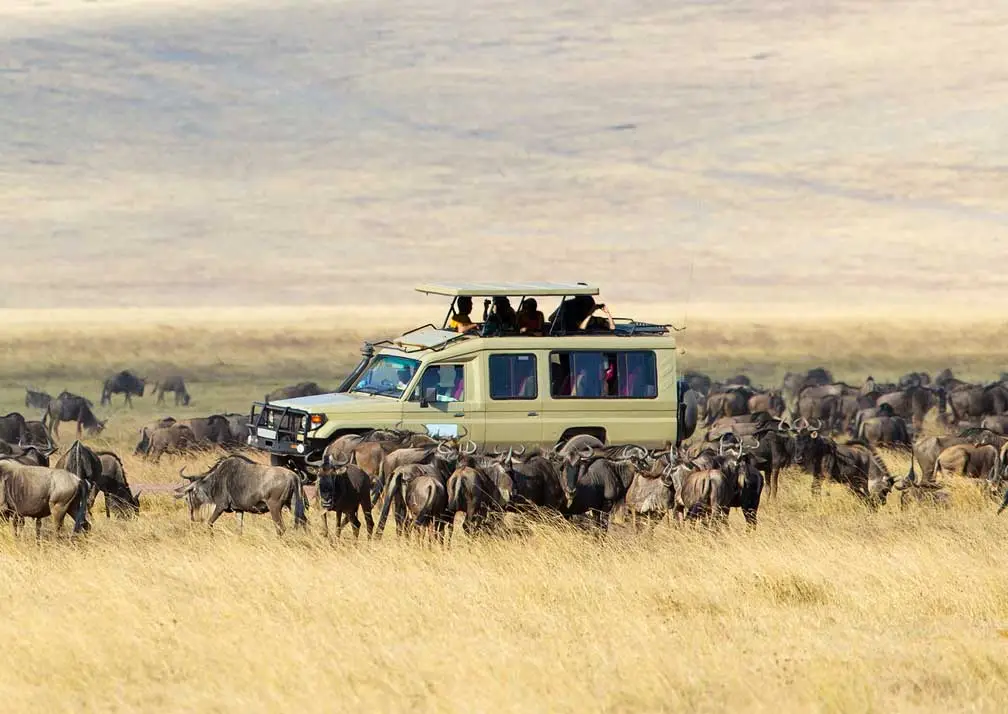
Great Migration Safaris
Experience one of nature's greatest spectacles with our Great Migration safari packages, timed for river crossings or calving.
View Package →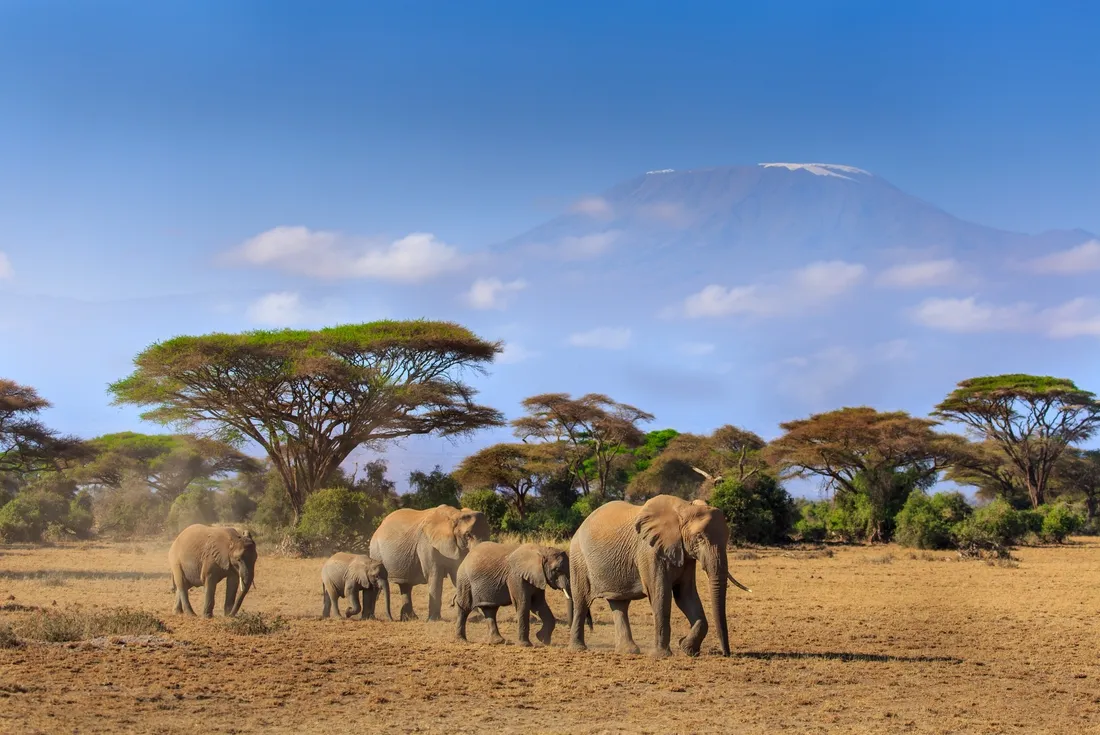
Serengeti & Kilimanjaro Trek
Combined safari and trekking tours offer wildlife adventures and Kilimanjaro climbs.
View Package →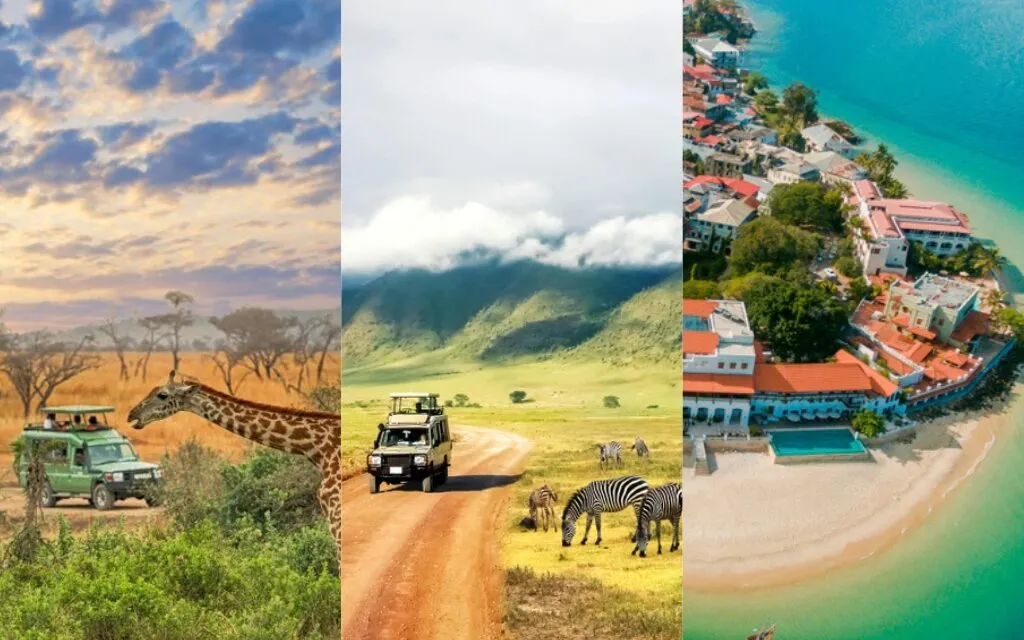
Serengeti & Zanzibar Tours
Luxury Tanzania safari & beach packages with the Great Migration and pristine beaches.
View Package →Related: Best Time to Visit Tanzania 2026 – Perfect extension after your Kenya safari.