
Most Complete Kiribati Travel Guide 2026-2027 – Everything You Need to Know Before Visiting
This Kiribati travel guide provides everything you need to plan your journey to one of the planet’s most remote and fascinating nations. Straddling the equator and the International Date Line, Kiribati is the only country in all four hemispheres and comprises 33 atolls scattered across 3.5 million square kilometers of ocean – an area larger than India. Many travelers who want to visit Kiribati are drawn by its pristine lagoons, world-class bonefishing, WWII history, and the warmth of I-Kiribati culture, all while experiencing a nation on the frontline of climate change.
Start Reading the Full Guide ↓Quick Facts About Kiribati
- Capital: South Tarawa.
- Currency: Australian Dollar (AUD).
- Time Zone: Three zones – GMT+12, +13, +14 (first to see the sunrise).
- International Calling Code: +686.
- Driving Side: Left.
- Major Airports: Cassidy International Airport (Christmas Island), Bonriki International Airport (Tarawa).
Kiribati Overview & Key Facts
Brief History of Kiribati
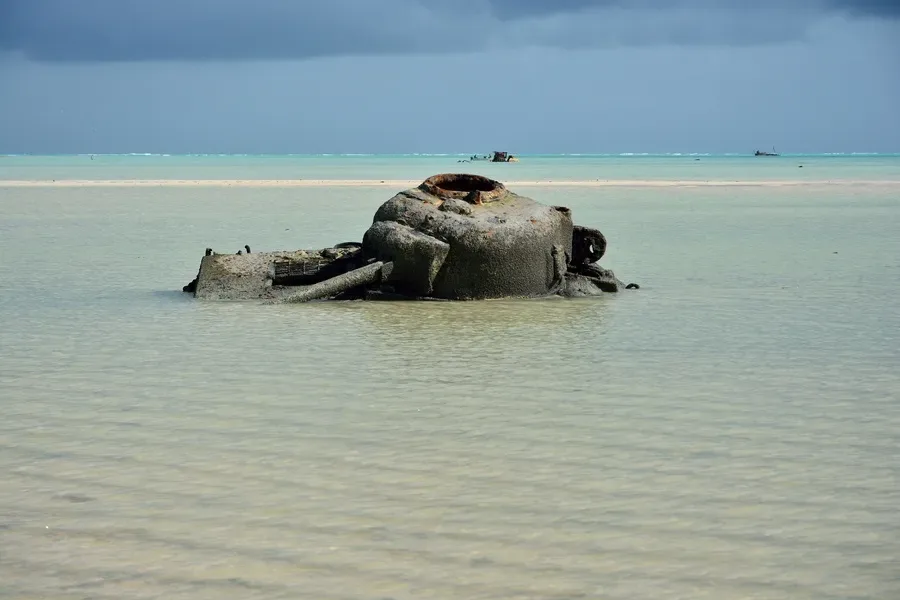
Kiribati’s history begins with Micronesian settlement over 3,000 years ago. British explorers arrived in the 18th–19th centuries, followed by colonial rule as the Gilbert and Ellice Islands. Phosphate mining dominated the economy on Banaba until independence in 1979. During WWII, Tarawa’s Battle of Tarawa (1943) was one of the bloodiest in the Pacific theater. Today Kiribati is an independent republic focused on climate resilience and sustainable development.
Independence & National Identity
- Independence date: July 12, 1979.
- Former colonial power: United Kingdom.
- National symbols & identity.
The flag’s frigate bird represents freedom, the rising sun signifies a new era, and ocean waves symbolize the Pacific. The national motto “Te Mauri, Te Raoi ao Te Tabomoa” means Health, Peace and Prosperity.
Government System & Current Leadership
- Type of government: Parliamentary Republic
- Current president: Taneti Maamau (re-elected 2024)
- Notes on political stability
Kiribati maintains stable democratic governance with regular peaceful elections. Climate change and sea-level rise dominate political discourse.
Population, Ethnic Groups & Languages
- Population: ~130,000 (2025 estimate).
- Major ethnic groups: Micronesian I-Kiribati (96%+).
- Official language(s): English and Gilbertese (I-Kiribati).
- Additional languages commonly spoken.
English is widely understood in government and tourism contexts, while Gilbertese is the everyday language.
Main Religions & Cultural Identity
Christianity dominates (Catholic 56%, Kiribati Uniting Church 35%). Traditional animist beliefs remain influential in community life. Church attendance is near-universal, and Sunday is strictly observed.
Geography & Natural Landscape
Kiribati consists of 33 atolls and reef islands spread over three groups: Gilbert, Phoenix, and Line Islands. The highest point is just 3 meters above sea level on Banaba. Vast lagoons, white-sand motu, and the Phoenix Islands Protected Area (one of the world’s largest marine protected areas) define its geography.
Economy & Tourism Highlights
Fishing licenses, copra, and remittances dominate the economy. Tourism is growing slowly due to remoteness but offers exclusive experiences: bonefishing on Kiritimati (Christmas Island), diving the Phoenix Islands, and cultural immersion on outer islands.
What Kiribati Is Known For
- Being the first nation to see each new day (Line Islands GMT+14)
- Phoenix Islands Protected Area – UNESCO World Heritage marine site
- World-class bonefishing on Kiritimati
- WWII Battle of Tarawa historic sites
Visa & Entry Requirements in Kiribati
Most visitors receive a free 30-day tourist visa on arrival (extendable). Requirements are straightforward but flights are infrequent, so planning ahead is essential.
Do You Need a Visa?
Citizens of most countries receive visa on arrival for stays up to 30 days. Passport must have 6 months validity, onward ticket, proof of funds, and accommodation booking.
Visa Application Options in Kiribati
- Visa on arrival (most nationalities)
- Extensions at Immigration Office in Tarawa (up to 4 months total)
Passport Validity & Entry Documents
Passport valid 6 months beyond intended stay, onward/return ticket, proof of sufficient funds (~AUD 100/day), confirmed accommodation.
Customs Rules & Prohibited Items
No alcohol or pork imports allowed for personal use. Duty-free: 200 cigarettes, 1L spirits (non-Muslim travelers only). Declare diving/sporting equipment.
Safety & Security Information in Kiribati
Kiribati is one of the safest countries in the Pacific with negligible violent crime against tourists.
Is Kiribati Safe for Tourists?
Yes – extremely safe. Petty theft is rare, violent crime almost unknown. The biggest risks are strong currents, sun exposure, and cyclones (Nov–Apr).
Recommended Safety Tips when in Kiribati
Use reef shoes, never swim alone outside protected lagoons, respect village protocols, and avoid walking alone late at night in South Tarawa’s Betio area.
Safe Areas vs. Areas to Avoid in Kiribati
All tourist areas are safe. South Tarawa can feel crowded but remains secure. Outer islands are exceptionally peaceful.
Emergency Numbers & Tourist Police in Kiribati
- Police/Fire/Ambulance: 999 or 192
- Tungaru Central Hospital (Tarawa): +686 74028100
Health Requirements & Vaccinations in Kiribati
No mandatory vaccinations unless arriving from yellow-fever areas. Healthcare is basic outside Tarawa.
Mandatory Vaccinations in Kiribati
Yellow fever certificate if arriving from endemic countries.
Recommended Vaccinations in Kiribati
Hepatitis A, Typhoid, routine vaccines. Consider Hepatitis B and Rabies for extended stays.
Malaria & Other Risks
No malaria. Risks include dehydration, sunburn, ciguatera (reef fish poisoning – avoid large reef fish), and occasional dengue outbreaks.
Travel Insurance Recommendations in Kiribati
Essential – must cover medical evacuation (flights can cost USD 30,000+). Diving insurance mandatory for divers.
Best Time to Visit in Kiribati
May–October (dry season) offers the most comfortable weather and calmest seas for inter-island travel.
Weather by Season
Temperatures remain 27–32°C year-round. May–Oct: drier, trade winds. Nov–Apr: wetter, calmer, occasional cyclones.
When to Visit Kiribati for Best Experiences
- Bonefishing: year-round (peak Nov–Apr)
- Diving: May–Oct (best visibility)
- Cultural festivals: Independence Day (July)
High Season vs. Low Season Travel
Kiribati has no true high/low season due to limited flights, but May–Oct sees slightly more visitors.
Weather & Climate Overview in Kiribati
Classic equatorial oceanic climate – hot, humid, moderated by trade winds.
Temperature Ranges
Daytime 28–33°C, nighttime 25–28°C year-round. Water temperature 28–30°C.
Rainy & Dry Seasons in Kiribati
Dry season: May–October (lower humidity). Wet season: November–April (higher rainfall, calmer seas).
What to Wear Based on the Weather
Light cotton clothing, rash guards, reef shoes, sun hat, high-SPF reef-safe sunscreen. Modest attire (cover shoulders/knees) when visiting villages.
Main Currency, Costs & Budgeting in Kiribati
Australian Dollar (AUD). Cash is king – bring plenty of small bills.
Local Currency Information
AUD only. No local currency. ATMs in Tarawa (ANZ) and Kiritimati; cards rarely accepted elsewhere.
Average Travel Costs in Kiribati
Budget: $120–180/day; mid-range $200–350/day; outer-island resorts $400–800/day. International flights are the largest expense.
Using ATMs, Cards & Mobile Money in Kiribati
ANZ ATMs in Tarawa and Kiritimati only. Visa/Mastercard accepted at major hotels; cash essential everywhere else.
Tipping Guidelines in Kiribati
Not expected or customary – hospitality is genuine, not tip-driven.
Transportation & Getting Around in Kiribati
Flights are the only realistic way between island groups.
Airport Transfers
Tarawa: taxis or hotel pickups. Kiritimati: hotel transfers included.
Local Transport Options in Kiribati
South Tarawa: minibuses (20–50 cents), taxis, motorbike rental. Outer islands: walking, bicycles, boat transfers.
Kiribati Domestic Flights
Fiji Airways (Tarawa–Nadi) and Nauru Airlines serve Kiritimati. Coral Sun Airways operates infrequent domestic flights between Tarawa and some Gilbert Islands.
Car Rentals & Road Conditions in Kiribati
Limited rental on Tarawa and Kiritimati. Roads are basic; motorbikes/scooters popular.
Accommodation Options available in Kiribati
Range from basic guesthouses to exclusive island resorts.
Types of Accommodations in Kiribati
Guesthouses, small hotels, eco-lodges, and all-inclusive outer-island resorts.
Budget vs. Mid-Range vs. Luxury
Budget $40–80, mid-range $100–200, luxury outer-island resorts $400–900/night (often all-inclusive).
Best Areas to Stay in Kiribati
South Tarawa (convenient), Abaiang or North Tarawa (quiet), Kiritimati (bonefishing/diving), Phoenix/Fanning Islands (ultra-remote luxury).
Essential Packing Guide when Visiting Kiribati
Reef-safe sunscreen, rash guards, snorkel gear (often not available), water shoes, modest clothing for villages, strong insect repellent, portable power bank.
Language & Communication in Kiribati
English and Gilbertese official. English widely spoken in tourist areas.
Useful Phrases for Tourists
Mauru (hello), Ko raba (thank you), Ti a boo (goodbye).
SIM Cards & Mobile Data used in Kiribati
Oceanic Telecom (ATH) SIMs available at airport. Coverage good on Tarawa and Kiritimati.
Internet Availability & Wi-Fi in Kiribati
Slow and expensive. Wi-Fi in most hotels; expect limited bandwidth.
Culture & Etiquette in Kiribati
Respect maneaba (meeting house) protocols, ask permission before photographing people, remove shoes when entering homes, dress modestly in villages, accept offered food/drink.
Food, Water & Dining in Kiribati
Fresh seafood, coconut, taro, imported goods. Bottled water recommended outside resorts.
Top Attractions & Things to Do in Kiribati
WWII relics on Tarawa and Butaritari, bonefishing Kiritimati, diving Phoenix Islands, cultural village stays, lagoon snorkeling, birdwatching (Christmas Island frigate birds).
Kiribati Electrical System Information
240V, 50Hz, Australian plugs (Type I).
Local Laws & Regulations of Kiribati
Alcohol restricted (permits required outside hotels), no drugs, respect Sunday observance, drone permits required.
Final Travel Tips for Visitors in Kiribati
Book flights early, bring plenty of cash, respect local customs, stay hydrated, use reef-safe sunscreen, be flexible – island time rules.
Frequently Asked Questions – Kiribati Travel Guide 2026-2027
Our Tanzania Tours Products
While Kiribati offers ultimate remoteness and turquoise lagoons, many travelers combine the Pacific with the ultimate wildlife experience in East Africa. Capable Africa Tours specializes in secure, guided safaris that maximize safety and wonder. From family-friendly lodges to luxury camps, we handle logistics so you focus on the magic.
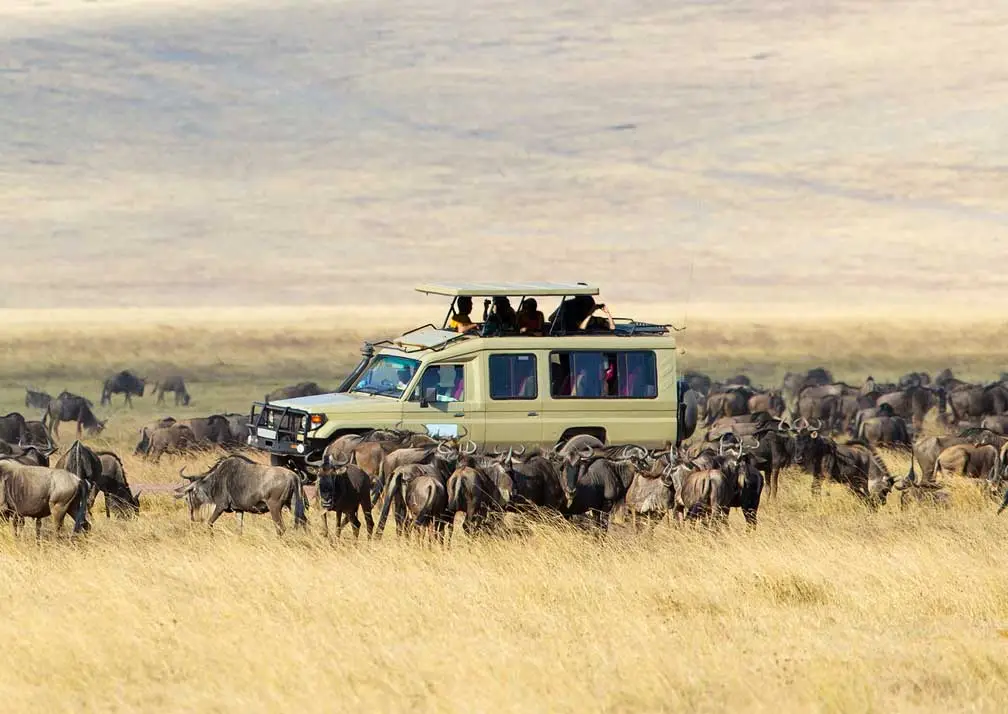
Great Migration Safaris
Experience one of nature's greatest spectacles with our Great Migration safari packages, timed for river crossings or calving.
View Package →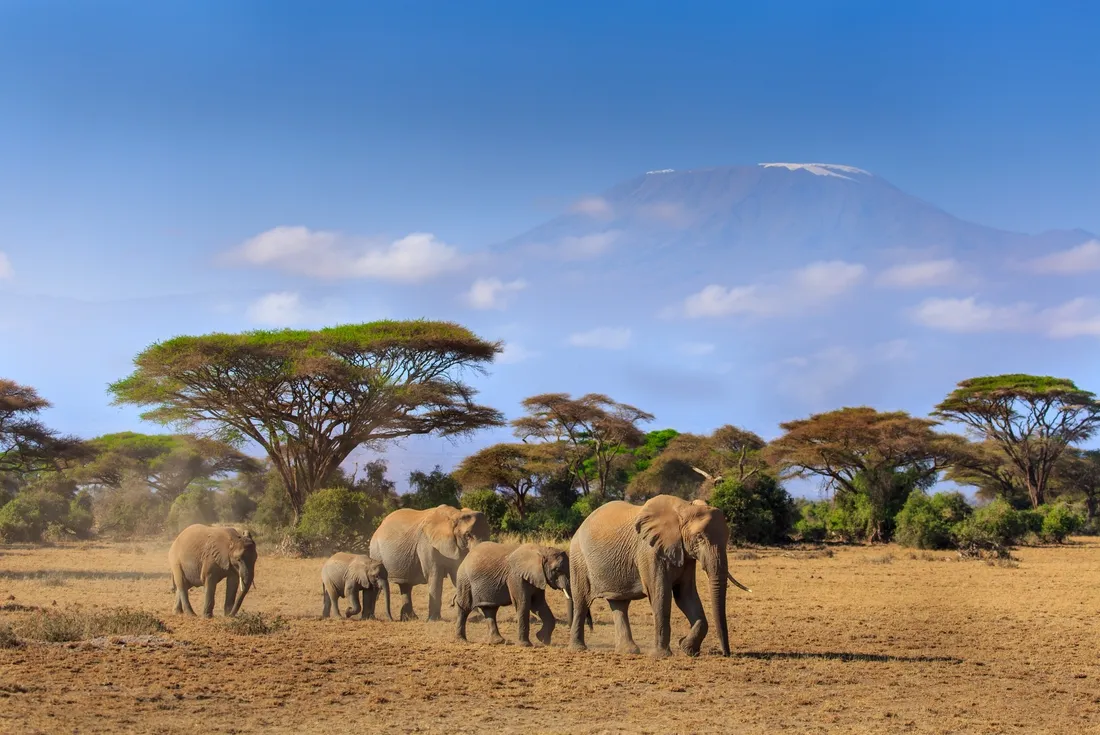
Serengeti & Kilimanjaro Trek
Combined safari and trekking tours offer wildlife adventures and Kilimanjaro climbs.
View Package →
Serengeti & Zanzibar Tours
Luxury Tanzania safari & beach packages with the Great Migration and pristine beaches.
View Package →Related: Best Time to Visit Tanzania 2026 – Perfect safari extension after your Kiribati adventure.